Key Takeaways
Removes a buyer's most visible negotiating lever
Refinished wheels give buyers nothing concrete to point to when pushing for a discount. Without that visible flaw, price negotiations tend to start closer to asking.
Dramatically improves listing photo appeal
Clean, gloss-finish wheels photograph significantly better than scuffed ones. Since most buyers form their initial impression from photos, this alone can drive more inquiries.
Signals careful ownership to serious buyers
Buyers use cosmetic condition as a proxy for mechanical care. Wheels that look well-maintained suggest the whole car was looked after — which builds confidence and reduces inspection anxiety.
Typically returns more than it costs
At $75–$150 per wheel, professional refinishing is one of the more cost-efficient pre-sale investments for mid-range and premium vehicles, where buyers are more price-sensitive to perceived condition.
Broadens your buyer pool
Enthusiasts and buyers with high aesthetic standards who might have skipped your listing will give it a second look when wheels are in clean condition.
Refinishing cost may exceed return on low-value cars
On vehicles priced under $6,000–$8,000, buyers generally expect some cosmetic wear and may not adjust their offers meaningfully for clean wheels. The math often doesn't support the spend.
DIY results rarely match professional quality
Touch-up kits leave visible texture differences and color mismatches under close inspection. A buyer who looks carefully may notice the repair and wonder what prompted it.
Refinishing doesn't address bent or cracked rims
If a wheel has structural damage — bends from pothole impacts or hairline cracks — refinishing the surface is cosmetic only and doesn't resolve the safety or performance issue.
Not all shops produce consistent results
Wheel refinishing quality varies significantly between providers. A poor-quality refinish can look worse than managed curb rash, particularly if paint adhesion fails quickly.
Time investment before listing
Professional refinishing requires dropping the car off and waiting one to three days. For sellers on a tight timeline, that window may not be practical.
Our Verdict
Curb rash is a small cosmetic flaw with an outsized impact on buyer perception. In most cases, professionally refinishing scuffed wheels before listing returns more in sale price than it costs — especially on mid-range to premium vehicles where buyers have higher expectations. On older, lower-value cars, a quality DIY kit and honest disclosure may be the more practical path.
Sellers of vehicles priced above $12,000 or with premium alloy wheels will see the clearest return on wheel refinishing — but any seller can benefit from understanding how buyers read curb rash and what it signals about overall care.
Why Curb Rash Gets More Attention Than Sellers Expect
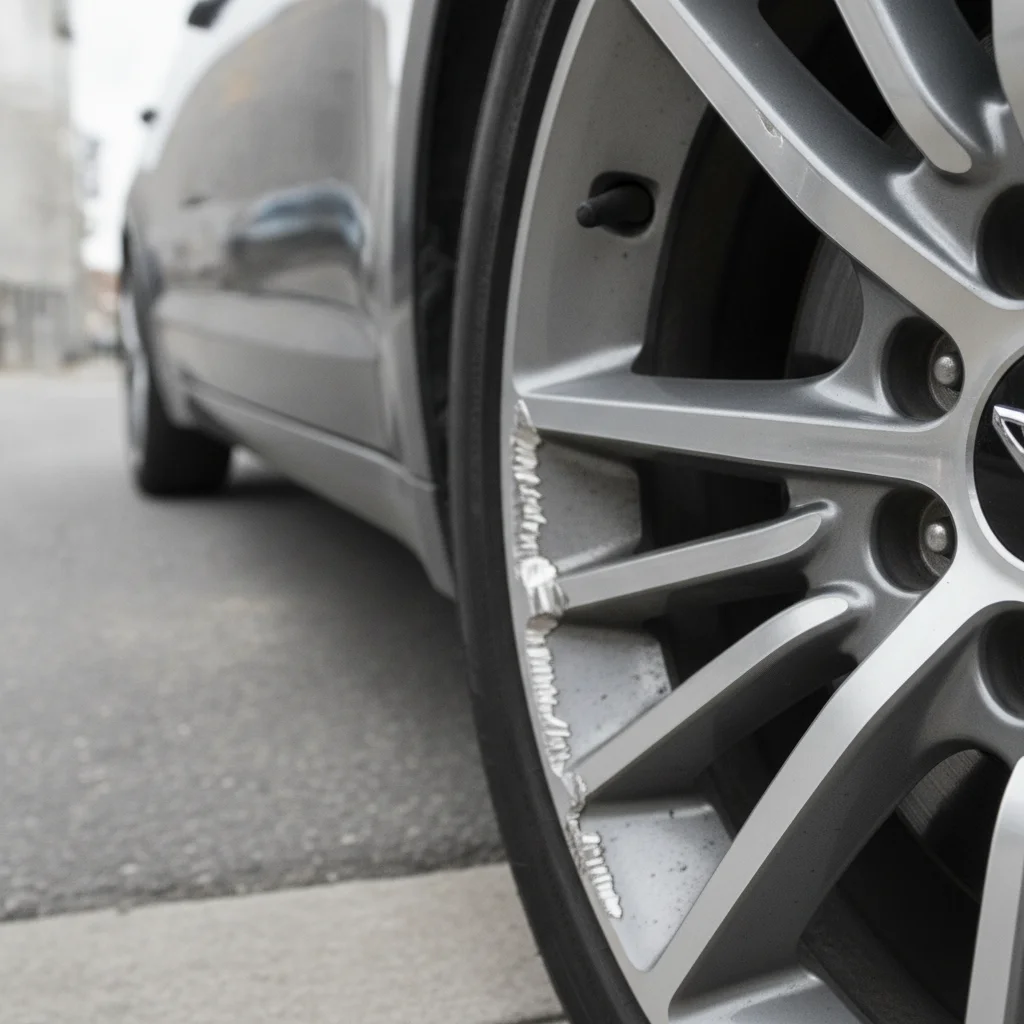
You may have parallel-parked in a rush once or clipped a particularly aggressive curb in a parking garage. It happens. The result — scuffed, gouged, or paint-stripped alloy rims — is so common that many sellers stop noticing it altogether. Buyers, however, notice it immediately.
There's a reason for that asymmetry. When a buyer looks at a car, they're not just evaluating what they see — they're building a mental picture of how the car was treated. Curb rash on multiple wheels signals inattentive driving. Deep gouges suggest the car was driven hard or parked carelessly in tight spaces. Even minor scuffs on all four wheels can prompt a buyer to wonder what else wasn't taken care of.
That's the real cost of leaving curb rash unaddressed before you list: it doesn't just affect how the wheels look. It quietly shapes how buyers feel about everything else on the car.
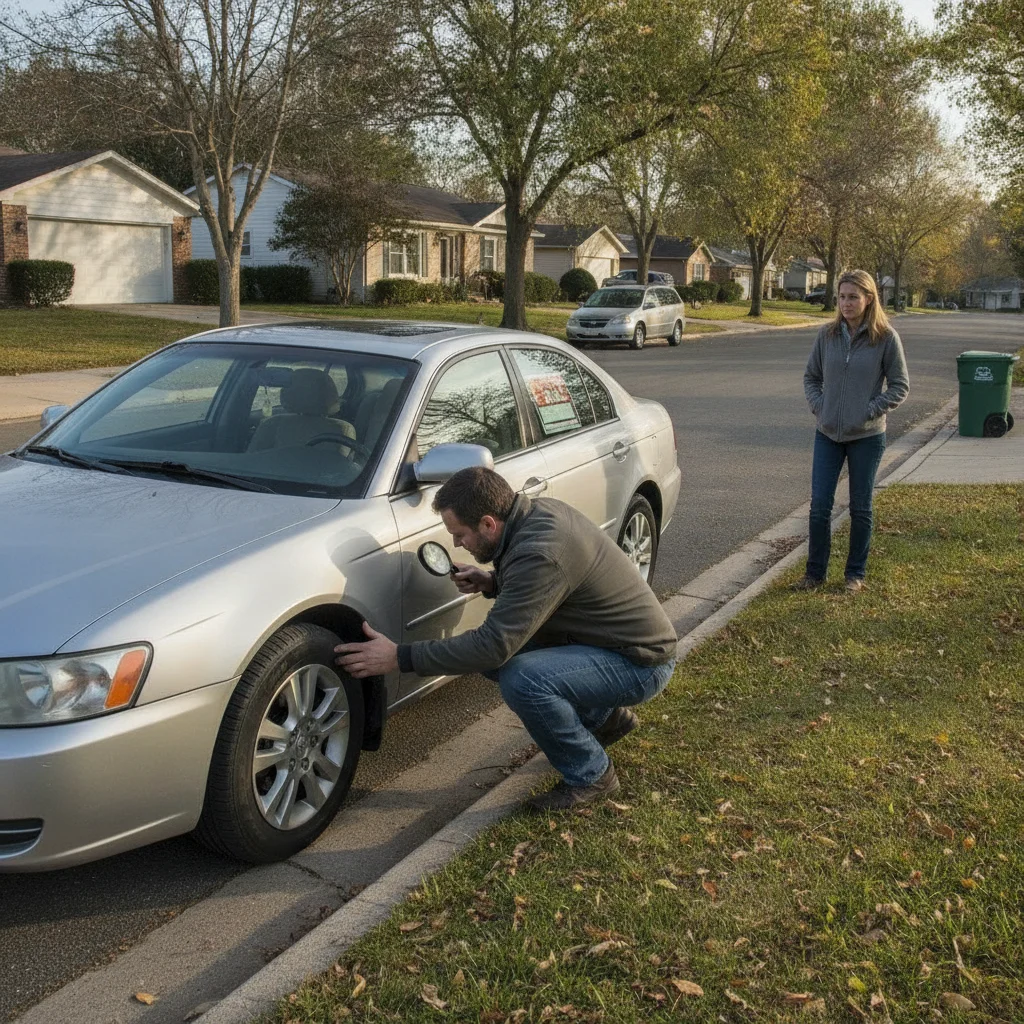
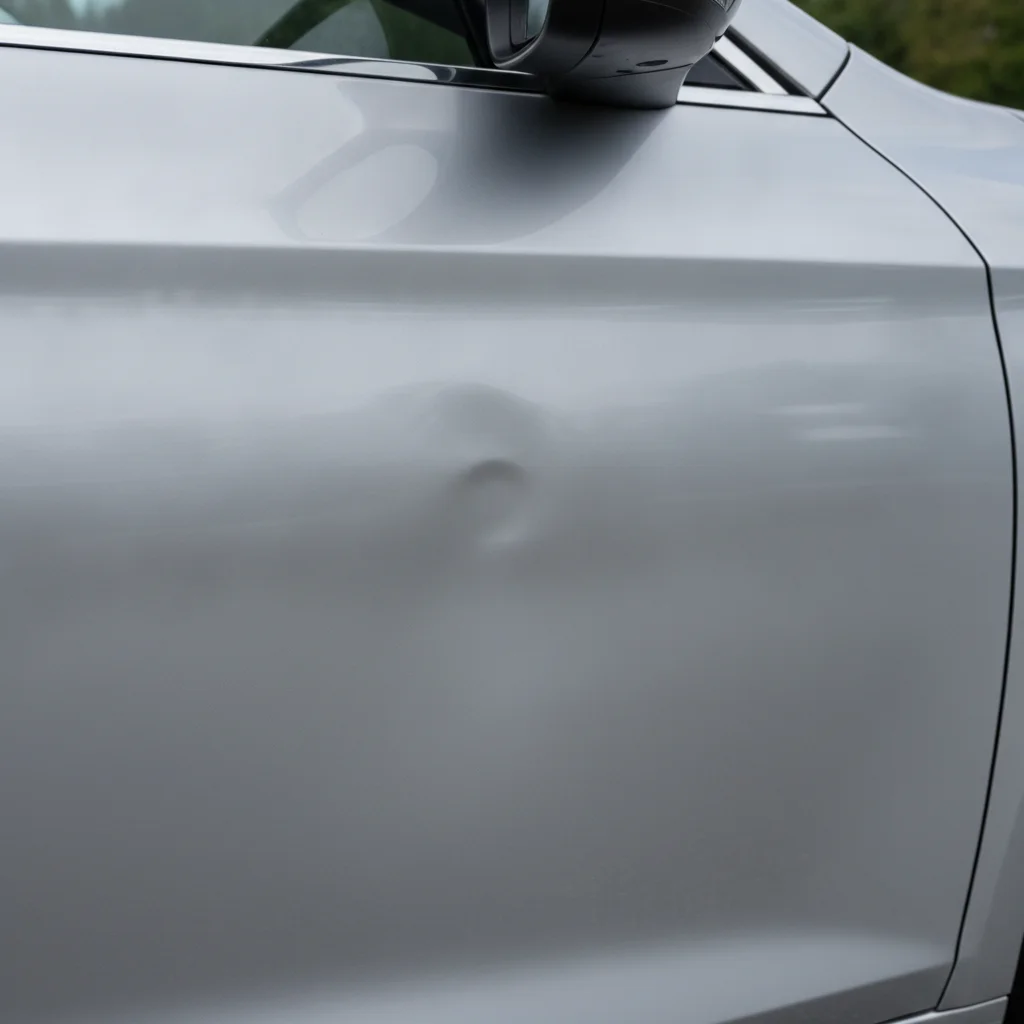
Compare this to small dents and dings, which buyers sometimes overlook if they're on less visible panels. Wheels are always visible — in photos, at the curb, and during the walk-around. There's nowhere to hide them.
What Buyers Actually Think When They See Scuffed Wheels
Buyer psychology around wheel condition breaks into a few predictable patterns, and understanding them gives you a real advantage as a seller.
The Negotiating Lever
Many buyers who notice curb rash use it as their opening for a price reduction. Even if they planned to make an offer below asking price anyway, visible wheel damage gives them a tangible, justifiable reason to push harder. "The wheels are scuffed up" is a much easier conversation starter than "I just want a lower price." Expect this, especially from experienced used-car buyers.
The Dealbreaker (For Some Buyers)
Buyers shopping for enthusiast vehicles, luxury cars, or anything with high-end factory alloys often have near-zero tolerance for curb rash. To them, damaged wheels aren't cosmetic — they're a sign the previous owner didn't value the car the way they do. These buyers will either walk away or discount so aggressively that you'd have been better off refinishing the wheels beforehand.
The Indifferent Buyer
Some buyers genuinely don't care, especially if they're purchasing a high-mileage daily driver where a few scuffs fit the overall profile. For these buyers, wheel condition probably isn't the deciding factor. But you usually can't identify which type of buyer you're dealing with until they're standing in front of the car.
74%
Buyers who cite wheel condition as important
A CarGurus survey found nearly three-quarters of used-car buyers consider wheel and tire condition a significant factor in purchase decisions.
$300–$500
Typical buyer discount demand for visible curb rash
According to automotive resale consultants, buyers routinely request price reductions of $300–$500 when wheel damage is visible on mid-range vehicles.
$75–$175
Average professional wheel refinishing cost per wheel
Industry pricing from mobile and shop-based wheel repair services in 2024, varying by damage severity and wheel size.
The safest assumption is that most buyers will notice and that a meaningful portion will react negatively — either by negotiating harder or by walking away in favor of a cleaner listing nearby.
Your Options: From DIY Touch-Up to Professional Refinishing
Once you've decided to address curb rash before listing, you have a real range of options. The right one depends on the severity of the damage, the value of your car, and how much time you have before listing.
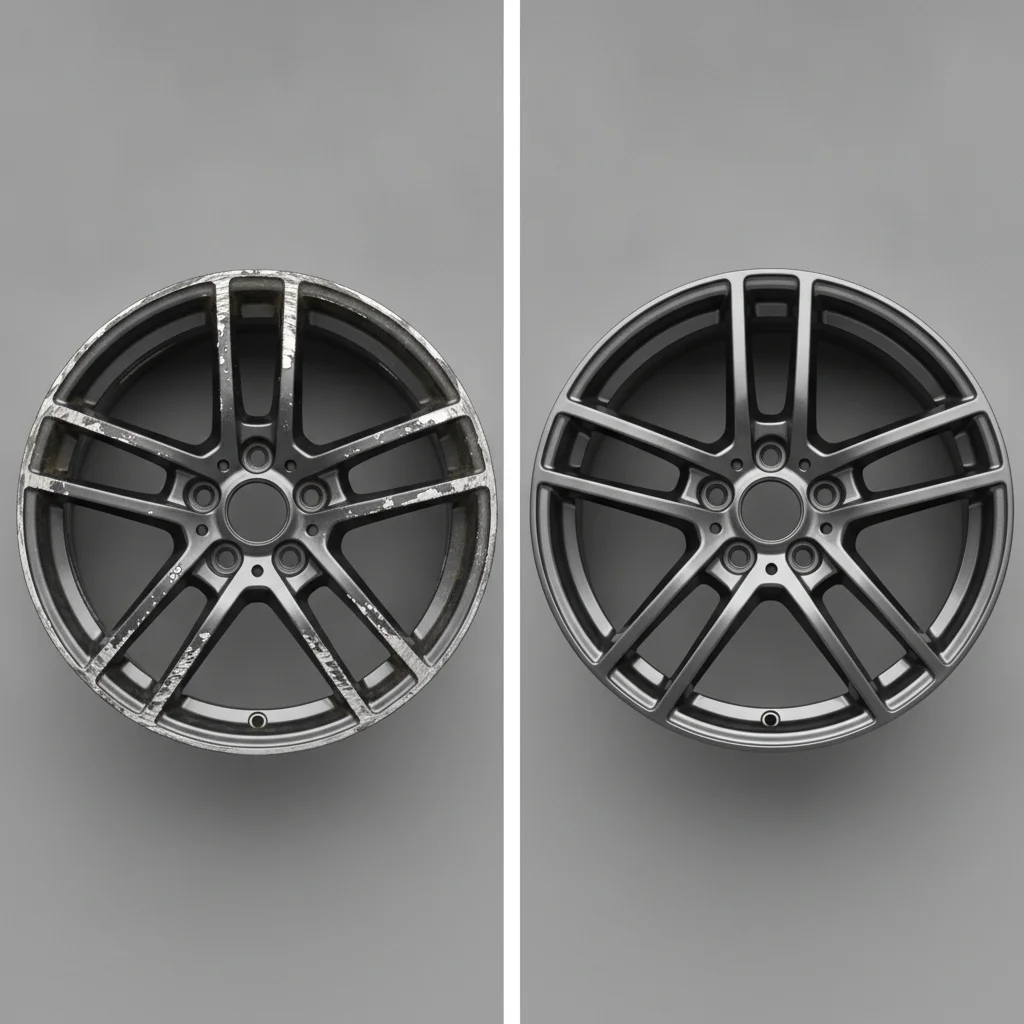
DIY Wheel Repair Kits
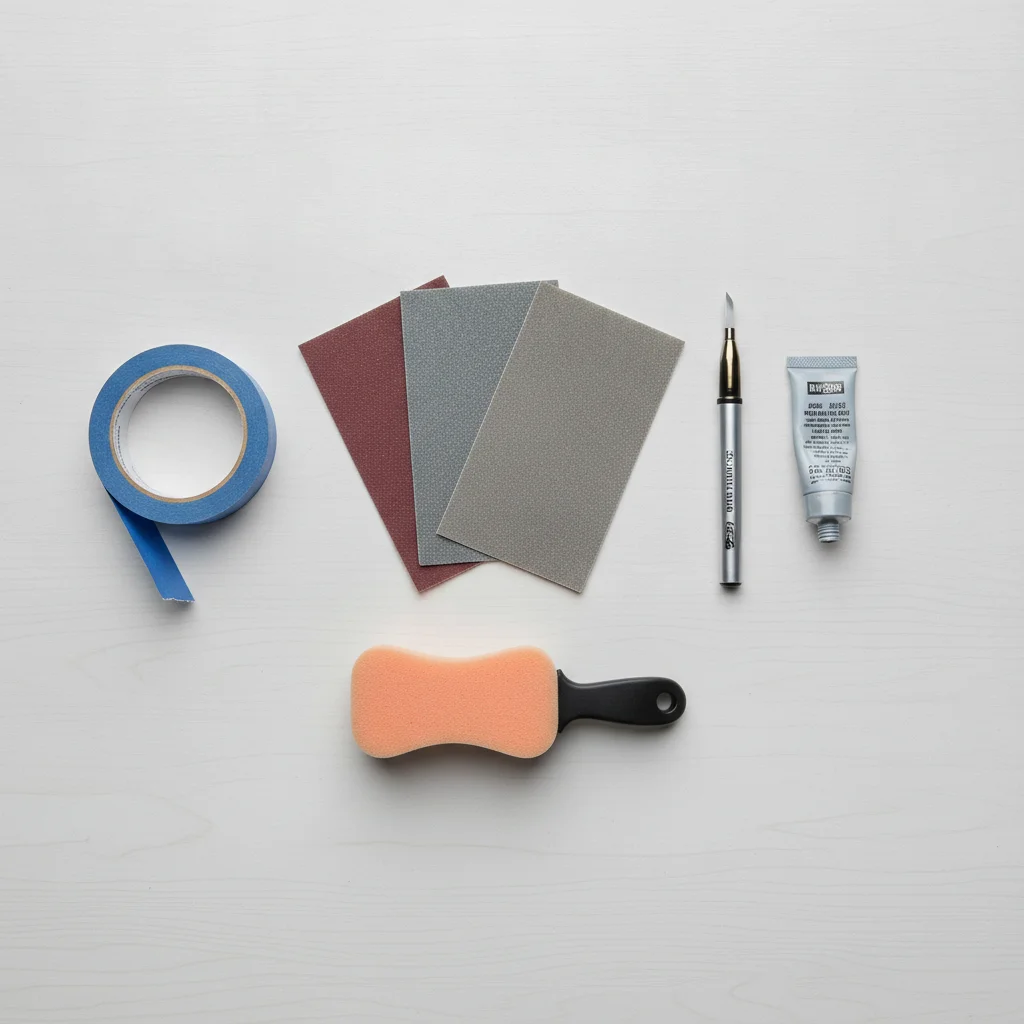
These kits — available at auto parts stores for $15–$40 — typically include sandpaper, filler compound, and touch-up paint in common wheel colors. They're best suited to light surface scuffs where the metal hasn't been deeply gouged. Honest assessment: the results are rarely invisible up close, but they can significantly reduce the visual impact in listing photos and from a normal viewing distance. If your car is priced under $10,000 and the damage is minor, this is a reasonable approach.
Mobile Wheel Repair Services
A step up from DIY, mobile technicians come to you and use professional-grade fillers, primers, and paint. Typical cost runs $75–$125 per wheel. The quality varies by technician, but a skilled mobile repair can produce results that are nearly undetectable in good lighting. This option works well for moderate damage on wheels that haven't been bent or structurally compromised.
Professional Shop Refinishing
The most thorough option involves removing the wheel from the car, stripping and sanding the damaged area, applying filler as needed, and repainting or powder-coating before resealing. Expect to pay $100–$175 per wheel at a reputable shop. This is the right call for deep gouges, significant paint loss, or premium alloys where the finish quality matters to your target buyer. The result is essentially indistinguishable from factory condition.
Wheel Replacement
For severely damaged wheels — particularly if the rim has been bent, cracked, or the damage is on the barrel rather than just the face — replacement may be more cost-effective than repair. Check OEM and aftermarket options, or look for matching used wheels on parts sites. This is usually the exception, not the rule, for typical curb rash.
Check for Structural Damage First
Before investing in refinishing, run your hand along the inside of the wheel barrel and check the rim edge for bends or cracks. A wheel that has been bent from a hard pothole impact may hold air fine but affect steering feel and tire wear. Cosmetic refinishing won't fix a structural issue — and a buyer's pre-purchase inspection will catch it. If in doubt, have a tire shop check runout before listing.
The Case for Refinishing: Pros
Let's be direct about what you stand to gain by addressing wheel condition before you list.
Removes a buyer's most visible negotiating lever
Refinished wheels give buyers nothing concrete to point to when pushing for a discount. Without that visible flaw, price negotiations tend to start closer to asking.
Dramatically improves listing photo appeal
Clean, gloss-finish wheels photograph significantly better than scuffed ones. Since most buyers form their initial impression from photos, this alone can drive more inquiries.
Signals careful ownership to serious buyers
Buyers use cosmetic condition as a proxy for mechanical care. Wheels that look well-maintained suggest the whole car was looked after — which builds confidence and reduces inspection anxiety.
Typically returns more than it costs
At $75–$150 per wheel, professional refinishing is one of the more cost-efficient pre-sale investments for mid-range and premium vehicles, where buyers are more price-sensitive to perceived condition.
Broadens your buyer pool
Enthusiasts and buyers with high aesthetic standards who might have skipped your listing will give it a second look when wheels are in clean condition.
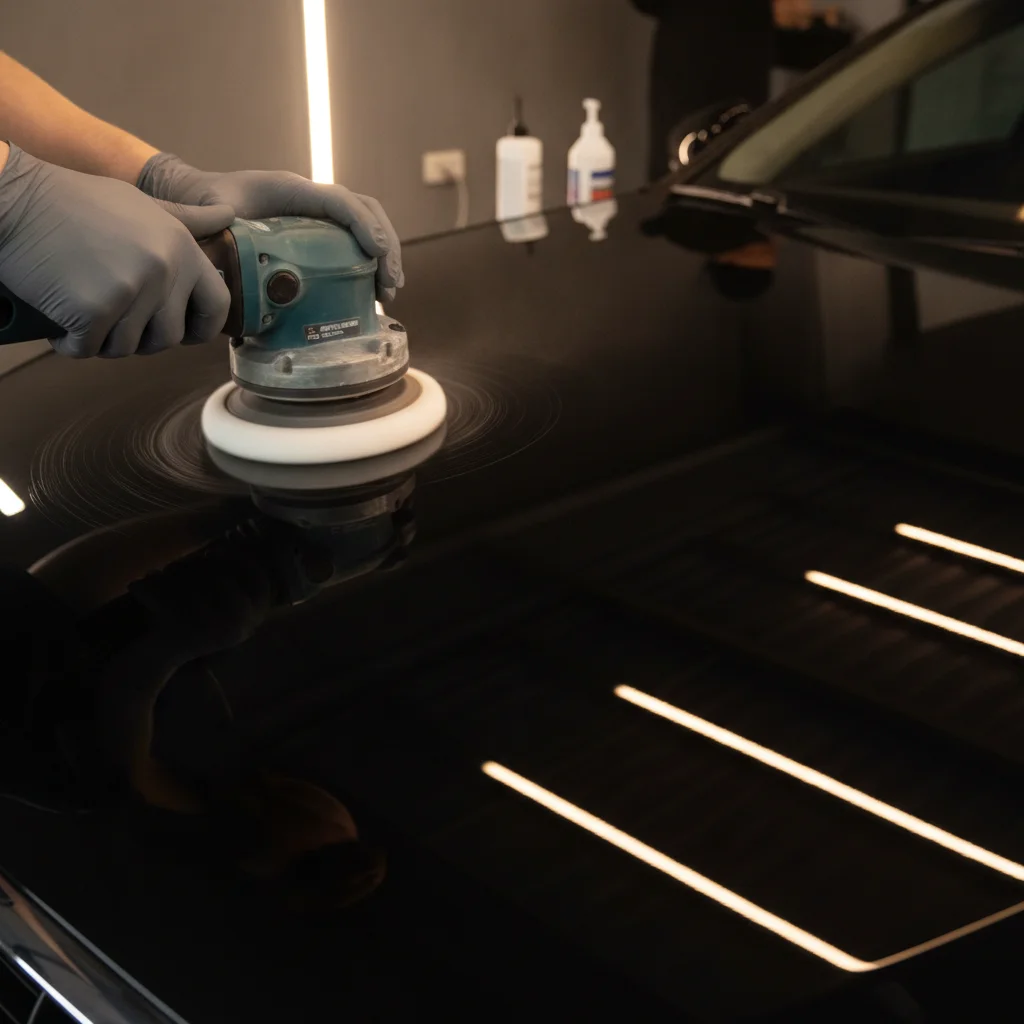
It's also worth considering the broader context of your prep work. Wheel refinishing pairs well with other targeted cosmetic fixes — much like paint correction, the goal isn't to make the car look new; it's to remove the friction points that cause buyers to hesitate or negotiate aggressively.
The Case Against Refinishing: Cons
Refinishing isn't always the right call. Here's where the math or the situation may not support the investment.
Refinishing cost may exceed return on low-value cars
On vehicles priced under $6,000–$8,000, buyers generally expect some cosmetic wear and may not adjust their offers meaningfully for clean wheels. The math often doesn't support the spend.
DIY results rarely match professional quality
Touch-up kits leave visible texture differences and color mismatches under close inspection. A buyer who looks carefully may notice the repair and wonder what prompted it.
Refinishing doesn't address bent or cracked rims
If a wheel has structural damage — bends from pothole impacts or hairline cracks — refinishing the surface is cosmetic only and doesn't resolve the safety or performance issue.
Not all shops produce consistent results
Wheel refinishing quality varies significantly between providers. A poor-quality refinish can look worse than managed curb rash, particularly if paint adhesion fails quickly.
Time investment before listing
Professional refinishing requires dropping the car off and waiting one to three days. For sellers on a tight timeline, that window may not be practical.
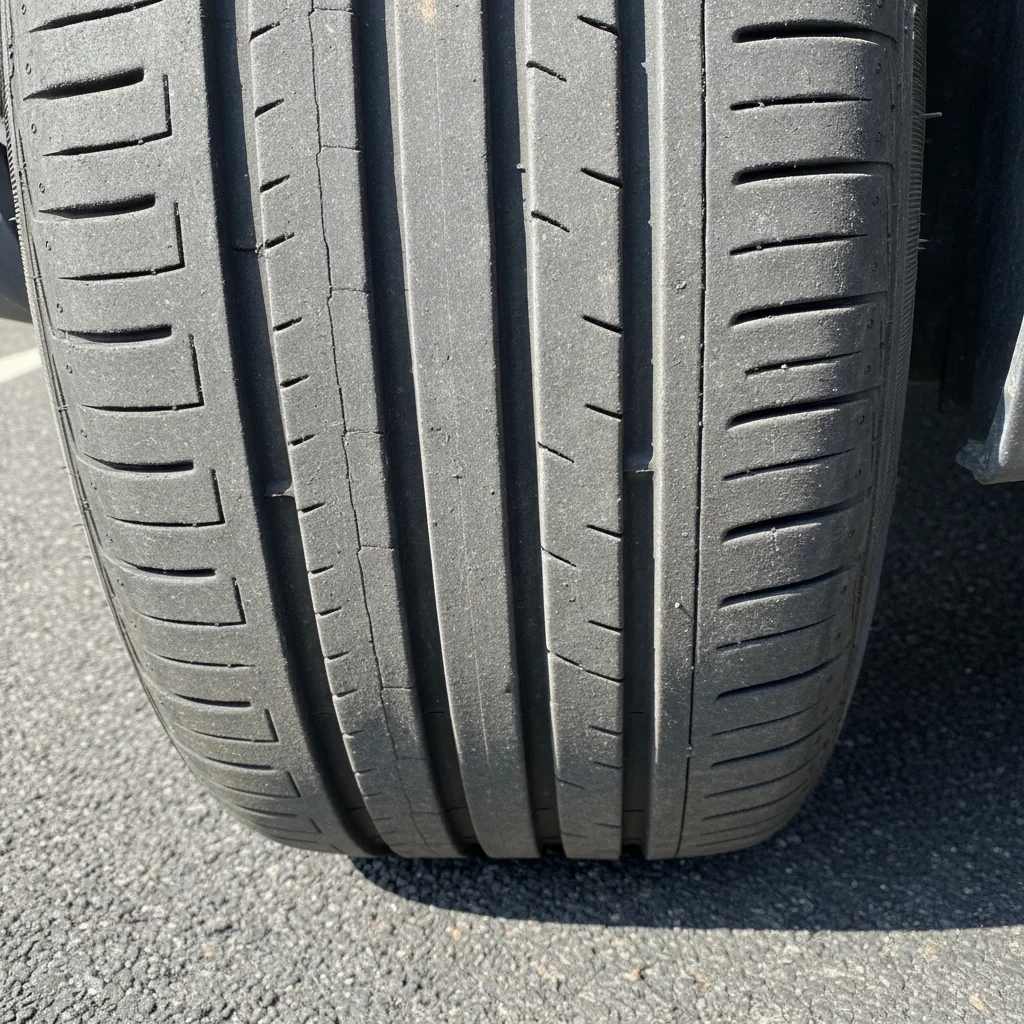
If your car has other significant issues — worn tires, body damage, or mechanical concerns — wheel refinishing won't move the needle enough to justify the cost on its own. In those cases, it's better to allocate your prep budget toward higher-impact fixes first. See how tire condition affects buyer perception — because buyers evaluating wheels are often also evaluating tires at the same moment.
How Curb Rash Compares to Other Cosmetic Issues
Not all cosmetic flaws carry the same weight with buyers. It helps to understand where curb rash sits in the hierarchy.
| Issue | Buyer Visibility | Typical Buyer Reaction | Avg. Repair Cost |
|---|---|---|---|
| Curb rash (light) | High | Negotiating leverage | $75–$150/wheel |
| Curb rash (deep) | Very High | Strong pushback or walkaway | $125–$175/wheel |
| Minor paint chips | Medium | Minor negotiating leverage | $50–$200 |
| Small door dings | Medium | Occasional negotiating leverage | $75–$150 PDR |
| Faded headlights | High | Safety concern, price reduction | $25–$80 DIY |
| Surface rust (panels) | High | Concern about overall condition | Varies widely |
Curb rash ranks high on buyer visibility precisely because wheels are framed prominently in listing photos and examined during any serious viewing. Unlike a paint chip on a rear quarter panel, there's no angle from which buyers miss the wheels.
For context on how buyers read other surface-level issues, surface corrosion vs. structural rust is a related distinction worth understanding — cosmetic concerns and safety concerns land very differently in buyer negotiations.
Practical Steps Before You List
If you're preparing to sell and want to handle wheel condition strategically, here's a clear sequence to follow.
- Inspect all four wheels in good light. Crouch down to wheel level and look at the full face and lip of each rim. Note the severity on each wheel — light surface scuffs, moderate gouges, or deep damage into the metal.
- Get a professional quote first. Before committing to DIY, call one or two local wheel repair shops or mobile services. The quote is usually free and gives you a real cost to weigh against your expected sale price.
- Calculate your break-even. If refinishing two wheels costs $250 and your car is listed at $18,000, the math likely supports it. If your car is listed at $5,500 and all four wheels need attention, a DIY kit and honest pricing may serve you better.
- Photograph wheels after any repair. Clean, well-lit photos of refinished wheels are a selling point in your listing. Buyers scrolling through photos respond to wheels that look sharp.
- Disclose honestly in your listing. If you chose not to refinish, note the condition matter-of-factly: "minor curb rash on two wheels, priced accordingly." This sets expectations and reduces the risk of buyers feeling misled. The mistakes sellers make trying to hide flaws are well-documented — transparency consistently outperforms evasion.
The goal throughout is to remove uncertainty for buyers. A buyer who sees clean wheels, or who reads an honest disclosure with a fair price, has less reason to negotiate aggressively or walk away.
The Bottom Line on Curb Rash and Sale Price
Curb rash is one of those issues that costs sellers more in lost negotiating position than it would have cost to fix. That's the core of it. A buyer who spots damaged wheels — especially on a car priced above $12,000 — has an easy, visible, reasonable justification to push your price down $300, $500, or more. That's often two to four times what professional refinishing would have cost.
That said, there's no universal rule. The decision should be grounded in your car's actual market value, the severity of the damage, and the type of buyer you're likely to attract. A high-mileage economy car with light scuffs on two wheels probably doesn't need a full refinish. A three-year-old crossover with premium 20-inch alloys and deep gouges on three wheels almost certainly does.
What you should avoid in every case is hoping buyers won't notice. They will — and the ones who don't say anything are often the ones who simply move on to the next listing.

All claims are backed by peer-reviewed research. Sources on request.