Key Takeaways
Our Verdict
Tesla Insurance's Safety Score model is genuinely innovative and can deliver lower premiums for consistently safe drivers — but its limited state availability and single-car ecosystem lock-in make it impractical for many owners. Third-party insurers offer broader coverage flexibility, multi-car discounts, and established claims infrastructure that Tesla is still developing. The best choice depends heavily on your state, driving habits, and whether you own one Tesla or several vehicles.
| Best for | Recommended |
|---|---|
| Solo Tesla owners in eligible states who drive carefully and consistently | Tesla Insurance |
| Households with multiple vehicles or non-Tesla cars on one policy | Third-Party Insurer |
| Drivers who want established claims service and repair network flexibility | Third-Party Insurer |
| High-mileage safe drivers seeking real-time premium savings | Tesla Insurance |
How Tesla Insurance Actually Works
Tesla Insurance launched in California in 2019 and has since expanded to roughly a dozen states. Unlike conventional insurance, which relies on demographic proxies — age, credit score, ZIP code — Tesla Insurance prices your monthly premium almost entirely on a real-time Safety Score calculated from the car's onboard sensors and Autopilot systems.
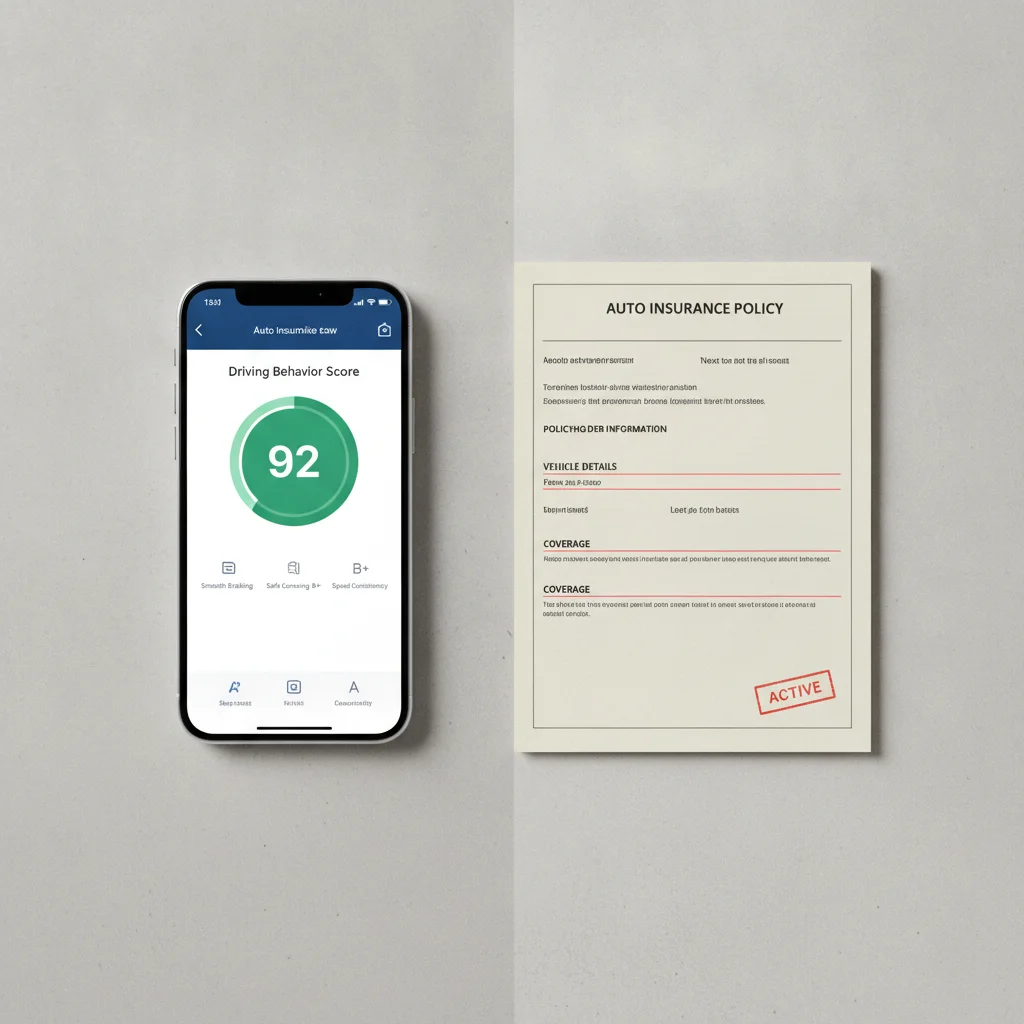
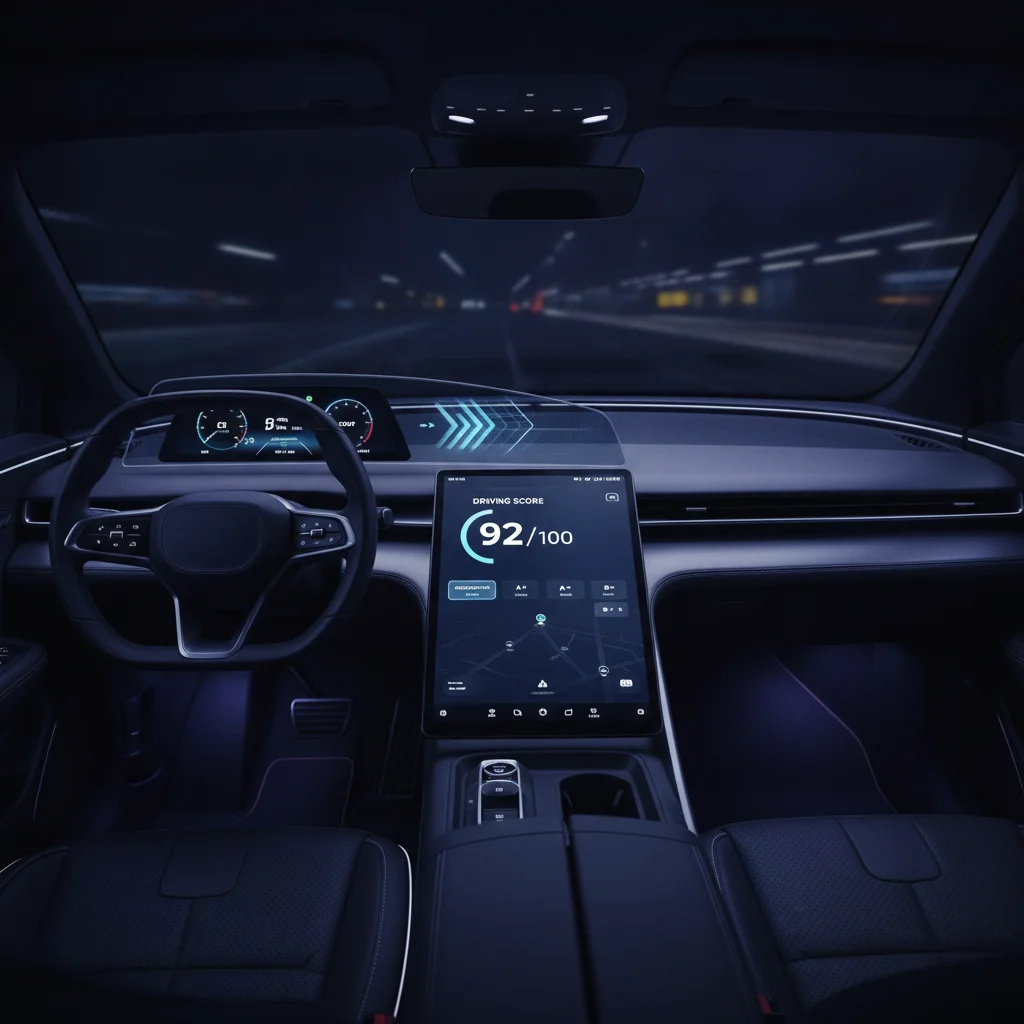
The Safety Score, visible in the Tesla app, tracks five behavioral factors: forward collision warnings per mile, hard braking, aggressive turning, unsafe following distance, and forced Autopilot disengagements. Each month, your score — on a scale of 0 to 100 — is averaged and converted into a premium adjustment. A driver scoring above 90 can see substantial discounts; scores below 70 result in higher bills.
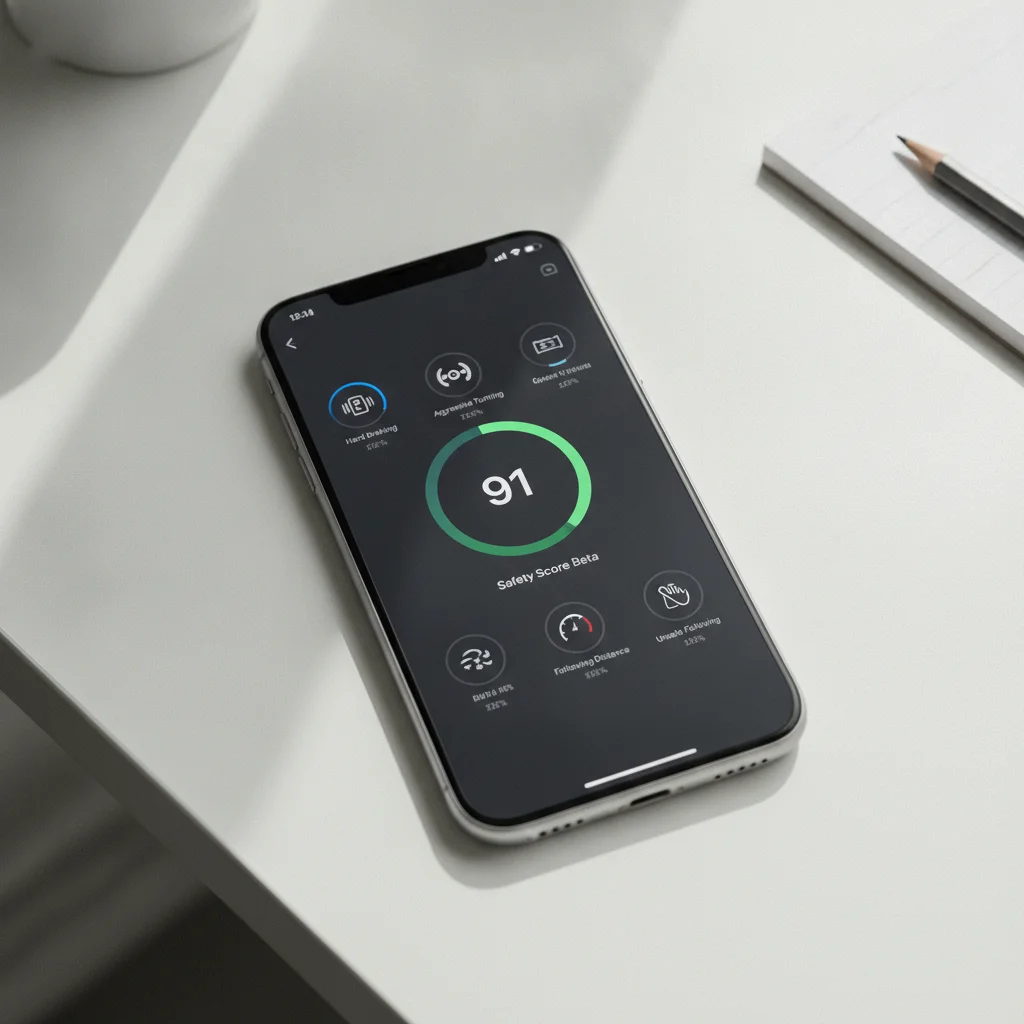
This mechanism is fundamentally different from the telematics programs offered by Progressive Snapshot or State Farm Drive Safe & Save, which primarily function as discount programs layered onto a base rate. Tesla's system uses real-time data as the primary rating variable from day one, not an add-on. For a broader look at how telematics programs compare to standard policies, see how usage-based insurance stacks up against traditional coverage.
Claims are filed directly through the Tesla app and, in many states, Tesla steers repairs toward its own certified body shops. The company has been building out its claims operation, but it remains far smaller than the nationwide infrastructure of legacy insurers.
Get Your Safety Score Before Committing
Tesla owners can view a preliminary Safety Score in the Tesla app before enrolling in Tesla Insurance. Spend two to four weeks driving normally and check the score — it gives you a realistic preview of what your monthly premium will look like. If your score is consistently above 85, Tesla Insurance is likely worth a direct quote comparison against your current carrier.
Always Compare at Least Three Quotes
Even if Tesla Insurance is available in your state, request quotes from at least two or three third-party carriers before deciding. Tesla's pricing can be competitive for safe solo drivers, but bundling discounts, loyalty rewards, and multi-car savings from traditional insurers occasionally outperform the Safety Score model — especially for households with more than one vehicle.
What Third-Party Insurers Offer Tesla Drivers
Every major U.S. auto insurer — GEICO, State Farm, Progressive, Allstate, USAA — will write a policy on a Tesla. Specialty EV-aware insurers like Nationwide and Travelers have also developed underwriting experience with high-voltage vehicles. The coverage structures are identical to any other vehicle: liability, comprehensive, collision, uninsured motorist, medical payments, and optional add-ons.
Where third-party insurers differ is in how they price that coverage. Most still rely on traditional rating factors: driving history, credit-based insurance score, vehicle trim and year, annual mileage, and location. For Tesla owners, this creates a specific challenge: the vehicle's high repair costs and parts scarcity inflate base rates regardless of how safely you drive.

However, third-party carriers bring meaningful advantages Tesla cannot yet match:
- Multi-vehicle discounts: Bundle your Tesla with a spouse's gas vehicle and save 10–25% on both premiums.
- Loyalty and bundling discounts: Pairing home and auto policies with one carrier routinely cuts auto premiums by 5–15%.
- Broader repair network: You can choose any certified auto body shop, not just Tesla-approved locations.
- Established claims processes: Carriers like USAA and Erie consistently rank highest in J.D. Power claims satisfaction surveys.
- Nationwide availability: No geographic restrictions — critical for owners in states where Tesla Insurance isn't offered.
For a detailed breakdown of how EV-specific policies differ structurally from conventional auto coverage, the guide on EV insurance vs. traditional auto insurance is worth reading before you shop.
| Tesla Insurance | Third-Party Insurer | |
|---|---|---|
| Pricing model | Real-time Safety Score (telematics-first) | Traditional rating factors + optional telematics |
| State availability | ~12 states only | All 50 states |
| Multi-vehicle discounts | Tesla vehicles only | Mix of any vehicles, including non-EVs |
| Repair network | Tesla-certified centers preferred | Any certified collision center |
| Battery/EV component coverage | Factory-aligned, fewer disputes | Covered, but disputes possible |
| Optional add-ons (gap, rental) | Limited selection by state | Broad menu of riders available |
| Claims satisfaction track record | Limited data, still developing | Decades of J.D. Power data available |
| Data privacy requirement | Continuous telematics required | Optional telematics for discounts |
Shared Vehicles Can Hurt Your Safety Score
Tesla Insurance's Safety Score reflects all driving behavior on the vehicle, not just yours. If a partner, teenager, or frequent borrower drives the car differently — harder braking, more aggressive turns, more Autopilot disengagements — your premium will reflect their habits. Households where the car is regularly shared between drivers should model this carefully before assuming Tesla Insurance will be cheaper.
Repair Wait Times Can Leave You Without a Car
Tesla-certified collision centers have historically experienced significant backlogs, sometimes stretching six to ten weeks for major repairs. If Tesla Insurance routes your claim to an in-network shop, verify whether your policy includes rental reimbursement sufficient to cover that duration. Gaps in rental coverage during extended repairs are a real financial exposure for Tesla Insurance policyholders.
The Cost Reality: Premium Ranges and What Drives Them
Tesla models are expensive to insure by any measure. The average annual premium for a Tesla Model 3 is approximately $2,200–$2,800 with major third-party carriers, compared to a national average of about $1,760 for all passenger vehicles, according to data from the Insurance Information Institute. Model S and Model X owners face even steeper rates, sometimes exceeding $4,000 annually, due to higher vehicle values and expensive repair components.
$2,200–$2,800
Average annual Tesla Model 3 insurance premium
Estimated range across major third-party carriers as of 2024–2025, per Insurance Information Institute baseline data and market quotes.
20–40%
Potential savings for high Safety Score Tesla Insurance drivers
Tesla has indicated drivers scoring above 90 consistently can save this much versus the market average for comparable coverage.
~12 states
States where Tesla Insurance is currently available
As of mid-2025, Tesla Insurance remains unavailable in major EV markets including New York, Florida, and Massachusetts.
6–10 weeks
Reported wait times at Tesla-certified body shops
Repair backlogs at Tesla collision centers have been widely documented by owners on forums and in automotive press coverage.
Tesla Insurance's real-time model can undercut those figures significantly — but only for drivers who maintain high Safety Scores. Tesla has published data suggesting drivers scoring above 90 consistently pay roughly 20–40% less than the market average for comparable coverage. Drivers scoring below 80, however, often find Tesla Insurance is no cheaper than — or more expensive than — third-party alternatives.
Several factors complicate a simple cost comparison:
- The Safety Score isn't static. A month of road trips with hard highway braking can spike your premium without warning. Owners who share their vehicle with family members — or who frequently use Autopilot features in ways that generate disengagements — often find their scores volatile.
- Third-party telematics programs exist. Progressive Snapshot, State Farm Drive Safe & Save, and others offer usage-based options that can bring third-party premiums closer to Tesla Insurance levels for safe drivers. This is worth modeling before assuming Tesla Insurance wins on price.
- Deductible structures vary. Tesla Insurance currently offers fewer deductible options than most traditional carriers, limiting your ability to trade a higher out-of-pocket threshold for a lower monthly premium.
For guidance on how telematics programs specifically interact with EV ownership, see whether usage-based insurance makes more sense for electric drivers.
Coverage Details: Where the Policies Diverge
On paper, Tesla Insurance and third-party policies offer the same coverage categories. In practice, the fine print differs in ways that matter for EV owners specifically.
Battery and High-Voltage Component Coverage
Tesla Insurance covers battery pack damage under comprehensive and collision, as you'd expect from a manufacturer-backed program. Third-party insurers technically do the same, but coverage disputes over battery degradation versus acute damage have been documented — insurers sometimes argue that a battery replacement claim reflects wear rather than a covered loss. Tesla Insurance is less likely to dispute its own battery's failure mode.
Repair Network and Parts Availability
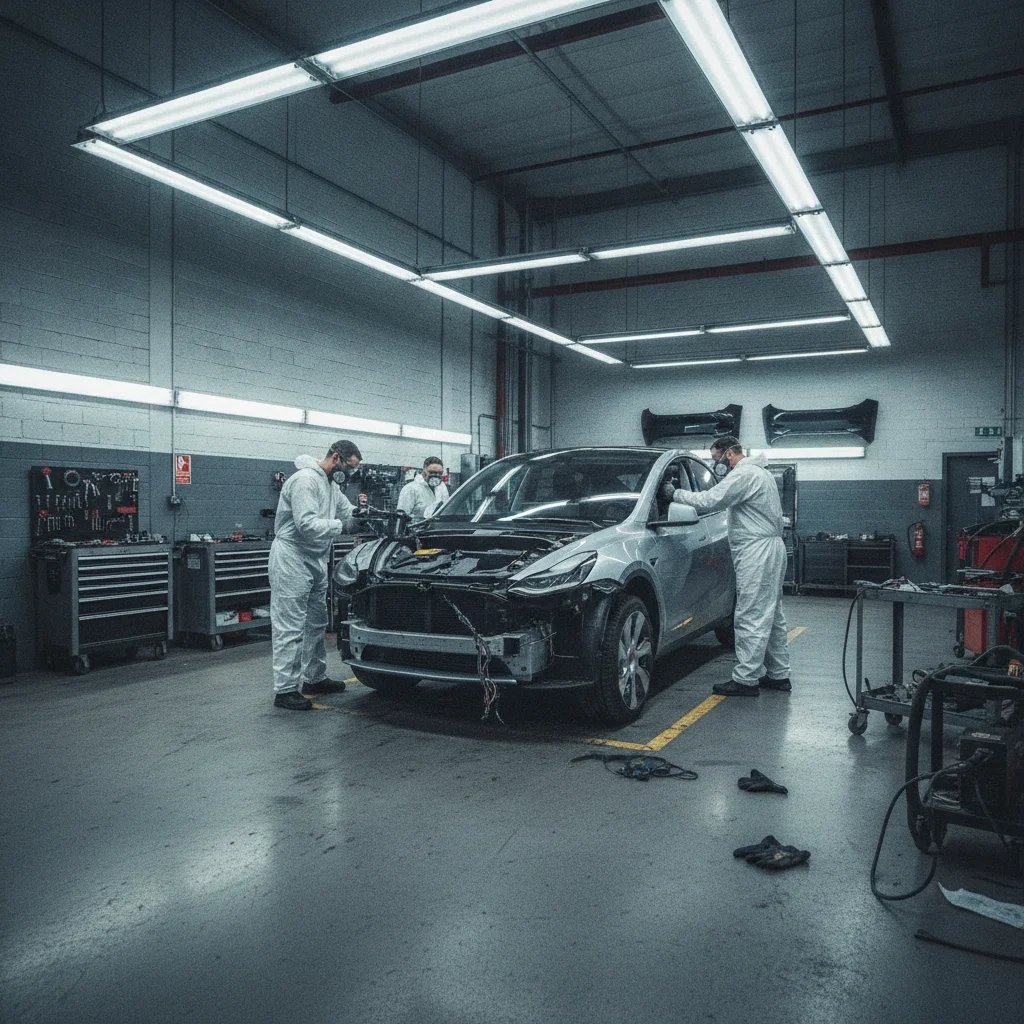
This is arguably the most consequential operational difference. Tesla Insurance strongly directs claims toward Tesla-certified collision centers, which means factory-matched parts and Tesla-trained technicians. The downside: wait times at Tesla body shops have historically been long — sometimes six to ten weeks for major repairs — and the network of locations is thinner than mainstream body shops.
Third-party insurers let you use any certified collision center, including those with access to aftermarket or OEM-equivalent parts that can speed repairs. Some Tesla purists consider non-Tesla-approved parts a downgrade; others prioritize getting their car back faster.
Optional Add-Ons and Riders
Major third-party carriers offer a wider menu of optional coverages: gap insurance, new car replacement riders, roadside assistance with EV-specific towing, and rental reimbursement with higher daily limits. Tesla Insurance's optional coverage menu is more limited. If you financed your Tesla and want robust gap coverage, verify what Tesla Insurance specifically offers in your state before committing. For an overview of available add-ons from traditional carriers, see optional coverage add-ons.
Privacy, Data, and the Safety Score Trade-Off
Tesla's real-time pricing model requires continuous access to your driving data. The company already collects extensive telematics from every connected vehicle — your insurance premium just becomes another data output from that stream. For Tesla owners who've already accepted this data relationship, the incremental privacy cost is arguably low. But it's worth understanding what the Safety Score does and doesn't measure.
The score captures how you drive, not where you drive or when — Tesla has stated it does not factor in location or time of day, distinguishing it from some third-party programs. However, the system cannot differentiate between drivers in households where multiple people use the same vehicle. A teenage family member who borrows the car will affect your score regardless of your own driving habits.
Shared Vehicles Can Hurt Your Safety Score
Tesla Insurance's Safety Score reflects all driving behavior on the vehicle, not just yours. If a partner, teenager, or frequent borrower drives the car differently — harder braking, more aggressive turns, more Autopilot disengagements — your premium will reflect their habits. Households where the car is regularly shared between drivers should model this carefully before assuming Tesla Insurance will be cheaper.
Repair Wait Times Can Leave You Without a Car
Tesla-certified collision centers have historically experienced significant backlogs, sometimes stretching six to ten weeks for major repairs. If Tesla Insurance routes your claim to an in-network shop, verify whether your policy includes rental reimbursement sufficient to cover that duration. Gaps in rental coverage during extended repairs are a real financial exposure for Tesla Insurance policyholders.
Third-party telematics programs carry their own data considerations, but most are optional programs you opt into for discounts. Tesla Insurance's model essentially makes telematics participation a baseline requirement for the product. Drivers who are uncomfortable with continuous behavioral monitoring — or who have valid privacy concerns — will find traditional underwriting from third-party carriers more suitable.
For a complete picture of how EV ownership intersects with data-driven insurance pricing, this analysis of usage-based insurance and EVs explores the trade-offs in depth.
State Availability and Who Can Actually Use Tesla Insurance
As of mid-2025, Tesla Insurance is available in approximately twelve states: Arizona, California, Colorado, Illinois, Nevada, Ohio, Oregon, Texas, Utah, Virginia, Washington, and a few others in expansion. This excludes major EV markets like New York, Florida, and Massachusetts, where Tesla has substantial owner populations but no insurance product.
If you live outside a covered state, the comparison is straightforward: third-party insurance is your only option. Focus your energy on comparing quotes from at least three to five carriers, using the strategies outlined in how to shop for EV insurance effectively.
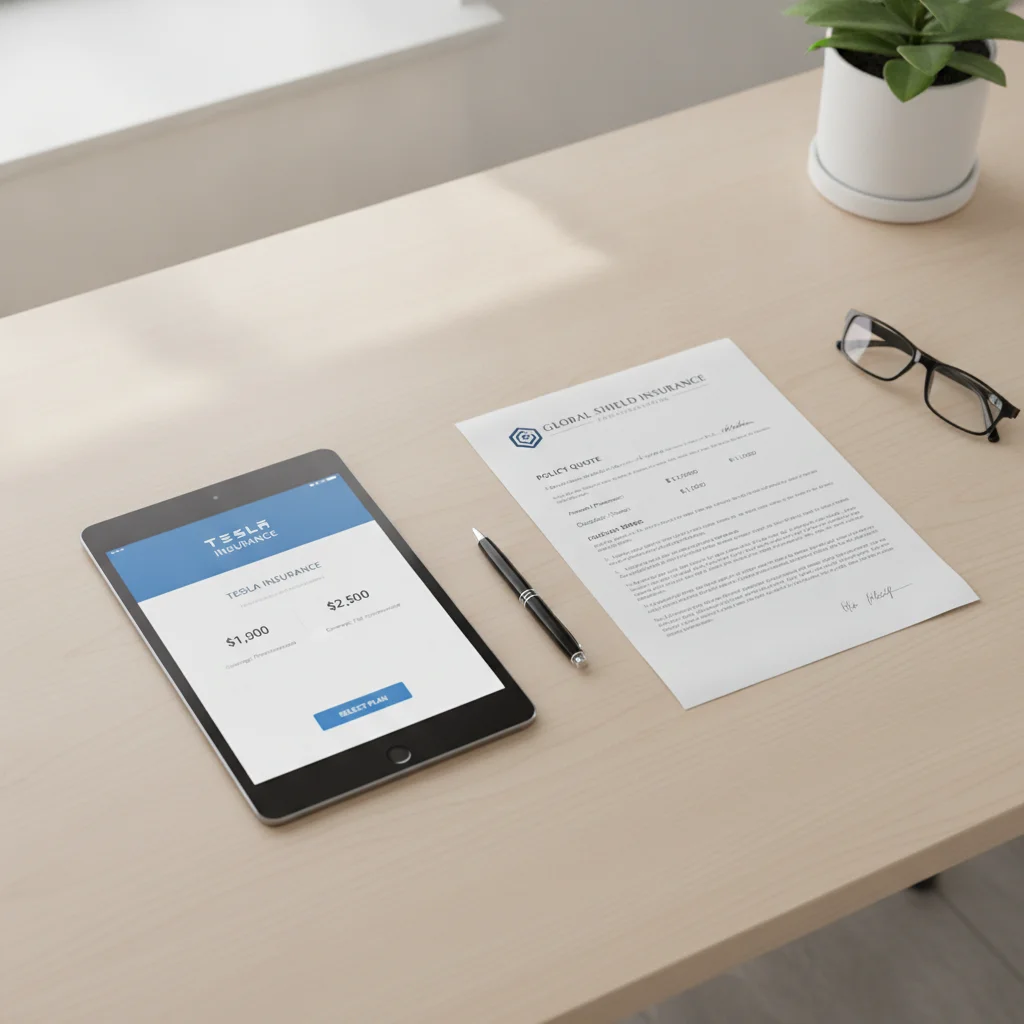
For owners in eligible states, the decision is more nuanced. Even where Tesla Insurance is available, it's not automatically the better deal. Run a direct quote comparison — Tesla Insurance quotes are available in the app within minutes — against at least two third-party carriers before deciding. Rate your quotes not just on monthly premium but on deductible options, coverage limits, and the claims process you'd actually experience after an accident.
Get Your Safety Score Before Committing
Tesla owners can view a preliminary Safety Score in the Tesla app before enrolling in Tesla Insurance. Spend two to four weeks driving normally and check the score — it gives you a realistic preview of what your monthly premium will look like. If your score is consistently above 85, Tesla Insurance is likely worth a direct quote comparison against your current carrier.
Always Compare at Least Three Quotes
Even if Tesla Insurance is available in your state, request quotes from at least two or three third-party carriers before deciding. Tesla's pricing can be competitive for safe solo drivers, but bundling discounts, loyalty rewards, and multi-car savings from traditional insurers occasionally outperform the Safety Score model — especially for households with more than one vehicle.
Making the Right Choice for Your Situation
There's no universal winner between Tesla Insurance and third-party policies. The right answer is highly situational, and several questions can sharpen your decision:
- Do you own only a Tesla, or do you have other vehicles? Multi-vehicle households almost always benefit from bundling with a third-party carrier that covers all cars on one policy at a discount.
- Is your driving behavior consistent and primarily solo? If yes, Tesla's Safety Score system is likely to work in your favor. If you share the car frequently or drive in conditions that generate hard braking events, the score can be unpredictable.
- How important is claims flexibility to you? Owners who want to choose their repair shop and work with a carrier with a 50-year claims track record will find third-party options more reassuring.
- Are you financing your Tesla? Check carefully whether Tesla Insurance in your state offers gap coverage or new car replacement, and at what terms. Third-party carriers often have more robust options here.
Premium price is rarely the only metric that matters in insurance. Evaluating EV policies beyond the premium explains what to look for in the fine print before signing any policy. And for a broader look at whether EV-specific insurance features are actually worth paying for, the pros and cons of EV insurance relative to gas car coverage provides useful context.
When comparing quotes across carriers, the resources at comparing auto insurance policies can help you evaluate competing offers on equal terms.
All claims are backed by peer-reviewed research. Sources on request.