Key Takeaways
Why EV Charging Claims Are Different From Standard Auto Claims
When a standard vehicle is involved in a collision, the insurance pathway is relatively well-worn: call your insurer, file under collision or liability coverage, get an appraisal, and receive a payout. EV charging equipment damage doesn't follow that same well-lit corridor. The complexity arises from three factors unique to electric vehicles.
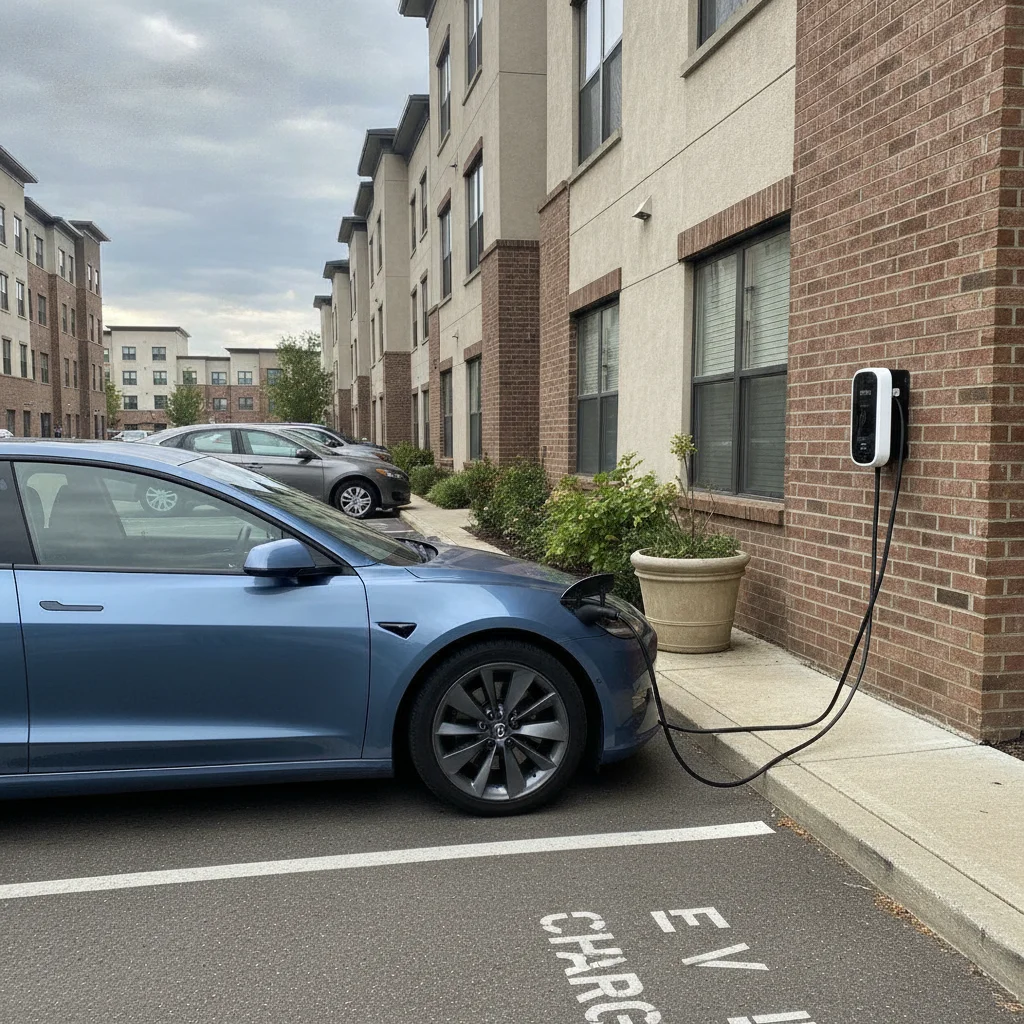
First, the equipment itself spans multiple policy categories. A Level 2 home charger is simultaneously a piece of personal property, a permanently installed electrical fixture, and — in some interpretations — an accessory to your vehicle. Depending on how it was installed and how damage occurred, it might legitimately fall under your homeowners policy, your auto policy, or neither. For everything you need to know about setting up a home charging installation, see our home EV charging setup guide, which covers the equipment types, installation costs, and electrical requirements that become directly relevant in a claim context.
Second, the charging environment introduces third-party variables. Public DC fast charging at a commercial station means you're interacting with equipment owned by a network operator, installed on property owned by a third party, and regulated by a patchwork of state and local codes. When something goes wrong — a faulty connector damages your charge port, a cable retracts unexpectedly, or another driver bumps the station into your car — the liable party and their insurer may not be obvious.
Third, most insurers haven't standardized their EVSE coverage language. Policies written before 2018 may not mention electric vehicle supply equipment at all. Even newer policies often rely on general personal property or other structures clauses that require interpretation. Renters and home EV charging coverage is a particularly common gap that catches EV owners off guard.
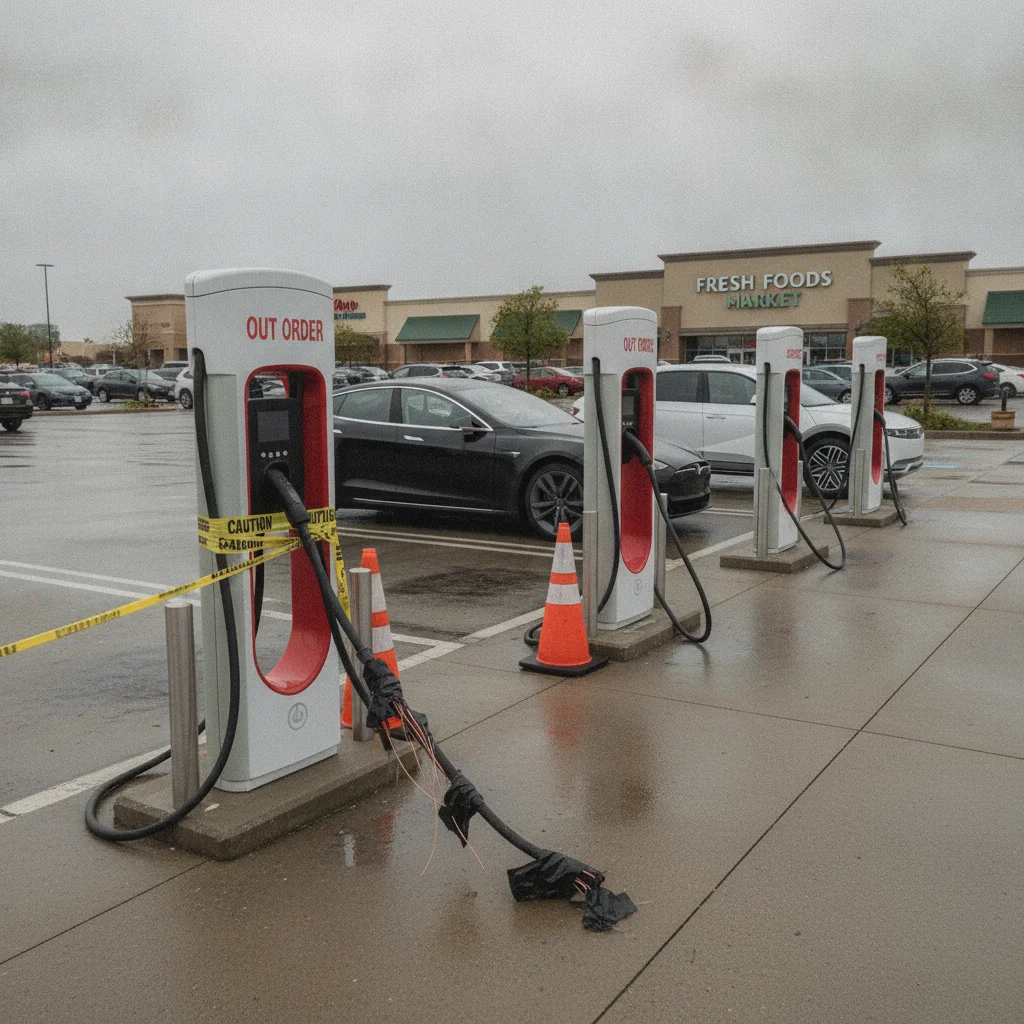
Understanding these distinctions before you file — not after — is what separates a smooth claim process from a months-long coverage dispute.
What you will need
Gather everything listed above before opening a claim. Incomplete documentation is the leading cause of delayed or reduced settlements in EVSE-related insurance cases.
Smartphone camera
Capture dated, geotagged photographs of all damage to equipment, vehicles, and surrounding property.
Insurance company mobile app or claims portal
Submit documentation, photos, and claim details directly to your insurer without waiting for business hours.
EVSE purchase receipt and installation invoice
Establish the original cost basis for your charging equipment so adjusters can calculate replacement value.
Multimeter or EVSE diagnostic app
Document the functional failure of a damaged charger with objective data to support your claim narrative.
Licensed electrician estimate
Obtain a professional repair or replacement quote to include with your claim documentation.
Charging network's customer support contact
Report public station incidents, obtain an operator incident report, and identify whether the network carries liability coverage.
Step-by-Step: Filing Your Claim
Follow these steps in order. Skipping documentation steps to speed up the process is the most common — and most costly — mistake EV owners make when navigating charging equipment claims.
Secure the scene and ensure safety
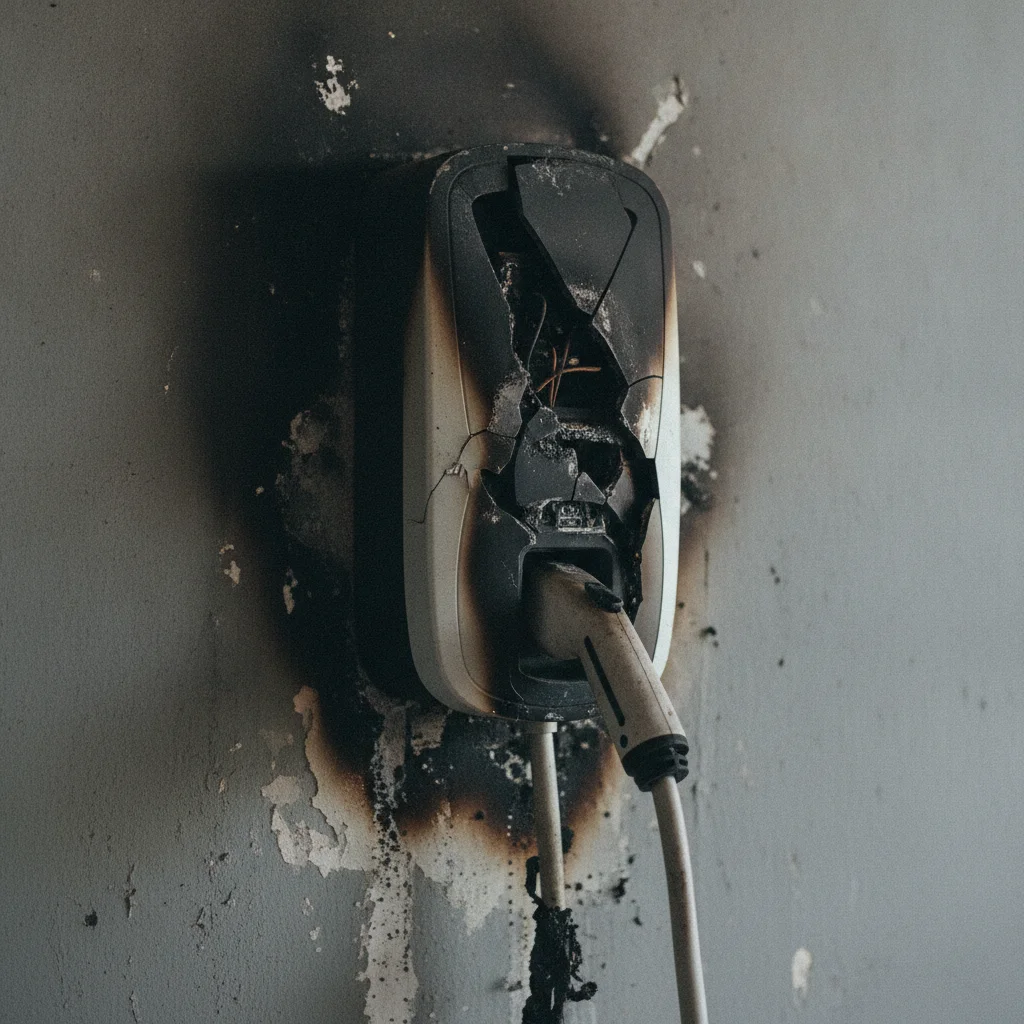
Before anything else, confirm there is no ongoing electrical hazard. A damaged EV charger — especially one involved in a vehicle impact or fire — can present shock or arc-flash risk. Do not touch exposed wiring, and if there is any sign of electrical burning, sparking, or smoke, cut power to the circuit at the breaker panel before approaching the equipment.
At a public charging station, alert station staff or call the network's emergency line. Most major networks (ChargePoint, Blink, EVgo, Tesla Supercharger) have 24/7 support lines printed on the station unit itself.
Document everything before anything moves
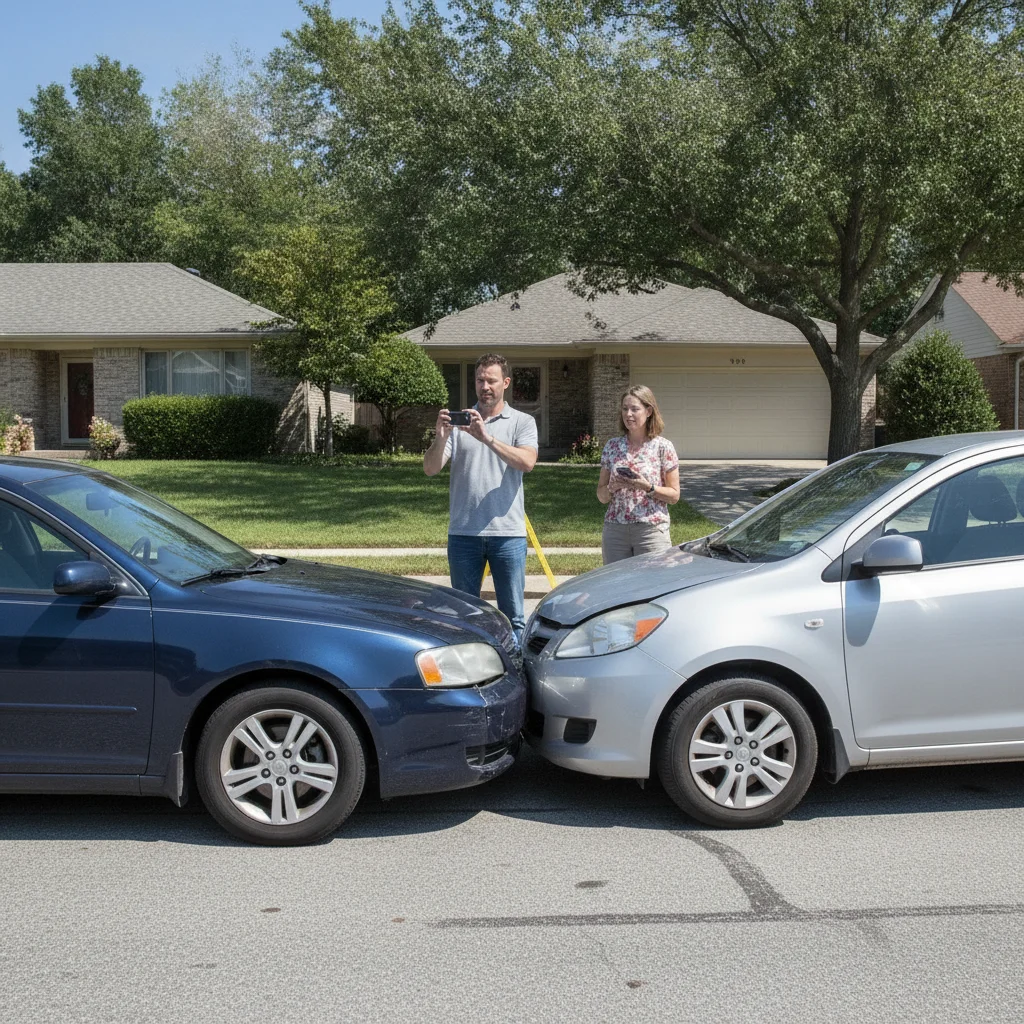
This is the single most consequential step in the claims process. Use your smartphone to capture:
- Wide-angle shots showing the full context of the scene (vehicle position, station location, surrounding damage)
- Close-up photos of every point of damage on the charger, cable, connector, and mounting hardware
- Any damage to your vehicle — particularly the charge port door, bumper, or nearby body panels
- Visible serial numbers or model labels on the EVSE unit
- Timestamp data (most smartphone cameras embed this in EXIF metadata automatically)
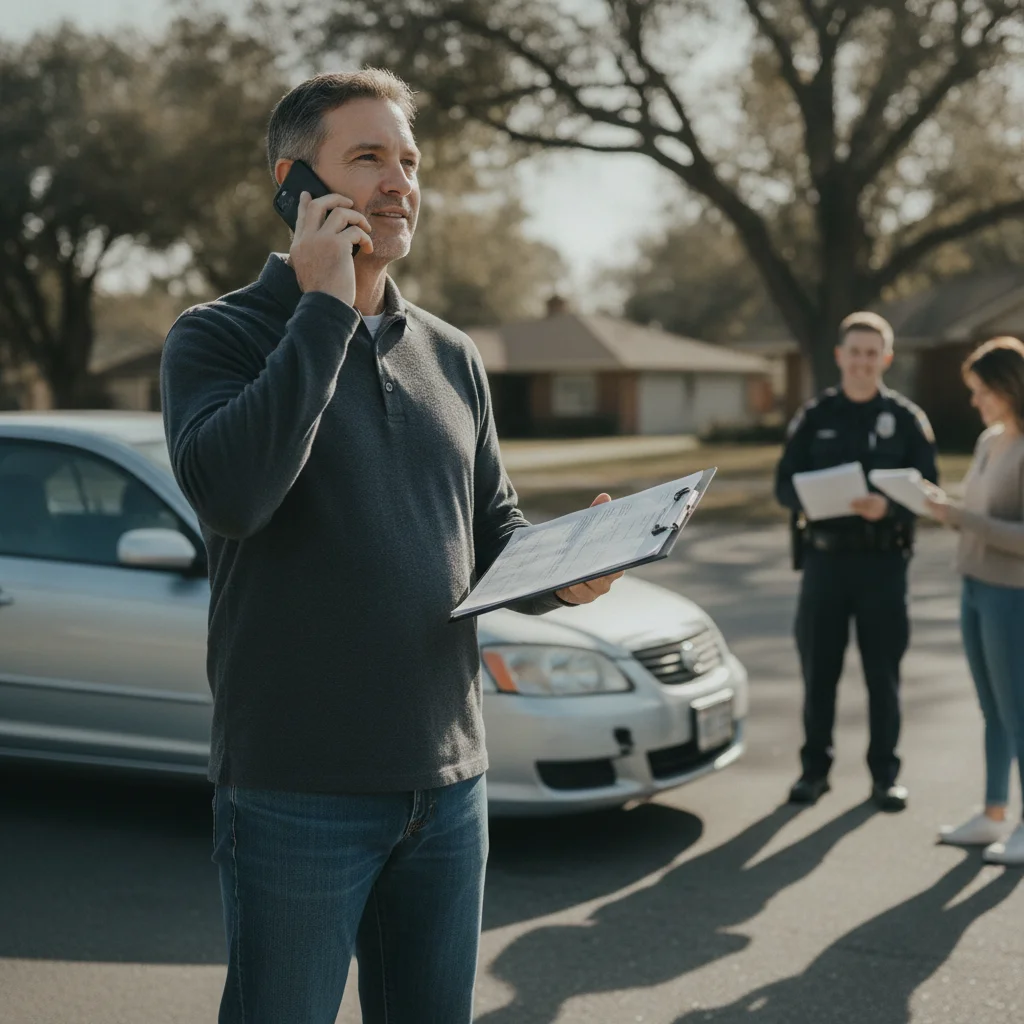
If another vehicle was involved, photograph their license plate, insurance card, and driver's license. If the incident occurred at a commercial property, ask for the name of the property manager and request a written incident report before leaving.
[in_content_images:0]Identify which insurance policy applies
This is where EV charging claims diverge sharply from standard auto claims, and where most EV owners stumble. The applicable policy depends on the nature of the damage and where the equipment is located:
| Scenario | Likely Primary Policy |
|---|---|
| Home charger damaged by a storm, fire, or vandalism | Homeowners or renters insurance |
| Home charger struck by your own vehicle | Auto collision or homeowners (varies by insurer) |
| Home charger struck by a neighbor's vehicle | Neighbor's auto liability policy |
| Public charger damaged when you hit it with your vehicle | Your auto collision + liability coverage |
| Public charger malfunctioned and damaged your vehicle | Charging network operator's liability, or your collision with subrogation |
| Charger cable or connector damaged your charge port | Charging network liability or manufacturer warranty |
For renters, the policy picture is especially complex. Renters insurance and home EV charging coverage is not automatic — your landlord's policy covers the structure, not your personally owned equipment.
File an incident report with the charging network (if applicable)
For any incident at a public or commercial charging station, contact the network operator before leaving the site or within 24 hours. Most major networks have a formal incident reporting process accessible through their app, website, or phone support line.
Key information to provide:
- Station ID number (printed on the unit)
- Date, time, and description of the incident
- Photos of the station and your vehicle
- Your contact and vehicle information
Request a copy of the incident report or at minimum a case/ticket number. This document is often required by your insurer when pursuing third-party liability, and it preserves the network operator's obligation to investigate their own equipment's role in the damage.
Get a professional repair or replacement estimate
Obtain at least one written estimate from a licensed electrician for home equipment, or an authorized EVSE repair technician. The estimate should itemize:
- Cost of the replacement EVSE unit (include make, model, and power level)
- Labor for removal, installation, and any electrical panel work required
- Permit fees, if applicable in your jurisdiction
For your vehicle's charge port or related body damage, get an estimate from a certified EV repair facility. Not all body shops are equipped to properly diagnose or repair high-voltage components adjacent to charge ports. Your insurer's preferred repair network may include EV-qualified shops, but you typically have the right to choose a qualified shop of your own. See our complete auto insurance claims roadmap for more on navigating the repair process.
[in_content_images:1]Contact your insurer and formally open a claim
With documentation and estimates in hand, call your insurer's claims line or submit through their app. Clearly state the nature of the loss at the outset — whether it involves home charging equipment, a public station incident, or vehicle damage at a charging location — so the claim is routed to the right adjuster.
Be prepared to provide:
- Policy number and insured vehicle VIN
- Date, time, and location of the incident
- A factual description of what happened (stick to observable facts, not inferred causes)
- All photos and supporting documents
- Your repair estimates
- Any incident report numbers from the charging network or police
Ask your adjuster explicitly whether the claimed equipment falls within your policy's covered property definitions. If there is ambiguity, request the relevant exclusions language in writing — this becomes important if the claim is partially or fully denied.
Work through the adjuster review and appraisal
Your insurer will assign an adjuster to review the claim. For home equipment damage, this may be handled entirely through submitted photos and documents without a physical inspection. For vehicle damage, an in-person or virtual appraisal of your car is standard.
During the review period:
- Respond promptly to any requests for additional documentation
- Keep records of all communications (names, dates, what was discussed)
- Do not authorize permanent repairs until the adjuster has completed their appraisal — premature repairs can void coverage
If the adjuster's valuation differs significantly from your repair estimate, you can challenge the assessment. Most policies include an appraisal clause allowing both parties to hire independent appraisers if there is a disagreement on the settlement amount. For liability disputes involving a third-party charging network, the process more closely resembles a liability claim settlement than a standard property loss.
Review the settlement offer and close the claim
Once the adjuster completes their review, you'll receive a settlement offer. Before accepting, verify:
- The payment covers your actual repair or replacement cost minus your deductible
- Replacement cost value (RCV) versus actual cash value (ACV) — ACV deducts depreciation, which on a 5-year-old charger can be substantial
- Whether the offer accounts for all documented damage, including any electrical panel work required to reinstall a replacement unit
If the settlement appears low, you can negotiate. Provide supplemental documentation — additional photos, a competing repair estimate, or manufacturer replacement cost data — and formally request reconsideration. If negotiation stalls, your state's Department of Insurance has a complaint and mediation process available to policyholders. Accept the settlement only when you are satisfied the offer reflects the full covered loss.
Troubleshooting Common Claim Complications
Even with thorough documentation, EV charging claims encounter specific complications that standard auto claims rarely face. Here's how to navigate the most frequent ones.
Your claim was denied because EVSE isn't listed as covered property
Request the exact exclusion language in writing from your insurer. In many cases, a home charger qualifies as "other structures" (if in a detached garage) or "personal property" (if a portable unit) even if not explicitly named. An insurance attorney or your state's Department of Insurance consumer assistance division can help interpret ambiguous policy language at no cost.
The charging network denies their equipment caused the damage
This is where your documentation — particularly timestamped photos, session data from the network's app, and any diagnostic fault codes from your vehicle — becomes essential. If the network's insurer denies the claim, file under your own collision coverage and allow your insurer to pursue subrogation against the network. Subrogation essentially means your insurer fights the liability battle on your behalf, and if they recover from the network, your deductible is typically refunded.
Your insurer says the charger's damage falls under a different policy
This scenario — sometimes called a coverage dispute between carriers — can stall claims for weeks. Document your communications with both insurers and request that each put their coverage position in writing. If both deny, you may have grounds for a bad faith complaint. For perspective on how liability disputes escalate, see our guide to filing a liability claim.
Don't Move Damaged Equipment Before Documenting
Whether a charger was hit by a vehicle, damaged in a storm, or involved in a public station incident, moving or tampering with equipment before thorough documentation can seriously undermine your claim. Insurers rely on photographic evidence and site conditions to validate losses. Take dated photos from multiple angles and, where applicable, request a written incident report from the property manager or charging network operator before anything is relocated or repaired.
Coverage Gaps Are Common — Verify Before You Need to Claim
Many EV owners assume their existing policies automatically cover charging equipment, but that assumption is frequently wrong. A standard homeowners policy may exclude permanently installed electrical equipment above a certain value without a rider; a standard auto policy typically covers the vehicle itself, not ancillary charging hardware. Review your declarations page and call your agent now, not after a loss occurs.
The repair estimate exceeds your policy's coverage limit for the equipment
High-end Level 2 chargers and DC fast chargers can cost $500–$2,500 or more for the unit alone, with installation adding another $500–$2,000. If your homeowners policy covers other structures up to 10% of your dwelling coverage, verify that limit actually covers your charger's replacement cost. If it doesn't, this is the moment to add an EVSE endorsement at renewal — not when you're mid-claim.
Keep Your Charger Purchase Receipt
Insurers reimburse actual cash value or replacement cost — whichever your policy specifies. Without the original purchase documentation, adjusters will estimate value, often conservatively. Store your EVSE receipt, installation invoice, and any manufacturer warranty cards in a cloud folder alongside your policy documents.
Ask About an EV Equipment Endorsement
Several major insurers now offer endorsements specifically for EV charging equipment, covering the EVSE unit, installation wiring, and sometimes even the electrical panel upgrades associated with it. These riders are often inexpensive relative to the hardware they protect — ask your agent during your next renewal cycle.
Photograph Your Charger Annually
An undamaged reference photo with a timestamp helps adjusters confirm pre-existing condition versus the claimed loss. Make it a habit to photograph your home charger installation each year — a 30-second task that can prevent disputes over pre-damage condition during a claim.
Collision vs. comprehensive: which applies if your charger was hit by weather?
Comprehensive coverage (often called "other than collision") typically covers damage from hail, falling objects, flooding, and fire — but only to your vehicle. Damage to your home charger from the same storm would route through your homeowners policy under dwelling or personal property coverage. The two claims run simultaneously but separately, each with their own deductible. For a side-by-side look at how collision claims work from scene to settlement, see our collision claim walkthrough.
Deciding whether to file at all
Not every EVSE loss warrants a formal claim. If your deductible is $1,000 and the charger can be replaced for $800, paying out of pocket preserves your claims-free discount and avoids a potential premium increase. Run the numbers — factor in your current deductible, the likely premium impact, and how long you've been claims-free — before committing to filing. The car insurance claims process hub has additional context on when filing makes financial sense versus when self-paying is the smarter call.
Filing May Raise Your Premiums
Even a single not-at-fault claim can influence your renewal premium depending on your insurer and state. If the repair cost is only modestly above your deductible, consider paying out of pocket and reserving claims history for larger losses. Get a repair estimate before you file.
Public Station Incidents Involve Third-Party Liability
If your vehicle damaged a public charging station, the network operator may pursue you for repair costs. Your auto liability coverage typically handles property damage you cause to others, but your policy limits need to be sufficient. Review your property damage liability limits if you regularly use public DC fast chargers.
All claims are backed by peer-reviewed research. Sources on request.