Key Takeaways
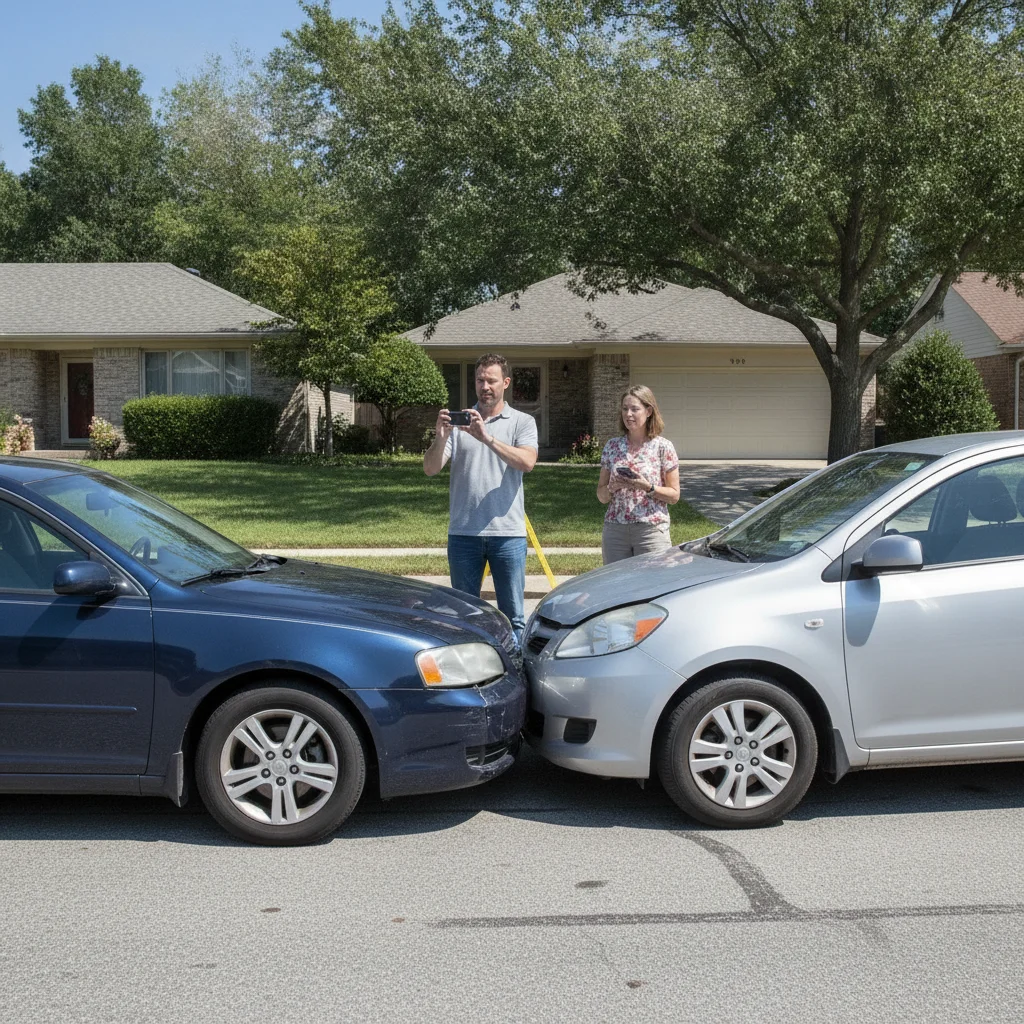
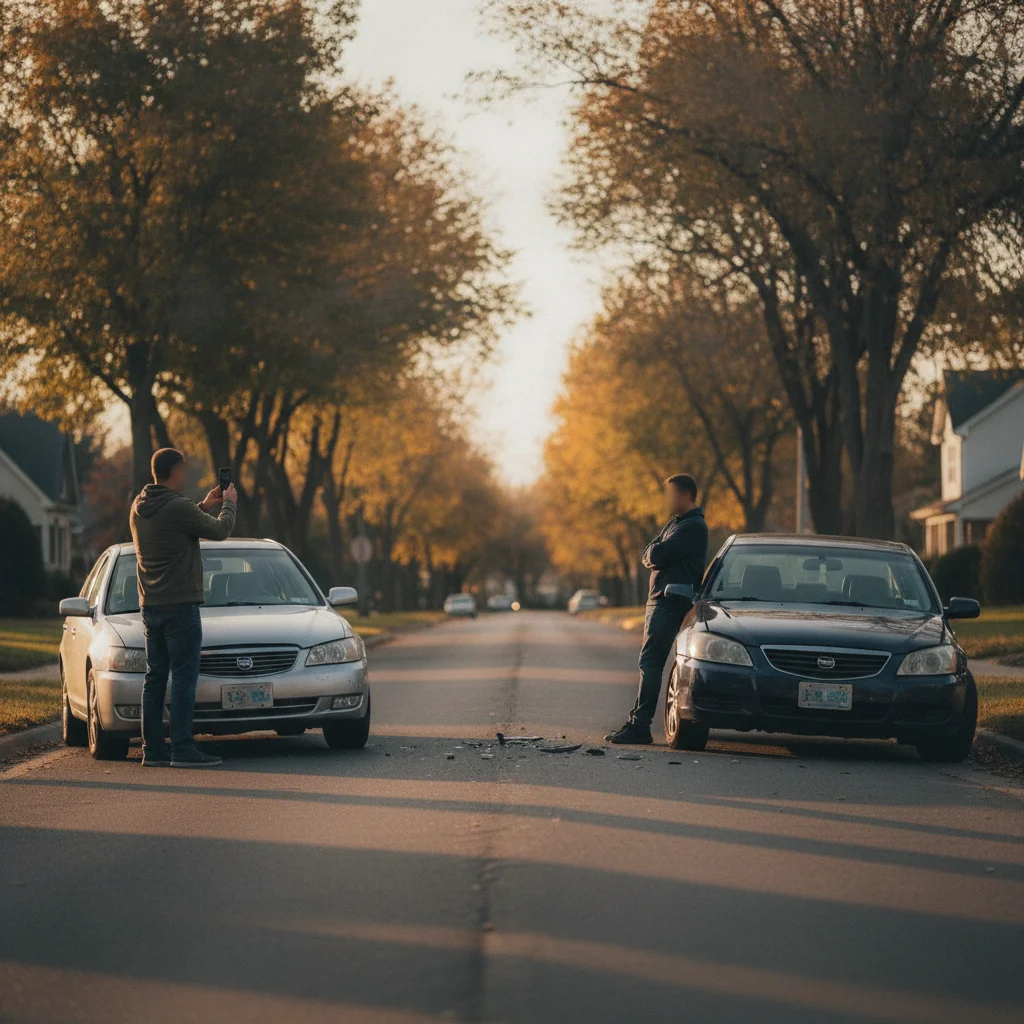
Take your scene photos before vehicles are moved if it's safe to do so. Wide-angle shots establishing position are just as important as close-ups of damage.
Adjusters rely heavily on the physical evidence you capture to reconstruct what happened. Post-move photos lose critical context about impact angles and fault.
When negotiating a total-loss ACV, pull three to five comparable listings from local classified sites and present them in writing rather than verbally.
Written comps with specific VINs, mileage, and prices give adjusters something concrete to respond to — and signal that you've done your homework.
Ask the adjuster to walk you through every line item in the repair estimate or ACV calculation. Most are happy to explain, and it surfaces errors faster.
Estimates contain line items for labor, parts, and sometimes betterment charges. Reviewing them directly often reveals discrepancies you'd otherwise miss.
How the Auto Insurance Claims Process Actually Works
Filing an auto insurance claim feels intimidating largely because most people only do it a handful of times in their life — and never at a calm, convenient moment. Understanding the overall structure of the process before you're in the middle of it makes a meaningful difference.
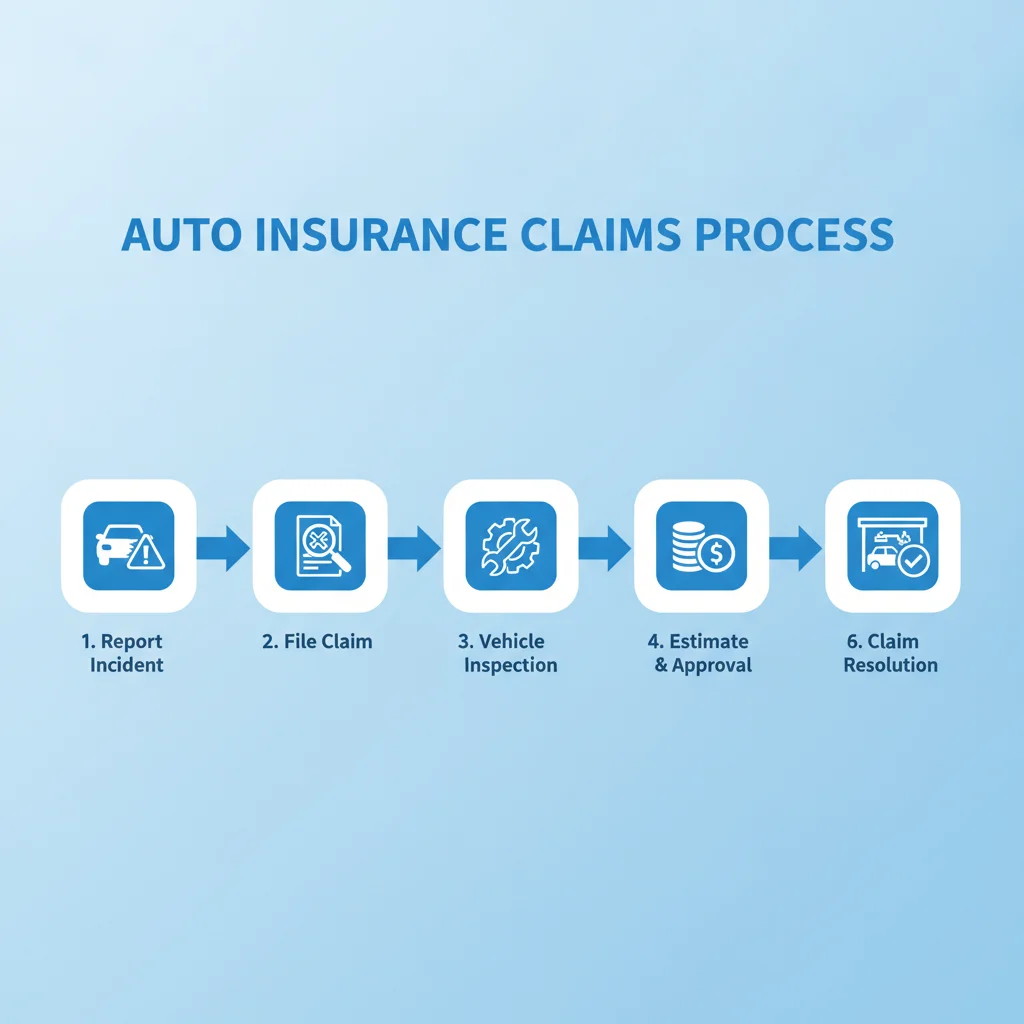
At its core, a claim is simply a formal request you make to your insurer (or the at-fault driver's insurer) asking them to honor the financial protections spelled out in your policy. From there, the process moves through a predictable series of phases:
- Incident documentation — gathering evidence at or near the scene
- First notice of loss (FNOL) — officially reporting the claim
- Assignment and investigation — an adjuster reviews the facts and assesses damage
- Repair or total-loss determination — your vehicle is either fixed or valued for a payout
- Settlement — a final financial resolution is reached
- Subrogation (if applicable) — your insurer may pursue reimbursement from the at-fault party
Each phase has its own timeline, decision points, and vocabulary. If you want a deeper look at the terminology you'll encounter, the Complete Auto Insurance Claims Glossary defines every term from adjuster to subrogation.
The type of claim you file also shapes the experience significantly. A first-party claim — made against your own policy — works differently than a third-party claim filed against the at-fault driver's liability coverage. For a full breakdown of the liability side of things, see Filing a Liability Claim: What to Do from Accident Scene to Settlement.
6 million+
Auto accidents reported in the U.S. annually
According to the National Highway Traffic Safety Administration, over six million police-reported crashes occur each year in the United States.
~$4,700
Average auto insurance claim payout
The Insurance Research Council estimates the average bodily injury and property damage claim settlement has risen steadily over the past decade.
72 hours
Typical window insurers expect claim notice
Most major insurers recommend or require prompt reporting, with many policies defining timely notice as within 24–72 hours of the incident.
1 in 8
Drivers on U.S. roads are uninsured
The Insurance Research Council's 2023 report estimates roughly 12–14% of U.S. motorists carry no auto insurance, affecting third-party claim options.
80%
Common total-loss threshold by repair cost
Many insurers declare a vehicle a total loss when repair estimates reach 70–80% or more of the vehicle's actual cash value, though thresholds vary by state.
What to Do at the Scene Before You File Anything
What happens in the first 20–30 minutes after a collision has an outsized impact on how smoothly your claim proceeds. The information you collect — or fail to collect — shapes everything the adjuster does later.
Safety and Legal Steps First
Before you think about insurance, make sure everyone is safe. Move vehicles out of traffic if possible, turn on hazard lights, and call 911 if anyone is injured or if the accident is significant enough to warrant a police report. In many states, a police report is legally required when damages exceed a certain threshold.
What to Document
- Photos and video: Capture all vehicles involved from multiple angles, damage close-ups, road conditions, skid marks, traffic signs, and the overall accident scene.
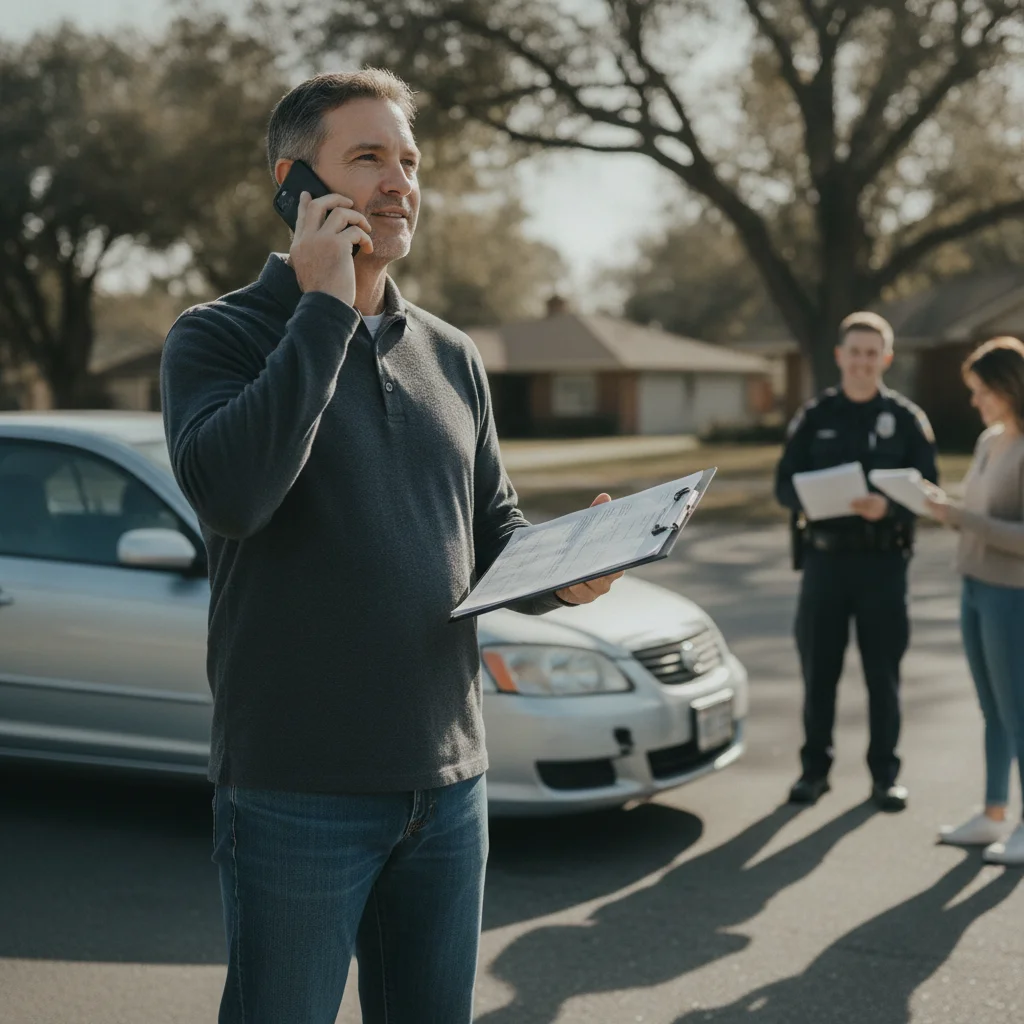
- Other driver's information: Name, license number, license plate, insurance company, policy number, and phone number.
- Witness details: Names and contact numbers of anyone who saw the accident.
- Police report number: If officers respond, ask for the report number — your insurer will want it.
- Your own account: Write down or voice-memo what happened while it's fresh, including time, weather, and road conditions.
Take your scene photos before vehicles are moved if it's safe to do so. Wide-angle shots establishing position are just as important as close-ups of damage.
Adjusters rely heavily on the physical evidence you capture to reconstruct what happened. Post-move photos lose critical context about impact angles and fault.
When negotiating a total-loss ACV, pull three to five comparable listings from local classified sites and present them in writing rather than verbally.
Written comps with specific VINs, mileage, and prices give adjusters something concrete to respond to — and signal that you've done your homework.
Ask the adjuster to walk you through every line item in the repair estimate or ACV calculation. Most are happy to explain, and it surfaces errors faster.
Estimates contain line items for labor, parts, and sometimes betterment charges. Reviewing them directly often reveals discrepancies you'd otherwise miss.
For a more detailed walkthrough of the immediate aftermath — including what to say (and not say) to other drivers — the Car Accident Procedures guide covers the scene to claim continuum in depth.
Don't Admit Fault at the Scene
Even if you feel partially responsible, avoid saying "I'm sorry" or making any statement that could be interpreted as an admission of fault. Fault is a legal and investigative determination made later with full information — not a conclusion to reach in an emotional moment. Stick to factual exchanges: insurance details, contact info, and what you both observed.
Beware of Quick Settlement Offers
If the other driver's insurer contacts you very quickly with a settlement offer — especially before you've fully assessed injuries or vehicle damage — be cautious. Once you accept and sign a release, the claim is closed. It's reasonable, and often wise, to take a few days to consult your own insurer or an attorney before agreeing to anything.
Filing Your Claim: Timing, Methods, and What to Expect
Once you're safe and have documented the scene, the next step is filing your claim — also called the First Notice of Loss (FNOL). Most insurers expect you to report an incident within 24 to 72 hours, and some policies include language about "prompt" or "timely" reporting as a condition of coverage. Waiting too long can genuinely complicate your claim.
How to File
Most insurers offer several reporting channels:
- Mobile app: Many major carriers now let you submit photos and accident details directly through their app — often the fastest option.
- Online portal: Similar to the app, a web-based FNOL form that you can complete at your own pace.
- Phone: Speaking to a live representative is still a strong choice, especially for complex accidents. It creates an immediate record and lets you ask questions in real time.
- Agent: Your local agent can file on your behalf, which is especially helpful if you have a long-standing relationship and want a familiar voice guiding you through it.
What You'll Need to Provide
- Your policy number
- Date, time, and location of the incident
- A description of what happened
- Information about the other driver(s) and vehicles involved
- The police report number, if available
- Contact information for any witnesses
Save Your Claim Number Immediately
As soon as you receive your claim number, save it in your phone contacts or email it to yourself. Every future conversation with your insurer, repair shop, or rental company will reference this number. Having it on hand prevents delays and signals to representatives that you're organized.
Confirm Repair Authorization Before Drop-Off
Before leaving your vehicle at a repair shop, confirm in writing that the insurer has authorized the repair and communicated with the shop directly. Starting repairs without insurer authorization can leave you responsible for the bill if there's a coverage dispute later.
After you file, your insurer will assign a claim number — save this. It's how you'll track every subsequent communication, estimate, and payment.
If you want a clear picture of what happens in the hours and days following your FNOL, What to Expect in the Days After Filing an Accident Claim walks through the timeline in plain language.
Working with the Insurance Adjuster
After your claim is filed, an insurance adjuster is assigned to investigate it. The adjuster's job is to verify the facts of the accident, assess the damage, determine liability, and calculate the appropriate payout under your policy. Understanding this role — and how to work with it — is one of the most useful things you can do.
What the Adjuster Does
- Reviews the police report and your account of the incident
- Inspects the damaged vehicle (in person or via photos you submit)
- Assesses repair costs using industry pricing databases
- Determines fault percentage if liability is disputed
- Authorizes repair payments or issues a settlement offer for total losses
How to Communicate Effectively
Be factual, organized, and responsive. Return calls and emails promptly — delays on your end slow the entire process. Keep a log of every interaction: date, time, the adjuster's name, and a summary of what was discussed. This record becomes invaluable if there's ever a dispute.

“The best thing a policyholder can do is treat their claim like a business transaction — stay organized, keep records of every conversation, and don't be afraid to ask for explanations in writing.”
— Amy Bach, Executive Director, United Policyholders (consumer insurance advocacy nonprofit)
You are not obligated to accept the adjuster's first assessment as final. If the repair estimate seems low, or if the at-fault determination doesn't align with the evidence you have, you can push back — politely but clearly — with documentation to support your position.
Independent vs. Staff Adjusters
Insurers use two types of adjusters: staff adjusters (employees of the insurance company) and independent adjusters (contractors brought in during high-volume periods or for specialized claims). Both perform the same core function, but response times and communication styles can vary. If you're unclear who you're working with, simply ask — it's a reasonable question.
Statute of Limitations for Claims
Every state sets a statute of limitations on how long you have to file a lawsuit related to an accident — typically two to three years for property damage and personal injury. Closing a claim with your insurer doesn't reset this clock. If you believe you may need to pursue legal action, consult an attorney before the deadline passes.
Vehicle Repairs, Rental Cars, and Interim Coverage
Once the adjuster has reviewed the damage and authorized repairs, the practical logistics begin. This phase moves faster when you understand your options upfront.
Choosing a Repair Shop
Your insurer will likely suggest a network of preferred or direct-repair shops. These shops have pre-negotiated pricing with the insurer, which can speed up the estimate and payment process. However, in most states, you have the right to choose your own shop. If you have a mechanic you trust or a brand-specific dealership you prefer, you can go that route — just know the process may take slightly longer if the shop needs to submit a separate estimate for insurer approval.
OEM vs. Aftermarket Parts: Your Rights
Insurers sometimes approve aftermarket or recycled parts to reduce repair costs. In many states, you have the right to request original equipment manufacturer (OEM) parts, though you may be required to pay the cost difference. Ask your shop and your adjuster about the parts being used before repairs begin — it's much harder to address this issue after the fact.
A Denial Is Not Always Final
If your claim is denied, you have the right to appeal through your insurer's internal review process. If that fails, most states allow you to file a complaint with the Department of Insurance, which can prompt a re-review. You can also consult a public adjuster or attorney who specializes in insurance disputes. Never assume a first denial is the end of the road.
Rental Car Coverage
If your policy includes rental reimbursement coverage, your insurer will pay for a rental vehicle while yours is being repaired — up to a daily limit and total maximum specified in your policy. Common limits are $30–$50 per day with a $900–$1,500 total cap. Check your declarations page so you're not surprised by what's covered.
If the other driver was at fault, their liability policy may cover your rental directly. This is typically arranged through their insurer, and you shouldn't need to use your own rental coverage at all.
Repair Timelines
Minor cosmetic repairs may take a few days. Structural damage, parts sourcing, or paint work can extend timelines to two or three weeks. Communicate directly with the shop about timelines, and notify your insurer if the repair is taking longer than expected — rental authorization periods can sometimes be extended.
Save Your Claim Number Immediately
As soon as you receive your claim number, save it in your phone contacts or email it to yourself. Every future conversation with your insurer, repair shop, or rental company will reference this number. Having it on hand prevents delays and signals to representatives that you're organized.
Confirm Repair Authorization Before Drop-Off
Before leaving your vehicle at a repair shop, confirm in writing that the insurer has authorized the repair and communicated with the shop directly. Starting repairs without insurer authorization can leave you responsible for the bill if there's a coverage dispute later.
Settlement Offers: Understanding, Negotiating, and Accepting
A settlement is the insurer's formal offer to resolve the financial aspect of your claim. For repair claims, this is usually straightforward: the insurer pays the approved repair amount (minus your deductible) directly to the shop, or to you. For total losses or injury claims, the settlement becomes a more deliberate negotiation.
How Settlement Amounts Are Calculated
Repair settlements are built from the adjuster's approved estimate. Total-loss settlements are based on your vehicle's actual cash value (ACV) — what your car was worth on the open market just before the accident, accounting for depreciation, mileage, condition, and comparable local sales. This is often less than what you still owe on a car loan, which is why gap coverage exists.
Reviewing the Offer
Read the settlement offer carefully before signing. Look for:
- Whether all documented damage is included
- The deductible amount being applied
- Whether betterment charges (for pre-existing wear) have been applied, and whether they're reasonable
- The ACV calculation for total losses — ask how the insurer arrived at that figure
Negotiating
You have the right to counter a settlement offer. For total losses, gather comparable vehicle listings in your area with similar mileage and condition. Present these to the adjuster as evidence that the ACV should be higher. Insurers expect some negotiation — it's a normal part of the process, not a conflict.
Take your scene photos before vehicles are moved if it's safe to do so. Wide-angle shots establishing position are just as important as close-ups of damage.
Adjusters rely heavily on the physical evidence you capture to reconstruct what happened. Post-move photos lose critical context about impact angles and fault.
When negotiating a total-loss ACV, pull three to five comparable listings from local classified sites and present them in writing rather than verbally.
Written comps with specific VINs, mileage, and prices give adjusters something concrete to respond to — and signal that you've done your homework.
Ask the adjuster to walk you through every line item in the repair estimate or ACV calculation. Most are happy to explain, and it surfaces errors faster.
Estimates contain line items for labor, parts, and sometimes betterment charges. Reviewing them directly often reveals discrepancies you'd otherwise miss.
Once you sign a final release, the claim is closed and you generally cannot reopen it. Make sure you're satisfied before signing.
When Claims Get Complicated: Disputes, Denials, and Total Losses
Most claims resolve without significant friction. But some situations require extra attention — and knowing the escalation path ahead of time keeps you from feeling stuck.
Fault Disputes
If the insurer assigns you a higher percentage of fault than you believe is accurate, request a detailed explanation of their determination. Provide your documentation — photos, witness statements, the police report — and ask for a formal review. If the dispute involves another driver's insurer, your own insurer can sometimes advocate on your behalf.
Claim Denials
A denial means the insurer has determined the loss isn't covered under your policy. Common reasons include: the coverage type needed wasn't on your policy, the loss occurred outside policy terms, or the insurer alleges a material misrepresentation on your application. Always ask for the denial in writing, including the specific policy language cited. You can file a formal appeal, and in many states, you can escalate to your state's Department of Insurance if you believe the denial is improper.
OEM vs. Aftermarket Parts: Your Rights
Insurers sometimes approve aftermarket or recycled parts to reduce repair costs. In many states, you have the right to request original equipment manufacturer (OEM) parts, though you may be required to pay the cost difference. Ask your shop and your adjuster about the parts being used before repairs begin — it's much harder to address this issue after the fact.
A Denial Is Not Always Final
If your claim is denied, you have the right to appeal through your insurer's internal review process. If that fails, most states allow you to file a complaint with the Department of Insurance, which can prompt a re-review. You can also consult a public adjuster or attorney who specializes in insurance disputes. Never assume a first denial is the end of the road.
Total Loss Situations
A vehicle is typically declared a total loss when the estimated repair cost exceeds a certain percentage of the vehicle's ACV — often 70–80%, though this threshold varies by state and insurer. Once a total-loss determination is made, the insurer pays you the ACV minus your deductible, and takes possession of the vehicle (which they then sell as salvage).
If you want to keep a totaled vehicle, you can sometimes do so — but the insurer will deduct the salvage value from your payout, and the car will carry a salvage title, which affects insurability and resale value significantly.
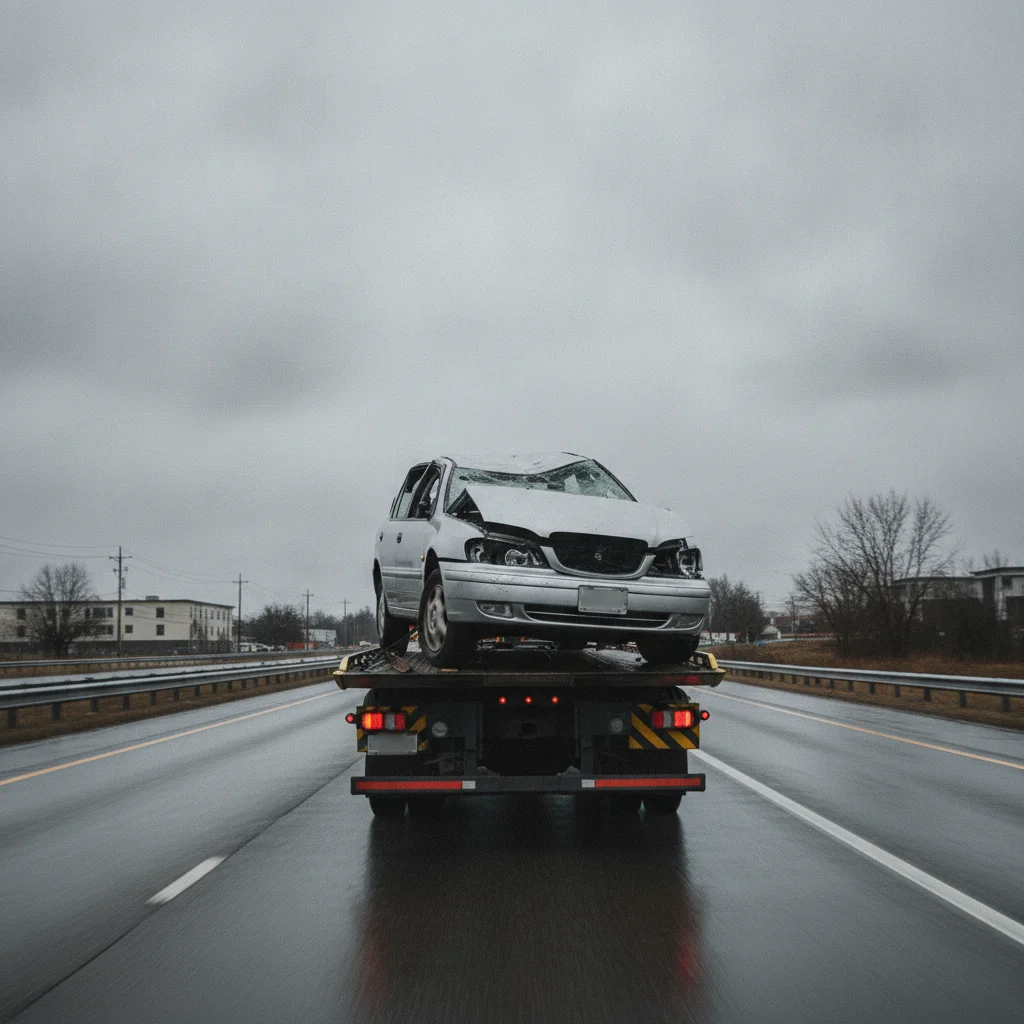
For a comprehensive look at what the claims process looks like from the insurer's perspective — and how each phase is documented internally — What Actually Happens After You File an Auto Insurance Claim is worth reading alongside this guide.
After the Claim Is Closed: What Comes Next
Closing a claim doesn't mean the process is entirely over. There are a few downstream considerations worth knowing about.
Premium Impact
Filing a claim — even a not-at-fault claim — can affect your premium at renewal, depending on your insurer and your state's regulations. Not-at-fault claims are handled differently in many states, and some policies include accident forgiveness provisions. The impact is usually modest for a single incident, especially if your overall driving record is clean.
Subrogation
If another party was at fault, your insurer may pursue subrogation — essentially, they go after the at-fault party (or their insurer) to recover what they paid out on your behalf. If subrogation is successful, you may even receive reimbursement for part of your deductible. You don't need to do anything for this process; it runs in the background.
Documentation Retention
Keep all claim-related documents — estimates, invoices, correspondence, and your final settlement agreement — for at least three years. These records are useful if a related dispute surfaces later, or if you have ongoing medical treatment connected to the accident.
Independent vs. Staff Adjusters
Insurers use two types of adjusters: staff adjusters (employees of the insurance company) and independent adjusters (contractors brought in during high-volume periods or for specialized claims). Both perform the same core function, but response times and communication styles can vary. If you're unclear who you're working with, simply ask — it's a reasonable question.
Statute of Limitations for Claims
Every state sets a statute of limitations on how long you have to file a lawsuit related to an accident — typically two to three years for property damage and personal injury. Closing a claim with your insurer doesn't reset this clock. If you believe you may need to pursue legal action, consult an attorney before the deadline passes.
Reviewing Your Coverage
A claim is a natural moment to reassess whether your current coverage still fits your situation. Did you discover you lacked rental coverage? Was your deductible higher than comfortable? Use the experience as a prompt to review your policy with your agent. The Paperwork & Contracts hub is also a useful reference if you're considering changes that involve refinancing or a new vehicle purchase.
If this was your first time navigating a claim and you want a reassuring companion piece for the next time, Your First Car Accident: A Calm, Step-by-Step Path Through the Claims Process is specifically designed for drivers who want a calmer, more straightforward walkthrough.

Complete Auto Insurance Claims Glossary
Defines every term you'll encounter during a claim — from ACV and subrogation to adjuster and proof of loss. Useful to keep open alongside this guide.
What to Expect After Filing an Accident Claim
A plain-language day-by-day walkthrough of adjuster contacts, inspections, repair timelines, and how resolution actually unfolds.
Accident Procedures Hub
Step-by-step guidance for what to do immediately after a car accident, including legal obligations and documentation requirements by situation type.
Filing a Liability Claim: Scene to Settlement
Covers the specific path of a liability claim — filed against the at-fault driver's insurer — including documentation, timelines, and negotiation tips.
National Association of Insurance Commissioners (NAIC) Consumer Help Center
The NAIC's consumer portal lets you look up your state's insurance regulations, file a complaint against an insurer, and find your state's Department of Insurance contact.
United Policyholders
A nonprofit resource offering free guides, claim tips, and community forums for insurance consumers — particularly useful when navigating disputes or denials.

All claims are backed by peer-reviewed research. Sources on request.