Key Takeaways
Collision Coverage vs. Other Physical Damage Coverages
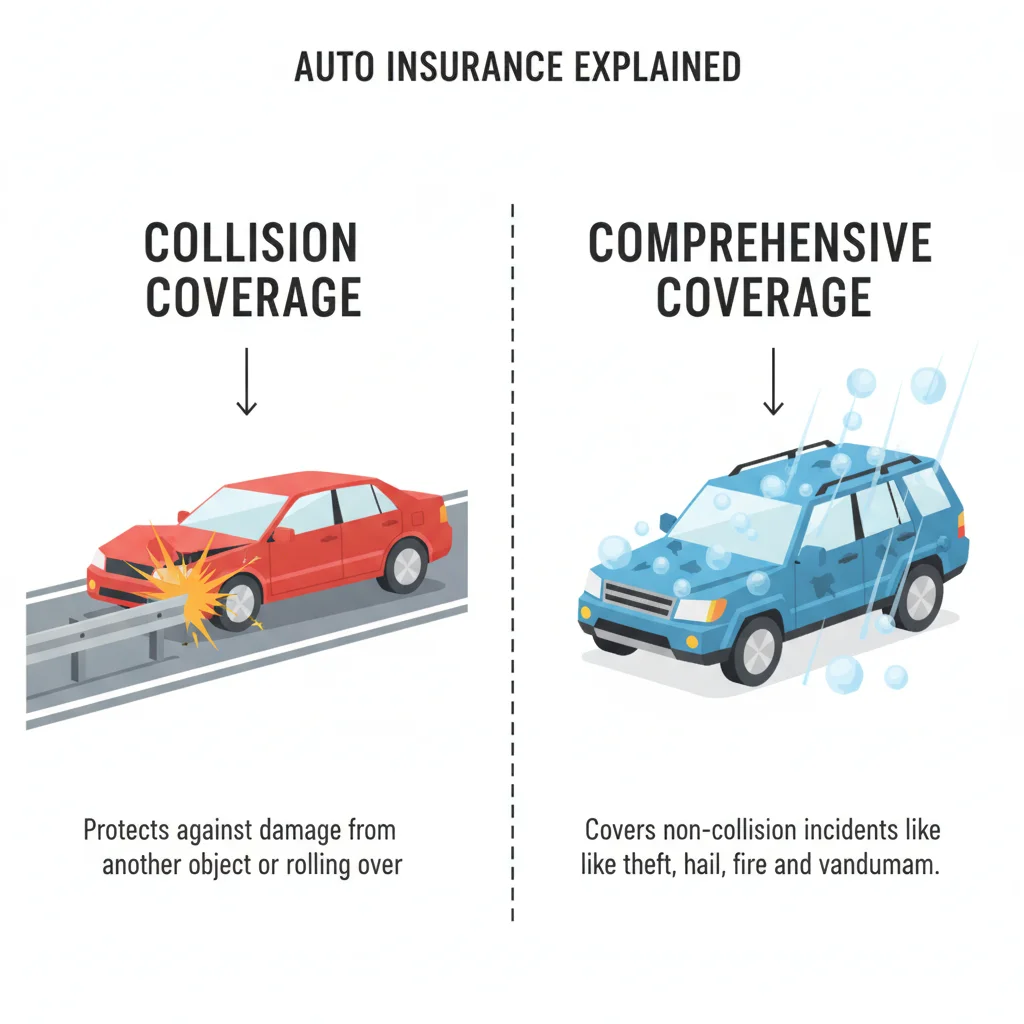
Before you pick up the phone to call your insurer, it's worth taking sixty seconds to confirm you're filing the right type of claim. Collision coverage and comprehensive coverage are both physical damage policies, but they cover fundamentally different events — and confusing them can slow the process down or trigger a denial.
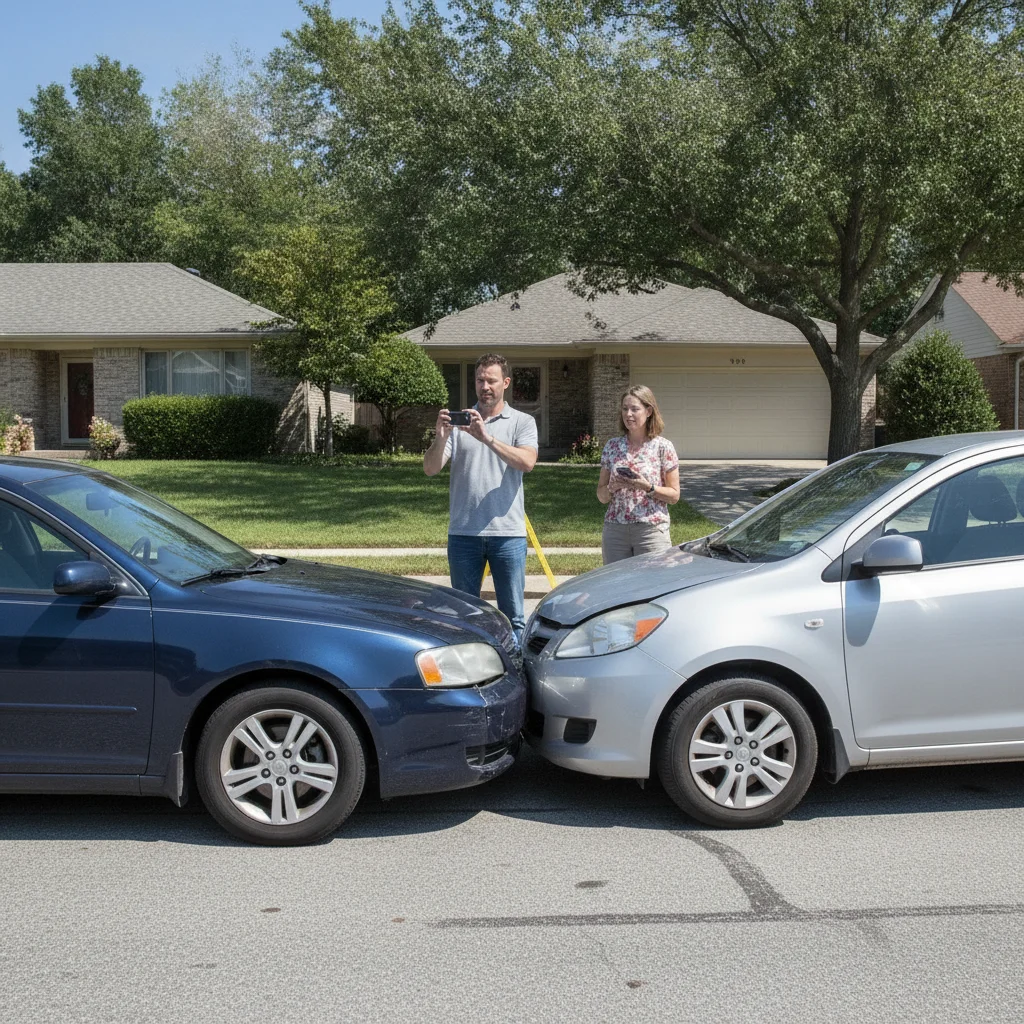
Collision coverage applies when your vehicle is damaged as a result of an impact: hitting another car, striking a guardrail, rolling into a ditch, or being hit by another driver. The key element is contact with an object or another vehicle while yours was in motion (or stationary and struck by a moving one).
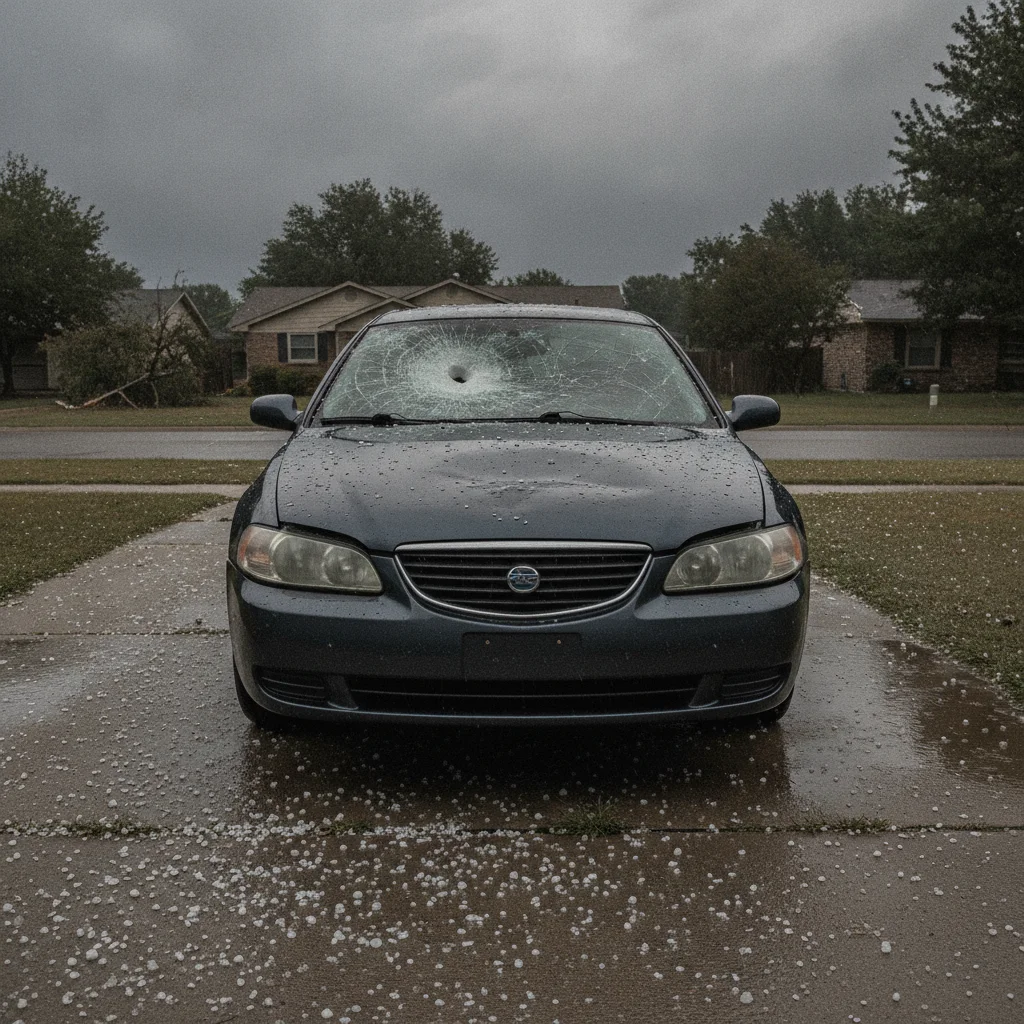
Comprehensive coverage, by contrast, covers non-collision losses — theft, vandalism, hail, flood, a falling tree limb, or a collision with an animal. If a deer runs into your door, that's typically a comprehensive claim. If you swerve to avoid a deer and hit a fence, that's collision. See our guide to filing a comprehensive claim for a side-by-side comparison of how the two processes differ in practice.
A third scenario involves liability coverage: if the other driver caused the accident, you could file a third-party claim against their liability policy instead of — or in addition to — your own collision coverage. That path has its own timeline and complications, which are covered in detail in our liability claim walkthrough. For this guide, we're focusing specifically on filing a first-party collision claim through your own insurer.
One more distinction matters here: your deductible. Collision claims are subject to whatever deductible you selected when you set up your policy — commonly $500 or $1,000, though amounts range from $250 to $2,500. If estimated repair costs fall below that threshold, filing may not make financial sense. We'll revisit that calculation in Step 2.
What You'll Need Before You Start
Filing a collision claim isn't complicated, but it is detail-dependent. Gaps in documentation are the single most common reason payouts come in lower than expected — or claims get denied outright. See why collision claims get denied for a breakdown of the most frequent failure points.
Before you contact your insurer, gather the following:
What you will need
Smartphone with camera
Capture timestamped photos and video of vehicle damage, road conditions, and the broader accident scene.
Insurance company mobile app or claims portal
Submit the initial claim, upload photos, and track claim status without waiting on hold.
Police report
Provides an official third-party record of the accident that supports your account of events.
Repair estimate from a body shop
Gives you an independent benchmark to compare against the adjuster's estimate.
Vehicle history report (e.g., Carfax)
Documents your car's pre-accident condition and market comparables for valuation disputes.
Dashcam footage
Provides video evidence of the collision sequence, which can be decisive in fault determinations.
If you're new to the claims process and want a broader orientation, the beginner's claims walkthrough is a good starting point. And for a printable reference you can keep in your glove box, see the auto insurance claim checklist.
Step-by-Step: Filing Your Collision Claim
The steps below follow the actual sequence of a collision claim from the moment of impact to final settlement. Skipping or rushing any step typically costs time or money on the back end.
Secure the scene and ensure safety
Before any insurance or documentation concern, prioritize physical safety. If the vehicles are drivable and you're not blocking traffic, move them to the shoulder or a nearby parking lot. Turn on hazard lights, and if you have them, set out road flares or triangles.
Call 911 if anyone is injured, if vehicles are blocking a lane, or if significant property damage is involved. In many states, a police report is required for any accident above a minor threshold — and even where it isn't legally mandated, having one strengthens your claim considerably.
Document the scene thoroughly
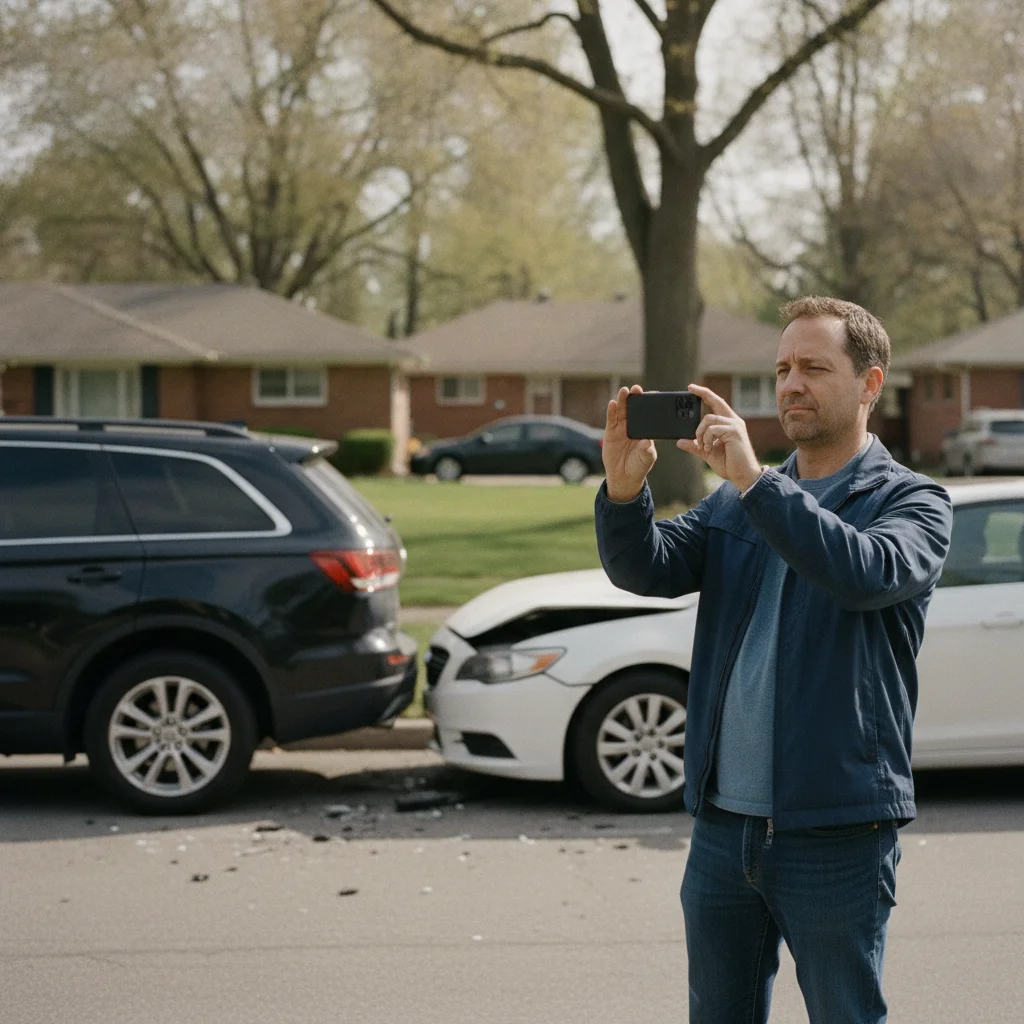
Start photographing as soon as it's safe to do so. The goal is to create an objective visual record before anything is moved, cleaned up, or repaired. Capture the following:
- All four sides of your vehicle, including close-ups of every point of impact
- The other vehicle(s) involved, including their license plates
- The broader accident scene: road markings, traffic signs, skid marks, debris field, and weather/lighting conditions
- Any visible injuries (with consent where applicable)
- The other driver's insurance card, license, and registration — photograph these rather than transcribing them to reduce errors
If witnesses are present, ask for their names and phone numbers. Witness accounts from disinterested third parties carry significant weight with adjusters and, if necessary, in legal proceedings.
Assess whether filing makes financial sense
Once you have a rough sense of the damage, do a quick cost-benefit calculation before contacting your insurer. Collision claims trigger a claims record with your insurer and can affect your premium at renewal — the average rate increase after a single at-fault collision claim runs between 20% and 45%, depending on the insurer and your state.
If estimated repair costs are close to or below your deductible, you may be better off paying out of pocket. For example, a $600 repair with a $500 deductible nets only $100 from your insurer — unlikely to be worth a potential multi-year premium surcharge.
However, if the damage is significant, if there are injury concerns, or if the accident was clearly the other driver's fault (in which case you might file against their liability coverage instead), filing is almost certainly the right call.
File your claim with your insurer
Contact your insurer through their mobile app, online portal, or claims phone line. Most major insurers now allow full digital claim submission, including photo uploads, which can accelerate the process by days compared to phone-only filing.
When you file, you'll need to provide:
- The date, time, and location of the accident
- A factual description of what happened — be accurate and thorough, but stick to what you observed directly
- The other driver's information (if another vehicle was involved)
- The police report number
- Your photos and any video evidence
The insurer will assign a claim number immediately. Record it. Every subsequent communication should reference this number.
Meet with the adjuster and get your vehicle inspected
After your claim is filed, the insurer will assign a claims adjuster — the person responsible for investigating the accident, evaluating the damage, and determining what the insurer will pay. The adjuster may inspect your vehicle in person or, increasingly, conduct a virtual inspection using photos you submit through the insurer's app.
You have the right to take your car to a repair shop of your choosing for an independent estimate before or alongside the adjuster's inspection. Many policyholders don't realize this — insurers may recommend their own network shops (Direct Repair Programs), but these are not mandatory in most states.
The adjuster's written estimate will detail covered repairs, the cost of parts and labor, and the net payout after your deductible. Review it line by line before agreeing to anything.
Authorize repairs and manage your rental
Once you've reviewed and accepted the estimate, authorize the repair shop to begin work. If your policy includes rental reimbursement coverage, contact your insurer or the repair shop's liaison to activate it — you're typically eligible for a rental from the day your car goes into the shop until it's ready for pickup, up to your policy's daily and total limits.
Keep all repair invoices and receipts. If the shop discovers additional damage during disassembly that wasn't captured in the original estimate, the shop should file a supplement directly with your insurer — this is a normal part of the process, not a red flag.
Most insurers pay repair shops directly, with you covering only your deductible at pickup. Confirm the payment arrangement with your shop before work begins so there are no surprises.
Review your settlement and close the claim
Once repairs are complete (or a total-loss settlement is agreed upon), the insurer will issue payment and close the claim. Before accepting a final settlement, confirm:
- All covered damage was addressed and accounted for in the payment
- Any supplement claims from the repair shop were resolved
- If the car was totaled, the settlement reflects accurate comparable market values
- You understand the subrogation status if another driver was at fault
If you disagree with any element of the settlement, raise it now — before signing any release documents. Once you sign a full and final release, you typically waive the right to seek additional compensation for the same incident.
For a broader view of what happens on the insurer's side after you submit, see what actually happens after you file an auto insurance claim. And for the days and weeks that follow, what to expect in the days after filing walks through adjuster timelines, repair shop coordination, and rental car logistics.
Don't Accept Informal Payments at the Scene
If the other driver offers to pay for damages out of pocket to avoid involving insurance, be cautious. Damage that looks minor at the scene can involve hidden structural or sensor repairs costing thousands of dollars. Once you accept an informal settlement and the other driver leaves, your ability to file a claim against their insurer is effectively gone.
Missing Filing Deadlines Can Void Your Coverage
Most collision policies require prompt notice of an accident — some policies define this as 24 to 72 hours, while others allow up to 30 days. Consistently late reporting is one of the grounds insurers cite for coverage denial. Check your policy's exact language, and when in doubt, report early.
Navigating the Adjuster's Estimate — and Disputing It
The adjuster's written estimate is not a final verdict. It is a starting point, and policyholders have the right to challenge it with evidence. In practice, estimates are disputed and revised regularly — particularly on older vehicles with hard-to-source parts, or when hidden damage emerges during disassembly.
When the estimate seems too low
If the repair shop of your choice produces a significantly higher estimate than the adjuster's figure, request a re-inspection with both the adjuster and the shop's estimator present. Many insurers have a built-in supplement process for exactly this reason. Get the discrepancy in writing and ask the adjuster to itemize what was excluded and why.
When your car is declared a total loss
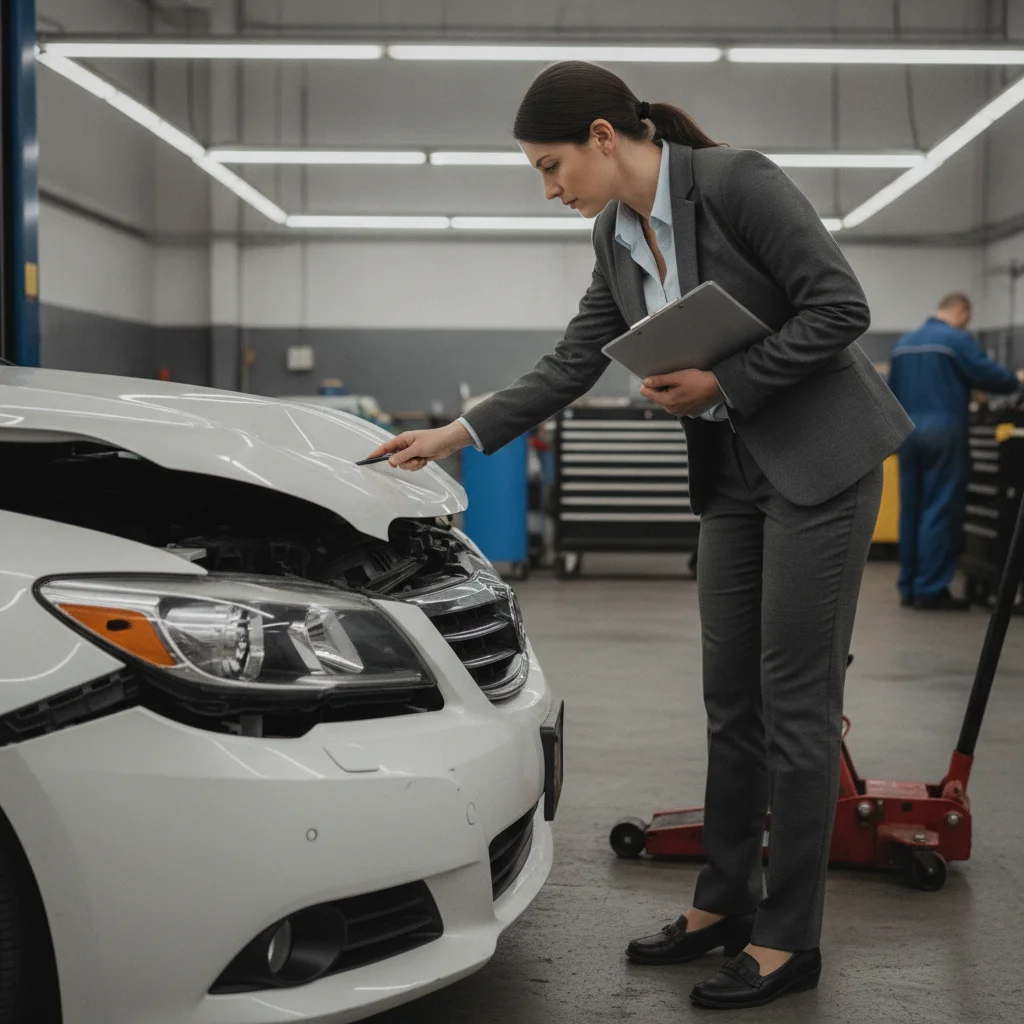
A vehicle is typically totaled when the estimated repair cost exceeds a threshold — often 70–80% of the car's actual cash value (ACV), though the exact percentage varies by state and insurer. If your car is totaled, the insurer will offer a settlement based on ACV: what a comparable vehicle would sell for in your local market at the time of the loss.
You can dispute a total-loss valuation. Obtain comparable listings from your region for the same make, model, year, mileage, and condition. If your car had recent improvements — new tires, a rebuilt transmission, upgraded audio — document those with receipts, since ACV calculations don't always capture them automatically.
Build a Comparable Market Value File
If your car is totaled, the insurer's ACV calculation is only as good as the data it's based on. Pull your own comparables from listings on AutoTrader, Cars.com, or Cargurus filtered to your zip code, same trim level, and similar mileage. Print or screenshot listings with prices and dates — adjusters take this evidence seriously when it's presented clearly and locally sourced.
Save Every Communication in Writing
Follow up every phone conversation with your adjuster by sending a brief email summarizing what was discussed and agreed upon. This creates a paper trail that can be invaluable if the claim stalls, changes hands, or ends up in dispute. Most insurers also allow you to review claim notes through their online portals.
Rental Coverage Has Limits — Track Them
Rental reimbursement coverage typically caps both the daily rate and the total duration. If your repair takes longer than expected, you may be on the hook for days that exceed the limit. Ask your insurer upfront what your policy allows, and stay in contact with the repair shop to monitor the timeline.
The appraisal clause
Most auto policies include an appraisal clause that provides a formal dispute mechanism. Both you and the insurer hire independent appraisers; if they disagree, a neutral umpire makes the final call. Invoking this clause adds time but can meaningfully increase a payout when the gap between estimates is large.
If you believe your claim was handled in bad faith — unreasonable delays, wrongful denial, or lowball offers without supporting documentation — you have the right to file a complaint with your state's department of insurance.
Subrogation: Getting Your Deductible Back
If the other driver was fully or partially at fault, your insurer may pursue subrogation — a legal process in which they seek reimbursement from the at-fault driver's liability insurer for the claim they paid on your behalf. This matters to you because if subrogation is successful, your deductible is typically refunded, either in full or proportionally if fault was shared.
Subrogation is handled by your insurer and requires no action from you beyond cooperating with their investigation. However, there are a few things you can do to support the process:
- Preserve all documentation from the accident scene, including photos of the other vehicle's position and damage, witness statements, and the police report number.
- Don't release the other driver from liability by signing any documents or accepting informal payments before your insurer is involved.
- Respond promptly to any follow-up questions from your insurer's subrogation department.
Subrogation timelines vary widely — from a few weeks when the liability is clear-cut to several months when fault is disputed or the at-fault driver is uninsured. If the at-fault driver carries no insurance or insufficient coverage, your insurer may pursue the claim through other channels, though recovery is less certain in those cases.
Never Admit Fault at the Scene
Even if you believe you caused the accident, do not say so at the scene — to the other driver, to witnesses, or to law enforcement in the form of an admission rather than a factual account. Fault determination involves multiple factors — road conditions, traffic signals, vehicle speeds, and sometimes mechanical factors — that cannot all be assessed in the immediate aftermath. Admissions made at the scene can be used against you in both insurance negotiations and any subsequent legal proceedings.
Subrogation Rights Require Your Cooperation
If you sign a release of liability, accept payment from the at-fault driver directly, or take any action that limits your insurer's ability to pursue the responsible party, you may forfeit your right to a deductible refund — and potentially expose yourself to a policy breach claim. Always loop in your insurer before settling anything related to an accident where another party may bear fault.
For a complete end-to-end view of the accident and claims process from the moment of impact through final resolution, the complete auto insurance claims roadmap and car accident procedures walkthrough provide additional context on the legal and financial dimensions. You can also explore all filing-a-claim resources or browse the full accident procedures hub for related guidance.

All claims are backed by peer-reviewed research. Sources on request.