Key Takeaways
EV Charging Speed
Charging speed is the rate at which electrical energy flows into your EV's battery, measured in kilowatts (kW). It is not set by the charging station alone — it is determined by whichever limit is lowest among three factors: the charger's output capacity, your car's onboard charging hardware, and how full your battery already is. Think of it like water flowing through multiple pipes — the narrowest pipe controls the flow, regardless of how wide the others are.
Charging power (kW) equals voltage multiplied by current (amps). Both AC and DC systems are subject to this relationship, but DC fast chargers bypass the onboard charger entirely, delivering current straight to the battery management system.
The Three-Variable Formula Nobody Explains
Ask most people what determines EV charging speed and they'll point at the charging station. That's understandable — the station is the thing you plug into, and it has a big number on its display. But that number is a ceiling on what the station can deliver, not a guarantee of what your car will actually receive.
Charging speed is the result of three variables interacting in real time:
- The charger's output capacity — how much power the station is capable of delivering
- Your car's onboard charging hardware — how much power the car is designed to accept
- Your battery's current state of charge (SOC) — how full the battery is and how fast it can safely absorb energy right now
The actual charge rate you get is always determined by whichever of these three is lowest at any given moment. That's the core concept this article is built around. Everything else — the connector types, the kilowatt ratings, the preconditioning systems — flows from understanding this triangle.
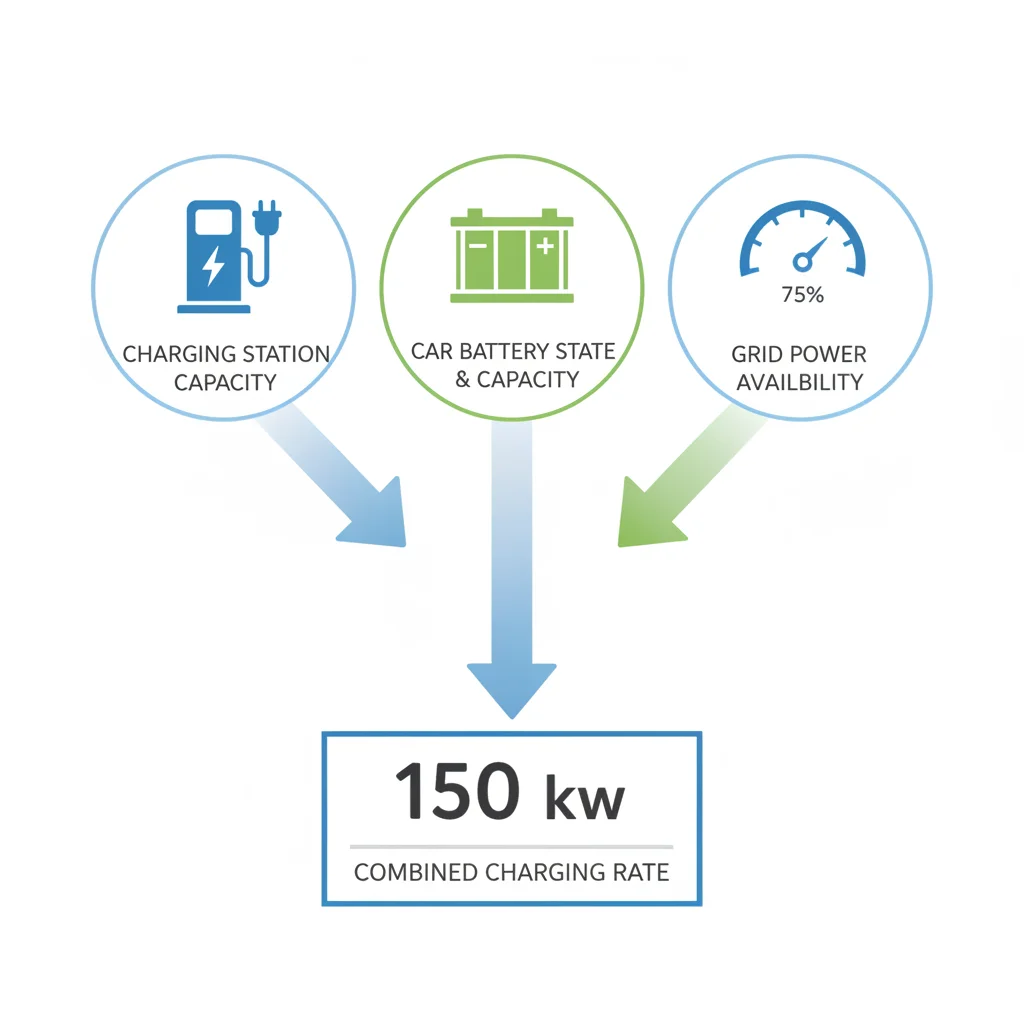
If you've ever pulled up to a 350 kW DC fast charger and seen 50 kW on your display, one of these three variables was the bottleneck. Knowing which one — and whether you can do anything about it — is what turns you from a confused EV owner into a confident one.
Variable 1: What the Charger Can Actually Deliver
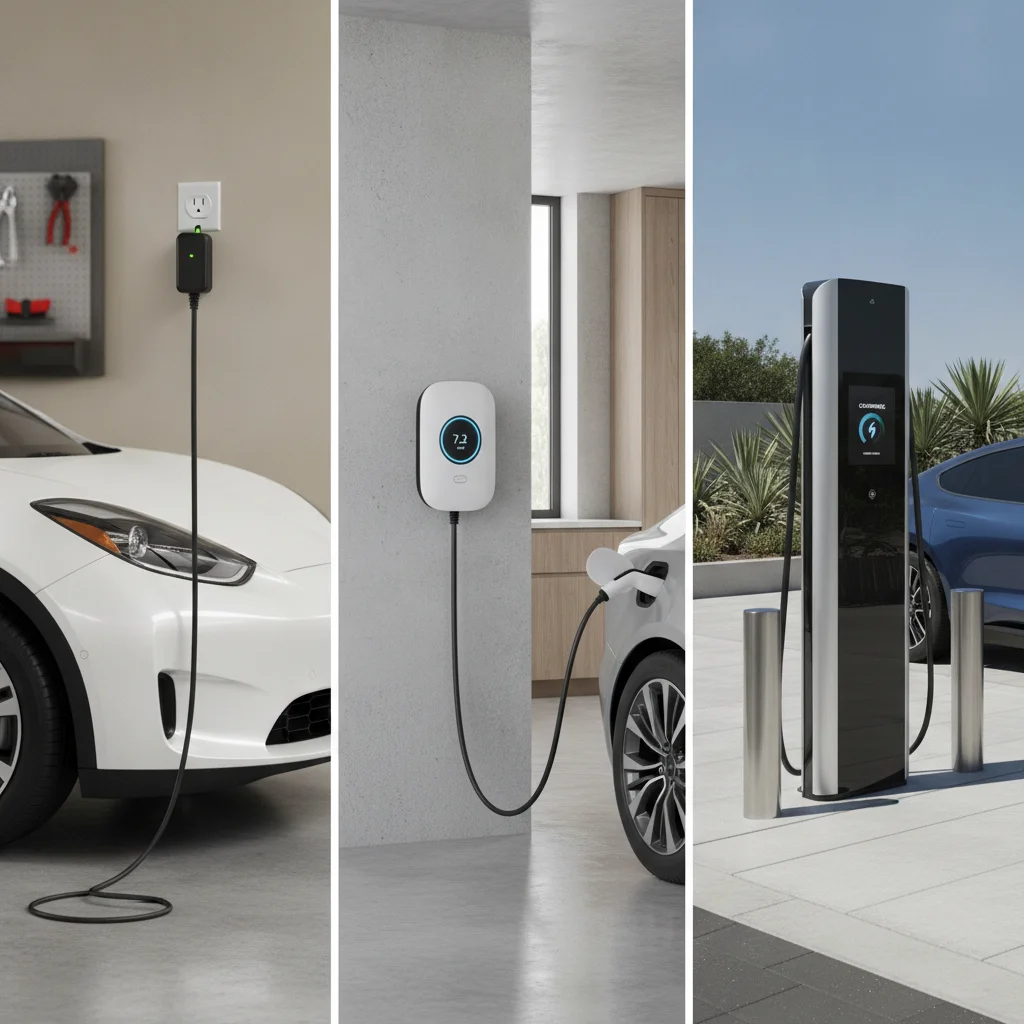
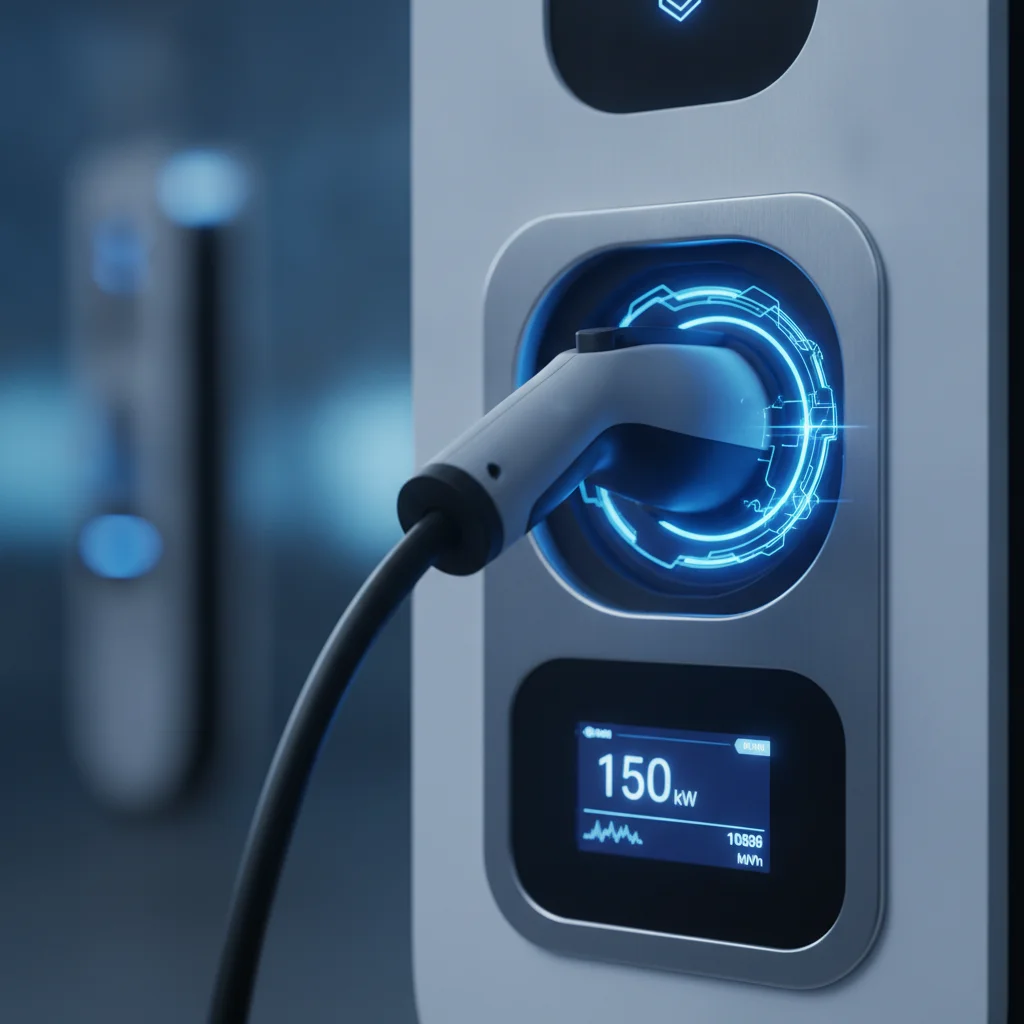
Charging stations are sold and marketed by their maximum output capacity. A Level 1 outlet delivers about 1.2–1.9 kW. A Level 2 home or public charger typically ranges from 3.3 kW to 19.2 kW. DC fast chargers start around 50 kW and currently top out around 350 kW for the fastest stations on networks like Electrify America.
But that maximum is rarely what every car at every session gets. DC fast chargers often share power between adjacent stalls, meaning two cars plugged in simultaneously may each get half the station's rated output. Station hardware degrades over time. Grid infrastructure at a particular site may limit actual delivery below the nameplate rating.
Match Your Home Charger to Your Car's OBC
Before purchasing or installing a Level 2 home charger, look up your car's onboard charger rating in kilowatts. Buying a 19.2 kW charger for a car with a 7.2 kW OBC wastes money with zero speed benefit. The right home charger is the one that matches — or slightly exceeds — your car's AC acceptance rate.
Use Preconditioning Before Every Fast Charge Stop
If your EV supports battery preconditioning (activating it via built-in navigation to a charger), make it a habit — especially in winter. Arriving at a fast charger with a thermally prepared battery can recover a substantial portion of the speed you'd otherwise lose to cold-temperature throttling. Check your owner's manual to confirm whether your vehicle has this feature and how to activate it.
For a detailed breakdown of what each charging level costs and how they compare in real-world use, see Level 1, Level 2, and DC Fast Charging: Cost and Speed Compared.
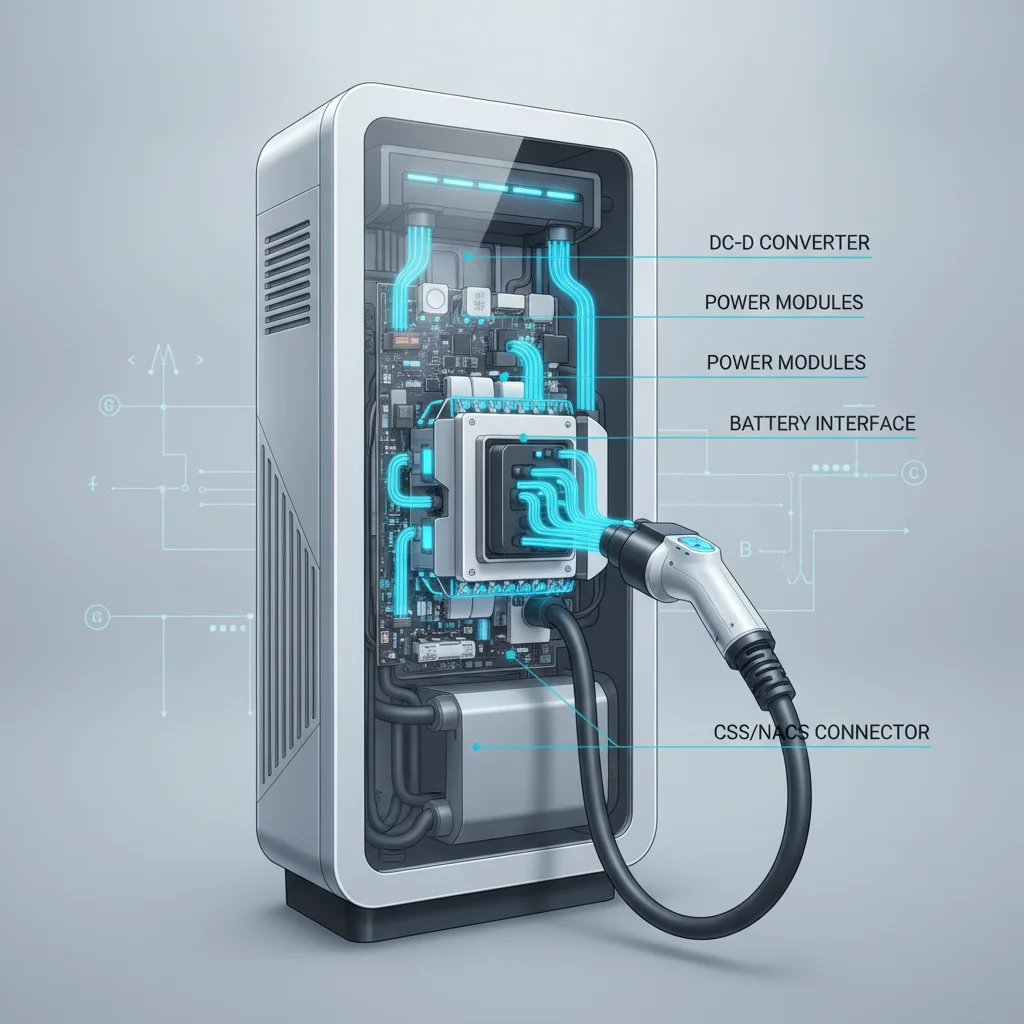
The connector type also matters — not because different connectors carry different speeds inherently, but because certain connectors are associated with certain charging standards that have different power ceilings. CCS (Combined Charging System) and NACS (the Tesla-origin standard now spreading to other brands) connectors can both carry high DC power. CHAdeMO is less common in new installations and generally capped lower in practice.
Bottom line: the station's rated output is the first cap in the system. But it's often not the binding constraint.
Variable 2: Your Car's Onboard Hardware
This is the variable that surprises new EV owners most often, and it operates differently depending on whether you're using AC or DC charging.
AC Charging and the Onboard Charger
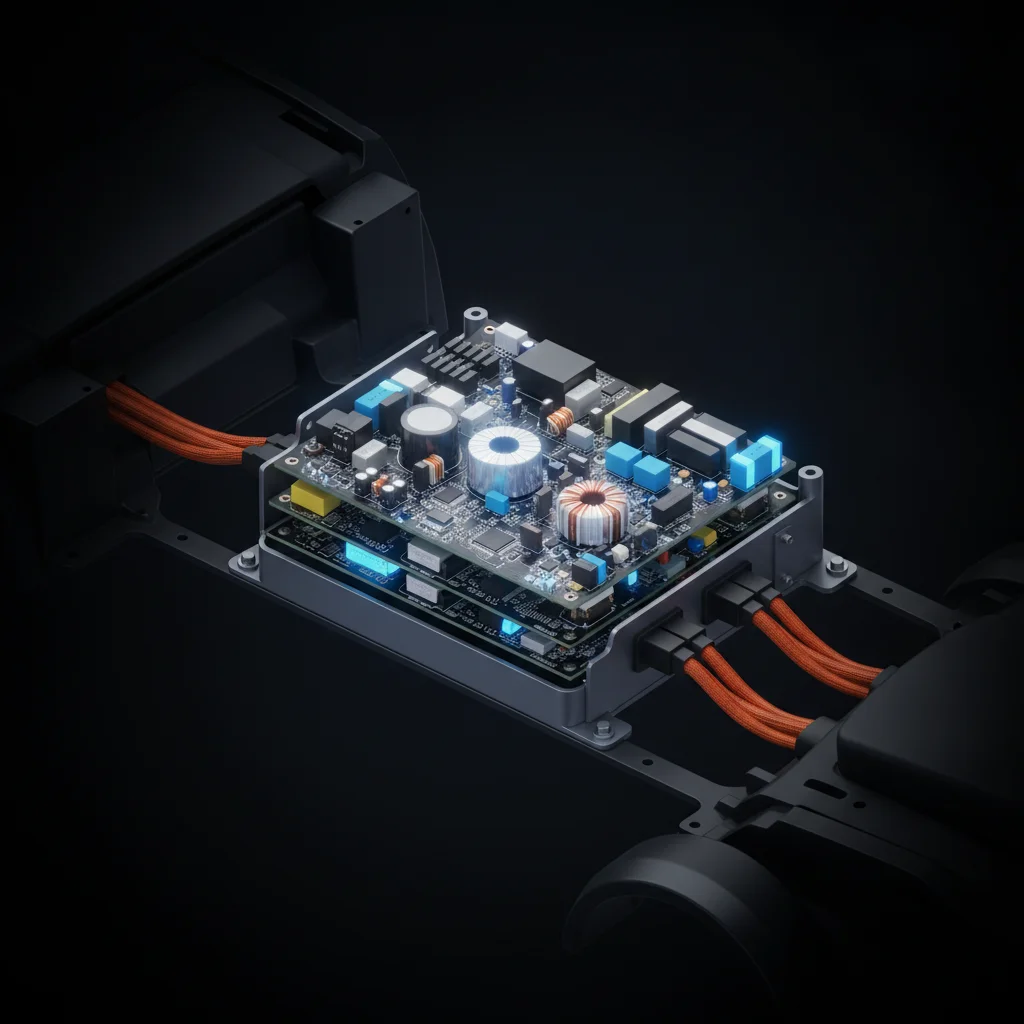
When you plug into a Level 1 outlet or a Level 2 station, the power coming from the grid is alternating current (AC). Your battery stores direct current (DC). The conversion happens inside your car, in a component called the onboard charger (OBC).
The OBC has a kilowatt rating — common values include 7.2 kW, 11.5 kW, and 19.2 kW. That rating is the hard ceiling on how fast you can charge on AC power, full stop. It doesn't matter if you have a 19.2 kW Level 2 station at home — if your OBC is rated at 7.2 kW, that's all you'll pull. The rest of the station's capacity sits unused.
How an Onboard Charger Works — and Why Its Kilowatt Rating Matters covers the OBC in detail, including why this limit catches so many buyers off guard when they're shopping home charger equipment.
DC Fast Charging and the Car's DC Acceptance Rate
DC fast chargers are different. They deliver DC power directly to your battery, bypassing the OBC entirely. This is why they charge so much faster — the conversion bottleneck is removed.
But your car still has a DC acceptance rate — a maximum rate at which the battery management system will allow DC power to flow in. This is spec'd by the manufacturer and varies widely. As of 2024, mainstream EVs range from about 50 kW (older or entry-level models) to 350 kW (Hyundai Ioniq 5 N, Porsche Taycan, Kia EV6 GT with 800-volt architecture). Most mid-range EVs land between 100 kW and 250 kW.
DC Fast Charging Bypasses the Onboard Charger
This distinction trips up a lot of EV shoppers. Your car's onboard charger rating only applies to Level 1 and Level 2 AC charging. At a DC fast charger, the relevant spec is your car's DC acceptance rate — a separate and usually higher number. When comparing DC fast charging capability, ignore the OBC rating entirely.
Station Power Sharing Can Reduce Your Speed
Many DC fast charging stations share their total power capacity across two adjacent stalls. If someone plugs in next to you at a station that pairs stalls, both of you may see reduced speeds compared to what either of you would get alone. Some networks label which stalls share power — check before you park if speed matters for your stop.
Kilowatts vs. Kilowatt-Hours: Don't Confuse Them
Kilowatts (kW) measure the rate of power delivery — how fast energy flows right now. Kilowatt-hours (kWh) measure the amount of energy — how much your battery can store in total. Charging speed is always expressed in kW. Battery capacity is expressed in kWh. Mixing them up leads to real confusion when reading charging specs or station displays.
For a deeper look at how DC fast charging physically works and what's happening inside the charger hardware, DC Fast Charging Explained: What Happens Inside the Charger walks through the full process.
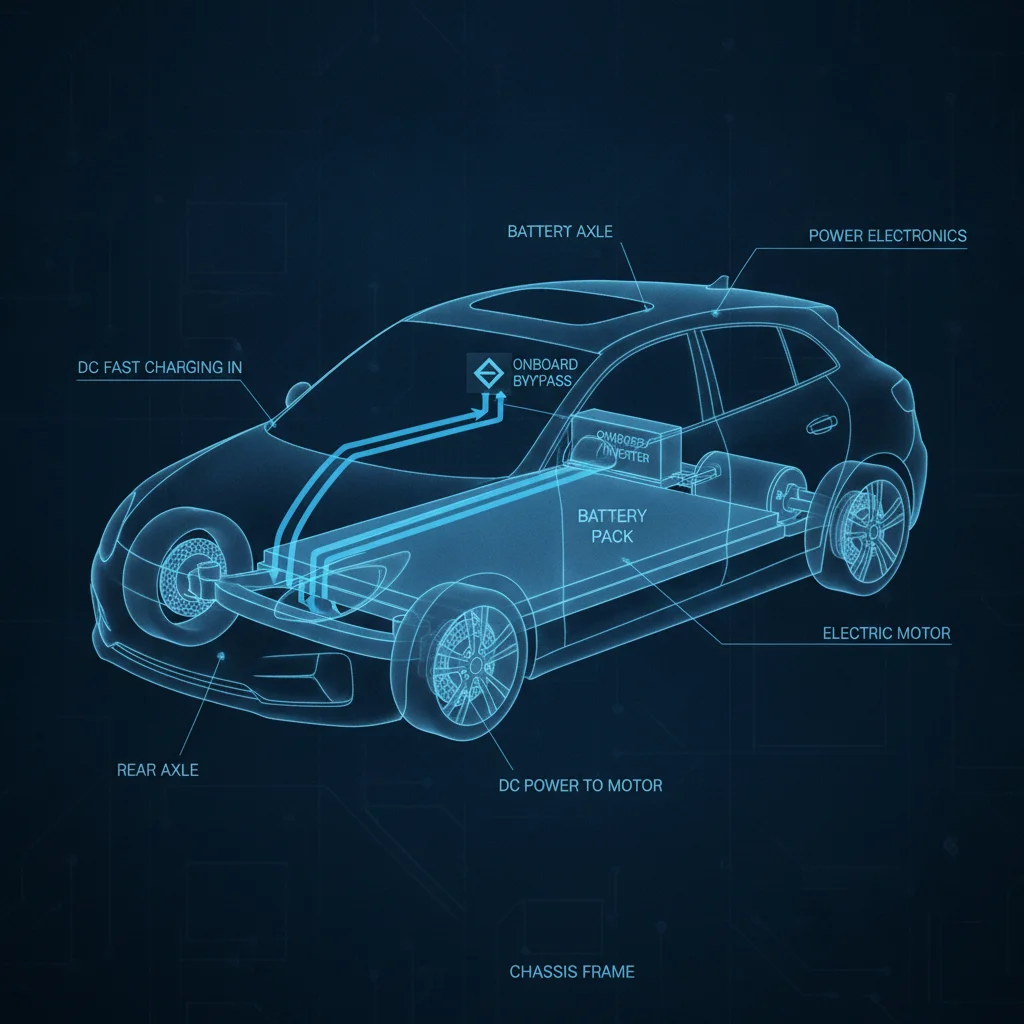
The 800-volt architecture used in some EVs deserves mention here. Most EVs run on a 400-volt battery system. 800-volt systems can accept higher current at lower amperage, which reduces heat and enables extremely fast DC charging — hence the 350 kW capability in some models. This is a hardware decision made at the factory; you cannot upgrade a 400-volt car to 800-volt architecture.
Variable 3: Battery State of Charge
Even if you have a powerful charger and a car capable of accepting high power, your actual charge rate fluctuates constantly based on how full your battery is. This relationship is described by the car's charge curve — a graph of charge rate (kW) versus state of charge (%).
Here's the general pattern for most lithium-ion EV batteries:
- 0–20% SOC: Charge rate is deliberately moderated. Cold, depleted cells need a gentle start to avoid damage.
- 20–80% SOC: This is the peak charging window. The battery management system allows maximum power delivery, and this is where you see the headline kW numbers.
- 80–100% SOC: The charge rate tapers significantly. As cells approach full capacity, the BMS reduces current to prevent overheating and cell stress. Charging the last 20% often takes as long as the first 80%.
20%–80%
Optimal DC fast charging window
Industry-standard guidance from EV manufacturers and charging networks consistently identifies this range as where peak charge rates are sustained.
30–50%
Potential charge rate reduction in extreme cold
Testing by organizations including Recurrent and AAA has shown DC fast charge rates drop significantly below 20°F, depending on vehicle model and battery thermal management quality.
350 kW
Current maximum DC fast charge output
Electrify America and a small number of other networks have deployed 350 kW stations, though only a handful of production vehicles can accept power above 250 kW as of 2024.
7.2 kW
Common onboard charger limit for budget EVs
Many entry-level and older EVs are equipped with 7.2 kW onboard chargers, limiting Level 2 charging speeds even when connected to faster hardware.
~2x
Time advantage of 800V vs 400V architecture at fast chargers
Vehicles with 800-volt battery architecture can typically add highway range in roughly half the time of equivalent 400-volt vehicles at high-output DC fast chargers.
This is why EV charging advice consistently recommends stopping fast charging at 80% for road trips. It's not arbitrary — it reflects the physical reality of how lithium-ion chemistry works. Going from 80% to 100% at a public DC fast charger wastes time at a dramatically reduced rate and costs more per mile of range added.
For a full explanation of charge curve behavior and how to plan fast-charging stops around it, How Battery State of Charge Affects Your DC Fast Charging Speed covers the mechanics and practical strategy in depth.
“The charge curve is one of the most important specs an EV buyer should look at — but it's almost never on the window sticker. Two cars with the same peak charging rate can have wildly different real-world charging times depending on how quickly that rate tapers.”
— Brian Moody, Executive Editor, Autotrader and Kelley Blue Book
The Fourth Factor: Temperature
Temperature doesn't fit neatly into the three-variable framework above because it's not a discrete limit — it's a modifier that affects all three. But it's significant enough to deserve its own treatment.
Cold Weather
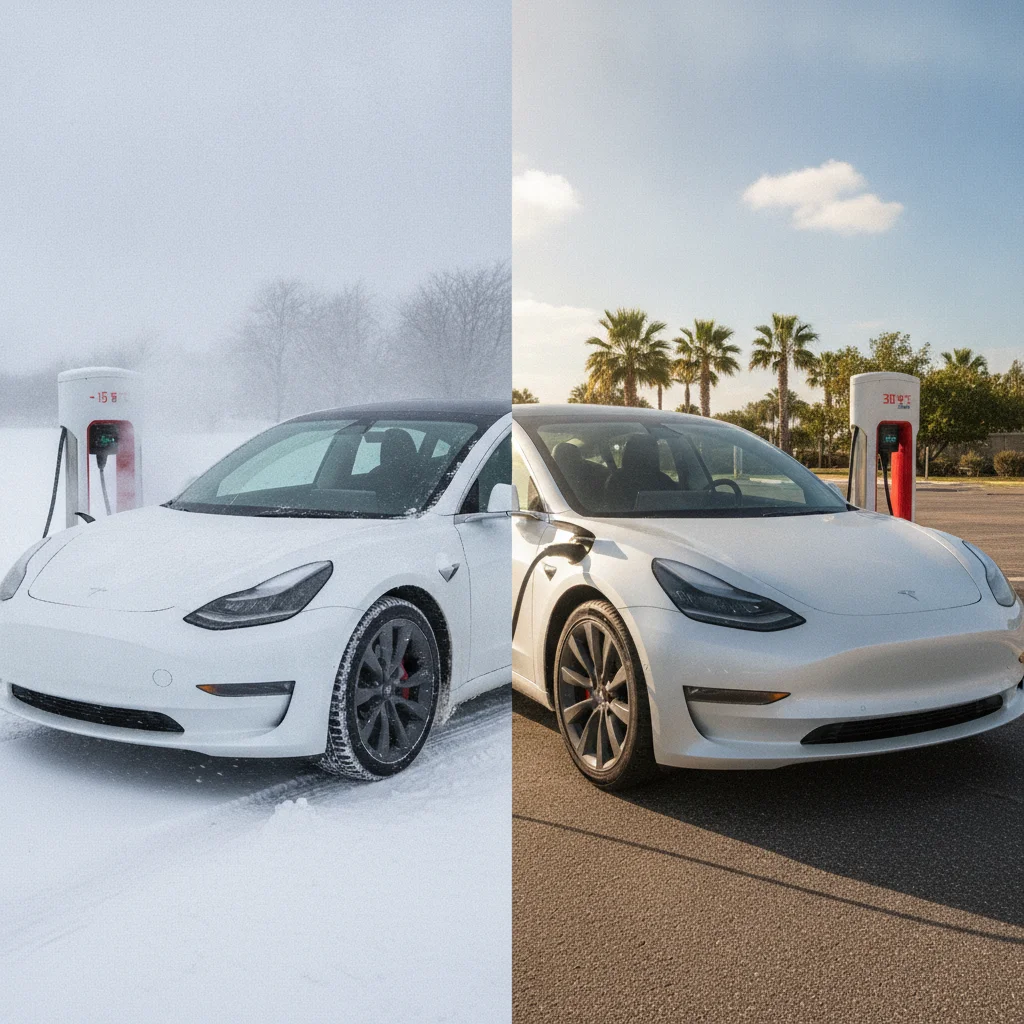
Lithium-ion cells slow their electrochemical reactions in cold temperatures. Below about 40°F (4°C), the battery management system begins reducing charge acceptance rate to protect the cells. In severe cold — below 20°F (-7°C) — some EVs will charge at less than half their rated peak DC rate, or may refuse fast charging entirely until the battery warms up.
Many modern EVs address this with battery preconditioning: when you navigate to a DC fast charger using the car's built-in navigation, the thermal management system begins heating the battery pack during the drive so it arrives in an optimal temperature window. If your car has this feature and you're not using it, you're leaving charging speed on the table.
Match Your Home Charger to Your Car's OBC
Before purchasing or installing a Level 2 home charger, look up your car's onboard charger rating in kilowatts. Buying a 19.2 kW charger for a car with a 7.2 kW OBC wastes money with zero speed benefit. The right home charger is the one that matches — or slightly exceeds — your car's AC acceptance rate.
Use Preconditioning Before Every Fast Charge Stop
If your EV supports battery preconditioning (activating it via built-in navigation to a charger), make it a habit — especially in winter. Arriving at a fast charger with a thermally prepared battery can recover a substantial portion of the speed you'd otherwise lose to cold-temperature throttling. Check your owner's manual to confirm whether your vehicle has this feature and how to activate it.
Hot Weather
Heat is also a problem, though it manifests differently. If the battery is already hot from a previous fast charge or from driving in high ambient temperatures, the BMS may throttle charging to prevent thermal runaway. Liquid-cooled battery systems (common in most major EVs today) handle this better than air-cooled systems. If you're doing back-to-back fast charging sessions on a hot day, expect the second session to be slower than the first.
How to Identify Your Bottleneck
When your charging speed is lower than expected, working through the three variables methodically will tell you why:
- Step 1: Check what the station is actually delivering
- Some stations display current output on the screen or in an app. If the station is at its rated output for your car, the bottleneck is elsewhere.
- Step 2: Know your car's acceptance rates
- Look up your car's AC onboard charger rating and DC fast charge acceptance rate in the owner's manual or the manufacturer's spec sheet. These are fixed numbers — your car cannot exceed them.
- Step 3: Check your battery SOC
- If you're above 80%, the taper is expected behavior. If you're between 20–80% and still seeing low speeds, temperature or station-side issues are more likely culprits.
- Step 4: Consider temperature
- In cold weather especially, check whether your car has battery preconditioning and use it. If the battery is warm and the SOC is in range but speed is still low, report the station to the network operator — hardware faults are common.
DC Fast Charging Bypasses the Onboard Charger
This distinction trips up a lot of EV shoppers. Your car's onboard charger rating only applies to Level 1 and Level 2 AC charging. At a DC fast charger, the relevant spec is your car's DC acceptance rate — a separate and usually higher number. When comparing DC fast charging capability, ignore the OBC rating entirely.
Station Power Sharing Can Reduce Your Speed
Many DC fast charging stations share their total power capacity across two adjacent stalls. If someone plugs in next to you at a station that pairs stalls, both of you may see reduced speeds compared to what either of you would get alone. Some networks label which stalls share power — check before you park if speed matters for your stop.
Kilowatts vs. Kilowatt-Hours: Don't Confuse Them
Kilowatts (kW) measure the rate of power delivery — how fast energy flows right now. Kilowatt-hours (kWh) measure the amount of energy — how much your battery can store in total. Charging speed is always expressed in kW. Battery capacity is expressed in kWh. Mixing them up leads to real confusion when reading charging specs or station displays.
Understanding the units used to express these rates — kilowatts, kilowatt-hours, and miles per hour of charge — is essential for interpreting what you see on a station display. Charging Speed Ratings Demystified: kW, kWh, and Miles Per Hour of Charge is the clearest reference I've found for making sense of these numbers.
What This Means When You're Buying an EV
Understanding charging speed mechanics changes how you should evaluate EVs in the showroom — and what questions you should ask before signing anything.
- Ask about both AC and DC rates. A car might have a high DC fast charge rate but a weak onboard charger, making home charging slower than expected. Get both numbers.
- Match your home charger to your OBC. Don't buy more Level 2 charger hardware than your car's OBC can use. It's unnecessary spending. Check the car spec first, then buy the charger.
- Consider your road trip profile. If you drive long distances regularly, DC fast charge acceptance rate matters more than OBC rating. A car with a 250 kW DC rate will spend far less time at highway charging stops than one capped at 100 kW, assuming you can find a fast enough station.
- Check for preconditioning. If you live somewhere cold, battery preconditioning is a feature worth specifically confirming — not all EVs have it, and it meaningfully affects real-world fast charging time in winter.
- Look at the charge curve, not just the peak. A manufacturer might advertise 200 kW peak, but if that peak only lasts for a narrow SOC window before tapering steeply, the real-world charge time could be worse than a competitor advertised at 175 kW with a flatter curve.
For context on how charging fits into the broader cost picture of EV ownership, the Charging Costs & Savings hub brings together cost estimators, comparison tools, and guidance on reducing your overall fueling spend.
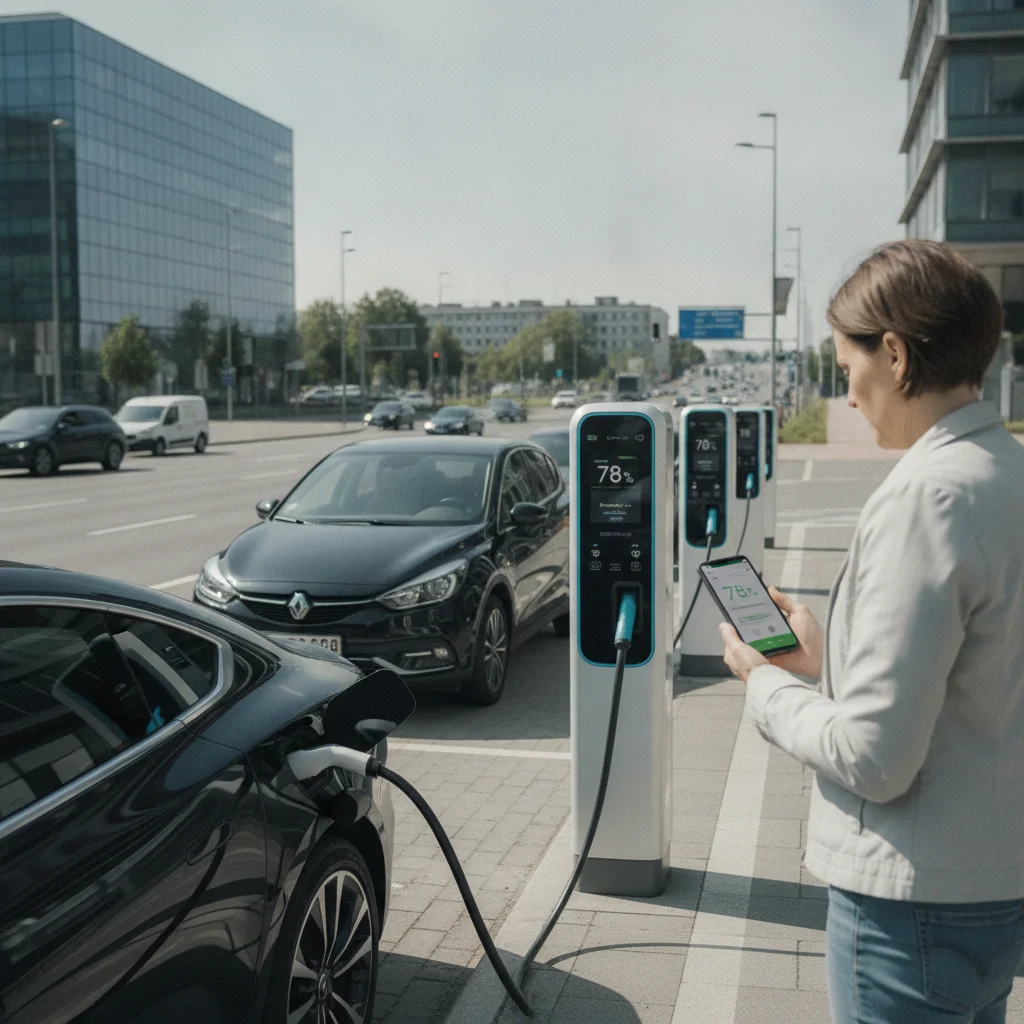
The charging speed question is ultimately a hardware and chemistry question. Once you understand the three variables — station output, car acceptance rate, and battery state of charge — the numbers on any charging display stop being mysterious and start being predictable. That predictability is what lets you plan road trips confidently, buy the right home charger, and evaluate EV specs with real-world accuracy rather than marketing spin.

All claims are backed by peer-reviewed research. Sources on request.