Key Takeaways
No charging infrastructure required — ever
You refuel at any gas station in 2–3 minutes, exactly as you would with a conventional car. For drivers in areas with sparse public charging or without home charging access, this eliminates one of the biggest practical barriers to electrified vehicle ownership.
Significantly better fuel economy than gas equivalents
Real-world fuel savings of 20–35% over a comparable non-hybrid are typical, with some models achieving even more in heavy urban driving. For a driver doing 15,000 miles annually, that translates to hundreds of dollars in annual savings.
Lower brake wear and maintenance costs
Regenerative braking recovers energy during deceleration instead of dissipating it as heat through friction brakes. Hybrid owners routinely get 80,000–100,000 miles from brake pads that would wear out in 30,000–50,000 miles on a conventional vehicle.
Proven, mature technology with strong reliability record
Toyota, Honda, Ford, and Hyundai have collectively sold millions of HEVs over more than two decades. Fleet and taxi data from high-mileage users consistently shows hybrid powertrains outlasting their conventional counterparts without catastrophic battery failures.
No range anxiety and no charging wait times
An HEV's range is limited only by its gas tank — typically 450–600 miles on a fill. Long road trips require no advance planning around charging stops, which remains a meaningful convenience advantage over BEVs for many drivers.
Reduced emissions versus a conventional gas vehicle
Better fuel economy directly translates to lower CO₂ output per mile driven. HEVs also tend to produce fewer cold-start emissions because the electric motor can handle low-speed driving before the engine reaches operating temperature.
Wide model selection across price points and body styles
HEV versions are now available across sedans, SUVs, crossovers, and trucks from mainstream brands. Unlike early hybrids that were limited to a handful of economy-focused models, buyers today can find an HEV that fits their practical and aesthetic needs.
Higher upfront price than the non-hybrid equivalent
A hybrid powertrain typically adds $2,000–$4,000 to the sticker price versus the same model without hybrid tech. Unlike PHEVs and BEVs, HEVs don't qualify for the federal EV tax credit, so there's no subsidy to offset that premium.
Minimal real electric-only driving range
Most HEVs can travel only a mile or two on electricity alone before the gasoline engine kicks in. If you want meaningful EV-mode driving — commuting in electric silence, for example — an HEV won't deliver that experience.
Still dependent on gasoline
Unlike a BEV, you're never free from the gas pump or fuel price volatility. An HEV reduces your gasoline consumption but doesn't eliminate it, which limits long-term insulation from fuel price swings.
Smaller battery limits potential energy savings
The compact battery pack in an HEV can only store and deploy a limited amount of recovered energy. A PHEV with a larger battery can absorb far more regenerative energy and substitute electricity for gasoline across longer stretches.
Payback period can be long for low-mileage drivers
If you drive fewer than 8,000–10,000 miles per year, the fuel savings generated may not break even with the upfront premium within a typical 5–7 year ownership period. The math only works in the HEV's favor above a certain annual mileage threshold.
No federal tax credit available
The Inflation Reduction Act's Clean Vehicle Credit applies only to PHEVs and BEVs, not traditional hybrids. A PHEV buyer may qualify for up to $7,500 in federal credits that an HEV buyer cannot access, which shifts the total cost comparison meaningfully.
Performance tuning prioritizes efficiency over driving engagement
Most HEV systems are calibrated to maximize fuel economy rather than responsiveness. The power-blending logic can feel disconnected or hesitant compared to a turbocharged gas car or a BEV with instant torque delivery.
Our Verdict
A traditional hybrid is one of the least disruptive ways to cut fuel costs and reduce emissions without changing any driving habits. It rewards high-mileage commuters and city drivers most, and it's especially compelling for anyone without reliable home charging access. That said, it won't satisfy drivers chasing meaningful EV-mode driving or those who want to escape the gas pump entirely.
Best for commuters and city drivers who log high annual mileage, don't have home charging access, and want lower fuel costs without any infrastructure changes.
What an HEV Actually Is (and Isn't)
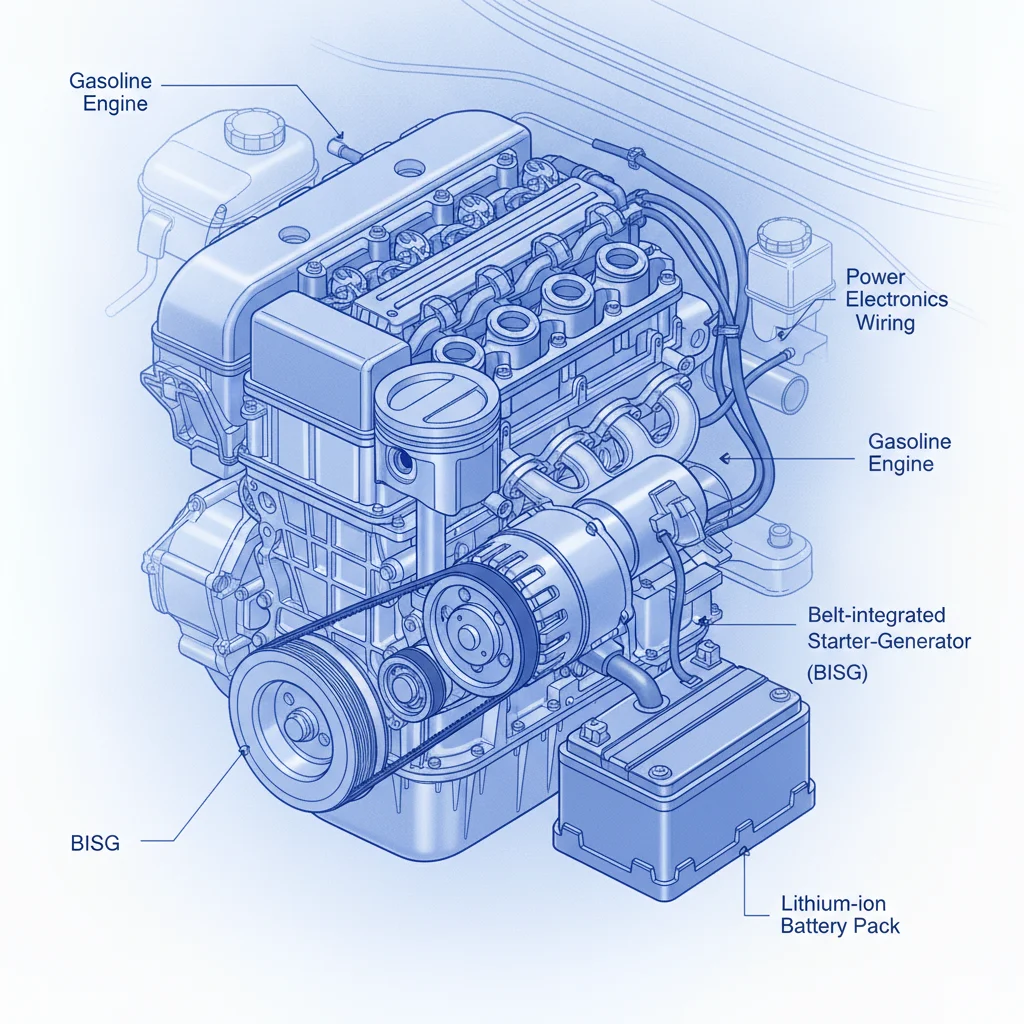
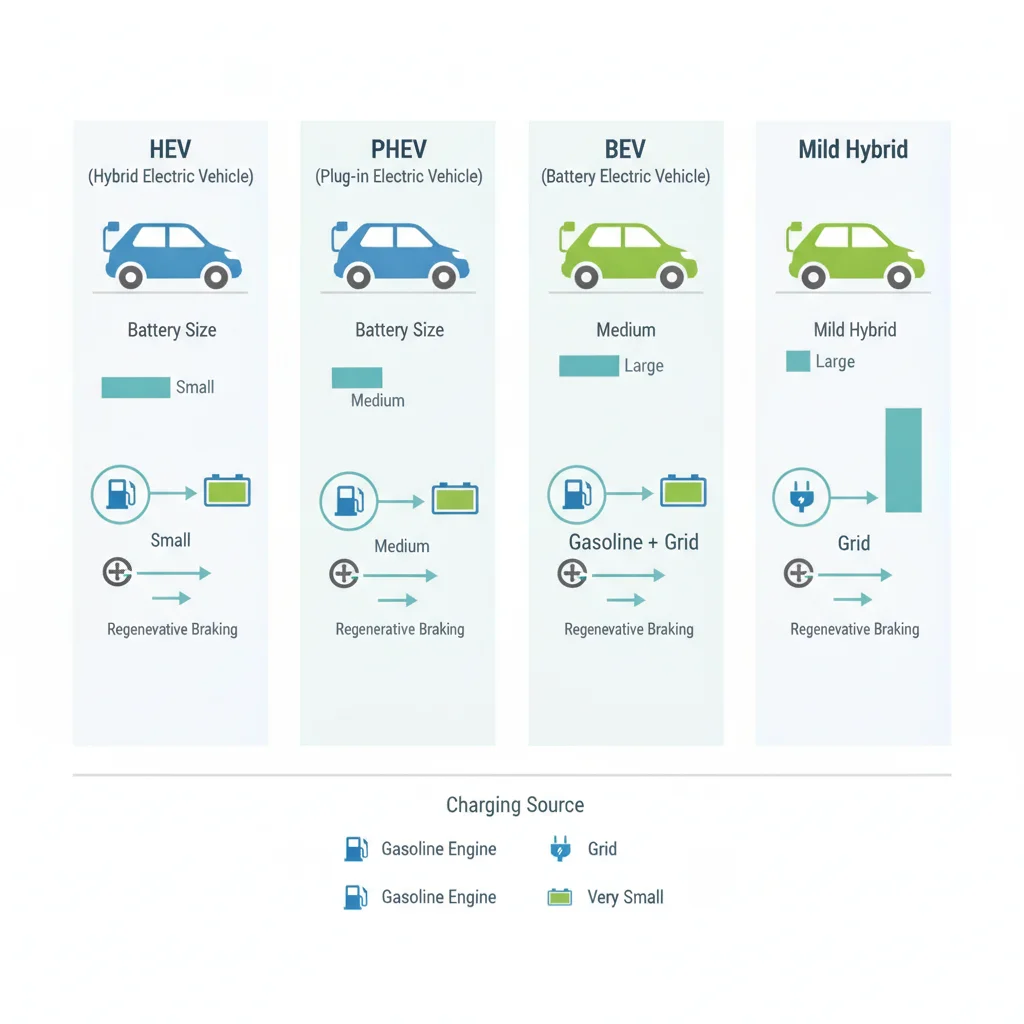
The term "hybrid" gets stretched in every direction by marketing, so let's be precise. A traditional hybrid electric vehicle — HEV — pairs a gasoline engine with an electric motor and a small battery pack that never requires an external charge. The system replenishes itself through regenerative braking and by harvesting energy from the engine during deceleration. You drive it exactly like a gas car: fill up at any gas station, go anywhere, repeat.
What an HEV is not: a plug-in hybrid (PHEV), which has a larger battery you charge at home or at a public station for meaningful EV-only range. It's also not a mild hybrid (MHEV), which uses a small battery purely to assist the engine but can't drive the wheels on electricity alone. And it's obviously not a full battery electric vehicle (BEV), which runs entirely on electricity. These distinctions matter enormously when you're trying to figure out which drivetrain fits your life.
See how the categories stack up: Full Hybrid vs. Plug-In Hybrid — the charging question that changes everything. And if you want to understand what mild hybrids actually deliver (spoiler: less than you might think), Mild Hybrids: The Electrification That Doesn't Drive Your Car is worth a look.
The Pros: Where HEVs Genuinely Deliver
Traditional hybrids have been on sale in the U.S. since the first-generation Toyota Prius arrived in 2000. Over 24 years, the technology has matured to the point where the pros are well-documented and reliable — not marketing promises.
No charging infrastructure required — ever
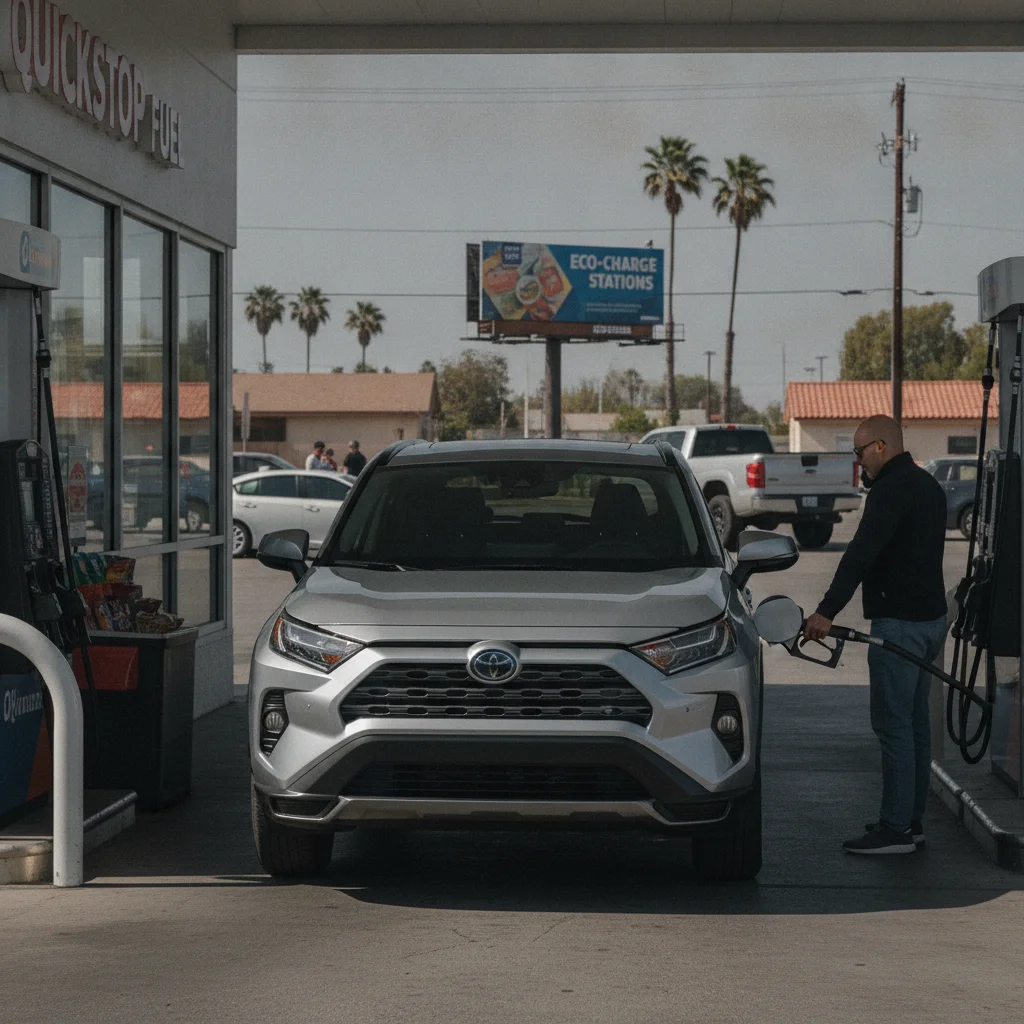
You refuel at any gas station in 2–3 minutes, exactly as you would with a conventional car. For drivers in areas with sparse public charging or without home charging access, this eliminates one of the biggest practical barriers to electrified vehicle ownership.
Significantly better fuel economy than gas equivalents
Real-world fuel savings of 20–35% over a comparable non-hybrid are typical, with some models achieving even more in heavy urban driving. For a driver doing 15,000 miles annually, that translates to hundreds of dollars in annual savings.
Lower brake wear and maintenance costs
Regenerative braking recovers energy during deceleration instead of dissipating it as heat through friction brakes. Hybrid owners routinely get 80,000–100,000 miles from brake pads that would wear out in 30,000–50,000 miles on a conventional vehicle.
Proven, mature technology with strong reliability record
Toyota, Honda, Ford, and Hyundai have collectively sold millions of HEVs over more than two decades. Fleet and taxi data from high-mileage users consistently shows hybrid powertrains outlasting their conventional counterparts without catastrophic battery failures.
No range anxiety and no charging wait times
An HEV's range is limited only by its gas tank — typically 450–600 miles on a fill. Long road trips require no advance planning around charging stops, which remains a meaningful convenience advantage over BEVs for many drivers.
Reduced emissions versus a conventional gas vehicle
Better fuel economy directly translates to lower CO₂ output per mile driven. HEVs also tend to produce fewer cold-start emissions because the electric motor can handle low-speed driving before the engine reaches operating temperature.
Wide model selection across price points and body styles
HEV versions are now available across sedans, SUVs, crossovers, and trucks from mainstream brands. Unlike early hybrids that were limited to a handful of economy-focused models, buyers today can find an HEV that fits their practical and aesthetic needs.
HEV Efficiency Is Most Valuable in City Driving
The efficiency advantage of an HEV is sharpest in stop-and-go traffic, where the regenerative braking system captures the most energy. On open highway at steady speeds, there's less deceleration to harvest, and the fuel economy gap between an HEV and a conventional car narrows noticeably. If most of your driving is high-speed highway miles, temper your fuel-savings expectations accordingly.
HEVs Don't Qualify for the Federal EV Tax Credit
The Inflation Reduction Act's Clean Vehicle Credit (up to $7,500) applies to new PHEVs and BEVs that meet income, price, and assembly requirements — but traditional HEVs are explicitly excluded. If a federal tax credit is part of your cost calculation, you'll need to look at plug-in vehicles instead. Check the IRS website or fueleconomy.gov for the most current eligibility rules.
The efficiency advantage is sharpest in stop-and-go driving. On open highway at steady speeds, the regenerative braking system has less to capture, and the fuel economy gap between an HEV and a conventional gas car narrows noticeably. If most of your driving is high-speed highway, temper your fuel-savings expectations accordingly.
The Cons: Real Limitations You Should Know Before You Buy
No powertrain is a free lunch. HEVs solve specific problems elegantly, but they also carry genuine trade-offs that have nothing to do with reliability — they're baked into the design itself.
Higher upfront price than the non-hybrid equivalent
A hybrid powertrain typically adds $2,000–$4,000 to the sticker price versus the same model without hybrid tech. Unlike PHEVs and BEVs, HEVs don't qualify for the federal EV tax credit, so there's no subsidy to offset that premium.
Minimal real electric-only driving range
Most HEVs can travel only a mile or two on electricity alone before the gasoline engine kicks in. If you want meaningful EV-mode driving — commuting in electric silence, for example — an HEV won't deliver that experience.
Still dependent on gasoline
Unlike a BEV, you're never free from the gas pump or fuel price volatility. An HEV reduces your gasoline consumption but doesn't eliminate it, which limits long-term insulation from fuel price swings.
Smaller battery limits potential energy savings
The compact battery pack in an HEV can only store and deploy a limited amount of recovered energy. A PHEV with a larger battery can absorb far more regenerative energy and substitute electricity for gasoline across longer stretches.
Payback period can be long for low-mileage drivers
If you drive fewer than 8,000–10,000 miles per year, the fuel savings generated may not break even with the upfront premium within a typical 5–7 year ownership period. The math only works in the HEV's favor above a certain annual mileage threshold.
No federal tax credit available
The Inflation Reduction Act's Clean Vehicle Credit applies only to PHEVs and BEVs, not traditional hybrids. A PHEV buyer may qualify for up to $7,500 in federal credits that an HEV buyer cannot access, which shifts the total cost comparison meaningfully.
Performance tuning prioritizes efficiency over driving engagement
Most HEV systems are calibrated to maximize fuel economy rather than responsiveness. The power-blending logic can feel disconnected or hesitant compared to a turbocharged gas car or a BEV with instant torque delivery.
51 mpg
2024 Toyota Camry Hybrid combined EPA rating
Compared to 32 mpg for the standard Camry — a nearly 60% improvement on the EPA combined cycle.
$610/yr
Estimated annual fuel savings at 15,000 miles
Based on $3.50/gallon and the Camry vs. Camry Hybrid EPA ratings — representing roughly a 5-year payback on a $3,000 hybrid premium.
8 yrs / 100K mi
Federal minimum hybrid battery warranty
U.S. federal law mandates this minimum coverage for HEV battery packs; California-emissions states require 10 years or 150,000 miles.
~$2,000–$4,000
Typical HEV premium over non-hybrid trim
Across mainstream models including Toyota, Honda, and Hyundai hybrids — and unlike PHEVs/BEVs, HEVs receive no federal tax credit offset.
20–35%
Real-world fuel economy improvement over gas equivalent
Based on aggregated real-world driving data from platforms including fueleconomy.gov — most pronounced in urban stop-and-go conditions.
The premium over a non-hybrid trim is the most immediate trade-off to calculate. On a $30,000 car, a $3,000 hybrid premium at, say, 12,000 miles per year and $3.50/gallon fuel might take four to six years to break even on fuel savings alone — longer if you drive mostly highway miles. Run the math with your actual mileage and local fuel prices before assuming the hybrid will pay for itself on your timeline.
It's also worth comparing against the alternatives before committing. PHEVs carry their own set of trade-offs, including higher sticker prices and the complexity of managing two fuel sources. And BEVs eliminate the gas pump entirely but introduce charging logistics that not every driver can accommodate.
Fuel Savings: What the Numbers Actually Look Like
The EPA's side-by-side comparisons are the most reliable benchmark available. A 2024 Toyota Camry Hybrid is rated at 51 mpg combined versus 32 mpg for the standard Camry. That's a 59% improvement on paper — though real-world results typically land closer to 20–35% better than the non-hybrid equivalent once you account for driving style and conditions.
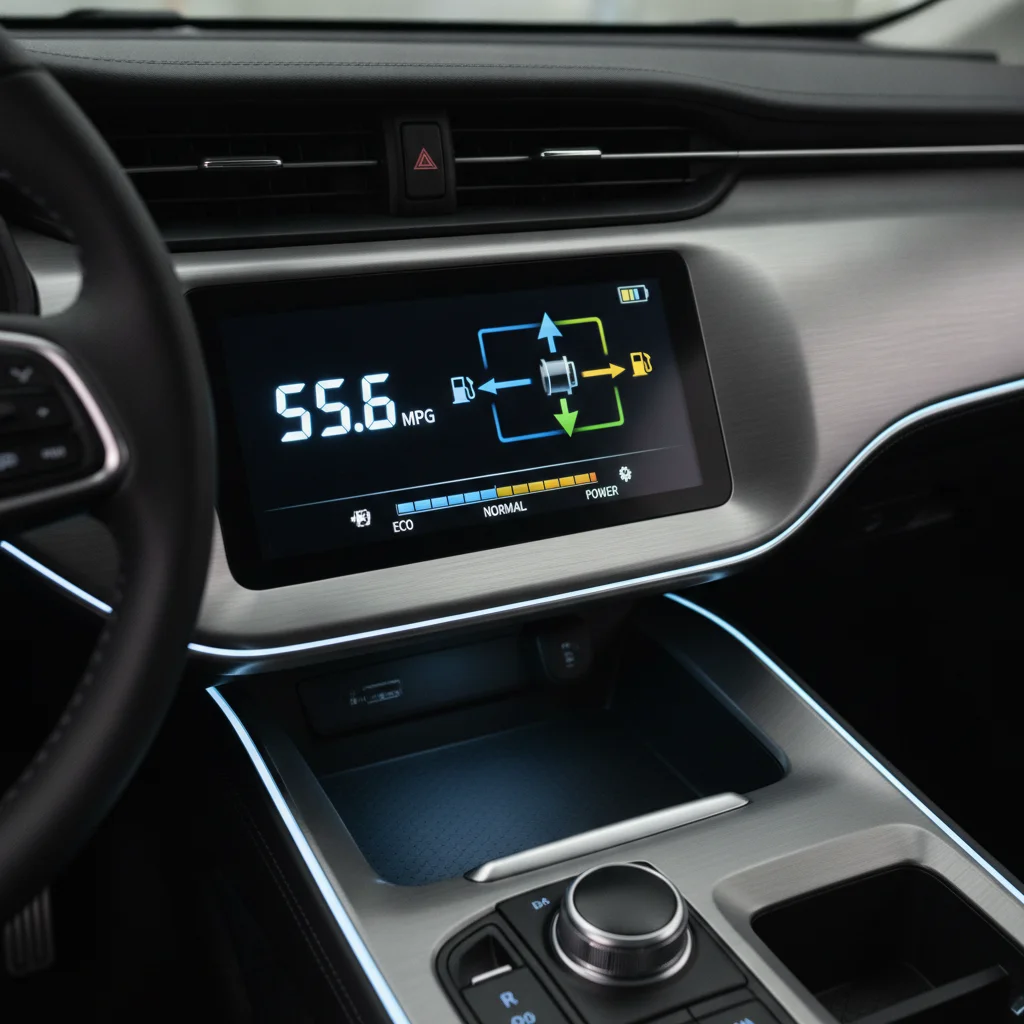
Put that in dollar terms: a driver doing 15,000 miles per year at $3.50/gallon would spend roughly $1,640 annually in the standard Camry versus about $1,030 in the hybrid — a saving of around $610 per year. At that rate, a $3,000 hybrid premium breaks even in just under five years. For a driver doing 20,000 miles per year, the payback period drops to under four years.
The math shifts significantly based on three variables: your annual mileage, local fuel prices, and how much of your driving is city versus highway. High mileage + city driving + expensive fuel = the HEV wins the cost argument convincingly. Low mileage + highway driving + cheap fuel = the premium may never fully pay back.
For a deeper look at how charging costs compare to gasoline for electrified vehicles more broadly, our guide to charging costs and savings walks through the methodology.
Maintenance: Simpler Than You Might Fear
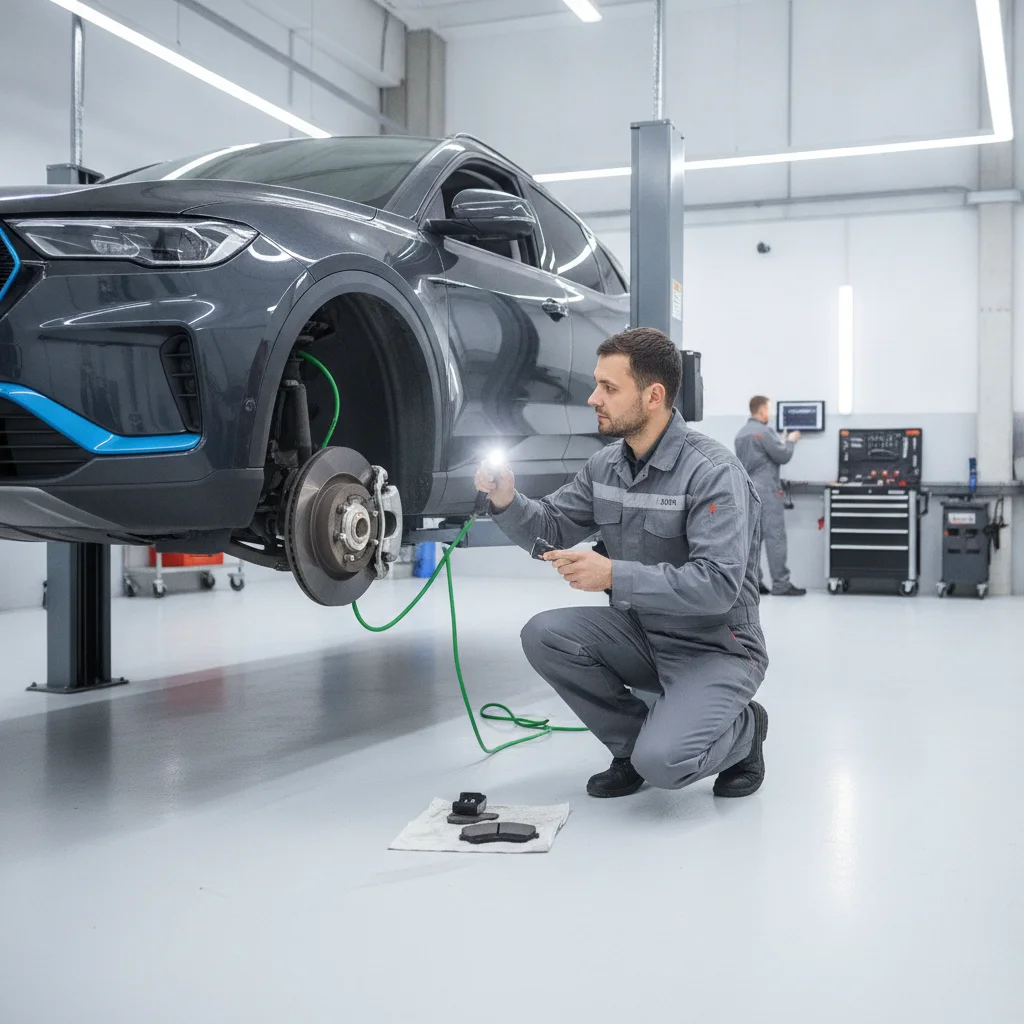
One of the more persistent myths about hybrids is that they're expensive and complicated to maintain. The data from a decade of mass-market hybrids doesn't support that. Toyota's hybrid system, for example, has accumulated tens of millions of miles in taxi and fleet service worldwide with remarkably few catastrophic failures.
Here's what actually changes on maintenance costs with an HEV:
- Brake pads last longer — regenerative braking does much of the deceleration work, reducing wear on friction brakes. Many hybrid owners get 80,000–100,000 miles from a single set of brake pads.
- Engine oil still needs changing — the gasoline engine is still there, and it still burns oil. Intervals are similar to a conventional car.
- The hybrid battery is largely hands-off — it doesn't require fluid changes or active maintenance. Federal law mandates an 8-year/100,000-mile warranty on hybrid batteries (10 years/150,000 miles in California-emissions states), and real-world longevity often exceeds 150,000–200,000 miles.
- Transmission fluid intervals vary — some HEVs use a power-split device instead of a traditional transmission, which changes the fluid service schedule. Check your specific model's maintenance guide.
EV and hybrid maintenance basics covers what routine service looks like across electrified drivetrains and how it differs from a conventional gas vehicle.
Who Gets the Most Out of an HEV
HEVs aren't universally optimal — but they're the right answer for a clearly defined set of buyers. Here's how to honestly assess whether you're in that group.
Strong fit:
- Urban and suburban commuters who spend meaningful time in stop-and-go traffic. This is where regenerative braking produces its biggest fuel-saving effect.
- High-mileage drivers (15,000+ miles per year) who will accumulate fuel savings quickly enough to recoup the premium.
- Drivers without home charging access — apartment dwellers, renters without dedicated parking, or anyone in an area with limited public charging infrastructure. An HEV sidesteps the charging question entirely.
- Long-distance drivers who need to refuel quickly and can't afford range anxiety. An HEV fills in two minutes at any gas station.
Weaker fit:
- Low-mileage drivers (under 8,000 miles per year) who won't generate enough fuel savings to justify the premium.
- Primarily highway drivers who spend most miles at steady highway speeds, where the HEV's efficiency advantage shrinks.
- Drivers who have reliable home charging and drive modest daily distances — a PHEV or BEV may serve them better. See our PHEV explainer to understand whether that profile fits a plug-in instead.
HEV vs. PHEV vs. BEV: The Quick Comparison
Before committing to an HEV, it helps to see how it stacks up against the alternatives in concrete terms.
| Category | HEV | PHEV | BEV |
|---|---|---|---|
| Plug required | No | Yes | Yes |
| EV-only range | <2 miles | 20–50 miles | 150–400+ miles |
| Fuel cost savings | Moderate | High (if charged regularly) | Highest |
| Upfront cost vs. gas equivalent | +$2,000–$4,000 | +$5,000–$10,000 | Varies widely |
| Federal tax credit eligible | No | Yes (up to $7,500) | Yes (up to $7,500) |
| Maintenance complexity | Low | Moderate | Low |
| Refuel/recharge time | 2 minutes | 2 min gas + 2–8 hrs charging | 20 min–12 hrs |
The PHEV sits between the two extremes. PHEV Pros and Cons walks through that trade-off in detail. And if the BEV option interests you, BEV Pros and Cons: Life Without a Gas Engine covers what actually changes day-to-day when you go fully electric, including the one-pedal driving dynamic that comes with most BEVs — something you can explore further at The Pros and Cons of One-Pedal Driving.
HEV Efficiency Is Most Valuable in City Driving
The efficiency advantage of an HEV is sharpest in stop-and-go traffic, where the regenerative braking system captures the most energy. On open highway at steady speeds, there's less deceleration to harvest, and the fuel economy gap between an HEV and a conventional car narrows noticeably. If most of your driving is high-speed highway miles, temper your fuel-savings expectations accordingly.
HEVs Don't Qualify for the Federal EV Tax Credit
The Inflation Reduction Act's Clean Vehicle Credit (up to $7,500) applies to new PHEVs and BEVs that meet income, price, and assembly requirements — but traditional HEVs are explicitly excluded. If a federal tax credit is part of your cost calculation, you'll need to look at plug-in vehicles instead. Check the IRS website or fueleconomy.gov for the most current eligibility rules.

All claims are backed by peer-reviewed research. Sources on request.