Key Takeaways
Zero fuel costs from gasoline
BEV owners pay nothing for gasoline — ever. Electricity costs typically run 40–60% less per mile than gasoline, with the exact savings depending on local utility rates and driving patterns.
Dramatically simplified maintenance
No oil changes, no spark plugs, no timing belt, no exhaust system, and reduced brake wear due to regenerative braking. Over a five-year period, BEV owners typically save several hundred dollars annually in maintenance costs.
Instant torque and smooth, quiet driving
Electric motors deliver maximum torque from a standstill, producing strong, linear acceleration with no gear shifts or engine noise. The driving experience in city traffic is noticeably more responsive than a comparable gas vehicle.
Federal tax credit up to $7,500
Qualifying new BEVs may be eligible for a federal tax credit of up to $7,500, meaningfully offsetting the higher purchase price — though income limits, vehicle MSRP caps, and battery sourcing requirements all apply.
Home charging is highly convenient
With a Level 2 charger installed at home, most drivers start every day with a full battery — more convenient than stopping at a gas station, and easy to schedule around off-peak electricity rates.
Lower long-term total cost of ownership
When fuel and maintenance savings are combined and spread over five or more years, BEVs often match or beat comparably priced gas vehicles on total cost, even after accounting for the higher purchase price.
Zero tailpipe emissions
BEVs produce no direct emissions from the vehicle itself, which reduces local air pollution regardless of the grid energy mix — an important factor for urban air quality and for buyers prioritizing environmental impact.
Real-world range falls short of EPA ratings
Cold weather, highway speeds, and heavy loads can reduce real-world range by 20–30% compared to EPA estimates. A vehicle rated at 300 miles may deliver 210–230 miles in winter highway conditions.
Public charging is inconsistent and slow
Despite network growth, public DC fast chargers have meaningful uptime issues — J.D. Power surveys have found significant owner dissatisfaction with public charging reliability. Outside major metro areas, fast charger spacing can be uncomfortably wide.
Higher purchase price than gas equivalents
BEVs carry a purchase price premium of roughly $5,000–$15,000 over comparable gas or hybrid vehicles, depending on segment. Tax credits help but don't fully close the gap for all buyers.
Apartment and condo living creates charging friction
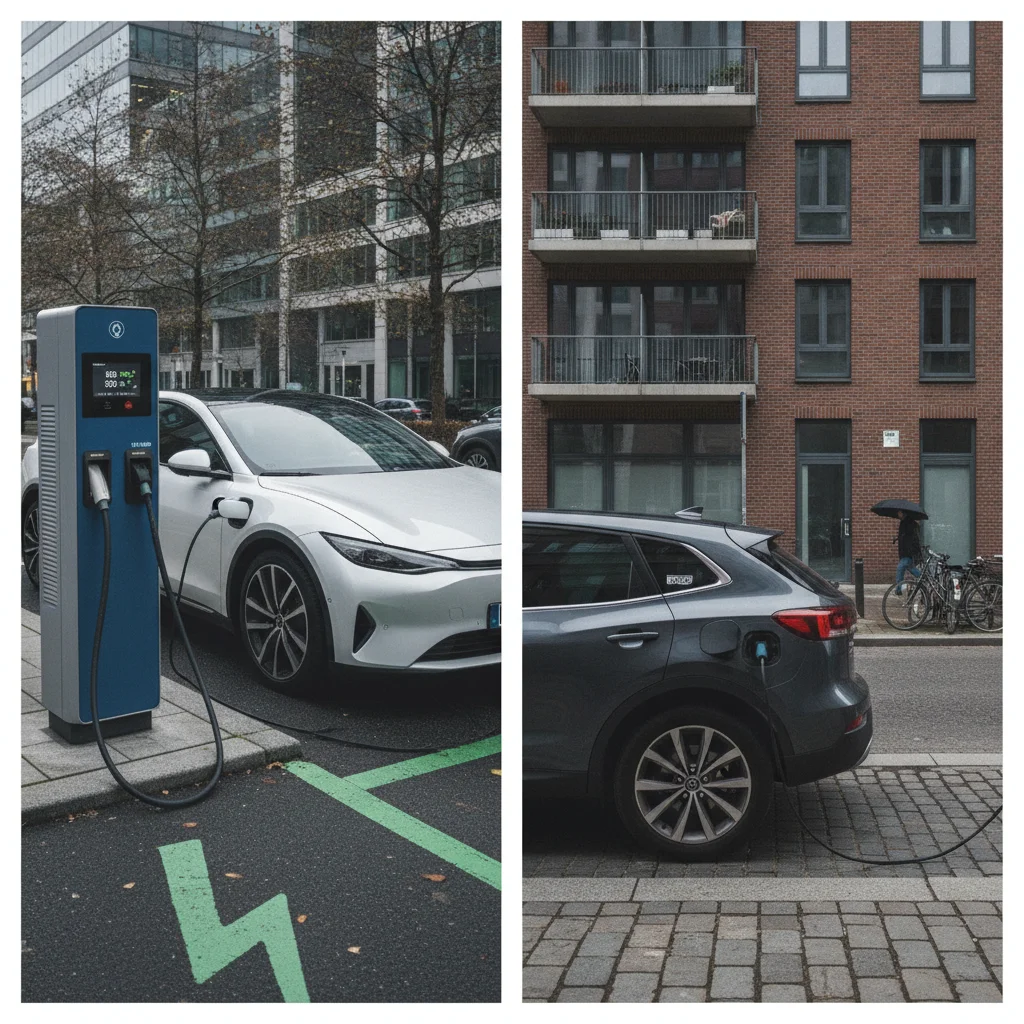
Renters and condo owners without assigned parking or building-provided charging must rely primarily on public infrastructure, which adds time, planning burden, and sometimes cost to routine charging.
Long road trips require charging stop planning
Interstate travel in a BEV requires mapping fast-charger locations and building in 20–45 minute stops every 150–250 miles. For frequent long-distance drivers, this is a real inconvenience compared to a 5-minute gas fill-up.
Towing significantly reduces range
Towing a trailer or heavy load can cut BEV range by 40–50%, making trucks and SUVs with electric powertrains a less practical choice for owners who regularly tow boats, campers, or equipment.
Battery degradation over time
BEV battery capacity gradually diminishes with age and charge cycles. Most manufacturers warrant batteries to retain at least 70% capacity for 8 years or 100,000 miles, but real-world degradation varies and replacement batteries remain expensive.
Our Verdict
A battery electric vehicle is a financially compelling, low-maintenance option for drivers who can charge at home and stay within a predictable daily range. The operating savings are real and measurable, and the driving experience is often a genuine upgrade. Where it falls short is in flexibility — long road trips, apartment living, and regions with sparse fast-charging networks still create friction that hybrids and gas vehicles don't.
Best for homeowners or renters with dedicated charging access, daily commuters driving under 200 miles, and buyers who want to minimize long-term operating costs and maintenance complexity.
What Is a BEV and How Does It Differ From Other Electrified Vehicles?
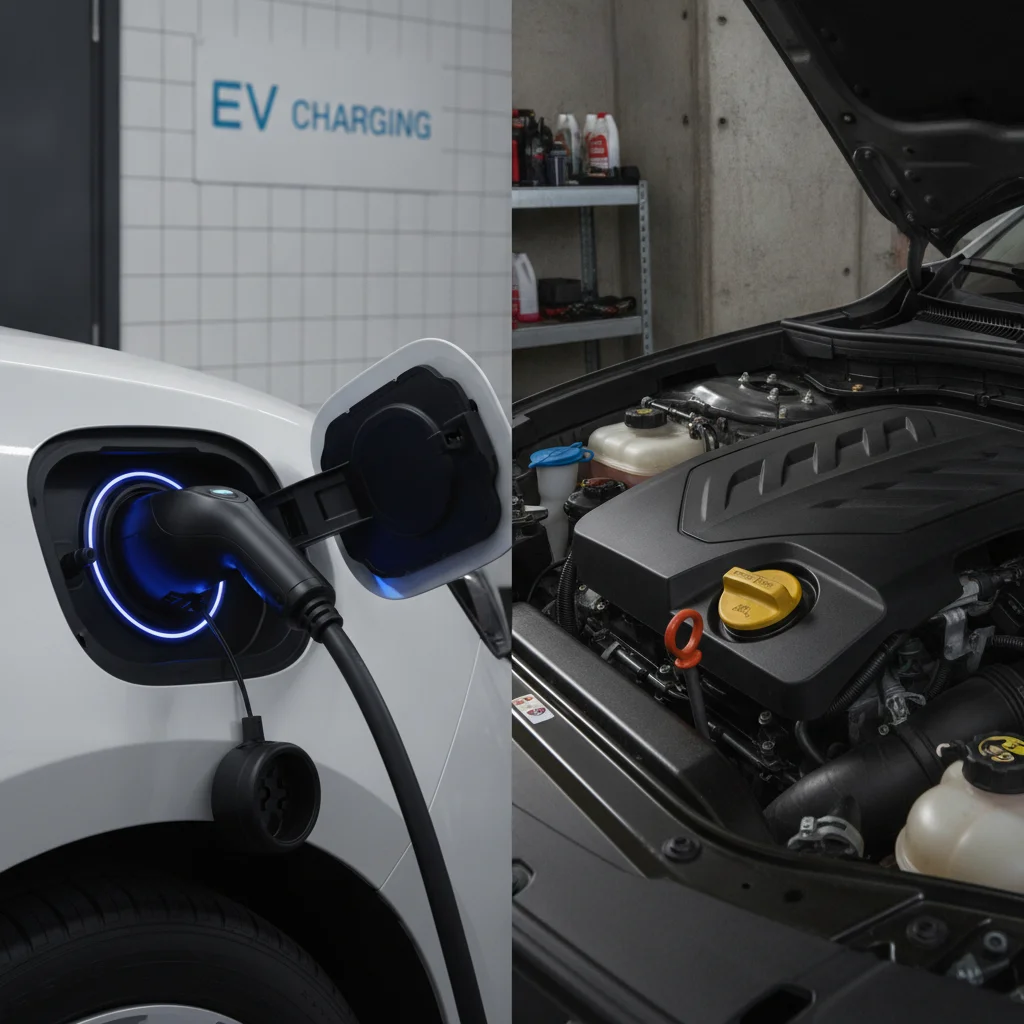
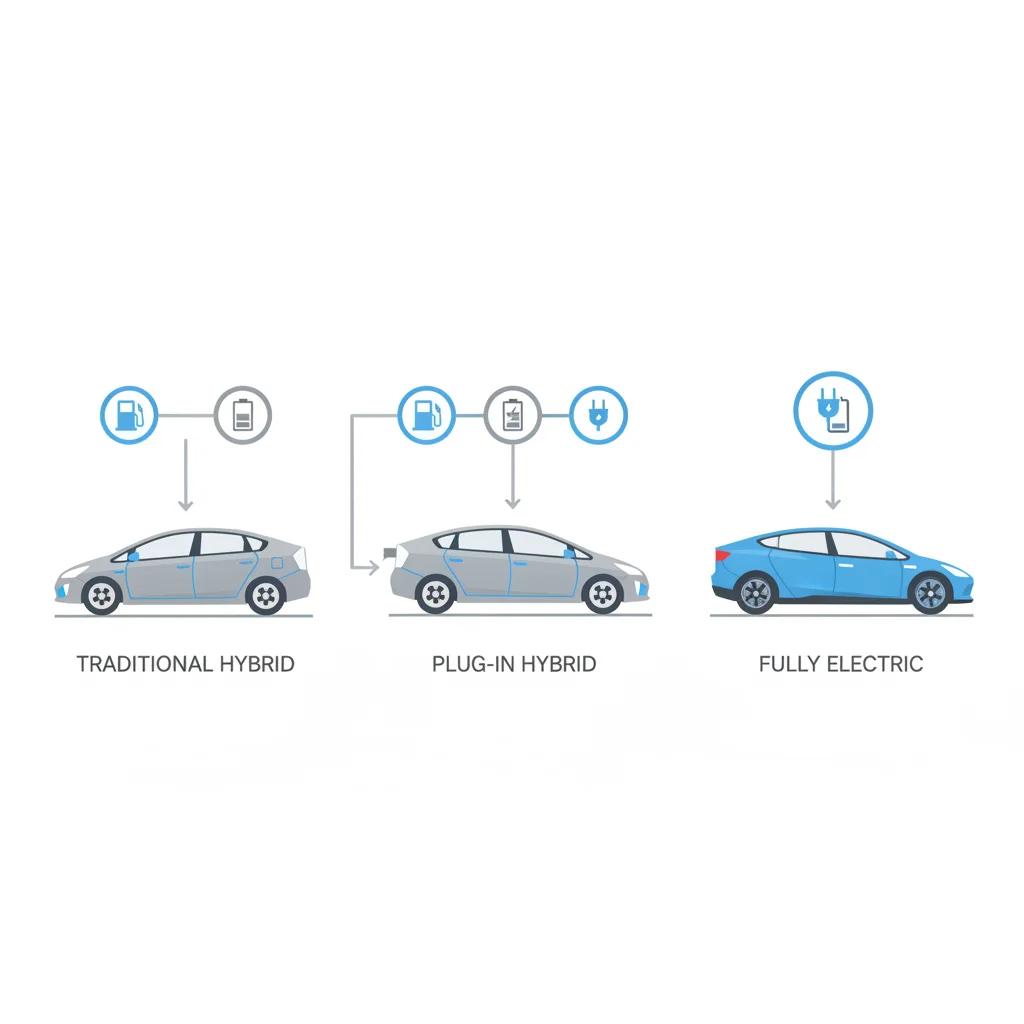
A battery electric vehicle (BEV) runs exclusively on electricity stored in an onboard battery pack. There is no internal combustion engine, no fuel tank, and no tailpipe. The electric motor converts stored energy directly into motion, which is why BEVs are fundamentally different from hybrids of any kind.
This is the critical distinction worth understanding before anything else: a traditional hybrid (HEV) like a Toyota Camry Hybrid uses a gasoline engine as its primary power source and recaptures energy through regenerative braking — you never plug it in. A plug-in hybrid (PHEV) adds a larger battery and an external charging port, giving you a short electric-only range before the gas engine takes over. A BEV has none of that backup — it lives and dies by its battery.
That singular dependence on electricity is both the BEV's greatest strength and its most significant constraint, and everything in this article flows from that single fact. If you want to compare how a BEV stacks up against a self-charging hybrid on a pure cost-and-convenience basis, see our HEV pros and cons breakdown.
The Real Advantages of Going Fully Electric
BEV ownership comes with a set of advantages that are genuinely meaningful — not just marketing talking points. Some of them show up in your bank account every month. Others change the texture of daily driving in ways that are hard to appreciate until you've experienced them.
Zero fuel costs from gasoline
BEV owners pay nothing for gasoline — ever. Electricity costs typically run 40–60% less per mile than gasoline, with the exact savings depending on local utility rates and driving patterns.
Dramatically simplified maintenance
No oil changes, no spark plugs, no timing belt, no exhaust system, and reduced brake wear due to regenerative braking. Over a five-year period, BEV owners typically save several hundred dollars annually in maintenance costs.
Instant torque and smooth, quiet driving
Electric motors deliver maximum torque from a standstill, producing strong, linear acceleration with no gear shifts or engine noise. The driving experience in city traffic is noticeably more responsive than a comparable gas vehicle.
Federal tax credit up to $7,500
Qualifying new BEVs may be eligible for a federal tax credit of up to $7,500, meaningfully offsetting the higher purchase price — though income limits, vehicle MSRP caps, and battery sourcing requirements all apply.
Home charging is highly convenient
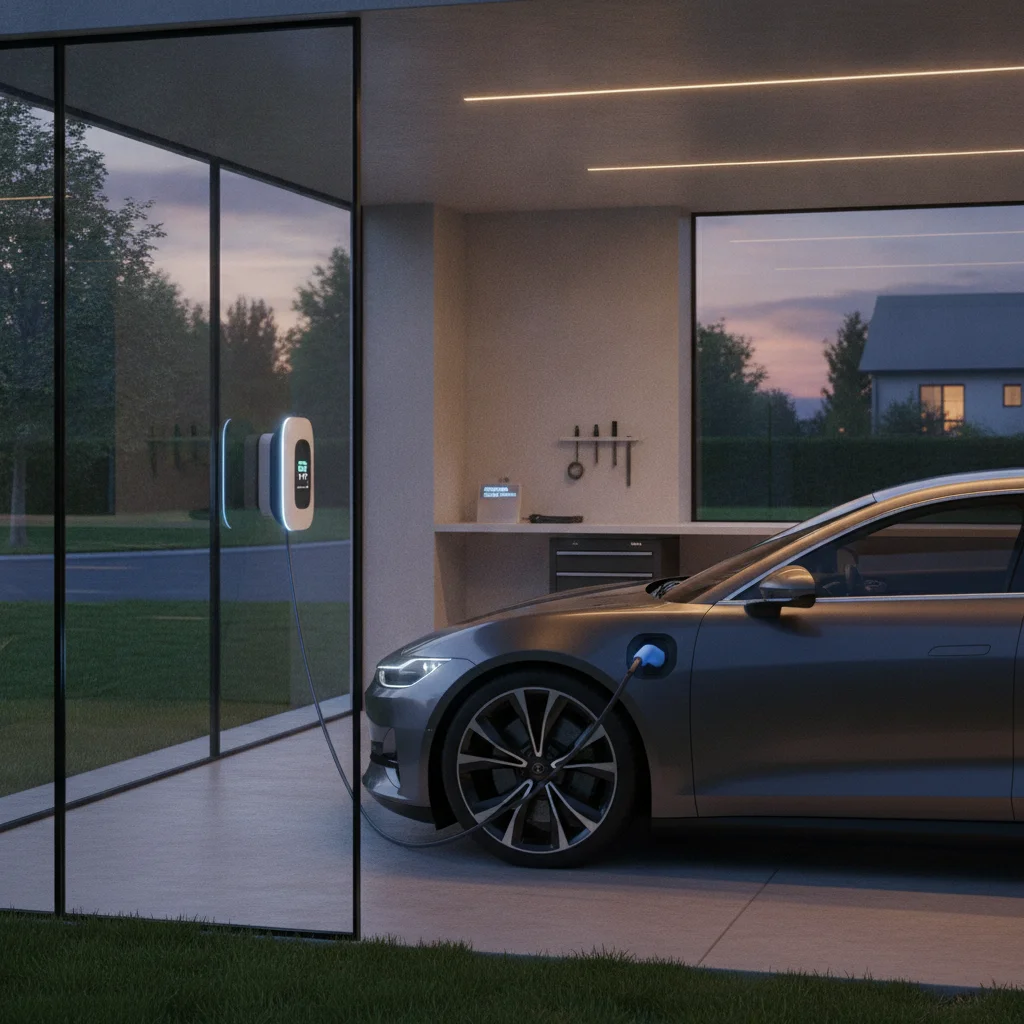
With a Level 2 charger installed at home, most drivers start every day with a full battery — more convenient than stopping at a gas station, and easy to schedule around off-peak electricity rates.
Lower long-term total cost of ownership
When fuel and maintenance savings are combined and spread over five or more years, BEVs often match or beat comparably priced gas vehicles on total cost, even after accounting for the higher purchase price.
Zero tailpipe emissions
BEVs produce no direct emissions from the vehicle itself, which reduces local air pollution regardless of the grid energy mix — an important factor for urban air quality and for buyers prioritizing environmental impact.
~50%
Lower per-mile fuel cost vs. gasoline
U.S. Department of Energy data consistently shows electricity costs roughly half as much per mile as gasoline for comparable vehicles under average U.S. conditions.
$300–$500
Annual maintenance savings over gas vehicles
Consumer Reports long-term owner surveys indicate BEV owners spend several hundred dollars less per year on maintenance than gas vehicle owners on average.
$7,500
Maximum federal EV tax credit (new vehicles)
The Inflation Reduction Act provides a credit of up to $7,500 for qualifying new BEVs, subject to income limits, MSRP caps, and battery sourcing rules.
20–30%
Range reduction in cold weather
Studies by AAA and the Idaho National Laboratory found that BEV range drops an average of 20–30% in temperatures around 20°F compared to moderate conditions.
80%
Of BEV charging done at home
According to the U.S. Department of Energy's Alternative Fuels Station data and owner surveys, the vast majority of EV charging miles are accumulated at home, not on public networks.
The fuel savings alone warrant serious attention. The U.S. Department of Energy consistently finds that the average cost of driving an electric vehicle per mile is roughly half that of a gasoline-powered equivalent, and often lower depending on local electricity rates. For a driver covering 15,000 miles per year, that difference can add up to $1,000–$1,500 annually.
On maintenance, the simplification is real and quantifiable. A gas engine has hundreds of moving parts — pistons, valves, belts, a cooling system, an exhaust system — all of which wear and require periodic service. An electric drivetrain has far fewer. No oil changes, no spark plugs, no timing belt, no catalytic converter. Brake pads also last longer on BEVs because regenerative braking does most of the deceleration work. For a full side-by-side breakdown of what this means in practice, our EV vs. gas maintenance cost breakdown goes task by task.
The driving experience is a pro that often surprises new BEV owners. Instant torque delivery means strong, linear acceleration from a standstill — no gear shifts, no engine lag. It makes city driving noticeably more responsive. And the cabin is quieter, since there's no combustion noise vibrating through the firewall.
The Real Disadvantages You Should Plan Around
The cons of BEV ownership aren't hypothetical edge cases — they're real constraints that affect a meaningful percentage of potential buyers. The key is figuring out which ones apply to your life specifically.
Real-world range falls short of EPA ratings
Cold weather, highway speeds, and heavy loads can reduce real-world range by 20–30% compared to EPA estimates. A vehicle rated at 300 miles may deliver 210–230 miles in winter highway conditions.
Public charging is inconsistent and slow
Despite network growth, public DC fast chargers have meaningful uptime issues — J.D. Power surveys have found significant owner dissatisfaction with public charging reliability. Outside major metro areas, fast charger spacing can be uncomfortably wide.
Higher purchase price than gas equivalents
BEVs carry a purchase price premium of roughly $5,000–$15,000 over comparable gas or hybrid vehicles, depending on segment. Tax credits help but don't fully close the gap for all buyers.
Apartment and condo living creates charging friction
Renters and condo owners without assigned parking or building-provided charging must rely primarily on public infrastructure, which adds time, planning burden, and sometimes cost to routine charging.
Long road trips require charging stop planning
Interstate travel in a BEV requires mapping fast-charger locations and building in 20–45 minute stops every 150–250 miles. For frequent long-distance drivers, this is a real inconvenience compared to a 5-minute gas fill-up.
Towing significantly reduces range
Towing a trailer or heavy load can cut BEV range by 40–50%, making trucks and SUVs with electric powertrains a less practical choice for owners who regularly tow boats, campers, or equipment.
Battery degradation over time
BEV battery capacity gradually diminishes with age and charge cycles. Most manufacturers warrant batteries to retain at least 70% capacity for 8 years or 100,000 miles, but real-world degradation varies and replacement batteries remain expensive.
How the Federal Tax Credit Actually Works
The federal EV tax credit is a nonrefundable income tax credit, which means it reduces your tax liability dollar-for-dollar but won't generate a refund if it exceeds what you owe. Starting in 2024, buyers can transfer the credit to the dealer at point of sale for an immediate price reduction. Vehicle MSRP caps ($55,000 for cars, $80,000 for trucks/SUVs) and income limits ($150,000 for single filers, $300,000 for joint filers) apply. Confirm current eligibility at fueleconomy.gov or IRS.gov before factoring the credit into your budget.
BEV Range Ratings: EPA vs. Real World
The EPA range figure on a BEV's window sticker is derived from a standardized test cycle that doesn't perfectly reflect real-world driving. Factors that reduce range include cold ambient temperatures, sustained highway speeds above 70 mph, running the HVAC system heavily, and carrying heavy loads. A useful rule of thumb: budget 80–85% of the EPA rating as your reliable planning range in mild weather, and 65–70% in cold conditions.
Charging at Multifamily Housing Is Improving
Several states — including California, Colorado, and New York — have passed laws requiring landlords to permit EV charger installation by tenants in designated parking spaces, often with cost-sharing frameworks. The situation for apartment and condo dwellers is improving, but slowly and unevenly. Check your state's laws and your building's policies before assuming charging access is unavailable.
Range anxiety is the most discussed drawback, and it remains relevant even as average ranges have improved. Many mainstream BEVs now offer 250–300 miles of EPA-rated range, but real-world range can drop 20–30% in cold weather, and highway speeds drain the battery faster than city driving. A vehicle rated at 300 miles might deliver 210–220 miles in January on the interstate.
Charging logistics are a separate problem from range. If you own a home with a garage or driveway and can install a Level 2 charger (240V), most of the inconvenience disappears — you wake up every morning with a full battery. But if you rent, live in a multifamily building, or rely on public charging, the experience degrades quickly. Public DC fast chargers are not uniformly reliable, and charging network coverage outside major metro areas can be genuinely thin.
The purchase price premium is also real. BEVs typically carry a higher sticker price than comparable gas or hybrid vehicles. The federal tax credit — up to $7,500 under current law, subject to income and vehicle price limits — closes some of that gap, but not all buyers qualify. Lease deals can sometimes make BEVs cost-competitive with gas vehicles on a monthly payment basis, but that requires doing the math carefully.
For drivers who frequently take long road trips or live in areas without reliable charging, the BEV vs. PHEV comparison is worth reading before committing to a fully electric vehicle.
Charging at Home vs. Public Charging: The Infrastructure Reality
Home charging is what makes BEV ownership smooth for most people. A standard 120V outlet (Level 1) will add roughly 3–5 miles of range per hour — adequate only if your daily drive is very short. A Level 2 home charger (240V) typically adds 20–30 miles per hour, meaning an overnight charge of 8 hours can restore 160–240 miles. Installation costs for a Level 2 unit generally run $500–$1,500 including the hardware and an electrician's labor, though some utilities offer rebates.
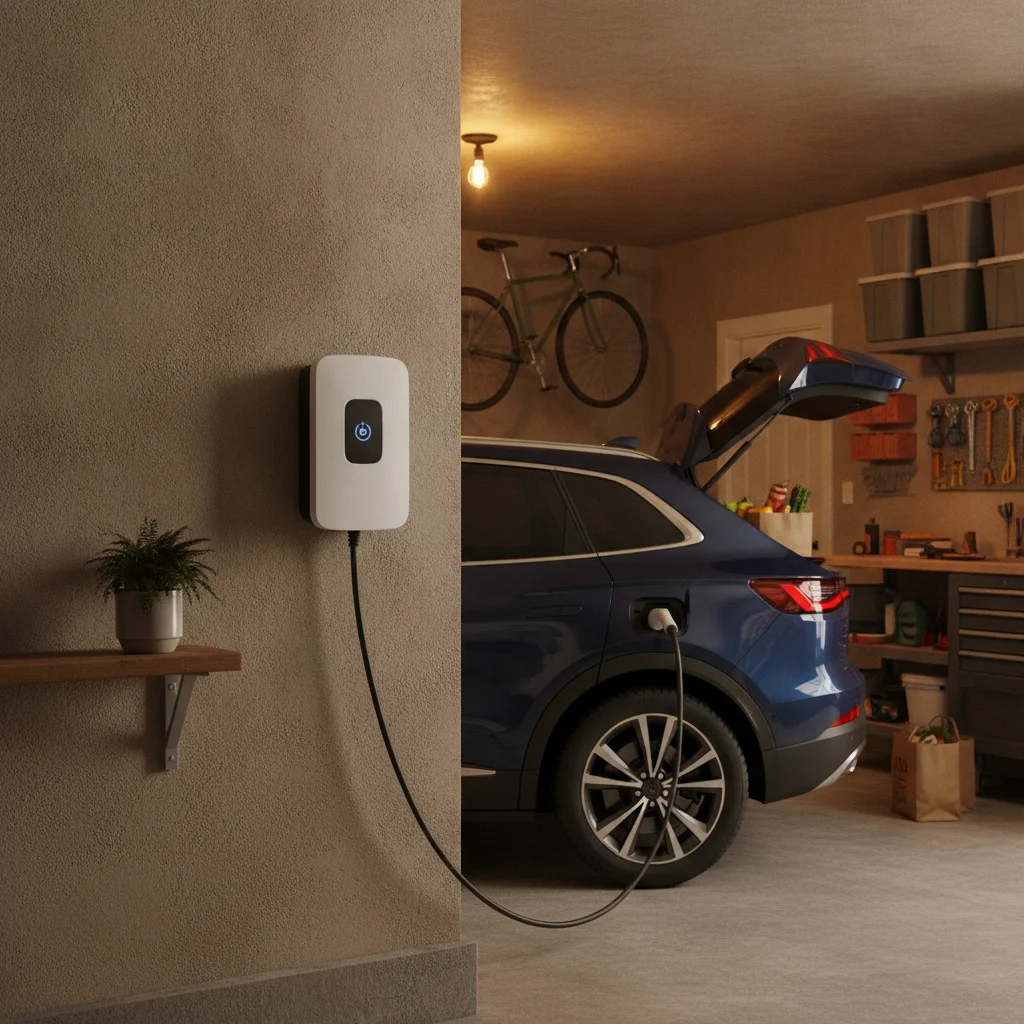
DC fast charging (Level 3) is the closest thing EVs have to a gas station — most can add 100–200 miles of range in 20–40 minutes depending on the vehicle's maximum charge rate. Tesla's Supercharger network has historically been the most reliable in the U.S., but the broader adoption of the NACS (North American Charging Standard) connector by Ford, GM, Rivian, and others is gradually expanding access to that network.
The practical problem is that public charging reliability varies. Networks like Electrify America and EVgo have improved substantially, but a non-trivial percentage of public chargers are out of service at any given time according to studies from J.D. Power and the Department of Energy's alternative fuels data. For apartment dwellers or anyone without home charging, this isn't a minor inconvenience — it's a fundamental logistics challenge. For a detailed look at charging costs and how to minimize them, see our guide on EV charging costs and savings.
The bottom line: if you can charge at home, a BEV becomes dramatically more practical. If you can't, evaluate carefully before buying.
Total Cost of Ownership: What the Numbers Actually Show
Purchase price is the sticker on the window. Total cost of ownership (TCO) is what you actually pay over the life of the vehicle. For BEVs, the TCO calculation typically looks more favorable than the upfront price suggests.
~50%
Lower per-mile fuel cost vs. gasoline
U.S. Department of Energy data consistently shows electricity costs roughly half as much per mile as gasoline for comparable vehicles under average U.S. conditions.
$300–$500
Annual maintenance savings over gas vehicles
Consumer Reports long-term owner surveys indicate BEV owners spend several hundred dollars less per year on maintenance than gas vehicle owners on average.
$7,500
Maximum federal EV tax credit (new vehicles)
The Inflation Reduction Act provides a credit of up to $7,500 for qualifying new BEVs, subject to income limits, MSRP caps, and battery sourcing rules.
20–30%
Range reduction in cold weather
Studies by AAA and the Idaho National Laboratory found that BEV range drops an average of 20–30% in temperatures around 20°F compared to moderate conditions.
80%
Of BEV charging done at home
According to the U.S. Department of Energy's Alternative Fuels Station data and owner surveys, the vast majority of EV charging miles are accumulated at home, not on public networks.
Fuel savings are the biggest lever. Electricity in most U.S. markets costs the equivalent of $1.00–$1.50 per gallon of gasoline on an energy-equivalent basis, though this varies significantly by state. California drivers pay more for electricity than the national average, which compresses savings. Texas and other low-rate states can see BEV fuel costs run well below the national average for gasoline.
Maintenance savings add up over time. Consumer Reports and other organizations tracking long-term ownership costs consistently find that EVs cost less to maintain than gas vehicles — typically $300–$500 less per year when averaged over a five-year ownership period. No oil changes alone saves $100–$200 annually depending on your vehicle and service frequency. For a complete picture of which maintenance tasks change and which don't, our article on EV ownership upkeep advantages breaks this down honestly.
Depreciation is a wildcard. Early BEV models depreciated steeply because battery technology was advancing rapidly and buyers feared obsolescence. The market has stabilized for established brands, but some newer EV brands and models still carry higher depreciation risk. Used EV pricing trends are worth monitoring before you commit.
The federal tax credit — up to $7,500 for new BEVs meeting domestic content and price requirements — can substantially improve the TCO math, but eligibility depends on your income, the vehicle's MSRP, and where the battery components are sourced. Confirm current eligibility at fueleconomy.gov before factoring it into your calculations.
Who Should (and Shouldn't) Buy a BEV Right Now
Not every buyer is a good match for a fully electric vehicle in 2024, and pretending otherwise doesn't serve anyone. Here's how to think about fit:
Strong BEV candidates
- Homeowners with a garage or driveway who can install a Level 2 charger. This single factor does more to determine BEV satisfaction than almost anything else.
- Commuters with predictable daily mileage under 150–200 miles round-trip. Most modern BEVs cover this comfortably on a single charge.
- Two-car households where the BEV handles daily duties and a gas vehicle covers long road trips.
- Buyers in states with robust charging networks — California, the Pacific Northwest, the Northeast corridor — where public charging is a genuine backup option.
Buyers who should think harder before buying
- Apartment dwellers without assigned parking or building charging. Relying entirely on public charging is workable but genuinely inconvenient.
- Frequent long-distance road trippers. A 600-mile road trip in a BEV requires planning stops around charging locations. If that sounds burdensome rather than manageable, a PHEV may fit better.
- Buyers in rural areas with limited public charging options and long distances between fast chargers.
- Drivers who tow heavy loads regularly. Towing dramatically reduces BEV range — sometimes by 40–50% — and this is a real operational constraint for truck and SUV buyers.
The honest answer is that the right vehicle depends on your specific daily life, not on which powertrain is theoretically superior. The BEV vs. PHEV guide is a useful next step if you're on the fence between going fully electric or keeping a gas backup.

All claims are backed by peer-reviewed research. Sources on request.