Key Takeaways
Option A
ChargePoint
The network-first platform with the largest Level 2 footprint in North America.
Best for: Drivers who want maximum station availability, a mature app, and flexible membership pricing.
Option B
Blink
The hardware-centric operator expanding rapidly across retail and hospitality locations.
Best for: Drivers who prefer pay-as-you-go sessions without a required membership and often charge at grocery or hotel stops.
If you charge regularly at workplaces, hotels, and shopping centers
ChargePoint
ChargePoint's sheer station density and consistent pricing tiers make it the most reliable choice for drivers who depend on Level 2 public charging daily.
If you want no-commitment pay-as-you-go charging at retail stops
Blink
Blink allows credit-card tap-to-pay at many stations without a mandatory account, making it convenient for occasional or spontaneous charging sessions.
If you care about app quality and real-time availability data
ChargePoint
ChargePoint's app consistently receives higher ratings and offers more accurate real-time port status, reducing wasted trips to occupied or broken chargers.
If you're an EV owner staying regularly at extended-stay hotels
Blink
Blink has a meaningful presence in hospitality locations, and overnight Level 2 charging fits perfectly with the slow, steady delivery of a Blink station.
If you want to minimize long-term charging costs with a membership
ChargePoint
ChargePoint's membership plan offers per-kWh rates that are consistently competitive, and the broad network means you'll actually use enough sessions to justify the subscription.
Why Level 2 Networks Still Matter
The public charging conversation tends to fixate on DC fast charging—the 150 kW and 350 kW stations that can push a battery from 20% to 80% in under 30 minutes. But the reality of everyday EV ownership is built mostly on Level 2. Rated at up to 19.2 kW and more commonly deployed at 7.2 kW, Level 2 chargers are the workhorses installed at offices, parking garages, grocery stores, hotels, and apartment complexes. They're where millions of drivers top off during a two-hour shopping trip or an eight-hour workday.
ChargePoint and Blink are the two most prominent operators in this space, and choosing between them—or understanding how they differ—has real consequences for cost, convenience, and charging confidence. This isn't a comparison of equals in every dimension; ChargePoint is substantially larger by station count and has been in operation since 2007. But Blink is actively expanding and has carved out a distinct niche, particularly in retail and hospitality settings. For a broader view of how both networks compare to Tesla Supercharger, Electrify America, and EVgo, see our full public charging network comparison.
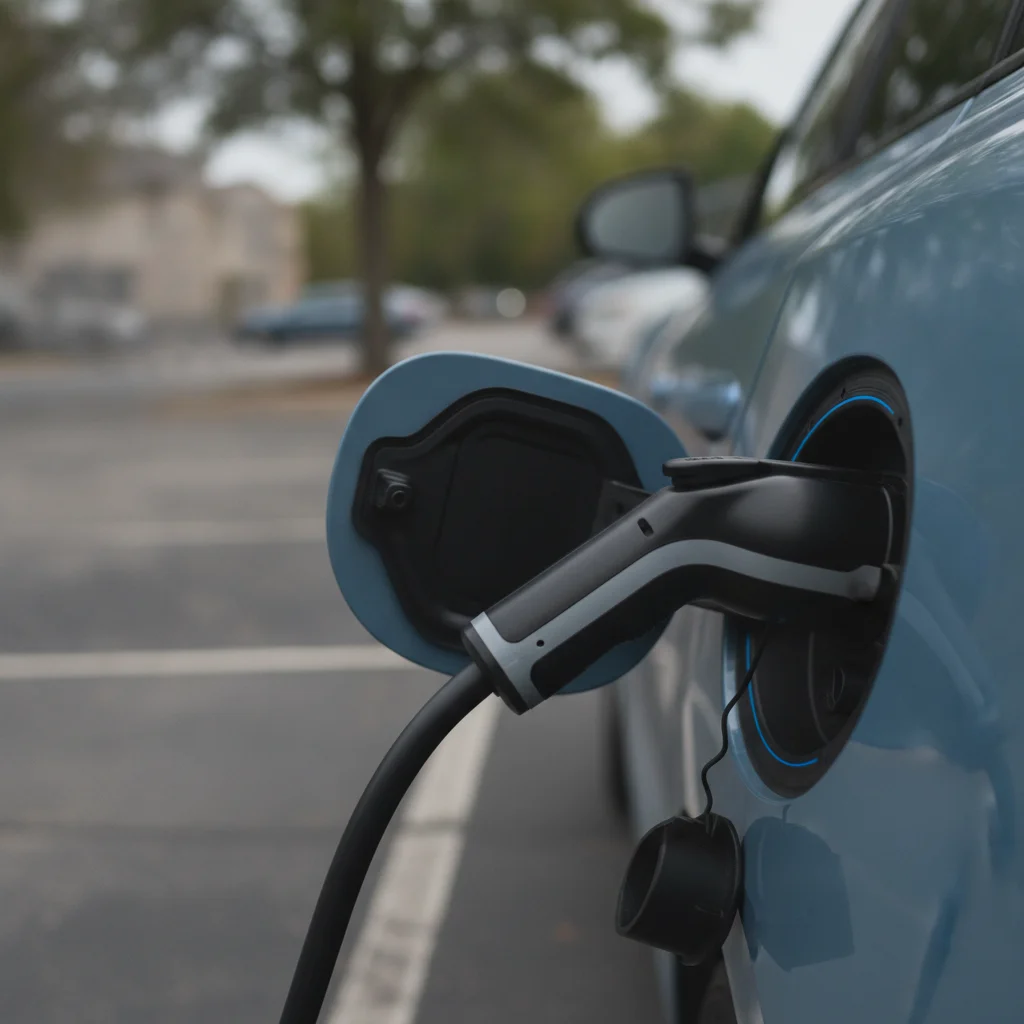
One critical point before diving in: neither ChargePoint nor Blink is a road-trip network in the traditional sense. If you're planning a 600-mile interstate run, you'll need DCFC infrastructure like Electrify America or EVgo. For a head-to-head look at those two networks, our EVgo vs. Electrify America comparison is a useful starting point.
Network Scale and Station Distribution
ChargePoint's scale is difficult to overstate. As of 2024, the company reports more than 35,000 charging locations across the United States and Canada, with the vast majority being Level 2. That density means ChargePoint ports appear in airport parking structures in Phoenix, suburban office parks in suburban New Jersey, and downtown garage stalls in Seattle. The network spans not just urban cores but mid-size cities that other operators have largely ignored.
Blink's network is smaller but not negligible. The company operates or services roughly 7,000 to 9,000 charging stations in the US, with a significant portion classified as Level 2. Blink has a notable presence at supermarkets (particularly Fred Meyer and Kroger-affiliated stores), hospitals, and extended-stay hotel brands. That footprint creates genuine utility for drivers whose routines intersect with those venue types.
| Criterion | ChargePoint | Blink |
|---|---|---|
| US Level 2 locations | 35,000+ | 7,000–9,000 |
| Ownership model | Network provider (host-owned) | Mixed: network + direct ownership |
| Membership option | ChargePoint+ monthly plan | Blink Plus monthly plan |
| Pay without account | Credit card at select stations | Credit card tap-to-pay widely available |
| Billing model | Per-kWh or per-minute (host set) | Per-minute or flat session fee |
| App store rating (avg) | ~4.3 / 5 | ~3.6 / 5 |
| DCFC availability | Limited DC fast stations | Very limited DC fast stations |
| Common venue types | Offices, garages, retail, multifamily | Grocery, hotel, hospital, retail |
| 24/7 driver support | Yes | Yes |
| Founded | 2007 | 2009 |
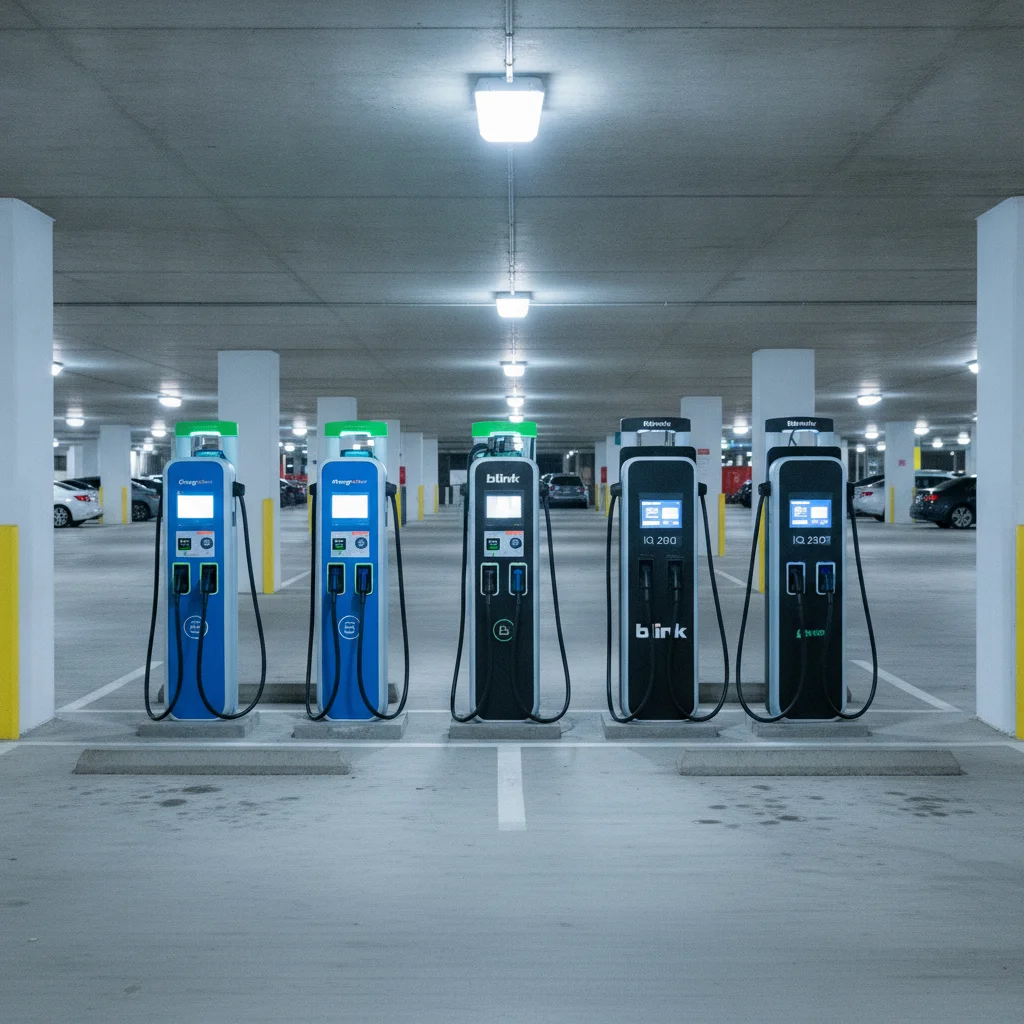
One structural difference worth understanding: ChargePoint operates primarily as a network provider, meaning it sells hardware and software to site hosts—businesses, municipalities, property managers—who then own and operate the stations under the ChargePoint brand. This model has fueled rapid growth because ChargePoint doesn't need to own the real estate. Blink operates both as a network provider and as a direct station owner, particularly through what it calls its IQ 200 and Series 8 hardware lines. The ownership model affects who is responsible for maintenance and uptime, which in turn shapes reliability.
35,000+
ChargePoint Level 2 US locations
ChargePoint reported more than 35,000 charging locations in North America as of its 2024 investor communications, making it the largest non-Tesla Level 2 network by location count.
~26%
US public Level 2 ports on ChargePoint
According to the Alternative Fuels Station Locator (AFDC) data, ChargePoint accounts for roughly one in four publicly accessible Level 2 ports in the United States.
4.3 vs 3.6
App store ratings: ChargePoint vs. Blink
Aggregated iOS and Android app store ratings as of mid-2024 show ChargePoint outperforming Blink on user-facing software experience by a meaningful margin.
Below avg
Blink uptime score in J.D. Power study
J.D. Power's 2022 US Electric Vehicle Experience Public Charging Study found Blink scoring below the Level 2 segment average on station availability and working equipment.
19.2 kW
Maximum Level 2 output (both networks)
Level 2 charging is capped by the SAE J1772 standard at 19.2 kW; most deployed ChargePoint and Blink hardware operates at 7.2 kW in practice, adding roughly 25 miles of range per hour.
Pricing Models: Membership, Per-kWh, and Per-Minute Billing
Charging pricing is one of the most confusing aspects of public EV infrastructure, and both ChargePoint and Blink contribute to that confusion—though in different ways. For deeper context on how the industry structures these models, our guide to charging pricing models explains per-kWh, per-minute, and session fee structures in full detail.
ChargePoint Pricing
ChargePoint does not set a single national price. Because site hosts configure pricing for their own stations, rates vary by location. However, ChargePoint's membership program—ChargePoint+—allows subscribers to pay a flat monthly fee in exchange for reduced per-kWh rates at participating stations. Without membership, casual users typically pay a slightly higher rate per kWh or per minute, depending on how the station host has configured billing. In practice, ChargePoint stations in retail environments often bill per minute of charging time, while fleet-facing or workplace stations may bill per kWh. That distinction matters: a per-minute model penalizes slow chargers relative to a per-kWh model, since a slower vehicle draws less energy in the same time window.
Blink Pricing
Blink's pricing structure is similarly variable but historically more opaque. Blink-owned stations (as opposed to stations on Blink's network but owned by hosts) have shifted through multiple pricing structures over the years, including flat session fees and per-minute billing. As of 2024, Blink offers a Blink Plus membership at a low monthly fee that reduces per-session costs. Non-members can use many Blink stations with a credit card, which is an accessibility advantage—but that tap-to-pay rate is typically the most expensive option per kWh delivered.
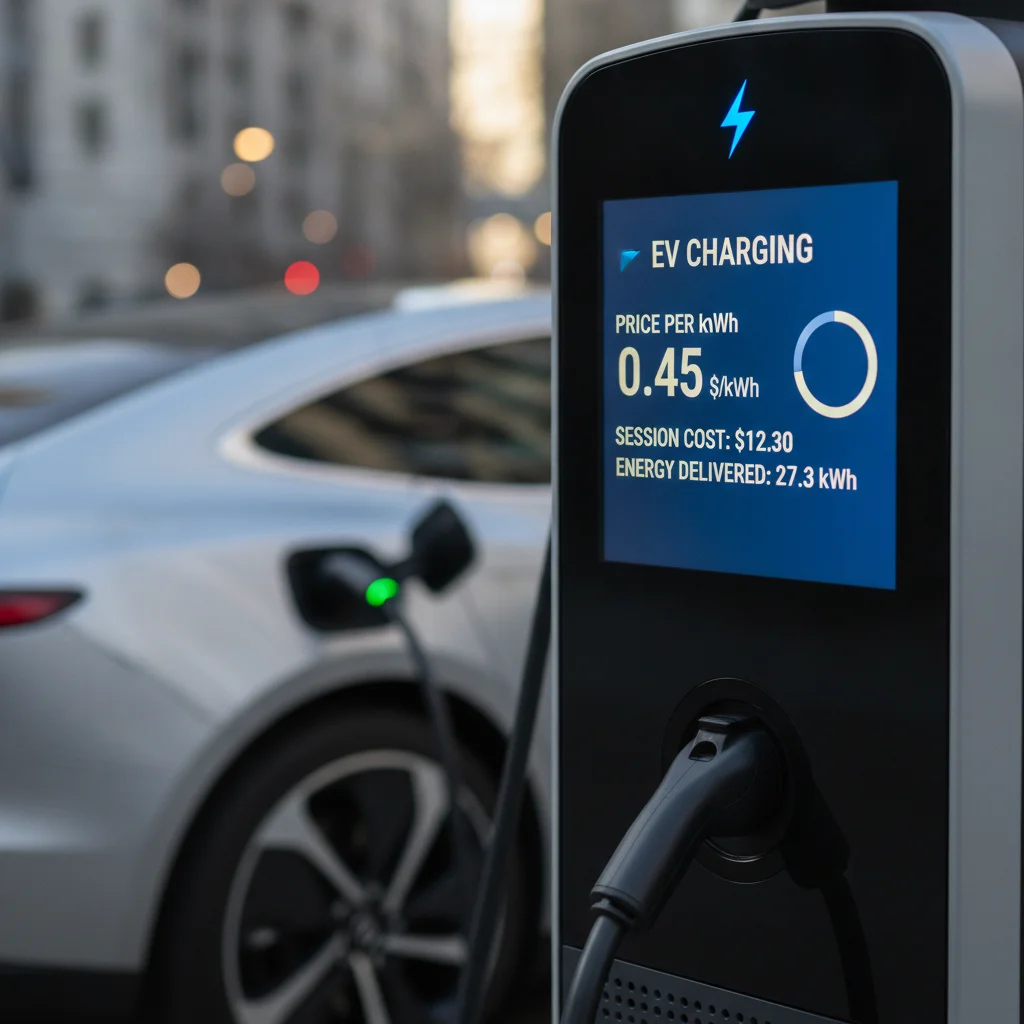
One consistent pattern in driver reports: Blink's pricing can be difficult to verify in advance because rate information isn't always clearly displayed in the app before a session starts. ChargePoint generally shows the session cost structure before you plug in, which reduces unpleasant surprises. For drivers managing EV charging costs across a mixed fleet of public and home sessions, pricing transparency is a meaningful factor.
State Regulations Affect Pricing Models
In some states, only utilities are legally permitted to sell electricity by the kilowatt-hour. As a result, ChargePoint and Blink stations in those states may bill by the minute rather than by energy delivered. This can make it harder to compare true cost-per-mile across states. California, for example, permits per-kWh billing for EV charging, while other states still require time-based models. Always check the rate shown in the app before starting a session.
App Experience and Reliability
The app is the interface between you and your charging session. A poor app experience—broken real-time status, payment errors, inability to start or stop a session remotely—can turn a routine top-off into a frustrating detour. For a comprehensive look at how charging apps compare across all major networks, our charging network app comparison covers navigation, payment, and reliability data in depth.
ChargePoint App
ChargePoint's mobile app has been iterated on since the network's early years, and that maturity shows. The map interface loads quickly, station availability is updated in near-real time, and the app surfaces contextual information—port type, power level, pricing, amenities nearby—before you commit to a route. The ChargePoint app also allows remote session management: you can start, monitor, and stop a charge from your phone. Push notifications alert you when a session completes or when your vehicle hits a target state of charge. App store ratings for ChargePoint consistently hover in the 4.2–4.5 range on both iOS and Android.
Blink App
Blink's app has improved markedly from its early versions, which had widespread complaints about login failures and inaccurate station status. The current iteration offers map-based station finding, session initiation, and basic account management. However, user reviews remain more mixed than ChargePoint's—particularly around real-time availability accuracy. A station showing as available in the Blink app is more likely to be occupied or non-functional upon arrival than the equivalent ChargePoint station, based on aggregated PlugShare data and user forum reports.
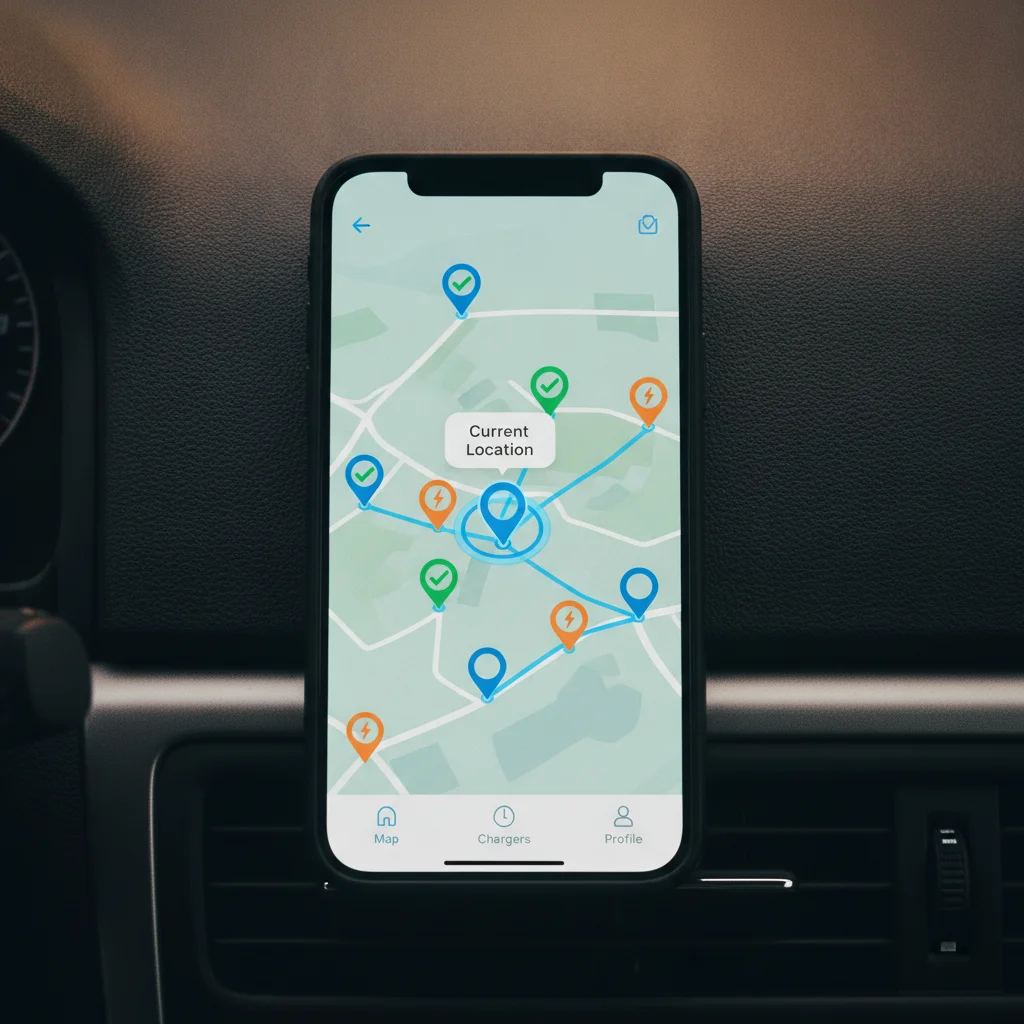
Both apps support RFID card access for drivers who prefer a tap-to-start experience without opening a phone. This is particularly useful in cold climates where touchscreens are slow and gloved hands are common. ChargePoint's RFID card has been available for years; Blink offers a similar option through its Blink card program.
Hardware Quality, Uptime, and Real-World Reliability
Level 2 chargers are mechanically simpler than DC fast chargers, but that doesn't mean they're immune to failure. Broken connectors, payment terminal faults, and network connectivity dropouts are documented problems across all public charging networks. The question is frequency and response time.
ChargePoint's distributed ownership model creates an interesting reliability dynamic. Because site hosts are responsible for their own stations, maintenance responsiveness varies by owner. A well-managed corporate campus with dedicated facilities staff may fix a broken ChargePoint port within hours. A small retail strip mall with an absentee property manager may leave a unit out of service for weeks. ChargePoint does provide a 24/7 customer support line and can remotely diagnose many faults, but the physical repair ultimately depends on the site host.
Blink's directly owned stations fall under Blink's own maintenance responsibility, which is a theoretical advantage—there's one clear party accountable. In practice, Blink's uptime record has been criticized in independent analyses, including a 2022 study by J.D. Power that found non-Tesla Level 2 networks showing meaningful rates of non-functioning equipment. Blink scored below the segment average in that assessment. The company has since invested in hardware upgrades, particularly its newer IQ 200 units, which include improved connectivity modules.
For drivers thinking about home charging setup as a primary charging method with public networks as a backup, reliability is a secondary concern—but for those who depend heavily on workplace or public Level 2, uptime data should weigh heavily in network preference.
Which Network Fits Your Charging Life?
The right network depends almost entirely on where your car spends its parked hours and how often you need to charge away from home. ChargePoint's density advantage is real and consequential—more locations mean more chances that a ChargePoint port exists exactly where you happen to park. That matters most for urban and suburban drivers who charge opportunistically throughout the week.
Blink's strength is contextual. If your commute takes you past a Kroger-affiliated grocery store, if your employer has installed Blink hardware, or if you travel frequently to hotel brands with Blink partnerships, the network can cover your needs effectively. Blink's no-membership tap-to-pay option also makes it a lower-friction entry point for new EV owners who haven't yet settled on a network preference.
Both networks have meaningful gaps when it comes to long-distance travel. Level 2 simply cannot deliver enough energy in the time most drivers spend at a highway rest stop. For road trips, planning around DCFC infrastructure remains essential, and neither ChargePoint nor Blink can substitute for that. Resources like smaller regional charging networks can also help fill geographic gaps, particularly in rural states where the big networks have thin coverage.
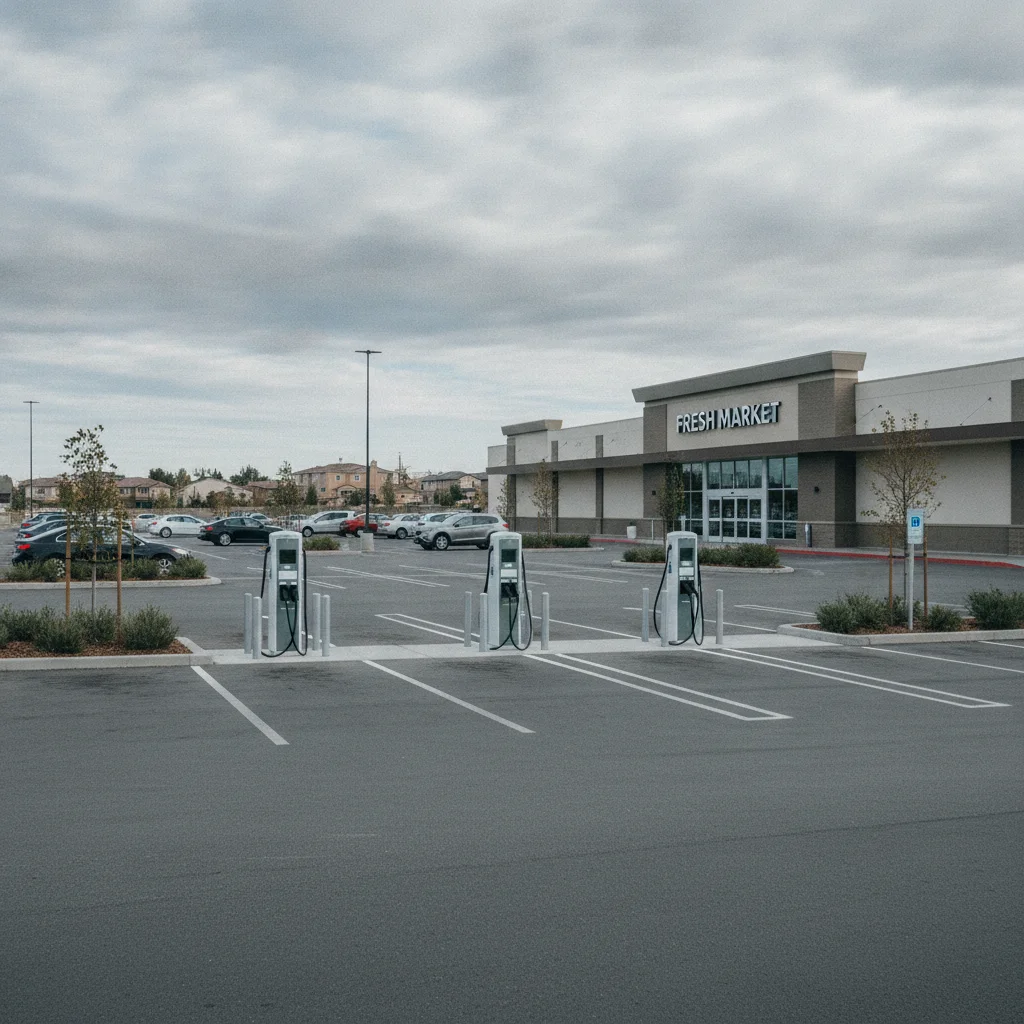
One practical approach: maintain accounts with both networks. Both apps are free, RFID cards are low cost, and having both memberships available means you can start a session at whichever port happens to be available and functional when you arrive. The marginal cost of dual membership is low, and the flexibility benefit is real—particularly when a ChargePoint station at your usual parking spot is occupied and a Blink unit two rows over is open.
All claims are backed by peer-reviewed research. Sources on request.