Key Takeaways
Extended warranty covers repairs after factory coverage expires
Most manufacturer CPO programs add one to three years of powertrain or comprehensive warranty coverage, protecting buyers during the vehicle's most financially vulnerable years. For a car with a complex drivetrain, a single covered repair can exceed the entire CPO premium.
Multi-point inspection confirms mechanical condition
Vehicles must pass a factory-standard inspection — often 100 to 200 checkpoints — before earning the CPO badge. Faults identified during the inspection must be repaired at the dealer's cost before sale, meaning buyers inherit a car that's been brought up to standard.
Manufacturer-backed financing rates often beat market rates
Captive lenders like Toyota Financial Services or BMW Financial Services sometimes offer promotional CPO rates as low as 1.9%–3.9% APR — rates unavailable on non-certified used vehicles. Over a 48-month loan, that gap can save $1,000–$1,800 in interest.
Roadside assistance included in many programs
Manufacturer CPO programs frequently bundle 24/7 roadside assistance for the duration of the warranty period, covering towing, jump-starts, and lockout services — a benefit that has practical value even for mechanically sound vehicles.
Reduces negotiation complexity for risk-averse buyers
CPO removes much of the uncertainty that comes with buying a standard used vehicle. For buyers who lack mechanical knowledge or don't have access to an independent mechanic, the structured inspection and warranty offer a clear, predictable framework.
Potential for higher resale value at trade-in
Some CPO warranties are transferable to a subsequent buyer, which can be a selling point if you decide to trade or sell before the coverage expires. A transferable warranty can command a modest premium over non-certified equivalents.
Sticker premium often ranges $1,500–$5,000 over standard used
The CPO badge adds a predictable markup that dealers rarely discount aggressively. On reliable mainstream models where repair risk is low, this premium can represent poor value compared to buying non-certified and investing in a $150 independent inspection.
Not all CPO programs offer equal protection
Dealer-certified programs use shorter inspection checklists and are backed only by the dealer's finances — not the manufacturer. If the dealership changes ownership or closes, dealer-backed warranty claims can become difficult to enforce.
Warranty exclusions can be broader than buyers realize
Many CPO powertrain warranties exclude wear items (brakes, tires, wipers), interior components, and certain electronics. Buyers who assume comprehensive coverage and encounter an excluded repair can be disappointed and out-of-pocket.
Reduced negotiating leverage on purchase price
CPO pricing is stickier than standard used car pricing because the certification is treated as a fixed-value add-on. Buyers have less room to negotiate compared to non-certified vehicles, where dealers have more motivation to reduce aging inventory.
Diminishing value if you sell or trade within three years
The CPO warranty premium is most valuable when used over time. If you plan to sell or trade within two to three years, you may not recoup the value of the coverage you paid for, particularly if the vehicle proves trouble-free during your ownership.
Per-visit deductibles erode warranty savings on frequent repairs
Some CPO programs charge $100–$200 per warranty repair visit. A car requiring three separate warranty visits in a year costs $300–$600 in deductibles — a meaningful reduction in the net value of the coverage.
Our Verdict
The CPO premium is genuinely worth paying in specific situations: when the vehicle is complex or repair-prone, when the extended warranty covers a meaningful period beyond factory coverage, and when manufacturer financing trims the effective cost gap. For buyers choosing a well-known reliable model with low mileage and solid maintenance history, a private-party or non-certified dealer purchase — combined with a third-party inspection — often delivers better value. The decision ultimately hinges on risk tolerance, how long you plan to own the car, and whether the specific program's terms hold up under scrutiny.
Best for buyers who want predictable ownership costs, are uncomfortable negotiating mechanical risk, or are considering a luxury or technologically complex vehicle with expensive repair histories.
What You're Actually Paying for When You Buy CPO
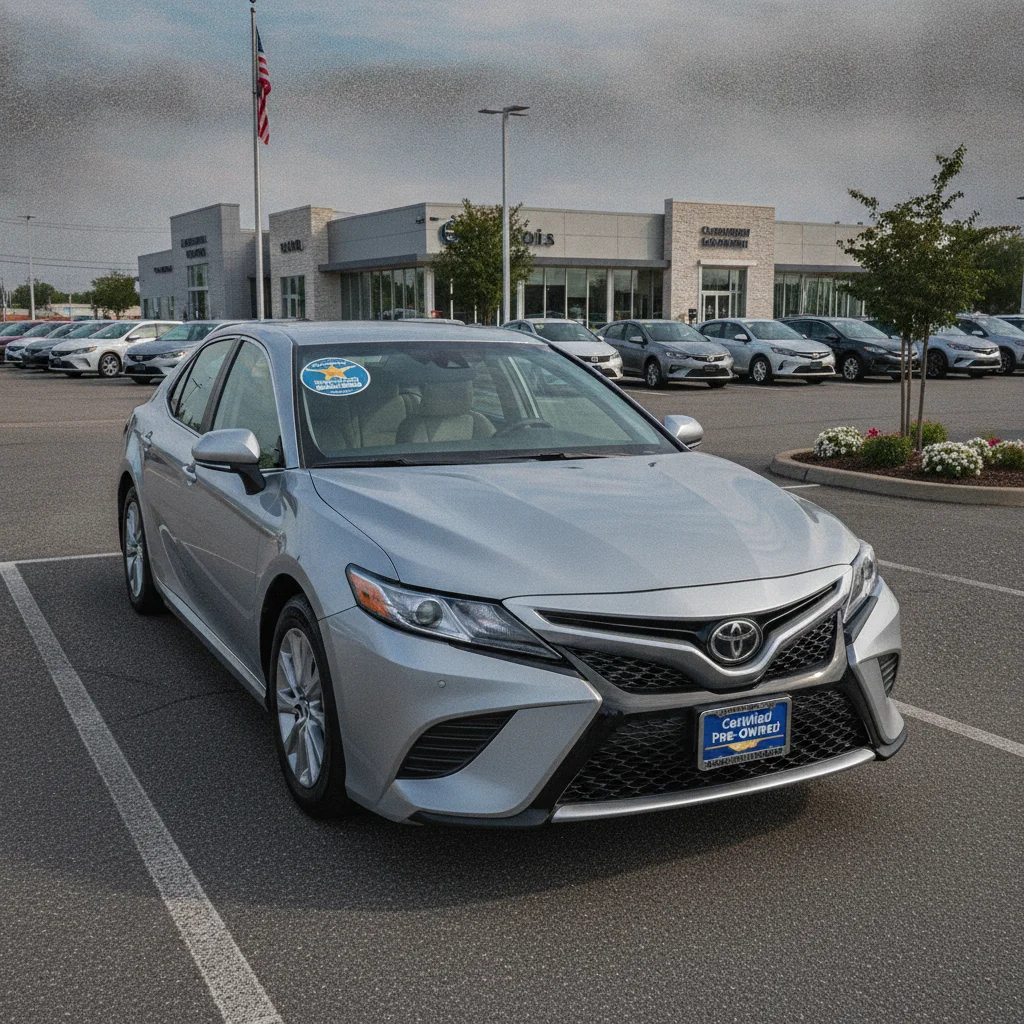
Certified pre-owned is a marketing term that carries real substance — but only when it comes from the right source. A manufacturer-backed CPO program, such as those offered by Toyota, Honda, BMW, or Mercedes-Benz, layers two core benefits on top of a standard used vehicle: a multi-point inspection performed to factory standards, and an extended limited warranty that picks up where the original factory coverage left off.
The inspection typically covers 100 to 200 checkpoints depending on the brand, examining powertrain components, electrical systems, brakes, tires, and interior condition. Vehicles that don't pass must be reconditioned — meaning the dealership repairs identified faults before the car can carry the CPO badge. This is the part buyers often overlook: you're not just paying for a piece of paper, you're paying for the repairs that were made to get the car to a certifiable condition.
The warranty extension is where the financial math gets interesting. Most manufacturer CPO programs add one to three years of powertrain coverage beyond the original factory warranty. Some, like Toyota's CPO program, include roadside assistance and a free CARFAX report. Others, like BMW's, extend comprehensive coverage on vehicles still within their original four-year bumper-to-bumper term.

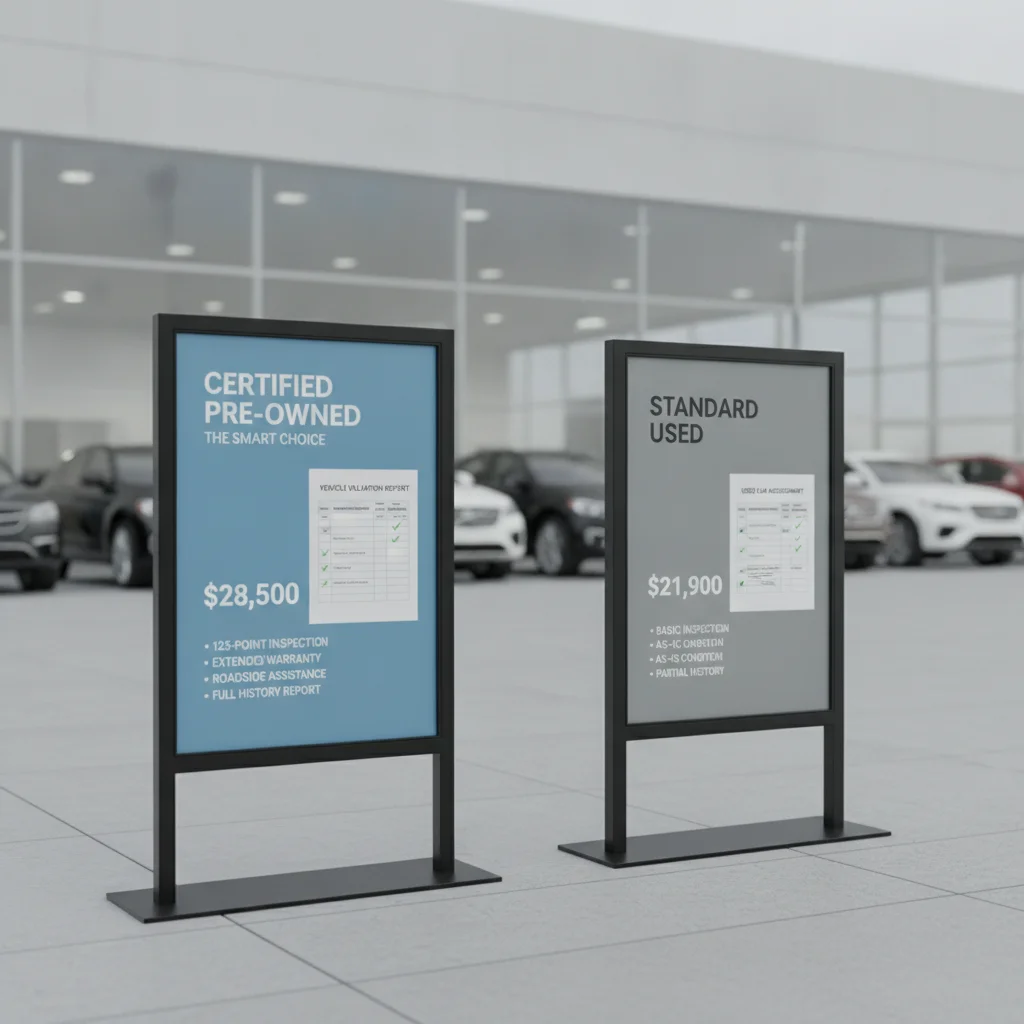
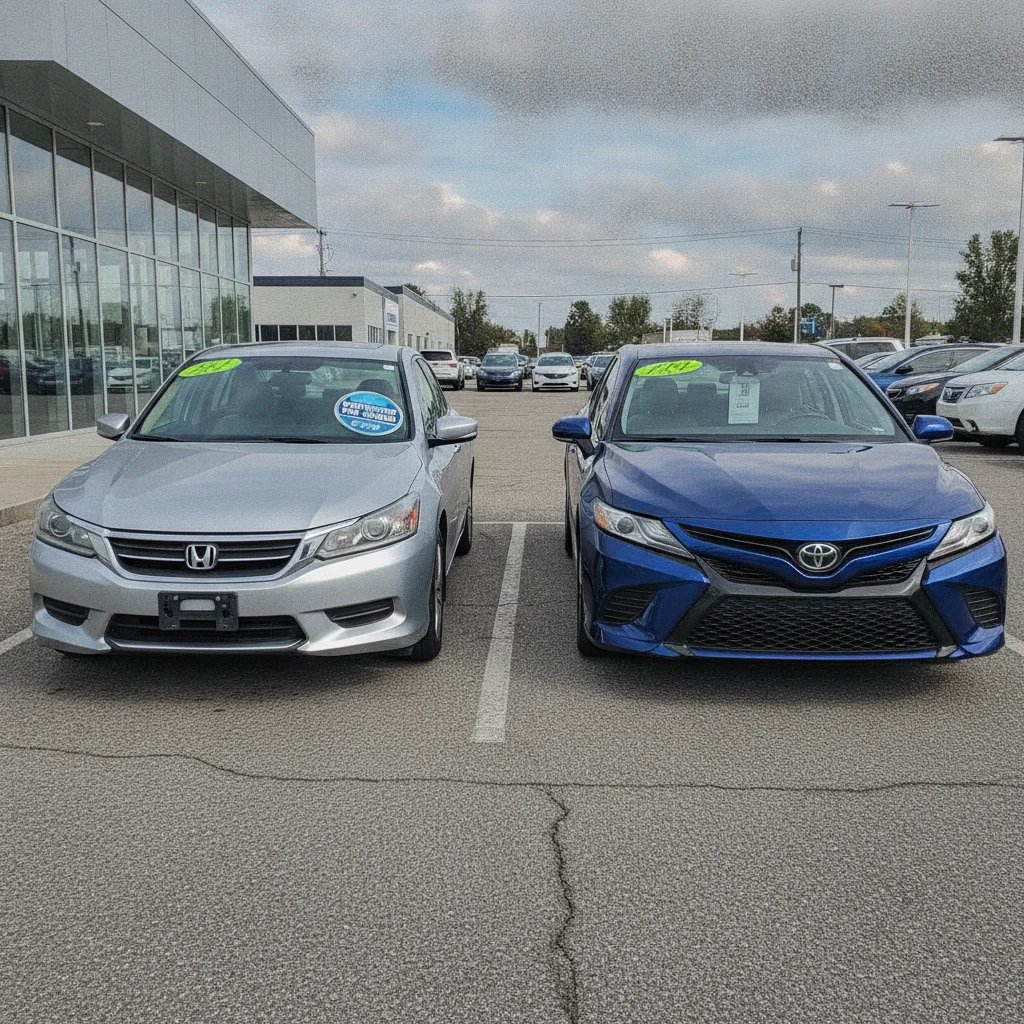
Before assuming all CPO labels are equivalent, it's worth understanding the distinction between manufacturer-certified and dealer-certified programs. Dealer-certified vehicles may involve a shorter checklist, a less rigorous inspection, and a warranty backed by the dealer rather than the manufacturer — meaning the coverage is only as reliable as the dealership itself. For a clear side-by-side look, see what CPO actually includes vs. a standard used car.
Manufacturer CPO vs. Dealer CPO: A Critical Distinction
When a vehicle is certified through a manufacturer program (e.g., Honda Certified Used Vehicles, Toyota Certified Used Vehicles), the warranty is underwritten and honored by the manufacturer regardless of which dealer sold the car. Dealer-certified programs, by contrast, are backed only by the selling dealership. Always confirm which type of CPO certification you're being offered before interpreting warranty terms. Ask directly: 'Is this warranty administered by the manufacturer or by your dealership?'
When a Pre-Purchase Inspection Can Replace CPO
A pre-purchase inspection (PPI) from an independent mechanic typically costs $100–$150 and reveals most of the mechanical conditions that a CPO inspection would catch. On a highly reliable vehicle model with verifiable service history, a PPI plus a separate extended warranty purchased from a reputable third-party provider can sometimes replicate CPO-level protection at lower total cost. This approach requires more effort and comfort with the process, but it's a legitimate alternative for informed buyers.
CPO Mileage and Age Caps Vary by Brand
Manufacturer CPO programs set their own eligibility thresholds. Most require the vehicle to be within five to six model years old and under 80,000 miles. Toyota's program caps eligibility at six model years and 85,000 miles; BMW's is stricter at five years and 60,000 miles. A vehicle just outside these thresholds cannot carry the manufacturer's CPO badge, regardless of condition — so always verify eligibility on the specific car you're considering.
The Real Cost Gap: CPO vs. Standard Used
Let's put concrete numbers on the premium. Consider a three-year-old Honda CR-V with 35,000 miles. A standard used example at a franchise dealer might list for around $26,500. The same trim level with CPO certification from a Honda dealer typically runs $28,000–$29,500 — a gap of $1,500 to $3,000 before negotiation.
That gap widens for luxury vehicles. A three-year-old BMW 5 Series might carry a CPO premium of $3,000–$5,000 over a non-certified equivalent. Given that a single out-of-warranty repair on a BMW — say, a water pump or high-pressure fuel pump — can run $1,200–$2,500 at a dealership, the math can flip quickly in favor of CPO.
$1,500–$3,500
Typical CPO price premium over comparable used
Based on aggregated Edmunds and iSeeCars market data across mainstream CPO segments, reflecting average certified vs. non-certified pricing gaps by brand.
68%
CPO buyers who cite warranty as primary motivation
According to a Cox Automotive consumer research study on certified pre-owned buyer motivations, warranty protection consistently ranks as the top reason buyers choose CPO over standard used.
$1,400
Estimated interest savings on CPO vs. standard used financing
Calculated on a $28,000 loan at 3.9% CPO promotional APR vs. 7.5% standard used rate over 48 months — a realistic spread for well-qualified buyers in 2024.
167 points
Average CPO inspection checklist length (manufacturer programs)
Based on published inspection standards from major manufacturer CPO programs including Toyota, Honda, Ford, and BMW as of 2024.
2.3 years
Average additional warranty coverage added by CPO programs
Calculated from the published terms of the top 10 manufacturer-backed CPO programs in the U.S. market, weighted by sales volume.
But the sticker gap isn't the whole picture. CPO vehicles are typically financed differently than standard used cars. Manufacturers sometimes offer below-market interest rates exclusively on their CPO inventory — occasionally as low as 1.9% to 3.9% APR on 48-month terms. On a $28,000 loan, the difference between 3.9% and 7.5% (a common rate for a standard used car loan) is roughly $1,400 in total interest over four years. That alone can close a significant portion of the sticker premium. For a detailed rate comparison, see how CPO financing stacks up against standard used auto loans.
One more cost layer often escapes attention: the hidden charges that dealers sometimes bundle into CPO deals. Doc fees, dealer add-ons like paint protection or tire-and-wheel coverage, and CPO deductibles (ranging from $0 to $200 per repair visit depending on the brand) can quietly erode the value you thought you were getting. A closer look at CPO's hidden costs is worth reading before you sign.
The Pros: Where CPO Genuinely Delivers
The CPO model earns its keep in several meaningful ways that go beyond surface-level reassurance.
Extended warranty covers repairs after factory coverage expires
Most manufacturer CPO programs add one to three years of powertrain or comprehensive warranty coverage, protecting buyers during the vehicle's most financially vulnerable years. For a car with a complex drivetrain, a single covered repair can exceed the entire CPO premium.
Multi-point inspection confirms mechanical condition
Vehicles must pass a factory-standard inspection — often 100 to 200 checkpoints — before earning the CPO badge. Faults identified during the inspection must be repaired at the dealer's cost before sale, meaning buyers inherit a car that's been brought up to standard.
Manufacturer-backed financing rates often beat market rates
Captive lenders like Toyota Financial Services or BMW Financial Services sometimes offer promotional CPO rates as low as 1.9%–3.9% APR — rates unavailable on non-certified used vehicles. Over a 48-month loan, that gap can save $1,000–$1,800 in interest.
Roadside assistance included in many programs
Manufacturer CPO programs frequently bundle 24/7 roadside assistance for the duration of the warranty period, covering towing, jump-starts, and lockout services — a benefit that has practical value even for mechanically sound vehicles.
Reduces negotiation complexity for risk-averse buyers
CPO removes much of the uncertainty that comes with buying a standard used vehicle. For buyers who lack mechanical knowledge or don't have access to an independent mechanic, the structured inspection and warranty offer a clear, predictable framework.
Potential for higher resale value at trade-in
Some CPO warranties are transferable to a subsequent buyer, which can be a selling point if you decide to trade or sell before the coverage expires. A transferable warranty can command a modest premium over non-certified equivalents.
The warranty backstop is the single most valuable feature for most buyers. If you're buying a vehicle in its fourth year of life, you've likely outlasted the original bumper-to-bumper coverage. A CPO powertrain warranty that extends three more years means you're protected through year six or seven — precisely when components like transmissions and timing systems start showing wear. For complex vehicles with expensive parts, this is significant.
The financing angle deserves to be treated as a genuine benefit, not just a sales pitch. Manufacturer CPO programs are backed by captive finance arms — Toyota Financial Services, BMW Financial Services, and so on — which can offer rates that no independent lender will match on a standard used vehicle. If your credit is strong and you qualify for promotional rates, the effective cost of a CPO vehicle over the loan term can be substantially lower than it appears at the sticker.
The Cons: Where the Premium Doesn't Hold Up
The CPO model isn't without genuine drawbacks, and in the wrong scenario, you can easily overpay for coverage you don't need.
Sticker premium often ranges $1,500–$5,000 over standard used
The CPO badge adds a predictable markup that dealers rarely discount aggressively. On reliable mainstream models where repair risk is low, this premium can represent poor value compared to buying non-certified and investing in a $150 independent inspection.
Not all CPO programs offer equal protection
Dealer-certified programs use shorter inspection checklists and are backed only by the dealer's finances — not the manufacturer. If the dealership changes ownership or closes, dealer-backed warranty claims can become difficult to enforce.
Warranty exclusions can be broader than buyers realize
Many CPO powertrain warranties exclude wear items (brakes, tires, wipers), interior components, and certain electronics. Buyers who assume comprehensive coverage and encounter an excluded repair can be disappointed and out-of-pocket.
Reduced negotiating leverage on purchase price
CPO pricing is stickier than standard used car pricing because the certification is treated as a fixed-value add-on. Buyers have less room to negotiate compared to non-certified vehicles, where dealers have more motivation to reduce aging inventory.
Diminishing value if you sell or trade within three years
The CPO warranty premium is most valuable when used over time. If you plan to sell or trade within two to three years, you may not recoup the value of the coverage you paid for, particularly if the vehicle proves trouble-free during your ownership.
Per-visit deductibles erode warranty savings on frequent repairs
Some CPO programs charge $100–$200 per warranty repair visit. A car requiring three separate warranty visits in a year costs $300–$600 in deductibles — a meaningful reduction in the net value of the coverage.
The most common mistake is buying CPO on a brand already known for high reliability. If you're purchasing a low-mileage Toyota Corolla or Honda Civic, the probability of a major mechanical failure during the CPO coverage window is historically low. You're paying an insurance premium against a risk that rarely materializes. In those cases, a pre-purchase inspection from an independent mechanic — which costs $100–$150 — can give you much of the same confidence at a fraction of the price.
The negotiability problem is also real. CPO pricing is stickier than non-certified used car pricing. Dealers know the CPO badge adds perceived value, so they're less motivated to discount. On a non-certified used vehicle, there's often more room to negotiate $1,000–$2,000 off the asking price, which can more than offset whatever warranty gap exists.
Not all CPO cars hold their value equally — the brand, model, and how you plan to use the vehicle all shape whether the premium is recoverable at resale.
How to Evaluate Any CPO Program Before You Commit
Not all CPO programs are structured the same, and the differences matter enormously. Before agreeing to pay the CPO premium, work through these questions systematically:
- Who backs the warranty? Manufacturer-backed coverage is significantly stronger than dealer-backed coverage. If the dealer closes or is acquired, a dealer warranty can become difficult to honor. Manufacturer warranties transfer with the vehicle regardless of dealer changes.
- What exactly does the warranty cover? Powertrain-only coverage is narrower than comprehensive coverage. Ask specifically whether electronics, air conditioning, suspension components, and seals are included. Get the exclusions list in writing.
- What's the deductible per visit? A $0 deductible is ideal. A $200 deductible per repair visit can add up quickly if the car needs multiple visits in a year.
- How many miles remain on the original factory warranty? If the factory bumper-to-bumper coverage still has two years remaining, and the CPO only adds one year of powertrain coverage after that, you may not be getting as much incremental coverage as you think.
- What did the inspection find — and fix? Ask the dealer for a copy of the inspection report and a list of reconditioning work performed. This tells you what condition the car was in before certification and what was repaired at the dealer's expense.
For luxury vehicles specifically, the calculus often shifts more decisively in favor of CPO. A single out-of-warranty repair on a German luxury sedan can cost more than a year of CPO premium. Evaluating whether a luxury CPO is a better deal than buying new is a useful framework if you're considering a premium brand.

CPO and Insurance: One More Variable to Factor In
Buying CPO can have subtle effects on your insurance decisions that most buyers don't think about until after the sale. Because CPO vehicles are often financed and lenders require comprehensive and collision coverage, your insurance costs are partially determined regardless. But there are a few CPO-specific considerations worth knowing.
Gap insurance — which covers the difference between what you owe on the loan and what the car is worth if it's totaled — may be more or less necessary depending on how much you put down and how the CPO premium affects the vehicle's book value. A CPO vehicle may appraise slightly higher than a non-certified equivalent, which can affect your gap exposure.
Additionally, the extended warranty may reduce your need for certain optional insurance add-ons that dealers push, such as mechanical breakdown insurance. If your CPO warranty already covers powertrain and electrical components, paying for MBI on top of it is redundant. What changes about insuring a CPO car is worth reviewing before you finalize coverage.
When the CPO Premium Is — and Isn't — Worth It
To cut through the noise, here's a practical decision framework based on the factors that most reliably determine whether CPO is worth the extra spend:
The CPO premium tends to pay off when:
- The vehicle is complex, technologically loaded, or has a known reliability gap (turbocharged engines, dual-clutch transmissions, advanced driver-assist systems)
- The vehicle is a luxury or near-luxury brand where single repairs routinely exceed $1,500
- The manufacturer is offering promotional CPO financing that meaningfully reduces total loan cost
- You plan to own the car for four or more years, extending well into the warranty coverage period
- You don't have a trusted independent mechanic and are uncomfortable assessing mechanical risk yourself
The CPO premium is harder to justify when:
- The vehicle is a well-documented reliable model with low mileage and verifiable maintenance history
- The car still has substantial factory warranty coverage remaining
- You can negotiate a non-certified used vehicle to a price $2,000+ below the CPO equivalent
- You're planning to sell or trade within three years, before fully using the warranty coverage
- The CPO program is dealer-backed rather than manufacturer-backed
For additional context on how CPO pricing compares to standard used car valuations and how to interpret those numbers, this guide on CPO pricing vs. standard valuations explains how tools like Kelley Blue Book and Edmunds handle the CPO label. And if you're still deciding between CPO and a standard used vehicle outright, this breakdown of what the CPO label actually gets you offers a direct comparison.

All claims are backed by peer-reviewed research. Sources on request.