Key Takeaways
Instant Offer Price Variance
Instant offer price variance is the difference in purchase prices that two or more online car-buying platforms quote for the same vehicle at roughly the same time. These gaps can range from a few hundred to several thousand dollars and are not random — they reflect each platform's business model, current inventory needs, regional market data, and risk tolerance. Understanding why they diverge helps you treat instant offers the way you should: as opening bids, not final verdicts.
Algorithmic pricing models ingest real-time auction data, retail listing velocity, days-to-sell metrics, and reconditioning cost estimates, each weighted differently per platform. Small differences in model inputs compound into large output differences, especially for vehicles with volatile resale demand.
The Same Car, Three Different Numbers
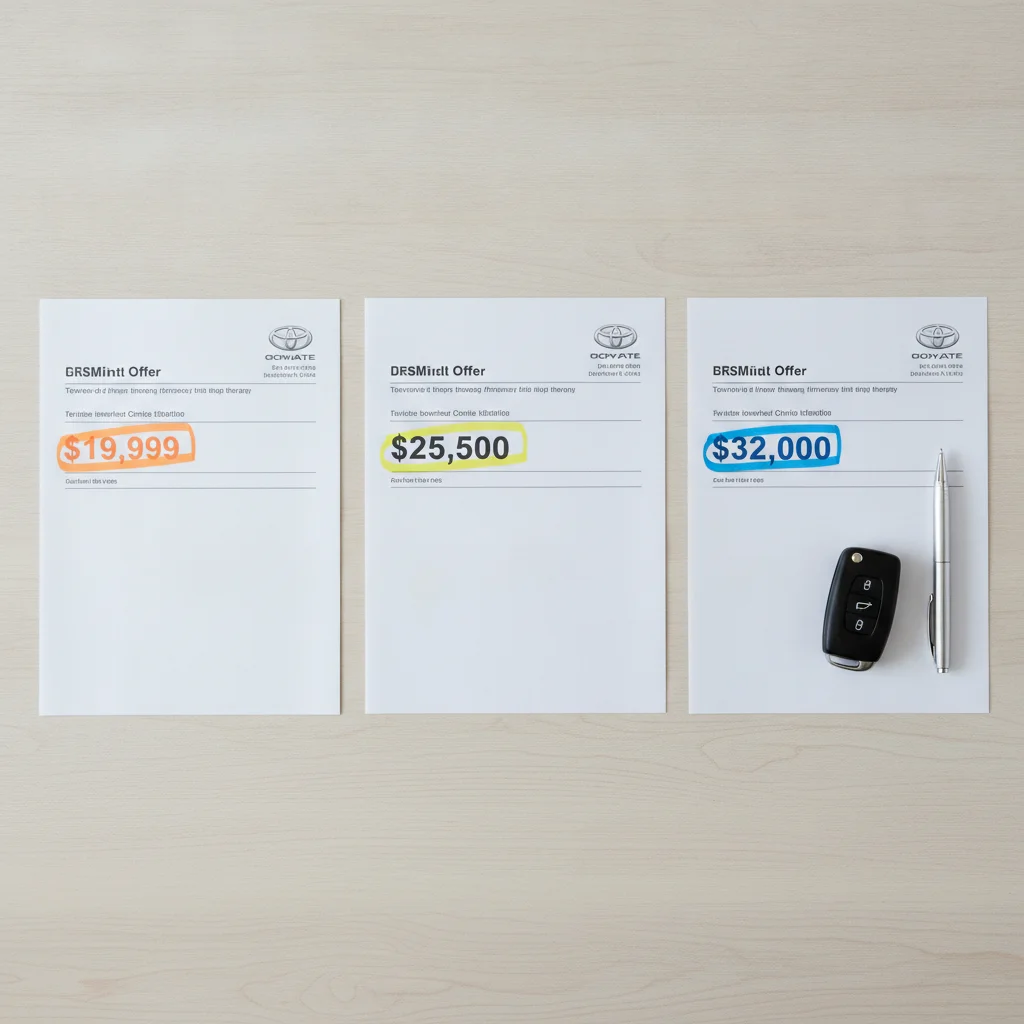
Run your VIN through CarMax, Carvana, and a dealer instant-offer tool on the same afternoon and you will likely see three different numbers. The spread is often $1,000 to $3,000, and on trucks or SUVs in high demand it can exceed $5,000. That is not a glitch. It is each platform's algorithm doing exactly what it was designed to do — protect that platform's margin while still attracting your vehicle.
Most sellers assume these tools are pulling from the same pricing database and the differences are rounding errors. They are not. Each platform operates its own proprietary model, trained on different data sets, optimized for different business goals. How instant offer platforms actually work is more nuanced than most sellers realize — and the business model behind each one shapes every dollar of the offer you receive.
Knowing why these gaps exist is the difference between leaving money on the table and walking away with the best available price on your vehicle.
The Core Reason: Different Algorithms, Different Inputs
Every instant offer platform runs a machine-learning pricing model under the hood. These models are fed live data constantly, but the specific inputs — and how much each input is weighted — vary dramatically from platform to platform.
What Goes Into the Model
- Wholesale auction prices: Manheim and ADESA auction data shows what dealers are actually paying for your vehicle type right now. Platforms weight this differently based on whether they resell wholesale or retail.
- Retail listing velocity: How fast is this exact make, model, trim, and mileage band selling on their own platform and on third-party listings like AutoTrader and Cars.com?
- Days to sell estimates: A vehicle predicted to sell in 14 days gets priced more aggressively than one projected to sit for 60 days.
- Reconditioning cost estimates: Algorithms build in a projected refurbishment cost based on mileage, age, and historical data on similar vehicles. A platform with expensive reconditioning centers will deduct more.
- Regional demand indices: Supply and demand vary zip code by zip code. A platform that moves more inventory in your market bids higher because they know they can sell it faster.
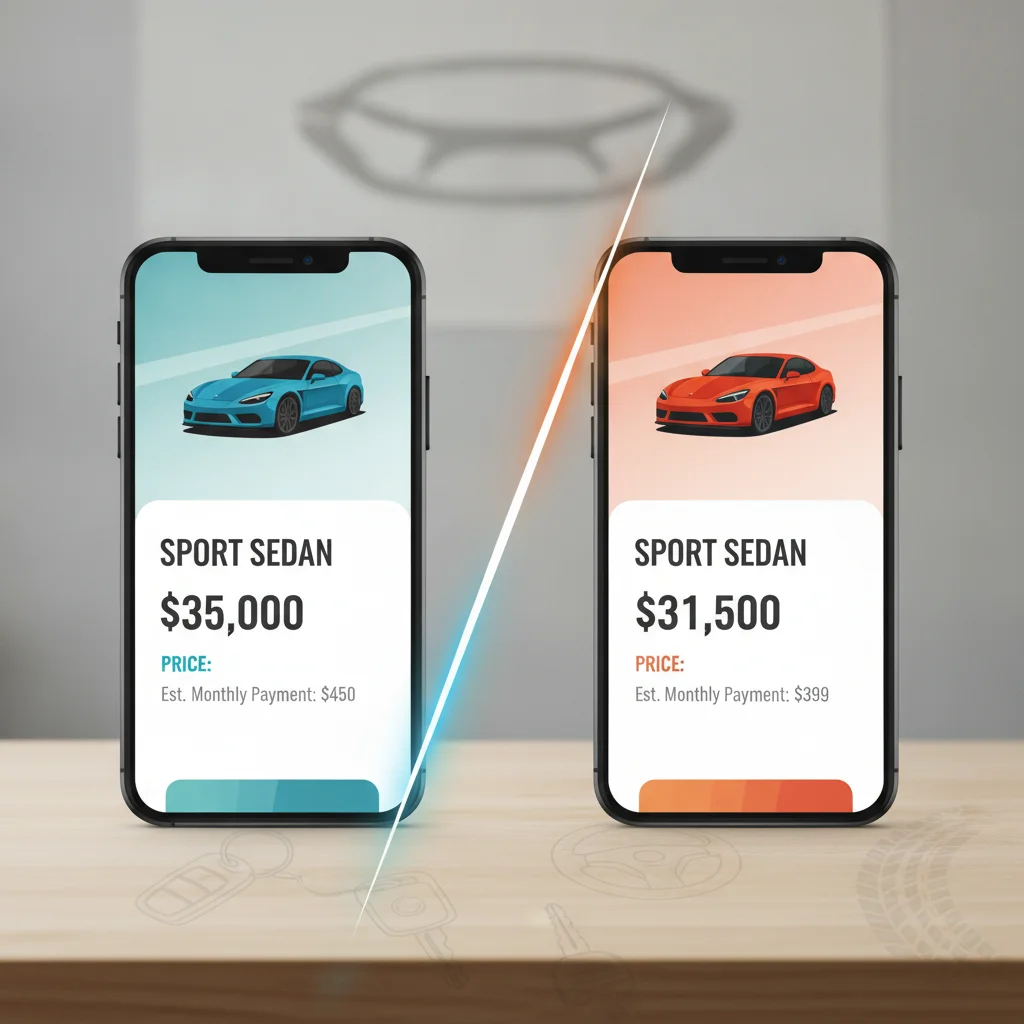
The same 2021 Honda CR-V with 38,000 miles fed into two models with different weights on these inputs produces two genuinely different outputs. Neither is wrong — they are just reflecting different realities of the same marketplace.
$1,000–$3,000
Typical instant offer spread for the same vehicle
Industry pricing analysts and consumer reports consistently document this range when the same vehicle is submitted to multiple instant offer platforms on the same day.
7 days
Standard instant offer validity window
Most major platforms including CarMax and Carvana expire their offers within seven days, after which the algorithm reprices the vehicle from scratch.
3+
Offers needed to find the market ceiling
Consumer advocacy research consistently finds that sellers who collect three or more competing offers before accepting one recover significantly more value than those who accept the first offer received.
$300–$900
Platform vehicle transport cost deducted from offer
Platforms factor in estimated transport cost from seller location to their nearest reconditioning or retail hub, a cost that directly reduces the offer in lower-demand markets.
Up to 15%
Offer discount for reported accident history
Vehicles with a CarFax-reported accident typically receive offers 10–15% below clean-history equivalents, reflecting longer projected days-to-sell and disclosure requirements.
Inventory Position: The Factor Sellers Never See
Here is the variable that dealership finance departments know cold but most private sellers never consider: the platform's current inventory position in your vehicle segment.
If Carvana already has 400 Honda CR-Vs listed nationally and days-to-sell is creeping up, their algorithm will drop the buy price to slow acquisition. They do not need your car badly enough to pay top dollar. Run that same VIN through a regional dealer group's instant offer tool that is short on certified compact SUVs and their bid goes up because they have retail customers waiting.
This dynamic mirrors what happens with dealer trade-ins. As explained in our piece on why the same car gets wildly different trade-in offers at different dealers, lot inventory needs are a primary driver of offer variance — and it applies equally to digital platforms.
Offers Reflect a Moment in Time
An instant offer is a snapshot of market conditions at the moment you submit. If you resubmit the same vehicle two weeks later, the number may be higher or lower depending on how inventory and regional demand have shifted. Platforms do not lock in prices — they reprice every submission fresh. This is a feature, not a bug: it means a low offer today is not necessarily the ceiling of what the market will pay.
Not All Fees Are Disclosed Upfront
Some platforms advertise a headline offer but deduct transaction fees, title processing charges, or pickup fees at closing. Always ask for the net-to-seller figure in writing before you agree to anything. A $24,500 offer with a $350 pickup fee is worth less than a $24,200 offer with free pickup — simple math that is easy to miss when you are focused on the headline number.
This is why timing matters. A platform might offer $1,500 more for your specific model next month if they sell down their current stock. Checking the same platform twice over a few weeks sometimes reveals meaningful movement in either direction.
“These algorithms are essentially real-time auctions running in the background. The platform that needs your car the most today bids the most. That number has very little to do with what your car is 'worth' in any absolute sense — it is a function of their inventory position, their cost structure, and how confident they are that they can move the vehicle quickly.”
— Ivan Drury, Director of Insights, Edmunds
Business Model Differences That Show Up in the Offer
Not all instant offer platforms make money the same way, and that directly affects what they can afford to pay you.
Retail-First Platforms
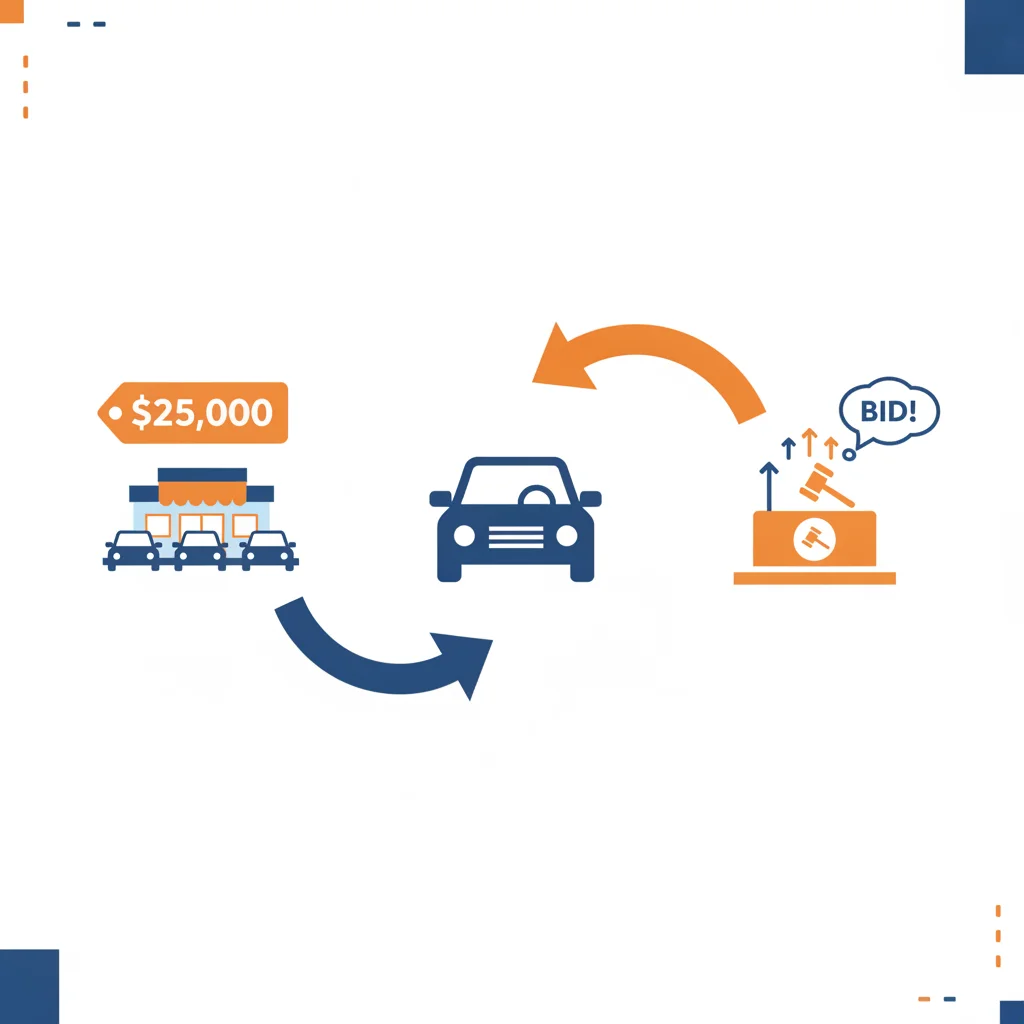
Companies like CarMax and Carvana primarily make money by retailing vehicles directly to consumers at a marked-up price. Because they capture full retail margin, they can theoretically afford to pay sellers more. In practice, they also carry higher overhead — reconditioning facilities, logistics infrastructure, marketing — which gets baked into their acquisition cost targets.
Wholesale-First Platforms
Some services, including certain dealer-branded instant offer tools, plan to flip your vehicle through a wholesale auction rather than retail it themselves. Their ceiling is the auction floor price minus their costs and target margin, which is typically lower than what a retail-focused platform can offer. They make it up in volume and speed.
Dealer Network Aggregators
Platforms like Kelley Blue Book Instant Cash Offer route your vehicle information to a network of participating dealers who each submit a bid. The highest bid wins. This structure can surface competitive offers because dealers are competing against each other, but the range of bids within that auction can be surprisingly wide.
Understanding how instant offer platforms make money on your car tells you exactly why each type is motivated to price the way it does.
Submit Offers in the Same Week
Wholesale auction prices shift weekly and algorithm inputs update constantly. If you collect one offer today and another three weeks from now, you are not comparing apples to apples. Submit all your offer requests within the same three-to-five day window to get a valid market comparison. Most offers expire in seven days anyway, so compress your shopping into that window.
Photograph Condition Evidence Before Submitting
Platforms that require an in-person inspection can lower your offer if they find undisclosed issues. Get ahead of this by photographing any scratches, dents, or interior wear before you submit. If the inspection produces a lower number than your online quote, you have documented evidence to push back on specific deductions rather than accepting a blanket reduction.
Regional Market Signals and Why Location Moves the Number
Algorithms are not national — they are local. A platform with strong retail operations in the Southeast is going to bid more confidently on a vehicle it can sell quickly in Atlanta than on a vehicle it would need to transport to a weaker market. Transportation cost, estimated at anywhere from $300 to $900 per vehicle depending on distance, comes directly out of the offer.
Pickup trucks in Texas and work-ready SUVs in the Mountain West command higher instant offers than the same vehicles in urban Northeast markets where parking is scarce and compact cars dominate. Platforms tuned to these regional patterns bid accordingly. If you happen to live in a market where your vehicle type is genuinely short in supply, you will see stronger offers across the board. If you are selling a performance coupe in a market dominated by family buyers, offers will disappoint regardless of the platform.
This is also why offers change over weeks, not just between platforms. Seasonal shifts in demand — convertibles in spring, four-wheel-drive vehicles before winter — cause algorithms to adjust acquisition prices dynamically.
Convenience Has a Price Tag — Here's How to Measure It
The fastest offer is almost never the highest offer. Platforms that close in 24 hours with instant payment and vehicle pickup at your driveway are providing a genuine service, but that service costs you something in the final number. The algorithm on a same-day-close platform builds in more margin buffer because they are accepting more risk — they have not physically inspected the car and have less time to hedge their position.
Platforms that require an in-person inspection before finalizing the offer can adjust the number based on actual condition, but they also tend to close with tighter margins because they have lower uncertainty. The catch: that in-person adjustment sometimes goes down, not up, when they find unreported damage or wear.
Offer Expiration Windows Matter
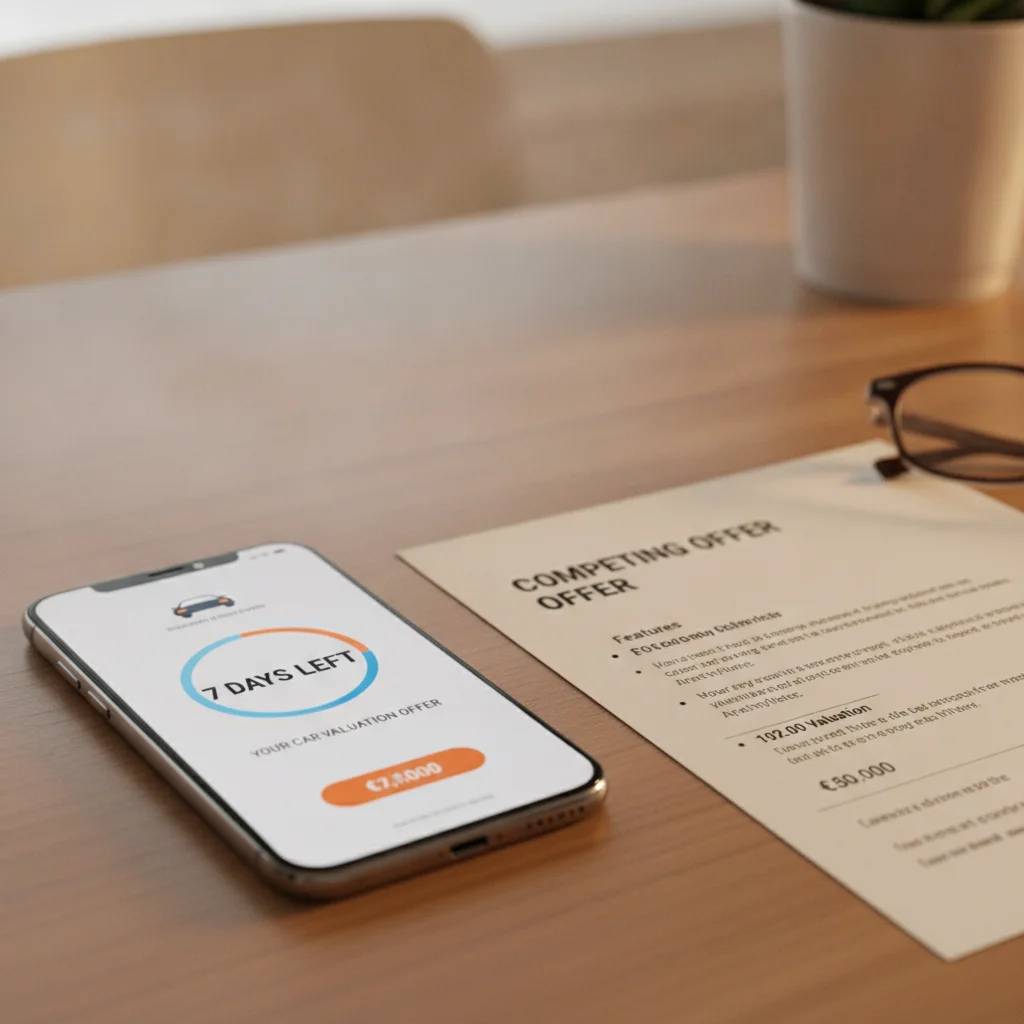
Most instant offers are valid for seven days. Some compress to three. If you collect multiple offers over a few days and the market moves against you, earlier offers may expire before you can act. Treat offer windows as a clock, not just a formality.
For a direct comparison of the financial dynamics involved, see our analysis of dealership trade-in vs. instant offer platform — the numbers behind each before making a final decision.
Offers Reflect a Moment in Time
An instant offer is a snapshot of market conditions at the moment you submit. If you resubmit the same vehicle two weeks later, the number may be higher or lower depending on how inventory and regional demand have shifted. Platforms do not lock in prices — they reprice every submission fresh. This is a feature, not a bug: it means a low offer today is not necessarily the ceiling of what the market will pay.
Not All Fees Are Disclosed Upfront
Some platforms advertise a headline offer but deduct transaction fees, title processing charges, or pickup fees at closing. Always ask for the net-to-seller figure in writing before you agree to anything. A $24,500 offer with a $350 pickup fee is worth less than a $24,200 offer with free pickup — simple math that is easy to miss when you are focused on the headline number.
How to Use Price Variance to Your Advantage
The variance between platforms is not a problem — it is leverage. Here is how to extract maximum value from the gap.
Step 1: Get at Least Three Offers Before Acting
Run your VIN through CarMax, Carvana, and at least one dealer-based platform (KBB Instant Cash Offer or a local dealer group's tool). This takes under 30 minutes and typically reveals the range the market will bear for your specific vehicle right now.
Step 2: Check Valuation Benchmarks First
Before you submit anything, use valuation tools like Kelley Blue Book and Edmunds True Market Value to understand what your vehicle is worth in trade-in and private party contexts. This anchors your expectations and helps you identify when a platform is genuinely low versus just aggressive.
Step 3: Use Competing Offers as Negotiating Evidence
Some platforms will not budge on their algorithm's output. Others — particularly dealer-based tools — will match or beat a competing offer when you show them a written quote. Negotiating price when the platform says it's fixed is more possible than the platforms want you to think.
Step 4: Factor in Total Net Proceeds, Not Just the Offer Number
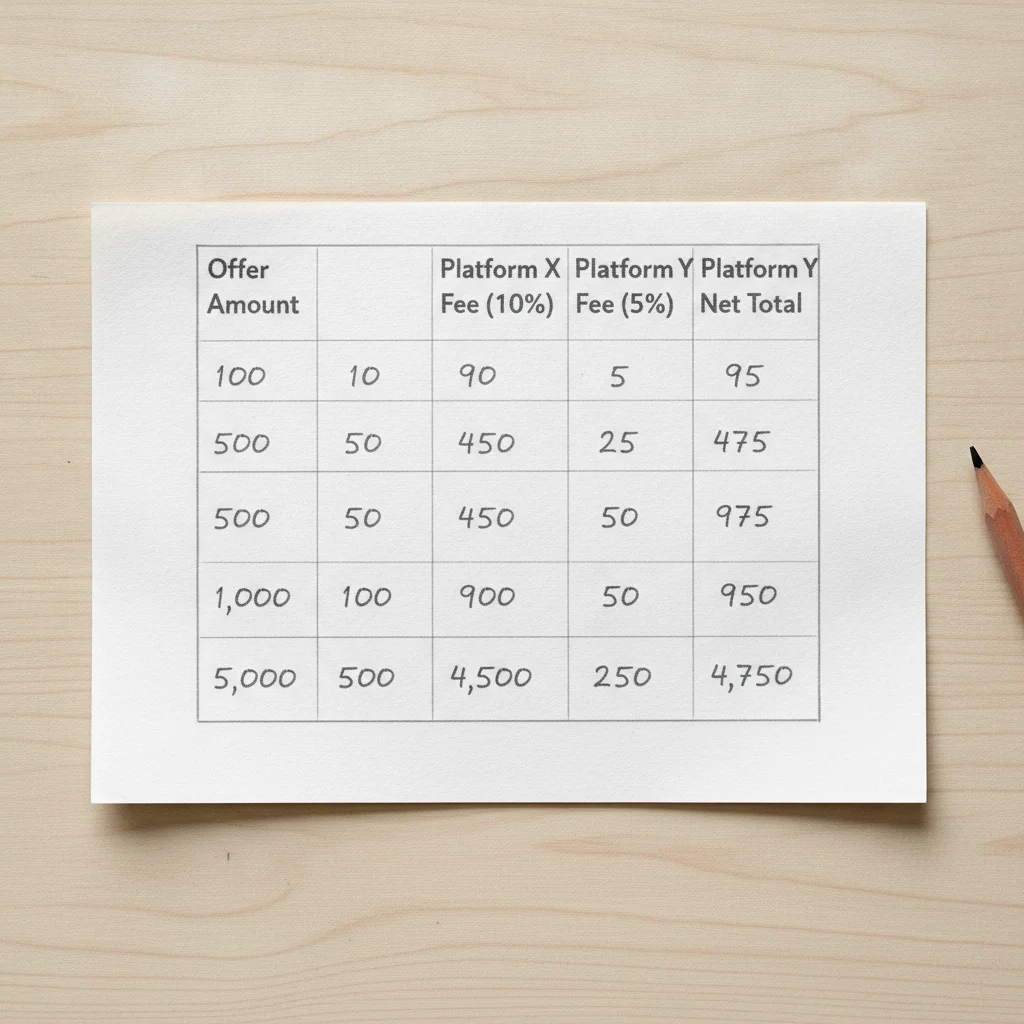
A higher offer with a $250 pickup fee, a seven-day payoff on your loan, and a three-day wait for payment may net you less than a slightly lower offer with same-day payment and free pickup. Build a quick comparison table: offer amount minus fees plus days until funds clear equals your real number.
Submit Offers in the Same Week
Wholesale auction prices shift weekly and algorithm inputs update constantly. If you collect one offer today and another three weeks from now, you are not comparing apples to apples. Submit all your offer requests within the same three-to-five day window to get a valid market comparison. Most offers expire in seven days anyway, so compress your shopping into that window.
Photograph Condition Evidence Before Submitting
Platforms that require an in-person inspection can lower your offer if they find undisclosed issues. Get ahead of this by photographing any scratches, dents, or interior wear before you submit. If the inspection produces a lower number than your online quote, you have documented evidence to push back on specific deductions rather than accepting a blanket reduction.
When a Low Offer Is Telling You Something Real
Not every low offer is a platform being stingy. Sometimes two or three platforms all come in lower than you expected, and the message is worth hearing. High mileage relative to the model year, an accident on the CarFax, a trim level with poor resale history, or a color that sits on lots too long — these factors are priced into every algorithm and may be dragging down offers across the board.
If your best offer is substantially below KBB trade-in value, it is worth reviewing why your instant offer came in lower than you expected to diagnose the specific factor at work. Sometimes a $400 detail job or a disclosed repair receipt changes the reconditioning estimate enough to meaningfully move the number on re-submission.
Platforms are not adversaries — they are buyers with their own margin requirements. Knowing their logic lets you engage on equal terms rather than being surprised by the output.

All claims are backed by peer-reviewed research. Sources on request.