Key Takeaways
Instant Offer Platform
An instant offer platform is a service — typically web or app-based — that gives car sellers a purchase price for their vehicle within minutes, without requiring a traditional negotiation or in-person appraisal. The seller submits vehicle details online, an algorithm generates a buy price, and the platform either purchases the car directly or connects the seller to a network of dealers who will. The transaction can often be completed within 24 to 48 hours.
Most platforms use a combination of proprietary pricing algorithms, real-time wholesale auction data, and local retail market comps to generate offers. Some operators also maintain physical vehicle condition verification before finalizing payment.
The Mechanics Behind That Instant Number
When you type your VIN into CarMax, Carvana, or any comparable platform and click "Get My Offer," it feels almost magical — a dollar figure appears in under two minutes. But the mechanics behind that number are anything but mysterious once you understand the data stack driving it.
Every major instant offer platform is running a pricing algorithm that ingests several data streams simultaneously:
- Wholesale auction prices: Real-time and historical transaction data from Manheim, ADESA, and regional auctions tells the platform what dealers are actually paying for comparable vehicles at wholesale.
- Retail market comps: Listings on the platform's own inventory (and competitors') reveal what similar vehicles are selling for at the retail level — and how fast they're moving.
- Days-to-turn data: How long has a vehicle with your year, make, model, and trim been sitting on lots in your region? Slow movers get lower offers; in-demand vehicles command more.
- Condition-adjusted book values: Tools like Black Book, Galves, and MMR (Manheim Market Report) publish wholesale condition-adjusted values that most platforms layer into their models.
What the algorithm is ultimately calculating is the platform's expected margin. It estimates what it can sell your car for — either at retail or wholesale — and subtracts its reconditioning costs, logistics, overhead, and desired profit margin. What's left is your offer. This is why two platforms can quote meaningfully different numbers for the same car: they have different cost structures, different retail footprints, and different confidence levels in moving your specific vehicle.
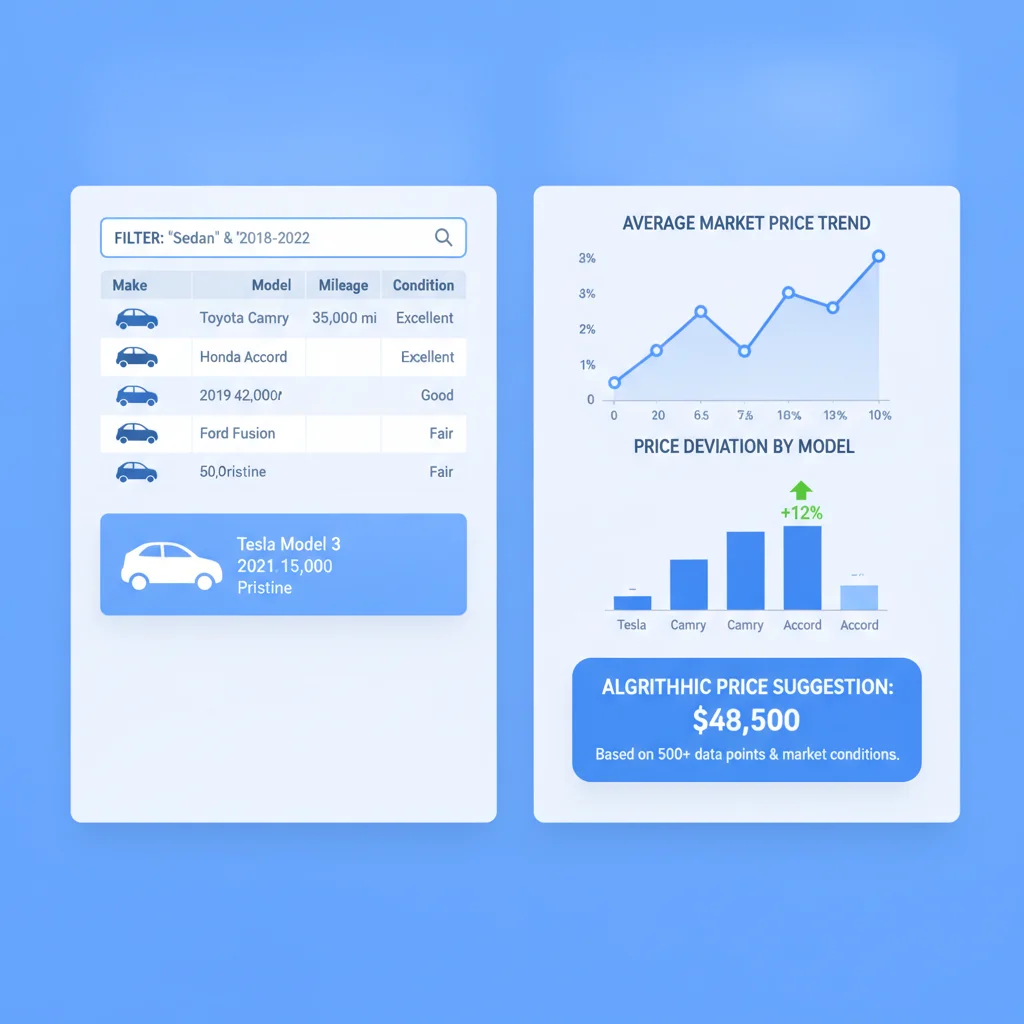
The critical implication for sellers: the offer you receive reflects the platform's economics, not your car's full retail value. That gap — between what you'd net selling privately and what the platform offers — is the price of convenience. For some sellers it's worth every dollar. For others, it isn't. Understanding what these services are actually offering you is the first step toward using them strategically rather than getting caught flat-footed.
Who's Actually Funding the Offer
Not all instant offer platforms operate the same way under the hood, and who funds the offer matters to you as a seller — it affects how quickly you get paid, how firm the price actually is, and what happens after you sign over the title.
10–20%
Typical discount vs. private party sale
Industry estimates from iSeeCars and consumer finance researchers consistently place instant offer payouts 10–20% below comparable private-party transaction prices.
$1,000–$3,000
Average spread between competing platform offers
Analysis of multi-platform quote comparisons regularly shows a gap of $1,000 to $3,000 for the same vehicle across major instant offer services.
7–30 days
Typical offer validity window
CarMax offers expire in 7 days; Carvana and most aggregator platforms extend validity to 30 days before requiring a re-quote.
48 hours
Median time from offer acceptance to payment
For vehicles with clean titles and no active liens, most major platforms complete the payment process within 24 to 48 hours of vehicle handover.
~70%
Sellers who accept the first offer they receive
Consumer behavior research in the used car market suggests roughly 70% of sellers do not obtain a competing quote before accepting an instant offer.
There are essentially three funding models in the market:
1. Direct Buyers (Platform Owns the Inventory)
Companies like CarMax and Carvana operate as direct buyers. When they make you an offer, they are purchasing your vehicle for their own retail inventory. They're betting they can recondition it and sell it to a consumer at a profit. Because they own the downstream sale, they have tight control over offer pricing and tend to be conservative — they can't afford to overpay on thousands of cars per month.
2. Dealer Network Aggregators
Services like Kelley Blue Book Instant Cash Offer and some regional platforms function as marketplaces. They generate an offer based on algorithm data, then route your vehicle to a participating local dealer who honors that offer. The dealer — not the platform — actually writes the check. This model can sometimes yield slightly higher offers because local dealers may value your specific vehicle more than a national algorithm does, particularly for trucks, off-road vehicles, or regional market favorites.
3. Hybrid Models
Some newer entrants use a hybrid approach: they generate an offer algorithmically, run the vehicle through a brief digital condition check, then decide whether to buy it directly or pass it to a dealer partner. The routing decision is usually invisible to the seller but directly affects payout timing and the checkout experience.
Dealer Network Offers: Read the Fine Print
When a platform routes your vehicle to a local dealer partner, that dealer is agreeing to honor a price generated by someone else's algorithm — sometimes for a vehicle type they wouldn't normally seek out. In practice, dealer-network offers occasionally see more pushback at the condition verification stage than direct-buyer platform offers. If your vehicle has any borderline issues, confirm the offer terms in writing before driving to the participating dealer.
File Your Release of Liability Immediately
After signing over the title, contact your state DMV to file a release of liability the same day. Most states allow this online in under five minutes. This protects you from parking tickets, toll violations, or accident liability that can accrue between the time you hand over the vehicle and when the platform re-titles it in a new name. It's a routine step that sellers consistently overlook.
For sellers, the most practical implication is this: know who's actually writing your check before you commit. A dealer network aggregator means you may be driving to a specific dealership to complete the transaction, not shipping your car to a centralized facility. That's a meaningful difference in convenience — and sometimes in final payout.
For a deeper look at how these business models generate profit from your vehicle, see how instant offer platforms make money on your car.
The Condition Verification Gap: Where Offers Shrink
The most common seller complaint about instant offer platforms isn't the initial quote — it's the revised quote that arrives after someone actually looks at the vehicle. This is the condition verification gap, and it's where the experience can turn frustrating fast.
Here's how it typically plays out:
- You enter your vehicle's details online — mileage, trim, and a self-assessed condition rating (usually "excellent," "good," "fair").
- The algorithm generates an offer based on your self-reported inputs.
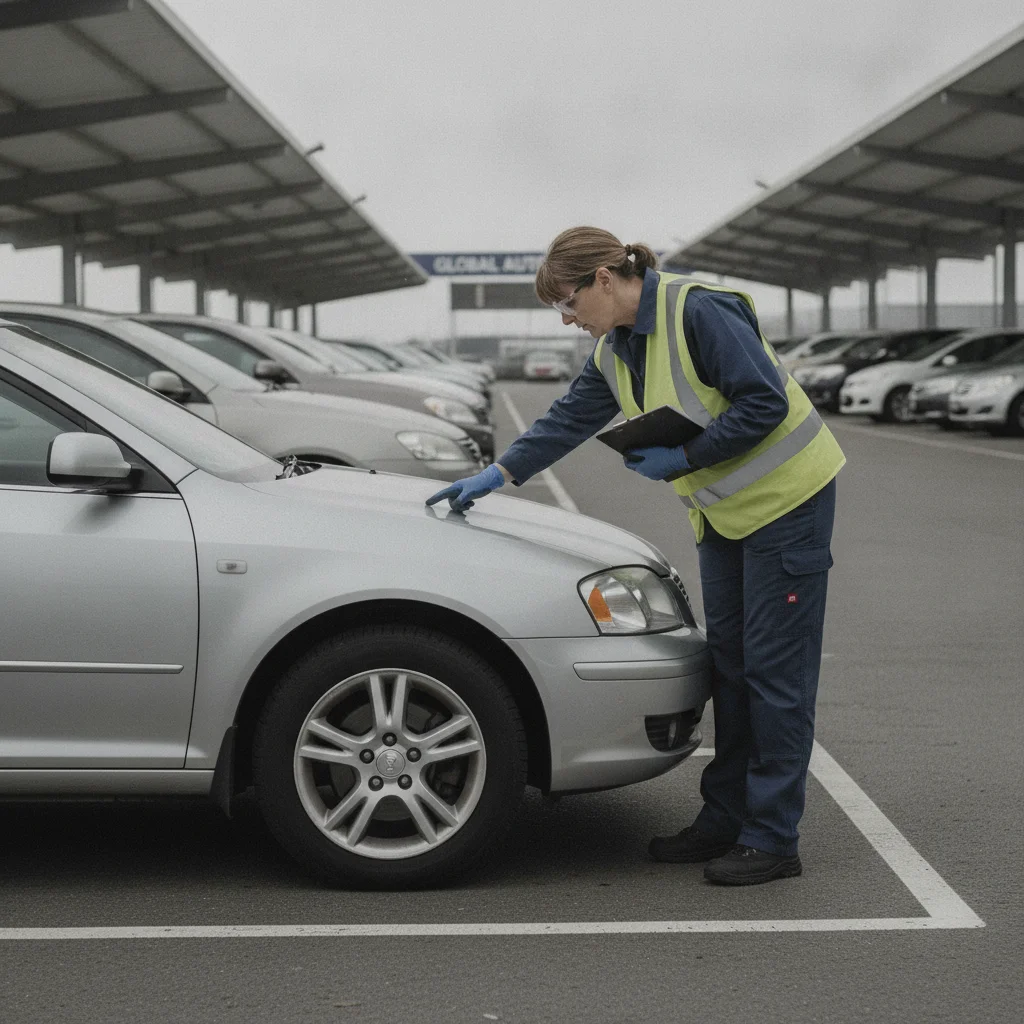
- A condition verification occurs — either a remote inspection via photos/video, an in-person appraisal at a drop-off location, or a home pickup inspection.
- If the inspector finds anything that doesn't match your self-reported condition, the offer is revised downward before payment is released.
Disclose Honestly — It Protects Your Final Number
Before submitting your vehicle details to any platform, do a thorough walk-around as if you were the buyer. Note every ding, scratch, and mechanical quirk. Accurate self-reporting means your initial offer is closer to your final payout — and eliminates the most common source of late-stage disappointment. Platforms recoup undisclosed damage costs from your check, not from their margin.
Common discoveries that trigger a downward revision include:
- Undisclosed accident history (the platform runs its own Carfax or AutoCheck)
- Tire wear below acceptable thresholds
- Paintwork imperfections, chips, or dents not reflected in photos
- Mechanical warning lights or codes pulled during inspection
- Mileage discrepancies
The honest way to protect yourself is simple: be brutally accurate in your initial disclosure. Sellers who try to dress their vehicle up for the online form and then deliver it with hidden issues will almost always lose ground at verification. The platform's inspectors do this hundreds of times per week — they miss very little.
Also worth noting: some platforms, particularly those with physical drop-off locations (CarMax, Carvana vending machine locations), do more thorough inspections than those relying on photo-based remote checks. If your car has any borderline condition issues, a platform with less rigorous remote verification may quote higher — but the trade-off is that their offers are also less reliable as a true floor.
How to Use Competing Platforms to Your Advantage
The single most effective thing a seller can do is get multiple offers before committing to any one platform. This sounds obvious, but a surprising number of sellers stop at the first number they receive — especially if it comes from a brand they recognize.
“The data is clear: sellers who shop their vehicle to multiple platforms consistently net more than those who accept the first offer. The platforms know most sellers won't bother to compare — and they price accordingly.”
— Desmond Kimathi, Former dealership finance manager and consumer auto finance advocate
Getting three to four competing quotes takes 20 to 30 minutes and costs nothing. The spread between the lowest and highest offer for the same car is routinely $1,000 to $3,000 — and on trucks, SUVs, or specialty vehicles, it can exceed $5,000. That's not noise in the data; it reflects genuinely different business models, regional inventory needs, and algorithmic assumptions about your vehicle's downstream value.
Here's a practical sequencing approach:
- Start with two or three national platforms — CarMax, Carvana, and one aggregator like KBB Instant Cash Offer — to establish a baseline range.
- Check a wholesale-focused platform like Peddle or DonationMax if your car is older or has high mileage. These platforms route to salvage and wholesale buyers and may outperform retail platforms on vehicles that have aged out of the retail market.
- Use the highest offer as leverage with your preferred platform. Not all platforms will match, but some will review and revise — particularly if you've received a verified written offer from a competitor.
For a structured side-by-side comparison of the major platforms across payout, speed, and seller experience, see our ranked breakdown of instant offer platforms. And if you want to explore whether negotiation is actually possible, here's what's actually on the table when negotiating with a platform.
Instant Offer vs. Private Sale: Knowing When Convenience Is Worth It
Instant offer platforms are not always the wrong choice — but they are always a trade-off. The convenience premium is real, quantifiable, and sometimes entirely justified. The key is knowing when the math works in your favor.
Private party sales consistently yield higher net proceeds — often 10 to 20 percent above what an instant offer platform will pay. But that premium comes with real costs of its own: listing time, fielding inquiries from strangers, handling test drives, navigating payment risks, and managing the title transfer yourself. For a vehicle worth $8,000, the private party premium might amount to $800 to $1,600. For a vehicle worth $35,000, the gap can exceed $5,000.
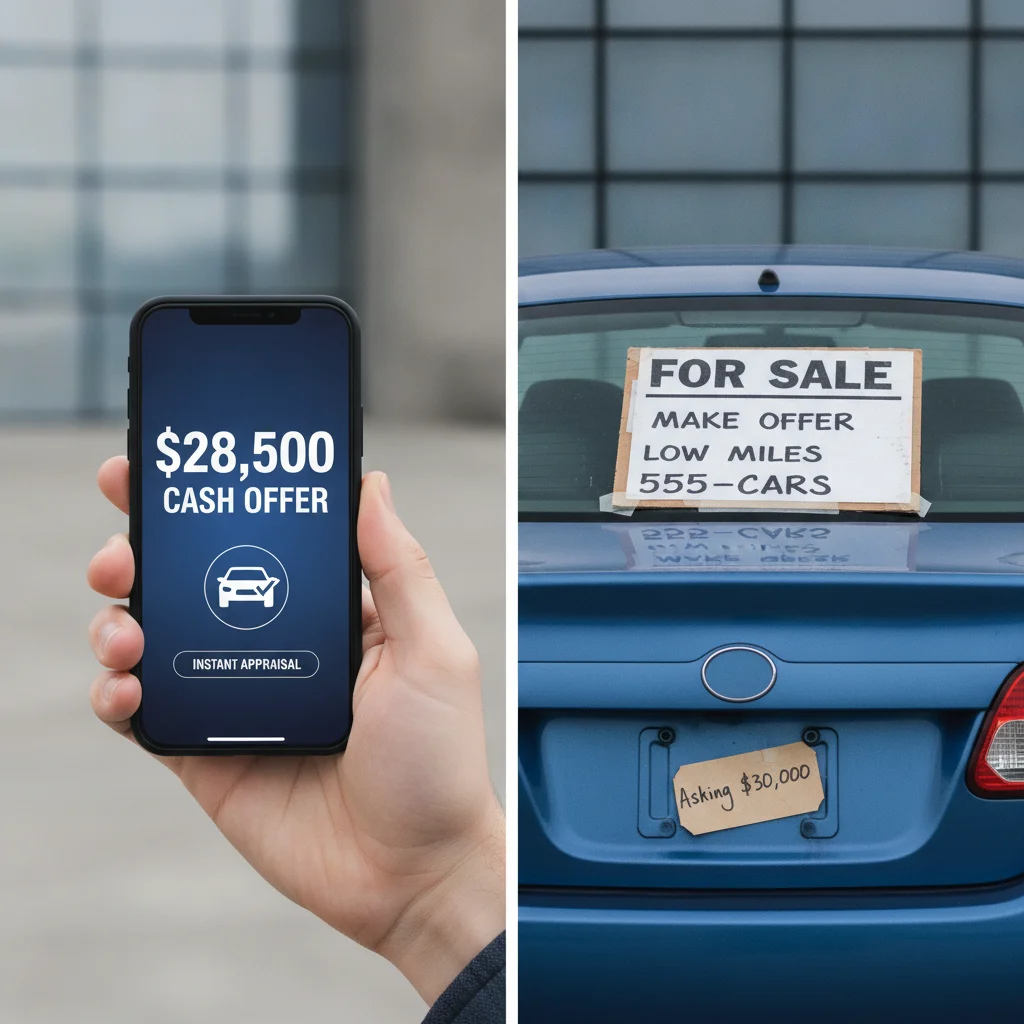
Instant offer platforms make the most financial sense in these scenarios:
- You're on a tight timeline. Relocation, divorce, or a loan payoff deadline can make a guaranteed 48-hour close more valuable than weeks of private-party effort.
- Your vehicle has complications. An active loan, salvage title history, or mechanical issues create friction in private sales that platforms handle routinely.
- The market is softening. When used car prices are declining, locking in a firm offer today beats waiting two weeks for a private buyer while the market slides further.
- Your car isn't a strong private-party seller. High-mileage commuters, fleet vehicles, and older economy cars don't attract private buyers willing to pay retail. A platform that routes to wholesale will often match or beat what you'd net privately after accounting for your time.
If none of those conditions apply and you're selling a clean, late-model vehicle in a healthy market, the private sale is almost certainly worth the effort. But if any of them resonate, the instant offer trade-off is not capitulation — it's a rational financial decision.
For a complete end-to-end walkthrough of what the actual selling process looks like — from submitting your VIN to receiving payment — see our complete guide to selling to an instant offer platform.
What Happens After You Accept
The post-acceptance process is where platform differences become most tangible. Understanding what to expect prevents surprises and helps you choose the platform whose logistics actually fit your situation.
Title and Lien Handling
If you own the vehicle outright, the title transfer is straightforward — you sign it over at pickup or drop-off. If you have an outstanding loan, the platform will coordinate payoff directly with your lender, either cutting a check to the lender and a separate check for your equity, or wiring funds. This process can add two to five business days to your payment timeline depending on lender responsiveness.
Vehicle Pickup vs. Drop-Off
Several platforms — Carvana, Vroom, and some aggregator-routed transactions — offer home pickup. This is the peak convenience option but sometimes carries geographic restrictions or requires scheduling a week out. CarMax and dealer-network platforms typically require you to bring the car to a location. Home pickup sounds ideal but isn't always the fastest route to payment.
Payment Methods
Most platforms pay via certified check at the point of vehicle transfer or via ACH bank transfer within one to three business days. Be skeptical of any platform that proposes unusual payment methods, delays payment until the car reaches a secondary facility, or requires upfront fees. Those are red flags that separate legitimate platforms from bad actors.
Dealer Network Offers: Read the Fine Print
When a platform routes your vehicle to a local dealer partner, that dealer is agreeing to honor a price generated by someone else's algorithm — sometimes for a vehicle type they wouldn't normally seek out. In practice, dealer-network offers occasionally see more pushback at the condition verification stage than direct-buyer platform offers. If your vehicle has any borderline issues, confirm the offer terms in writing before driving to the participating dealer.
File Your Release of Liability Immediately
After signing over the title, contact your state DMV to file a release of liability the same day. Most states allow this online in under five minutes. This protects you from parking tickets, toll violations, or accident liability that can accrue between the time you hand over the vehicle and when the platform re-titles it in a new name. It's a routine step that sellers consistently overlook.
Post-Sale Liability
Once you transfer the title and receive payment, your liability for the vehicle ends. File a release of liability with your state DMV immediately — don't wait. This protects you if the platform delays re-titling or if the car is involved in an incident before the new registration is complete. It's a five-minute step that sellers routinely skip and occasionally regret.

All claims are backed by peer-reviewed research. Sources on request.