Key Takeaways
Our Verdict
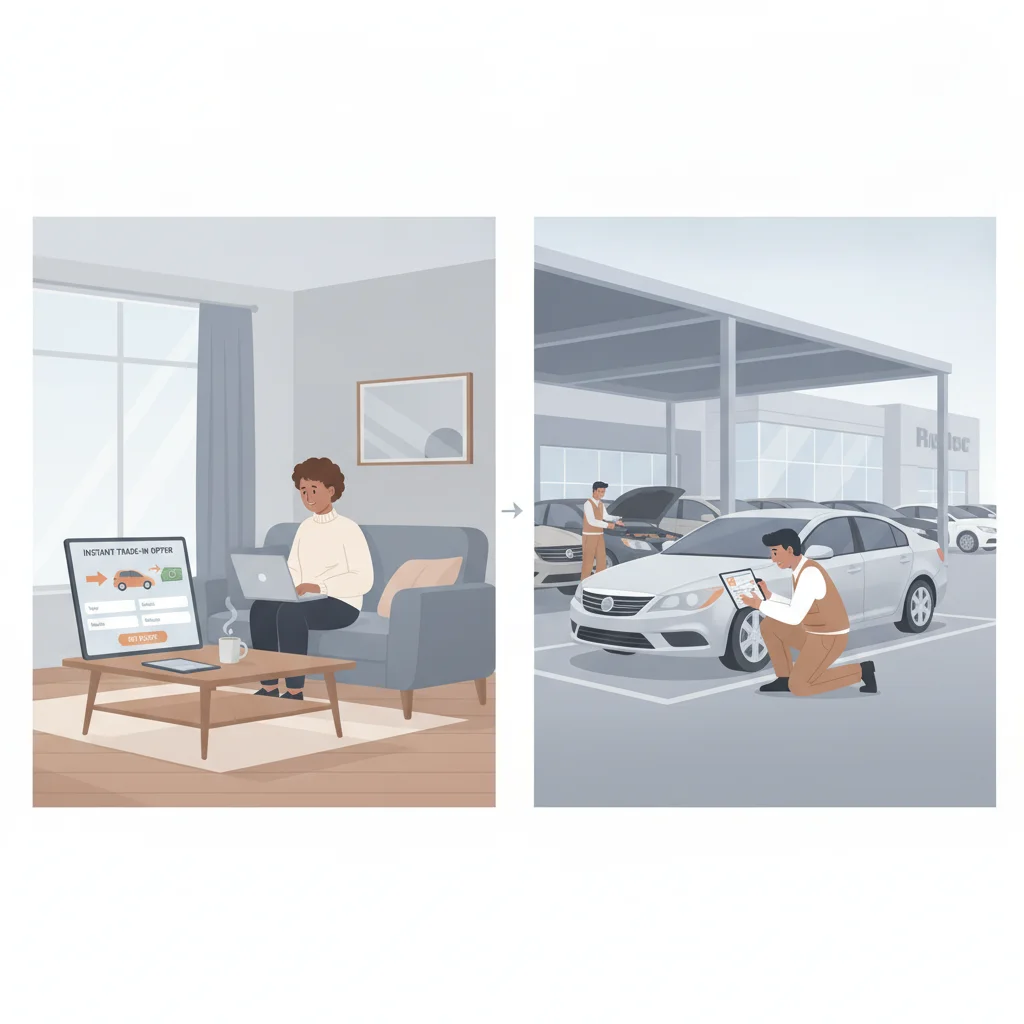
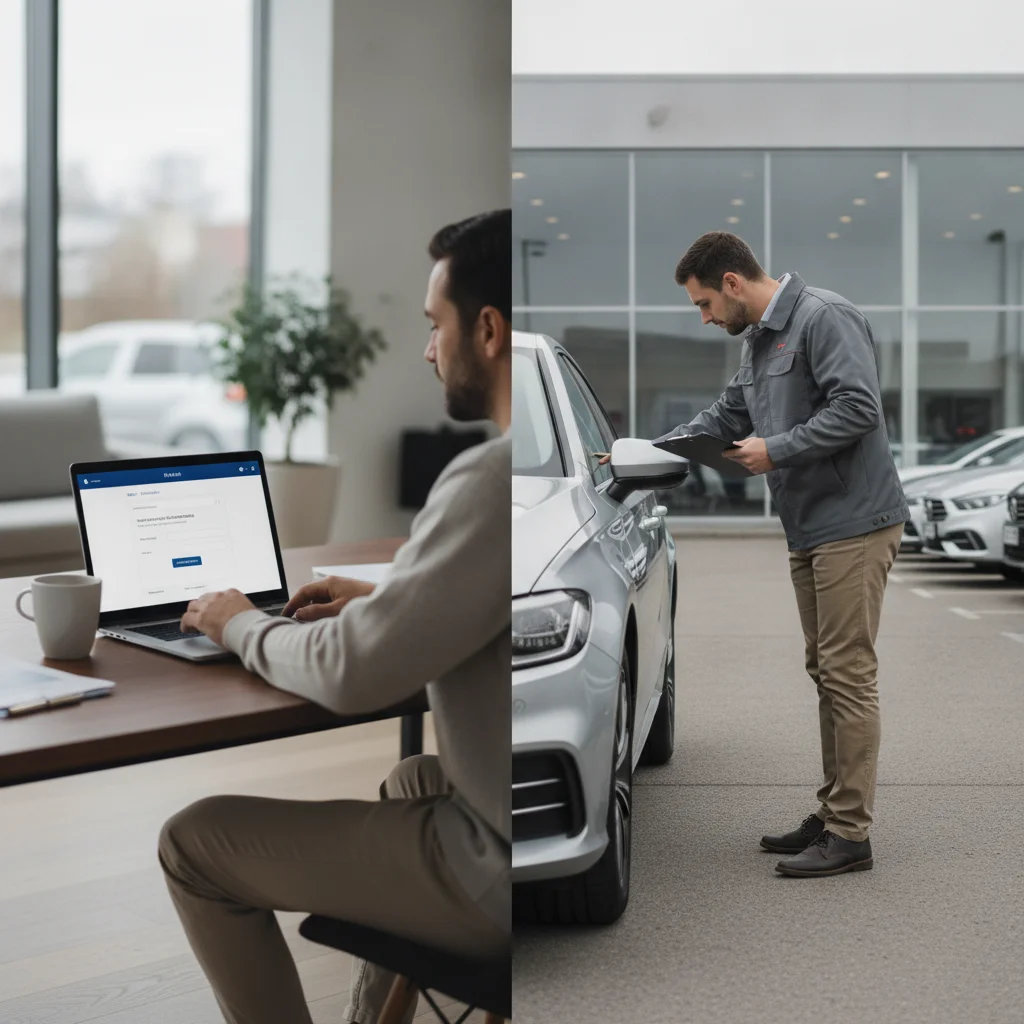
Sight-unseen platforms win on speed and convenience, making them the right call for sellers who value simplicity or are dealing with newer, lower-mileage vehicles in clean condition. Inspection-required platforms — and hybrid models where you visit a drop-off center — deliver more reliable final numbers and often higher payouts for vehicles with complex histories or cosmetic wear. Neither approach is universally better; the right choice depends on how much your time is worth versus how much money you're willing to leave on the table.
| Best for | Recommended |
|---|---|
| Sellers prioritizing speed and zero logistics | Sight-unseen platforms (Carvana, Vroom) |
| Sellers wanting the highest reliable payout | Inspection-required platforms (CarMax, Peddle in-person) |
| Sellers balancing convenience with offer accuracy | Hybrid drop-off platforms (Carmax instant offer, KBB Instant Cash Offer redeemed locally) |
| Sellers with high-mileage or cosmetically imperfect vehicles | Inspection-required platforms to avoid post-offer deductions |
The Core Distinction: What 'Sight Unseen' Actually Means
When a platform says it will buy your car without seeing it, that phrase deserves scrutiny. In the car-selling world, "sight unseen" sits on a spectrum. At one end are platforms that genuinely commit to a price based solely on the information you submit — VIN, mileage, self-reported condition — and honor that price at pickup with no adjustments. At the other end are platforms that generate an algorithmic quote online but make the final offer conditional on a physical inspection that happens at pickup, at a drop-off location, or via a third-party inspector.
That distinction matters enormously because it changes the entire value proposition. A truly sight-unseen offer gives you certainty. A conditionally sight-unseen offer gives you a number to anchor on, but not a guarantee. Knowing which category a platform falls into before you invest time in the process is the single most useful piece of due diligence you can do.
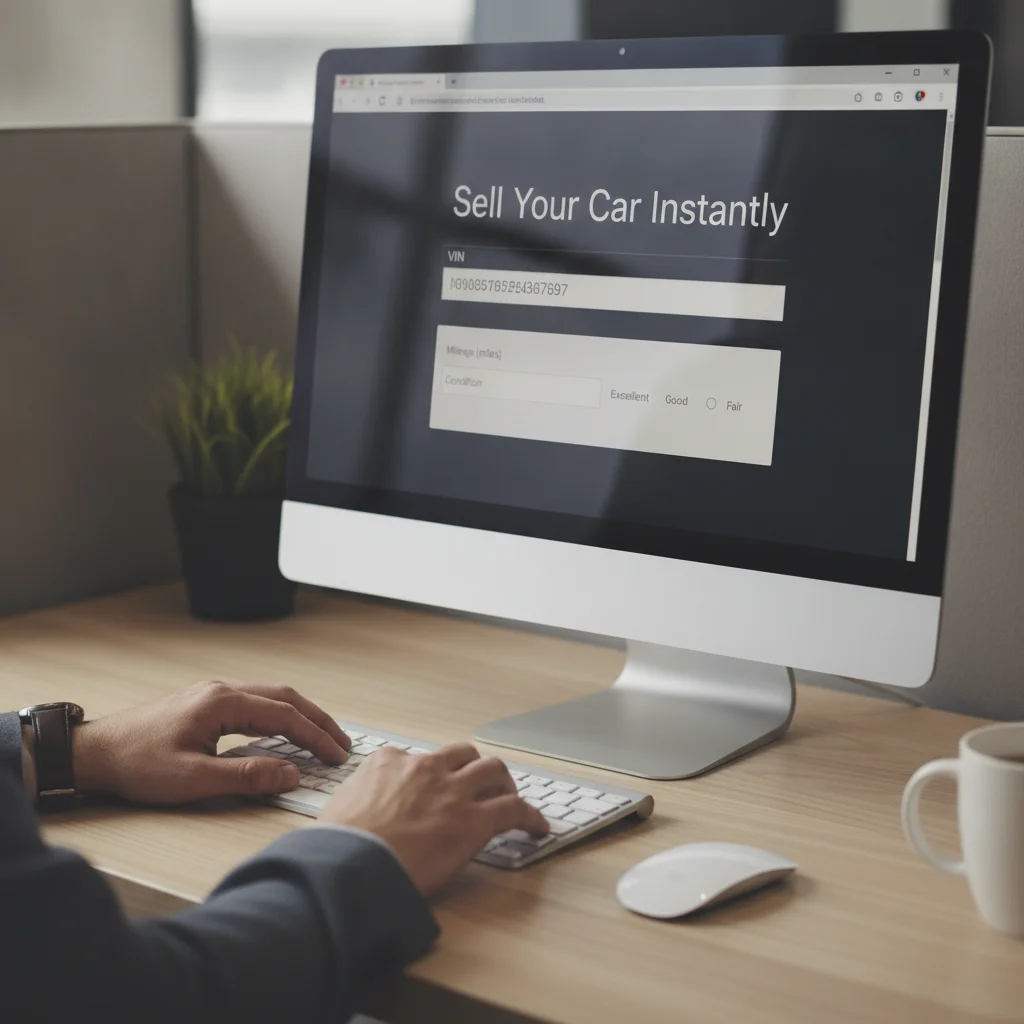
For context on how these online quotes compare to what dealers actually pay out after appraisal, see our article on online trade-in offers vs. in-person dealer appraisals. The mechanics are nearly identical when you're selling outright.
Sight-Unseen Platforms: How They Work and Where They Fall Short
The most prominent sight-unseen buyers — Carvana, Vroom, and to some extent CarGurus Instant Cash Offer — build their pricing models around data: VIN decoding, market comps, regional demand, and the condition tier you self-select. They make the process frictionless by design. You enter your information, get a number within minutes, schedule a pickup, and hand over the keys. For many sellers, that experience alone justifies a modest discount versus the open market.
But here's what the marketing doesn't tell you: most of these platforms include fine print that allows price adjustments if the vehicle's actual condition doesn't match what was reported. Carvana, for instance, may revise its offer at pickup if they find undisclosed damage, frame issues, or mechanical problems. Vroom has historically been more aggressive with post-pickup adjustments before its business model shifted. The language typically reads as "final offer subject to verification" — which is a conditional offer dressed up as a firm one.
Document Your Car's Condition Before Submitting
Before requesting any online offer, photograph every panel, all four tires, the interior, the odometer, and the undercarriage if you can safely access it. This documentation protects you if a sight-unseen platform attempts a post-pickup adjustment for damage that was visible at submission. Date-stamped photos are your evidence that the condition was accurately disclosed.
Clear Codes — But Disclose the Underlying Issue
Clearing OBD-II codes before an algorithmic submission to bump your condition self-assessment is a short-term move that usually backfires. The underlying fault code will re-set within a drive cycle, and pickup agents carry scanners. More importantly, most platform agreements classify undisclosed mechanical issues as grounds for offer adjustment or cancellation. Disclose what you know; price it into your condition tier selection honestly.
The platforms that come closest to truly honoring sight-unseen pricing are those that have built robust re-inspection infrastructure — meaning they've priced in a buffer for condition variance. That buffer comes out of your payout. When a platform absorbs condition risk, the seller pays for that risk absorption through a slightly lower baseline offer.
Self-reported condition is also a wildcard. Most platforms use a three- or four-tier system (excellent, good, fair, poor). Sellers routinely overestimate their vehicle's tier. A car the seller considers "good" may arrive with paint chips, worn interior, a cracked windshield, or a check engine light the seller dismissed as minor. Each of those items has a line-item deduction schedule on the back end. The algorithmic offer assumed "good" condition; the pickup agent applies the actual condition grade.
$300–$1,500
Average post-inspection offer reduction
Industry data from iSeeCars and seller community surveys indicates conditional sight-unseen offers are adjusted by this range when condition doesn't match self-reported grade.
62%
Sellers who overestimate vehicle condition
A CarMax internal review cited in industry trade publications found the majority of self-reported 'good condition' vehicles required at least one deduction at appraisal.
48 hours
Typical sight-unseen closing timeline
Platforms like Carvana and Vroom advertise pickup and payment completion within 48 hours for sellers with clean titles and no active liens.
7 days
CarMax offer validity window
CarMax's written appraisal offer is valid for seven calendar days, giving sellers time to comparison-shop without pressure.
For vehicles that are genuinely clean — recent model year, low mileage, no accident history, fully operational — sight-unseen platforms are often competitive and the process is genuinely fast. The problem is that "genuinely clean" describes a minority of used vehicles on the road.
Inspection-Required Platforms: Slower, but What You See Is What You Get
CarMax is the canonical example of an inspection-required model. You bring the car in, a trained appraiser evaluates it in person, and you walk out with a written offer good for seven days. That offer is based on eyes-on assessment, not algorithmic inference. The number is firm. There's no adjustment at closing because the inspection already happened.
Other platforms in this category include local dealer groups operating instant-offer programs and some auction-adjacent services that route vehicles through physical inspection lanes. Peddle, which operates as an intermediary connecting sellers to a buyer network, typically requires an in-person handoff where the buyer inspects before funds clear. Direct-to-dealer selling through platforms like Dealer Socket's consumer tools also falls here.
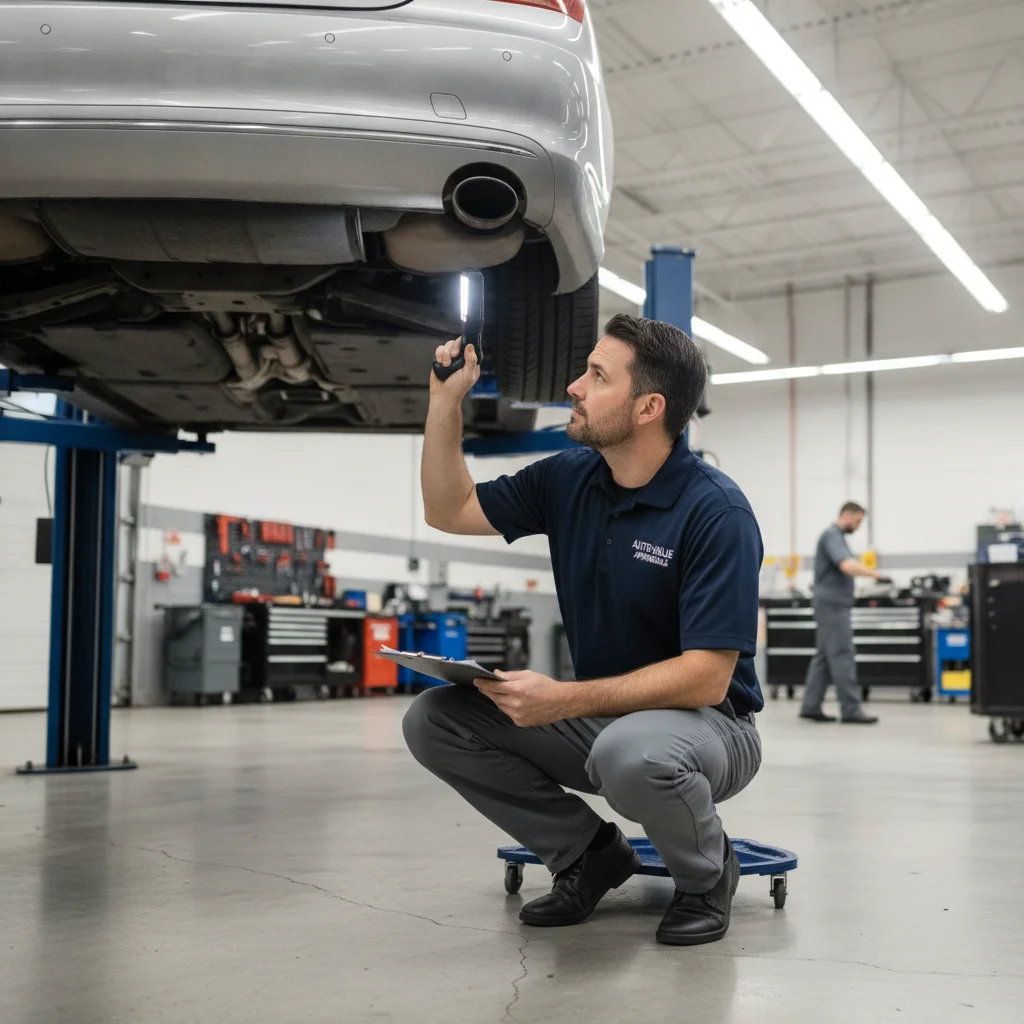
The trade-off is time and logistics. You need to get the vehicle to an appraisal location, which means a trip you have to schedule. For sellers with a single vehicle and no easy way to get home afterward, that logistical friction is real. CarMax's nationwide footprint mitigates this somewhat, but if you're in a rural area, the nearest location may be an hour away.
The upside is offer reliability. When you need to know exactly what you'll net — because you're coordinating a same-day purchase of a replacement vehicle, or you're paying off a loan and need a precise payoff figure — a firm inspection-based offer eliminates ambiguity. How much offers typically adjust post-inspection on conditionally sight-unseen platforms is well-documented: the average adjustment ranges from $300 to $1,500, with outliers running much higher on vehicles with undisclosed structural or mechanical issues.
Don't Confuse 'Instant Offer' With 'Firm Offer'
Platforms market their online quotes as instant offers, but the word 'firm' rarely appears in the terms. Before treating any online quote as money in the bank, locate the offer confirmation document and search for language like 'subject to inspection,' 'conditional on verification,' or 'based on self-reported condition.' If any of those phrases appear, your offer can and likely will be adjusted when the vehicle is physically reviewed.
Sight-Unseen Offers Can Expire Mid-Process
Most algorithmic offers are valid for 7 days, but market conditions move fast — especially in volatile used-car markets. If you let an offer lapse and resubmit, the new offer may be materially lower if wholesale values dropped in the interim. Once you commit to a sight-unseen platform, move quickly through the logistics steps rather than letting the offer sit unused.
The Hybrid Model: Drop-Off Centers and Mobile Appraisals
A growing middle ground has emerged that splits the difference between purely algorithmic and purely in-person: hybrid platforms. These generate an online offer first, then finalize it through a low-friction inspection — either at a partner location (often an AutoNation, Hertz Car Sales, or other affiliate), a standalone drop-off kiosk, or via a mobile appraiser who comes to you.
KBB Instant Cash Offer operates this way. You get a quote through Kelley Blue Book's interface, then redeem it at a participating dealer who does a brief physical verification. The offer can be adjusted at redemption, but the inspection is typically a fast visual check rather than a full mechanical appraisal. Shift (where it still operates) uses a similar model with a mobile appraiser.
The practical reality of hybrid platforms is that they compress the inspection-required model into something closer to the sight-unseen experience without fully committing to either. Offer reliability is better than pure algorithmic quotes but not as airtight as a full CarMax appraisal. Speed is better than scheduling a dedicated inspection appointment but not as fast as an at-home pickup.
| Carvana / Vroom | CarMax In-Person | KBB Instant Cash Offer | Peddle / Similar Aggregators | |
|---|---|---|---|---|
| Inspection required | No (conditional at pickup) | Yes — full appraisal | Partial — brief visual at dealer | Yes — at handoff |
| Offer firmness | Conditional on condition match | Firm after appraisal | Can adjust at redemption | Adjusted at in-person handoff |
| Time to offer | Minutes | Same day (with visit) | Minutes online | Minutes to hours |
| Time to payment | 1–3 business days | Same day or next day | Same day at dealer | 1–5 business days |
| Best vehicle fit | Clean, late-model, low-mileage | Any condition | Any condition | Older, high-mileage, damaged |
| Offer competitiveness | High for clean vehicles | Consistent, market-based | Moderate, dealer-dependent | Lower — built-in risk buffer |
| Logistics required | At-home pickup available | Drive to location required | Drive to dealer required | Varies by buyer |
For sellers who want to understand how buyers — whether platforms or private parties — evaluate vehicles remotely versus in person, our guide to inspecting a car you can't test drive explains exactly what they're looking for and how much they can actually determine without being physically present.
What the Inspection Catches That Algorithms Miss
Understanding what a physical appraisal actually reveals — versus what an algorithm can infer — clarifies why the two approaches produce different numbers. Algorithms work from declared inputs and statistical inference. They know what cars of your year, make, model, mileage, and trim typically sell for and what their typical condition profile looks like. They don't know the specifics of your car.
A trained appraiser, in contrast, will catch:
- Paint overspray and color mismatch — indicating undisclosed body work or repairs after an accident
- Panel gaps and alignment issues — signs of frame straightening or replacement panels post-collision
- Tire wear patterns — asymmetric wear signals suspension or alignment problems an algorithm can't see
- Undercarriage corrosion — surface rust versus structural rot changes vehicle value significantly; see our breakdown of surface corrosion vs. structural rot on used cars
- Odor indicators — smoke damage, flood exposure, or pet odor all reduce resale value and are undetectable remotely
- Active warning lights and live OBD-II codes — a seller can clear codes before submission; an inspector will plug in a scanner on site

Every item on that list represents a potential deduction from an algorithmic offer. A sight-unseen platform that doesn't adjust for these factors is either absorbing the risk themselves (and pricing it into a lower baseline offer) or they have contractual language that lets them walk away or adjust at delivery. Neither is necessarily bad, but sellers need to know which model applies.
Vehicles with clean CarFax reports, recent CPO reconditioning, or low mileage on late-model trim levels are genuinely well-suited for sight-unseen platforms because the condition variance is narrow. Older vehicles, high-mileage examples, anything with a prior accident notation, and cars that have lived in salt-belt states are better served by inspection-based channels where the appraiser can account for actual rather than statistically inferred condition.
Offer Amounts: Is Convenience Costing You Real Money?
The honest answer is: sometimes yes, sometimes no, and it depends on your vehicle. The narrative that sight-unseen platforms universally lowball sellers isn't accurate. For clean, late-model vehicles in high-demand segments, Carvana and similar platforms have been competitive with — and occasionally above — CarMax appraisals because their algorithmic pricing reflects strong retail demand in their inventory model.
Where the discount becomes real is on vehicles outside the algorithmic sweet spot. A 12-year-old pickup with 140,000 miles and visible wear presents too much condition uncertainty for an algorithm to price aggressively. The platform has to build in a margin for unknowns. A CarMax appraiser, by contrast, can put eyes and a scanner on the truck and make a specific decision rather than a probabilistic one — and that specificity can translate to a higher offer.
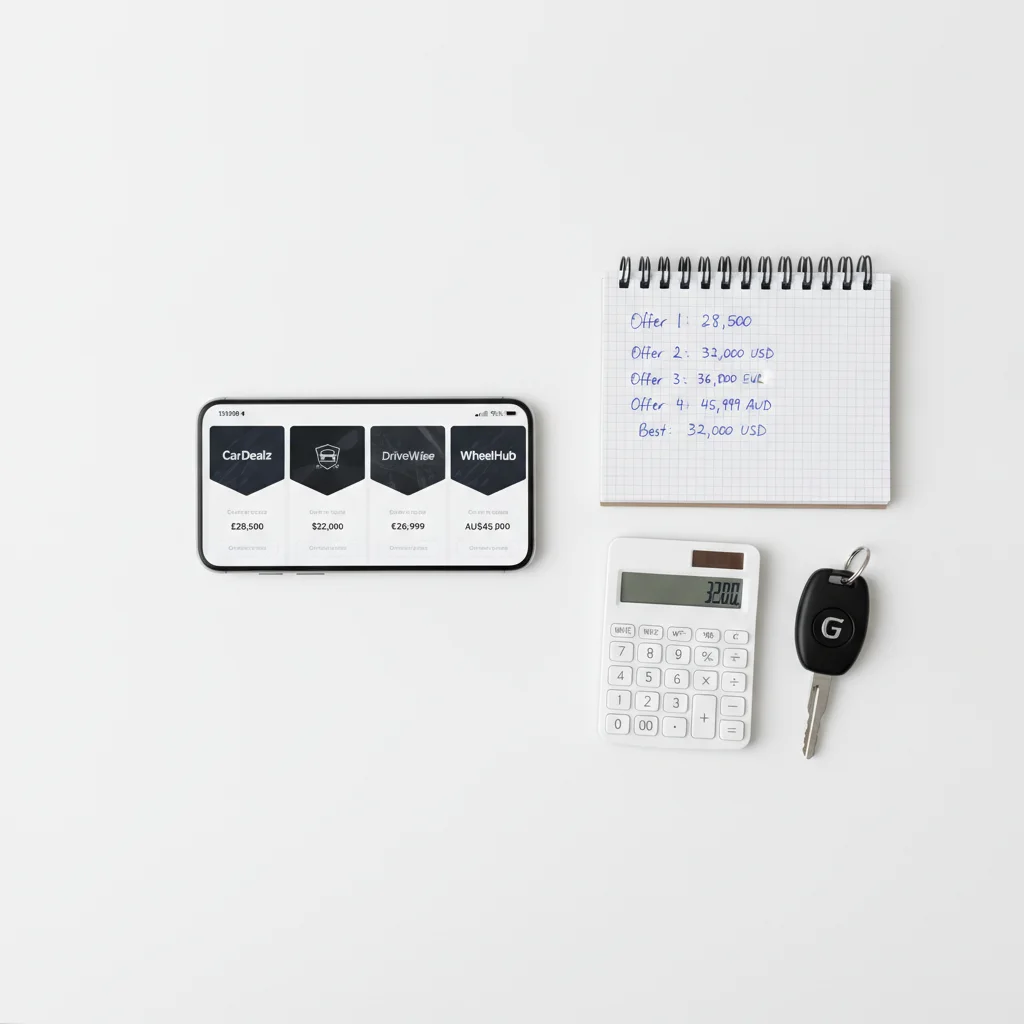
The practical approach most savvy sellers use: get quotes from two or three sight-unseen platforms as a baseline, then get one inspection-based offer from CarMax or a competing dealer. That comparison tells you exactly what convenience is costing you in dollar terms for your specific vehicle. If the spread is $200, the sight-unseen platform is probably the right move. If the spread is $1,800, the extra trip is worth it.
For sellers navigating both the trade-in and online selling channels simultaneously, the strategic playbook for buying a used car online while managing logistics remotely has useful parallels — understanding how remote transactions work from the buyer's side makes you a sharper seller in the same ecosystem.
One final variable: if you're selling a vehicle with an active loan, the payoff coordination process differs between platforms. Inspection-required platforms typically handle payoff directly after the appraisal is done. Sight-unseen platforms vary — some handle payoff seamlessly, others create a gap between the pickup date and the title transfer that can complicate your loan account. Verify the payoff process before committing to any platform if there's a lien on the title.
Making the Decision: A Framework for Sellers
Run through these questions before choosing a channel:
- How clean is your vehicle, honestly? If it would pass a used CPO lot inspection without reconditioning, sight-unseen platforms will likely quote you fairly. If there are known issues you'd have to disclose, an inspection-based offer is more reliable because it already accounts for them.
- How time-sensitive is the sale? If you need funds within 48 hours, a sight-unseen platform with at-home pickup is the only realistic option. If you have a week or more, inspection-based channels are worth the trip.
- What does your comparison shopping show? Never commit to a single platform. Get three quotes minimum. The delta between the highest and lowest offers will tell you more than any article can about what your specific vehicle is worth in the current market.
- Does the platform's fine print allow post-pickup adjustments? Read the offer confirmation email carefully. Language like "subject to vehicle verification" or "conditional on inspection" means you have a soft quote, not a firm one. Factor that uncertainty into your decision.
- Is there a lien on the title? If yes, verify the platform's payoff process before anything else. A sight-unseen pickup that leaves your loan account in limbo for two weeks is not the convenient experience the marketing promises.
The online car buying ecosystem has matured significantly — but sellers who treat algorithmic quotes as firm commitments still get caught off guard. The platforms that truly honor sight-unseen offers have earned that reputation through consistent execution. The ones that haven't are identifiable through seller reviews and better business bureau complaint records. Do that homework before you hand over the keys.

All claims are backed by peer-reviewed research. Sources on request.