Key Takeaways
Why Buying Used Online Is Different — and Riskier
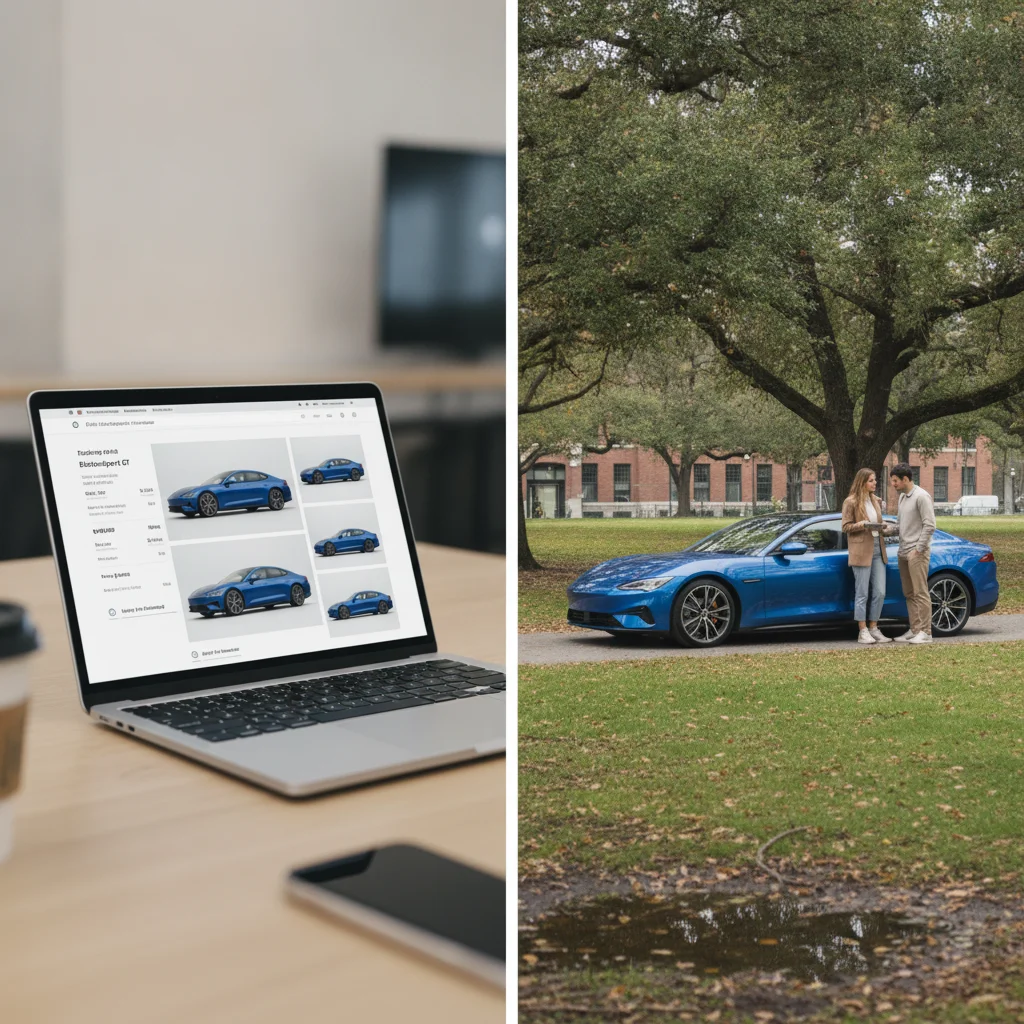
The pitch for buying a used car online is real: you get access to inventory that doesn't exist within a 50-mile radius, you can comparison-shop dozens of vehicles simultaneously, and in some cases you can close the entire deal without leaving your home. Platforms like Carvana, CarMax, Cars.com, Facebook Marketplace, and AutoTrader have made remote used car transactions genuinely viable.
But used cars carry risks that new cars don't. Every vehicle has a unique history — accidents, flood damage, odometer rollback, deferred maintenance, title problems. When you buy locally, you at least get to sit in the car, look it over, and drive it before committing. Online, you're making a major financial decision based on photos, a description, and a vehicle history report. That gap has to be filled with deliberate process, not optimism.
The good news: buyers who follow a structured approach — verifying listings, ordering inspections, negotiating remotely, and handling title and shipping correctly — routinely complete solid remote purchases. The ones who get burned skip steps. This guide covers those steps in sequence.
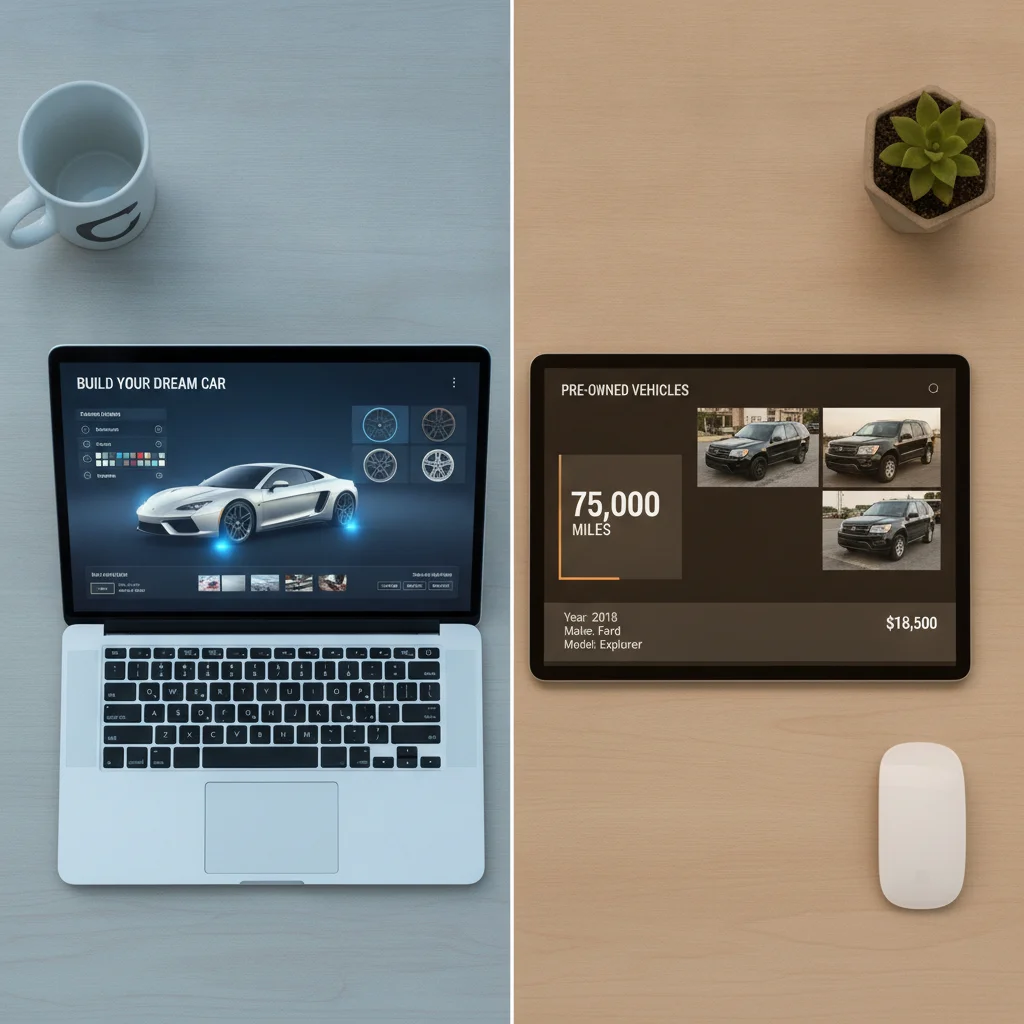
For a broader overview of how the full online process works from search to signed title, see the complete online car buying walkthrough. And if you want to understand how the used car online experience differs fundamentally from buying a new car online, this comparison breaks it down clearly.
What You Need Before You Start
Before you browse a single listing, get the basics in order. Showing up to a remote transaction unprepared wastes time and puts you at a disadvantage when you're ready to move fast on a good vehicle.
What you will need
Vehicle History Report Service (Carfax or AutoCheck)
Reveals accident history, title status, odometer readings, and number of previous owners for any listed vehicle.
Third-Party Pre-Purchase Inspection Service
Sends a certified mechanic to physically inspect the vehicle on your behalf before you commit to purchase.
Escrow.com or Verified Escrow Service
Holds payment securely until both buyer and seller fulfill agreed-upon conditions, reducing fraud risk on private party deals.
NMVTIS Title Check
Provides federally mandated title history including salvage, junk, and insurance total-loss designations not always captured by commercial history reports.
Licensed Auto Transport Broker (e.g., Montway, Sherpa, uShip)
Arranges insured vehicle shipping from seller location to your address on private party or marketplace purchases.
Digital Bill of Sale Template
Documents agreed purchase price, VIN, odometer reading, and as-is condition for private party transactions where no dealer paperwork is provided.
Step-by-Step: From First Listing to Keys in Hand
Follow these steps in order. Skipping ahead — especially paying before inspection — is where buyers consistently lose money on remote used car purchases.
Narrow Your Search to Verified Listings
Start on platforms with seller verification and listing standards — Carvana, CarMax Online, and certified dealer listings on AutoTrader or Cars.com are lower-risk starting points than raw Craigslist or Facebook Marketplace posts. That doesn't mean private-party marketplace listings are off-limits; it means you apply more scrutiny to them.
For any listing that makes your shortlist, confirm: the VIN is present and not redacted, the photos are clearly of the actual vehicle (check for consistent backgrounds and lighting), the mileage matches the vehicle's age and use case, and the asking price is in range with comparable listings. Use a structured listing comparison method to avoid drowning in options.
Run the VIN Through a History Report and Title Check
Pull a Carfax or AutoCheck report on every vehicle you're seriously considering — not just the ones that seem suspicious. Run it alongside an NMVTIS title check, which captures salvage and total-loss data that commercial reports sometimes miss. Cost is typically under $50 total for both.
Look specifically for: accident severity and airbag deployment events, total-loss or salvage designations, title state matches (seller's state should match), odometer rollbacks (mileage should never decrease between reported events), and flood damage flags. One or two minor accidents aren't necessarily deal-breakers, but they require explanation and should influence your offer price.
Contact the Seller and Ask Direct Questions
Before scheduling an inspection or making an offer, talk to the seller — ideally by phone. You're listening for hesitation, vague answers, or inconsistencies. Ask directly: Why are you selling? How long have you owned it? Has it been in any accidents not on the Carfax? Are there any mechanical issues you're aware of? Does the title have your name on it and is it lien-free?
Request: additional photos of specific areas (undercarriage, door jambs, engine bay, trunk floor), a cold-start video (first start of the day reveals a lot about engine health), and a copy of any maintenance records they have. Sellers who've maintained their cars usually have records — receipts, dealer service printouts, or at minimum a memory of where they serviced it.
Order a Third-Party Pre-Purchase Inspection
This is the most important step in any remote used car purchase. A qualified mechanic physically inspects the vehicle — checking mechanical systems, body condition, frame integrity, fluid levels, tire wear, brake life, and any active warning codes — and gives you a written report, often with photos.
Services like YourMechanic and Lemon Squad send mobile mechanics to the seller's location. Alternatively, you can ask the seller to take the car to a shop of your choosing near them. Budget $100–$200 for this. If a seller refuses to allow an inspection, walk away — that's your answer about what they're hiding. See how to arrange a pre-purchase inspection on a remote vehicle for a step-by-step on setting this up.
Negotiate Based on Inspection Results and Market Data
Use the inspection report to negotiate, not just to decide whether to buy. If the inspector finds $600 in deferred maintenance or a cracked serpentine belt, that's a concrete basis for a price reduction — not just a general ask for a discount. Pull comparable sold listings (not asking prices) from platforms like CarGurus or Bring a Trailer to anchor your offer to market reality.
On private party deals, everything is negotiable. On platform sales (Carvana, etc.), the listed price is usually firm but fees, shipping, and warranty additions are sometimes flexible. Don't anchor too high in your initial offer — come in at a number you'd actually accept and leave room for one counter.
Secure Payment and Confirm Title Status Before Sending Money
For private party deals, do not wire money directly to a stranger. Use an escrow service (Escrow.com is the most widely recognized) or, if the amounts work, a cashier's check exchanged at a credit union branch or through a notarized bill of sale process. For platform and dealer transactions, standard credit card or ACH payment through the platform is generally safe — these companies have fraud liability they're accountable for.
Before paying anything substantial, confirm in writing: the seller's full legal name matches the title, the title is in their possession (not held by a lender), the VIN on the title matches the listing VIN, and there are no outstanding liens. Ask them to photograph the title front and back and send it to you. If there's a lien, the payoff process must be agreed upon explicitly before any money changes hands.
Arrange Shipping and Prepare for Delivery
If the seller or platform isn't handling shipping, book a licensed auto transport carrier. Get at least two quotes, confirm the carrier's FMCSA license number at safer.fmcsa.dot.gov, and get a written contract specifying pickup window, delivery estimate, insurance coverage amount, and liability terms for transit damage.
Before the car ships, document its pre-shipping condition. Ask the seller (or the pre-purchase inspector) to photograph any existing scratches, dents, or damage — this is your baseline for comparing against the car's condition at delivery. When the carrier arrives at your door, inspect the vehicle against those photos before signing the Bill of Lading.
Complete Title Transfer and Register the Vehicle
Once the car is in your possession and accepted, complete the title transfer through your state DMV. For private party purchases, the seller's signed title plus your bill of sale are the core documents. Your DMV will tell you what else is required (emissions test, VIN verification, odometer disclosure form). For dealer or platform purchases, the dealer typically files the title paperwork and mails you a temp tag — follow up to confirm it's submitted within 30 days of purchase.
Pay the applicable use tax (assessed on the purchase price in most states) and registration fees at the DMV. Budget $200–$600 depending on your state and the vehicle's value. Update your auto insurance policy to include the new vehicle before you drive it — your existing policy may cover you for a short grace period, but don't count on it.
Never Skip the Pre-Purchase Inspection
The single most common mistake buyers make on remote used car purchases is skipping or shortcutting the physical inspection. A vehicle history report tells you what was reported — it doesn't tell you the current mechanical condition, whether previous repairs were done properly, or whether there's active frame rust. The $100–$200 inspection cost is the cheapest insurance you can buy in this transaction.
Beware of Fake Escrow Services
Scammers frequently direct buyers to fake escrow websites that look legitimate but disappear after receiving payment. Only use escrow services you navigate to directly — never click a link provided by the seller. Escrow.com is the most established option; verify the exact domain before entering any payment information.
Use Platform Reviews to Vet Private Sellers
On Facebook Marketplace, check how long the seller's profile has been active and whether they have prior transaction reviews. On eBay Motors, seller feedback is publicly visible and highly informative. A seller with no history, a recently created profile, and no reviews deserves significantly more scrutiny than one with a verifiable track record.
Confirm Carrier Insurance Before Booking
Licensed auto transport carriers are required to carry cargo insurance, but coverage limits vary. Ask specifically for the carrier's certificate of insurance and confirm the per-vehicle limit covers your vehicle's value. If it doesn't, ask whether you can purchase supplemental coverage through the broker.
Document Every Communication in Writing
For private party remote sales, conduct all meaningful negotiations and agreements over email or text — not phone calls alone. If a dispute arises later over what was agreed, written records are the only evidence that counts. This applies to agreed price, condition representations, shipping arrangements, and title status.
Shipping Logistics: What Actually Happens After You Buy
Once the deal is done, the car still has to get to you. Most remote used car purchases use open or enclosed auto transport carriers, not personal delivery. Here's how to handle it without getting caught off guard.
Open vs. Enclosed Transport
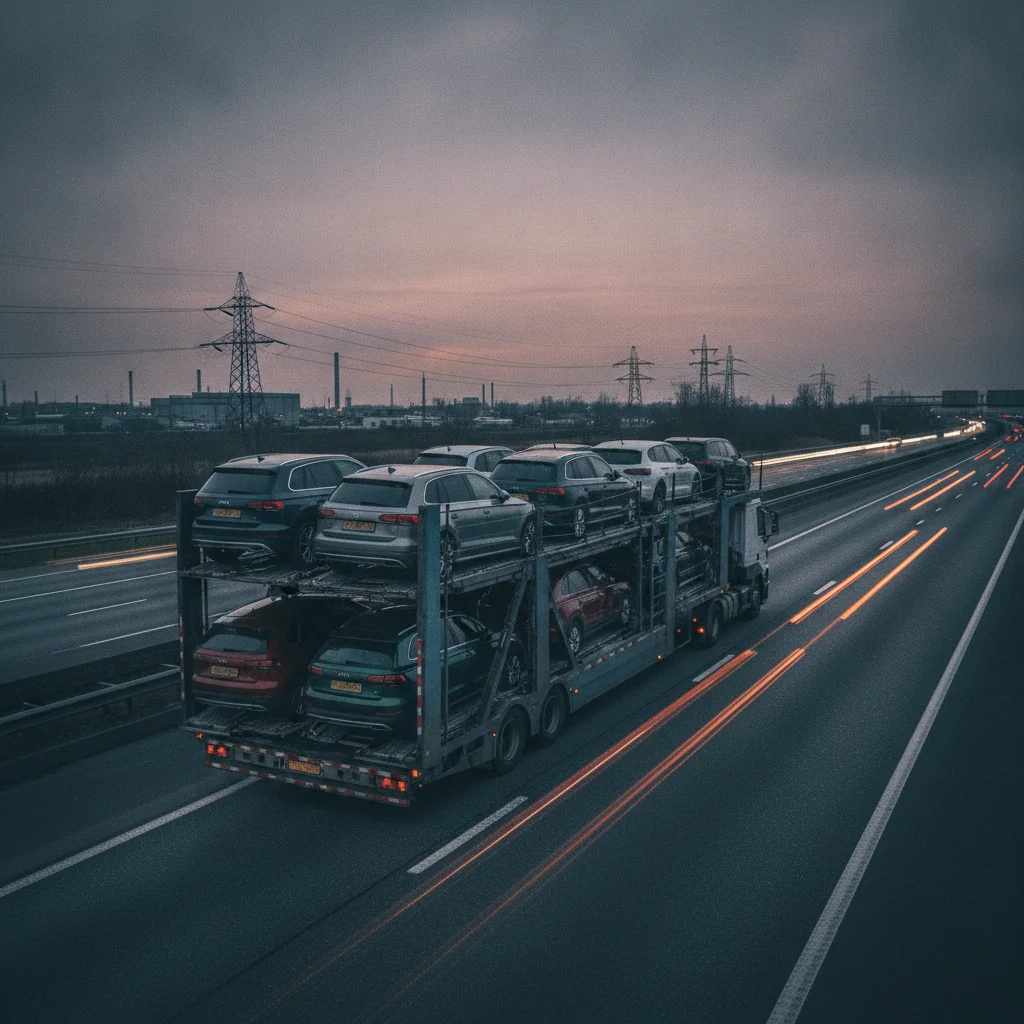
Open transport is the standard — cars are loaded on multi-vehicle trailers exposed to weather. It costs roughly $500–$1,200 for cross-country shipping and is perfectly fine for most used vehicles. Enclosed transport protects the car from elements and road debris; expect to pay $1,000–$2,000+. Unless you're buying a classic, high-end, or low-clearance vehicle, open is the practical choice.
Who Arranges Shipping?
On dealer and platform sales (Carvana, CarMax, Vroom, etc.), shipping is typically handled for you — sometimes included in the price, sometimes added as a fee. On private party sales and marketplace listings, you'll need to book a carrier yourself. Use licensed, insured brokers like Montway, uShip, or Sherpa Auto Transport. Get at least two quotes and confirm the carrier's FMCSA license before paying a deposit.
Document Everything at Delivery
When the carrier arrives, do a full walkaround before signing the Bill of Lading. Check for new scratches, dents, or damage against the photos you have from before shipping. If you see damage, note it specifically on the Bill of Lading before the driver leaves — that's your only leverage for a carrier insurance claim. Don't sign a clean receipt and then try to file a claim later. It won't work.
Shipping Timelines
Plan for 5–14 days for cross-country transport under normal conditions. Seasonal demand (especially winter in northern states) and rural delivery locations can push that longer. Don't cancel your current car insurance or tell your lender the car is already in your possession until it physically arrives and you've accepted delivery.
Confirm Title Is Lien-Free Before Any Payment
If the seller has an outstanding auto loan, their lender holds the title — not the seller. Paying a private party who still owes money on a vehicle without a structured payoff plan can leave you in legal limbo: you've paid for a car but have no title and no legal ownership. Always request a lien check through NMVTIS or your state DMV and ask the seller to provide a current loan payoff statement before finalizing any payment arrangement.
Title Transfer and Registration: The Part Most Buyers Underestimate
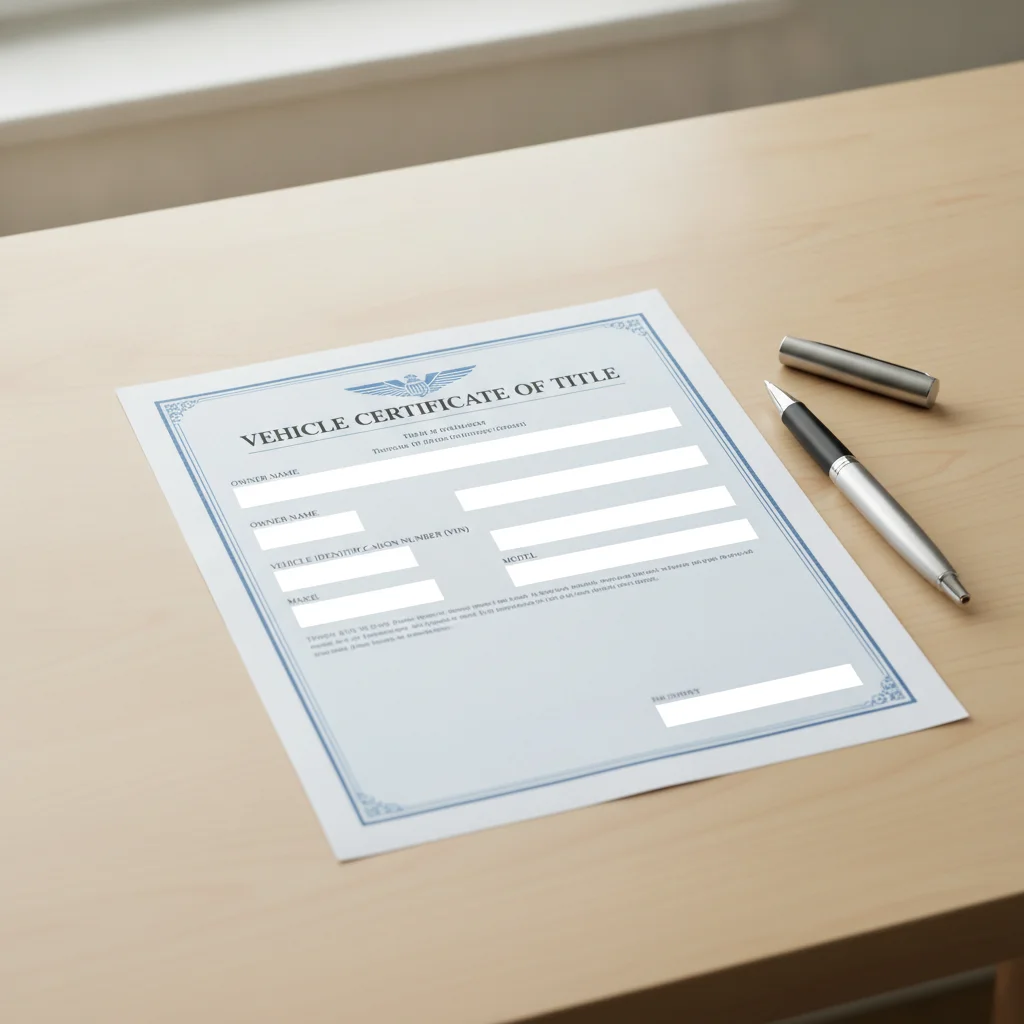
The title is the legal document that proves ownership. In a remote transaction, it doesn't transfer the moment you pay — it transfers when both parties complete their state's required process. Screw this up and you could be driving an unregistered vehicle or, worse, one you don't legally own yet.
How Title Transfer Works Remotely
For private party sales, the seller signs the back of the title and mails it to you (ideally certified mail with tracking). You then take the signed title to your local DMV or motor vehicle office to register the car in your name. In most states you have 10–30 days from purchase to complete this before penalties accrue — check your state's specific window.
For dealer and platform sales, the dealer typically handles the title work and mails you a temporary operating permit while the title processes. Timelines vary: some states process titles in 2–3 weeks; others take 6–8 weeks. Ask the dealer for a title ETA in writing and follow up if it's not in hand within 60 days.
Out-of-State Title Quirks
If the seller is in a different state, the title must first be released by any existing lienholder. If the seller has a loan on the car, the lienholder has to send the title to you (or your lender) directly — the seller can't hand it to you. Verify whether there's a lien before you pay by running a title check or asking the seller to show a payoff statement. Never pay in full for a car with an unresolved lien without a clear written payoff plan and a solid escrow arrangement.
What If the Title Is Lost or Has Problems?
A lost title is resolvable — the seller applies for a duplicate from their state DMV. It delays the transaction 2–4 weeks. Salvage titles, rebuilt titles, or odometer discrepancies are different categories of problem. A salvage or rebuilt title materially affects value and insurability; get that disclosed upfront and price it accordingly. An odometer discrepancy is a federal crime if intentional — walk away from any listing where the mileage on the title doesn't match the listing and the seller can't explain it cleanly.
Common Scams and How to Spot Them Fast
Remote car buying has its own fraud playbook. The scams below account for the vast majority of losses buyers report on online used car transactions.
The Too-Good-to-Be-True Listing
A late-model, low-mileage vehicle priced 20–30% below market with vague seller details and stock-looking photos is a red flag. Scammers pull real listings from legitimate sites and repost them with different contact info. Rule: if the price seems implausible for the year, make, model, and mileage, treat it as implausible.
The Shipping Escrow Scam
Seller claims the car is overseas or with a military unit and offers to ship it to you for a "test period" through a fake escrow service. You pay escrow, the car never arrives, and the escrow site disappears. Legitimate sellers do not ship cars overseas for test drives. If a seller mentions escrow, use only well-known third-party services like Escrow.com — and verify the URL character by character.
The Fake Title or VIN Switch
A stolen or salvaged vehicle gets paired with a clean title from a different car with the same make and model. Run the VIN from the listing through NMVTIS or a paid history service, and confirm the VIN on the physical car (dashboard plate and door jamb) matches the title exactly before or at delivery. A pre-purchase inspector should check this as part of their process.
Pressure to Skip Inspection
Any seller — private party or dealer — who resists or refuses a third-party inspection should be treated as hiding something. Legitimate sellers understand the request. "I have other interested buyers and can't wait" is a negotiating tactic, not a reason to bypass due diligence on a $15,000 purchase.
Use Platform Reviews to Vet Private Sellers
On Facebook Marketplace, check how long the seller's profile has been active and whether they have prior transaction reviews. On eBay Motors, seller feedback is publicly visible and highly informative. A seller with no history, a recently created profile, and no reviews deserves significantly more scrutiny than one with a verifiable track record.
Confirm Carrier Insurance Before Booking
Licensed auto transport carriers are required to carry cargo insurance, but coverage limits vary. Ask specifically for the carrier's certificate of insurance and confirm the per-vehicle limit covers your vehicle's value. If it doesn't, ask whether you can purchase supplemental coverage through the broker.
Document Every Communication in Writing
For private party remote sales, conduct all meaningful negotiations and agreements over email or text — not phone calls alone. If a dispute arises later over what was agreed, written records are the only evidence that counts. This applies to agreed price, condition representations, shipping arrangements, and title status.
For a structured look at how to evaluate a car you physically cannot see in person, this remote inspection guide covers the key evaluation strategies.
Putting It All Together
Buying a used car remotely isn't inherently riskier than buying locally — it just requires you to be more deliberate about steps that happen automatically when you're standing in a parking lot. You don't get to look the seller in the eye, poke at the bodywork, or hear the engine cold-start. What you do get is a wider selection, the ability to comparison-shop without dealership pressure, and — if you follow the process — transactions that hold up just as well as any local deal.
The non-negotiables: verify the listing and seller, pull the history report, order a third-party inspection, confirm the title is clean and lien-free before paying, document shipping condition at delivery, and transfer the title inside your state's legal window. Cut corners on any of those and you're absorbing risk that isn't necessary.
For help navigating the volume of listings across platforms without getting overwhelmed, this practical system for comparing online car listings is worth reading before you start your search. And if you're still deciding which platform to use, the online car buying hub has side-by-side breakdowns of the major options.

All claims are backed by peer-reviewed research. Sources on request.