Key Takeaways
Option A
Carvana
The fully digital, no-appointment instant offer.
Best for: Sellers who want a fully online experience with home pickup and a fast, binding quote.
Option B
CarMax
The established in-person buyer with nationwide reach.
Best for: Sellers who want an in-person appraisal, same-day check, and the backing of the country's largest used-car retailer.
If you want the absolute fastest cash in hand
CarMax
CarMax writes a check the same day at their lot. Carvana's pickup-to-payment timeline adds 1–3 business days, which matters when you need liquidity now.
If you have a late-model, low-mileage vehicle in excellent condition
Carvana
Carvana's algorithm tends to price clean, recent-model vehicles more aggressively because they fit directly into their retail inventory sweet spot.
If you're selling a high-mileage or older vehicle
CarMax
CarMax's physical appraisal team applies more consistent wholesale pricing for older stock and is less likely to lowball on cosmetic condition than Carvana's automated system.
If you live far from a CarMax location
Carvana
Carvana operates in most U.S. markets with free vehicle pickup, making it the practical default if the nearest CarMax is more than 30 miles away.
If you want maximum negotiating leverage on a dealer trade-in
CarMax
CarMax's written offer carries more weight at franchise dealerships as a counter during trade-in negotiation, because dealers know CarMax is a real, verifiable competing buyer.
How Each Platform Generates Your Offer
Before you obsess over which number is bigger, you need to understand how each company arrives at that number — because the methodology explains the differences you'll see on your screen.
Carvana uses a fully automated pricing algorithm. You enter your VIN, mileage, zip code, and answer a standardized condition questionnaire. The system pulls real-time auction data, regional retail demand, and comparable listings to spit out an offer in about two minutes. No human has looked at your car. That's both the speed advantage and the liability — the offer is conditional on the car matching what you described.
CarMax starts with an online estimate (also algorithm-driven) but converts that into a firm offer only after a physical appraisal at one of their locations. Their appraisers drive the car, run a full inspection, and finalize a number that is guaranteed for 7 days. This adds a step, but it removes the risk of a late adjustment at pickup.
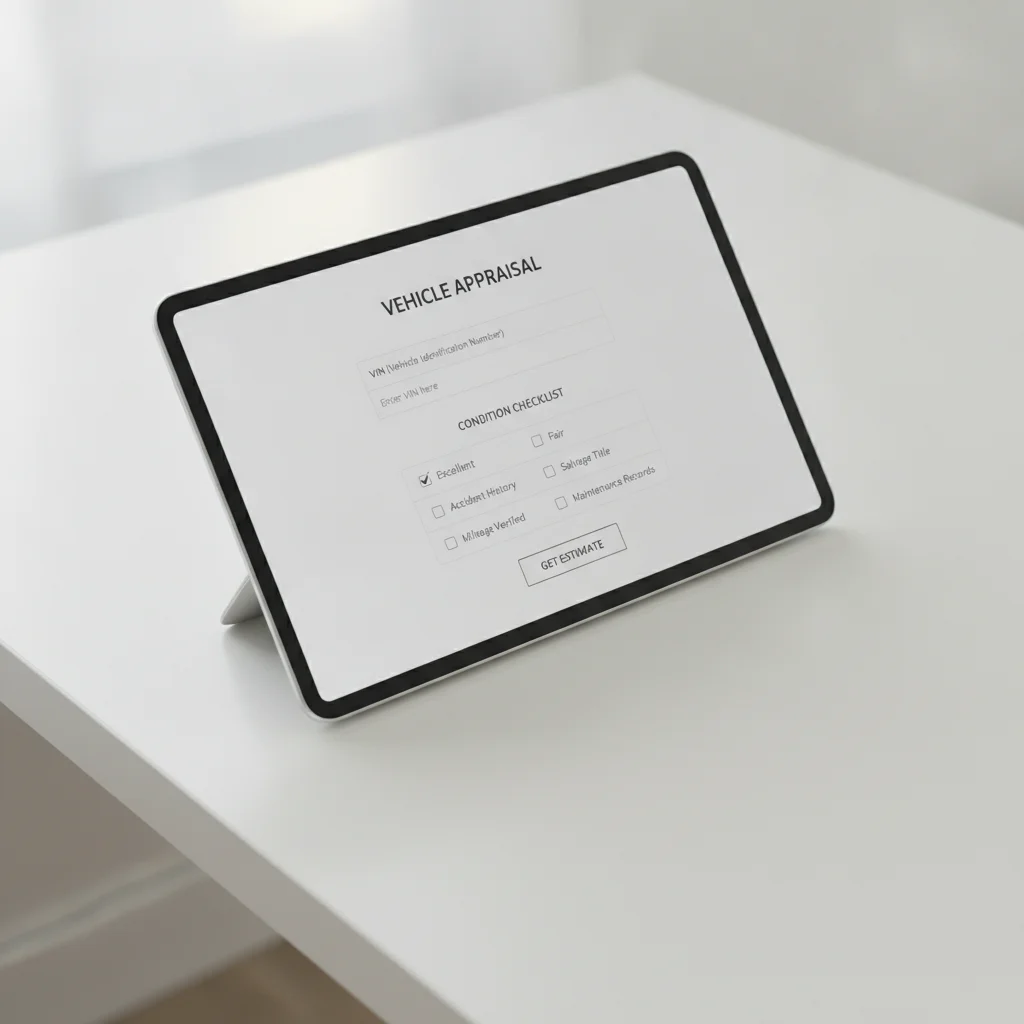
The practical implication: if your car has undisclosed issues — a transmission shudder, frame damage in the Carfax, paint overspray — Carvana will catch it at pickup and either revise the offer or decline the purchase outright. CarMax catches it during the appraisal, so you know exactly where you stand before you commit to anything. For sellers with clean, straightforward vehicles, the difference matters less. For anyone with a complicated history report, CarMax's in-person model is the safer process.
For a deeper look at how these pricing engines work across multiple platforms, see what each platform actually pays.
The Offer Gap: Which One Actually Pays More?
This is the question everyone wants answered cleanly, and the honest answer is: it depends on the car. There's no universal winner on price.
| Criterion | Carvana | CarMax |
|---|---|---|
| Offer method | Fully automated algorithm | Algorithm estimate + in-person appraisal |
| Offer validity | 7 days | 7 days (firm after appraisal) |
| In-person visit required | No — home pickup | Yes — must visit a location |
| Payment method | ACH bank transfer | Check issued same day |
| Time to cash | 3–6 business days | Same day |
| Best vehicle type | Late-model, low-mileage cars | Older, high-mileage, or imperfect vehicles |
| Offer revision risk | At pickup if car differs from description | At appraisal vs. online estimate |
| Lien/loan handling | Seller provides payoff quote | CarMax coordinates with lender |
| Geographic coverage | Most U.S. markets | 240+ physical locations |
| Selling fee | None | None |
Here's what the data and real-world comparisons consistently show:
- Late-model vehicles (3 years old or newer, under 40,000 miles): Carvana tends to offer more. Their retail model is built around exactly this inventory, so they price it aggressively to acquire it. A 2022 Honda CR-V with 28,000 miles is Carvana's bread and butter.
- High-mileage vehicles (over 80,000 miles) or vehicles older than 7 years: CarMax often wins here. Their wholesale pipeline absorbs these vehicles more efficiently, and their appraisers apply consistent book-value logic rather than a retail-demand algorithm that discounts older stock heavily.
- Vehicles with minor cosmetic issues: CarMax appraisers see the car in person and can make a judgment call. Carvana's automated system, followed by a visual pickup inspection, tends to apply blanket deductions for anything flagged.
- Trucks and domestic SUVs in high-demand regions: Both platforms compete aggressively. Run both quotes — the spread can be $1,000 or more.
$1,000+
Typical spread between competing instant offers
Independent seller comparisons consistently show a $500–$2,000 gap between Carvana and CarMax quotes on the same vehicle, depending on type and condition.
7 days
Offer validity window at both platforms
Both Carvana and CarMax hold their offers for 7 days, giving sellers enough time to comparison-shop without rushing.
240+
CarMax physical locations nationwide
CarMax operates over 240 stores across the U.S., though coverage is uneven — rural and western markets have significantly fewer locations.
1–3 days
Carvana ACH payment window post-pickup
Carvana's payment arrives via ACH transfer within 1–3 business days after vehicle pickup, not at the time of handoff.
The most important thing you can do is get both quotes before accepting either one. It takes less than 20 minutes combined, costs nothing, and gives you real leverage. As I explain further in the context of dealer negotiations, that CarMax or Carvana number in your hand is worth real money at the trade-in desk. See how dealer trade-ins compare to Carvana's real numbers.
Speed and Process: From Quote to Cash
Speed means different things at each platform. Let's break down the actual timeline, not the marketing language.
Carvana's Timeline
- Online quote: 2–5 minutes. Offer valid 7 days.
- Schedule pickup: Usually available within 1–2 business days in most markets.
- Pickup inspection: Driver does a visual check at your home. If the car matches your description, the offer stands and you sign digitally.
- Payment: ACH transfer within 1–3 business days after pickup. No check, no cash — bank transfer only.
Total elapsed time from quote to cash: 3–6 business days in most cases.
CarMax's Timeline
- Online estimate: 2–5 minutes. This is an estimate, not a guaranteed offer.
- In-person appraisal: Schedule at a location. Walk-in appraisals typically take 30–45 minutes.
- Firm offer: Issued on-site, valid 7 days.
- Payment: Check issued same day if you accept. You leave with a check in hand.
Total elapsed time from quote to cash: Same day if you go to the lot and accept.
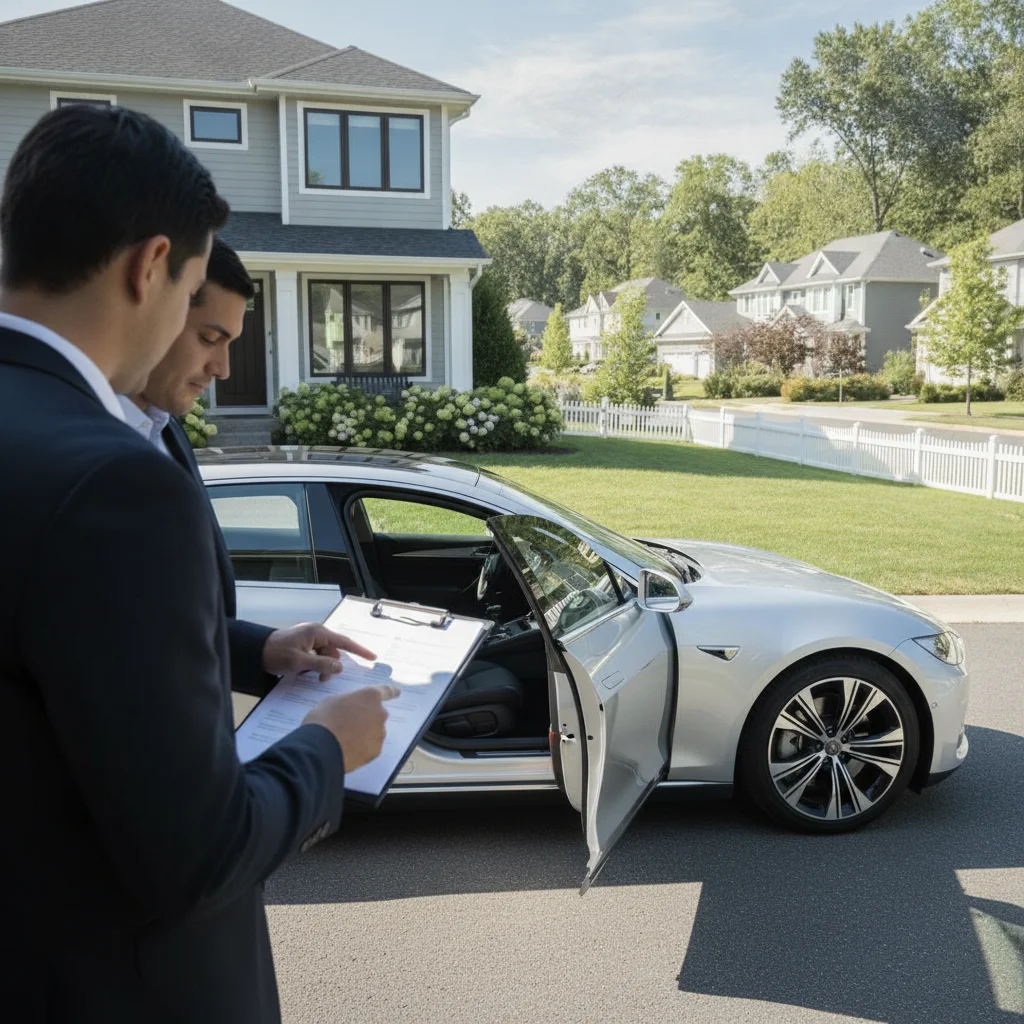
The speed winner is CarMax — unambiguously — if you're measuring time to cash. But Carvana wins on effort: no driving to a lot, no waiting room, no in-person pressure to buy a car while you're there. For sellers who aren't replacing the vehicle immediately and don't need cash urgently, Carvana's convenience has real value.
What Happens If You Have a Loan on the Car?
If you owe more than the car is worth, neither Carvana nor CarMax will absorb that negative equity. You'll need to bring a cashier's check for the difference at the time of sale. Carvana requires you to supply the 10-day payoff amount directly from your lender; CarMax contacts the lender themselves but will still require you to cover any shortfall. Build this into your math before you request any quotes — negative equity is one of the most common surprises in what sellers expect to be a simple transaction.
The Fine Print You Need to Read Before You Commit
Both platforms present a clean, frictionless image. The complications live in the details.
Carvana's Conditional Offer Risk
Carvana's offer is based entirely on what you self-report. At pickup, the driver runs a visual inspection and checks the VIN against the title and Carfax. If discrepancies surface — undisclosed accident damage, a salvage title that wasn't flagged, mileage that appears inconsistent — Carvana will revise the offer downward or cancel the transaction entirely. You're then left without a sale and may have already started making plans.
Mitigation: Pull your own Carfax or AutoCheck before requesting a quote. Know what's in the report before Carvana does. Disclose accurately in the condition questionnaire — rounding up on condition often costs you more at adjustment than just being straight upfront.
CarMax's In-Person Adjustment Risk
CarMax's online estimate is explicitly labeled as an estimate. The firm offer comes after the physical appraisal, which means you can drive 30 minutes to a lot and walk out with a number lower than the online estimate. It doesn't happen every time, but it happens enough to be a known friction point — particularly for vehicles with deferred maintenance that's visible under the hood.
Mitigation: Treat the online estimate as a floor sanity check, not a commitment. If your car has obvious mechanical issues, factor in a likely downward adjustment before you make the trip.
Title and Lien Requirements
Both platforms require a clear title. If you have a loan on the vehicle, both can handle a payoff — but the logistics differ. CarMax will call your lender and handle the payoff coordination in-house. Carvana requires that you provide the 10-day payoff amount from your lender, and if the car is worth less than what you owe, you'll need to bring a check to cover the negative equity difference. Neither platform rolls negative equity forward — you pay it at the time of sale.
If you're not sure how instant offer services handle title and equity, what instant cash offer services are really offering you breaks down the structural limitations clearly.
When Neither Platform Is the Right Answer
Convenience costs money. That's the fundamental trade-off with both Carvana and CarMax, and it's worth naming directly.
If your vehicle is in high demand and you're willing to invest 1–3 weeks in the process, a private sale will almost always net you more. The gap varies by vehicle, but it's not unusual to see $1,500–$4,000 more from a private buyer than from either platform, particularly on trucks, SUVs, and anything in the $15,000–$30,000 range where retail demand is strong.
Selling privately vs. using an online car-buying service gives a full breakdown of where that dollar gap actually comes from and when convenience is legitimately worth the cost.
There are also situations where a dealer trade-in — structured correctly — beats both Carvana and CarMax when you factor in sales tax savings. In states that calculate sales tax on the net purchase price after trade-in, the effective value of a trade-in offer is higher than its face value. A CarMax check doesn't come with that tax benefit. This is a variable that a surprising number of sellers overlook entirely.
The practical framework I recommend: Get a Carvana quote online. Get a CarMax appraisal in person. Then take the higher of those two numbers to the dealership where you're buying your next car and put it on the table as your trade-in counter. You've now done more negotiating work in a single afternoon than most buyers do in the entire process — and you have real data to back every position you take.
For sellers considering another all-digital alternative, how Carvana compares to Vroom is worth reviewing before you commit to any single platform.

All claims are backed by peer-reviewed research. Sources on request.