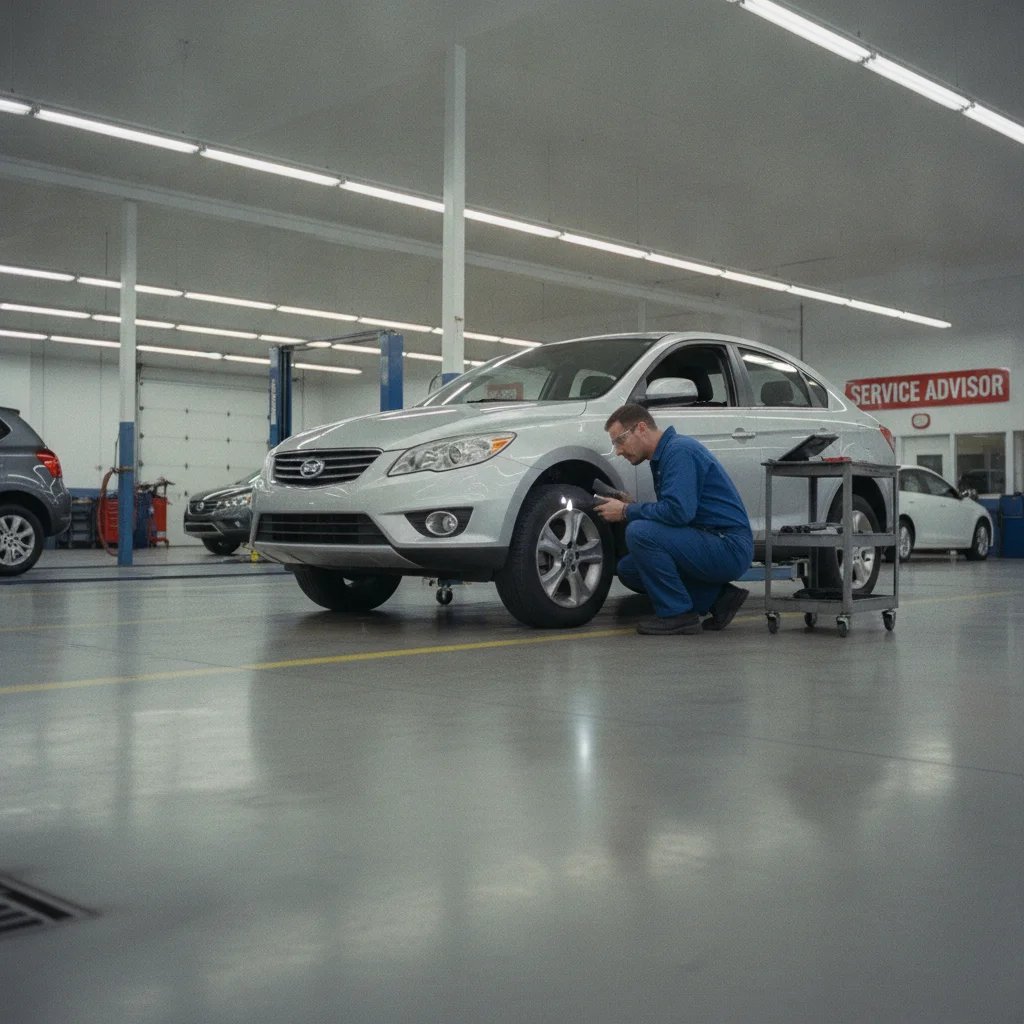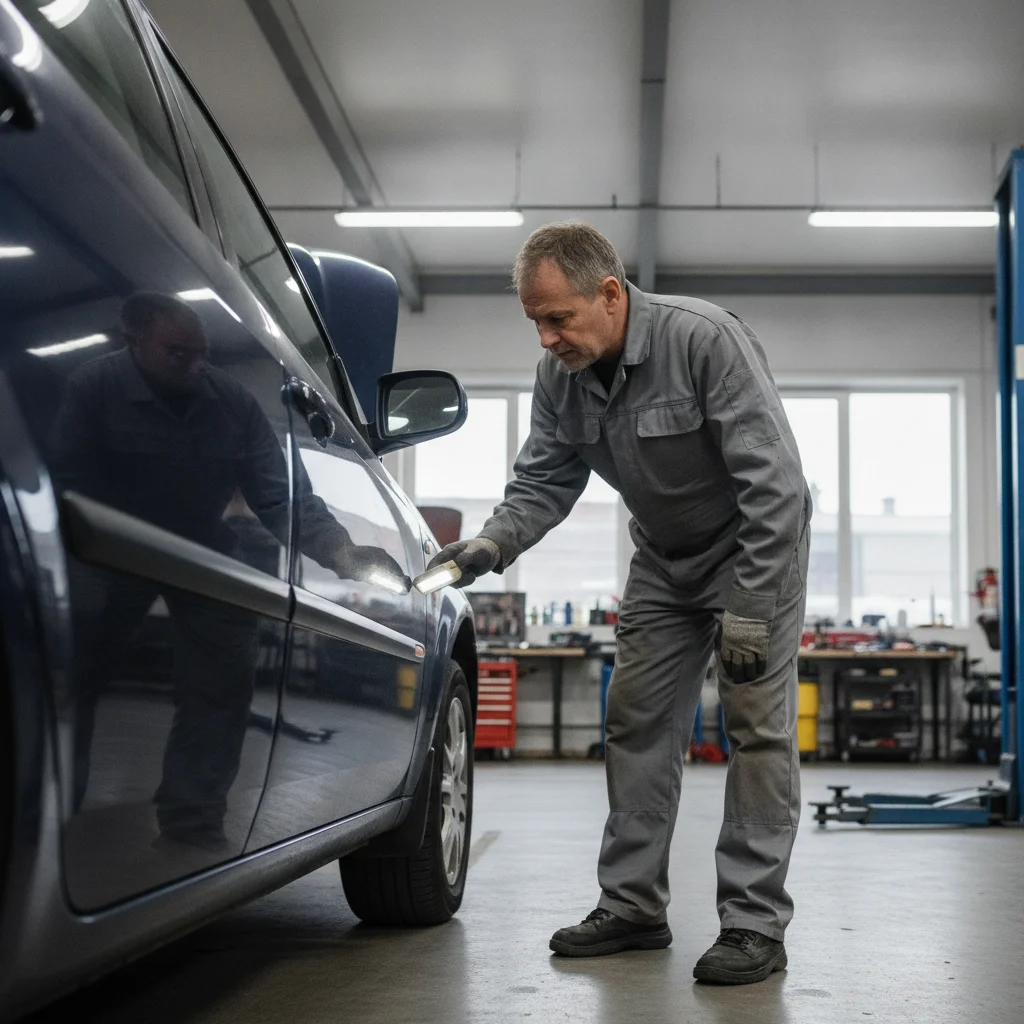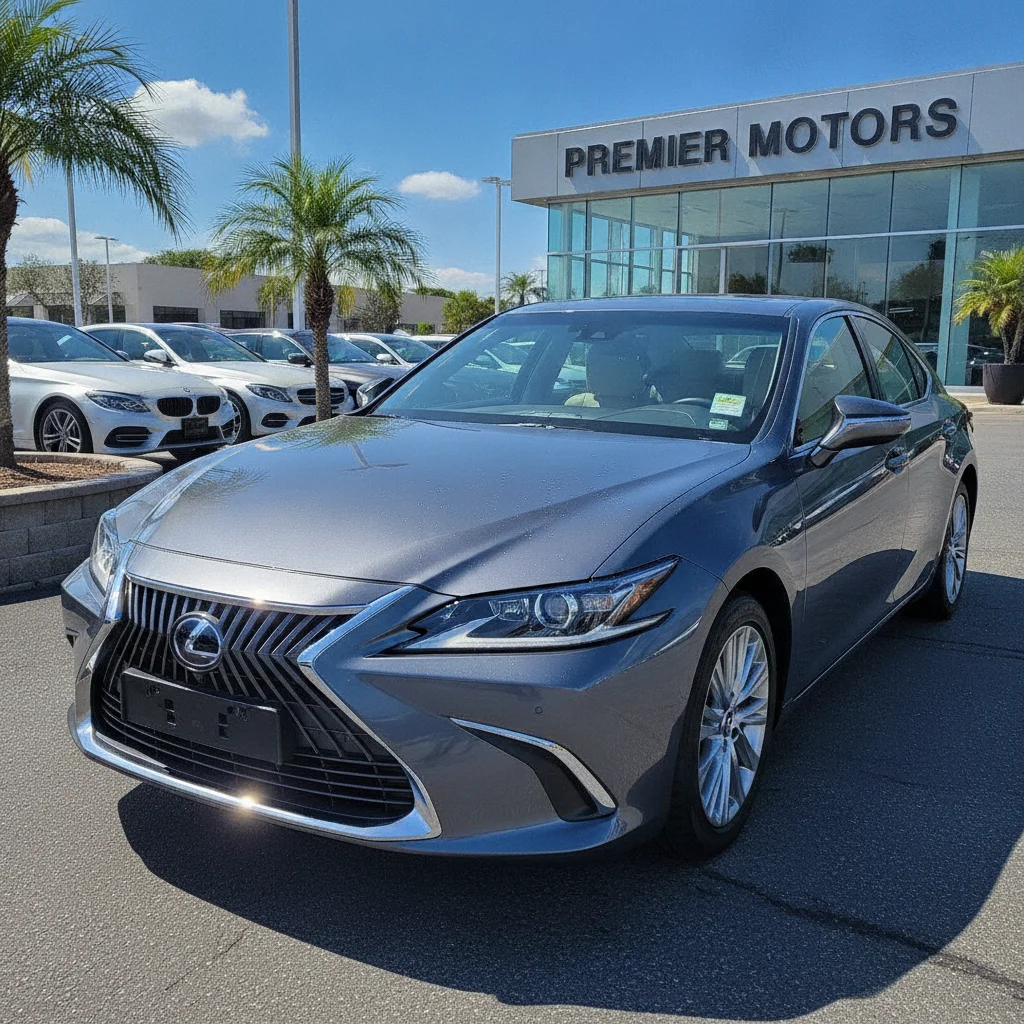
Key Takeaways
Summary
28 items · 1–3 hours spread over 1–2 days
Why Prep Work Moves the Needle on Trade-In Offers
Dealership appraisers are trained to spot problems fast — and every problem they find becomes a line-item deduction from your offer. A cracked windshield wiper, a stained headliner, a warning light on the dash: each one is leverage they'll use to justify a lower number. Their job is to buy your car cheap. Your job is to give them as few ammunition points as possible.
The good news is that most of the high-impact prep steps cost under $50 and take a few hours. You don't need to invest in a full detail shop or a mechanical overhaul. You need to be systematic. This checklist walks you through exactly what to do — and, just as importantly, what not to spend money on — before you drive to that appraisal.
If you want to understand how appraisers score your car once you're in the lot, see exactly how dealer trade-in appraisals work so you know what they're looking for at each stage. And when you're ready to sit across the table from a finance manager, the trade-in negotiation checklist will help you avoid leaving money on the table during the deal.
Tools and Supplies You'll Need
Before you start working through the checklist, pull these items together. Most are already in your home or cost a few dollars at any auto parts store.
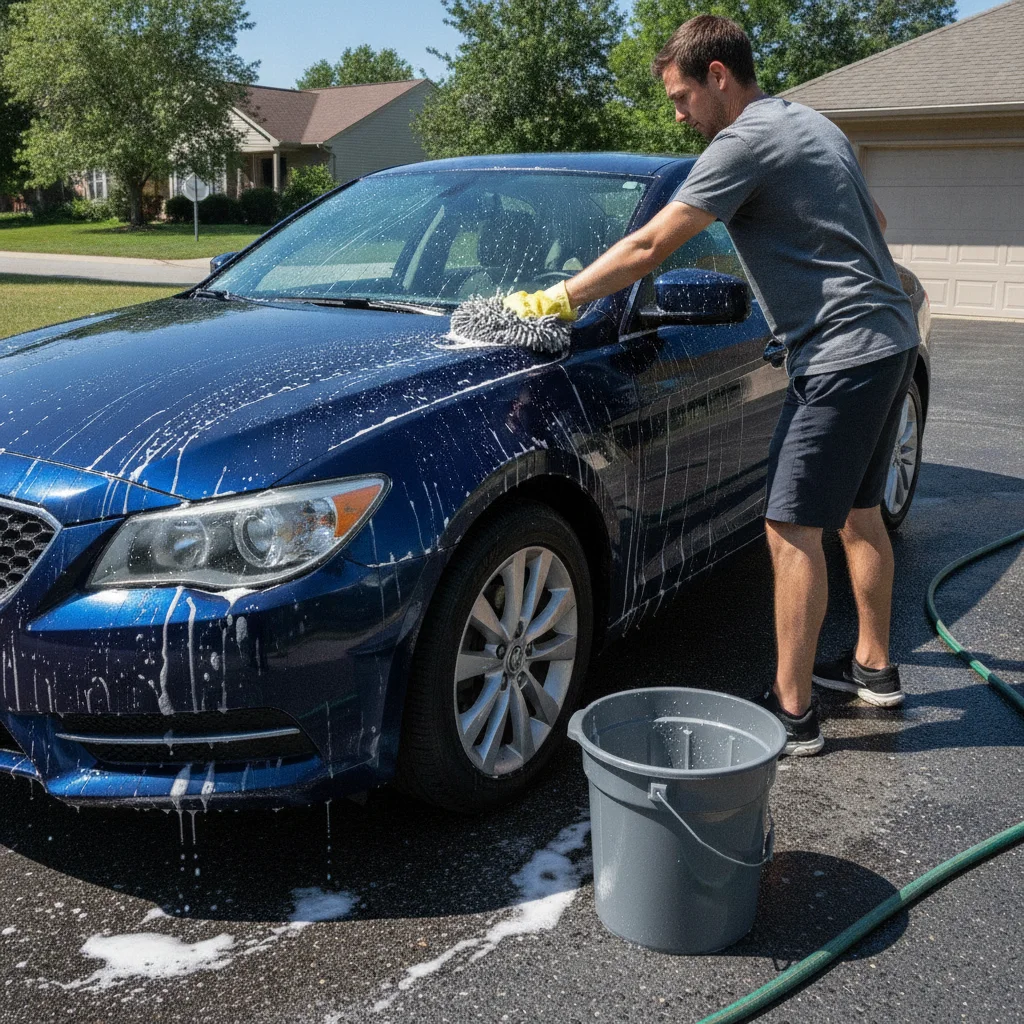
Two-bucket wash kit and microfiber towels
Safely hand-wash the exterior without creating paint swirls that reduce visual appeal.
Interior vacuum (shop vac or handheld)
Remove dirt, crumbs, and debris from seats, carpets, and the trunk.
Interior detailing spray and upholstery cleaner
Clean hard surfaces and treat fabric seats or carpets for stains.
Tire dressing and wheel cleaner
Give wheels and tires a clean, well-maintained appearance during appraisal.
Factory-matched paint touch-up pen
Fill small chips and scratches on the hood, bumper, or doors before the appraiser spots them.
OBD-II code scanner (or free store scan)
Read any dashboard warning light codes so you know what's flagged before the dealer does.
Baking soda and odor eliminator spray
Neutralize embedded odors in carpet and upholstery rather than masking them.
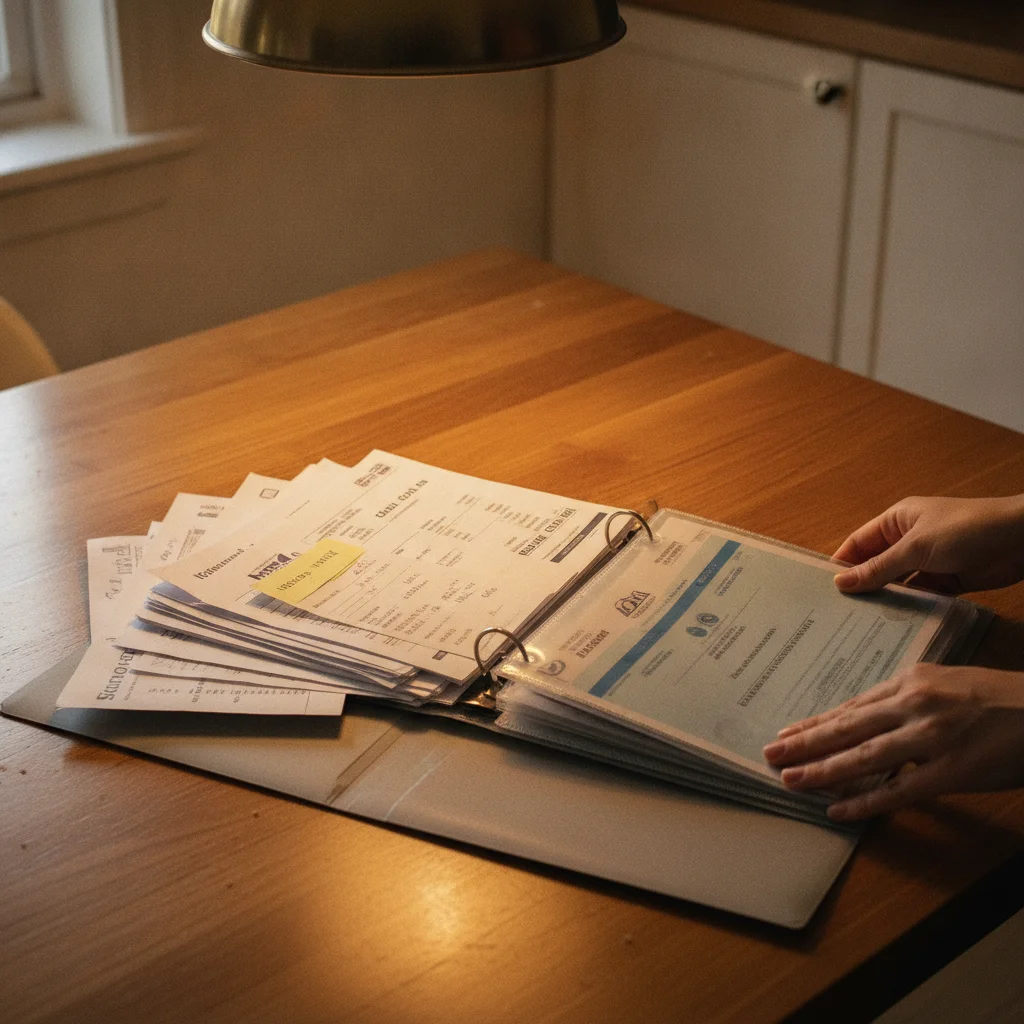
Document folder or binder
Organize title, service records, receipts, and warranty paperwork to present a complete ownership history.
The Full Pre-Trade-In Checklist
Work through these groups in order. The documentation and valuation steps take the most lead time, so start there — ideally 48–72 hours before your appointment.
Documentation & Valuation Research
Exterior Cleaning & Cosmetics
Interior Cleaning & Odor Control
Mechanical & Warning Light Check
Don't Fix What You Can't Verify Will Pay Off
For every repair you complete before the appraisal, ask: will this increase the offer by more than it cost me? Dealers use their own labor rates to calculate deductions — not what you paid your mechanic. If you spent $400 fixing an issue, the dealer may only raise their offer by $150 because their reconditioning math works differently. When in doubt, disclose the issue honestly and let the offer reflect it rather than overspending on fixes that won't be credited.
Competing Quotes Expire — Timing Is Everything
Written offers from Carvana, CarMax, or other instant buyers typically expire in 7 days. Make sure your dealership appointment falls within that window so your floor price is still valid when you need it. If an offer expires before your appointment, simply refresh it — the process takes about 15 minutes online.
Payoff Quotes Have Deadlines Too
If you still owe money on your vehicle, get the payoff amount from your lender in writing and confirm exactly how long it's valid — usually 10–30 days. An expired payoff quote can create confusion at the dealership and slow down or derail the transaction.
What NOT to Do Before a Trade-In
Plenty of sellers waste hundreds — sometimes thousands — of dollars on prep work that never translates into a higher offer. Dealers won't pay retail repair prices for mechanical work you had done; they'll still deduct their own shop rate for any remaining issues and pocket the difference on what you fixed.
Find out which repairs are actually worth doing before a trade-in and which ones you should skip entirely. The short answer: avoid any single repair that costs more than $200–$300 unless you have a firm reason to believe it raises the offer by more than double that amount.
- Don't replace tires unless they're dangerously bald — dealers will still offer you tire-condition deductions on borderline tread.
- Don't repaint panels — a dealer repaint job always looks different from factory, and appraisers know it.
- Don't repair the transmission or engine — these are high-cost, low-return fixes for trade-in purposes. Disclose the issue and let the offer reflect it; or sell privately.
- Don't pay for a professional detail if you can do 90% of the work yourself with a $15 cleaning kit. Save the $150–$250.
- Don't remove aftermarket upgrades you installed unless they were poorly done — a clean aftermarket audio system or tow hitch rarely hurts value and sometimes helps it.
Never Disclose Your Target Price First
When the appraiser or salesperson asks what you're hoping to get for the trade-in, don't give a number. Say you'd like to see what their appraisal comes back at first. Anchoring with a number — especially one lower than their initial offer — costs you real money. Let them move first. Your competing written quote is the benchmark you'll use to push back, not a target you volunteer upfront.
A Clean Car Is Not a Detailed Car — Know the Difference
You don't need a $200 professional detail to make a strong impression. Appraisers are looking for a car that presents as well-maintained and free of obvious neglect. A thorough DIY clean — vacuumed, wiped down, exterior washed, glass cleaned, tires dressed — achieves 90% of the same effect for under $20 in supplies. Save the professional detail money and put it toward your down payment.
For a broader look at every phase of the dealer trade-in process — from setting your floor price to handling a lowball counteroffer — the trade-in playbook covers it all.
Day-Of Appointment Strategy
The prep work is done. Now protect the value you've built by being strategic on appointment day.
Timing matters
Book your appraisal mid-week, mid-morning — Tuesday through Thursday, 10am to noon. Dealers are less busy, appraisers are less rushed, and you're less likely to get a distracted, low-effort offer. Avoid Saturdays; the lot is chaotic and managers are less flexible.
Separate the trade-in from the new-car purchase
This is the single most important tactical move you can make at the dealership. Tell the salesperson you want a trade-in appraisal first, before discussing any new vehicle. Get the trade-in number in writing. Only then open the conversation about what you're buying. Dealers make money by blending these negotiations — don't let them.
Walk through the exact order of operations for a clean trade-in negotiation when you're buying a new vehicle at the same time.
Bring your competing quotes
If Carvana, CarMax, or a competing dealer offered you $18,400, say so — and show the written offer. This sets a real floor and forces the appraiser's hand. Most dealers will match or come close rather than lose the deal.
Know your walk-away number
Set a minimum trade-in figure before you walk in. If the offer doesn't hit it, be willing to leave. Private-party sales typically net 10–20% more than dealer trade-ins — if the gap is large enough, that route may be worth the extra work. Check the trade-in strategies hub for a comparison of your options.
Documentation That Can Raise Your Appraisal
Paper trail matters. Appraisers make assumptions when records are missing — and those assumptions almost always work against you. Showing up with organized documentation signals a conscientious owner and gives the appraiser a reason to score the car higher on condition.
See exactly which documents can support a higher trade-in offer and how to present them effectively. At minimum, bring the following to your appraisal:
- Vehicle title (or payoff information if you're financing)
- All service records — oil changes, brake jobs, major repairs, anything documented
- New parts receipts — tires, battery, brakes purchased in the last 12 months
- Factory window sticker if you're the original owner and it's a well-optioned vehicle
- Any remaining warranty documentation — factory or extended
- Two valid photo IDs and your registration
Organize everything in a single folder. When you hand it to the appraiser, it demonstrates care — which is exactly the signal you want to send about how the car was maintained.

All claims are backed by peer-reviewed research. Sources on request.