Key Takeaways
Hot Markets Feel Permanent — Until They Aren't
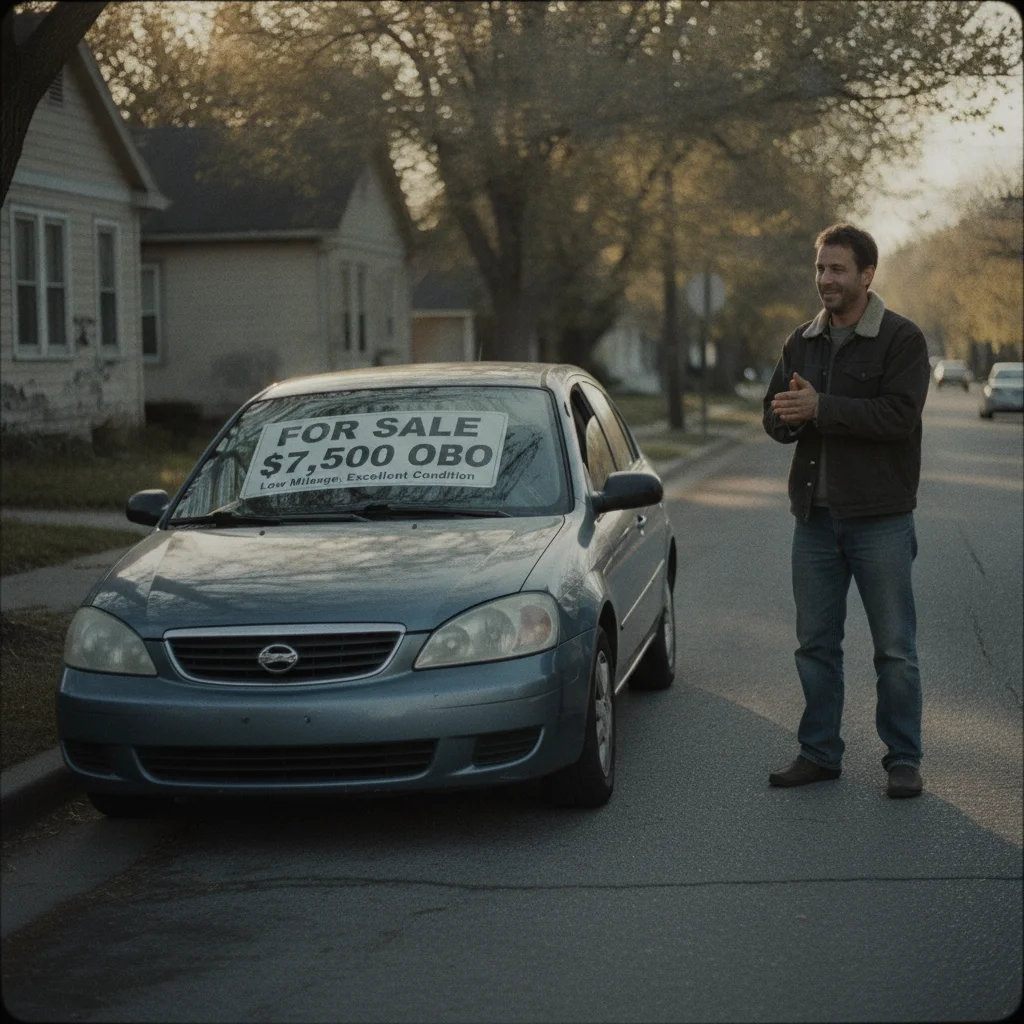
There's a particular kind of confidence that takes hold when the used car market heats up. Prices are climbing, your neighbor sold his truck for more than he paid for it, and every headline confirms what you're feeling: this is a great time to sell. So you wait. You want to squeeze every dollar out of the moment.
That instinct is understandable. It's also one of the most reliably costly mistakes a private seller can make.
The reality is that used-car market upswings are compressed cycles. The 2020–2022 boom — driven by supply chain collapses, chip shortages, and rental fleet liquidations — felt like it would run forever. By mid-2023, wholesale prices had dropped more than 20% from their peak, and private sellers who had been waiting for 'just a bit more' found themselves listing into a market that had quietly turned against them.

This article is about the specific mistakes sellers make when they overestimate how long favorable conditions will hold — and what to do instead. If you're also wrestling with how to price your car accurately in the first place, see our guide on why sellers consistently overestimate what their car is worth.
The Optimism Gap: Why Sellers Misjudge Market Duration
Economists call it the recency bias — our tendency to assume that whatever is happening right now will keep happening. When prices are rising, we project that trajectory forward. When a seller reads that used car values are up 15%, their mental model locks in at 15% growth indefinitely, even though the data showing 15% growth is already weeks or months old by the time it reaches consumer news outlets.
20%+
Drop in wholesale used-car prices from 2022 peak to mid-2023
The Manheim Used Vehicle Value Index fell more than 20% from its January 2022 peak by mid-2023, catching many private sellers who were still waiting to list.
4–8 weeks
Lag between wholesale price drops and retail market softening
Industry data consistently shows retail used-car prices follow wholesale auction declines by approximately four to eight weeks, creating a false sense of stability for sellers.
30–45 days
Typical delay from market peak to widespread media coverage
Analysis of automotive market reporting cycles shows consumer-facing coverage of used-car booms typically lags the actual pricing peak by one to two months.
There's also a structural lag in the information sellers receive. The media cycle covering a market boom typically peaks after the actual pricing peak has already occurred. By the time your local news station runs a segment on how much used cars are fetching, the wholesale market — where dealers buy inventory — has often already begun softening. Retail prices follow wholesale with a delay of four to eight weeks on average.
This creates a dangerous illusion: sellers feel most confident about the market precisely when the market has started to turn.

For a broader look at the forces that drive these cycles, the complete guide to market timing for car sellers walks through seasonal patterns, economic indicators, and how different vehicle types respond differently to the same market conditions.
The Most Common Mistakes Sellers Make in a Hot Market
These aren't abstract errors. They're the specific decisions — each one feeling completely reasonable in the moment — that reliably cost sellers money when market conditions are favorable but finite.
Waiting for prices to climb 'just a little more' before listing.
Why it happens: Sellers anchored to a rising price trend assume the trajectory will continue. Each week prices hold steady or tick up reinforces the plan to wait.
Treating peak media coverage as confirmation the market is still at its peak.
Why it happens: Consumer news outlets report on trends after the data has been compiled and analyzed, introducing a lag of weeks to months. Sellers see the coverage and assume it reflects current conditions.
Overpricing based on the highest comparable sales rather than the median.
Why it happens: In a hot market, sellers cherry-pick the best recent sales as their benchmark, ignoring that those outliers represent ideal conditions — perfect mileage, trim, color, and location — that may not apply to their vehicle.
Ignoring early warning signals because the market 'still feels strong'.
Why it happens: Subjective confidence — 'I still get lots of inquiries' — is mistaken for market-level data. Individual anecdotes about strong interest can persist even as broader market metrics soften.
Delaying listing to complete non-essential repairs or upgrades first.
Why it happens: Sellers want their car to be perfect before listing, reasoning that a cleaner car will fetch more money. What they underestimate is how much a shifting market can cost relative to the marginal gain from minor improvements.
Assuming their specific vehicle type will hold value even as the broader market softens.
Why it happens: Sellers often believe their truck, SUV, or EV is immune to broader trends because demand for that segment was especially strong during the boom.
Every one of these mistakes shares a common thread: the seller is making decisions based on where the market was, not where it's heading. That's the core problem with hot-market overconfidence.
The Market Doesn't Announce When It Peaks
There's no press release, no closing bell, no signal that today was the best day to sell. Used car market peaks are only visible in hindsight. By the time every data point confirms the market has turned, the best prices are already gone. Sellers who wait for certainty are always late.
Don't Confuse Inquiries with Market Strength
Getting lots of messages on your listing feels like validation of your price and timing. But inquiry volume can stay high even as actual selling prices drop — buyers are shopping more, not necessarily paying more. Track what comparable cars are actually selling for, not how many people are asking about yours.
The Signals That Tell You the Window Is Closing
You don't need a Bloomberg terminal to read a used-car market. There are a handful of indicators that are both accessible and reliable:
- Manheim Used Vehicle Value Index: This wholesale auction index is publicly reported monthly. When it drops two or more consecutive months, retail prices typically follow within 30–60 days.
- New-car incentive levels: When automakers start pushing 0% financing or large cash-back offers, it pulls buyers away from the used market. Watch manufacturer incentive announcements closely.
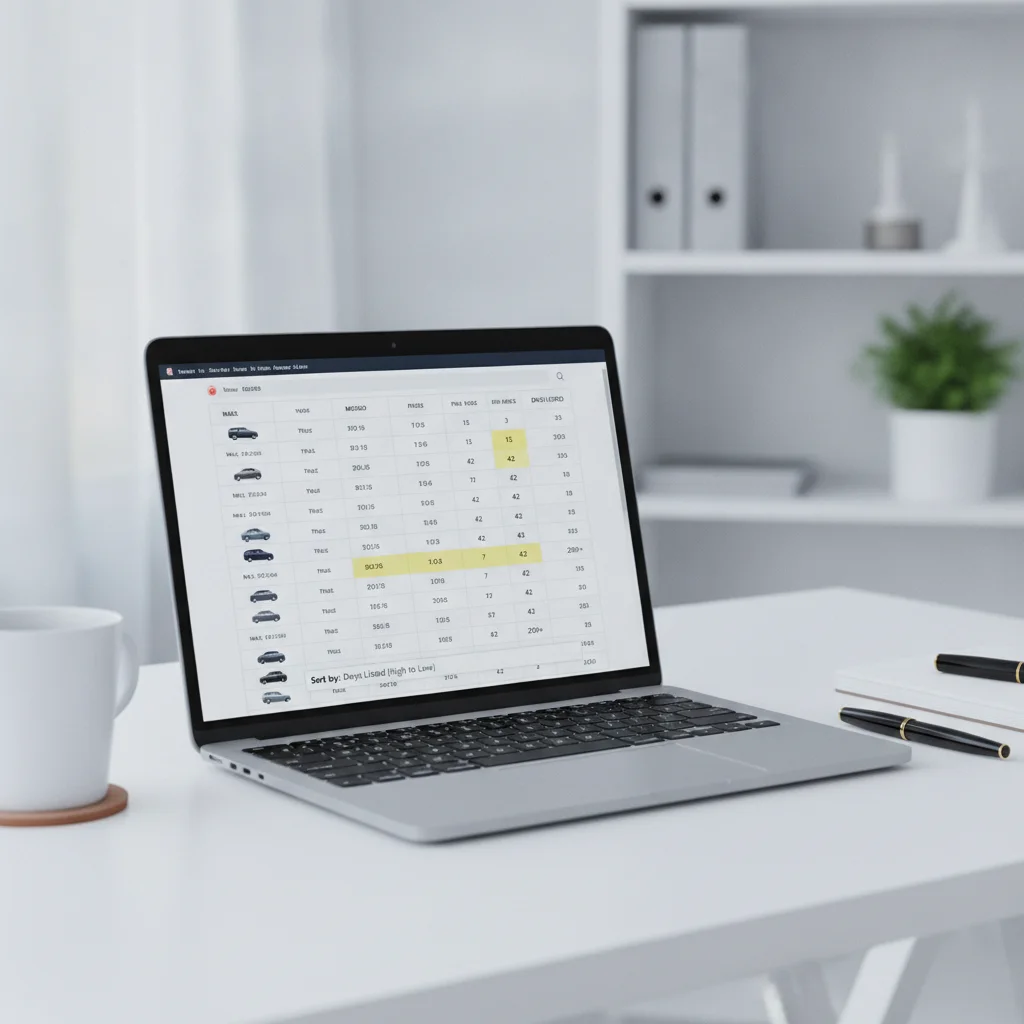
- Days to sell on major listing platforms: If cars in your segment are sitting longer — even by a few days on average — inventory is building and buyer urgency is fading.
- Rental fleet and lease returns: Large-scale fleet returns flood the used market with relatively low-mileage inventory. Industry news about rental companies or automakers restarting lease programs is a leading indicator of incoming supply pressure.
- Interest rate direction: Rising rates increase monthly payments on used vehicles, shrinking the buyer pool. Rate hike cycles reliably dampen used-car demand within one to two quarters.
You don't need all five signals to line up. If two or three are pointing in the same direction, the market is telling you something. Acting on that information a month early beats being right about the exact top by a wide margin.
For a direct look at what delays cost in dollar terms, see how depreciation and market saturation compound when sellers wait too long.
Wholesale Data Is Your Real-Time Signal
Retail listing prices and media coverage both lag the actual used-car market by weeks to months. The Manheim Used Vehicle Value Index — updated monthly and publicly reported — reflects what dealers are actually paying at auction today. Two consecutive months of decline in that index is a reliable indicator that retail prices will follow within 30 to 60 days. If you're serious about timing your sale, check wholesale data before you make any listing decisions.
Acting Early Always Beats Calling the Top
You will almost never sell at the exact peak of a used-car market cycle — and you don't need to. Sellers who list when conditions are clearly favorable, without waiting for perfect conditions, consistently outperform those who try to time the absolute top. A sale completed in month two of an upswing at 95% of peak value is a far better outcome than a sale completed in month six at 80% of peak value. Stop trying to be right about the top. Start trying to be on the right side of it.
A Practical Timing Framework for Sellers
Here's how I'd think about it if a friend asked me when to pull the trigger in a market that feels strong:
- List in the first third of the upswing, not the last. By the time a boom is obvious to everyone, the best prices are behind you. Sellers who list when conditions are good — not when they feel perfect — consistently outperform those who wait for the peak.
- Set a hard deadline at the point of listing. Decide before you list: if the car doesn't sell within X weeks, you drop the price by Y. This removes emotion from the equation and keeps you from getting anchored to a number the market has already moved past.
- Watch wholesale, not retail headlines. Retail listing prices lag the actual market. Wholesale auction data reflects what buyers are actually paying today. That's your real-time signal.
- Treat seasonal timing as a secondary factor. In a hot market, season matters less than people think. In a cooling market, it matters a lot. Don't override clear market signals by waiting for spring if the market is rolling over in February.
- Account for your specific vehicle's cycle. Trucks, EVs, and luxury sedans don't move in lockstep. A RAM 1500 might still be climbing when midsize sedans have already peaked. Know your segment.
The comparison of short-term vs. long-term timing strategies is worth reading if you're weighing whether to act now or hold for a seasonal window six months out. The answer depends heavily on what the market is doing right now — not what it did last year.
And if you're curious how these dynamics look from the buyer's side, timing your purchase to maximize discounts covers the flip side of the same market forces.

Bottom line: in a finite market upswing, the sellers who move with confidence when conditions are good are the ones who walk away satisfied. The ones who hold out for perfection are the ones calling me two months later asking what went wrong.
Don't Let Confidence in the Market Become Complacency
A hot market is an asset. It's genuinely one of the best tools a private seller has for maximizing value. But it's a perishable asset — and its shelf life is almost always shorter than it feels in the moment.
The sellers who benefit most from favorable conditions are the ones who treat market data like a mechanic treats a warning light: you don't ignore it because the car feels fine. You act on it because you know what happens when you wait.
Wholesale Data Is Your Real-Time Signal
Retail listing prices and media coverage both lag the actual used-car market by weeks to months. The Manheim Used Vehicle Value Index — updated monthly and publicly reported — reflects what dealers are actually paying at auction today. Two consecutive months of decline in that index is a reliable indicator that retail prices will follow within 30 to 60 days. If you're serious about timing your sale, check wholesale data before you make any listing decisions.
Acting Early Always Beats Calling the Top
You will almost never sell at the exact peak of a used-car market cycle — and you don't need to. Sellers who list when conditions are clearly favorable, without waiting for perfect conditions, consistently outperform those who try to time the absolute top. A sale completed in month two of an upswing at 95% of peak value is a far better outcome than a sale completed in month six at 80% of peak value. Stop trying to be right about the top. Start trying to be on the right side of it.
Check the wholesale data. Set your price with discipline. List when conditions are good, not when they're perfect. And don't confuse news coverage of a boom with the boom itself — by the time it's on the evening news, you should already be negotiating with a buyer.
For more on the pricing traps that compound these timing mistakes, explore the timing myths that cost sellers real money.

All claims are backed by peer-reviewed research. Sources on request.