Key Takeaways
Why the Model Year Calendar Matters to Private Sellers
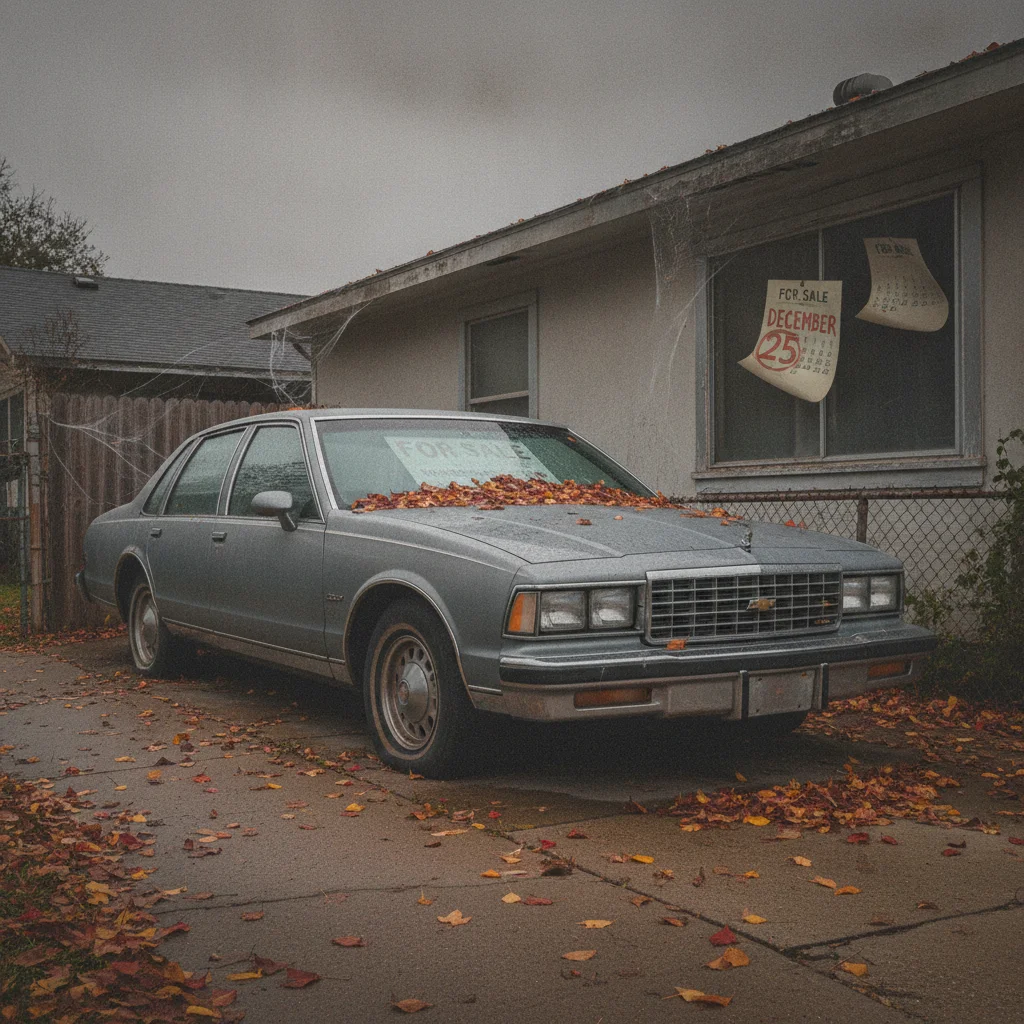
Here's the situation most sellers don't see coming: the moment a new model year version of your car hits dealer lots, the used-market value of your current one dips. It's not catastrophic overnight, but it's consistent, measurable, and entirely avoidable if you plan ahead.
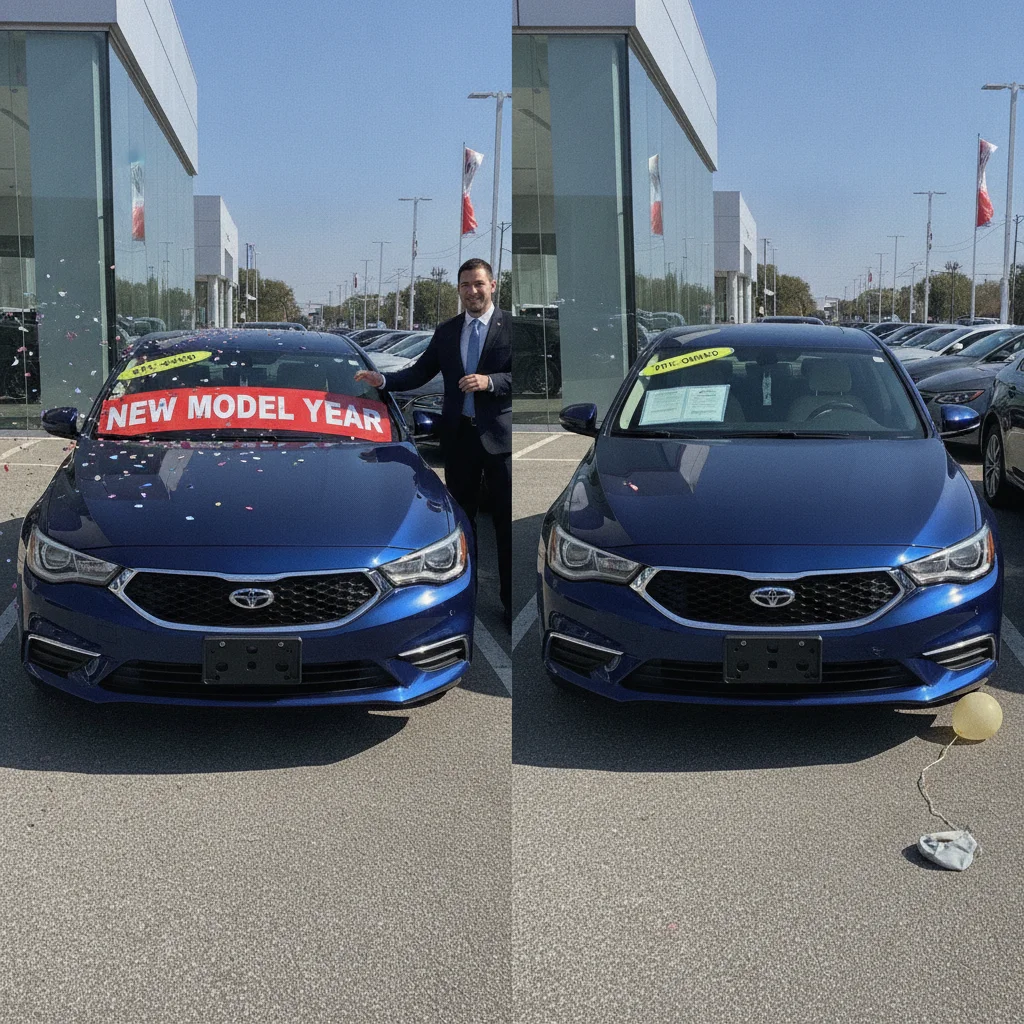
Dealers know this. That's exactly why they push hard to move outgoing inventory during what's called the model year changeover window — they're discounting new cars, which puts downward pressure on comparable used units. When buyers can get a new 2025 model for $1,200 off MSRP at a dealership, your 2024 private listing starts to look less attractive unless you're priced sharply.
The private market doesn't move in real time, but it does respond. Within four to six weeks of a new model year showing up in volume at dealerships, you'll typically see comparable used-car listings soften in price. If you're still sitting on the market by then, you're either cutting your price or waiting even longer for the right buyer.

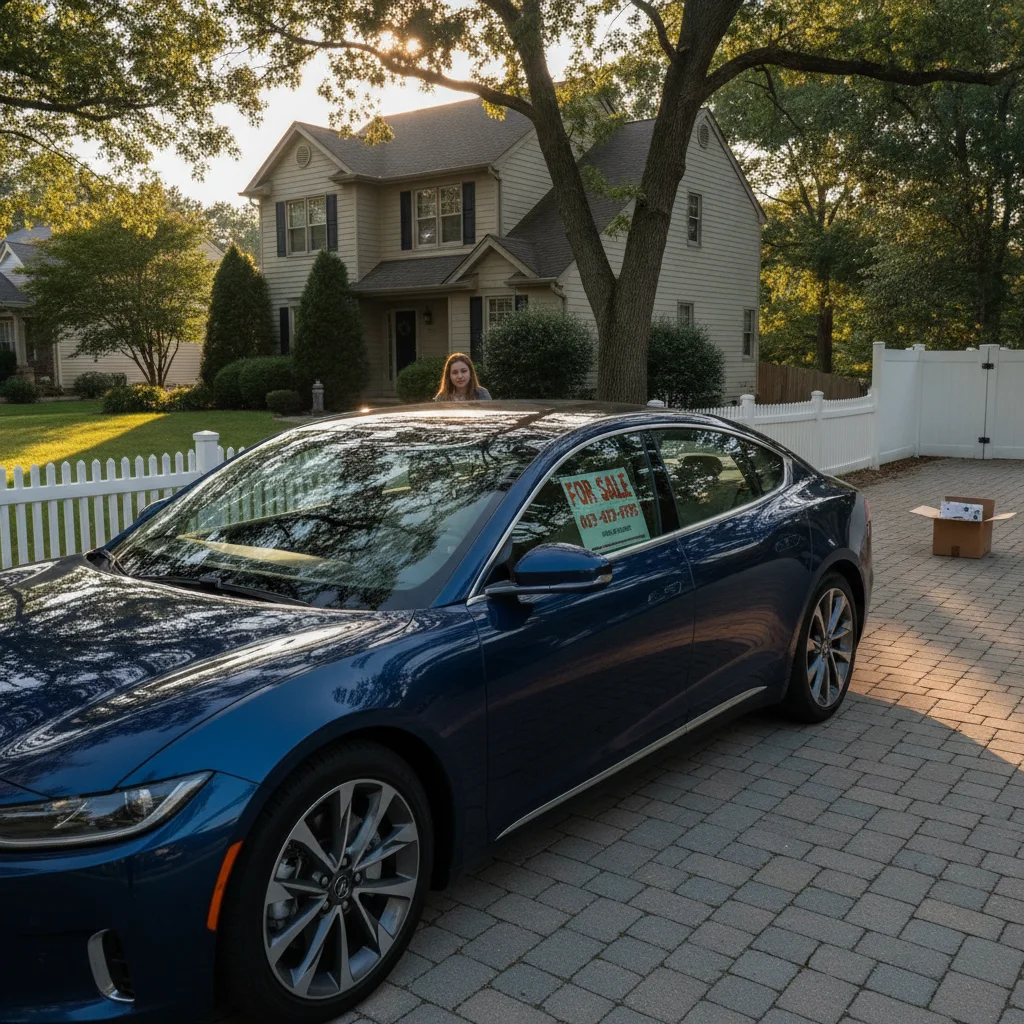
The goal is simple: list before the wave, not after it. But executing that correctly takes a little homework on your specific make and model, and a realistic look at your own timeline. That's what the steps below walk you through.
What You'll Need Before You Start
Before you build a listing or set a price, pull together the information and tools below. Skipping this step is the most common reason sellers end up reactive instead of strategic.
What you will need
Kelley Blue Book (KBB)
Establishes a baseline private-party value range for your specific year, make, model, trim, mileage, and condition.
Edmunds True Market Value
Cross-checks KBB estimates using real transaction data and regional market conditions.
Facebook Marketplace / Craigslist
Shows you what actual sellers in your local market are asking for comparable vehicles right now.
AutoTrader or Cars.com
Broader national comp data and the primary listing platform for reaching serious used-car buyers.
CarFax or AutoCheck
Lets you pull your own vehicle history report to address any issues proactively before buyers find them.
Manufacturer Newsroom or Automotive Press Sites
Used to check announced model year release dates, refresh cycles, or upcoming redesigns for your specific vehicle.
A smartphone with a quality camera
Used to take clean, well-lit photos that represent the vehicle accurately and attract buyer attention.
Once you've got these in hand, you're ready to work through the timing and pricing process without guessing. If you're still deciding between a private sale and a trade-in, take a detour through timing your trade-in vs. private listing decision — the optimal window can differ depending on the path you choose.
Step-by-Step: Timing and Building Your Listing
These steps are meant to run in sequence. Don't jump to pricing before you've done the market research, and don't rush the listing itself just because you're anxious to move the car. A sloppy listing that goes up at the right time still underperforms a polished one.
Find Your Model's New Release Date
Start by pinning down exactly when the next model year version of your car is expected to reach dealerships in volume. Don't guess — manufacturer newsrooms, automotive press sites like Car and Driver or Motor Trend, and dealership inventory trackers all publish this information. Search for your make and model alongside the next model year and the word "release date" or "on-sale date."
Most new model year vehicles arrive between July and October, but there's real variance by brand. Toyota and Honda often get new model year stock in early fall. Some German brands run later. Truck segments can be different from car segments even within the same manufacturer. Find your specific vehicle's history — if the 2024 model showed up in September of 2023, plan for the 2025 to arrive around the same window.
Count Back 6–10 Weeks from That Date
Once you have the expected on-sale date for the new model year, count back six to ten weeks on a calendar. That range is your target listing window. Six weeks gives you time to close before the new inventory hits in volume. Ten weeks gives you breathing room but risks going slightly early if buyer demand for your model is highest closer to the changeover.
For most sellers, eight weeks out is a reliable middle ground. It's late enough that buyers are actively considering alternatives to buying new, but early enough that you're not competing with a flood of new inventory or other sellers who've had the same idea.
Pull Your Comps and Set a Realistic Price
Use at least two pricing tools — KBB private party value and Edmunds True Market Value are the standard pair — then cross-reference with actual active listings in your local market. Filter for your specific trim level, similar mileage, and comparable condition. Don't price based on outliers (the one seller asking $4,000 over everyone else is not a comp).
Your asking price should sit at the upper end of the realistic range, not the ceiling. Leave yourself $400–$700 of negotiating room so buyers feel like they're winning something. If your floor is $18,500, list at $19,000–$19,200. Don't list at $19,900 hoping someone will pay it — that extra padding just extends your days on market into the post-release window where your leverage disappears.
Do a Pre-Listing Mechanical and Cosmetic Pass
Walk around the car with fresh eyes — or better, ask someone else to do it. Note every door ding, paint scratch, worn interior surface, and tire tread issue. Then address what's cheap to fix and disclose what isn't. Replacing a cracked trim piece or getting a $15 touchup pen on a door scratch is worth it. Replacing all four tires right before listing is usually not — price it in instead.
On the mechanical side: check your brake thickness, top off fluids, and clear any check engine codes if you can do it legitimately. If there's an underlying issue throwing a code, disclose it in the listing rather than clearing it and hoping the buyer doesn't notice — that approach backfires at the pre-purchase inspection and kills deals.
Photograph the Vehicle the Right Way
Good photos are non-negotiable for a private listing. Buyers scroll fast — if your first photo is dark, cluttered, or shows a dirty car, they move on. Here's the minimum shot list:
- Front three-quarter view
- Rear three-quarter view
- Driver's side profile
- Passenger's side profile
- Full interior from driver's door (both seats visible)
- Dashboard and instrument cluster
- Cargo area or trunk
- Odometer reading
- Any damage or wear (honest disclosure protects you legally)
Shoot outdoors in open shade — not direct sunlight, which blows out highlights and creates harsh shadows. Overcast days are ideal. A parking lot with a clean background beats your driveway with trash cans in frame.
Write a Listing Description That Answers Buyer Questions Upfront
Your description should answer the questions every serious buyer has before they message you: What trim? What options? How many owners? Any accidents? Why are you selling? What's the service history like?
Lead with the key specs — year, make, model, trim, mileage, drivetrain — then move to condition notes, notable features, and any known issues. End with your asking price and your preferred contact method. Keep it factual and specific. Vague phrases like "runs great" and "well-maintained" don't mean anything to a buyer who can't verify them. Specific claims — "timing belt replaced at 62,000 miles, receipts available" — build actual confidence.
Post on the Right Platforms at the Right Time
For a private sale, list on Facebook Marketplace and one paid platform — AutoTrader or Cars.com. Marketplace gives you local reach and fast inquiry volume. A paid national platform gives you serious buyers who are deeper in the research process.
Post your listing on a Thursday evening or Friday morning. Buyer activity on used-car platforms peaks Thursday through Sunday, and new listings get algorithmic boosts when they first go live. You want that initial visibility window to align with peak browsing traffic. For a deeper breakdown of how posting time affects early exposure, this guide on micro-timing your listing is worth reading before you hit publish.
Once your listing is live, the work shifts to managing inquiries and holding your price. If you listed at the right time with solid photos and an honest description, serious buyers will find you. For additional context on what happens when sellers wait past the ideal window, see what delayed listings actually cost — the numbers are worth knowing before you decide to hold off.
Don't List If You're Not Ready to Close Fast
If you list in the optimal window but take three weeks to schedule test drives, negotiate, and finalize paperwork, you've burned your advantage. By the time you close, new inventory may already be arriving. Have your title, payoff amount, and availability for showings ready before the listing goes live — not after.
Reading the Market After Your Listing Goes Live
The first 72 hours of a new listing are the most valuable. Algorithms on platforms like Marketplace and AutoTrader surface new listings prominently — then that boost fades. If you're not getting serious inquiries within the first week, something in your listing is off: price, photos, description, or all three.

Watch these signals closely:
- High views, low messages: Your price is likely above market or your photos are weak. Pull comps again and compare honestly.
- Messages asking for your lowest price immediately: You're probably priced right at or slightly below market — these are buyers who smell a deal. Hold your number if you listed correctly.
- No views at all: Your listing may have gone up at a low-traffic time, or your title and keywords aren't matching what buyers search. Re-examine your listing title and consider micro-timing your repost for better algorithmic placement.
Don't slash your price in the first week out of nerves. Give the listing a full seven days before making any adjustments. If week two brings the same silence, then revisit pricing in $300–$500 increments rather than making a dramatic cut that signals desperation.
Refresh Your Listing, Don't Lower Your Price
If your listing is losing visibility after the first week, try refreshing or reposting rather than dropping the price immediately. Many platforms re-surface reposted listings as new. A fresh post with updated photos or a revised title can restore your early-listing visibility boost without surrendering dollars on price.
Keep Service Records Accessible
Buyers who are choosing between your used car and a new model need a reason to trust your vehicle over a factory warranty. A folder of service receipts — oil changes, brake jobs, timing belt, tires — tells a story of ownership that a clean CarFax alone doesn't. Have it ready to photograph and share digitally when serious buyers ask.
Depreciation Basics Every Seller Should Understand
Timing a listing correctly only makes full sense when you understand what's actually driving the value drop. It's not just that a newer version exists — it's that buyers now have more options, dealers are incentivizing new units, and the psychological freshness of your car's model year has expired.
The depreciation basics hub breaks this down in full, but here's the practical summary: depreciation isn't linear. Your car loses the most value in the first year, and then again at certain inflection points — high mileage thresholds (typically 30k, 60k, and 100k miles), model refresh cycles, and model year changeovers. If two of those factors hit at the same time — say, your car crosses 30,000 miles right as the new model year drops — the value decline compounds.
The flip side is also true. If you list while your car is still in the sweet spot — clean mileage, current model year still in production, no major refreshes announced — you're catching buyers at exactly the moment they're looking at your car as a genuine alternative to buying new. That's when a private seller has the most leverage. For a deeper look at which ownership windows carry the least depreciation drag, see the optimal time to sell before depreciation accelerates.
A Redesign Year Is Not the Same as a Model Year Refresh
If your vehicle is the outgoing generation ahead of a full redesign — not just a minor year-over-year update — the depreciation dynamic is significantly more aggressive. Buyers anticipating a redesign will either wait for the new version or offer low-ball prices on yours. Check automotive press sources for redesign announcements before setting your listing timeline, and if a redesign is confirmed, move your listing date up by two to four weeks.
Know Your Payoff Before You Price
If you still have a loan on the vehicle, confirm your exact payoff amount with your lender before you set an asking price. Selling privately while underwater on a loan — where you owe more than the car is worth — creates a serious problem at closing. You'll need to bring cash to the table to make up the difference. Price with your payoff number clearly in mind, and factor in your state's title transfer fees as well.
Common Mistakes That Cost Sellers Money
Even sellers who understand the timing concept make avoidable errors in execution. Here are the ones I see most often:
- Waiting for the "perfect" price
- Setting an asking price anchored to what you paid or what you owe — rather than what the market is actually paying — leads to extended days on market, which itself becomes a red flag to buyers. Price to the market, not to your memory.
- Listing too early without being ready to sell
- If you go live eight weeks before the model year drop but you're not genuinely ready to hand over the keys, you'll lose your best buyers. Don't list speculatively — list when you're prepared to close within two weeks.
- Ignoring a pending refresh or redesign
- A new model year is one thing. A full redesign is another. If your car's model is due for a major overhaul, the depreciation hit on the outgoing generation is steeper and faster. Check automotive news sites and manufacturer announcements before setting your timeline.
- Skipping the pre-listing mechanical check
- Buyers doing due diligence will request a pre-purchase inspection. If something obvious comes back — worn brakes, a check engine code — you either discount heavily or lose the buyer entirely. A small investment in a pre-listing checkup protects your asking price.
For buyers on the other side of this equation — those looking to pick up a deal on an outgoing model year — timing a purchase around a new model release explains exactly how to exploit the window sellers are trying to beat.

All claims are backed by peer-reviewed research. Sources on request.