Key Takeaways
Why Gas Spikes Are a Seller's Clock, Not Just a Driver's Headache
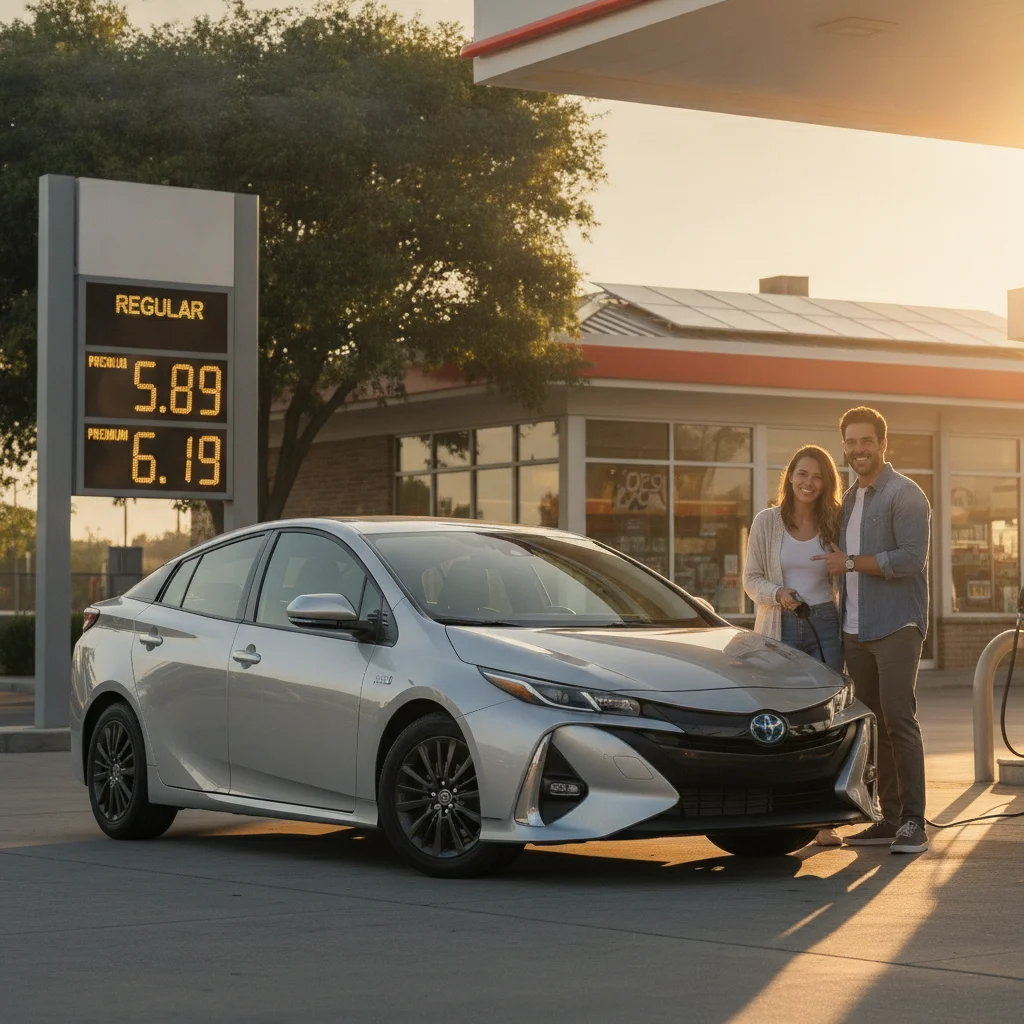
Every time fuel prices jump sharply — whether from a refinery disruption, geopolitical tension, or a seasonal blend switchover — a predictable behavioral shift happens in the used car market. Buyers who were perfectly happy shopping for a mid-size SUV suddenly start searching for hybrids, plug-in hybrids, and high-MPG sedans. Search volume on listing sites spikes. Days-to-sale drops. And if you own one of those efficient vehicles, your car is temporarily worth more than it was last week.
I've watched this play out a dozen times in the shop parking lot. A guy comes in for an oil change on his Prius, mentions he's been thinking about selling it, and I tell him: the time is now, not in three months. The window is real, but it's short — usually two to four weeks before the initial frenzy cools and buyers recalibrate. After that, the premium compresses back toward normal market levels.
This guide is built around that window. Not how to vaguely 'time the market,' but specifically how to recognize a spike, prepare your efficient vehicle fast, price it to capture the premium without leaving money on the table, and close before the moment passes. For a broader look at how all these factors fit together, see the complete market timing guide for car sellers.
One honest caveat upfront: this strategy only works if your car is genuinely fuel-efficient by current standards. A 2015 Civic that gets 32 MPG combined is in play. A 2018 Chevy Equinox that gets 28 MPG highway is not going to benefit much — buyers in a gas panic are shopping for real efficiency, not marginal improvements. Know your car's actual numbers before you start building a strategy around them.
Reading the Signals: How to Know a Spike Is Happening
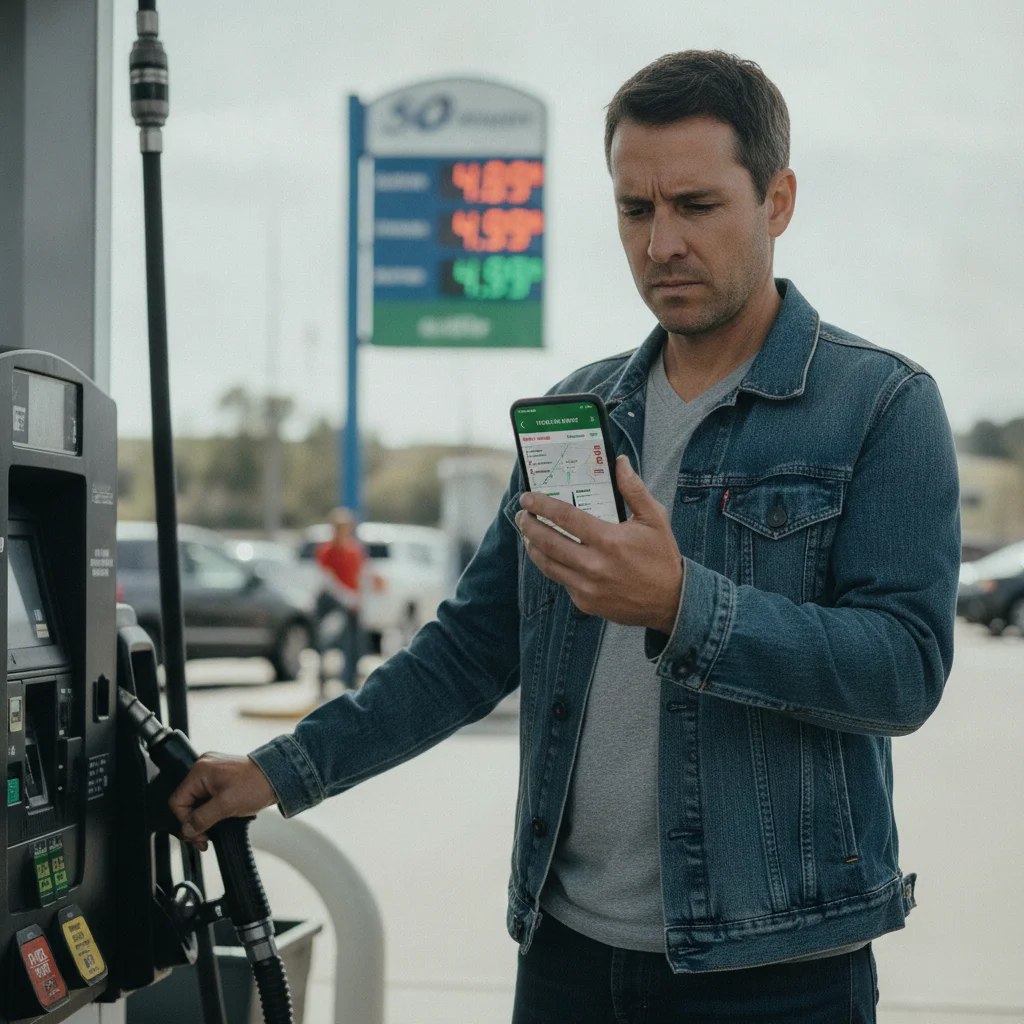
Not every bump in gas prices qualifies as an opportunity window. You're looking for a sharp, visible move — typically a regional or national average that jumps 20 cents or more per gallon within a week or two, sustained for at least a few days, and covered in mainstream news. When your neighbor is talking about it at the mailbox, that's the market signal you need.
Here's how to track it without obsessing over it:
- GasBuddy and AAA's weekly fuel gauge report — Both publish regional averages that are easy to follow. A multi-week trend upward is more meaningful than a single-day blip.
- Google Trends for 'fuel-efficient cars' or 'hybrid cars' — When search interest in these terms rises sharply, buyer intent is moving with it. This is a leading indicator.
- Local listing activity — Check Carfax, AutoTrader, and Facebook Marketplace for your vehicle type in your region. Are comparable cars going pending faster than usual? Are asking prices ticking up?
- News cycle coverage — Mainstream headlines about gas prices reaching a threshold (say, $4.50/gallon nationally) tend to accelerate buyer behavior faster than the price movement alone.
You don't need to catch the absolute peak of a spike. Catching it within the first week of media attention is good enough. The buyers who act fastest are the ones who feel the pain most acutely — commuters, gig economy drivers, anyone putting 20,000+ miles a year on a gas-guzzler. Those buyers move quickly and negotiate less aggressively.
It's also worth understanding the counterpart dynamic. When gas spikes create a hot seller's market for efficient cars, they simultaneously create a soft market for trucks and large SUVs. If you're considering timing for a different vehicle type, this breakdown by vehicle type covers which seasons and conditions favor each category.
What You'll Need Before You List
Speed is the whole game here, so the sellers who win are the ones who've done prep work before the spike arrives. But even if you're starting from scratch mid-spike, you can move fast if you know what to gather.
What you will need
fueleconomy.gov
Provides official EPA MPG ratings for your specific year, make, model, and trim to use in your listing.
GasBuddy or AAA Fuel Gauge Report
Tracks current regional and national gas price averages to confirm a spike is in progress and calculate buyer savings.
Carfax or AutoCheck Report
Documents vehicle history and maintenance for buyers who don't have physical service records to review.
AutoTrader, Cars.com, and Facebook Marketplace Accounts
Distributes your listing across multiple high-traffic buyer platforms simultaneously.
Carvana, CarMax, or Comparable Instant Offer Tool
Establishes a real wholesale floor price to benchmark against private sale offers during the spike.
Bill of Sale Template
Allows you to complete paperwork quickly and on the same day as buyer commitment, reducing deal fall-through risk.
Step-by-Step: Listing Your Fuel-Efficient Car During a Gas Price Spike
Follow these steps in order. Each one builds the case for your asking price and keeps the transaction moving quickly — which is exactly what you need when the window is open.
Pull Your Actual MPG Data and Make It Front and Center
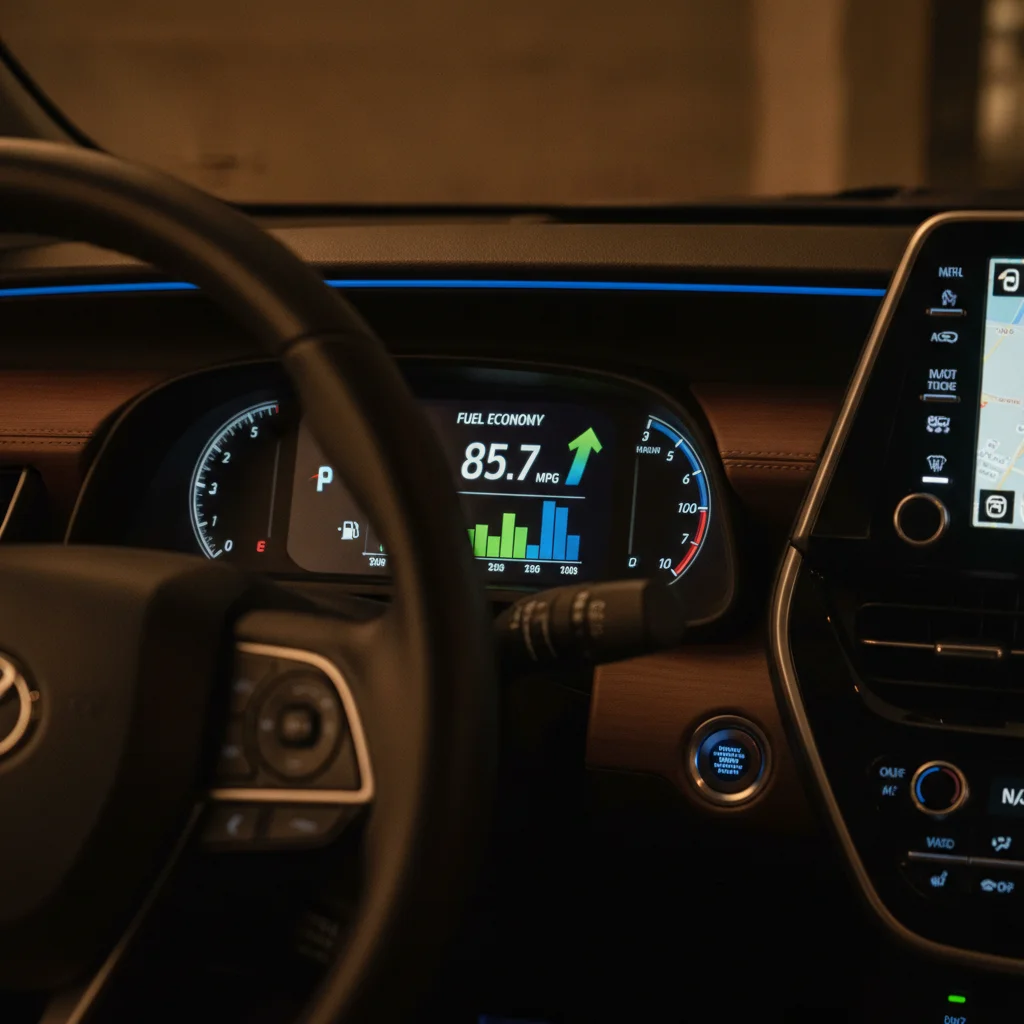
Look up your vehicle's EPA fuel economy rating at fueleconomy.gov and pull it into your listing immediately. Don't just say 'great on gas' — give buyers the number. For a car averaging 42 MPG combined, calculate what that saves versus an average 25 MPG vehicle at current fuel prices. At $4.50/gallon and 15,000 miles per year, the difference is roughly $900 annually. That's a number a motivated buyer can feel.
If you have a trip computer readout or recent fueling receipts that demonstrate real-world MPG close to or above EPA estimates, photograph those too. Real-world efficiency data is more persuasive than the sticker.
Price Using Current Comparables, Not Last Month's Data
Run a fresh search on AutoTrader, Cars.com, and Carmax for your exact model, trim, year, and mileage range in your region. Note the asking prices and — if visible — how long listings have been active. During a spike, listings move faster and asking prices climb. Use the current market, not the KBB or Edmunds estimate that was last updated three weeks ago. Those tools lag real-time demand.
Set your price at the high end of the comparable range, not the middle. Motivated buyers during a gas panic are less price-sensitive than normal buyers — they've already calculated what they'll save on fuel. Price the value, not the median.
Photograph Your Car the Right Way, Right Now
Good photos are non-negotiable. Do them today, not after you 'clean it up this weekend.' Buyers during a spike are moving fast and will skip past low-effort listings. Wash the exterior, clear out the interior, and shoot in natural daylight — overcast days work great, direct noon sun creates harsh shadows. Cover all angles: front three-quarter, rear three-quarter, driver side, passenger side, engine bay, odometer showing mileage, and all four corners of the interior.
If your car has any features that signal efficiency or tech — a large infotainment screen showing the hybrid energy monitor, a charge port door on a PHEV, a fuel economy display — photograph those specifically. They reinforce the buyer's core motivation.
[in_content_images:2]Gather Your Service Records and Ownership Documents
Pull together whatever maintenance documentation you have — oil change receipts, dealer service records, or a Carfax report if you don't have paper records. For a hybrid, any documentation of battery health checks or hybrid system service is especially valuable. Buyers shopping during a spike are often first-time hybrid shoppers who are anxious about battery life — documentation that the system has been maintained addresses that concern directly.
Make sure you have the title in hand or know exactly where it is. A sale that stalls because you can't locate the title wastes the window you're trying to exploit.
Write a Listing Description That Speaks to Spike-Era Buyers
Your description should lead with the efficiency story, not a generic overview. Something like: 'With gas averaging $4.60/gallon locally, this 42 MPG hybrid will save its next owner roughly $75/month versus a typical 25 MPG vehicle at current prices.' That framing puts money in the buyer's pocket before they've even read the rest of the listing.
Follow with condition, mileage, key features, and maintenance history. Close with a clear call to action and your preferred contact method. Respond to every inquiry within two hours if possible — slow response during a fast-moving window is how you lose buyers to the next listing.
List Across Multiple Channels Simultaneously
Don't pick one platform and wait. List on Facebook Marketplace, Craigslist, AutoTrader, and Cars.com at the same time. Facebook Marketplace in particular surfaces listings quickly to local buyers and generates fast inquiries. If you want to capture wholesale value as a floor, get instant offers from CarMax, Carvana, and similar services concurrently — most offers are good for seven days, giving you a benchmark while you test the private market.
The goal is maximum exposure in minimum time. A spike-driven buyer is often looking at dozens of listings — you want yours in front of them before they've already committed to someone else's car.
Negotiate From Strength, But Close Fast
When offers come in, you're in a stronger position than in a flat market — but don't overplay it. A buyer who's serious and pre-qualified to pay close to asking is worth more than a higher hypothetical offer that might materialize in a week. The market window you're working in is measured in days, not months.
Counter reasonably on lowball offers rather than dismissing them — some buyers open low out of habit, not out of actual unwillingness to pay fair market value. Establish your floor based on your instant offer benchmarks and hold it. If a buyer is within 5% of your asking price and is ready to transact today, close it.
Beware of Overpricing Into the Spike
It's tempting to push your ask significantly above market during a frenzy, but buyers doing spike-driven research are comparing multiple listings quickly. A price that's 20% above comparable vehicles will get skipped even by motivated buyers. Price at the high end of the current market range — not above it.
Quantify the Savings for Your Buyer
Don't just list your MPG — do the math for the buyer. Calculate annual fuel savings versus an average 25 MPG vehicle at current local gas prices and put that dollar figure in the listing. Buyers respond to concrete numbers, especially when they're already emotionally activated by high fuel costs.
Get Multiple Instant Offers as a Floor
Before committing to private sale only, spend 20 minutes getting quotes from two or three instant offer services. These quotes are good for several days and give you a real-world benchmark. If your private sale stalls past the first week, you can accept one of these offers knowing you've captured spike-era value.
Instant Offers vs. Private Sale: Which Move Fits the Moment
During a gas spike, you have two viable paths, and the right one depends on how much time and energy you're willing to trade for extra dollars.
Private Sale
A private sale during peak demand can net you the highest price — sometimes $1,500 to $3,000 more than a wholesale or instant offer. But it requires managing inquiries, test drives, and negotiation, all while the window is ticking. If your car is well-prepped and priced right, you might close in five to seven days. If it drags past two weeks, you may be chasing a market that's already moved on.
Instant Offer Platforms
Services like CarMax, Carvana, and similar platforms will buy your car directly, often within 24 to 48 hours. Their algorithms do factor in current market demand — during a gas spike, offers on efficient vehicles tend to be meaningfully higher than in a flat market. You won't capture the absolute ceiling, but you'll lock in spike-era value without any of the private sale friction. For a side-by-side look at how these platforms compare on payout and speed, the instant offer platform comparison hub is worth a quick read.
The Hybrid Approach
Get two or three instant offers first — this gives you a real floor and a data point. Then list privately at 10–15% above the best instant offer. If you get a serious inquiry within the first week, great. If not, you can accept the instant offer knowing you didn't leave easy money behind.
The Window Closes Faster Than You Think
Gas spike premiums on efficient vehicles typically compress within two to four weeks as new inventory enters the market and buyer urgency fades. Sellers who spend the first week 'getting ready' often list into a market that's already normalizing. If a spike is in the news today, your listing should be live within 48 to 72 hours — not next weekend.
The one thing to avoid: sitting on the decision waiting for a better offer that may never come. The optimism trap for sellers in hot markets is real — most people overestimate how long elevated demand lasts and end up selling into a normal market at prices they could have gotten any time.
After the Sale: Timing Your Next Move
If you sold your efficient car during a spike, you're now in an interesting position: you have cash, and the market for less-efficient vehicles has softened. Trucks and larger SUVs are harder to sell when gas is expensive, which means dealers and private sellers are more motivated. It can be a decent moment to buy something you've been eyeing — though obviously not another fuel-sipper if you just sold one to capture a premium.
It's also worth thinking about whether this was a short-term play or part of a longer transition. If you sold because you genuinely wanted out of a car you were planning to replace anyway, great — you picked the right moment. If you sold opportunistically and now need to replace the vehicle, factor in that replacement cost carefully. Buying a hybrid at spike prices to replace the hybrid you just sold at spike prices doesn't net you much.
For readers who want to think about both sides of this equation — when to sell and when to buy — the spring buying surge article covers how seasonal demand affects what buyers pay, which is the mirror image of what you just took advantage of as a seller. And if you're weighing a short-term window like this against waiting for a different kind of market peak, this short-term vs. long-term timing breakdown lays out the tradeoffs clearly.
Bottom line: gas price spikes are one of the most predictable demand surges in the used car market, and they favor sellers who are ready to move fast. The sellers who capture real premiums aren't the ones who get lucky — they're the ones who've done the prep work, know their numbers, and don't wait for a 'better' moment that's already passing them by.

All claims are backed by peer-reviewed research. Sources on request.