
| Convertible Peak Season | Late February – mid-April (Based on nationwide used-car listing and sales data patterns) |
| Truck Peak Season (Primary) | March – May (construction ramp-up) |
| Truck Peak Season (Secondary) | September – November (4WD / hunting season) |
| SUV Broadest Demand Window | March – June (Aligns with tax refund season and summer travel planning) |
| Hybrid Demand Trigger | Gas price spikes (any calendar month) (iSeeCars and CarGurus market reports) |
| Worst Month for Convertibles | December – January |
| Average Sale Price Difference (Peak vs. Off-Peak) | $500 – $2,000 (Varies by vehicle type and regional market conditions) |
| Sports Car Best Listing Window | February – June |
Why Vehicle Type Changes Everything About Sale Timing
Most sellers think about timing in broad strokes — list in spring, avoid winter, hope for the best. That framework isn't wrong, but it's incomplete. The real variable isn't just the season; it's the match between your vehicle type and buyer demand at that exact moment.
A convertible and a four-wheel-drive pickup truck don't compete for the same buyer pool. They don't peak in the same month, and they don't suffer the same seasonal valleys either. Listing the wrong vehicle at the wrong time of year can quietly cost you $500–$2,000 compared to what you'd have gotten by waiting six to eight weeks.
This guide breaks down the optimal windows for the most common vehicle categories — convertibles, trucks, SUVs, sedans, hybrids and fuel-efficient cars, and sports/enthusiast models. Use it as a reference before you set a listing date.
| Convertible Peak Season | Late February – mid-April (Based on nationwide used-car listing and sales data patterns) |
| Truck Peak Season (Primary) | March – May (construction ramp-up) |
| Truck Peak Season (Secondary) | September – November (4WD / hunting season) |
| SUV Broadest Demand Window | March – June (Aligns with tax refund season and summer travel planning) |
| Hybrid Demand Trigger | Gas price spikes (any calendar month) (iSeeCars and CarGurus market reports) |
| Worst Month for Convertibles | December – January |
| Average Sale Price Difference (Peak vs. Off-Peak) | $500 – $2,000 (Varies by vehicle type and regional market conditions) |
| Sports Car Best Listing Window | February – June |
For a broader look at the market forces that interact with these seasonal cycles, see our comprehensive market timing guide.
Convertibles: Ride the Spring Wave
Convertibles are the most season-sensitive vehicles on the used market. Demand follows the weather almost to the week. The window is narrow and it closes fast.

Best Time to List
Late February through mid-April is your prime window in most of the country. Buyers start dreaming about open-air driving while there's still snow on the ground — they want the car before the warm weather arrives, not after they've already missed the first nice weekends. Listings placed in this window routinely attract more inquiries and faster offers than those listed in May or June, when buyers realize the season is already underway and urgency has shifted.
Worst Time to List
October through January is a soft market for soft-tops. You'll still find buyers — someone is always moving to a warmer state or getting an early holiday impulse — but the pool shrinks and offers will reflect that. Expect to field low-ball offers and longer days on market.
Regional Exceptions
If you're in Florida, Southern California, Arizona, or the Gulf Coast, your seasonal spread is wider. A convertible can sell at or near peak value almost year-round in those markets. Geography matters significantly here — our regional timing guide goes deeper on how location shifts the math.
One More Factor
Convertible pricing also gets nudged by auto show season. When a manufacturer reveals a new roadster or drops a refreshed convertible model at a major show, interest in the outgoing version can soften temporarily. Timing around auto show announcements is worth checking if you own a model that gets regular updates.
Peak demand window
The period of the year when buyer interest in a specific vehicle type is highest, typically producing faster sales and stronger offers. It varies significantly by vehicle category and region.
Seasonal depreciation
The temporary loss in a vehicle's market value caused by reduced buyer demand during an off-peak season, separate from long-term mechanical depreciation. A convertible loses seasonal value in winter but regains it in spring.
Tax refund season
Roughly February through April, when many buyers receive federal and state tax refunds and are more likely to use that cash toward a used-vehicle purchase. This event drives noticeable demand spikes in the mid-price used-car segment.
Incentive sensitivity
The degree to which a vehicle's used-market demand is affected by federal or state purchase incentives for new versions of that vehicle. EVs and PHEVs are highly incentive-sensitive — a new tax credit can suppress used pricing quickly.
Days on market (DOM)
The number of days a listing is active before a sale is completed. Lower DOM is a key indicator of strong demand; vehicles listed during peak windows typically show significantly lower DOM than those listed in off-peak periods.
Auto show effect
The impact on used-vehicle demand caused by a manufacturer's announcement or reveal of a new or updated model at a major auto show. It can either suppress pricing for outgoing versions or temporarily lift interest in the brand.
Pickup Trucks: Two Peak Windows, Not One
Trucks are less season-dependent than convertibles, but they still have meaningful demand cycles — and there are actually two distinct peaks most sellers miss.
Spring Peak (March–May)
As construction season kicks off and spring projects get underway, demand for work trucks rises sharply. Contractors, landscapers, and tradespeople who deferred a purchase over winter start buying. This is especially strong for heavy-duty configurations — diesel engines, long beds, max tow packages.
Fall Peak (September–November)
The second window is subtler but real. Buyers preparing for hunting season, winter hauling, and year-end budget spending push truck demand back up in the fall. Four-wheel-drive and all-terrain configurations see the strongest lift here. This aligns with what dealers see too — if you're weighing a trade-in versus a private sale, our seasonal trade-in timing breakdown explains which route advantages you most in fall versus spring.

Summer Dip
Truck demand dips slightly in July and August relative to those peaks, though it never falls as sharply as convertible demand does in winter. If you're stuck selling mid-summer, a well-documented work history and service records become more important — buyers are shopping price more carefully when supply is adequate.
Diesel vs. Gas Timing
Diesel truck demand has an additional layer: fuel price sensitivity. When diesel prices are elevated, some buyers shift preference toward gas configurations, which can briefly soften diesel premiums. Worth monitoring if your truck is diesel-powered.
$1,500+
Avg premium for convertibles listed in peak spring window
Compared to equivalent listings placed in October through December, based on aggregated used-car market analyses.
2x
Relative inquiry volume for hybrids during gas price spikes
iSeeCars research shows hybrid search volume roughly doubles during periods of significant fuel price increases.
3–4 weeks
How quickly hybrid demand fades after gas prices stabilize
The pricing window for fuel-efficient vehicles during gas spikes is narrow — acting fast is critical to capturing the premium.
15–20%
More truck listings in spring vs. winter
Supply and demand both rise in spring for trucks, but demand outpaces supply in the construction-season ramp-up period.
6–8 weeks
Typical gap between optimal and suboptimal listing windows
For most vehicle types, waiting or advancing your listing by six to eight weeks can meaningfully change the buyer pool and final sale price.
SUVs: The Steady Performer With Seasonal Nuances
SUVs are the most forgiving vehicle type to sell year-round — demand is broad-based and relatively consistent. But consistent doesn't mean flat. There are still meaningful windows worth chasing.
Best Time to List
March through June captures families planning summer road trips, buyers whose tax refunds just landed, and buyers who just moved or expanded their household. This is the single busiest period for SUV inquiries across most regions.
September through October produces a secondary bump as buyers think about winter weather capability, especially for AWD and 4WD configurations. If you own a three-row SUV, fall also lines up with back-to-school season — families who just experienced another year of cramped seating start shopping seriously.
Compact vs. Full-Size Matters
Compact crossovers follow spring demand closely and are year-round sellers in urban markets. Full-size body-on-frame SUVs (the ones built on truck platforms) track closer to truck demand cycles — they benefit from the fall AWD/4WD spike more than crossovers do.
Timing Your Listing with Tax Refunds
February and March see a surge in used-car buying funded by tax refunds. Listing an SUV priced in the $12,000–$22,000 range in mid-February — even slightly ahead of the spring traffic peak — can catch buyers who have cash in hand and want to move quickly. Pricing it right matters enormously in this window. See how seasonal demand temporarily affects valuation tool estimates before you set your ask.
Tax Refund Timing Varies by Year
The IRS processes refunds faster in some years than others, and filing deadline changes can shift the tax refund demand window by two to three weeks. Keep an eye on average refund processing times in the current year rather than assuming the window starts precisely on February 1.
Peak Season Listings Face More Competition
Listing during peak demand season improves your odds, but supply rises alongside demand. More buyers in the market also means more sellers listing similar vehicles. Pricing competitively and having clean photos and documentation matters more, not less, during high-traffic windows.
Valuation Tools Lag Real Demand
Tools like KBB and Edmunds update their estimates periodically, not in real time. During a sudden gas-price spike or an early warm spell that drives convertible interest, actual transaction prices may exceed what a valuation tool shows for several weeks. Check recent sold listings on Craigslist, Facebook Marketplace, and CarGurus to calibrate your ask.
Sedans, Hybrids, and Fuel-Efficient Cars: Follow the Gas Pump
Fuel-efficient vehicles play by different rules than any other segment. Gas prices are a more powerful demand driver than the calendar for these vehicles — and that creates an opportunity that doesn't exist for other types.
The Gas Price Spike Window
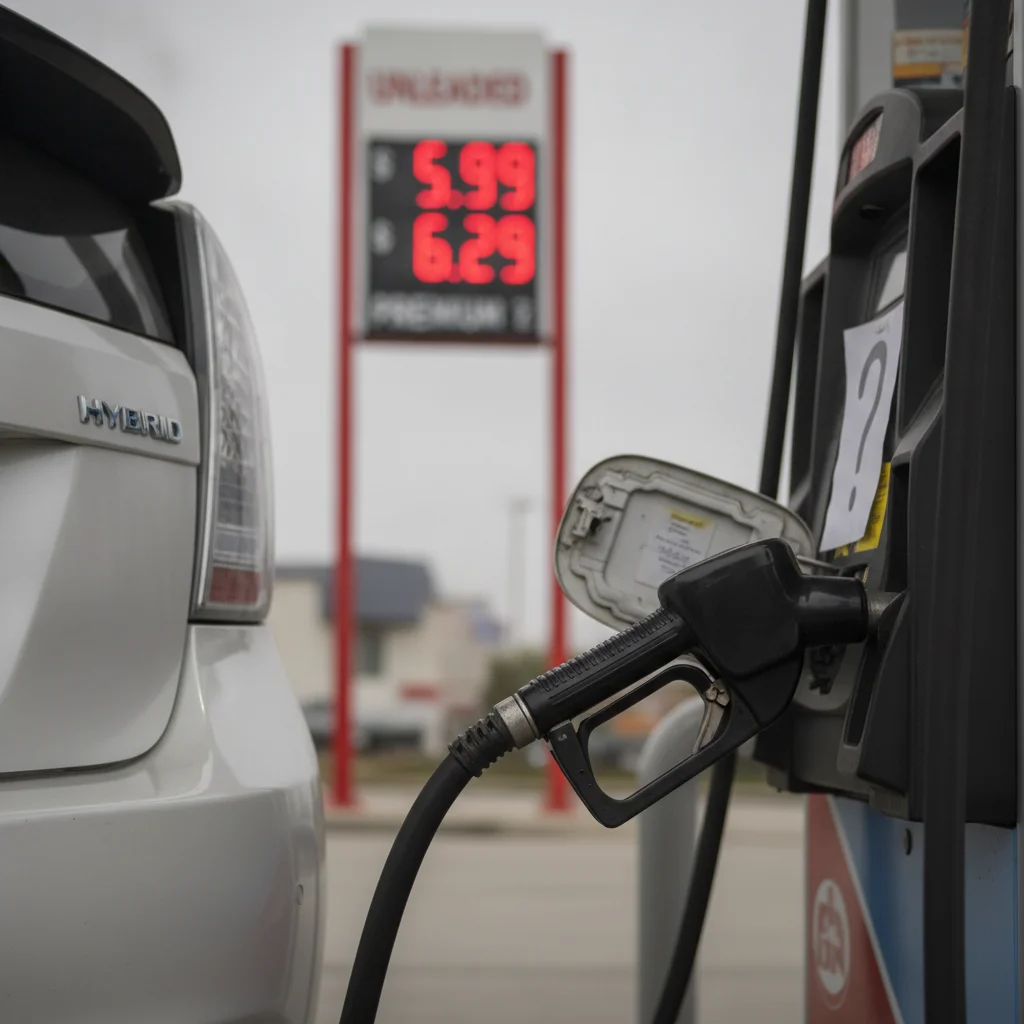
When average fuel prices climb sharply — even for two to four weeks — search volume for hybrids and high-MPG vehicles spikes almost immediately. Used Prius listings, fuel-efficient sedans, and hybrid SUVs see faster offers and higher closing prices during these windows. The key is acting quickly. Buyer sentiment shifts fast and fades nearly as fast once prices stabilize. Our dedicated guide on leveraging gas price spikes for fuel-efficient car sales is worth reading before you list.
Seasonal Baseline
Even without a fuel price spike, spring remains the baseline peak for sedans. The tax refund effect hits smaller-budget buyers especially hard in this segment, since sedans cluster in price ranges where a $2,000–$3,000 refund meaningfully changes what a buyer can afford.
EV and Plug-In Hybrid Timing
Electric and plug-in hybrid vehicles are sensitive to a different variable: federal and state incentive policy. When tax credit eligibility changes — or when buyers anticipate it will — demand shifts sharply. Selling before a major incentive change that makes new EVs cheaper is a legitimate timing strategy. Conversely, a well-optioned used EV can become much harder to sell if a manufacturer cuts new-car pricing significantly, which has happened repeatedly in recent years.
Understanding how these vehicles depreciate compared to traditional gas vehicles helps frame the decision. See our depreciation curves by vehicle type for a clear picture of how the curves differ.
Plain Sedans Without a Fuel Economy Story
Non-hybrid, mid-size sedans are steady but unremarkable performers year-round. Spring gives a mild lift; January and February tend to be soft. The bigger lever for plain sedan sellers isn't season — it's condition documentation and competitive pricing relative to similar listings.
Sports and Enthusiast Cars: Timing the Emotional Buy
Sports cars occupy a narrow but predictable emotional market. These aren't utility purchases — buyers are buying a feeling, and certain times of year amplify that impulse more than others.
Best Window: Late Winter to Spring
February through April is the strongest window, for similar reasons as convertibles — buyers are emerging from winter with cabin fever and a willingness to spend on something they want rather than need. The difference is that sports cars maintain stronger interest into June because they're not purely weather-dependent to enjoy.
Auto Show Sensitivity
This is the vehicle category most affected by auto show timing. If a manufacturer announces a significantly updated version of the car you're selling — or a compelling competitor — at the Detroit, New York, or LA show, your used listing may soften within weeks. Conversely, strong auto show buzz around a similar model can actually lift interest in used versions because it puts the brand in buyers' minds. The auto show timing guide breaks down how to read those signals.

Limited-Production and Collector Models
Appreciating or low-supply enthusiast cars follow different rules entirely — those are investment-market decisions, not seasonal ones. If you own something genuinely rare, seasonal timing is secondary to finding the right buyer through the right channel.
Peak vs. Off-Season Trade-offs
One honest caveat: selling in peak demand season means more buyers, but it often means more competing listings too. Before defaulting to the obvious spring window, read through the pros and cons of peak season selling — sometimes listing slightly ahead of the peak, when supply is still thin, nets you more than listing in the dead center of the rush.
Also worth considering: if you're selling to buy another vehicle, the timing of your sale and purchase interact. The buyer-side timing hub covers when purchase windows open up so you can coordinate both transactions if needed.
Market Timing for Car Sellers: Everything You Need to Know
A comprehensive look at seasonal cycles, economic indicators, and vehicle-type demand windows. Essential reading before you set a listing date for any vehicle.
Seasonal Demand and How It Temporarily Inflates or Deflates Your Car's Value
Explains exactly how time of year affects valuation tool estimates versus what real buyers will actually pay — a critical distinction when pricing your listing.
Depreciation Curves by Vehicle Type
Sedans, trucks, and EVs lose value at very different rates. This guide shows how to read those curves and choose the moment that minimizes your depreciation loss.
Gas Price Spikes and Fuel-Efficient Cars: A Seller's Opportunity Window
When fuel prices surge, hybrid and high-MPG demand follows immediately. This guide helps you recognize and act on that window before it closes.
Regional Timing Differences: Why Peak Season Varies by Climate and Geography
National timing windows are averages. This guide shows how your specific region and climate can shift optimal listing dates by a month or more.
The Pros and Cons of Selling During Peak Demand Season
More buyers in peak season also means more competing listings. This balanced breakdown helps you decide whether listing at the obvious peak — or just before it — is the smarter play.
Quick Reference: Vehicle Type Timing Summary
Use this section as a fast lookup when you're deciding whether to list now or wait.
| Vehicle Type | Peak Window | Secondary Peak | Avoid |
|---|---|---|---|
| Convertibles | Late Feb – mid-April | — | Oct – Jan |
| Pickup Trucks | March – May | Sept – Nov | Late July |
| SUVs (all sizes) | March – June | Sept – Oct | Jan – Feb |
| Compact Crossovers | March – May | Year-round in urban markets | — |
| Sedans (non-hybrid) | March – May | — | Jan – Feb |
| Hybrids / High MPG | Gas price spikes (any time) | March – May | — |
| EVs / PHEVs | Before incentive changes | March – May | After major manufacturer price cuts |
| Sports Cars | Feb – June | — | Nov – Jan |
Keep in mind that all of these windows assume national averages. Your local climate and regional demand patterns can shift these windows by four to six weeks in either direction. The seasonal depreciation patterns guide adds another layer — showing how price softening in off-peak months is sometimes steep enough to justify storing a vehicle rather than listing it at a discount.
Finally, if you're selling while simultaneously shopping for a replacement, coordinate both sides. The trade-in strategies hub covers how to use your existing vehicle as leverage in a purchase negotiation rather than selling it outright first.

All claims are backed by peer-reviewed research. Sources on request.