Key Takeaways
Larger pool of active, motivated buyers
Peak season concentrates buyer demand, meaning your listing reaches more people who are actively shopping rather than casually browsing. More serious inquiries translate to faster offers and stronger negotiating position.
Tax refund cash drives purchase-ready buyers
February through April puts lump sums in buyers' hands, and used vehicles are a top spending category. Buyers in this window often have a defined budget and are ready to move quickly on the right vehicle.
Shorter time-to-sale reduces holding costs
Faster sales mean fewer weeks of ongoing insurance, loan interest (if applicable), and continued depreciation. A quick clean sale is often more financially efficient than a longer off-season listing at a marginally better price.
Greater negotiating leverage from competing offers
When multiple buyers are inquiring simultaneously, you have real options and buyers know it. That dynamic supports your asking price and reduces pressure to accept a lowball offer out of desperation.
Seasonal demand boosts certain vehicle categories
Convertibles, trucks, and outdoor-capable vehicles see category-specific demand spikes in their respective seasons. Selling a truck in summer or a convertible in spring can yield meaningfully better prices than selling those same vehicles in winter.
Higher visibility for new listings
Major platforms like Facebook Marketplace, CarGurus, and Autotrader see increased traffic during peak season, so your listing naturally receives more organic views without additional promotion.
Surge of competing listings reduces your edge
Every other seller is watching the same seasonal signals you are. The result is a flooded marketplace where buyers have abundant alternatives, which limits your ability to price above market and hold firm.
High inquiry volume is time-consuming and draining
Managing dozens of inquiries, scheduling showings, fielding low offers, and dealing with no-shows is a real workload. Sellers with demanding schedules may find peak-season volume more exhausting than advantageous.
Buyers negotiate harder when they have options
A buyer who can open their phone and see ten similar listings nearby isn't in a desperate position. Peak season gives buyers confidence that there's always another car if they don't get yours at their price.
Overpricing mistakes are more costly
In a market full of competing listings, an overpriced vehicle stalls quickly. Price misjudgments that might be forgiven in low-inventory conditions will cost you weeks of listing time during peak season.
Peak timing varies by vehicle type
Spring isn't peak season for every vehicle. Listing an AWD SUV in April instead of October, or a sports car in January instead of March, can mean chasing the wrong demand window entirely.
Holding costs may erode the seasonal premium
If you're carrying a loan or paying monthly insurance on a vehicle you're waiting to sell, the cost of holding for peak season can chip away at — or eliminate — the price advantage you're aiming for.
Our Verdict
Selling during peak demand season genuinely increases your odds of a faster sale at a stronger price — but it's not a guarantee. The real edge goes to sellers who combine good timing with a well-prepared vehicle, competitive pricing, and a quality listing. If your car is in solid shape and you have the flexibility to wait for the right window, timing the market is worth doing. If you're in a crunch, don't let the calendar paralyze you.
Best for sellers with a flexible timeline who want to maximize sale price and are willing to prep their vehicle and manage buyer inquiries during a busy selling window.
What 'Peak Demand Season' Actually Means for Used Cars
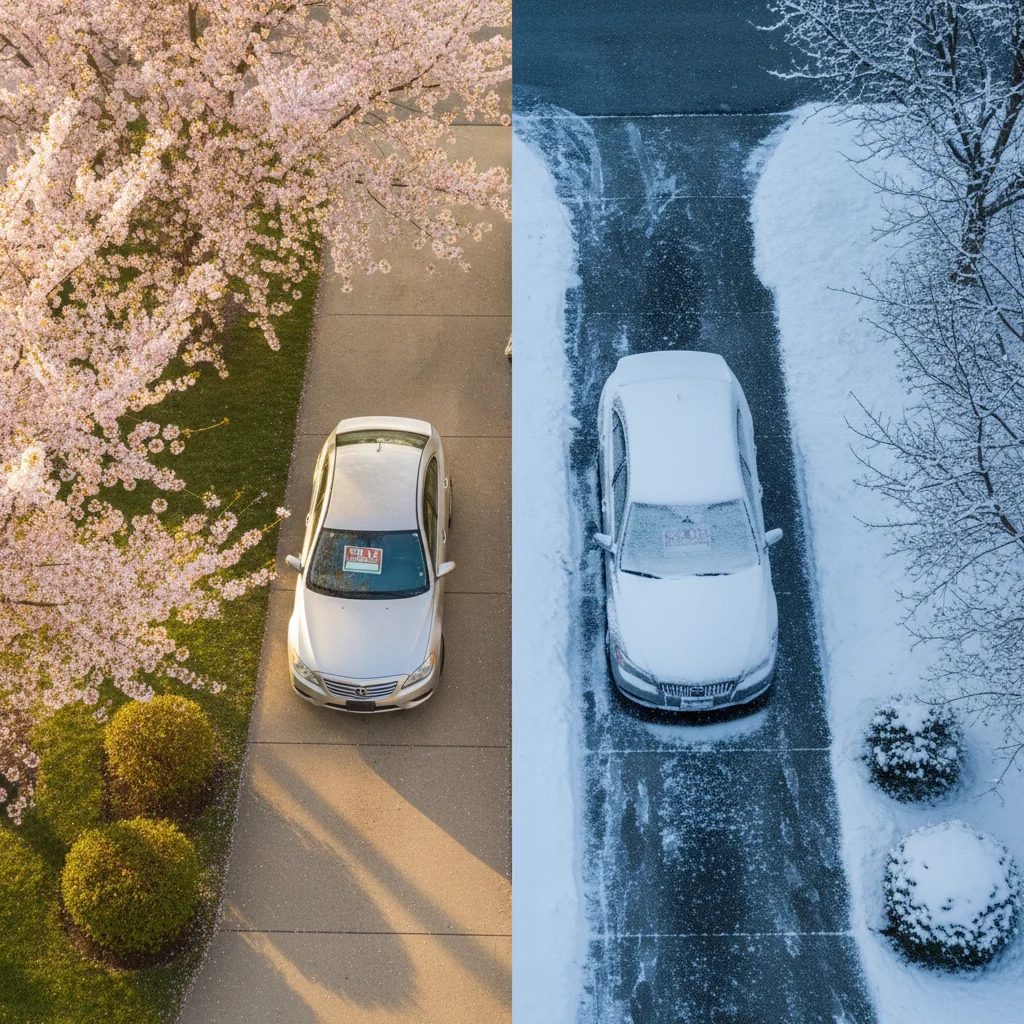
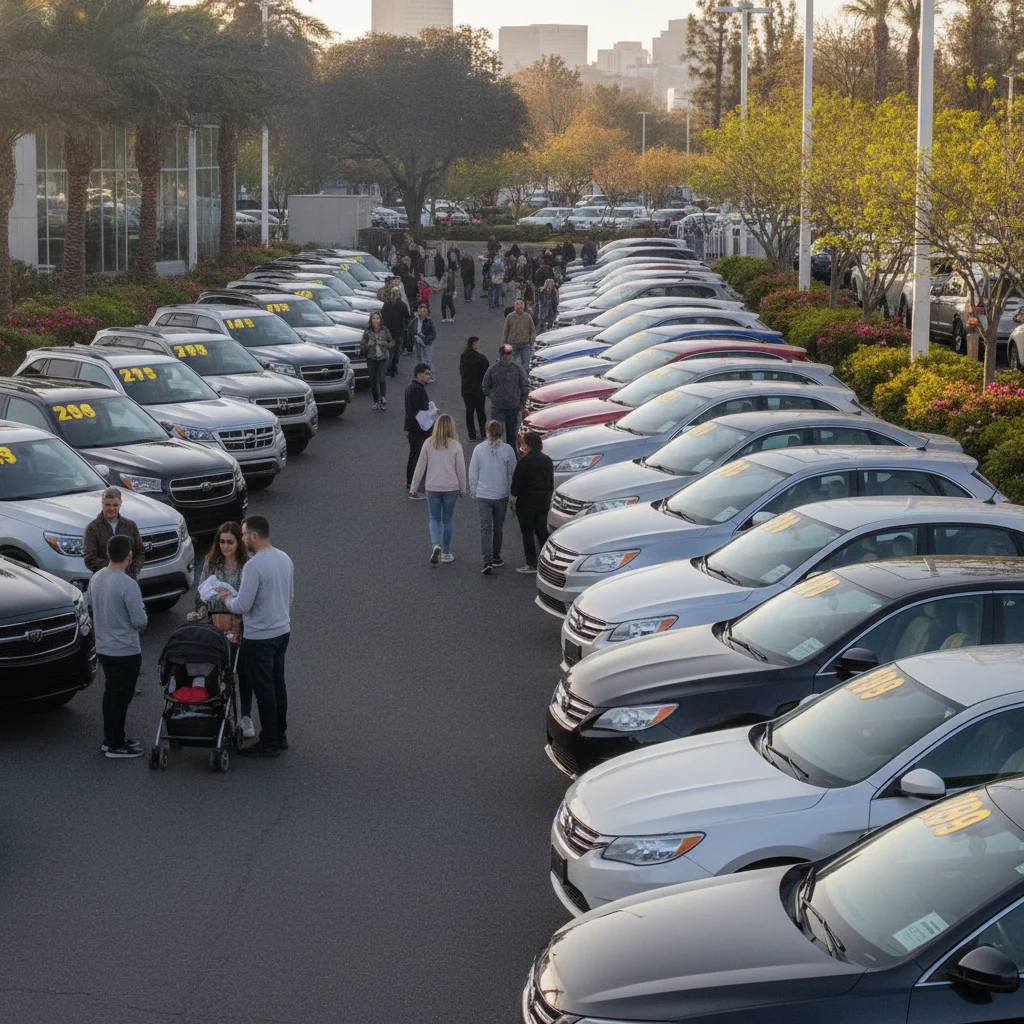
Peak demand season isn't one fixed window — it's a cluster of overlapping trends that push buyer activity higher than the annual baseline. For used cars in the U.S., that generally means late February through early June, with a secondary bump in late summer. February and March kick things off when tax refunds start hitting bank accounts. April and May see buyers motivated by weather, new-year restlessness, and the school-year calendar. By June, families are finalizing road trip rigs and college kids are heading home needing transportation.
That said, 'peak' varies significantly by vehicle type. A convertible listed in March will get very different attention than a 4WD pickup listed the same week. If you want to get precise about timing for your specific vehicle, matching your vehicle type to its demand window is worth doing before you set a list date.
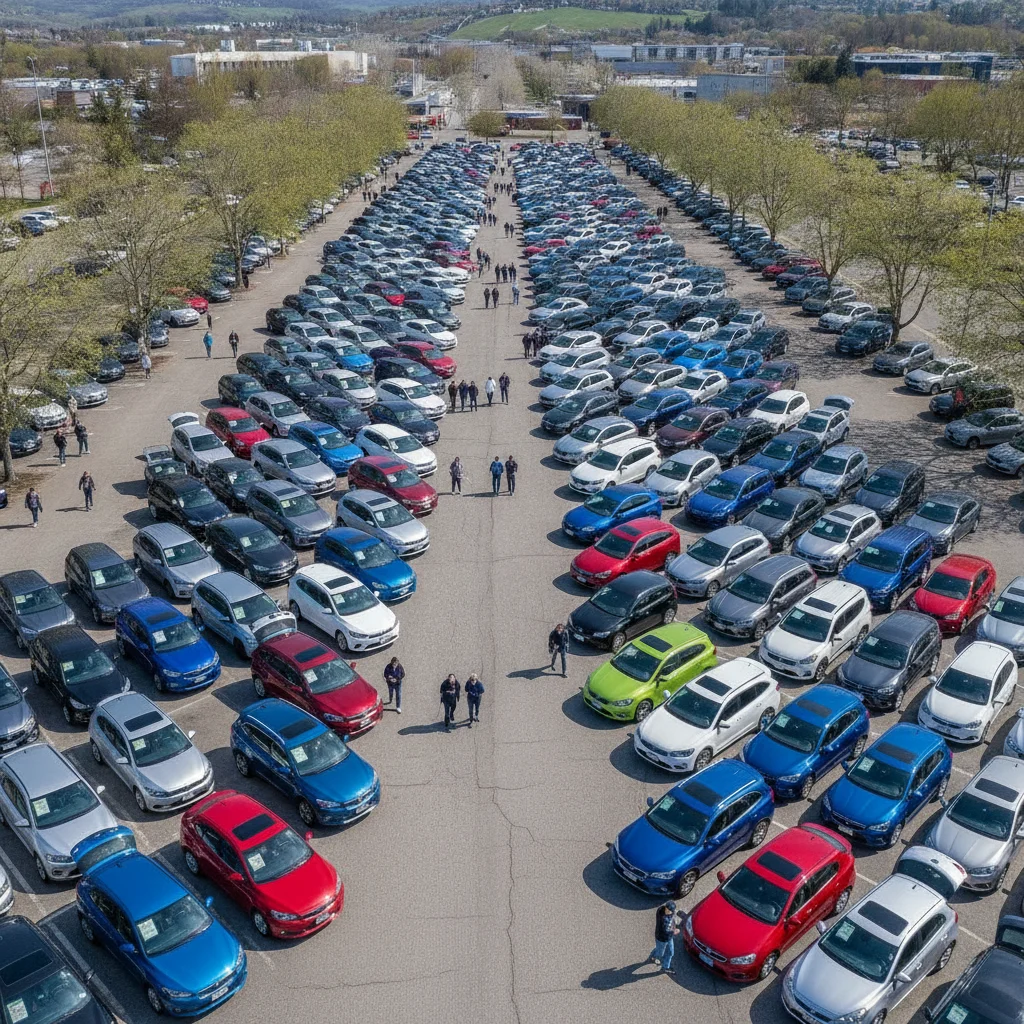
The broader market context matters too. Used car values don't exist in a vacuum — inventory levels at dealerships, new car production cycles, and even fuel prices all shape what buyers are willing to pay. Peak season amplifies whatever market conditions already exist. In a supply-constrained environment, peak season can produce genuinely impressive sale prices. In an oversupplied market, it just means more competition from other sellers doing the same thing you are.
The Advantages of Selling During Peak Season
Let's start with the honest upside, because it's real.
Larger pool of active, motivated buyers
Peak season concentrates buyer demand, meaning your listing reaches more people who are actively shopping rather than casually browsing. More serious inquiries translate to faster offers and stronger negotiating position.
Tax refund cash drives purchase-ready buyers
February through April puts lump sums in buyers' hands, and used vehicles are a top spending category. Buyers in this window often have a defined budget and are ready to move quickly on the right vehicle.
Shorter time-to-sale reduces holding costs
Faster sales mean fewer weeks of ongoing insurance, loan interest (if applicable), and continued depreciation. A quick clean sale is often more financially efficient than a longer off-season listing at a marginally better price.
Greater negotiating leverage from competing offers
When multiple buyers are inquiring simultaneously, you have real options and buyers know it. That dynamic supports your asking price and reduces pressure to accept a lowball offer out of desperation.
Seasonal demand boosts certain vehicle categories
Convertibles, trucks, and outdoor-capable vehicles see category-specific demand spikes in their respective seasons. Selling a truck in summer or a convertible in spring can yield meaningfully better prices than selling those same vehicles in winter.
Higher visibility for new listings
Major platforms like Facebook Marketplace, CarGurus, and Autotrader see increased traffic during peak season, so your listing naturally receives more organic views without additional promotion.
Up to 10–15%
Premium peak-season private-party sellers can capture
iSeeCars and Edmunds analyses consistently show spring private-party sale prices running 10–15% above winter lows for comparable vehicles in similar condition.
~$3,000
Average U.S. tax refund — a common used car down payment
IRS data shows average federal refunds hovering around $3,000, a figure that aligns directly with the typical down payment or purchase budget for affordable used vehicles.
21 days
Median days-to-sale for used vehicles in peak spring months
CarGurus market data indicates median listing duration drops to roughly 21 days in April–May versus 35–40 days in December–January for similar vehicle categories.
30–40%
More listings active in April vs. December
Marketplace data from Autotrader and Facebook Marketplace consistently shows listing volume spikes 30–40% in spring versus the December trough, reflecting the seller-side response to demand.
The most straightforward benefit is buyer volume. More people actively shopping means your listing gets more eyeballs, more inquiries, and — if you're priced right — more offers to choose from. That competition among buyers gives you leverage you simply don't have when the market is quiet. You're less likely to feel pressured into accepting a lowball offer when you know another qualified buyer is waiting in the queue.
Tax refund season deserves its own mention. February through April puts cash directly into buyers' hands, and a meaningful portion of that money goes toward vehicle purchases. These buyers often have a defined budget and are ready to act quickly. If your vehicle is priced to match what a tax refund can cover as a down payment or outright purchase, you're in a strong position.
Faster time-to-sale is the other major upside. Sitting on a listing for weeks is stressful and costly — you're still paying insurance, and every extra week of ownership is a week of depreciation. A peak-season listing that moves in seven to ten days beats an off-season listing that drags on for six weeks, even if the final sale price is roughly similar.
The Drawbacks You Need to Weigh
Peak season isn't all upside. There are real disadvantages that sellers routinely underestimate, and ignoring them can lead to frustrating experiences even when you've timed things correctly.
Surge of competing listings reduces your edge
Every other seller is watching the same seasonal signals you are. The result is a flooded marketplace where buyers have abundant alternatives, which limits your ability to price above market and hold firm.
High inquiry volume is time-consuming and draining
Managing dozens of inquiries, scheduling showings, fielding low offers, and dealing with no-shows is a real workload. Sellers with demanding schedules may find peak-season volume more exhausting than advantageous.
Buyers negotiate harder when they have options
A buyer who can open their phone and see ten similar listings nearby isn't in a desperate position. Peak season gives buyers confidence that there's always another car if they don't get yours at their price.
Overpricing mistakes are more costly
In a market full of competing listings, an overpriced vehicle stalls quickly. Price misjudgments that might be forgiven in low-inventory conditions will cost you weeks of listing time during peak season.
Peak timing varies by vehicle type
Spring isn't peak season for every vehicle. Listing an AWD SUV in April instead of October, or a sports car in January instead of March, can mean chasing the wrong demand window entirely.
Holding costs may erode the seasonal premium
If you're carrying a loan or paying monthly insurance on a vehicle you're waiting to sell, the cost of holding for peak season can chip away at — or eliminate — the price advantage you're aiming for.
The biggest issue is competing supply. When buyers flood the market, sellers do too. Everyone who's been waiting to list their car sees the same seasonal signal and acts on it around the same time. That means your listing is appearing alongside hundreds of similar vehicles, and buyers have options. Pricing discipline matters more during peak season than at any other time — an overpriced vehicle will sit, even in a hot market, because there are good alternatives right next to it.
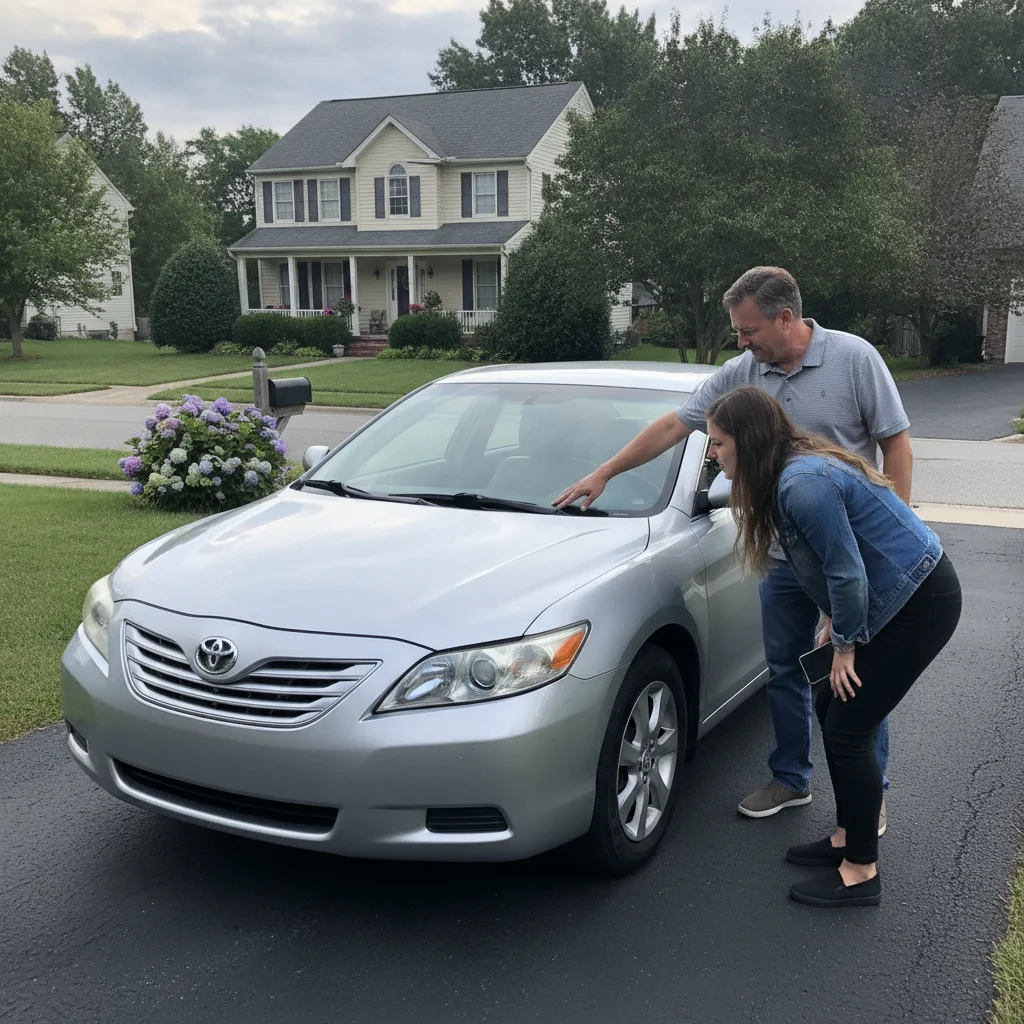
Buyer inquiry volume also comes with a hidden cost: time. Managing ten inquiries a day, scheduling test drives, fielding lowball texts, and dealing with no-shows is genuinely exhausting. If you work full-time and can only handle one or two showings per week, peak season's volume advantage shrinks considerably. Some sellers find that a well-timed off-peak listing — fewer competitors, more serious buyers — is actually easier to manage even if the ceiling price is slightly lower.
There's also the emotional pressure of a busy market. When buyers know inventory is high and they have choices, they negotiate harder. Peak season doesn't eliminate negotiation — in some cases, it intensifies it, because a buyer who can see ten similar listings on their phone isn't going to feel desperate. Be ready to hold your price with confidence or know in advance what your floor is.
Peak Season Doesn't Override Vehicle Condition
No amount of favorable timing compensates for a vehicle with deferred maintenance, undisclosed issues, or sloppy presentation. Buyers in peak season still have choices, and a well-maintained competitor listing will consistently win inquiries over a shabbier vehicle at the same price. Before you bank on seasonal timing, make sure your car earns the premium on its own merits.
When Selling Off-Peak Actually Makes Sense
If you're carrying loan interest, a thin local inventory in your vehicle category, or a model with year-round demand (like a reliable commuter sedan), off-peak selling can outperform the conventional wisdom. Lower competing supply in December or January can sometimes give a motivated seller a cleaner, faster transaction with fewer tire-kickers. Don't assume peak season is always the right answer — run the numbers for your specific situation.
Unusual Demand Spikes Can Behave Like Mini-Peak Seasons
Major weather events — floods, hurricanes, hailstorms — can temporarily spike local used car demand in affected regions, regardless of the calendar month. If you're in or near an area recovering from significant vehicle loss, the timing dynamics shift considerably. <a href="/selling-your-car/pricing-your-car/market-timing/selling-a-car-after-a-major-weather-event-timing-the-demand-surge">Selling after a major weather event</a> follows different rules than standard seasonal timing.
Spring vs. Other Seasons: A Direct Comparison
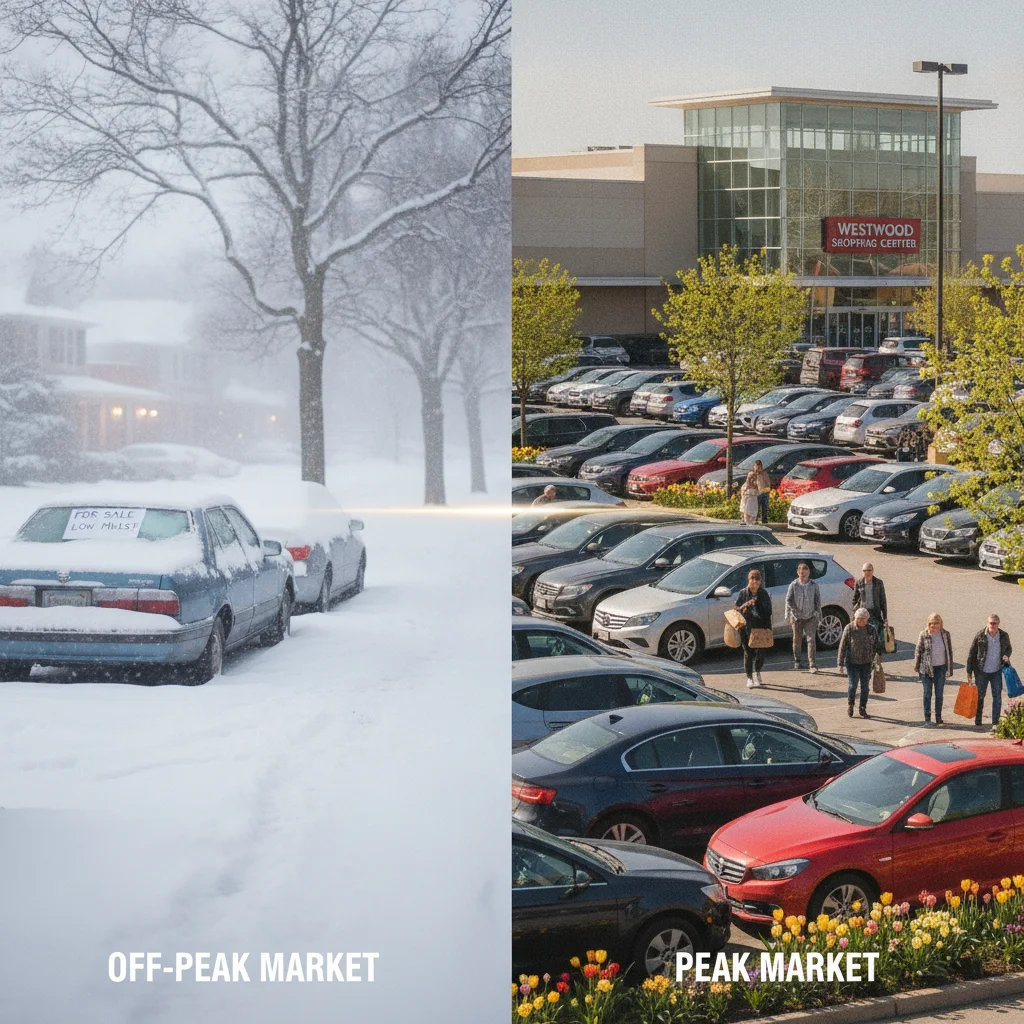
Spring is the most commonly cited peak window, and the data largely backs that up. But let's be specific about why, and where the other seasons fall in comparison.
| Season | Buyer Activity | Competing Listings | Best Vehicle Types |
|---|---|---|---|
| Late Winter (Feb–Mar) | High — tax refunds drive demand | Moderate — many sellers haven't listed yet | Reliable commuters, family sedans |
| Spring (Apr–May) | Peak — broadest buyer pool | High — all sellers are active | Most vehicle types, especially convertibles |
| Summer (Jun–Aug) | Strong — trucks and SUVs spike | High | Trucks, SUVs, outdoor-capable vehicles |
| Fall (Sep–Nov) | Moderate — back-to-school bump fades | Moderate | AWD/4WD vehicles, SUVs pre-winter |
| Winter (Dec–Jan) | Low — holiday spending diverts funds | Low — less competition | Snow-capable vehicles, deals for patient buyers |
One often-overlooked edge: listing in late February, before the full spring surge hits, can put you in front of tax-refund buyers without facing the peak-season listing glut. You get the motivated buyers before the competing sellers arrive. For a deeper breakdown of how spring and winter stack up head-to-head, see how the seasons compare on actual net proceeds.
If you own a pickup truck, summer deserves serious consideration. Truck values peak between May and August for identifiable reasons — contractors, recreation buyers, and towing demand all converge. Missing that window on a truck can cost you real money.
How to Maximize Your Position During Peak Season
If you've decided peak season is the right time to list, here's how to avoid leaving money on the table.
- Get your prep done before the window opens. Don't wait until April to start detailing, fixing small issues, and pulling maintenance records. Start in February so you're ready to list the moment the market heats up.
- Price based on current comps, not what you hope to get. Pull active listings for your year, make, model, trim, and mileage within 100 miles. Price at or slightly below the median — not the ceiling — to drive inquiry volume quickly.
- Write a listing that stands out. Most private listings are lazy. Good photos, accurate condition description, and service history details separate your car from twenty similar listings. The day you publish your listing also matters more than most sellers realize.
- Know your floor before the first inquiry arrives. Decide your minimum acceptable price before emotional pressure enters the picture. Buyers sense hesitation, and peak season buyers who know they have options will probe for it.
- Consider instant offers as a benchmark, not necessarily a destination. Instant offer platforms can give you a fast baseline. If private-party peak-season offers aren't beating that number by enough to justify the effort, the platform sale might be the smarter move.
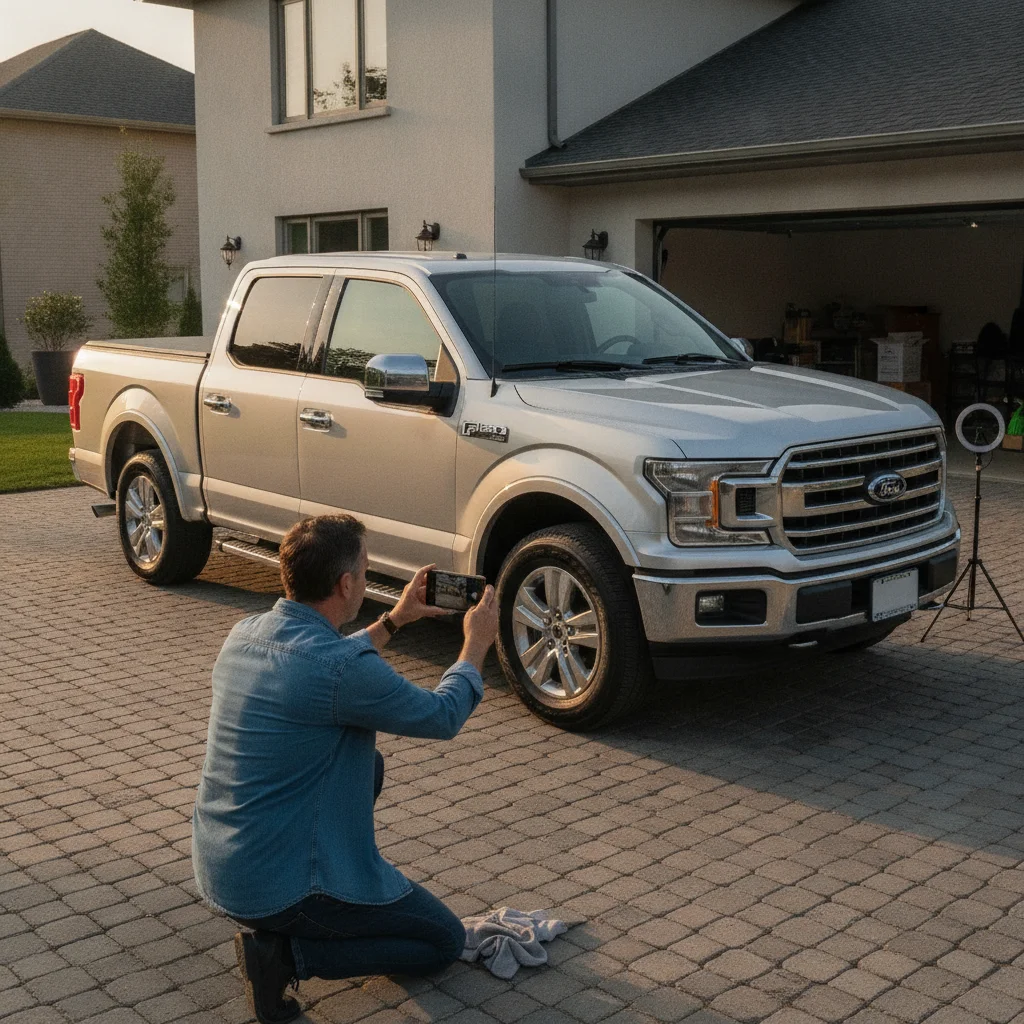
One more thing: don't overlook the micro-timing within peak season. Weekend listings get more immediate views, but weekday listings sometimes attract more serious buyers with fewer competing distractions. If you have flexibility, test your timing at the day level — the difference in response rates is measurable.
When Peak Season Timing Isn't Worth the Wait
Here's the honest counterpoint: for a lot of sellers, waiting for peak season costs more than it gains.
If your current vehicle is depreciating rapidly, has a mechanical issue that will worsen with time, or you're carrying a loan with ongoing interest charges, every month you hold is a month of real financial cost. A $500–$800 peak-season pricing premium might not offset six months of loan interest, insurance, and further mileage accumulation.
Peak Season Doesn't Override Vehicle Condition
No amount of favorable timing compensates for a vehicle with deferred maintenance, undisclosed issues, or sloppy presentation. Buyers in peak season still have choices, and a well-maintained competitor listing will consistently win inquiries over a shabbier vehicle at the same price. Before you bank on seasonal timing, make sure your car earns the premium on its own merits.
When Selling Off-Peak Actually Makes Sense
If you're carrying loan interest, a thin local inventory in your vehicle category, or a model with year-round demand (like a reliable commuter sedan), off-peak selling can outperform the conventional wisdom. Lower competing supply in December or January can sometimes give a motivated seller a cleaner, faster transaction with fewer tire-kickers. Don't assume peak season is always the right answer — run the numbers for your specific situation.
Unusual Demand Spikes Can Behave Like Mini-Peak Seasons
Major weather events — floods, hurricanes, hailstorms — can temporarily spike local used car demand in affected regions, regardless of the calendar month. If you're in or near an area recovering from significant vehicle loss, the timing dynamics shift considerably. <a href="/selling-your-car/pricing-your-car/market-timing/selling-a-car-after-a-major-weather-event-timing-the-demand-surge">Selling after a major weather event</a> follows different rules than standard seasonal timing.
There's also the life-context question. If you need to sell because you're relocating, buying another vehicle, or dealing with a financial change, forcing yourself to hold for a seasonal peak is misplaced optimization. The best sale is the one that fits your actual circumstances.
If you're weighing whether to act now versus holding for a better window, a direct comparison of short-term vs. long-term timing strategies can help you think through it with numbers rather than gut feel. And if you're also considering trading in rather than selling privately, seasonal trade-in timing works differently than private-party sales — dealers don't always follow the same demand calendar that private buyers do.
The full picture of market timing — including economic indicators and inventory cycles beyond just seasonality — is covered in the comprehensive market timing guide for car sellers. If you want to go deeper on any of these variables, that's the right place to start.

All claims are backed by peer-reviewed research. Sources on request.