Key Takeaways
Summary
22 items · 30–60 minutes
Why Timing Is a Real Variable — Not Just a Nice Idea
Most sellers treat timing as an afterthought. They decide to sell, they take some photos, and they post the listing. If they don't get calls, they drop the price. That approach costs money — sometimes a lot of it.
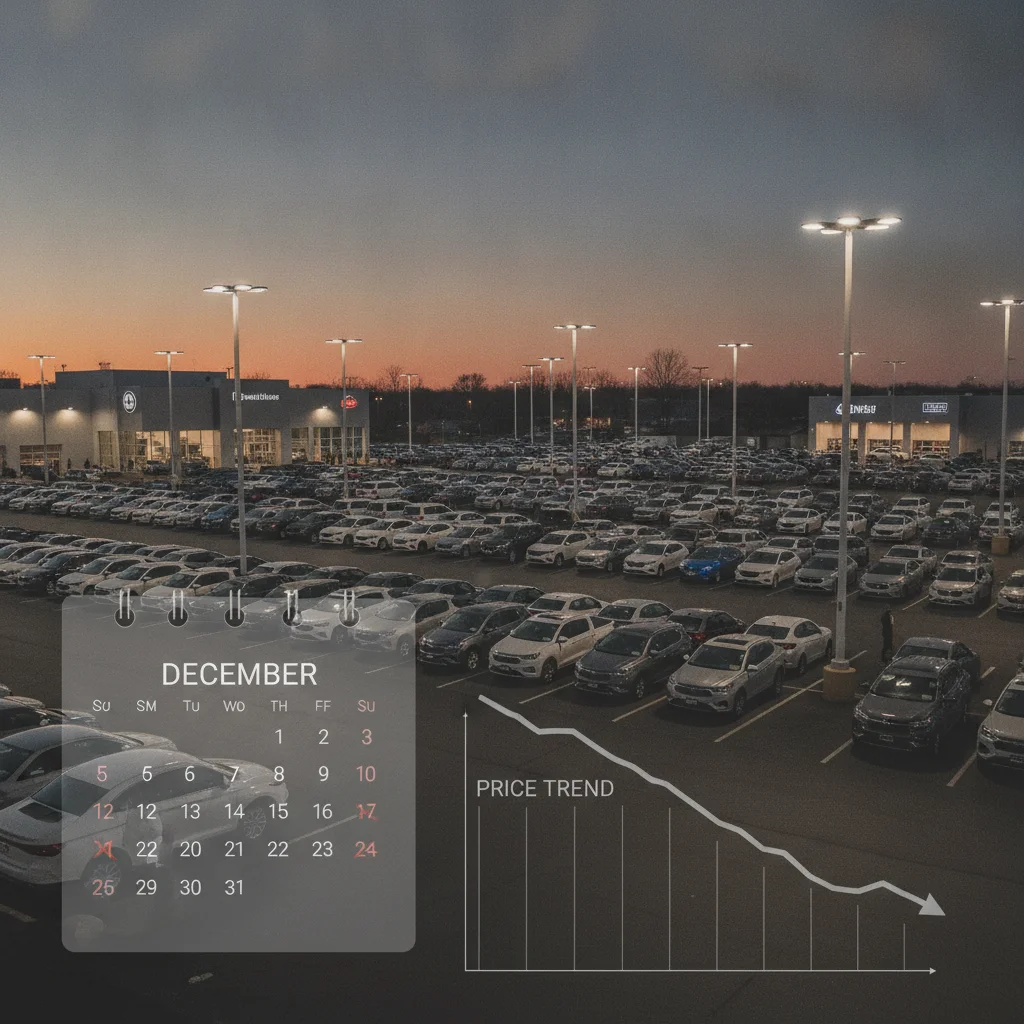
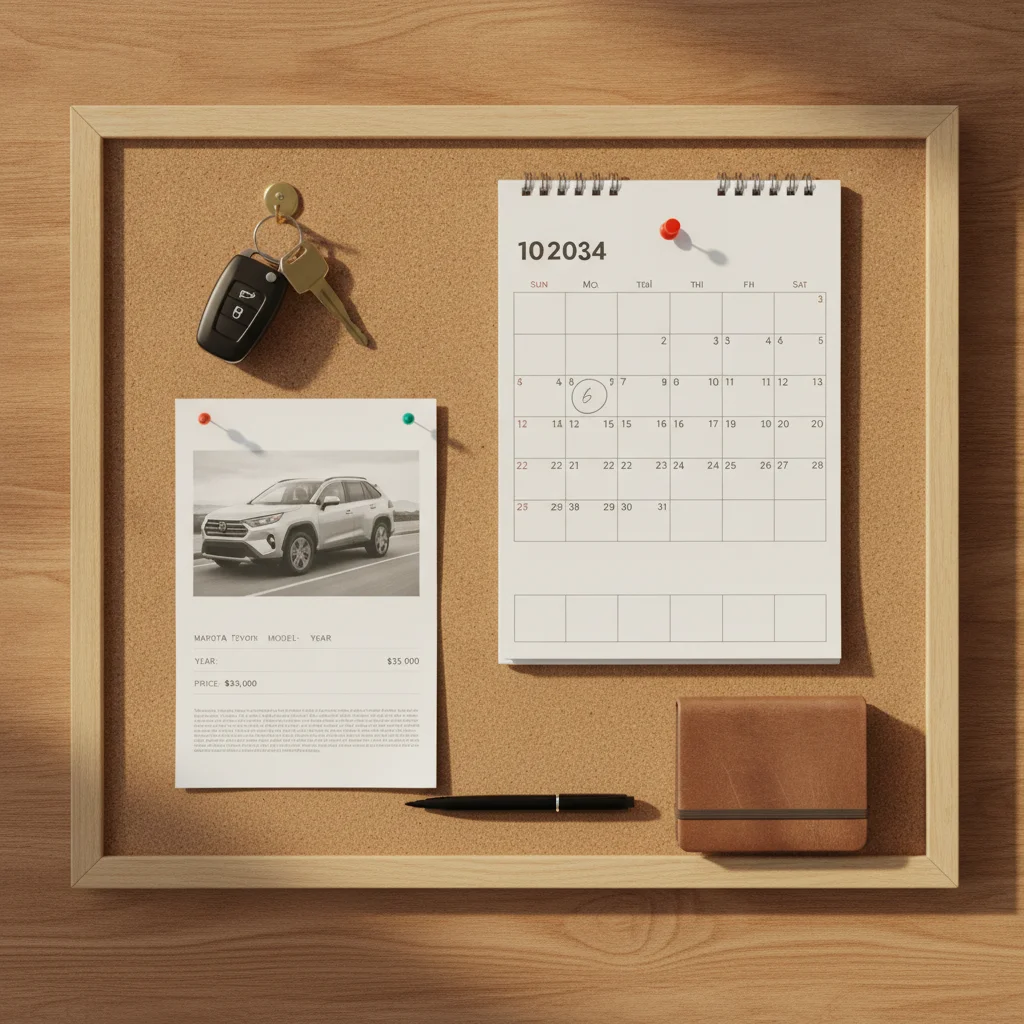
Timing isn't mystical. It follows patterns you can actually read and act on: seasonal demand shifts, regional inventory levels, buyer behavior by day of week, and the simple fact that certain vehicles move better in certain months. A truck sells faster in late winter when buyers are prepping for spring projects. A convertible lists well in March when the first warm days hit. A commuter sedan finds buyers year-round, but competes harder when dealer lots are full of the same thing.
This checklist walks you through every timing checkpoint before your listing goes live. Work through it in order. Some items take five minutes; some require a few days of lead time. All of them can influence your final sale price or days-on-market number — which are really two sides of the same coin.
If you want the deeper context behind the patterns here, Market Timing for Car Sellers: Everything You Need to Know is worth reading before or alongside this checklist. And if you're also weighing whether to buy your next vehicle now or wait, the Pre-Purchase Timing Checklist covers the buyer's side of the same market signals.

What You'll Need Before You Start
This checklist pulls together publicly available data, your own service records, and a few free online tools. Gather these before you sit down to work through the items — it'll make the process faster and the answers more accurate.
Kelley Blue Book (KBB.com)
Pull a private-party value range for your vehicle based on condition, mileage, and zip code.
Edmunds True Market Value
Cross-reference your KBB valuation with a second source that factors in local market data.
CarGurus Market Analysis
See how your car's price compares to active listings in your area and track days-on-market for comparable vehicles.
NHTSA Recall Lookup (nhtsa.gov)
Check for any open recalls on your VIN before listing so you can address or disclose them proactively.
Autotrader / Cars.com
Search active local inventory for your make, model, trim, and mileage range to gauge real competition.
Manheim Used Vehicle Value Index
Track broad used-car market trends — rising or falling — to time your listing relative to wholesale price direction.
Your vehicle's service records
Document maintenance history to support your asking price and answer buyer questions with confidence.
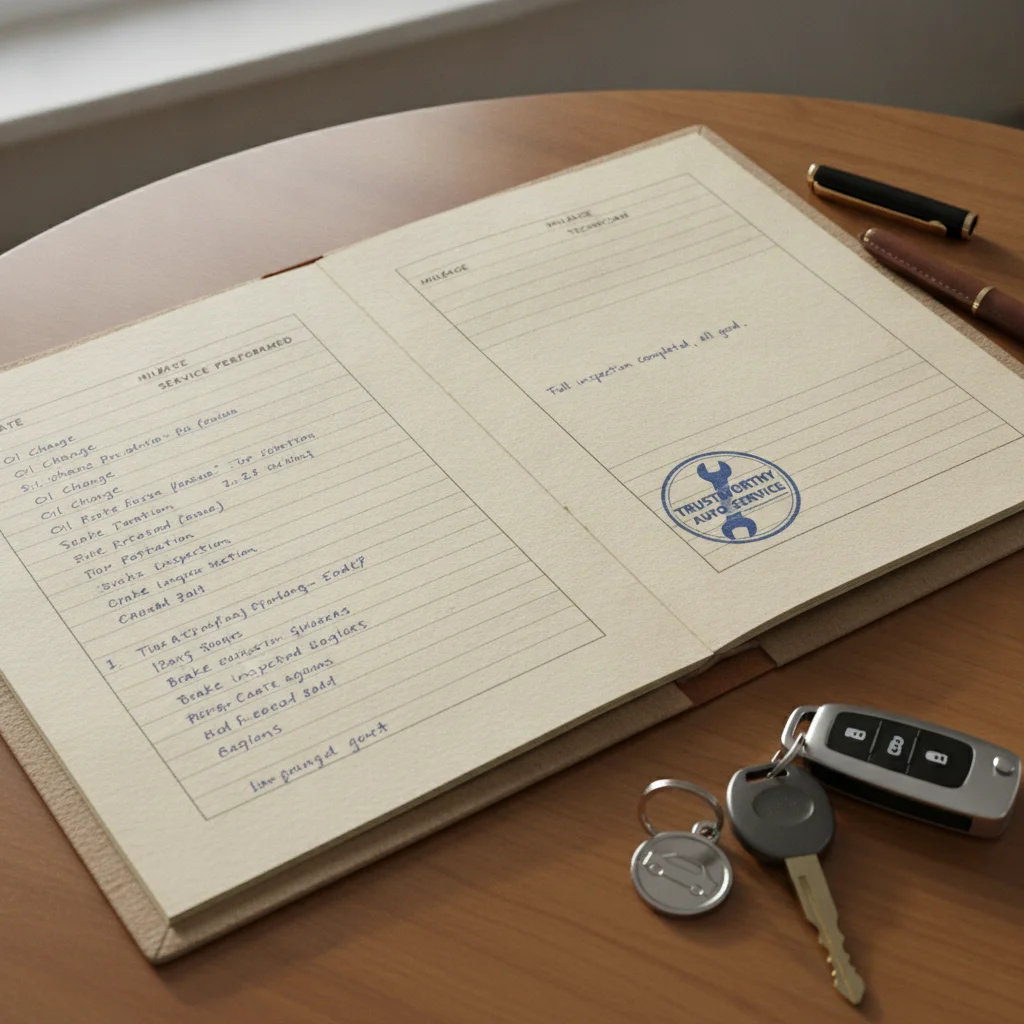
A note on service records: if you don't have them organized, spend thirty minutes pulling together whatever you do have — oil change receipts, inspection stickers, any dealer or shop invoices. Gaps in documentation don't disqualify you from selling, but they do affect how confidently you can price and how convincingly you can answer buyer questions.
The Full Pre-Listing Timing Checklist
Work through these groups in order. The first three are research and assessment — you're gathering information. The last two are action items you complete once you know where you stand.
Seasonal & Demand Timing
Market Conditions Assessment
Vehicle-Specific Timing Factors
Price & Valuation Readiness
Listing Timing & Platform Readiness
Don't Price Off Stale Comps
Used-car market conditions can shift meaningfully in 30–60 days. If you pulled valuations a month ago and are only now getting around to listing, re-run your comps before you go live. Pricing off outdated data is one of the most common reasons listings sit unsold for weeks despite being well-prepared.
Watch for the Post-Holiday Demand Dip
January and early February are historically slow for private party sales. Buyers are recovering from holiday spending and winter weather keeps showings low in most regions. If you're ready to list in late December, consider waiting until late February unless you have urgent reasons to move quickly.
Mileage Thresholds Are Buyer Psychology, Not Just Math
Crossing 100,000 miles isn't just a number — it's a category shift for most buyers. Many buyers filter out vehicles above that threshold entirely, even when the car is well-maintained. If you're at 98,500 miles, list now. At 101,000, price to reflect the new perception, not where you were two oil changes ago.
Once you've completed the checklist, you'll be in a position to set a listing date, not just a listing price. That distinction matters. A well-timed listing at a fair price outperforms an overpriced listing at any time of year — but a well-priced listing at the wrong time still leaves money on the table.
For the physical prep side of things — detailing, repairs, what to fix and what to skip — see the Pre-Sale Car Prep checklist once you've locked in your timing window.
Reading the Signals: What to Do With What You Find
Running the checklist is one thing. Knowing what to do when the signals aren't all green is another. Here's how to interpret common scenarios.
You're in a strong seasonal window but inventory is high
This happens a lot in spring — buyer demand is up, but so is supply because other sellers had the same idea. In this case, pricing precision matters more than usual. Pull your comparables tightly — same trim, similar miles, your metro area — and price at or just below the median of active listings, not the high end. You're competing on value, not just availability.
You're outside the ideal seasonal window but need to sell now
Don't panic. Seasonal effects are real but not absolute. If you're selling a pickup truck in October instead of February, you're not doomed — you may just need to price a little more aggressively or be patient for the right buyer. Focus on having an airtight listing: complete service records, clean photos, a thorough description, and a price anchored to current comps rather than what you hope to get.
Your mileage is close to a round-number threshold
If you're at 48,000 miles and approaching 50,000, list now. Buyers use mileage filters, and crossing from 4X,XXX to 5X,XXX changes the psychological category your car sits in. Same goes for crossing 100,000 — that's a significant perception shift regardless of the vehicle's actual condition.
Title Issues Will Kill Your Sale at Any Price
If you're still paying off the vehicle or the title isn't in your name, you cannot complete a private party sale cleanly. Contact your lender to understand the payoff and title release process before you list. Some lenders can facilitate same-day title transfers at closing, but you need to arrange this in advance — not the day a buyer shows up with cash.
Recall Status Must Be Disclosed
In most states, selling a vehicle with an open safety recall without disclosing it exposes you to legal liability, particularly if the recall is related to a subsequent accident or injury. Check your VIN on nhtsa.gov before listing. If a recall exists, either have it remedied at the dealer (it's free) or disclose it clearly in your listing. Hiding it is not worth the risk.
Macro conditions are uncertain
When interest rates are rising or the used-car market is softening after a period of inflated prices, buyer budgets tighten and offers get more conservative. In those environments, cars with lower ownership costs — good fuel economy, reliable makes, low insurance ratings — hold value better. If your vehicle fits that profile, lean into it in your listing. If it doesn't, price to reflect the market reality rather than the peak you missed.
For a closer look at how the hour and day you post affects early engagement, Micro-Timing: How the Hour and Day You List Affects Early Visibility goes deep on platform algorithms and buyer browsing patterns.
After You List: Signals That Tell You to Adjust
Even a well-timed listing sometimes needs adjustment. Here's what to watch in the first 7–10 days after going live.
Lots of views, few or no messages
Your price is probably above what buyers think the car is worth at your current mileage and condition. Check your comparables again — something may have shifted since you listed, or you may have priced against listings rather than recent sales. Drop the price by 3–5% and see if engagement changes within 48 hours.
No views at all
This is usually a listing visibility problem, not a price problem. Your title may be missing search terms buyers use, your photos may be getting filtered out on mobile, or you may have listed at a low-traffic hour and the algorithm buried you. Why Your Car Isn't Selling — and What to Fix in Your Listing is a useful diagnostic tool here.
Lots of lowball offers
This can mean your price is fine but buyers are testing you, or it can mean your asking price is out of step with the market and buyers are trying to anchor at what they actually think it's worth. Check your comps. If you're priced reasonably, hold firm and respond professionally. If you're priced above current market, adjust proactively rather than negotiating down from an untenable number.
If you're also considering submitting to an instant offer platform as a fallback or comparison point, Your Pre-Sale Checklist Before Submitting to Any Instant Offer Platform covers what to prepare before you click submit. And for understanding your car's value before you price at all, Verifying Your Car's Value Before a Private Sale walks through pulling and cross-referencing multiple valuation sources.
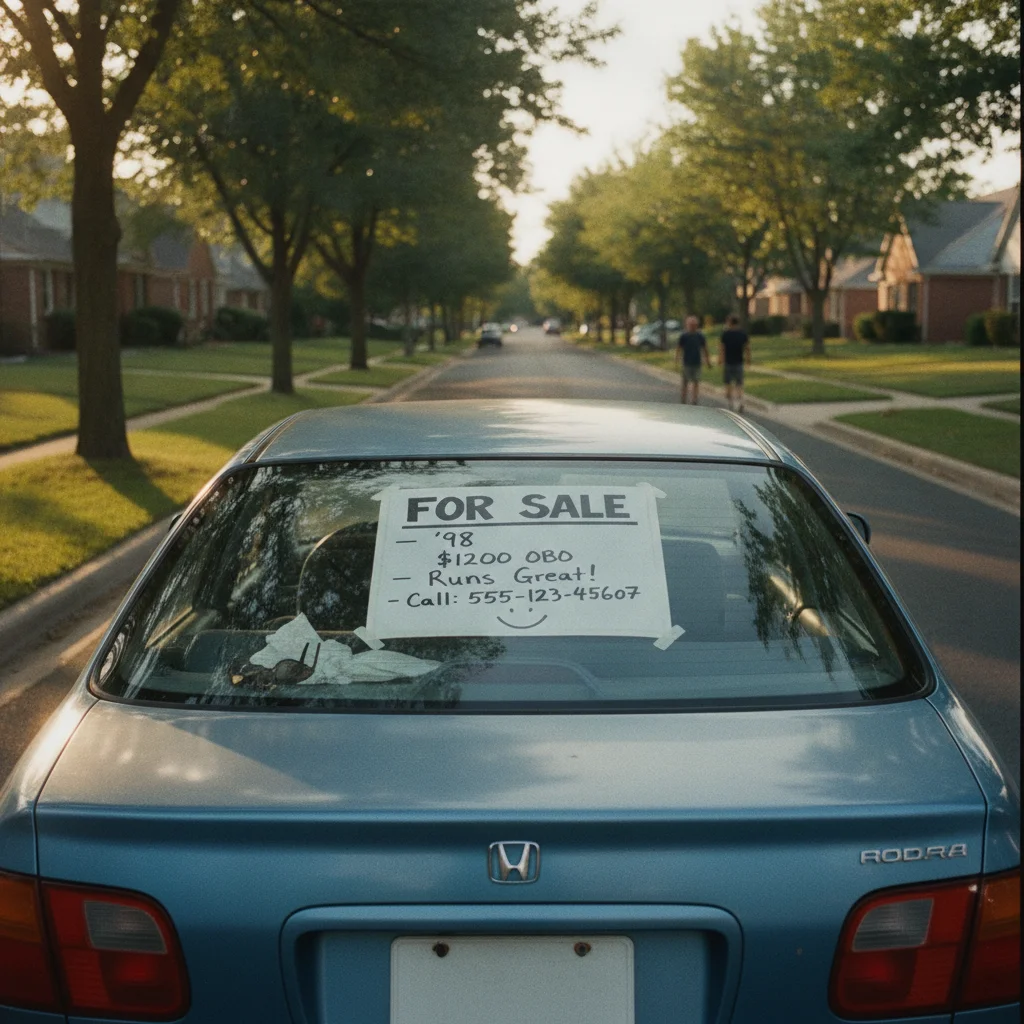
The private party sale channel rewards sellers who do their homework upfront. If you want a full picture of how the process works from listing to close, the Private Party Sales hub covers every stage — negotiation, payment, title transfer, and more.

All claims are backed by peer-reviewed research. Sources on request.