Key Takeaways
The Silent Deal Killers Most Sellers Never Notice
You posted your listing, set what felt like a fair price, uploaded a handful of photos, and waited. Two weeks later you've fielded two lowball texts and zero serious inquiries. Before you drop the price out of frustration, do a diagnostic pass on the listing itself — because in most cases the car isn't the problem. The presentation is.
Private-party buyers have dozens of listings in front of them at any moment. They make snap judgments in under 10 seconds per listing. If your photos are dim, your price is ambiguous, or your description raises more questions than it answers, they click away without a second thought. The good news: these are fixable problems, and most take less than an hour to correct.
Below are the specific mistakes I see most often when sellers ask me why their car won't move — along with exactly what to do about each one.
The Most Common Listing Mistakes — and How to Fix Them
Work through this list critically and honestly. If two or more of these apply to your listing, that's almost certainly why it's sitting.
Pricing above the realistic market range for your trim and mileage, often by 10–20% or more.
Why it happens: Sellers anchor on what they paid, what they owe, or an emotional attachment to the vehicle rather than what comparable listings are actually selling for in their local market.
Using too few photos, poor-quality photos, or skipping interior shots entirely.
Why it happens: Sellers underestimate how competitive the listing environment is. Many snap five quick photos with a phone in a dim garage and consider it done.
Writing a vague or incomplete vehicle description that omits key details buyers need to pre-qualify the car.
Why it happens: Sellers assume buyers will just ask questions, not realizing that most buyers pass on incomplete listings rather than reach out.
Listing on only one platform and missing large segments of the active buyer pool.
Why it happens: Sellers default to one familiar platform — often Craigslist or Facebook Marketplace — without considering that their ideal buyer may spend most of their time elsewhere.
Presenting a dirty or undetailed vehicle in listing photos and at showings.
Why it happens: Sellers normalize the car's condition because they see it every day. What reads as 'normal wear' to you reads as neglect to a buyer seeing the car for the first time.
Refusing to disclose known issues, hoping buyers won't notice.
Why it happens: Sellers fear that honest disclosure will crater their price or drive buyers away entirely.
Posting or refreshing a listing at low-traffic times, burying it before peak buyer browsing windows.
Why it happens: Most sellers post whenever it's convenient for them without thinking about when buyers are actually active on these platforms.
Setting a firm, non-negotiable price in the listing description and signaling inflexibility.
Why it happens: Sellers want to avoid lowball offers and think 'firm' language protects their price. Instead, it reduces total inquiry volume.
Don't Drop Your Price Before Fixing the Listing
Price cuts feel like action but they're often the wrong lever. If your photos are poor, your description is incomplete, or your car is dirty, dropping the price just means you're selling a weak listing more cheaply. Fix the presentation first — then reassess price if inquiries still don't come.
Refreshing Too Frequently Can Backfire
On some platforms, excessive relisting or refreshing can flag your listing as stale or spammy. Stick to one strategic refresh per week timed to peak browsing hours rather than refreshing daily out of anxiety.
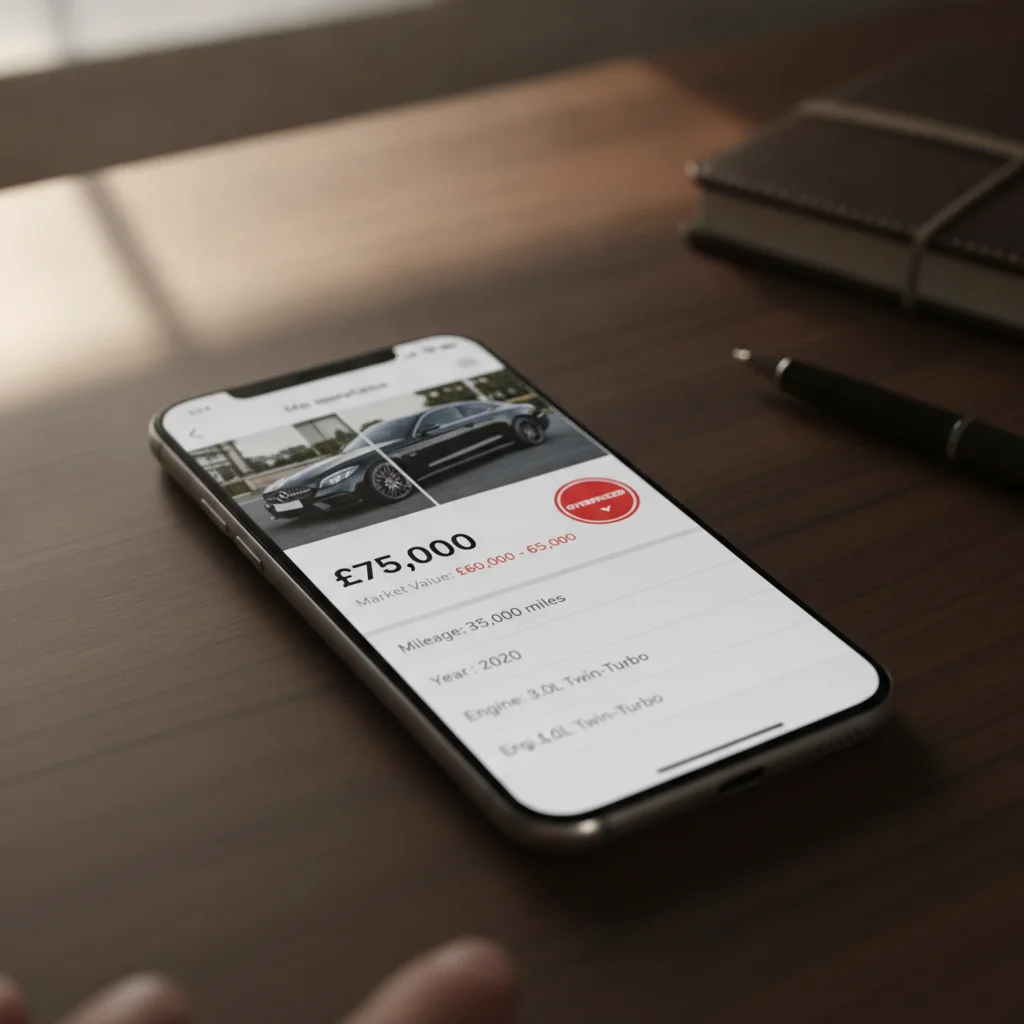
Pricing: Where Most Stalled Listings Begin
Price is the first filter buyers apply. Most listing platforms let buyers sort results or set a maximum budget, which means an overpriced listing is invisible to the majority of your target audience before they even see your photos.
10 sec
Average time buyers spend on a listing before deciding
Industry analysis of car-buying platform behavior shows most buyers make a pass/fail judgment within 10 seconds based on price and lead photo alone.
3–5%
Price reduction that unlocks new search tiers
A modest 3–5% price cut can move a listing into a lower price bracket on filtered search results, exposing it to a significantly larger pool of buyers.
64%
Buyers who expect a vehicle history report included
According to a Cox Automotive consumer survey, nearly two-thirds of used car buyers expect sellers to proactively provide a history report in the listing.
$150–$300
Typical cost of a full professional detail
A full detail generally returns more than its cost in sale price or reduced negotiation losses, particularly on vehicles priced above $10,000.
Pull comps from at least two sources — Autotrader, Cars.com, CarGurus, and Facebook Marketplace all have their own pricing ecosystems. A sedan priced at the top of its range on Autotrader may be mid-range on Facebook Marketplace. Know where your car sits on each platform you're using.
One useful benchmark: if you're not getting at least three to five genuine inquiries within the first week at your asking price, that's a strong signal your price needs to move. A 3–5% reduction often unlocks a completely different tier of search results. Don't wait three weeks and then slash by 15% — small, timely adjustments preserve your negotiating position better.
Also worth checking: A Seller's Pre-Listing Timing Checklist covers seasonal and market-timing factors that affect realistic price ceilings for your specific vehicle type.
Photos, Platform, and Timing: The Three Levers Sellers Underuse
Once your price is defensible, the next levers are visibility and first impression. Most sellers treat these as afterthoughts.
Photos
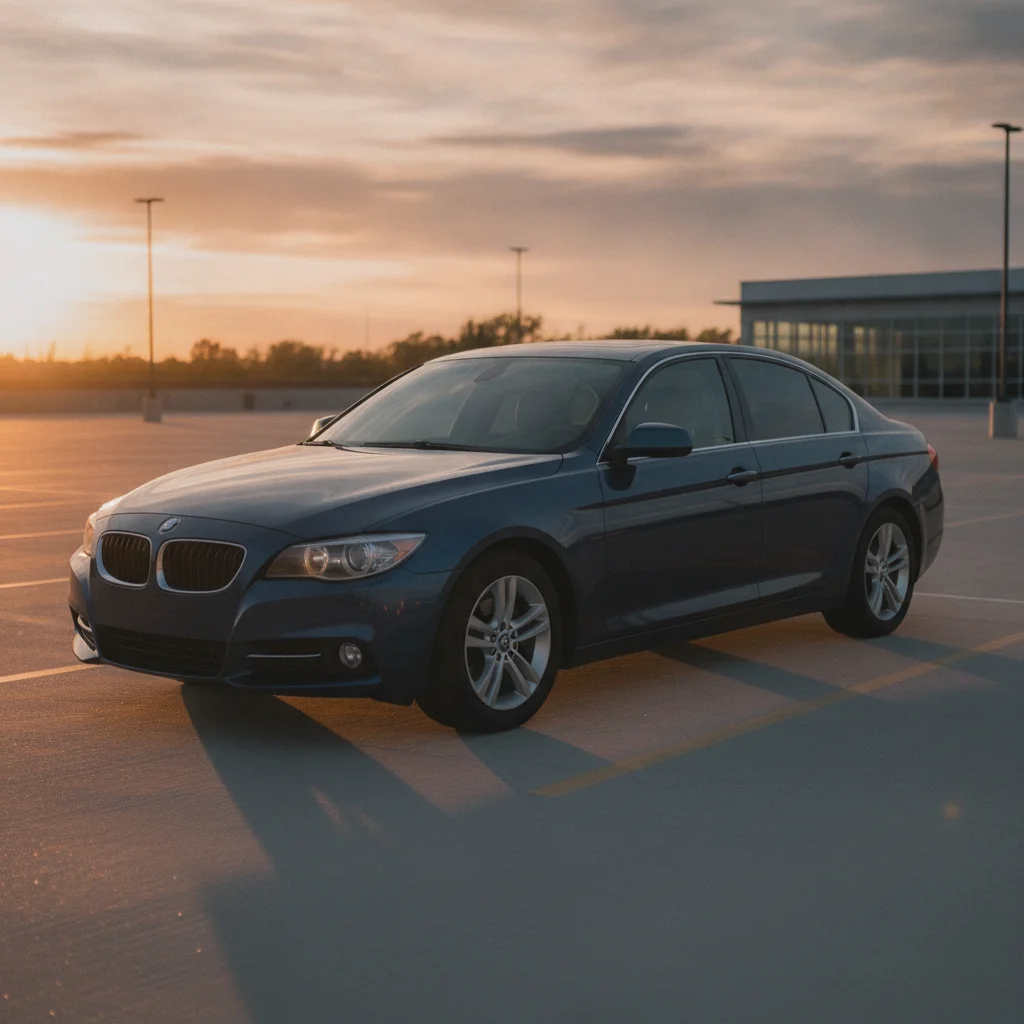
I cannot overstate how much a single great lead photo changes inquiry volume. Buyers browsing search results see a thumbnail — typically 200 × 150 pixels — before they see anything else. A dark, blurry, or tightly cropped thumbnail gets skipped. A clean three-quarter front shot on a bright morning against a neutral background gets clicked.
The minimum standard for a competitive listing is 15–20 photos: exterior from all four corners, front and rear straight-on, both door jambs, odometer, dashboard cluster, all seats, cargo area, under the hood, and any notable flaws. Yes, include the flaws — buyers who discover damage at the test drive feel deceived, and that kills trust. Buyers who see a small ding disclosed upfront actually appreciate the honesty.
For a full rundown of what to shoot and how, see Car Photography Tips That Make Your Listing Stand Out.
Platform Choice
Each platform attracts a different buyer profile. Facebook Marketplace tends to surface local, casual buyers who negotiate hard and expect lower prices. Autotrader and Cars.com attract buyers with more purchase intent who expect dealer-quality presentation even from private sellers. CarGurus shows buyers a price rating (Good Deal, Fair Deal, Overpriced) that can work for or against you depending on your comp data.
Cross-list on at least two platforms. Don't pay for premium placement until you've confirmed your photos and description are in good shape — premium placement on a weak listing just burns money.
Timing
When you post matters more than sellers typically realize. Research consistently shows buyer browsing peaks on Sunday evenings and Thursday evenings. If you post Wednesday morning, your listing may be buried by the time the weekend traffic surge hits. Does Listing on a Weekday or Weekend Actually Affect Response Rates? goes deeper on the timing data.
Also consider seasonal demand for your vehicle type. Convertibles and sports cars spike in spring. 4WD trucks and SUVs sell fastest in fall and early winter. If you're listing a Jeep Wrangler in February in a snowbelt state, you're fighting the calendar. Market Timing resources can help you decide whether to wait or adjust price to compensate for off-season demand.
Condition Issues You Can Control Before You Relist
If your price, photos, and description are solid but you're still not converting inquiries into test drives, the condition of the car at showing time may be the problem — or buyers may be anticipating condition issues based on clues in your listing.
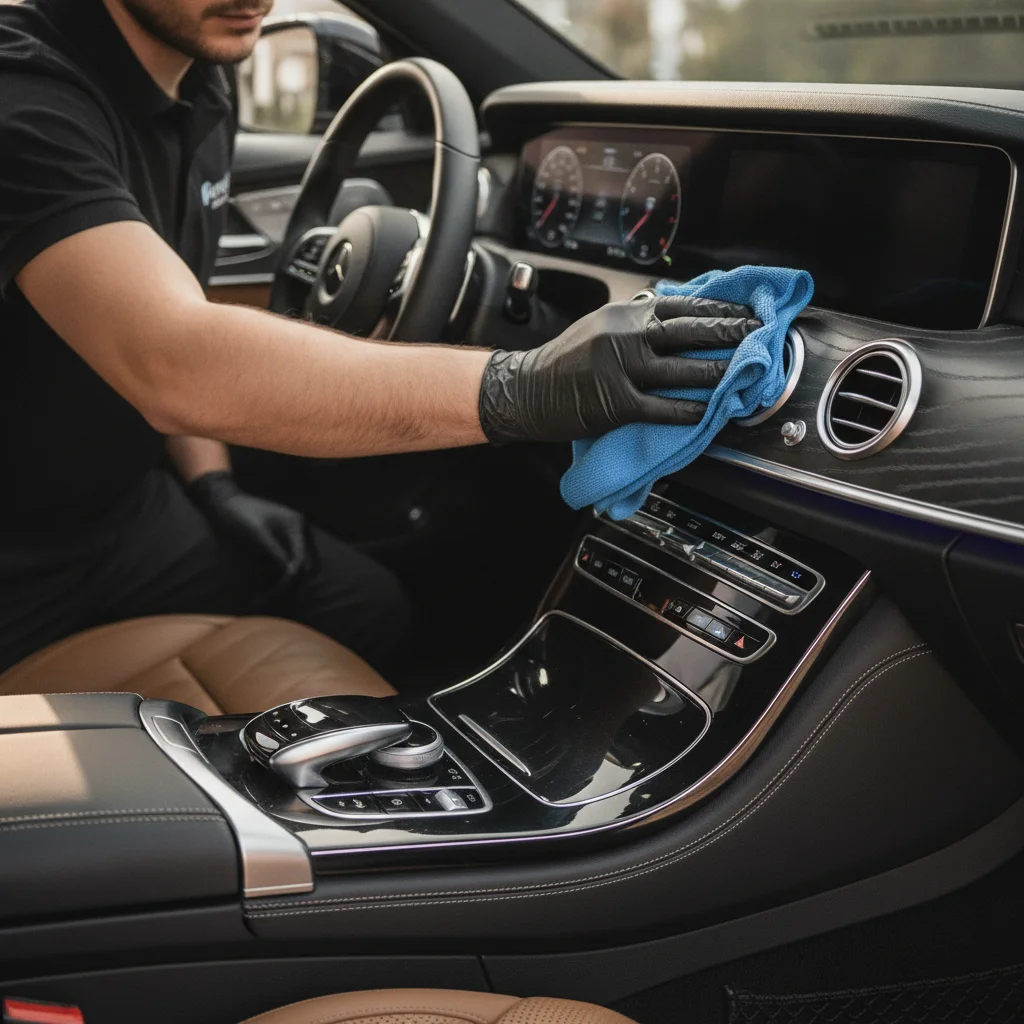
A full professional detail typically costs $150–$300 and almost always returns more than that in sale price or negotiating power. It also signals to buyers that the vehicle has been cared for. A dirty car whispers neglect to a buyer standing in your driveway, regardless of what your listing says.
On the mechanical side, you don't need to fix everything — but you need to be strategic. Repairs That Almost Always Pay Off — and Ones That Rarely Do breaks down exactly which fixes move the needle and which ones you're better off disclosing and pricing around.
Buyers also increasingly expect a vehicle history report to be included in the listing — not requested. Pull a Carfax or AutoCheck report yourself ($40–$50), review it for anything surprising, and include it proactively. Buyers who have to ask for a report often assume you're hiding something.
Title Must Be in Hand Before You List
If you're still paying off a loan, you do not have a clean title to transfer — and serious buyers will ask. Selling a car without a lien release in place creates legal complications for both parties. Contact your lender about a simultaneous payoff-and-sale process or a dealer-assisted transaction before you accept any deposits or commitments.
Finally, understand what sophisticated buyers will scrutinize when they show up. What Buyers Will Check Before Making an Offer on Your Private Listing gives you a buyer's-eye view so you can address objections before they arise. And for the cosmetic prep side, Detailing & Repairs resources covers the full range of cleaning and fix-up steps worth your time and money.
Your Relist Checklist
Before you take your listing down and repost, work through these steps in order. Don't skip to price-cutting until you've addressed everything above it.
- Reprice with fresh comps. Pull comps from two or three platforms today, not from when you first listed. Markets shift week to week.
- Reshoot your photos. On a clear morning, outdoors, against a neutral background. Minimum 15 images. Start with a clean three-quarter front shot.
- Rewrite your description. Lead with the year, make, model, trim, mileage, and transmission. Follow with genuine selling points. Disclose every known issue clearly.
- Detail the car. Interior and exterior, before any showings. Don't just vacuum — shampoo the carpets, wipe every surface, clean the windows inside and out.
- Include a vehicle history report link in the listing. This alone reduces buyer friction significantly.
- Cross-list on at least two platforms. Match your tone and photos to each platform's buyer expectations.
- Post or refresh your listing on a Thursday or Sunday evening. Time your repost to catch peak browsing windows.
Running through this checklist systematically has moved cars that sat for six weeks in under 10 days. The listing is usually the bottleneck — not the car.

All claims are backed by peer-reviewed research. Sources on request.