Key Takeaways
Summary
28 items · 45–90 minutes
Why Preparation Matters Before You Submit
Instant offer platforms — CarMax, Carvana, Vroom, Autotrader Instant Cash Offer, and their competitors — market themselves on speed and simplicity. Enter your VIN, answer a few questions, get a number. What they don't advertise is that every answer you give is an input into a pricing model that's optimized to protect their margin, not maximize yours.
I spent years on the finance side of dealerships watching buyers walk in unprepared. The same dynamic plays out in reverse when you're the seller. If you don't know your car's actual condition rating, your payoff balance, or what comparable vehicles are fetching this week, the platform's algorithm fills in those gaps — conservatively, at your expense.
This checklist fixes that. Work through it before you submit to any platform and you'll enter the process with clear numbers, clean documentation, and the ability to push back when an in-person inspection comes in below your online quote. For the full strategic picture, see our complete end-to-end guide to selling to instant offer platforms.

What You'll Need to Get Started
Before you touch a single platform form, gather these materials. Having everything in one place prevents mid-process interruptions that cause people to rush answers — and rushed answers produce lower offers.
Vehicle Title
Required to complete the sale — confirm it's lien-free or know your exact payoff before submitting.
Lender Payoff Statement
Documents the exact amount needed to satisfy your loan with a specific good-through date.
Carfax or AutoCheck Report
Shows you what platforms already see about your vehicle's history so there are no disclosure surprises.
Kelley Blue Book & Edmunds Valuation
Establishes your price floor before you see any offer so you can evaluate offers objectively.
NHTSA Recall Database
Identifies open recalls on your VIN that some platforms deduct for at inspection.
Service Records
Documented maintenance history supports higher condition ratings and justifies pushback on deductions.
Smartphone with Camera
Photograph all cosmetic issues before submission so your condition disclosures are accurate and defensible.
OBD-II Scanner or Auto Parts Store Diagnostic
Reads check engine light codes so you can disclose the specific issue accurately rather than leaving it unknown.
If your car has an active loan, your lender's payoff department is your first call. Payoff amounts change daily due to interest accrual, and you need the figure tied to a specific good-through date — not a rough estimate from your last statement.
The Pre-Sale Checklist
Work through these groups in order. The first two sections are purely administrative — they take 20–30 minutes and have the highest leverage. The condition and market sections refine your expectations and protect you during the physical inspection.
Ownership & Loan Documentation
Vehicle History & Disclosure Prep
Condition Assessment
Market Research
Pre-Submission Cosmetic Corrections
Platform Selection & Submission Strategy
Don't Round Down Your Mileage
Entering a mileage estimate that's even slightly low is a form of misrepresentation. Platforms verify odometer readings at inspection and will adjust your offer downward — sometimes penalizing you for the discrepancy itself, not just the additional miles. Enter the exact number from your odometer on the day you submit.
Negative Equity Changes Everything
If your loan payoff exceeds your expected offer range, you're underwater. Selling to an instant offer platform in this situation means you'll owe the difference out of pocket at closing. Calculate your equity position before you submit — if it's negative, explore whether a dealership trade-in, refinancing, or waiting for payoff reduction is a better path.
Offers Expire — Don't Let the Best One Lapse
Most platform offers are valid for 7 days from submission. If you get a strong offer and sit on it while collecting others, you may find yourself re-submitting in a slightly different market. Screenshot every offer with its expiration date and build your comparison timeline around the shortest window.
Once you've completed the checklist, you're ready to collect quotes. Read our guide on getting multiple instant offers before you commit — the process is faster than most sellers expect, and the spread between high and low offers is almost always larger than you'd guess.
Understanding What Convenience Actually Costs You
Instant offer platforms are legitimate, efficient, and genuinely useful for the right seller. But the convenience premium is real. These companies need to acquire your vehicle below retail, recondition it, and resell it at a profit. That spread — typically 10–20% of retail value — is the structural cost of selling this way.
That doesn't mean you should automatically walk away. It means you should know the number. Pull current private-party values for your vehicle from Kelley Blue Book and Edmunds before you submit. When you have an offer in hand, you can calculate the convenience discount precisely and decide whether it's worth it given your timeline and circumstances.
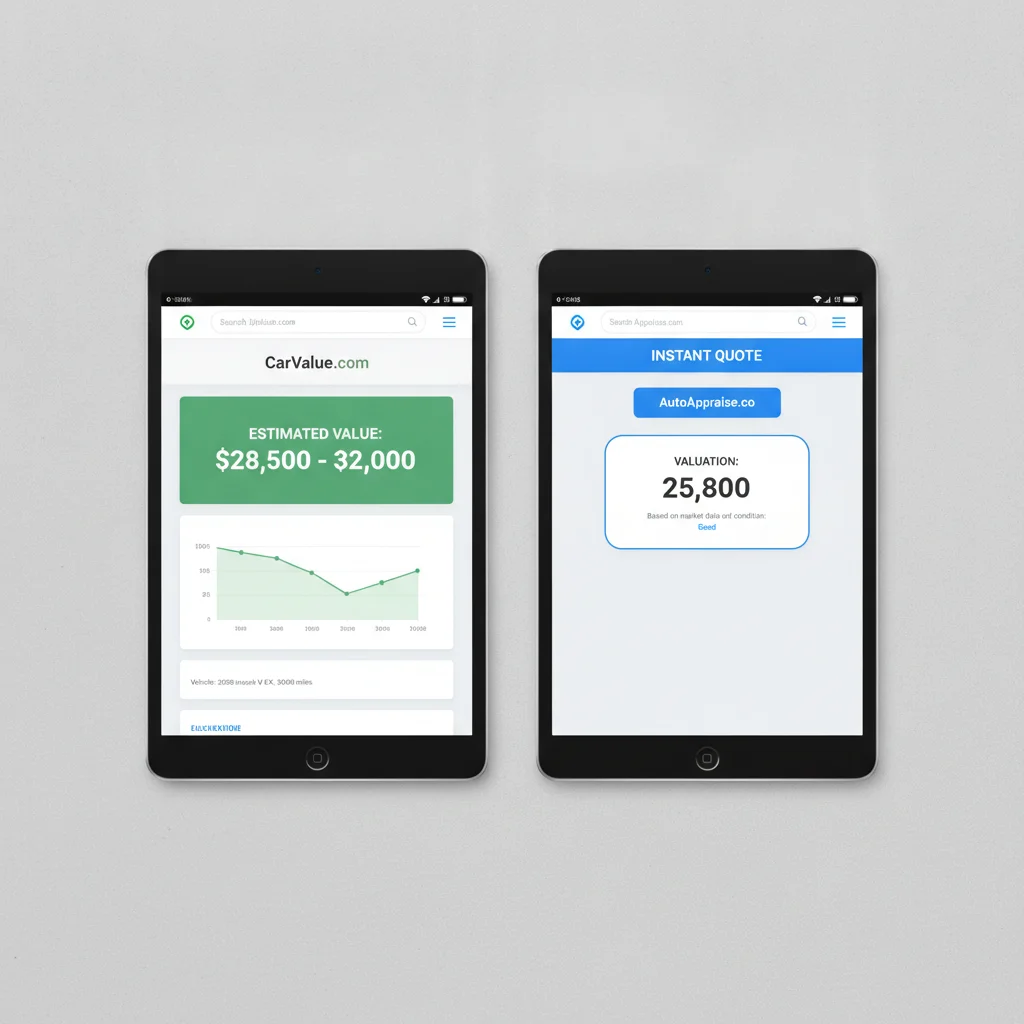
If the gap is large and you have time, the private party sales channel will almost always yield more — at the cost of more effort and a longer timeline. Our companion piece on what buyers check before making an offer on your private listing is useful reading even if you end up going the instant-offer route, because it tells you exactly how your car will be evaluated during a physical inspection.
A Lowball Adjustment at Inspection Is Not Final
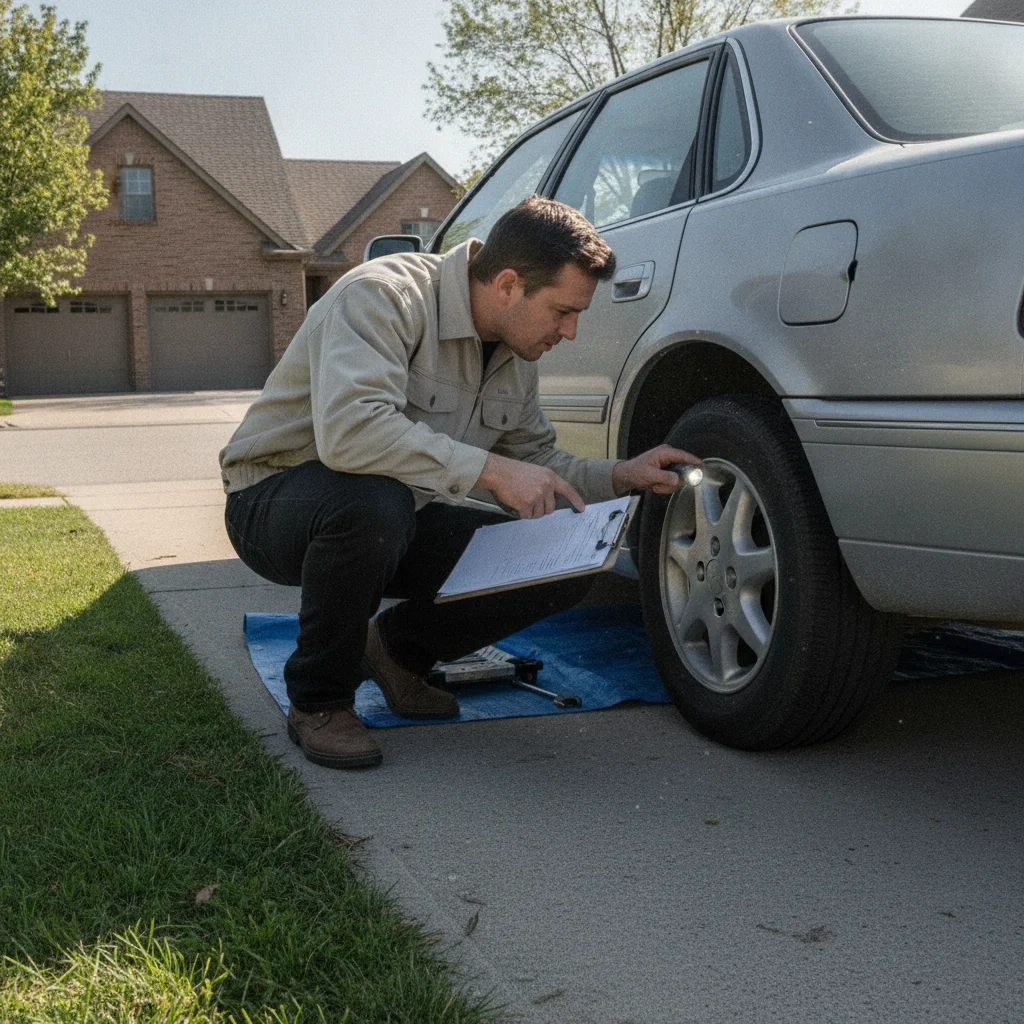
When a platform's in-person inspector comes in significantly below your online quote, you are not obligated to accept. Document every deduction they cite, cross-reference against the condition you disclosed, and ask for a line-item breakdown in writing. If the adjustment isn't supported by a specific, verifiable issue, you can push back — and often recover part of the difference. Our guide on <a href="/selling-your-car/sale-channels/instant-offer-platforms/negotiating-with-an-instant-offer-platform-whats-actually-on-the-table">negotiating with instant offer platforms</a> lays out exactly how.
After You Submit: What Comes Next
Your online quote is conditional — every platform will tell you this in the fine print. The number is subject to a physical inspection, which is where unprepared sellers lose money. Inspectors are trained to document discrepancies between what you reported and what they observe. Each one becomes a deduction.
If you've worked through this checklist honestly, those deductions should be minimal. You'll have already accounted for known issues in the condition questions, and you'll have documentation to back up service history and accident disclosures. The inspection becomes a confirmation, not a negotiation.
When the inspection offer comes in below your online quote, you have options. Our article on negotiating with an instant offer platform walks through exactly where leverage exists and what tactics actually move the number. Don't walk away from a deal — or accept a low adjustment — before you've read it.
And if you want to go deeper before your first submission, prepping your car before you submit your VIN covers the documentation and disclosure steps in granular detail.

All claims are backed by peer-reviewed research. Sources on request.