Key Takeaways
Summary
34 items · 2–5 hours depending on vehicle condition
Why Prep Work Pays Off Before You List
Selling a car privately is one of the most effective ways to maximize what you walk away with. But here's a reality that catches a lot of first-time sellers off guard: buyers are evaluating your car before they even sit inside it. The smell when the door opens, the shine on the paint in your listing photos, the feel of a clean steering wheel during the test drive — all of it adds up to an impression that either justifies your asking price or hands the buyer a reason to negotiate it down.
The good news is that most of the prep work that moves the needle doesn't require a significant investment. Some of the highest-ROI steps cost under $20 and take an afternoon. What matters is working through each zone of the car systematically so nothing obvious gets overlooked.
This checklist is structured zone by zone — exterior, interior, engine bay, trunk, mechanical basics, and documentation — so you can move through the car methodically rather than trying to remember everything at once. If you're also thinking about timing your listing strategically, a seller's pre-listing timing checklist can help you decide when to publish for maximum demand.
Before diving into the zones, use the tools list below to make sure you have everything on hand. Running out of microfiber cloths halfway through an interior detail is a real frustration — it's worth spending ten minutes gathering supplies first.
Microfiber towels (pack of 12–20)
Used for streak-free washing, waxing, and interior wiping across every zone of the car.
Spray wax or paint sealant
Adds shine and protection to the exterior paint in a single easy application.
Interior detailing spray
Cleans and conditions hard interior surfaces including the dashboard, door panels, and console.
Wheel cleaner spray
Dissolves brake dust and road grime from rims without damaging the finish.
Automotive touch-up paint pen
Fills in small chips and scratches on the exterior to reduce buyer negotiating leverage.
Odor eliminator or fabric deodorizer
Neutralizes persistent smells from pets, food, or smoke in the cabin and cargo area.
Tire pressure gauge and portable inflator
Checks and corrects tire PSI to manufacturer specification before buyers arrive.
Carfax or AutoCheck report
Provides a verifiable accident and ownership history that reassures serious buyers.
Zone 1: Exterior — What Buyers See From the Curb
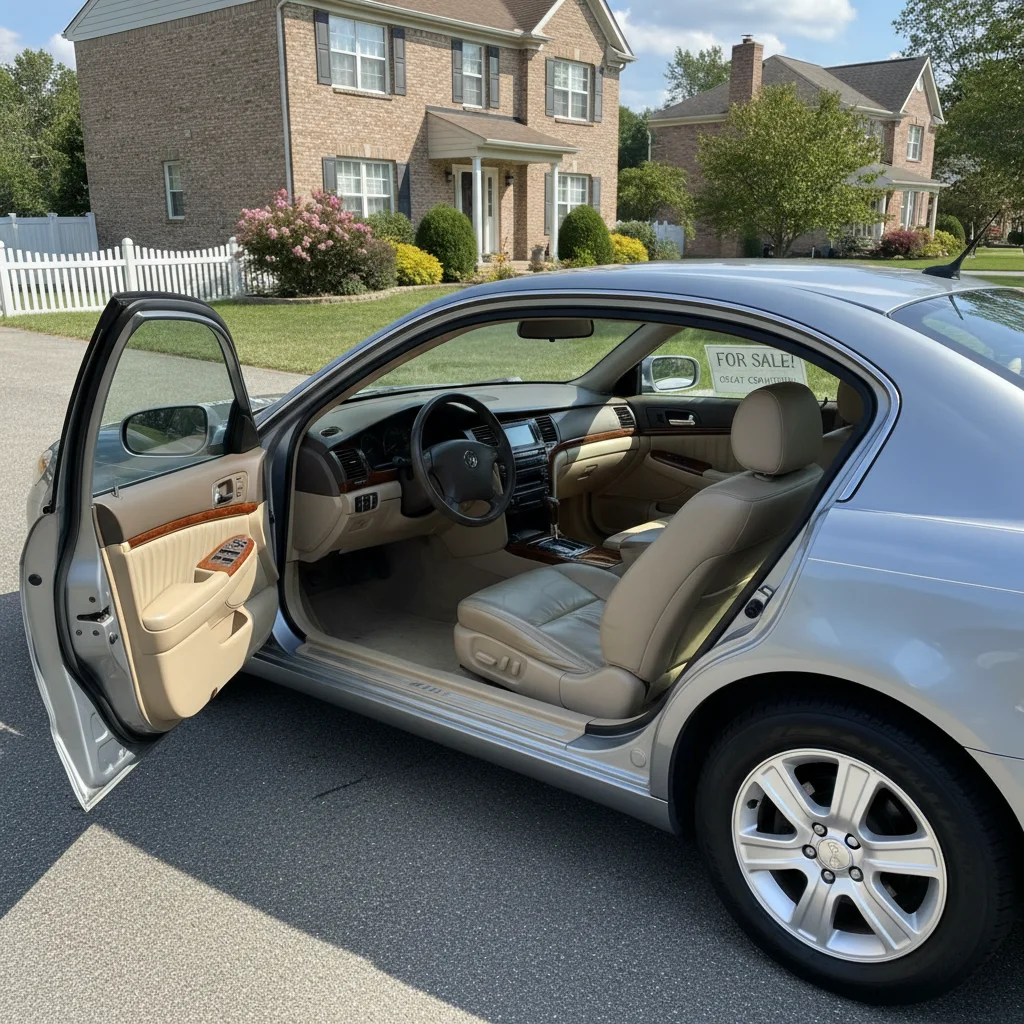
Your car's exterior is the first thing a buyer sees in your listing photos and the first thing they walk around when they arrive. Curb appeal isn't just a real estate concept — it applies directly to cars. A clean, shiny exterior tells a buyer this vehicle was looked after. A dull, dirty one immediately puts them on guard.
Start with a thorough hand wash rather than a quick drive-through. Automatic car washes leave water spots on paint, miss the wheel wells, and do nothing for the door jambs — all things buyers will notice. Take your time with the wheels specifically; brake dust-caked rims are one of the most common oversights and one of the first things detail-oriented buyers look at.
First Impressions Are Set Before the Test Drive
Research consistently shows that buyers make an emotional decision about a car within the first few minutes of seeing it in person. A clean, well-presented vehicle signals that the owner took care of it mechanically too — even if the buyer never opens the hood. Invest your prep time in what a buyer sees, smells, and touches first: the exterior, the cabin, and the overall feel of the car.
A Clean Title Is Non-Negotiable for a Smooth Sale
Without a clear, lien-free title in your name, you cannot legally transfer ownership in most states. If there is an outstanding loan on the vehicle, contact your lender before listing to understand the payoff process. Buyers — especially savvy ones — will walk away if title complications arise at the point of sale.
After washing, a coat of spray wax takes about 20 minutes and produces a noticeable difference in how the paint photographs. If your car has minor surface scratches, a touch-up pen matched to your paint code (found on a sticker inside the driver's door jamb) can reduce their visual impact without the cost of a body shop visit.
Don't overlook the lighting check. A single broken taillight or turn signal gives a buyer an easy discount request — and it's a $10–$25 fix at most auto parts stores. Walk the full perimeter with the lights cycling through to confirm everything is operational.
Exterior
Interior
Engine Bay
Trunk & Cargo Area
Mechanical & Safety Basics
Documentation & Paperwork
Zone 2: Interior — The Space That Seals the Deal
If the exterior gets a buyer to schedule a showing, the interior is what convinces them to make an offer. People spend their time inside the car, and they know instinctively whether a space feels cared for or neglected. The bar for interior prep is high — and the cost to meet it is low.
Start by removing every personal item before you do anything else. Clutter makes a car feel smaller and distracts buyers from evaluating the space itself. Once it's empty, vacuum everything: seats, carpets, floor mats, and particularly the grooves in the seat tracks where crumbs and debris collect. A handheld crevice attachment is worth its weight here.
Odor is the single most decisive interior factor. A car that smells like cigarettes, a dog, or old fast food will lose buyers faster than a scratch on the bumper. Don't reach for an air freshener — that's a mask, not a fix, and buyers recognize the difference immediately. Use a proper odor-eliminating spray designed for automotive fabrics, or rent an ozone generator for a few hours if the smell is persistent.
Don't Over-Invest in Mechanical Repairs
It's tempting to fix everything before listing, but major mechanical work rarely returns dollar-for-dollar in a private sale. Price the car to reflect known issues and disclose them honestly instead. Buyers generally prefer a fair price over a freshly repaired car they can't fully verify.
Odor Masking Will Backfire During the Test Drive
Air fresheners can temporarily cover up pet, smoke, or mildew smells, but buyers will notice the difference between a freshened car and a genuinely clean one. Use a true odor eliminator or ozone treatment to actually neutralize the source. A car that smells chemically perfumed raises suspicion rather than confidence.
Active Warning Lights Must Be Disclosed
Selling a car with illuminated warning lights without informing the buyer creates legal exposure in most states. If you cannot afford to diagnose or fix the issue, disclose it clearly in your listing and price accordingly. Buyers who discover hidden issues after purchase may have grounds for a dispute.
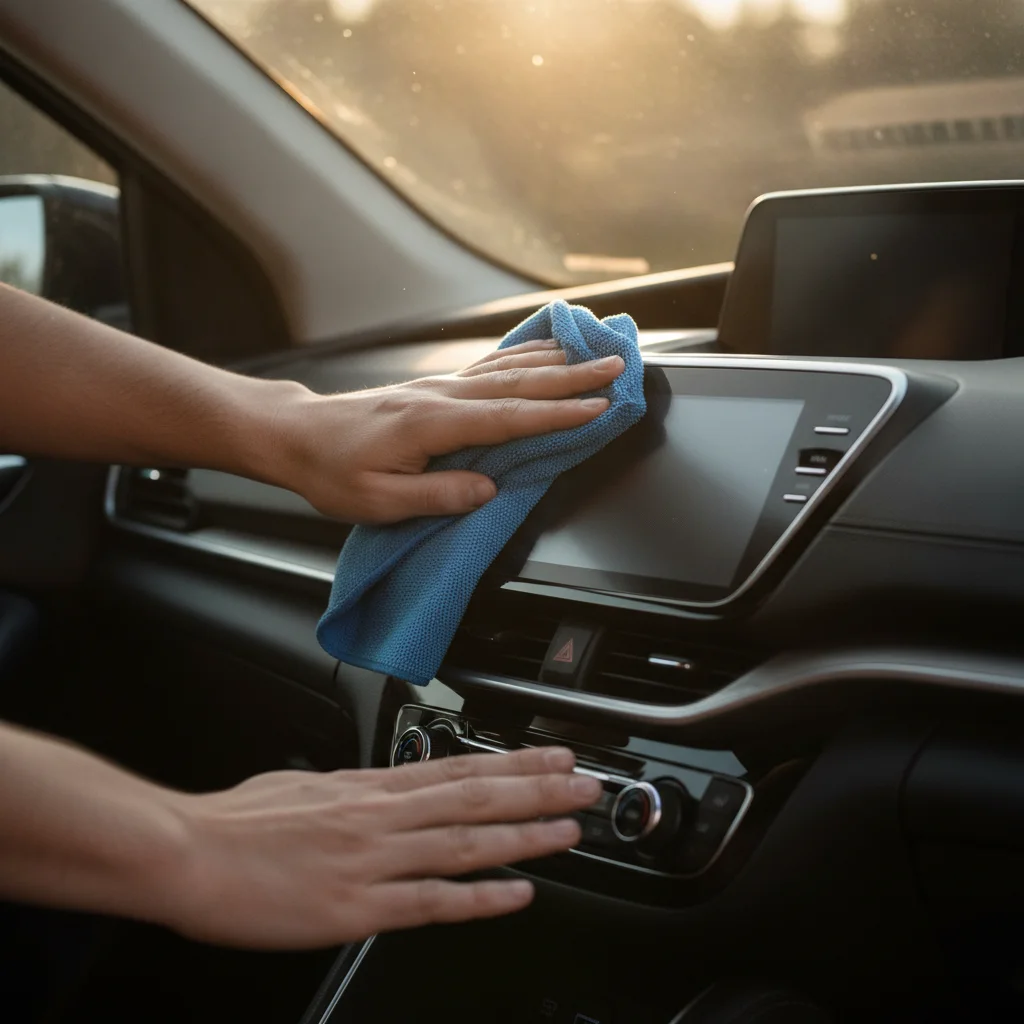
For hard surfaces, an interior detailing spray and a microfiber cloth bring the dashboard, door panels, and center console back to a factory-fresh look in under an hour. Pay special attention to the infotainment screen — fingerprint smudges on a touchscreen look worse in photos than almost anything else. End with a check of every interior control: windows, locks, seat adjusters, heated seats, and the HVAC. Buyers will test these, and anything that doesn't work becomes a bargaining chip.
Zone 3: Engine Bay and Trunk — The Details That Build Trust
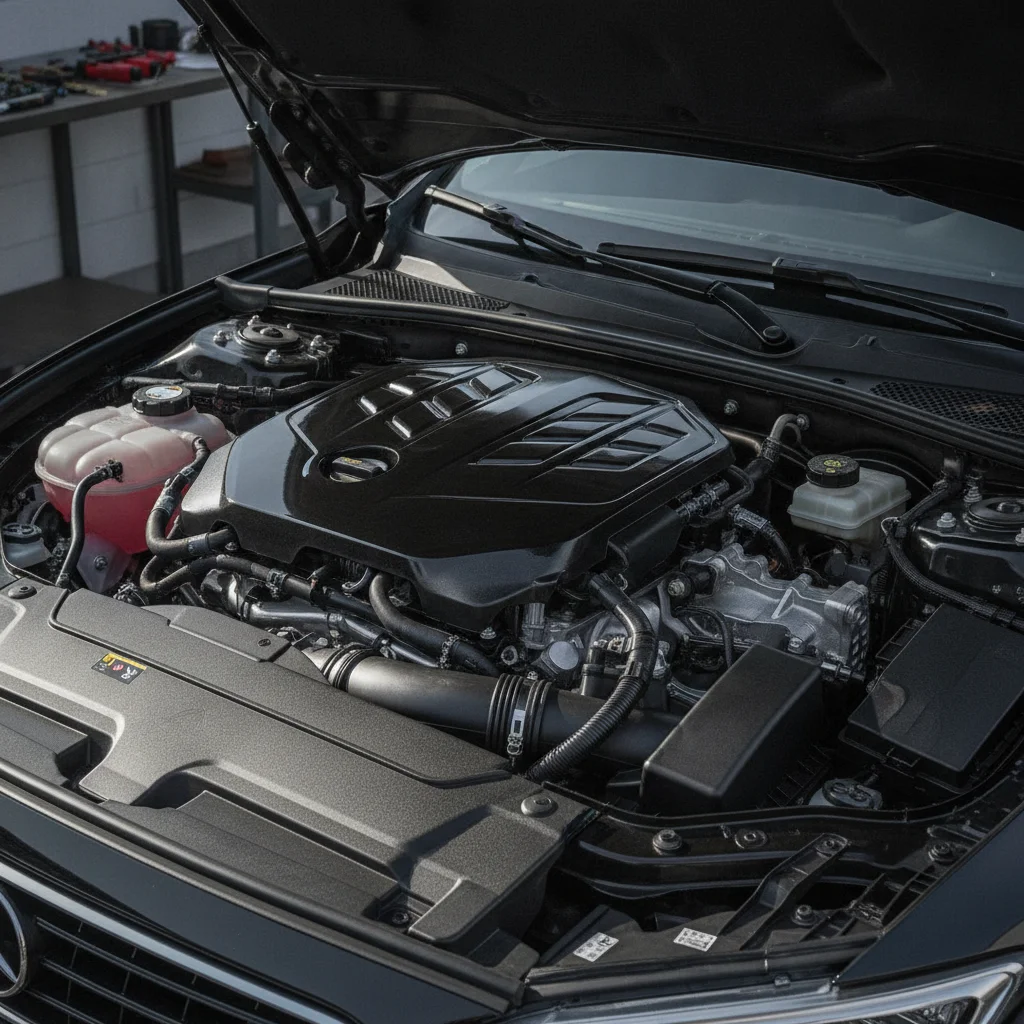
Most private buyers will open the hood. They may not know exactly what they're looking at, but they know the difference between a clean engine bay and a grimy one. A tidy, debris-free engine compartment signals that the car was maintained with care — and it often matters more psychologically than mechanically.
You don't need a full steam clean. Simply clearing out leaves and debris, wiping down accessible plastic covers, and topping off all visible fluid reservoirs takes about 20 minutes and makes a meaningful visual difference. Check the battery terminals while you're in there — white or blue corrosion buildup is easy to clean with a baking soda and water solution and a small brush.
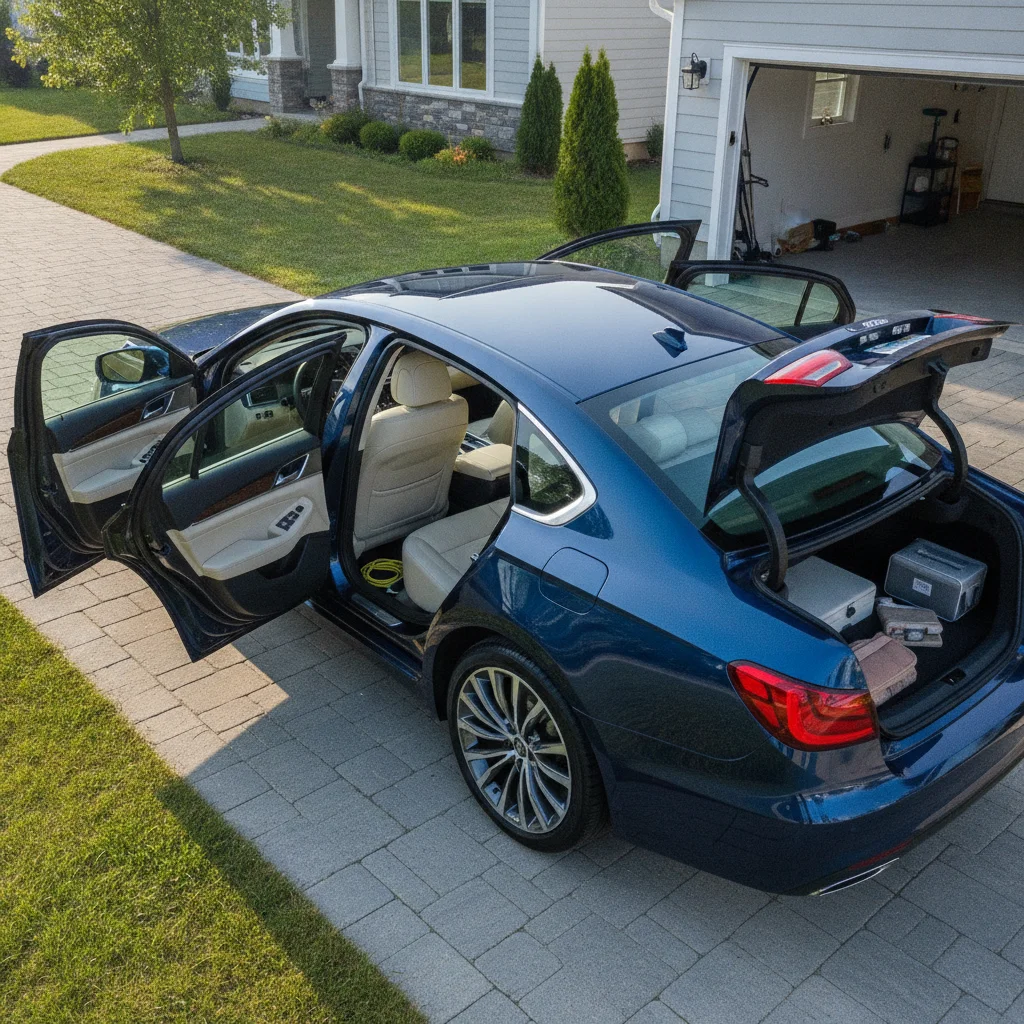
The trunk often gets forgotten entirely during prep, which is a mistake. Buyers who are seriously considering a purchase will open it. A vacuumed, odor-free cargo area with a properly inflated spare tire and a complete jack kit in place communicates organization and reliability. Pull everything out, give it a wipe-down or vacuum, and check that the spare is at the right pressure — typically 60 PSI for a compact spare, but check your owner's manual to confirm.
For a deeper look at what buyers will be inspecting on their end, the complete pre-purchase vehicle inspection checklist is worth a quick read — it helps you see your car through a buyer's eyes before they arrive.
Mechanical Basics and Documentation — The Confidence Closers
A visually clean car that drives poorly, or a deal that stalls over a missing title, loses buyers at the finish line. The mechanical and paperwork steps in this checklist are the ones that close deals rather than just attract them.
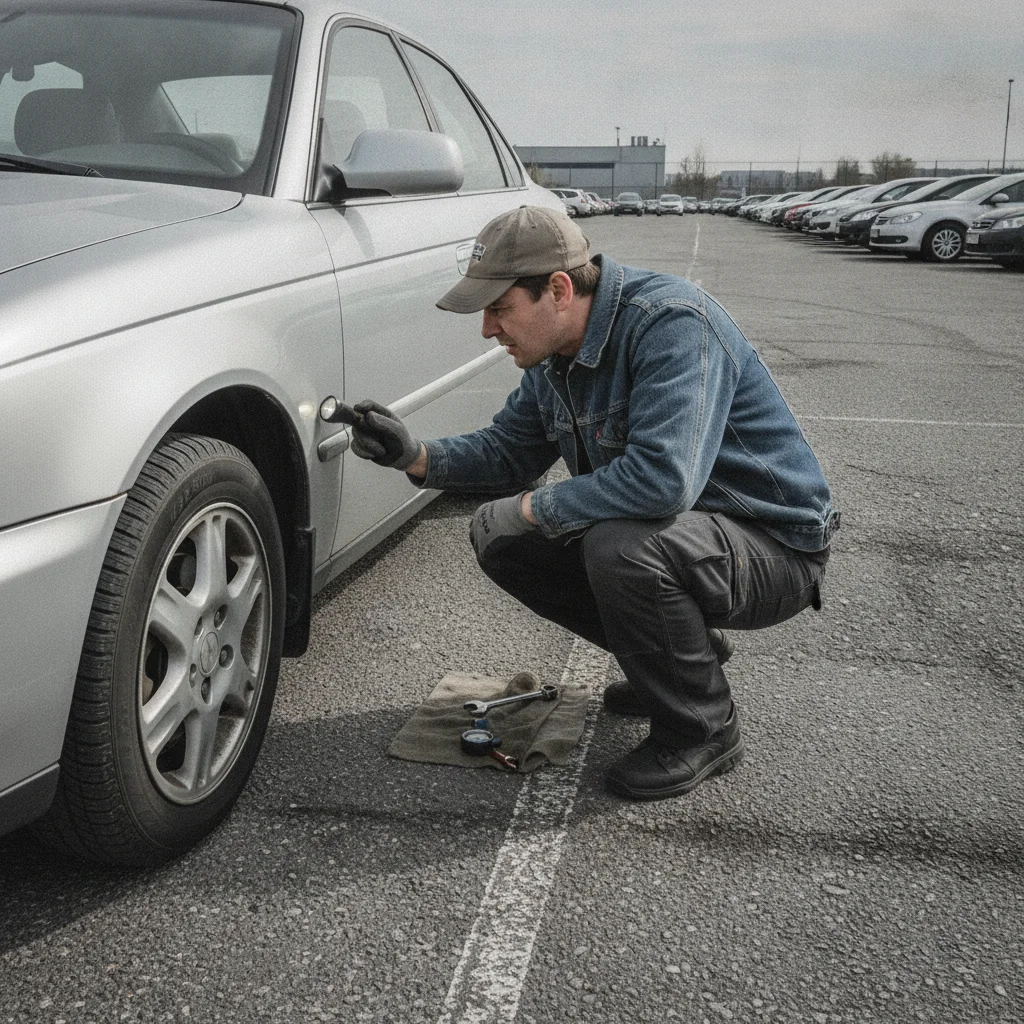
On the mechanical side, keep it focused on what a buyer will notice or check during a test drive. Tires should be at the correct PSI and above safe tread depth. The brakes shouldn't grind or pull. If any warning lights are active on the dashboard, address them or — at minimum — know exactly what they mean and be prepared to disclose them clearly. Selling with undisclosed warning lights is both an ethical and, in some states, a legal problem.
An oil change, if it's overdue, is a simple service that returns immediate credibility. A fresh sticker in the window showing recent service is a small but meaningful trust signal to buyers who notice it.
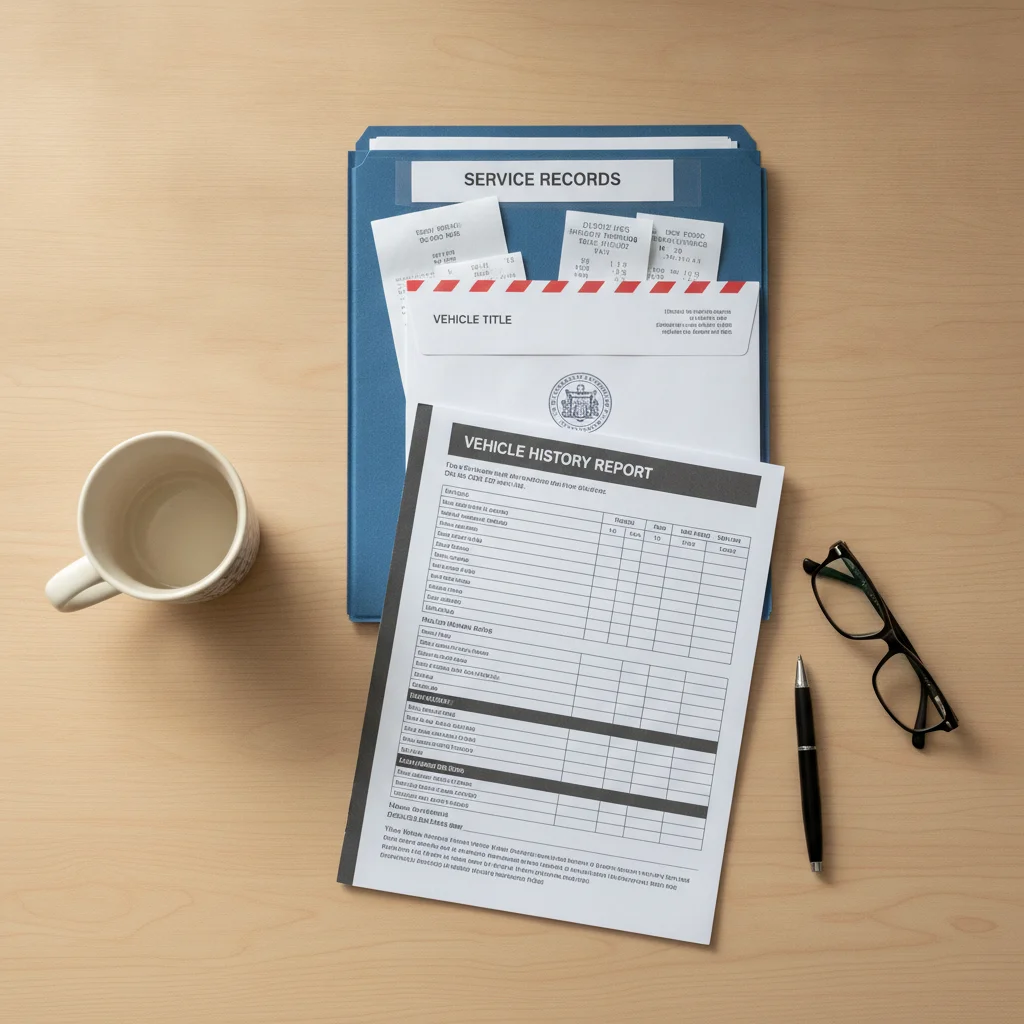
On the paperwork side, start with the title. Confirm it's in your name, that there are no liens noted, and that the VIN matches the vehicle. If there's an outstanding loan, call your lender before listing to understand the payoff and title transfer process — this is one of the most common sources of deal-killing delays in private sales. Understanding the paperwork involved in a car sale gives both parties a clearer picture of what's required to complete the transfer cleanly.
Service records are underused by most sellers. A folder of receipts and maintenance logs — even handwritten notes from a trusted mechanic — tells a story of consistent care that no amount of detailing can replicate. Pull them together, organize them by date, and have them ready to hand to any serious buyer.
Finally, a vehicle history report from Carfax or AutoCheck removes a major point of buyer anxiety. You can pull one yourself for around $40 and share it proactively, which typically shortens negotiation time and filters out buyers who would have walked over undisclosed history. If you want to pair your prep work with a strong pricing strategy, verifying your car's value before listing ensures the work you've put in translates into the right asking price. And when you're ready to take the listing live and manage buyer conversations, the private party sales hub walks through every step of that process from start to close.

All claims are backed by peer-reviewed research. Sources on request.