Key Takeaways
What a VIN Report Actually Shows a Buyer
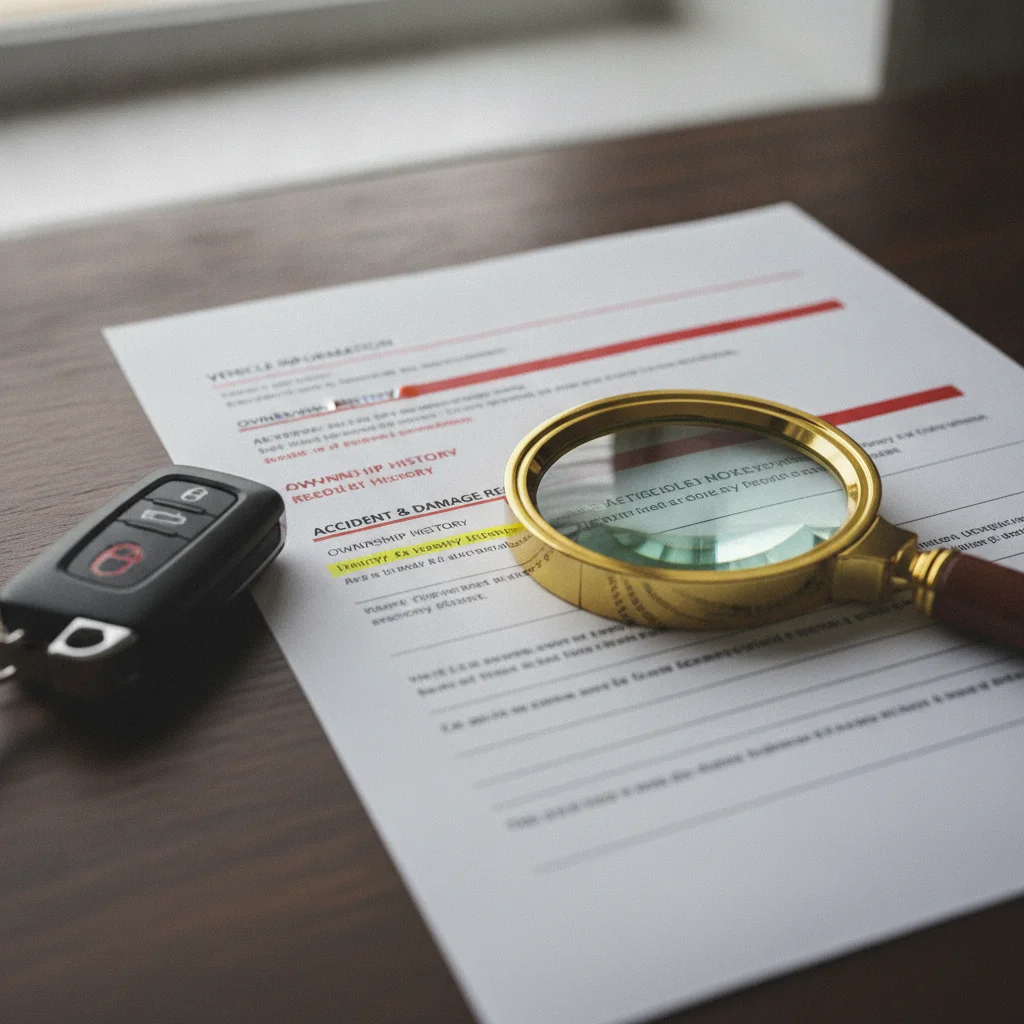
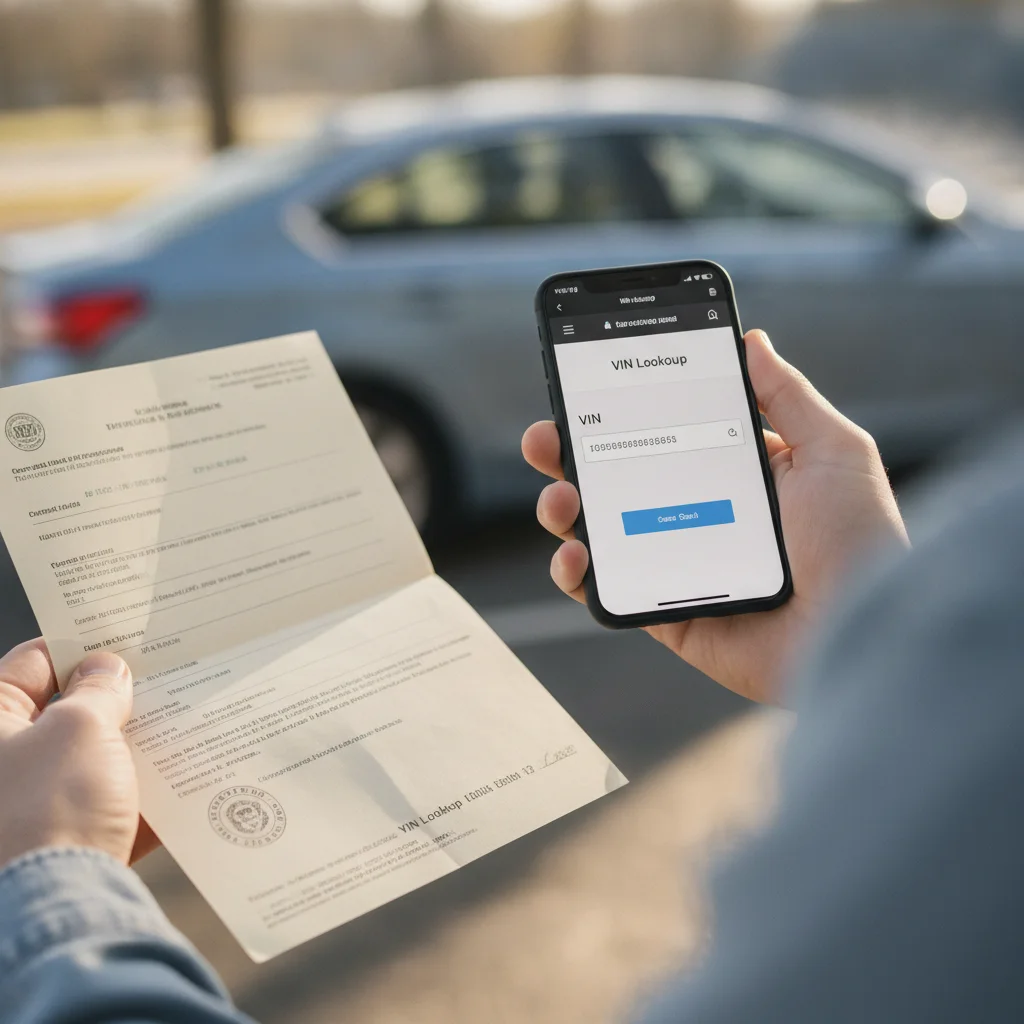
Before you list your car, understand exactly what a buyer will see when they enter your vehicle identification number into Carfax, AutoCheck, or the National Motor Vehicle Title Information System (NMVTIS). These reports aggregate data from insurers, state DMVs, auto auctions, police departments, and repair shops — and the result is a timeline of your car's documented life.
The major categories a VIN report typically covers include:
- Title history: How many owners the car has had, whether it was titled as salvage, rebuilt, flood-damaged, lemon law buyback, or junk.
- Accident and damage records: Collisions reported to insurers or law enforcement, and the severity rating if available.
- Odometer readings: Readings logged at inspections, emissions tests, and service visits — used to flag potential rollbacks.
- Open recalls: Any manufacturer recalls that haven't been completed as of the report date.
- Use history: Whether the vehicle was registered as a rental, fleet, taxi, or lease car.
- Service and maintenance records: Oil changes, repairs, and inspections logged by participating dealerships and shops.
For a deeper breakdown of what each section actually means in practice, see our guide on reading a vehicle history report without getting misled.
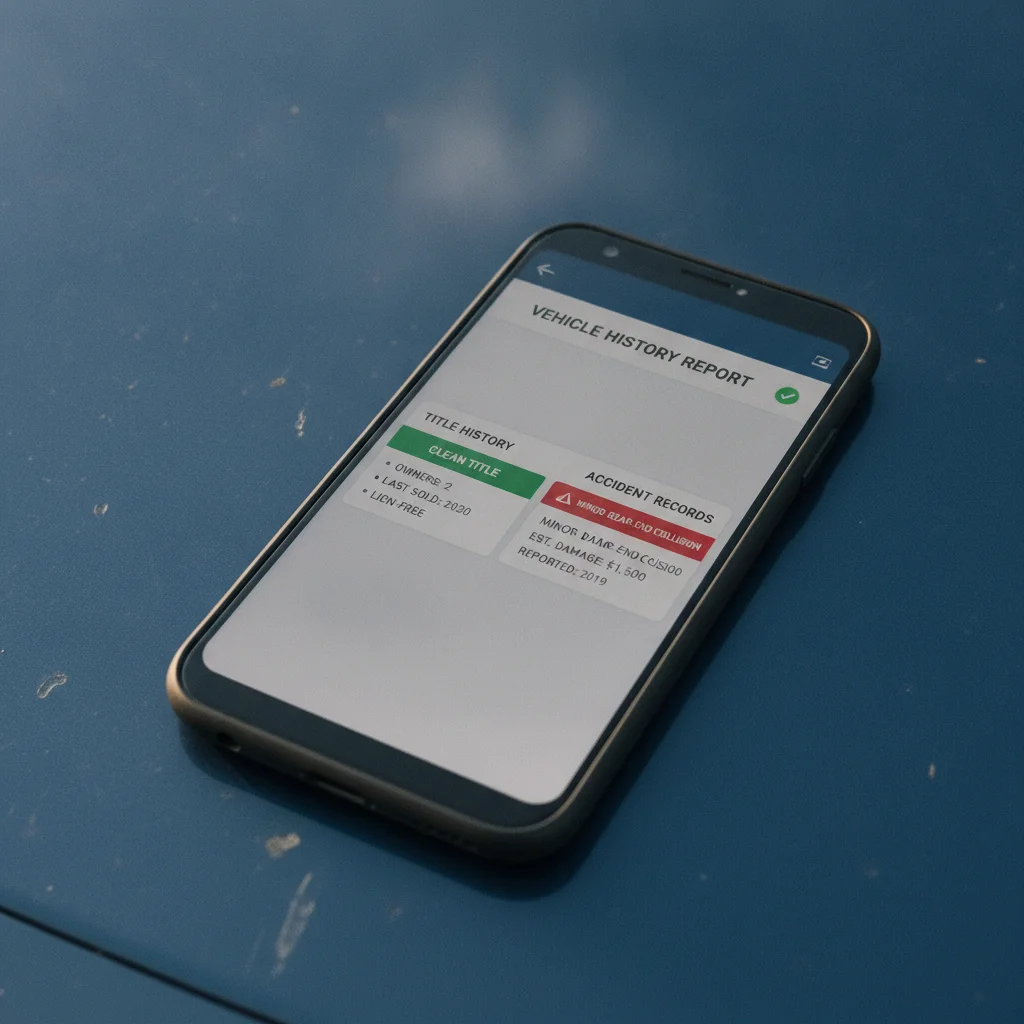
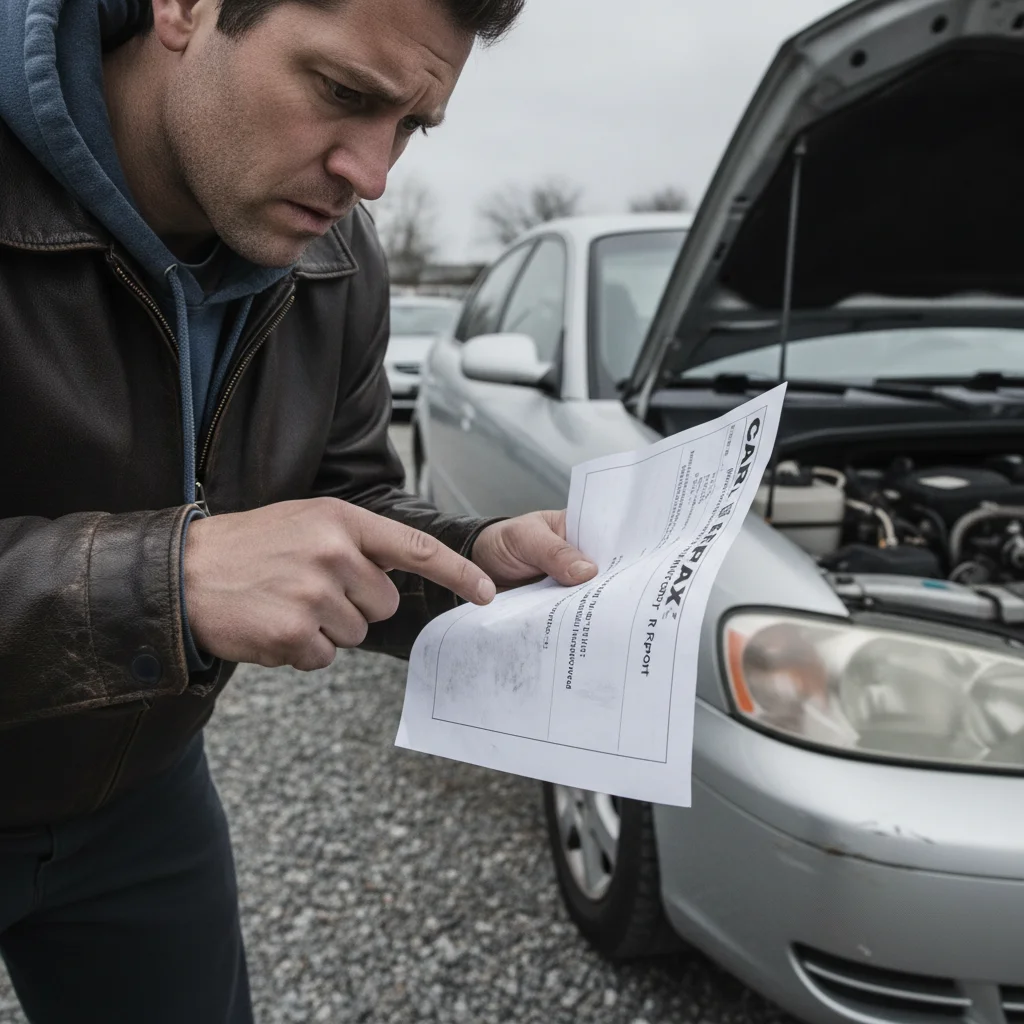
The critical point for sellers: this report exists whether you pull it or not. A prepared buyer will have it in hand before you've finished your pitch.
Why Sellers Should Pull the Report Before the Buyer Does
There's a real power dynamic in any car sale, and the VIN report is a lever. If a buyer discovers a title brand or an accident you didn't mention, the conversation shifts immediately — you're now reacting instead of explaining. Getting ahead of that is entirely in your control.
“The seller who controls the information controls the transaction. When you hand a buyer a clean VIN report, a disclosure letter, and a folder of service records, you're not just being transparent — you're telling them you have nothing to hide, and that's worth more than any price reduction.”
— Ronald Montoya, Senior Consumer Advice Editor, Edmunds
Running your own report first gives you three specific advantages:
- You remove the element of surprise. If your car was in a minor fender-bender three years ago and was repaired properly, you can frame that story yourself rather than letting a data flag do it for you.
- You can fact-check the report's accuracy. VIN reports are not perfect. Incidents go unreported, and sometimes a VIN gets confused with another vehicle's. If there's an error, you want time to dispute it — not 20 minutes before a buyer shows up.
- You can gather documentation to counter any concerns. An accident flag is far less damaging when you hand the buyer a repair invoice from a certified body shop showing OEM parts and structural clearance.
It costs roughly $40–$45 to pull a Carfax report directly, or you can use NMVTIS-authorized providers for as little as $2–$10. Many state DMV portals also provide partial title history at no charge.
Run Your Report Before You Set Your Price
Your asking price should account for what's in your VIN report — not be adjusted downward after a buyer uses it as leverage. A flagged accident history or open recall can reasonably affect your pricing, but it's far better to reflect that proactively than to negotiate down under pressure. Use your report findings alongside a tool like Kelley Blue Book or Edmunds True Market Value, selecting the appropriate condition category for your vehicle's history.
Dispute Report Errors Early — Not Mid-Sale
VIN report correction processes at Carfax and AutoCheck can take several weeks. If you're planning to list your car within the next 30–60 days, pull the report now. Any errors you spot should be disputed immediately so corrections can propagate through the system before a buyer ever runs their own check.
Match Your Disclosure to What the Report Shows
If a buyer pulls a report and the information matches exactly what you already disclosed in writing, trust is established and negotiations stay rational. If the report shows something you didn't mention, even a minor item, the buyer's confidence in everything you've said takes a hit. Consistency between your disclosure document and the VIN report is one of the simplest ways to close faster.
Sellers on platforms like CarGurus, Carvana, or Autotrader may also benefit from knowing that prepping your car before submitting your VIN can directly affect the offer you receive — not just the buyer's perception after the fact.
Title Issues That Kill Deals — and How to Address Them
Not all title flags are created equal. Some are deal-killers for most buyers; others are perfectly manageable with the right documentation. Here's a plain-language breakdown:
1 in 4
Used cars with a hidden problem in history
Carfax data consistently shows approximately one in four used vehicles has a reported accident, title brand, or odometer issue in its history.
~20%
Private sale price reduction for salvage title vehicles
Industry pricing guides estimate salvage or rebuilt title vehicles typically sell for 20–40% less than comparable clean-title vehicles, depending on make and condition.
280M+
Vehicle records in the NMVTIS database
The National Motor Vehicle Title Information System holds over 280 million vehicle records submitted by state DMVs, insurers, and junk and salvage yards nationwide.
50%+
Accidents that go unreported to insurers
Research and reporting from vehicle history providers suggest more than half of accidents are not filed as insurance claims, and therefore may not appear in VIN reports at all.
- Salvage Title
- Issued when an insurer declares a vehicle a total loss — typically when repair costs exceed a threshold (often 75–100% of the car's value, varying by state). A salvage title dramatically reduces resale value and makes financing nearly impossible for the buyer. It cannot be hidden and must be disclosed in virtually every state.
- Rebuilt / Reconstructed Title
- A salvage vehicle that has been repaired and passed a state inspection to be re-titled as "rebuilt" or "reconstructed." These can be sold legally in most states, but must be disclosed. Buyers may still face challenges financing or insuring them. Keep all repair and inspection records.
- Flood / Water Damage Designation
- Triggered when a vehicle is declared a total loss due to water damage or is submitted to NMVTIS with a flood brand. Even if a car looks fine, flood history signals potential long-term electrical and corrosion issues to buyers.
- Lemon Law Buyback
- The manufacturer repurchased this vehicle under a state lemon law. Disclosure is legally required in most states. Some manufacturers refurbish and resell these through dealers — private sellers who received one as a trade or inheritance still need to disclose it.
- Open Liens
- If you still owe money on the car, a lien holder's name will appear on the title. You cannot legally transfer a clean title until the lien is satisfied or the buyer and lender arrange a payoff at closing. This is one of the most common transaction delays in private sales.
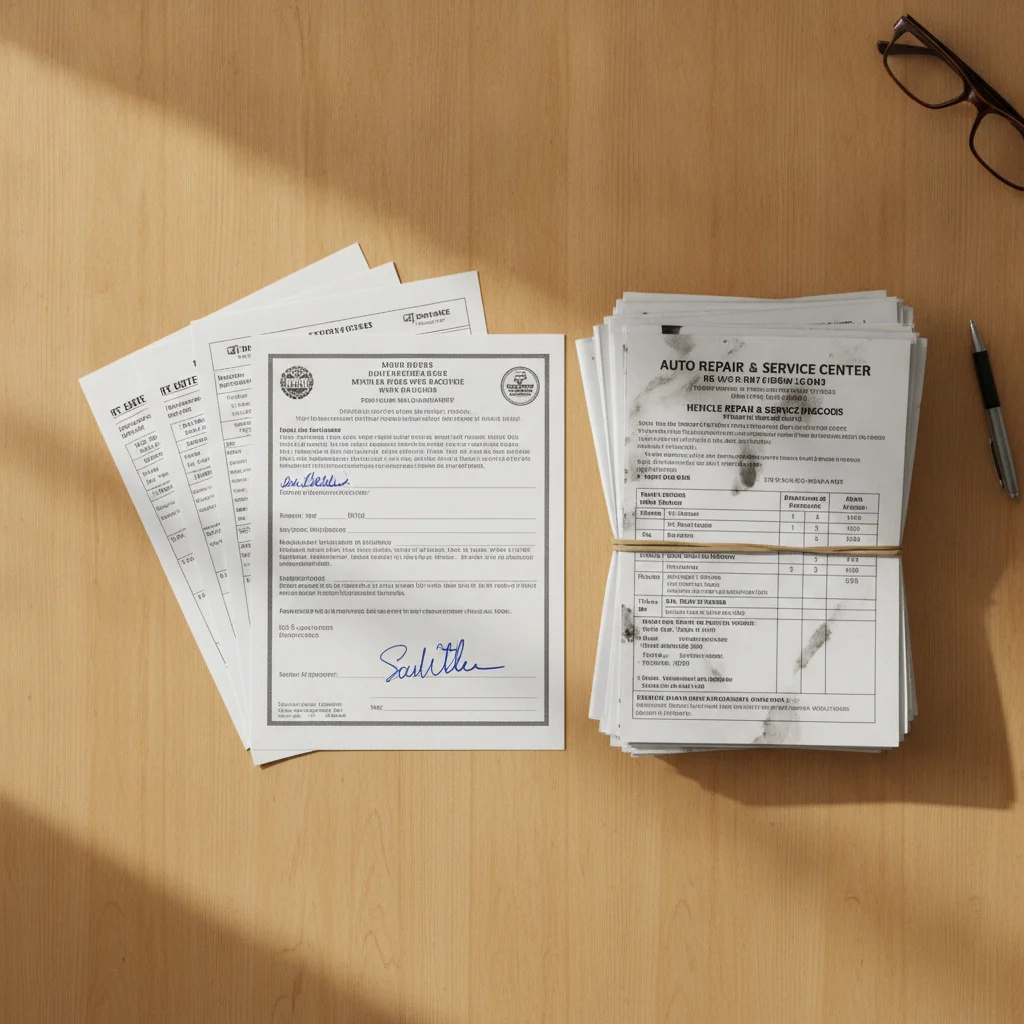
If your title has a brand, research your state's specific disclosure requirements. States like California, Texas, and New York have detailed written disclosure statutes with defined penalties for omission. The National Conference of State Legislatures (NCSL) maintains a state-by-state summary of title branding laws.
What VIN Reports Don't Capture
Vehicle history reports only contain what's been formally reported to participating data sources. An accident repaired without an insurance claim, a transmission replaced by a private mechanic, or flood damage in a state with poor reporting compliance may not appear at all. This cuts both ways for sellers: a minor issue you're worried about may not show up, but it also means buyers understand reports have blind spots. Our article on <a href="/buying-a-car/new-vs-used-cars/buying-used-cars/why-a-clean-vehicle-history-report-doesnt-guarantee-a-trouble-free-car">why a clean vehicle history report doesn't guarantee a trouble-free car</a> explains these limitations in detail.
Federal Odometer Law Applies to Private Sellers Too
Under federal law (49 U.S.C. § 32705), sellers of vehicles less than 10 model years old must provide a written odometer disclosure statement at the time of transfer. This applies to private party sales, not just dealerships. The buyer and seller must both sign the disclosure, and the odometer reading must match the title paperwork. Violations can result in federal penalties.
Some States Require Pre-Sale Inspections
A handful of states — including New Jersey, Pennsylvania, and parts of New England — require a valid state safety or emissions inspection certificate to be current at the time of sale. In some cases, the seller must provide a passing inspection before the transaction can be completed. Check your state DMV's requirements before listing to avoid a last-minute compliance issue that delays your closing.
Best Practices for Sellers Before Any VIN Is Submitted
Once you understand what a report shows, the next step is to prepare your documentation package. Think of it as the seller's counterpart to the buyer's due diligence. These practices don't guarantee a higher price, but they significantly reduce friction, build trust, and speed up closing.
Pull your own VIN report before you list the vehicle for sale.
Buyers will run this report regardless. If you see it first, you have time to gather documentation, correct errors, or set a realistic price that accounts for any flags. Sellers who skip this step are routinely blindsided in negotiations.
Gather and organize all service records, repair invoices, and inspection documents.
A VIN report shows data points; your paperwork tells the full story. A reported accident looks very different when accompanied by a certified repair invoice versus when the seller shrugs and says 'it was nothing major.' Documentation shifts the buyer's risk perception significantly.
Resolve any open liens on the title before you market the car.
An open lien is one of the most common reasons private sales stall or fall through entirely. Buyers who need financing will be blocked by a lender who won't fund a car with a competing lien. Even cash buyers are cautious about receiving a clean title after the fact.
Write a clear, factual disclosure statement covering all known defects and history.
Written disclosure protects you legally and establishes good faith with the buyer. Verbal representations are hard to verify and even harder to rely on in a dispute. A signed disclosure document, even in a private sale, demonstrates professionalism and reduces post-sale liability.
Check for open recalls using the NHTSA VIN lookup tool before listing.
Open recalls appear on VIN reports and concern safety-conscious buyers. If a recall is open, you have the option to complete it at no cost through the manufacturer before listing — which removes a flag from the report and genuinely makes the car safer.
Be transparent about use history, especially rental, fleet, or lease status.
These designations appear on reports and are often misunderstood by buyers. Proactively explaining a vehicle's fleet history — particularly with maintenance records — allows you to frame the story rather than letting a data flag suggest something negative.
State-by-State Disclosure: What You're Actually Required to Tell Buyers
"As-is" does not mean you can hide known problems. Almost every state distinguishes between undisclosed known defects (potentially fraudulent) and unknown latent defects (generally protected under as-is sales). The line matters.
Here's a general framework of what disclosure laws tend to require in private sales:
| Disclosure Category | Typical Requirement | Notes |
|---|---|---|
| Salvage / rebuilt title | Mandatory written disclosure in nearly all states | Non-disclosure can void the sale or trigger fraud liability |
| Odometer reading | Federal law (49 U.S.C. § 32705) requires written odometer disclosure for vehicles under 10 years old | Exemptions for vehicles over 16,000 lbs or more than 10 model years old |
| Known mechanical defects | Varies by state; some require disclosure of material defects even in private sales | California, Wisconsin, and several others have broad material defect disclosure laws |
| Flood / water damage | Required in most states if known | Particularly enforced in states affected by hurricane seasons |
| Lemon law buyback status | Mandatory in most states; some require window sticker at dealership level | Private sellers who inherited or traded for lemon buybacks are not exempt |
What VIN Reports Don't Capture
Vehicle history reports only contain what's been formally reported to participating data sources. An accident repaired without an insurance claim, a transmission replaced by a private mechanic, or flood damage in a state with poor reporting compliance may not appear at all. This cuts both ways for sellers: a minor issue you're worried about may not show up, but it also means buyers understand reports have blind spots. Our article on <a href="/buying-a-car/new-vs-used-cars/buying-used-cars/why-a-clean-vehicle-history-report-doesnt-guarantee-a-trouble-free-car">why a clean vehicle history report doesn't guarantee a trouble-free car</a> explains these limitations in detail.
Federal Odometer Law Applies to Private Sellers Too
Under federal law (49 U.S.C. § 32705), sellers of vehicles less than 10 model years old must provide a written odometer disclosure statement at the time of transfer. This applies to private party sales, not just dealerships. The buyer and seller must both sign the disclosure, and the odometer reading must match the title paperwork. Violations can result in federal penalties.
Some States Require Pre-Sale Inspections
A handful of states — including New Jersey, Pennsylvania, and parts of New England — require a valid state safety or emissions inspection certificate to be current at the time of sale. In some cases, the seller must provide a passing inspection before the transaction can be completed. Check your state DMV's requirements before listing to avoid a last-minute compliance issue that delays your closing.
When in doubt, disclose in writing and have the buyer sign an acknowledgment. This protects you legally and builds trust simultaneously. A buyer who feels informed is far less likely to come back with a dispute after the sale closes.
It's also worth understanding the buyer's perspective on this. Our article on why a clean vehicle history report doesn't guarantee a trouble-free car explains exactly what buyers are thinking when they push for more documentation — which helps you anticipate their questions.
What to Do If the VIN Report Has an Error
VIN reports are compiled from third-party data sources, and errors happen. A vehicle may appear in a report with accident damage that belonged to a similarly numbered vehicle, or a salvage designation may have been cleared but not updated in the database. These discrepancies can cost you a sale if you're unprepared.

If you spot an inaccuracy, here's a step-by-step correction process:
- Document the discrepancy in writing. Note the specific field, the incorrect information shown, and what you believe to be accurate.
- Gather supporting evidence. Title documents, insurance records, repair invoices, DMV transaction records, and inspection certificates all serve as counter-evidence.
- Contact the reporting agency directly. Carfax has an owner correction request form. AutoCheck disputes go through Experian's consumer dispute process. NMVTIS disputes require contacting the state agency that submitted the record.
- Request a corrected report in writing. Disputes can take 30–60 days to resolve. If you're mid-sale, provide your documentation package to the buyer and explain the dispute process clearly.
- Follow up with your state DMV. If the error stems from a title record, your state DMV may need to submit a correction to NMVTIS before any downstream report will update.
Run Your Report Before You Set Your Price
Your asking price should account for what's in your VIN report — not be adjusted downward after a buyer uses it as leverage. A flagged accident history or open recall can reasonably affect your pricing, but it's far better to reflect that proactively than to negotiate down under pressure. Use your report findings alongside a tool like Kelley Blue Book or Edmunds True Market Value, selecting the appropriate condition category for your vehicle's history.
Dispute Report Errors Early — Not Mid-Sale
VIN report correction processes at Carfax and AutoCheck can take several weeks. If you're planning to list your car within the next 30–60 days, pull the report now. Any errors you spot should be disputed immediately so corrections can propagate through the system before a buyer ever runs their own check.
Match Your Disclosure to What the Report Shows
If a buyer pulls a report and the information matches exactly what you already disclosed in writing, trust is established and negotiations stay rational. If the report shows something you didn't mention, even a minor item, the buyer's confidence in everything you've said takes a hit. Consistency between your disclosure document and the VIN report is one of the simplest ways to close faster.
Understanding what a VIN encodes at the manufacturing level can also help you cross-reference report data against factory specifications. See what a VIN actually tells you before you ever see the car for a complete breakdown.
Quick Wins for Sellers Right Now
You don't need to wait until a buyer submits your VIN to start preparing. These are the highest-leverage steps you can take today — before you list, before anyone asks, and before any report becomes a negotiating weapon against you.
Sellers who complete even a few of these steps consistently report faster closings and fewer last-minute price negotiations. The goal isn't to hide anything — it's to control the narrative by being the most informed person in the transaction.
For the full preparation checklist when using instant offer platforms, visit our guide on prepping your car for the best possible offer. And if you want to understand every item on the report a buyer might hand you across the table, our breakdown of what a vehicle history report actually tells you and what it misses walks through the fine print in plain language.

All claims are backed by peer-reviewed research. Sources on request.