Key Takeaways
What a Vehicle History Report Actually Covers
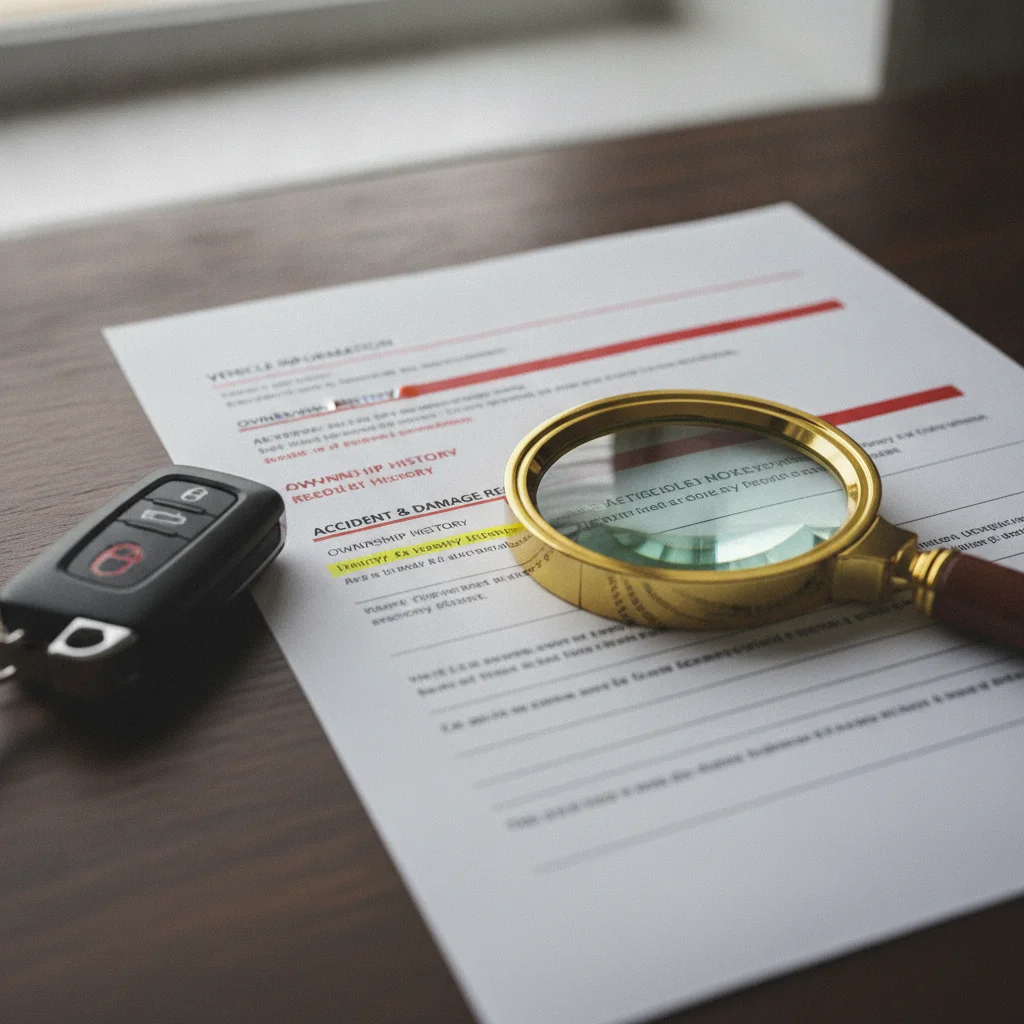
Carfax, AutoCheck, and similar reports aggregate data from a patchwork of sources: state DMVs, insurance companies, salvage auctions, rental fleets, auto auctions, and some repair shops. When an incident gets reported to one of those sources, it shows up on the report. When it doesn't, the report stays clean — regardless of what actually happened to the car.
That's the fundamental limitation buyers overlook. A vehicle history report is a records-based document, not a physical inspection. It reflects the paper trail, not the pavement. If the previous owner backed into a fence post, paid a body shop $1,800 cash, and never filed an insurance claim, that repair is invisible to every history report on the market.

What reports do cover reliably: title events (salvage, flood, rebuilt, lemon law buybacks), odometer readings logged at state inspections or auctions, reported accidents where an insurance claim was filed, registration history across states, and some service records from dealerships that share data with Carfax. For a deeper breakdown of how to interpret each section accurately, see how to read a vehicle history report without getting misled.
The takeaway: use the report to screen for deal-killers — title brands, odometer rollbacks, and salvage history — but never treat a clean report as a clean bill of health.
The Most Common Mistakes Buyers Make With History Reports
Most buyers understand intellectually that a Carfax isn't perfect. The problem is they don't act on that understanding when it matters — at the point of purchase. Here are the mistakes that cost buyers the most money.
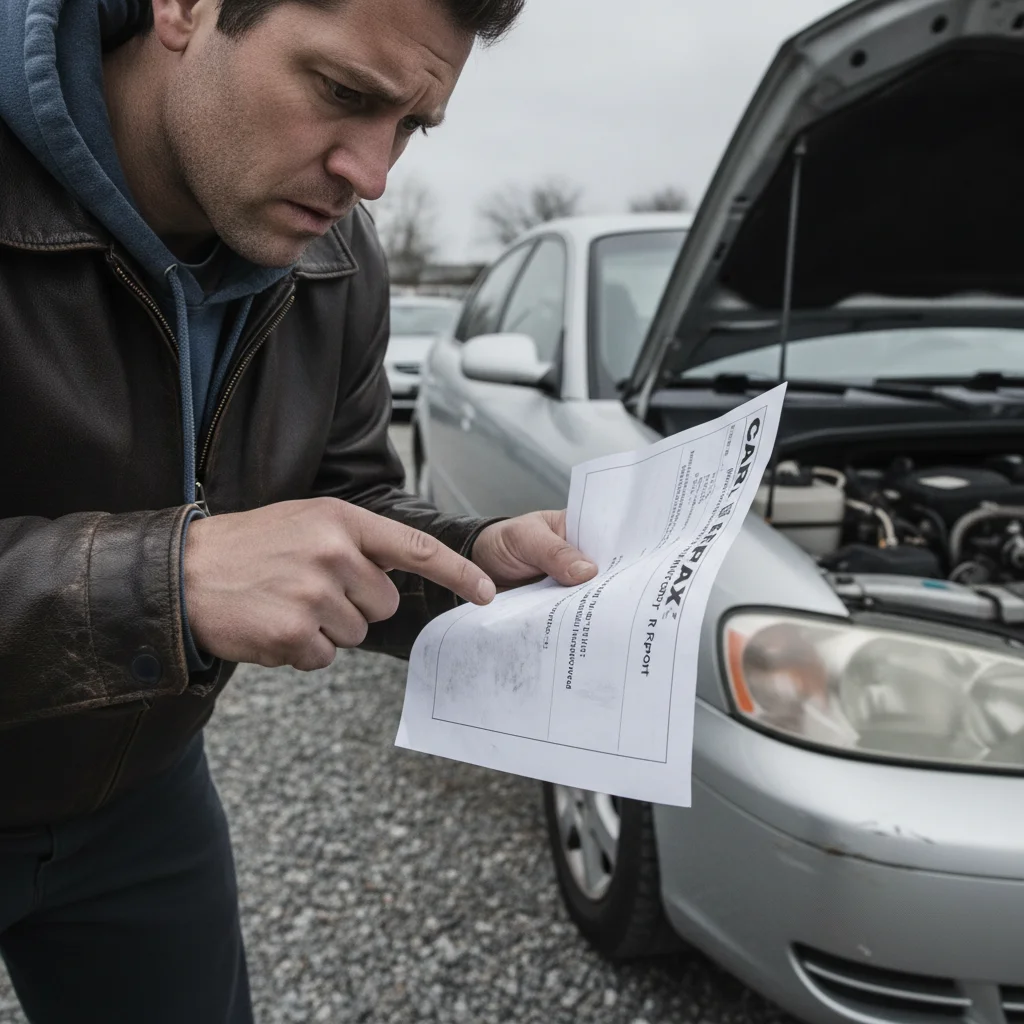
Treating a clean history report as proof the car is problem-free.
Why it happens: Buyers conflate 'no reported incidents' with 'no incidents.' The distinction feels subtle but the financial consequences are not.
Skipping an independent mechanic inspection because the Carfax looked clean.
Why it happens: Buyers see a clean report and feel reassured — sometimes to the point where they view spending $150 on a PPI as redundant. Sellers sometimes encourage this reasoning, consciously or not.
Not checking for unreported body repairs or panel repaints.
Why it happens: Most buyers don't know paint thickness gauges exist or that panel gap misalignment is a collision indicator. They look at the car's surface condition, not its structural integrity.
Ignoring the number of states the vehicle has been registered in.
Why it happens: Buyers focus on accident history and ownership count but rarely scrutinize registration geography, which can reveal title washing attempts across states with different branding laws.
Failing to check for open safety recalls using the NHTSA database.
Why it happens: Commercial history reports don't consistently flag open recalls, so buyers who rely solely on Carfax or AutoCheck can miss active safety issues that haven't been remedied.
Accepting a seller's copy of the history report without running your own.
Why it happens: The seller controls which report they share, and a seller-provided report may be outdated or cherry-picked to exclude a more recent incident.
Seller Refuses Inspection? That's Your Answer.
Any seller — private party or dealer — who declines to allow an independent pre-purchase inspection is signaling that the car won't survive scrutiny. This refusal is more informative than any history report. Don't let sunk-cost pressure from test drives or negotiation time override this red flag. Walk away and find a seller willing to stand behind the vehicle.
Understanding what history reports miss is one side of the equation. The other is knowing how unreported damage affects a car's actual market value. Accident history and valuation estimates explains why even a repaired car can carry a discount — and why sellers are often motivated to keep repairs off the books.
What Doesn't Show Up — And Why It Matters
The gaps in vehicle history reports fall into a few predictable categories. Understanding them helps you know exactly what to look for during a physical inspection.
~1 in 4
Used cars with undetected prior damage
Carfax's own research has estimated that approximately 1 in 4 used vehicles has damage that doesn't appear in its report database.
45%
Accidents that go unreported to insurers
Industry estimates suggest roughly 45% of vehicle accidents are handled without filing an insurance claim, leaving no trace in history report databases.
$3,000+
Average cost of undisclosed flood damage repair
According to repair industry data, buyers who discover flood damage post-purchase face average remediation costs exceeding $3,000, often without recourse.
$150
Typical pre-purchase inspection cost
A thorough independent PPI from a trusted mechanic typically runs $100–$200 — a fraction of the cost of any major repair it might prevent.
Cash-Paid Repairs
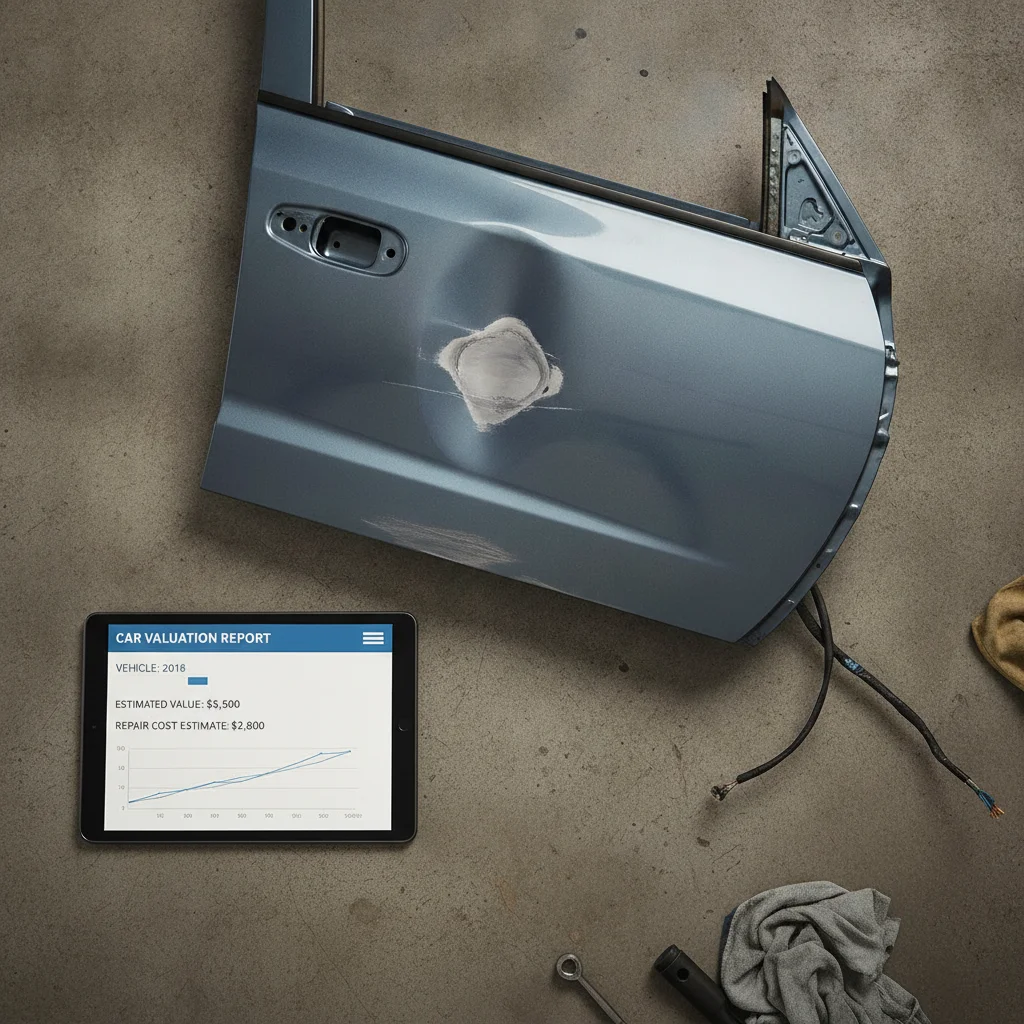
Minor to moderate collision damage — a dented quarter panel, a replaced bumper cover, even some structural repairs — gets fixed out of pocket more often than you'd think. Sellers do this deliberately to avoid insurance rate increases and to keep their Carfax clean. The repair may be excellent or it may be shoddy, but either way, you won't know about it from the report alone. Look for paint overspray on trim, weather stripping, or rubber seals. Panel gaps that don't match factory tolerances are another tell.
Private-Party Accidents
When two private individuals bump into each other in a parking lot and exchange cash or handle it personally without involving insurance, no report is filed. No police report, no insurance claim, no data point. That incident never makes it into any database.
Flood Damage
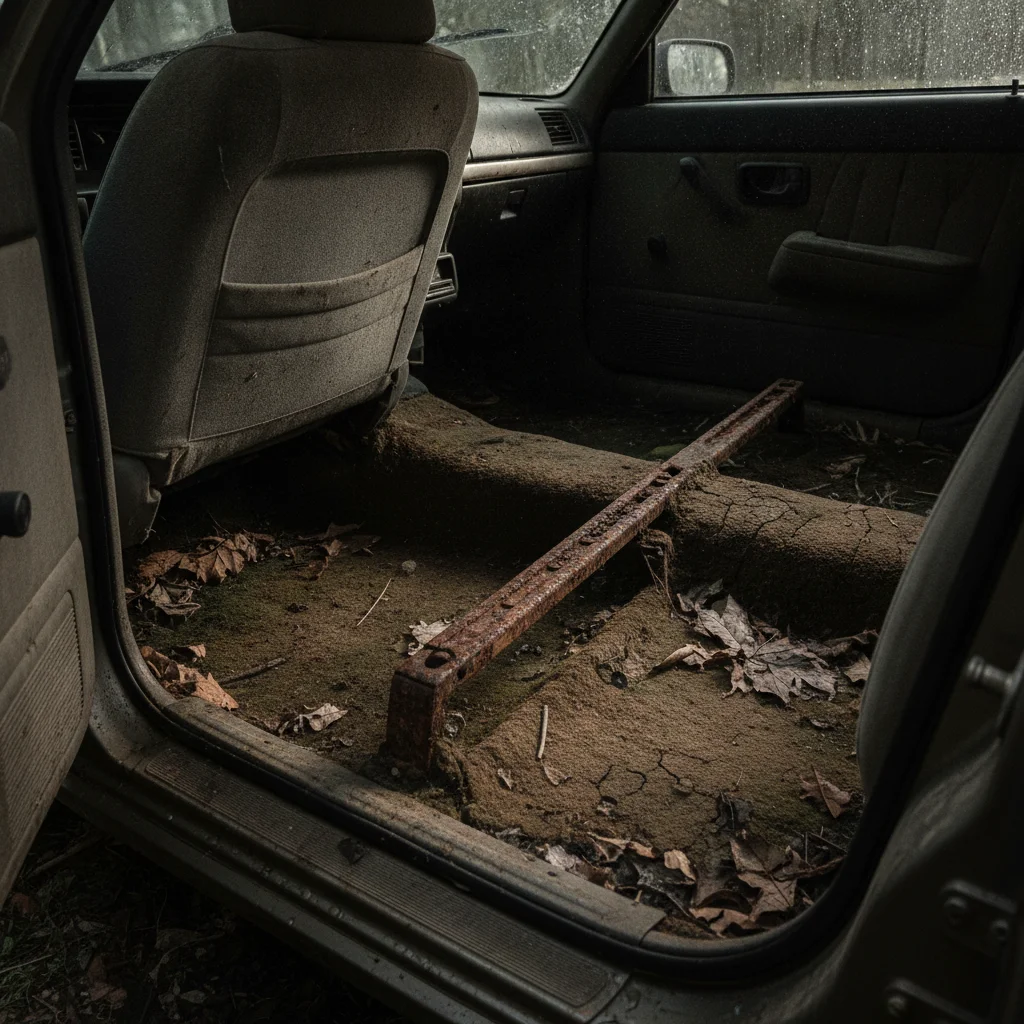
This is the one that surprises buyers most. Flood-damaged vehicles are often dried out, detailed, and resold — sometimes across state lines to avoid title branding requirements that vary by jurisdiction. A car can have significant water intrusion damage with a perfectly clean title history. Physical signs of flood damage are the only reliable way to catch this, because the paperwork won't help you.
Deferred Mechanical Issues
No history report tells you that the transmission is slipping, the timing chain is stretched, or the CV axle boots are cracked. Mechanical wear and deferred maintenance are entirely invisible in report data. A car with 80,000 miles and zero reported incidents might have never had an oil change done on schedule. The report says nothing about that.

Interstate Title Washing
Salvage titles can legally become clean titles when a vehicle is registered across multiple states with different branding requirements. By the time the car reaches the third or fourth state, the salvage designation may have been washed out of the title record. This is less common since DMV data-sharing has improved, but it still happens — particularly with older vehicles. Always cross-reference the number of states a vehicle has been registered in against its age and mileage. A car that's been in four states in five years warrants extra scrutiny. For more on how title history affects buyer confidence, see why buyers reject cars with unclear title history.
How to Fill the Gaps a History Report Can't Cover
A clean Carfax is a necessary starting point, not a finishing line. Here's how experienced buyers supplement the report with information that actually reflects the car's physical condition.
A Clean Report Is Not a Warranty
Vehicle history reports carry no guarantee of accuracy and explicitly disclaim liability for unreported incidents. Carfax's own terms of service state that the report reflects only data submitted to its database — not the actual condition or history of the vehicle. No court has ever awarded damages to a buyer based solely on a 'clean' Carfax. Protect yourself with an independent inspection, not just paperwork.
Title Washing Is Real and Still Happens
Despite improved interstate DMV data-sharing, title washing — the practice of re-registering a salvage-titled vehicle across multiple states until the branding is obscured — has not been eliminated. A vehicle with multiple state registrations and a surprisingly low asking price should prompt you to cross-check its title history across both Carfax and AutoCheck before proceeding. If the reports conflict, that discrepancy alone is a reason to walk.
Get an Independent Pre-Purchase Inspection
This is non-negotiable for any used car purchase above $5,000. A licensed independent mechanic — not one affiliated with the seller — should put the car on a lift and inspect it thoroughly. Expect to pay $100–$200 for a thorough PPI. That fee is cheap insurance against a $3,000 transmission repair six months later. For a full checklist of what to look for, the test drives and inspections hub is a solid starting point.
Run a Paint Thickness Gauge Over Every Panel
Inexpensive paint thickness gauges (under $50 on Amazon) detect body filler and repainted panels in seconds. Factory paint runs approximately 4–6 mils thick. Readings significantly above that — especially localized to one panel — indicate filler or a respray. This is the fastest way to find cash-repaired collision damage that never hit a Carfax.
Ask for Maintenance Records
A seller who can hand you a folder of oil change receipts, tire rotations, and repair invoices is a seller who was maintaining the car. No records doesn't mean the car wasn't maintained, but it does mean you can't verify it. Ask specifically for any receipts in the past 24 months.
Pull Your Own VIN Check From Multiple Sources
Carfax and AutoCheck draw from partially overlapping but not identical data sources. Running both on a vehicle you're serious about costs roughly $40 combined and can surface discrepancies. Savvy buyers also know that sellers sometimes pull their own reports beforehand — what sellers know before you run a VIN report gives useful context on what that dynamic looks like.
Search the VIN in NHTSA's Database
The National Highway Traffic Safety Administration's free VIN lookup tool will show open safety recalls. A car can have an unaddressed recall that poses a genuine safety risk — and no commercial history report flags open recalls consistently. This takes two minutes and costs nothing.

When a History Report Is Most — and Least — Useful
Context matters. A vehicle history report delivers real value in specific scenarios and limited value in others. Knowing the difference helps you calibrate your due diligence appropriately.
Where Reports Add the Most Value
- Title verification: Confirming the seller actually owns the car and the title is clean (no liens, no salvage branding) is the report's most reliable function.
- Odometer fraud detection: Comparing odometer readings logged at multiple points over time catches rollbacks. If a car shows 95,000 miles at a 2021 auction and 87,000 miles today, that's a deal-stopper.
- Usage history: Rental, fleet, or commercial use signals higher-than-average wear that might not be obvious from mileage alone.
- Number of previous owners: One owner with consistent registration history is objectively lower risk than five owners in seven years.
Where Reports Add the Least Value
- Mechanical condition: Reports tell you nothing about engine health, fluid condition, wear items, or deferred maintenance.
- Quality of repairs: Even reported accidents only tell you a claim was filed — not whether the repair was done properly or whether structural damage was correctly addressed.
- Unreported incidents: By definition, anything that was handled off-the-books is invisible to the report.
For buyers purchasing entirely online, the limitations become even more acute. What a vehicle history report actually tells you in an online purchase covers how to apply additional scrutiny when you can't physically inspect the car before buying. Similarly, buyers considering certified pre-owned vehicles should understand that a CPO label doesn't eliminate all report blind spots — reading a CPO vehicle history report walks through what to verify even on dealer-certified inventory.
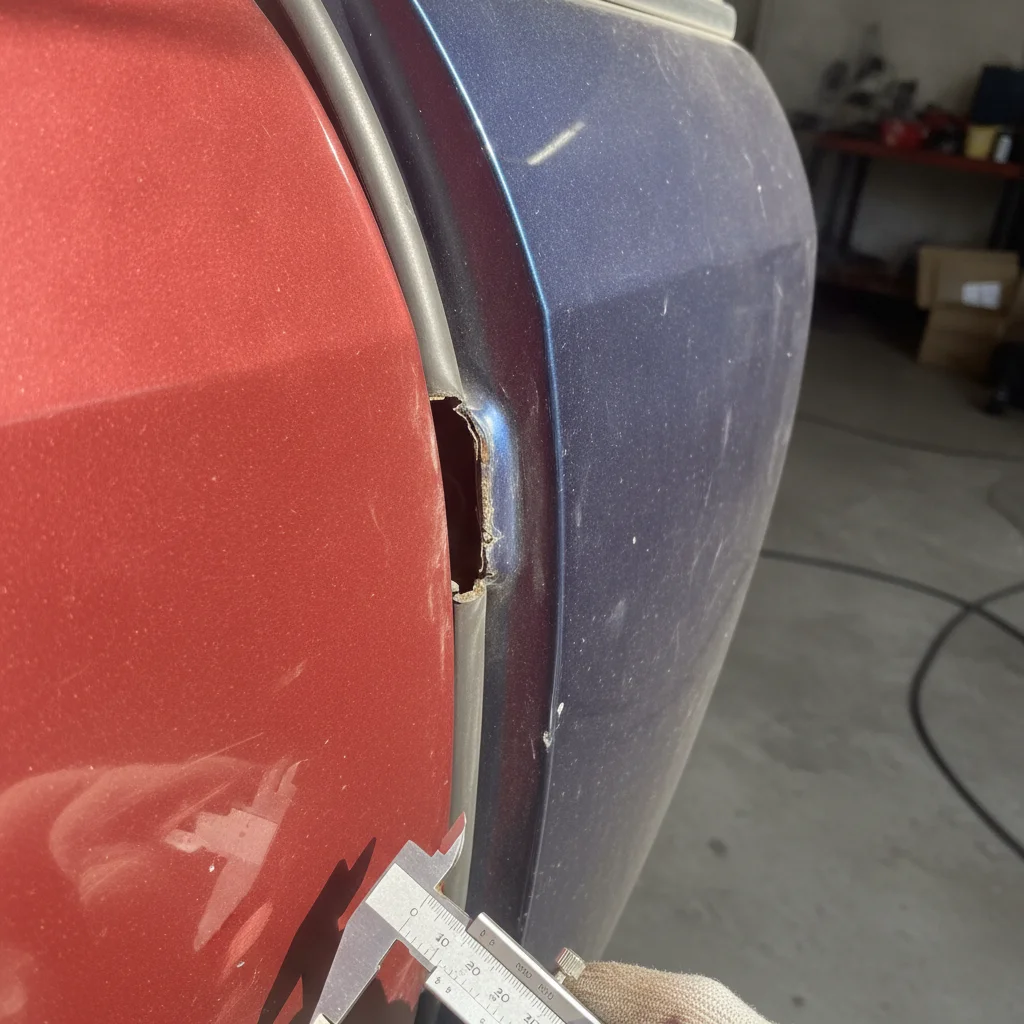
Bottom line: a clean vehicle history report should increase your confidence, not replace your judgment. Use it as a filter, then use an independent inspection, a paint thickness gauge, and your own eyes to fill in everything the report can't tell you.

All claims are backed by peer-reviewed research. Sources on request.