Key Takeaways
Vehicle History Report
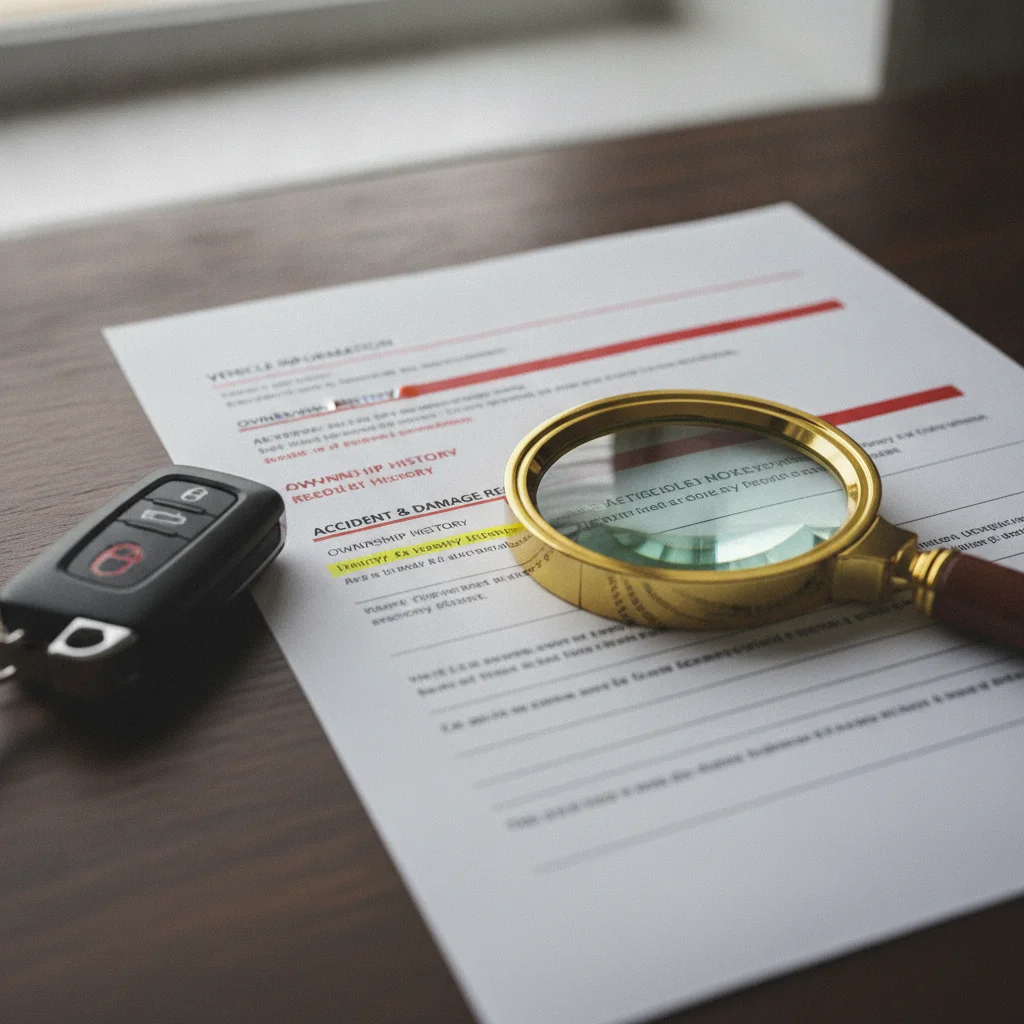
A vehicle history report is a compiled document that aggregates data from government agencies, insurance companies, auction houses, and repair databases to summarize a car's recorded past. It typically covers title status, reported accidents, odometer readings, ownership count, and service history. Providers like Carfax and AutoCheck generate these reports using a vehicle's 17-character VIN (Vehicle Identification Number).
Reports are only as complete as the data sources that feed them. Events not reported to insurers, DMVs, or participating repair shops will not appear — meaning a clean report reflects recorded history, not necessarily actual condition.
What a Vehicle History Report Actually Contains
Pull up a Carfax or AutoCheck report and you'll see a lot of data. But knowing what each section actually means — and where it comes from — separates buyers who use reports effectively from those who get a false sense of security.
Here's what most reports include, and where the information originates:
- Title history: Sourced from state DMVs. Shows how many times the vehicle has changed hands, in which states, and whether any title brands (salvage, rebuilt, flood, junk, lemon law buyback) have been applied.
- Accident and damage records: Pulled from insurance company reports, state DMV crash reports, and auction inspection data. Only reported incidents appear.
- Odometer readings: Logged at each title transfer and at participating service locations. Discrepancies between readings trigger a rollback alert.
- Service and maintenance records: Submitted voluntarily by dealerships, repair chains (Jiffy Lube, Firestone, etc.), and some independent shops that participate in the reporting network.
- Use history: Flags whether the vehicle was registered as a rental, fleet, taxi, lease, or commercial vehicle — categories that can signal heavy use cycles.
- Recall status: Some reports include open recall information tied to the VIN, sourced from NHTSA data.
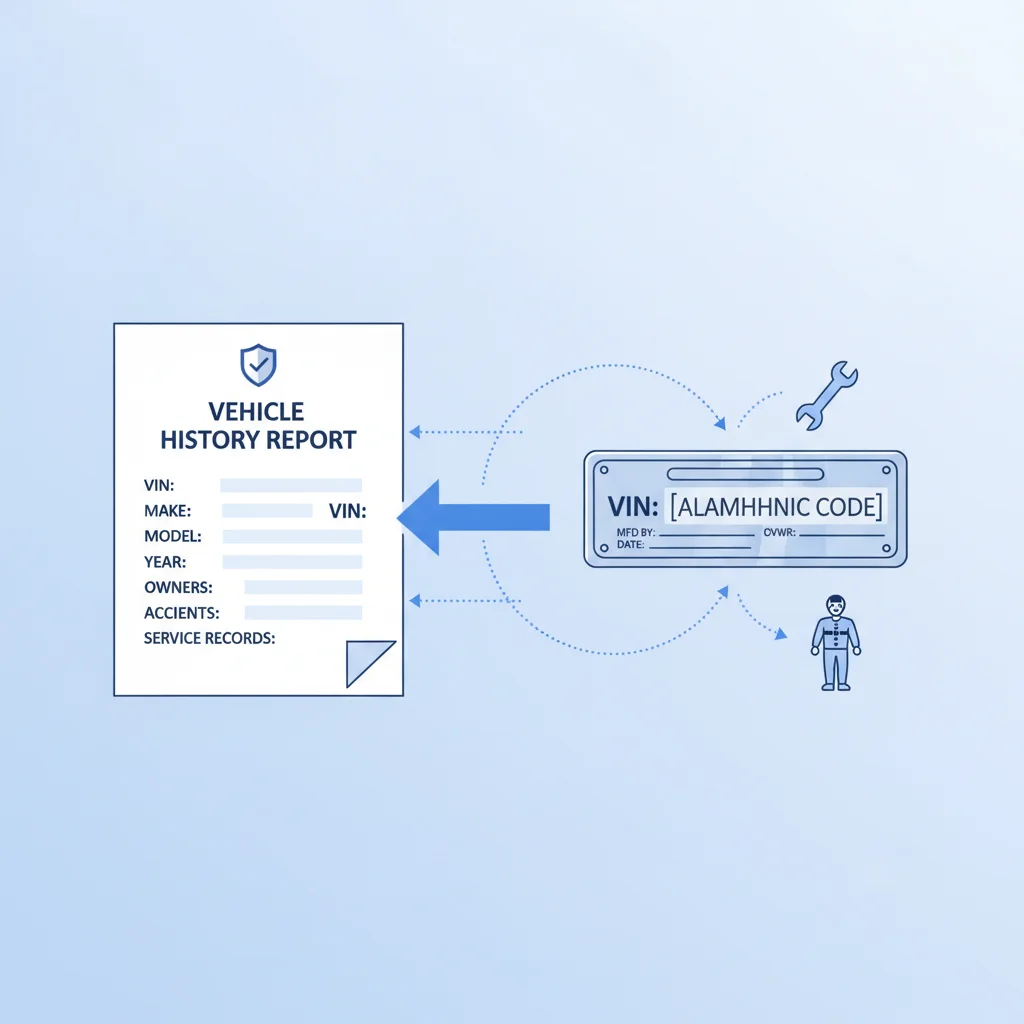
Each data point has a source — and a gap. State DMV data is generally reliable for title brands and ownership counts, but accident data depends entirely on whether someone filed an insurance claim. Service history reflects only shops in the reporting network, not every garage the car visited. Keep that distinction in mind as you read.
For a deeper walkthrough of every report section, reading a vehicle history report without getting misled is worth working through before your next purchase.
The Title Brands You Cannot Afford to Overlook
Title brands are the single most consequential section of any vehicle history report. A brand is a permanent notation on the vehicle's title that discloses a significant event in the car's past. Once applied, brands follow the VIN forever — they cannot be legally removed, though they can sometimes be obscured through title washing across state lines.
Title Washing Is a Real Threat
Title washing occurs when a vehicle with a salvage or branded title is re-registered in a state with different (or less stringent) title branding laws, causing the original brand to disappear from the new title. It's not always detectable by a single Carfax or AutoCheck report. Cross-referencing with NMVTIS data and checking title history across multiple states is the most reliable defense.
Here are the most critical brands and what each means for you as a buyer:
- Salvage Title
- The vehicle was declared a total loss by an insurance company — typically because repair costs exceeded a threshold percentage of the car's value (usually 75–80%). Buying a salvage-titled vehicle means taking on unknown structural risk, potential financing difficulties, and resale challenges. Many lenders won't finance them at all.
- Rebuilt / Reconstructed Title
- A salvage vehicle that was repaired and passed a state inspection to be put back on the road. The quality of that rebuild varies enormously. A rebuilt title should trigger a mandatory independent inspection — full stop.
- Flood Damage
- Water intrusion into a vehicle's electrical systems and interior causes corrosion that can take years to fully manifest. Flood-branded vehicles often smell fine after professional detailing but fail catastrophically later. This brand alone should end most negotiations.
- Lemon Law Buyback
- The manufacturer repurchased this vehicle under a state lemon law due to a defect that couldn't be repaired after a reasonable number of attempts. The underlying defect may or may not have been resolved.
- Frame / Structural Damage
- Not all states apply this brand, but when it appears, it means the vehicle sustained damage to its unibody or frame — the core structural component affecting crash safety and handling alignment.
One thing dealerships won't always volunteer: title washing. This happens when a vehicle is re-titled in a state with looser branding laws, causing a salvage brand from one state to disappear from the new title. Reports from services like NMVTIS (the National Motor Vehicle Title Information System) aggregate title data from all 50 states, which is why cross-referencing multiple databases matters.
Always Run NMVTIS Alongside Commercial Reports
The federal NMVTIS database at vehiclehistory.gov costs just a few dollars and aggregates title and brand data from all participating states, insurers, and salvage yards. It catches title washing that Carfax and AutoCheck sometimes miss. Treat it as a required step, not an optional add-on.
Budget for a Pre-Purchase Inspection — Always
A $100–$200 inspection by an independent mechanic is the most reliable complement to any history report. For remote purchases, find a shop near the seller using RepairPal or the AAA Approved Auto Repair locator — most will inspect a vehicle for a flat fee and send you a written report. Never skip this step on a purchase over $5,000.
If you're evaluating a certified pre-owned vehicle specifically, how to read a CPO vehicle history report covers the additional disclosures manufacturers are required to provide under CPO programs.
Accident Reports: What Shows Up and What Doesn't
This is where most buyers make a costly mistake — assuming that no reported accidents means no accidents occurred. That's not how it works.
~25%
Accidents estimated to go unreported to insurers
Industry analysis and state DMV data suggest roughly one in four collision events is handled without an insurance claim, leaving no trace in history databases.
Over 40 states
States contributing title data to NMVTIS
The National Motor Vehicle Title Information System aggregates title and brand data from participating states, junkyards, and insurers — covering gaps commercial providers may miss.
$100–$200
Typical cost of a pre-purchase inspection
An independent mechanic inspection is the most cost-effective insurance against buying a problem vehicle — far less than even minor post-purchase repairs.
17 characters
VIN length — the key to any history report
Every vehicle sold in the U.S. since 1981 carries a standardized 17-character Vehicle Identification Number that uniquely identifies it across all reporting databases.
2 providers
Minimum recommended report sources
Carfax and AutoCheck pull from overlapping but distinct databases — running both on the same VIN surfaces incidents that a single report may miss.
An accident only appears on a vehicle history report if it was reported to one of the data sources the provider uses. That means:
- An insurance claim was filed (by either driver), or
- A police report was filed and forwarded to the state DMV, or
- The vehicle went through an auction that documented visible damage
Plenty of fender benders, parking lot impacts, and even moderate collision repairs never generate an insurance claim. The owner pays out of pocket to protect their insurance rate — and the incident vanishes from the vehicle's recorded history. A bumper replaced at a body shop with a cash payment leaves zero trace on any history report.
Industry estimates suggest that somewhere between 20% and 45% of accident damage is never reported to insurance. That's a significant blind spot you need to account for.
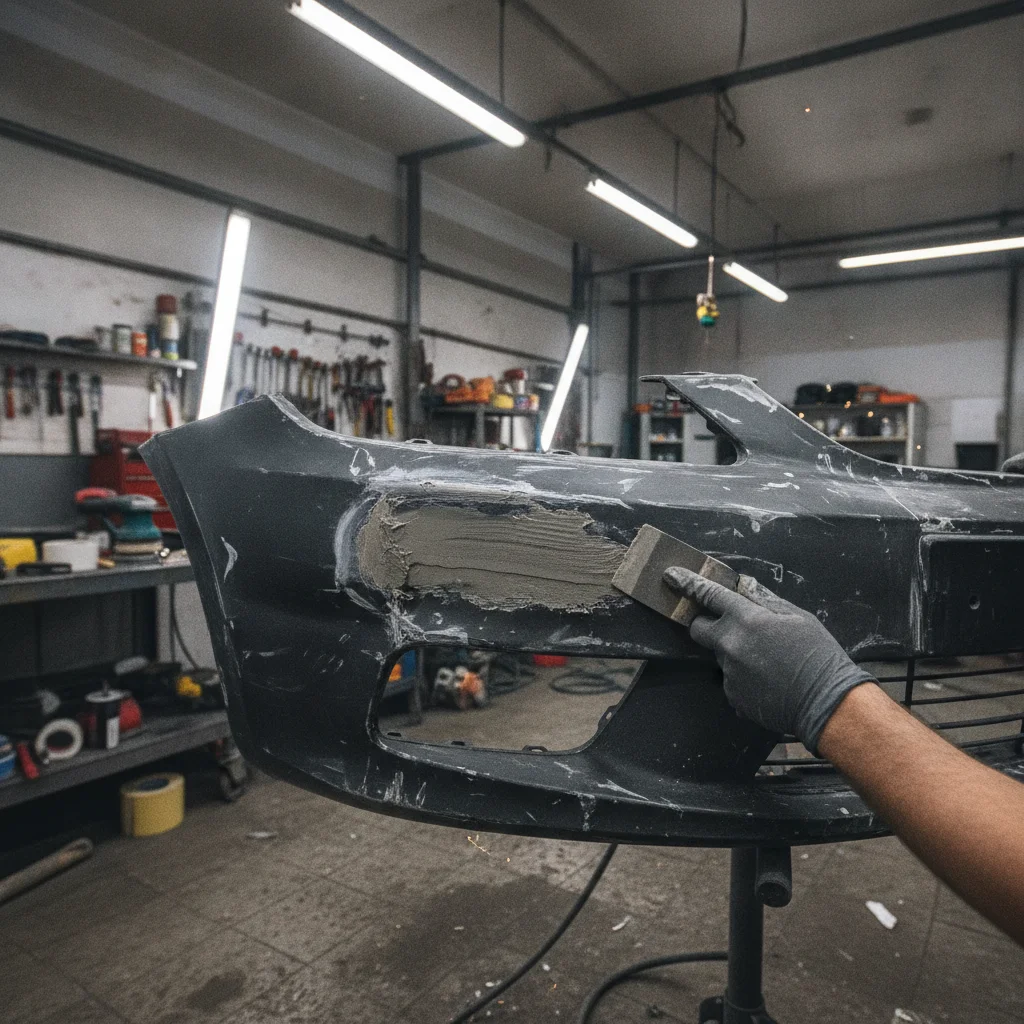
When an accident does appear, the report will often show the severity (minor, moderate, severe) and which area of the vehicle was affected. Take these severity labels with a grain of salt — they're based on the claim data submitted, not necessarily an independent assessment of actual structural impact.
The practical takeaway: use the accident section to identify confirmed problems, not to confirm the absence of problems. For a full picture of what history reports routinely miss, why a clean vehicle history report doesn't guarantee a trouble-free car lays out the gaps in plain terms.
Reading Ownership and Use Patterns Like an Insider
Beyond the obvious red flags, experienced used-car buyers look at the ownership and use pattern of a vehicle as a signal of how it was treated — even when no accidents or damage appear.
Number of Owners
Three owners in four years on a three-year-old vehicle is a pattern worth questioning. Each transfer is a potential sign that the previous owner identified a problem and moved on. One long-term owner over 10 years is generally a positive signal — someone who kept the car that long either loved it or found it reliable enough not to bother replacing.
Geographic History
Where a car lived matters. Vehicles registered in the Rust Belt (Michigan, Ohio, Pennsylvania, upstate New York) or in heavy snow-belt states are exposed to road salt that accelerates undercarriage corrosion. A car that spent its life in Arizona or Southern California has a very different wear profile. Some reports show state-by-state registration history — use it.
Rental, Fleet, and Commercial Use
Fleet and rental vehicles are typically serviced on schedule, which is a point in their favor. But they're also driven by dozens of different people, often hard, and sometimes returned with unreported damage. A rental history isn't automatically disqualifying, but it warrants extra inspection attention.
Ownership Gaps
A gap of 12–24 months where no DMV activity is recorded — no registration, no title transfer — can mean the vehicle sat somewhere, possibly after damage, legal issues, or as part of an estate. It's a question worth asking the seller directly.
“A vehicle history report tells you what someone bothered to write down. A mechanic's inspection tells you what the car itself is saying. You need both — neither one alone is enough.”
— Pat Goss, Automotive journalist and longtime host of MotorWeek's Goss' Garage segment
If you're selling a car and wondering what a prospective buyer will see when they pull your VIN, what buyers see when they run a VIN report breaks down exactly how to get ahead of surprises before they derail your deal.
What Vehicle History Reports Fundamentally Cannot Tell You
This is the part most buyers don't hear until after they've already relied too heavily on a clean report. Here's a direct summary of what no history report — Carfax, AutoCheck, or otherwise — can tell you:
- Mechanical condition: A report won't tell you the transmission is slipping, the head gasket is leaking, or the timing chain is stretched. These are inspection findings, not database entries.
- Unreported collision damage: As covered above — cash repairs, private settlements, and minor impacts leave no report trail.
- Deferred maintenance: A car could have 80,000 miles with zero oil changes if the owner never visited a participating shop. The report will show no service history, but that absence is itself a red flag.
- Quality of past repairs: A report might show that accident damage was repaired, but it tells you nothing about whether the repair was done correctly. Improper frame straightening or mismatched paint are invisible to any database.
- Private sale repairs: Work done at non-participating shops — independent mechanics, backyard repairs — never enters the system.
- Future reliability: History is not destiny. A car with a spotty past but a fully documented recent rebuild might be more reliable than a car with a clean report that's been quietly neglected.

For remote and online car buyers, these gaps are magnified. You can't kick the tires, you can't hear the engine cold-start, and you can't smell whether there's mold in the carpet from a flood that was never reported. why Carfax and AutoCheck don't tell the whole story is required reading before any remote purchase.
Always Run NMVTIS Alongside Commercial Reports
The federal NMVTIS database at vehiclehistory.gov costs just a few dollars and aggregates title and brand data from all participating states, insurers, and salvage yards. It catches title washing that Carfax and AutoCheck sometimes miss. Treat it as a required step, not an optional add-on.
Budget for a Pre-Purchase Inspection — Always
A $100–$200 inspection by an independent mechanic is the most reliable complement to any history report. For remote purchases, find a shop near the seller using RepairPal or the AAA Approved Auto Repair locator — most will inspect a vehicle for a flat fee and send you a written report. Never skip this step on a purchase over $5,000.
The single best complement to a vehicle history report is a pre-purchase inspection (PPI) by an independent mechanic — not a dealer-affiliated shop. For a car purchased remotely, many mechanics will inspect a vehicle for a flat fee of $100–$200. That cost is trivial compared to an unexpected $3,000 repair after delivery.
How to Use Multiple Reports and Free Resources Together
Carfax dominates name recognition, but it's not the only game in town — and sophisticated buyers don't limit themselves to one source.
Carfax vs. AutoCheck
Carfax has the largest database of service records and tends to have stronger coverage in the northeastern U.S. AutoCheck often has better auction data, particularly for vehicles that have cycled through wholesale channels. They pull from partially overlapping but not identical databases. Running both on the same VIN sometimes surfaces different incidents. AutoCheck also uses a proprietary score (AutoCheck Score) that benchmarks the vehicle against similar cars — useful for a quick comparison but not a substitute for reading the actual report.
NMVTIS — The Free Federal Database
The National Motor Vehicle Title Information System (NMVTIS) is a federally mandated database that aggregates title and brand information from all participating states, insurance companies, and junk/salvage yards. You can access basic NMVTIS reports at vehiclehistory.gov for a nominal fee — often $1–$3. It's particularly valuable for catching title washing that Carfax or AutoCheck may miss.
NHTSA Safety Recalls
Go directly to nhtsa.gov and enter the VIN to check for open safety recalls. Some history reports include recall data, but the NHTSA database is the authoritative source. An open recall isn't necessarily a dealbreaker — manufacturers fix them for free — but you want to know before you buy.
Putting It Together
The most defensible approach before buying any used vehicle:
- Run both Carfax and AutoCheck, or at minimum one plus NMVTIS
- Check NHTSA for open recalls
- Commission an independent pre-purchase inspection
- If buying online, request a live video walkaround and undercarriage photos
For everything that happens after the report stage, test drives and inspections covers what to look for in person — and buying used cars is the broader hub for the full evaluation process.

All claims are backed by peer-reviewed research. Sources on request.