Key Takeaways
Our Verdict
Dealer trade-ins win on simplicity: the dealership's F&I office absorbs the title work, lien payoff coordination, and state filings. Private party sales demand more of you as the seller but reward that effort with a higher sale price — provided your paperwork is airtight. Whichever path you choose, the title and odometer disclosure are non-negotiable for both.
| Best for | Recommended |
|---|---|
| Sellers who want minimal paperwork hassle | Dealer Trade-In |
| Sellers willing to invest time for maximum return | Private Party Sale |
| Sellers with an outstanding loan on the vehicle | Dealer Trade-In |
| Sellers with a well-documented service history to leverage | Private Party Sale |
Why the Sale Channel Changes Your Document Burden
When you sell or trade a car, ownership must transfer legally — and that transfer requires a specific set of documents regardless of who's on the other end of the transaction. But the division of labor changes dramatically depending on whether you walk into a dealership or hand keys to a private buyer.
At a dealership, a trained finance and insurance (F&I) office handles the bulk of the paperwork: they process the title, coordinate lien payoffs with your lender, file the transfer with your state's DMV, and generate the required disclosures. You sign where they tell you to sign, and they do the rest.
In a private party sale, you become the F&I office. You gather the documents, sign the title correctly, produce the bill of sale, handle any state-required forms, and make sure the buyer leaves with everything they need to register the car. Miss a step, and you can face liability long after the sale closes — including parking tickets, tolls, or even accidents tied to a vehicle still technically in your name.
Understanding exactly what each path requires — before you commit to either — is how you avoid those headaches. See our dealer trade-in hub for an overview of the trade-in process, and our paperwork and contracts hub for the buyer-side document landscape.
The Core Documents Both Paths Require
Before diving into the differences, let's establish the foundation. Certain documents are non-negotiable regardless of your sale channel. Having these ready before you list or schedule an appraisal is the smartest first move.

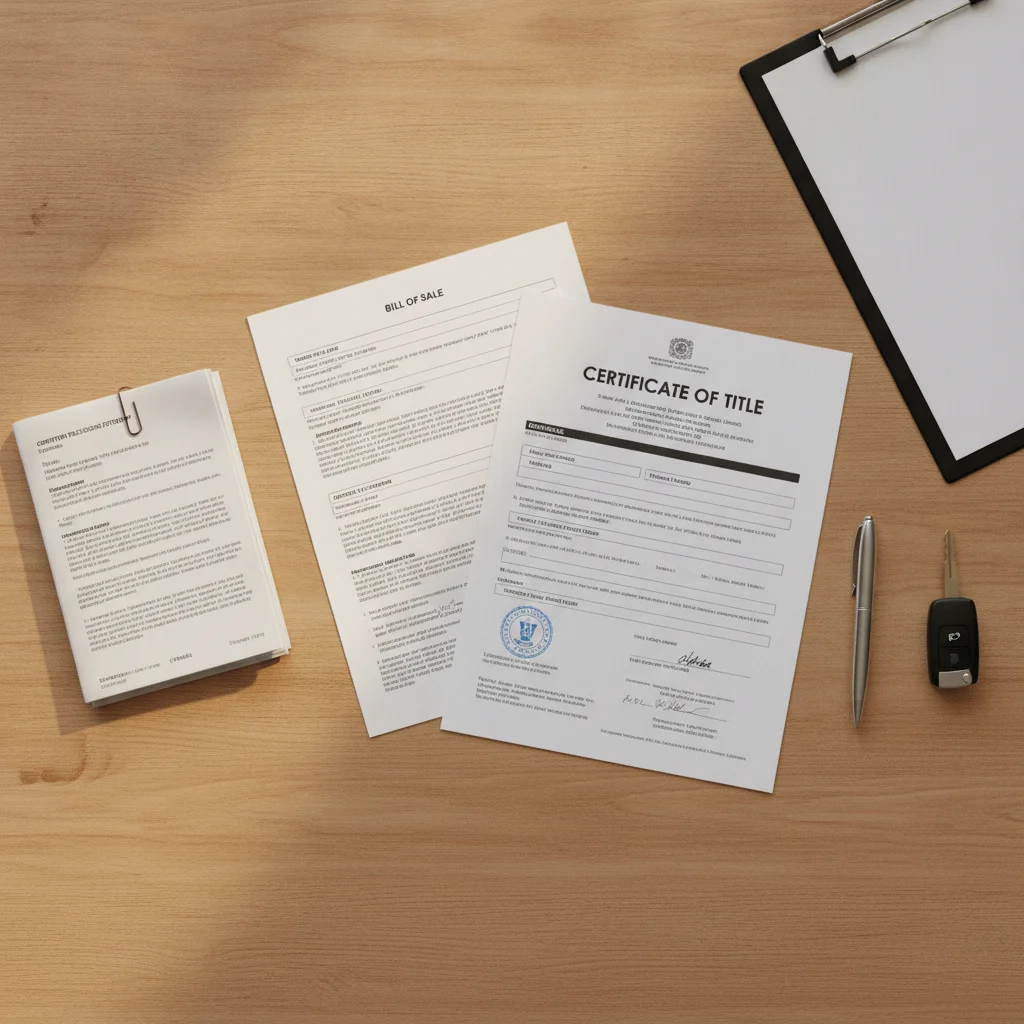
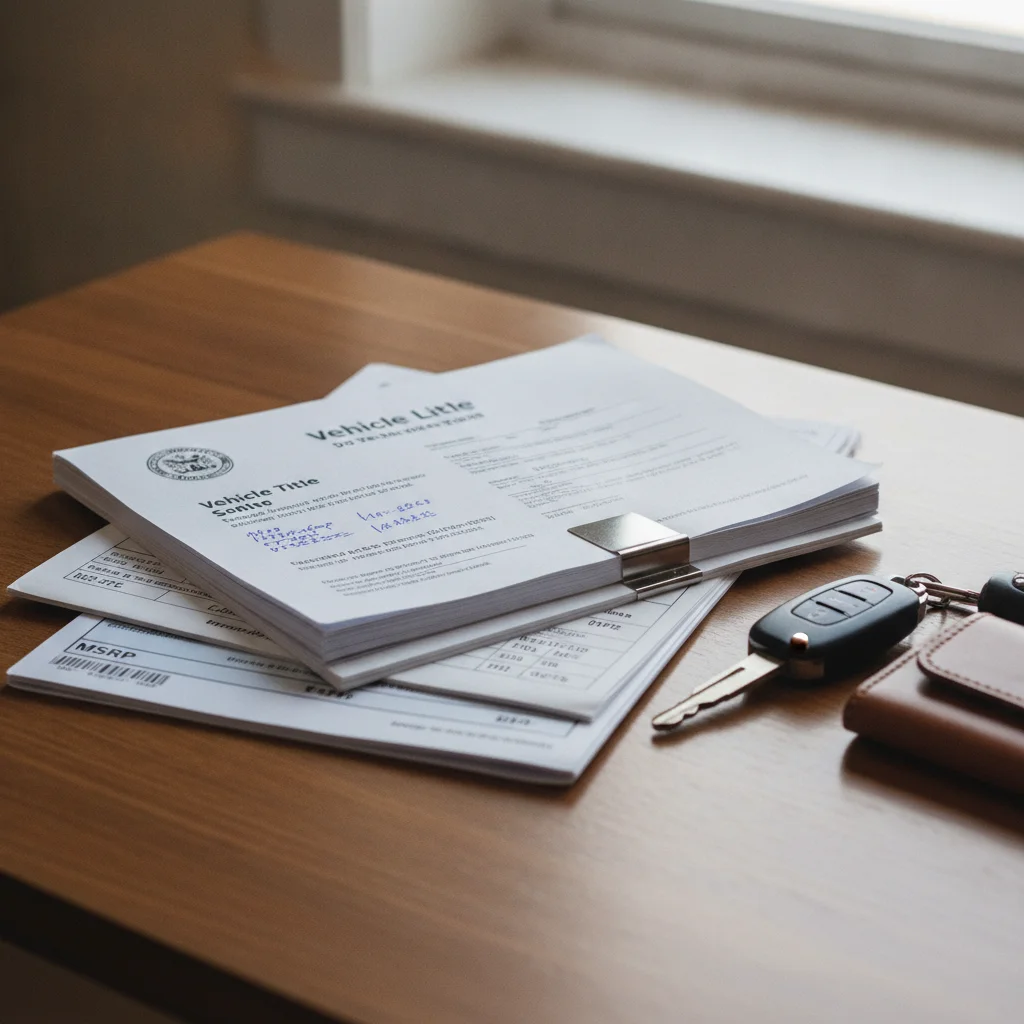
Vehicle Title
The title is the legal proof of ownership. Without it, the sale cannot legally occur. Specifically, you need:
- A clean title in your name — no outstanding liens (or a plan to pay them off at closing)
- No salvage or rebuilt branding unless you're disclosing it explicitly
- Your signature on the correct line — signing in the wrong field voids the title in many states
If you still owe money on the car, you don't actually hold the title — your lender does. This is called a lienholder title, and both sale paths handle it differently (more on that below).
Odometer Disclosure Statement
Federal law (the Truth in Mileage Act) requires sellers to certify the vehicle's mileage at the time of sale for most cars under 10 years old. On modern titles, this disclosure is printed directly on the title document itself. Older titles or certain states use a separate odometer disclosure form. Either way, both parties sign it.
Government-Issued Photo ID
You'll need to confirm your identity matches the name on the title. A driver's license is standard.
For a complete pre-sale document checklist, see every document you need before listing your car.
| Document / Requirement | Dealer Trade-In | Private Party Sale | |
|---|---|---|---|
| Vehicle title (signed) | You provide; dealer processes transfer | You sign correctly; buyer takes it directly | |
| Lien payoff coordination | Dealer contacts lender, handles payoff | Seller must coordinate with lender independently | |
| Odometer disclosure | Dealer generates and files form | Seller completes on title or separate form | |
| Bill of sale | Dealer generates purchase agreement | Seller must draft and provide | |
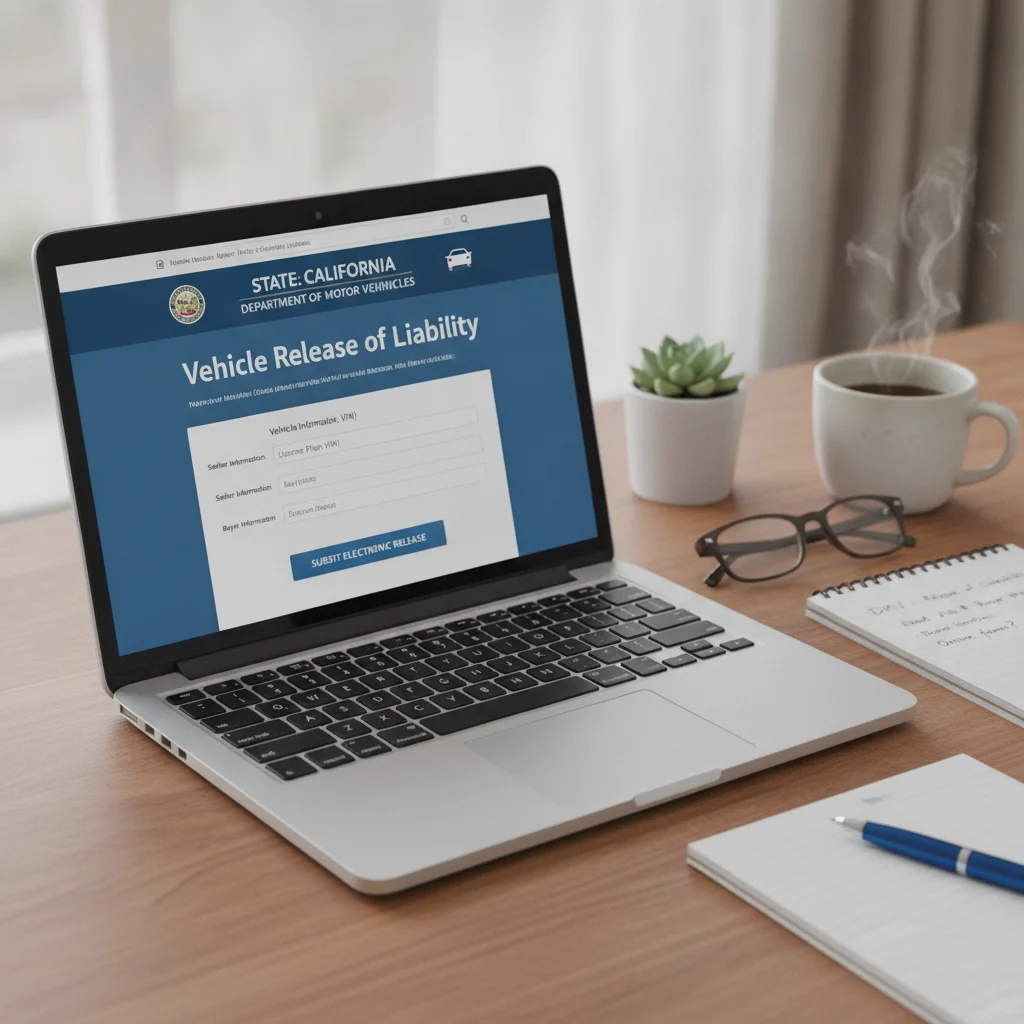
| Release of liability | Dealer typically files with state DMV | Seller must file directly with state DMV | |
| State-specific disclosure forms | Dealer handles required state filings | Seller responsible for all state forms | |
| Service records | Optional; can improve appraisal offer | Strongly recommended; builds buyer trust | |
| Smog / emissions certificate | Dealer typically handles compliance | Seller must obtain in states that require it | |
| Overall paperwork burden on seller | Low — dealer absorbs most steps | High — seller manages entire process |
Dealer Trade-In: What You Bring, What They Handle
Trading in at a dealership is the path of least paperwork resistance. Here's the breakdown of what you actually need to bring versus what they absorb.
What You Bring to a Trade-In
- The vehicle title (or your lender's contact information if there's a lien)
- Your government-issued photo ID
- Your loan account number if you're carrying a balance — the dealer will contact your lender directly to get a payoff quote
- All sets of keys and remotes
- Service records (optional but valuable — see below)
That's genuinely the short list. The dealer's F&I office generates the title transfer paperwork, submits the lien release request to your lender, files the appropriate forms with the state DMV, and issues you a payoff check or applies trade equity to your new vehicle purchase.
Bring More Than the Minimum to a Trade-In
Dealers are legally required to accept your trade-in with just a title and ID. But bringing service records, warranty documents, and a second set of keys signals an organized seller and can support a higher appraisal offer. Treat the appraisal like a job interview for your car — presentation matters.
Photograph Everything Before Handing Over Keys
In a private sale, photograph every document you sign, including the completed title, bill of sale, and any state-required forms. Keep copies for at least one year after the sale. If a dispute arises — a buyer claims the odometer was misrepresented, for example — your documentation is your legal protection. A quick phone photo takes 30 seconds and can save you significant trouble.
The Lien Situation at a Dealership
If you owe more on the car than the dealer offers — a situation called being upside down or having negative equity — the dealer will typically roll the remaining balance into your new car loan. This is legal, but it means you're carrying old debt into new financing. Make sure you understand the numbers before signing.
If your payoff is less than the trade-in value, the dealer simply deducts what's owed from your trade allowance and applies the positive equity to your purchase or writes you a check.
Service Records and Trade-In Value
While service records aren't required paperwork for a trade-in, they can meaningfully affect what the dealer offers. A verifiable maintenance history — especially oil changes, timing belt replacement, and major repairs — signals lower risk to the appraiser. See documentation that strengthens your trade-in position and building a paper trail for a higher trade-in offer for specifics on what to bring and how to present it.
Power of Attorney — When Dealers Ask
In some situations — particularly when the title is held by a lender out of state — a dealer may ask you to sign a limited power of attorney authorizing them to handle title paperwork on your behalf. This is a legitimate practice, but you should understand exactly what you're authorizing. Learn when dealers ask for power of attorney and what red flags to watch for before you sign.
Private Party Sale: The Full Documentation Burden Falls on You
In a private sale, you are responsible for every document from start to finish. Buyers don't have a dealership's legal team protecting them, which means they'll scrutinize your paperwork — and any gap in the record creates a reason to walk away or negotiate the price down.
Documents You Must Have Ready
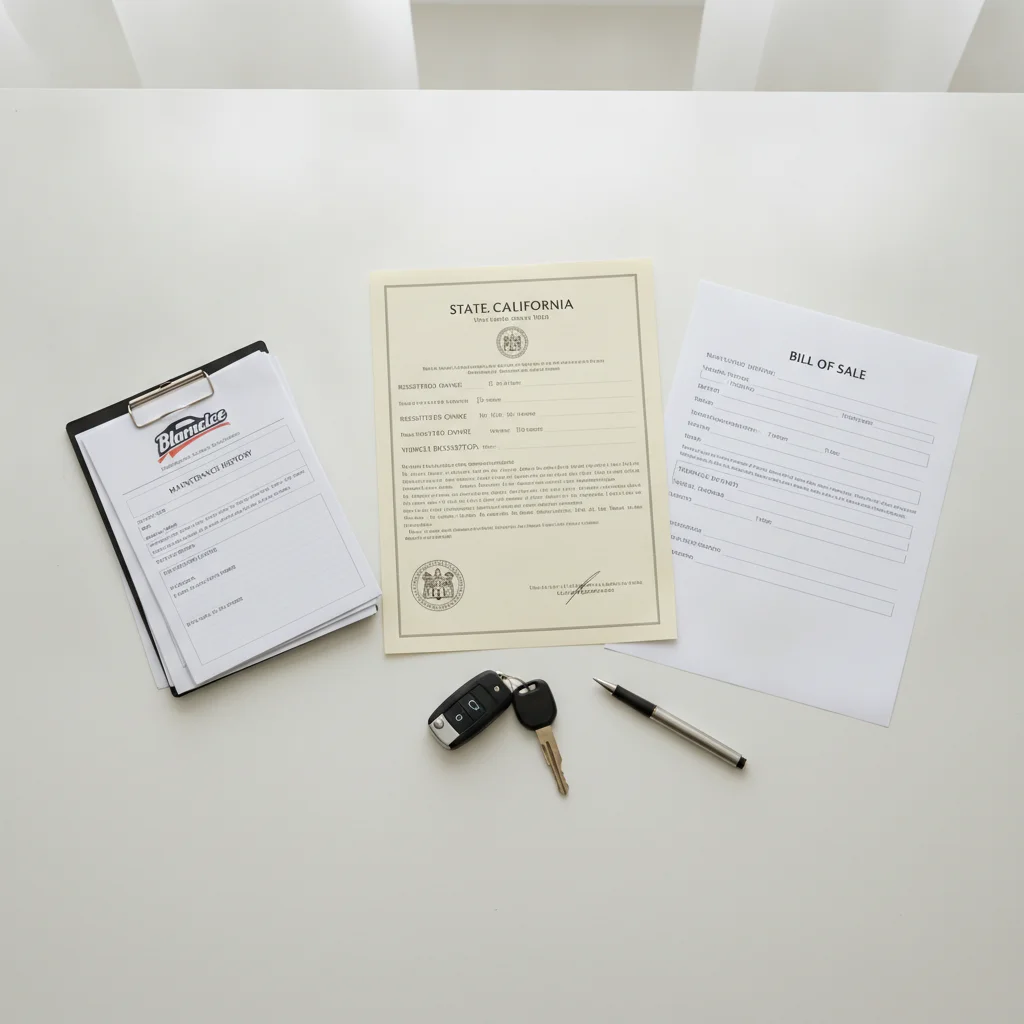
- Signed Vehicle Title
- You must sign the title correctly before handing it over. On most state titles, this means signing on the "seller's signature" line (not the buyer's line, not the lienholder line). Many titles are voided because sellers sign in the wrong place. Check your state DMV's title instructions or ask your local DMV office which line to sign before the buyer arrives.
- Bill of Sale
- A bill of sale is a written record of the transaction: who sold what, to whom, for how much, and when. Most states require it; some buyers need it to register the vehicle. Even where it's technically optional, it protects you legally. Private party car sale contracts covers exactly what to include and how to structure one properly.
- Odometer Disclosure
- Included on the title in most states for newer vehicles. For older cars, you may need a standalone odometer disclosure form from your state DMV. Both parties sign it.
- Release of Liability
- Filed with your state DMV immediately after the sale to notify them the car is no longer yours. This is your protection against tickets, accidents, or crimes committed with the vehicle after the sale. In many states, this is a simple online form. Do not skip this step.
- As-Is Disclosure (where applicable)
- Private sales are almost always sold as-is, meaning no warranty is implied. Some states require a written as-is disclosure signed by both parties. Even where it isn't required, having the buyer acknowledge in writing that they accept the car in its current condition protects you from post-sale claims.
Documents That Are Optional but Strategically Smart
- Service records — A full maintenance log makes your car more credible and justifies your asking price. Buyers comparison-shopping against similar listings will often pay a premium for documented care.
- Original window sticker (Monroney label) — If you kept it, it shows original MSRP and equipment, which helps buyers verify what's original to the car.
- Warranty documents — If the factory warranty or an extended warranty is still active and transferable, include documentation. This is a genuine selling point.
- Recent repair receipts — New tires, a recent brake job, a timing chain replacement — these receipts tell a buyer the car is ready to go and reduce their mental list of "what might need fixing soon."
Never Hand Over Keys Before Payment Clears
In a private sale, do not release the vehicle until payment is confirmed and cleared. Cashier's checks can be forged; personal checks can bounce. The safest payment methods are cash, a wire transfer, or a verified payment through your bank. Meeting at the buyer's bank to get a cashier's check issued in person is one of the safest options available.
Don't Cancel Insurance Too Early
After a private sale, many sellers immediately cancel their auto insurance to stop paying premiums. Wait until you've confirmed the buyer has successfully registered the vehicle in their name. If an accident occurs during the gap — while the car is still technically in your name — you could face liability exposure. File your release of liability first, then confirm registration transfer, then adjust your coverage.
State-Specific Forms You May Need
Several states add additional requirements beyond the standard title and bill of sale. Common examples include:
- California: Smog certificate (required for most vehicles over 4 years old sold privately)
- Texas: Application for Texas Title (Form 130-U) must accompany the title
- Florida: A separate odometer disclosure form for vehicles 10+ model years old is not required, but the title odometer section must be completed
- New York: MV-912 damage disclosure statement required for vehicles with prior damage exceeding a threshold
Check your state DMV's website before the sale to confirm which forms apply to your vehicle's year and your state's current requirements. Requirements can change, and the internet is full of outdated information.
Handling a Lien in a Private Sale
If you owe money on your car, a private sale is more complicated — but not impossible. The core problem is that your lender holds the title, not you, so you can't simply hand the buyer a clean title at closing.
Option 1: Pay Off the Loan Before the Sale
If you have savings to cover the remaining balance, you can pay off the loan, receive the title from your lender (typically within 2–4 weeks), and then sell with a clean title in hand. This is the cleanest path for both parties.
Option 2: Simultaneous Payoff at Closing
The buyer pays you, you immediately pay off the lender with those proceeds, and the lender releases the title directly to the buyer (or to you to forward). This requires coordination and trust — many private buyers are uncomfortable with this arrangement, especially if the lender is out of state.
A practical workaround: conduct the closing at your bank or credit union, where a banker can facilitate the payoff and title release process in person. This adds credibility and structure that puts buyers at ease.
Option 3: Escrow Service
Third-party escrow services hold the buyer's funds until the title clears. The buyer's money is protected; the seller can pay off the lender and deliver the title. Escrow adds cost (typically $100–$300) but significantly reduces the risk of the deal falling apart mid-process.

43%
Private sellers who face post-sale title issues
A 2023 analysis by a national DMV services platform found that nearly 43% of private vehicle sale title submissions required correction or resubmission due to seller errors.
2–4 weeks
Average lien release processing time
Most lenders take 2–4 weeks to mail a physical title after a loan payoff, which can delay a private sale significantly if not planned in advance.
$1,000–$3,000
Average private sale premium over trade-in
According to Edmunds data, private party sale prices typically exceed dealer trade-in offers by $1,000 to $3,000 depending on vehicle age, mileage, and condition.
Service Records: Their Role in Each Sale Channel
Service records aren't legally required in either channel, but they function differently depending on your buyer.
At a Dealership
Dealers primarily use service records to verify the car is what you say it is and to assess reconditioning costs. A documented timing belt replacement on a high-mileage vehicle, for example, tells the appraiser they don't need to budget for that repair before putting it on the lot. This directly influences your trade-in offer — sometimes by several hundred dollars.
Dealers will also run a vehicle history report (Carfax, AutoCheck) regardless of what you provide, so don't omit records hoping to hide a repair. If anything, having your own documentation that aligns with the history report demonstrates transparency and can work in your favor during negotiation.
In a Private Sale
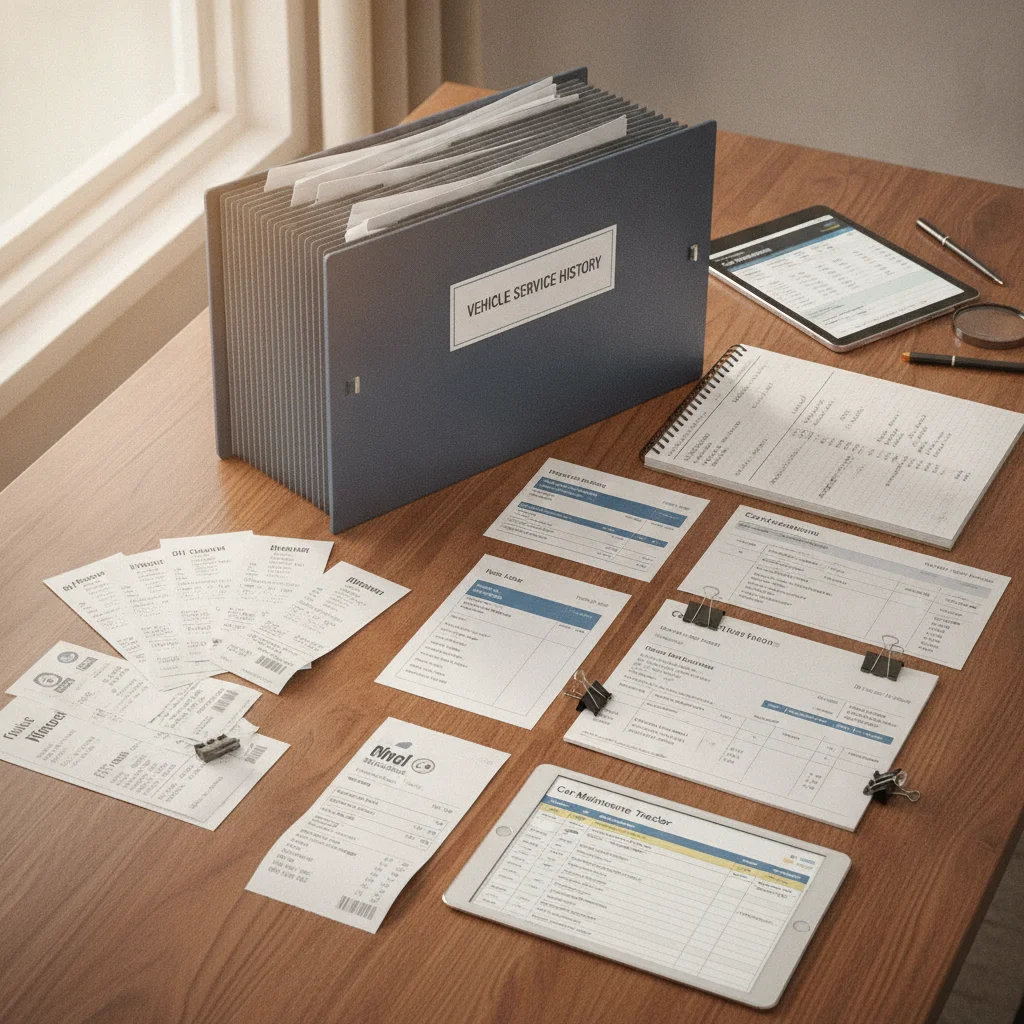
For private buyers — particularly those who are not mechanically inclined — service records are a proxy for trust. They can't call a dealership to ask about the car's history; they have only what you provide. A thick folder of oil change receipts, major service documentation, and repair invoices signals an owner who cared about the car.
Organize records chronologically and highlight major items: timing belt, water pump, brakes, tires. Buyers who see organized records feel more confident. Buyers who sense records are missing feel suspicious — and that suspicion usually translates to a lower offer or a lost sale.
Bring More Than the Minimum to a Trade-In
Dealers are legally required to accept your trade-in with just a title and ID. But bringing service records, warranty documents, and a second set of keys signals an organized seller and can support a higher appraisal offer. Treat the appraisal like a job interview for your car — presentation matters.
Photograph Everything Before Handing Over Keys
In a private sale, photograph every document you sign, including the completed title, bill of sale, and any state-required forms. Keep copies for at least one year after the sale. If a dispute arises — a buyer claims the odometer was misrepresented, for example — your documentation is your legal protection. A quick phone photo takes 30 seconds and can save you significant trouble.
Disclosure Obligations: What You Must Legally Reveal
Both sale paths carry disclosure obligations, but the consequences of getting it wrong fall harder on private sellers.
Material Defects
In most states, sellers — private or dealer — are legally required to disclose known material defects: mechanical issues that would affect a buyer's decision to purchase or the price they'd pay. Hiding a known transmission problem, a flood history, or frame damage from an accident is not just unethical; it can expose you to fraud claims and rescission of the sale long after the transaction closes.
Private sellers operating in good faith should document what they know and have the buyer sign an acknowledgment. Phrases like "buyer is aware of and accepts the vehicle accordingly" in your bill of sale go a long way if the buyer later claims they weren't told.
Salvage and Rebuilt Titles
If your car carries a salvage or rebuilt title — meaning it was totaled by an insurance company at some point — this must be disclosed. The title itself will be branded, so buyers will see it, but proactively explaining the history builds trust. Dealers are also legally required to disclose this, but they typically adjust their appraisal offer down substantially for branded-title vehicles.
Flood, Fire, and Structural Damage
Several states require explicit written disclosure of prior flood, fire, or structural (frame) damage regardless of whether the title is branded. New York's MV-912 form is one example. Check your state's requirements — the cost of a missed disclosure is always higher than the cost of compliance.
For more on how inspection expectations shift between the two channels, see private seller vs. dealership inspection — which covers both what buyers expect to see and the questions that follow a disclosure.
When comparing your overall options financially, dealer trade-in vs. private party sale — which puts more money in your pocket walks through the full financial picture so you can weigh paperwork effort against dollar return.
A Step-by-Step Checklist for Each Path
Dealer Trade-In Checklist
- Locate your vehicle title (or identify your lender if lienholder holds it)
- Pull together your loan account number and lender contact information
- Gather all keys, fobs, and remotes
- Organize any service records you have (oil changes, major repairs, receipts)
- Run a free vehicle history report yourself so you know what dealers will see
- Bring your government-issued photo ID
- Review any power of attorney documents before signing — understand the scope
Private Party Sale Checklist
- Obtain your original vehicle title — confirm it's in your name and lien-free
- Check your state DMV for required forms: bill of sale template, odometer disclosure, release of liability, damage disclosure
- Prepare a bill of sale (include VIN, year, make, model, sale price, date, both party names and addresses, odometer reading)
- Organize service records chronologically; create a summary page of major services
- Pull your own vehicle history report and address anything that needs context
- Verify smog or emissions certification requirements for your state
- Determine your lien payoff plan if you still owe on the vehicle
- At closing: sign the title on the correct seller line, complete the odometer disclosure, exchange bill of sale, collect full payment before handing over keys
- File your release of liability with the state DMV immediately after the sale
- Remove the car from your insurance policy — but only after confirming the buyer has registered it
Never Hand Over Keys Before Payment Clears
In a private sale, do not release the vehicle until payment is confirmed and cleared. Cashier's checks can be forged; personal checks can bounce. The safest payment methods are cash, a wire transfer, or a verified payment through your bank. Meeting at the buyer's bank to get a cashier's check issued in person is one of the safest options available.
Don't Cancel Insurance Too Early
After a private sale, many sellers immediately cancel their auto insurance to stop paying premiums. Wait until you've confirmed the buyer has successfully registered the vehicle in their name. If an accident occurs during the gap — while the car is still technically in your name — you could face liability exposure. File your release of liability first, then confirm registration transfer, then adjust your coverage.

All claims are backed by peer-reviewed research. Sources on request.