Key Takeaways
Frame Damage (Automotive)
Frame damage refers to any structural deformation, bending, cracking, or compromise to a vehicle's primary load-bearing structure — either the traditional ladder frame or the unibody chassis found in most modern cars. It typically results from a serious collision, flood, or manufacturing defect. Unlike cosmetic damage, frame damage affects how the vehicle absorbs and transfers force, which directly impacts safety and repairability.
In unibody vehicles, which constitute the majority of passenger cars sold today, the frame and body are a single welded structure. Damage to any structural section — such as the A-pillar, rocker panels, or floor pan — is generally classified as frame or structural damage by insurers and appraisers.
Why Frame Damage Creates Special Selling Challenges
Most car defects fit neatly into a buyer's mental checklist: worn tires, aging brakes, a check-engine light. Frame damage is different. It's structural, largely invisible to an untrained eye, and it carries implications for occupant safety that no amount of detailing or fresh paint can address. That combination — serious consequence, hidden nature — is precisely what makes it a legal minefield for sellers.
When you sell a car with frame damage, you're navigating at least three overlapping concerns at once:
- Title status: Does the damage trigger a required title brand in your state?
- Disclosure obligation: Are you legally required to tell the buyer about the damage, regardless of title status?
- Liability exposure: If something goes wrong after the sale, what's your risk?
Each of these questions has a different answer depending on your state, the severity of the damage, how repairs were handled, and what documentation exists. Let's work through them in order.

One important framing point before we dive in: the legal risk in selling a damaged vehicle almost never comes from the damage itself. It comes from concealment. Sellers who disclose accurately, document thoroughly, and price accordingly can legally sell structurally damaged vehicles in every U.S. state. The trap is staying silent.
Frame Damage and Title Branding: What Actually Triggers a Branded Title
A common misconception is that a car with frame damage automatically receives a salvage or rebuilt title. That's not how title branding works. Title branding is triggered by an insurance company's total-loss declaration, not by the physical condition of the vehicle itself.
Here's the chain of events that leads to a branded title:
- A collision (or flood, fire, or other loss event) occurs.
- The owner files a claim with their insurer.
- The insurer determines that the cost to repair the vehicle exceeds a threshold — typically 75%–100% of the vehicle's actual cash value, depending on the state.
- The insurer declares a total loss, takes ownership of the vehicle, and reports the total loss to the state DMV.
- The state issues a salvage title brand.
If that chain never starts — because the owner paid for repairs out of pocket, never filed a claim, or the damage was repaired before inspection — no brand is issued. The vehicle retains whatever title it had before the damage. This is how a car with serious frame damage can legitimately carry a clean title.
Title Status Is Not a Disclosure Substitute
Many sellers assume that handing over a clean title discharges their disclosure duties. It does not. Title status reflects insurance history, not physical condition. Courts and state regulators treat title transfer and condition disclosure as separate obligations. A clean title on a structurally compromised vehicle does not protect a seller who knew about the damage and said nothing.
Instant-Offer Platforms and Disclosure Documentation
When selling to services like Carvana, CarMax, or Vroom, the platform's written appraisal and offer acceptance form typically documents the vehicle's disclosed condition at time of sale. Request and retain a copy of any condition report generated during the appraisal. This creates a clear record that the buyer (or their agent) was informed of structural issues before the transaction closed.
For sellers, this creates a situation where the title may tell buyers very little. That's exactly why separate disclosure requirements exist — and why relying solely on title status to define your obligations is a mistake. See our guide to clean title vs. salvage title for a full breakdown of what each designation actually communicates to buyers.
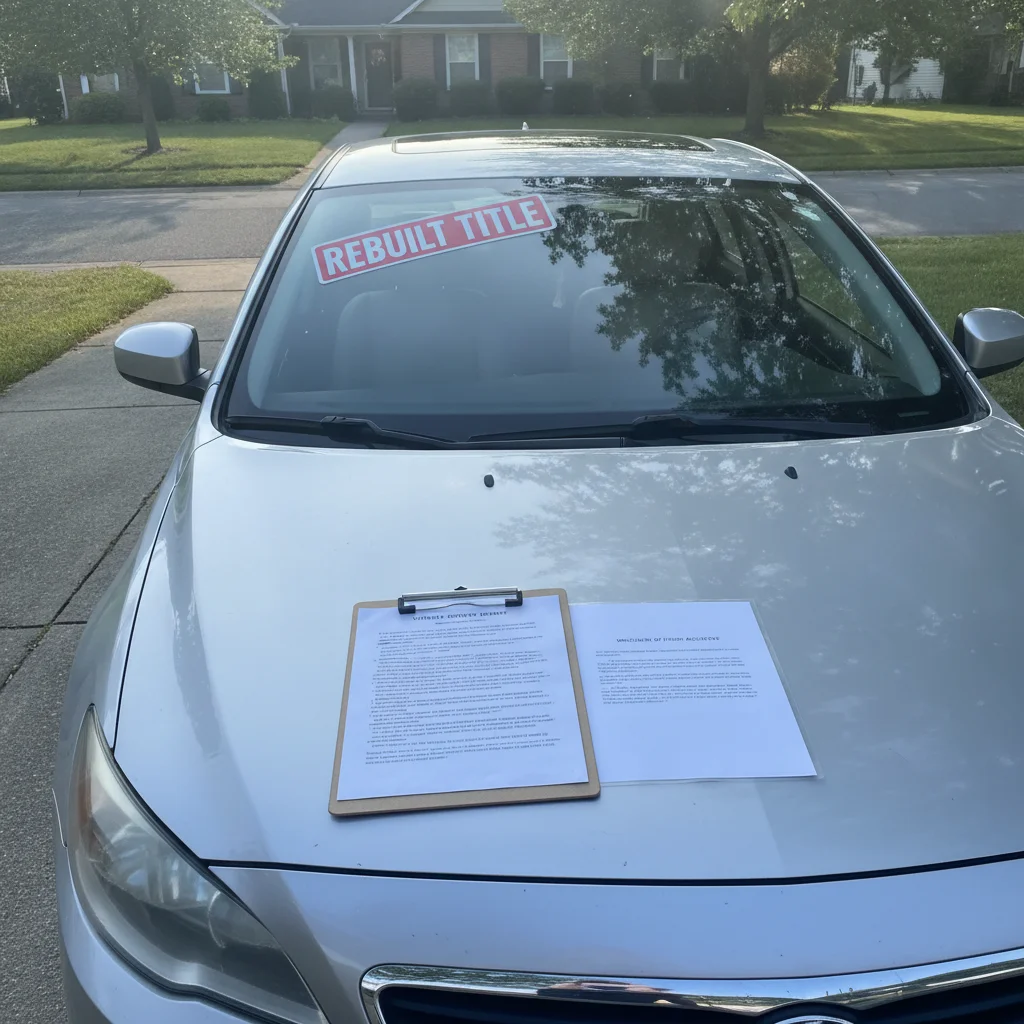
If the vehicle in question does carry a salvage or rebuilt title — because an insurer did total it — your disclosure obligations are even more specific. Many states require you to explicitly state the brand in writing on the bill of sale, and some require special forms. Rebuilt title vehicles carry their own documentation requirements that go beyond general frame damage disclosure.
State-by-State Disclosure Rules for Structural Damage
There is no single federal standard governing what a private seller must disclose about a vehicle's physical condition. That responsibility falls to individual states, and the variation is significant. Here's how the landscape generally breaks down:
States With Explicit Structural Damage Disclosure Requirements
A handful of states have codified specific requirements for disclosing structural or frame damage in private party transactions. California, for example, requires sellers to complete a Notice of Transfer and Release of Liability and, in many circumstances involving known defects affecting safety, imposes duties that courts have interpreted to include structural damage. New York and New Jersey have broad consumer fraud statutes that courts have applied to vehicle sales where sellers concealed material defects.
States That Rely on General Fraud and Misrepresentation Law
Most states don't have car-specific structural disclosure statutes, but they do have consumer protection laws and common-law fraud doctrines that apply to any sale. In these states, the operative rule is simple: if you know about a material defect — one a reasonable buyer would consider important in deciding whether to purchase or at what price — you have a duty not to actively conceal it and, in many states, an affirmative duty to disclose it.
The 'As-Is' Caveat
Selling a car 'as-is' does not eliminate disclosure obligations. It limits implied warranties — meaning the buyer generally can't sue you because the car broke down two weeks later. But it does not protect a seller who actively conceals known defects. As-is sales carry real residual liability that many sellers don't anticipate until it's too late.
Put Disclosure in Writing — Always
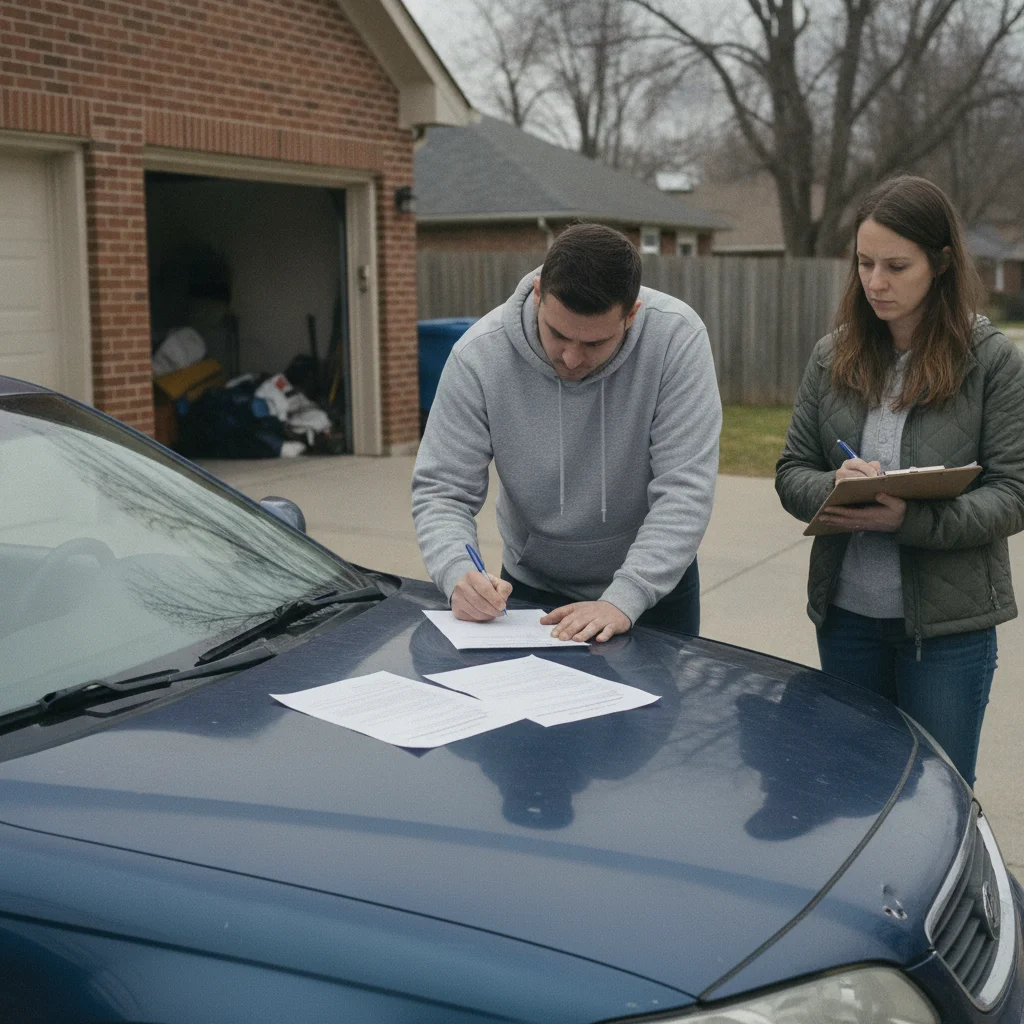
A verbal disclosure that you 'mentioned' the frame damage is nearly impossible to prove if a buyer later claims you said nothing. Prepare a one-page written disclosure statement describing the damage, its location, repair history, and any remaining concerns. Have the buyer sign it before money changes hands. Keep a copy for at least three years after the sale.
Encourage Independent Pre-Purchase Inspections
Sellers who openly invite buyers to have the vehicle independently inspected — and who provide repair documentation proactively — tend to close sales faster and face fewer post-sale disputes. An independent inspection that confirms the repair quality is one of the strongest signals of good faith you can offer a buyer of a structurally repaired vehicle.
The most reliable way to determine your state's specific requirements is to check your state DMV's website and your state attorney general's consumer protection division. Both typically publish plain-language guidance on private vehicle sales. For a comprehensive overview, see our article on seller disclosure laws by state.
30–70%
Typical market value reduction from frame damage
According to appraisers and auction data from Manheim and ADESA, structural damage discounts vary based on repair quality and documentation.
1 in 4
Used vehicles with accident history on record
Carfax's 2023 Used Car Market Report found approximately 25% of used vehicles available for sale have a reported accident on their history.
$3,500+
Average cost of frame straightening repair
Industry estimates from I-CAR and collision repair data indicate structural repair costs frequently exceed $3,500 and can reach $10,000 or more on complex unibody damage.
75–100%
Total-loss threshold (as % of vehicle value)
State total-loss thresholds that trigger salvage title branding range from 75% to 100% of actual cash value depending on jurisdiction.
What 'Material' Damage Means — and Why Frame Damage Always Qualifies
Disclosure law, whether statutory or common law, almost always uses the word material to describe which defects must be disclosed. A material fact is one that would influence a reasonable person's decision to buy or the price they'd pay. Frame damage clears this bar without question.
Courts have consistently found structural damage to be material because it affects:
- Safety: A compromised frame may not protect occupants as designed in a subsequent collision.
- Value: Frame damage reduces market value substantially, even after professional repair.
- Insurability: Some insurers will not write comprehensive coverage on a vehicle with undisclosed frame damage history, or will limit payouts if the history surfaces during a future claim.
- Resalability: A buyer who later tries to sell the vehicle will face the same reduced market and disclosure obligations.
This is meaningfully different from minor cosmetic issues. Compare frame damage with something like a windshield chip, where the disclosure calculus depends heavily on size, location, and whether it affects visibility or structural integrity. Frame damage has no threshold below which a seller can reasonably argue it's immaterial.
“The duty to disclose material defects in a private vehicle sale is not created by statute in every state — but the duty not to commit fraud exists everywhere. Concealing structural damage you know about is fraud. The absence of a specific disclosure law in your state is not a safe harbor.”
— Clarence Ditlow, Former Executive Director, Center for Auto Safety
Even in states where disclosure statutes are narrow, sellers should understand that a buyer's civil fraud claim doesn't require a specific statute — it only requires proof that the seller knew, concealed, and the buyer relied on that concealment to their detriment. That's a low bar when the damage is documented in a repair invoice the seller had in hand.
How to Sell a Car With Frame Damage the Right Way
Sellers who approach this process systematically — with documentation, honest pricing, and written disclosure — can close a legitimate sale without legal exposure. Here's the framework:
Step 1: Get an Independent Inspection
Before you list the vehicle, commission an inspection from a certified collision repair facility, ideally an I-CAR Gold Class shop. Ask for a written report that describes the location and extent of structural damage or prior repair, whether the vehicle meets OEM structural specifications post-repair, and any remaining concerns. This report serves two purposes: it protects you by demonstrating you exercised due diligence, and it gives potential buyers objective information to evaluate.
Step 2: Gather All Repair Documentation
If the frame was previously repaired, locate all invoices, alignment printouts, and parts receipts. Frame straightening shops produce computerized measurement reports (often using Chief or Car-O-Liner equipment) that show before-and-after alignment data. These reports are powerful selling tools because they demonstrate repair quality in quantifiable terms — far more persuasive than a seller's word alone.
Step 3: Pull a Vehicle History Report
Run both Carfax and AutoCheck. Know what data appears before a buyer does. If an accident is reported, the listing should reference it directly. If no accident appears (because repairs were paid out of pocket), you still need to disclose what you know — but you can provide the history report as supporting context for buyers who verify independently.
Step 4: Write a Disclosure Statement
Don't rely on a verbal conversation. Prepare a written disclosure statement — separate from the bill of sale — that explicitly describes the frame damage, its location, when it occurred, how it was repaired, and by whom. Have the buyer sign and date it before the transaction closes. Keep a copy.

Step 5: Price Appropriately
Overpricing a damaged vehicle is the single most common reason frame-damage sales fall apart or generate post-sale disputes. Use comparable sales data from auctions (Manheim, ADESA) or dealer trade publications to find market comps for similar vehicles with disclosed structural damage. A well-documented repair by a certified shop will support a higher price than undocumented damage — but the baseline is always lower than a clean comparable.
Put Disclosure in Writing — Always
A verbal disclosure that you 'mentioned' the frame damage is nearly impossible to prove if a buyer later claims you said nothing. Prepare a one-page written disclosure statement describing the damage, its location, repair history, and any remaining concerns. Have the buyer sign it before money changes hands. Keep a copy for at least three years after the sale.
Encourage Independent Pre-Purchase Inspections
Sellers who openly invite buyers to have the vehicle independently inspected — and who provide repair documentation proactively — tend to close sales faster and face fewer post-sale disputes. An independent inspection that confirms the repair quality is one of the strongest signals of good faith you can offer a buyer of a structurally repaired vehicle.
Consider having the buyer's own mechanic or inspector review the vehicle before signing. Sellers who encourage independent inspections signal transparency and tend to generate far fewer post-sale complaints or legal claims.
For more detail on what to tell buyers across all defect categories — not just frame damage — see our full article on what to disclose to a private buyer.
Selling to a Dealer or Auction vs. a Private Party
The channel you choose to sell through affects your disclosure obligations in practical, if not always legal, terms.
Selling to a Franchise or Independent Dealer
Dealers conduct their own mechanical and structural inspections before purchasing used vehicles. They will typically run a vehicle history report and may use a scanning tool or lift inspection to check for structural issues. If frame damage is present, they will price it into their offer — often significantly. You are still obligated not to actively misrepresent the vehicle's condition to a dealer, but dealers generally have more sophisticated means of identifying damage than private buyers do.
Selling at Auction
Wholesale auctions such as Manheim or Copart use standardized condition reports that grade vehicles on structural damage. A vehicle run through a public auction with disclosed frame damage will sell at a market-determined wholesale price. This is often the most efficient channel for vehicles with serious structural issues, because the buyer pool at auction expects and prices in damaged inventory.
Selling to an Instant-Offer Service
Services like CarMax, Carvana, and similar platforms conduct remote or in-person appraisals. They will discount heavily for structural damage, but the transaction is fast and provides written documentation of what was disclosed at time of sale. For sellers who want to avoid the complexity of private party negotiations over a damaged vehicle, this is worth considering even at a lower net price.
Title Status Is Not a Disclosure Substitute
Many sellers assume that handing over a clean title discharges their disclosure duties. It does not. Title status reflects insurance history, not physical condition. Courts and state regulators treat title transfer and condition disclosure as separate obligations. A clean title on a structurally compromised vehicle does not protect a seller who knew about the damage and said nothing.
Instant-Offer Platforms and Disclosure Documentation
When selling to services like Carvana, CarMax, or Vroom, the platform's written appraisal and offer acceptance form typically documents the vehicle's disclosed condition at time of sale. Request and retain a copy of any condition report generated during the appraisal. This creates a clear record that the buyer (or their agent) was informed of structural issues before the transaction closed.
What Happens If You Don't Disclose
The legal consequences of concealing known frame damage vary by state, but the range of possible outcomes is serious enough to make non-disclosure a poor strategy in any jurisdiction.
Civil Claims
A buyer who discovers undisclosed frame damage after purchase can file a civil claim for fraud or misrepresentation. If they prevail, remedies typically include rescission (unwinding the sale entirely), compensatory damages (the cost to repair or the difference in value), and in states with strong consumer protection statutes, statutory or punitive damages.
Consumer Fraud Statutes
Many states have consumer fraud or unfair trade practices acts that allow courts to award double or treble damages in cases of willful concealment. These statutes often also allow the prevailing party to recover attorney's fees — meaning the buyer can pursue the case even if damages are modest, because the seller may end up paying both sides' legal costs.
Criminal Exposure
In egregious cases — particularly where title fraud is involved, such as misrepresenting a salvage vehicle as having a clean title — sellers can face criminal fraud charges. This is rare in straightforward private party sales, but it's not unheard of when the concealment is deliberate and documented.
The practical takeaway: the cost of proper disclosure (a lower sale price) is almost always less than the cost of defending a post-sale legal claim, even one you might ultimately win.

All claims are backed by peer-reviewed research. Sources on request.