Key Takeaways
Our Verdict
For the vast majority of sellers, repairing a chipped or cracked windshield before listing is the clear financial winner. The cost of a professional chip repair is routinely less than the price reduction a savvy buyer will demand — and in many cases your insurance picks up the tab entirely. Full replacement is warranted when damage is too severe to repair safely, and transparent disclosure is a reasonable fallback only when the damage is genuinely minor and you're selling to a private buyer who can verify it in person.
| Best for | Recommended |
|---|---|
| Sellers with a chip or small crack under 6 inches | Repair |
| Sellers with cracks longer than 6 inches or damage in the driver's sightline | Replace |
| Sellers trading in to a dealer with minor, clearly visible damage | Disclose |
| Sellers with comprehensive insurance and any repairable chip | Repair (via insurance claim) |
Why Windshield Damage Hits Harder Than You'd Expect
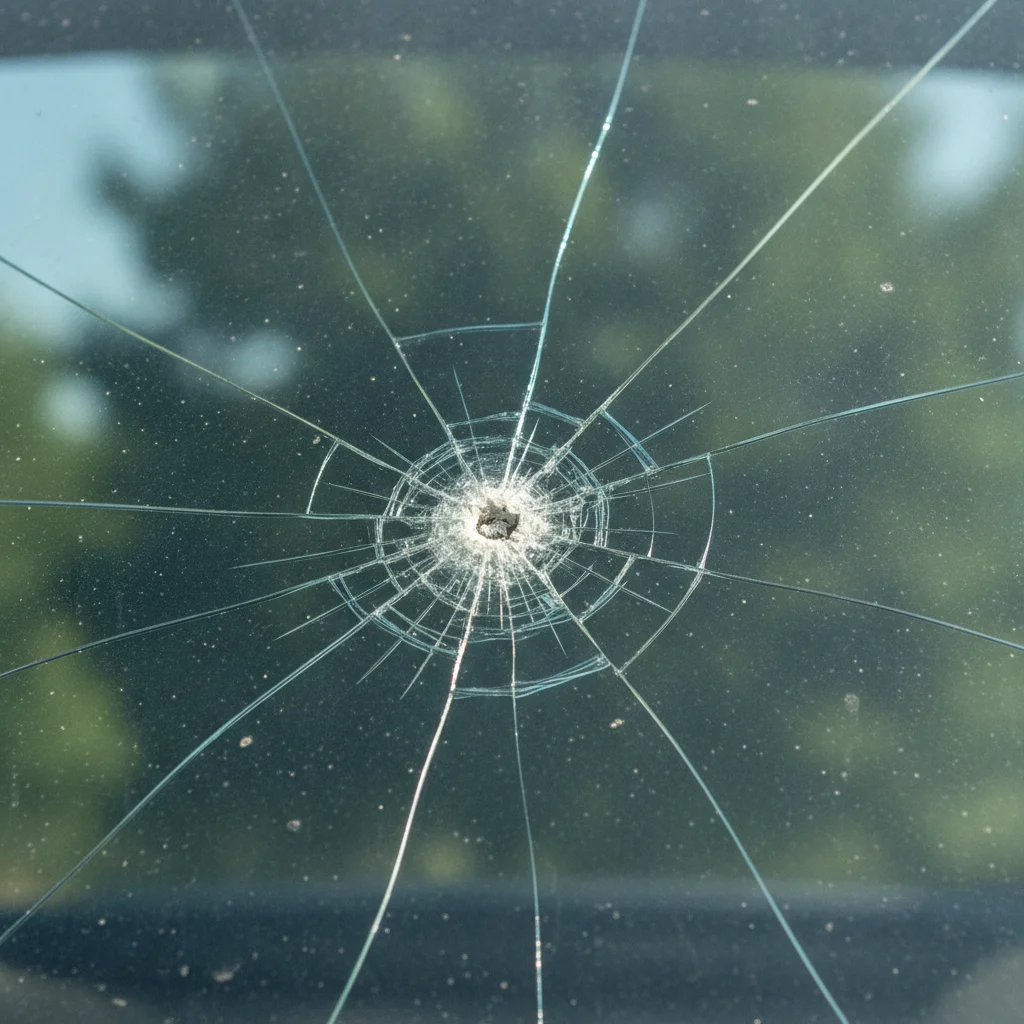
A single chip the size of a dime can feel like a minor inconvenience while you're driving. But the moment a potential buyer stands in your driveway sizing up your car, that same chip becomes a negotiating weapon. Buyers use visible damage — especially something as prominent as a cracked windshield — to justify lowball offers, and the numbers rarely work in your favor.
The average windshield chip repair costs between $50 and $150 at a professional auto glass shop. A full windshield replacement runs $200 to $500 or more depending on the vehicle. Meanwhile, buyers who notice cracked glass will frequently demand $300 to $600 off the asking price — and that's on top of whatever other issues they've found. Leaving even a small crack unaddressed almost always costs you more than fixing it would have.
That said, not every crack is fixable, and not every fix makes financial sense in every context. The right call depends on three variables: the size of the damage, its location on the glass, and your selling situation — private sale, dealership trade-in, or certified pre-owned inspection.
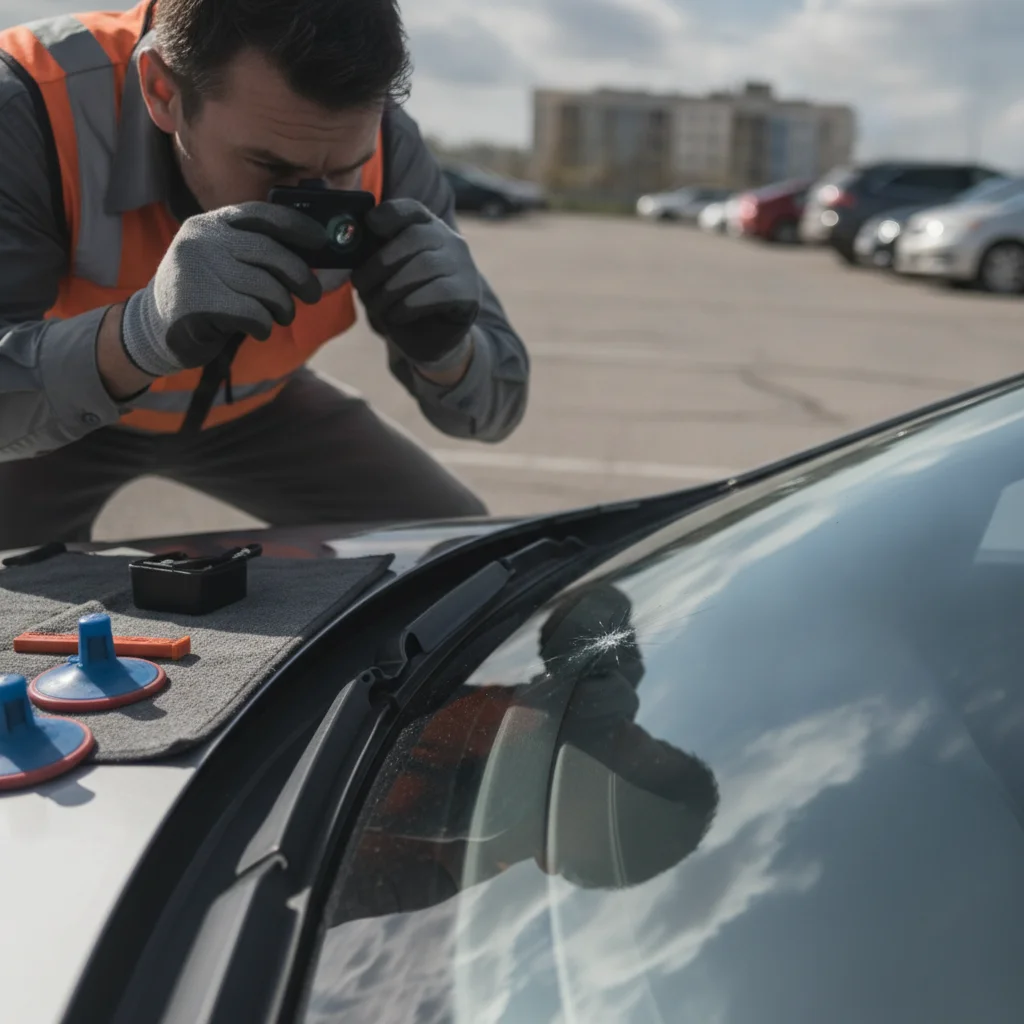
Before we walk through the repair vs. replace vs. disclose comparison, it helps to understand how repair resin actually works — and why some damage is simply beyond saving.
The Repair/Replace Threshold: What the Numbers Say
Auto glass technicians use a set of well-established guidelines to determine whether a chip or crack qualifies for resin injection repair. These aren't arbitrary — they come down to structural integrity and optical clarity. Here's how the thresholds break down:
Chips
- Diameter under 1 inch (about the size of a quarter): Almost always repairable. Resin fills the void, restores structural strength, and minimizes visual distortion.
- Diameter 1–2 inches: Sometimes repairable depending on depth and edge proximity. Get a professional assessment — don't assume.
- Diameter over 2 inches: Generally requires replacement. The damage area is too large for resin to restore structural integrity reliably.
Cracks
- Under 6 inches: Many shops can repair these, particularly if they haven't reached the glass edge and aren't in the driver's direct sightline.
- 6–12 inches: Borderline territory. Some advanced repair techniques can address cracks in this range, but replacement is often the more durable solution.
- Over 12 inches (or any edge crack): Replacement is required. Cracks that reach the windshield's edge compromise the structural bond between the glass and frame.
| Repair | Replace | Disclose | |
|---|---|---|---|
| Typical cost to seller | $50–$150 | $200–$500+ | $0 upfront |
| Effect on buyer perception | Positive — damage addressed | Fully resolved, like new | Neutral to negative — opens negotiation |
| Damage types eligible | Chips <1", cracks <6" | Any damage, required for severe | Any, but best for minor visible damage |
| Insurance may cover cost | Often, sometimes $0 deductible | Yes, standard deductible applies | N/A — no repair performed |
| Impact on sale price | Protects asking price fully | Protects asking price fully | Buyer deducts 1.5–2x repair cost |
| Best selling context | Private sale, trade-in | CPO, private sale, high-value vehicles | As-is sale, low-value vehicles |
| Time to complete | 30–60 minutes | 2–4 hours (longer with ADAS recal) | Immediate — no action needed |
| Long-term risk if unaddressed | Crack may spread before sale | Structural safety concern | Post-sale dispute risk if undisclosed |
One factor that trips up a lot of sellers: the driver's line of sight. Even a repairable-size chip located directly in front of the driver's eyes may not qualify for repair under state inspection rules — and a replacement will be required. Check your state's motor vehicle regulations if the damage is in that zone.
Call Your Insurer Before You Pay
Many drivers don't realize their comprehensive auto policy covers windshield chip repairs with no deductible at all — and filing a glass claim typically doesn't raise your premium the way a collision claim might. Before scheduling a repair, spend five minutes on the phone with your insurer. If you're covered, you could walk away with a repaired windshield at zero out-of-pocket cost, which makes the decision to fix before selling a complete no-brainer.
Get a Written Quote Before You List
Even if you decide to disclose damage rather than repair it, get a professional written repair or replacement quote beforehand. Showing a buyer a real quote from a reputable shop — rather than letting them guess the cost — keeps the negotiation grounded in actual numbers. Buyers who can't anchor to a real figure will often inflate their deduction request significantly.
Option 1: Repair — The Right Choice for Most Sellers
If your damage falls within the repairable thresholds above, repair is almost certainly the smartest move before you list. Here's why the math works so consistently in its favor.
The Cost Picture
A professional chip repair at a reputable auto glass shop runs $50–$150, with most single-chip repairs landing closer to $75. Mobile repair services often charge the same and come to you, which is convenient if you're in the middle of prepping the car for sale. Many national chains — Safelite, for example — offer online quotes and same-day scheduling.
Here's the part many sellers don't realize: if you carry comprehensive coverage on your policy, your insurer may cover chip repair with zero deductible. This is common across major carriers because a timely repair prevents a more expensive full replacement claim later. A quick call to your insurance company costs nothing and could save you the entire repair fee.
$50–$150
Typical cost of a chip repair
Professional auto glass shops typically charge $50–$150 per chip, with most single repairs closer to $75.
1.5–2x
Buyer discount multiplier on disclosed damage
Buyers negotiating around disclosed windshield damage typically request 1.5 to 2 times the actual repair cost as a price reduction.
~70%
Comprehensive policies covering glass with no deductible
Several major states mandate zero-deductible glass coverage for comprehensive policyholders, and many carriers offer it voluntarily.
$100–$300
ADAS recalibration add-on cost
Vehicles with windshield-mounted cameras and sensors often require recalibration after replacement, adding $100–$300 to the total bill.
What It Does for Your Sale Price
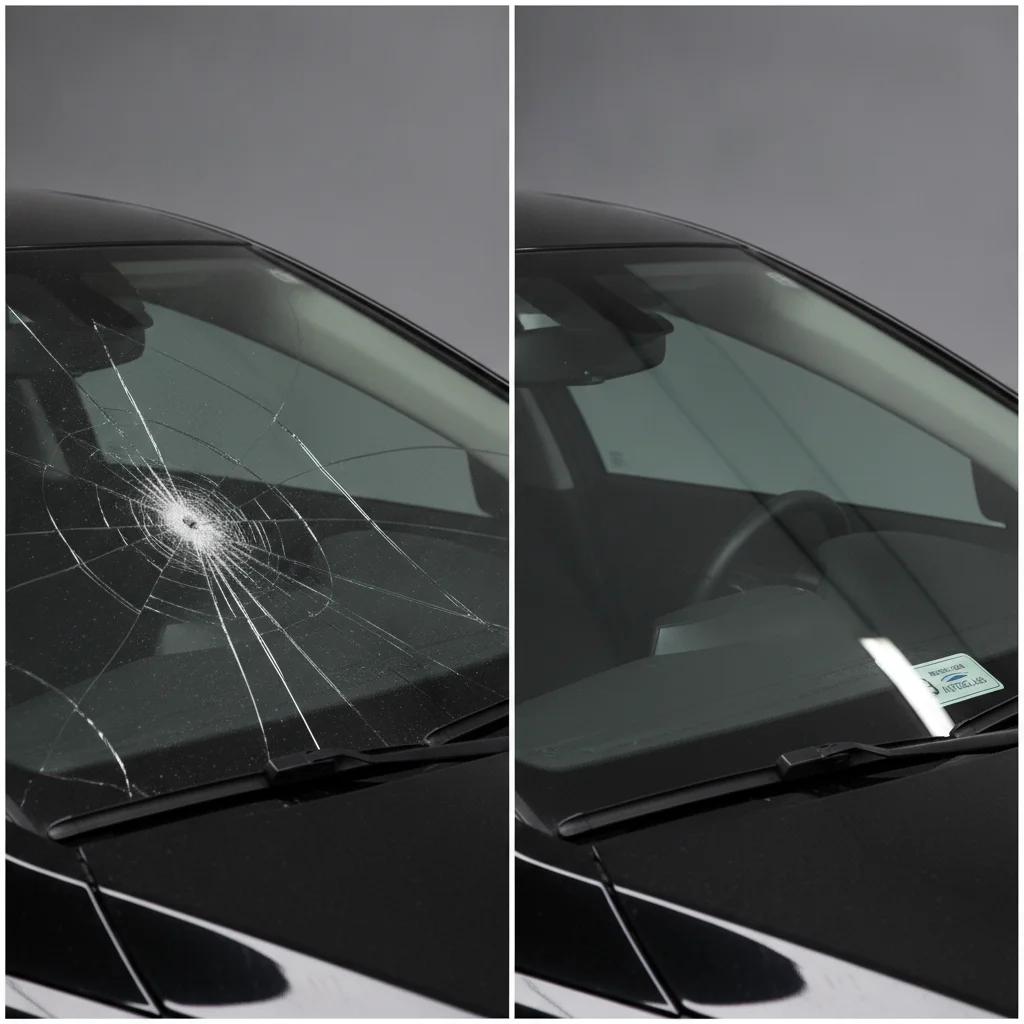
A repaired windshield won't look brand new — there's typically a faint outline where the resin was injected — but it reads to buyers as addressed, not ignored. That distinction matters psychologically. Buyers aren't just pricing the glass; they're pricing what the visible damage says about how you maintained the car. A repaired chip signals responsible ownership. An unrepaired crack signals the opposite.
See how this fits into the broader picture of pre-sale work in our guide to repairs that pay off at sale time.
When Repair Falls Short
Resin repair has one honest limitation: it doesn't restore perfect optical clarity. If the chip is in a spot where it catches light or the injection leaves a subtle haze, a detail-oriented buyer may still notice it. This is more of a concern on high-end vehicles where buyers have elevated expectations for condition. On a commuter car priced under $15,000, a properly repaired chip rarely moves the needle negatively.
Option 2: Replace — When You Have No Other Choice
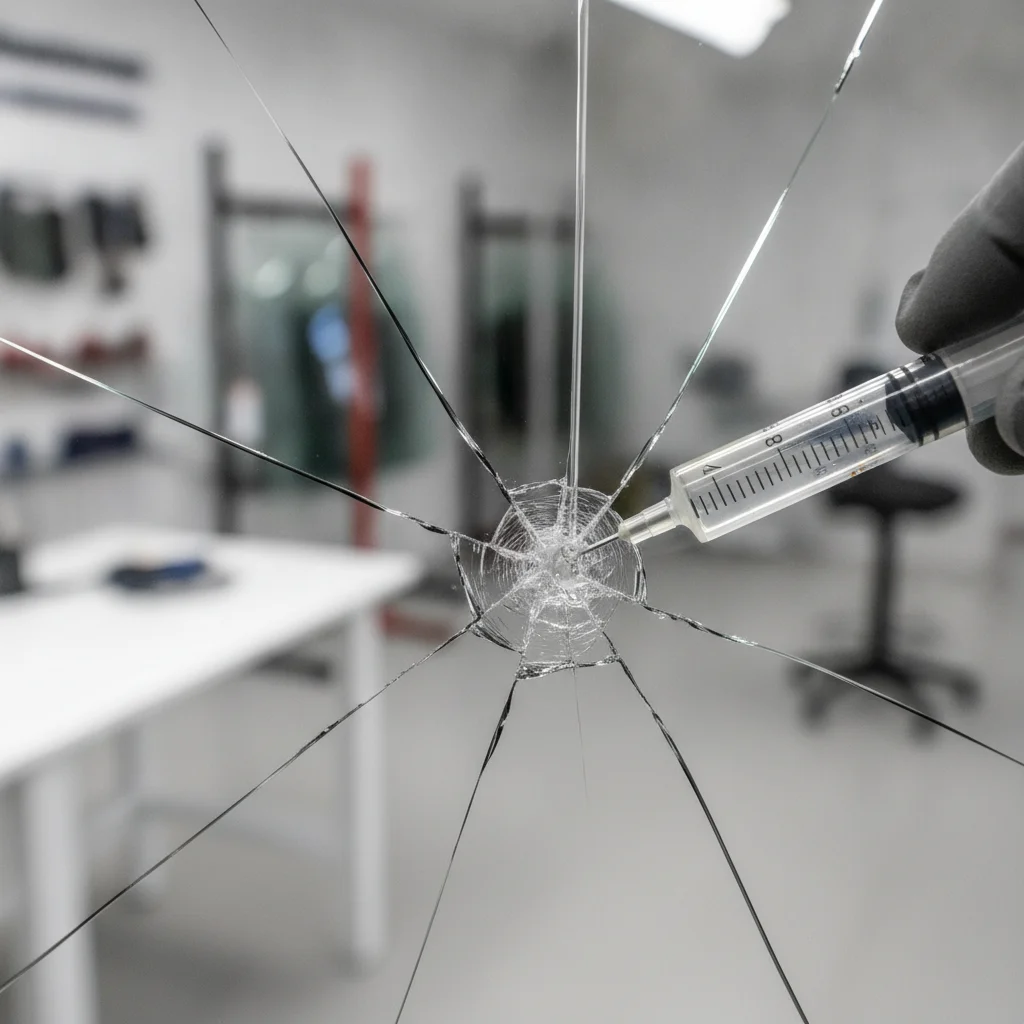
Full windshield replacement is the right answer when the damage is too extensive, too deep, or too poorly positioned for resin repair to hold. It's a larger investment, but in the right circumstances, it completely eliminates what would otherwise be a significant buyer objection.
What Replacement Costs
Replacement costs vary considerably by vehicle. A standard sedan windshield replacement typically runs $200–$400 including labor. Vehicles with advanced driver-assistance systems (ADAS) — lane-keeping assist, automatic emergency braking, forward collision warning — often require windshield-mounted cameras and sensors to be recalibrated after replacement, adding $100–$300 to the bill. Luxury or exotic vehicles can run significantly higher.
Here again, comprehensive coverage may apply. Most policies cover windshield replacement with a standard deductible — though some states (Florida, Kentucky, and South Carolina, among others) mandate zero-deductible glass coverage for comprehensive policyholders. Worth checking before you pay out of pocket.
Don't Wait — Chips Spread Faster Than You Think
Temperature swings, road vibration, and even a car wash can turn a quarter-sized chip into a foot-long crack within days. Once a crack extends beyond 6 inches or reaches the glass edge, you've lost the repair option entirely and will need a full replacement. If you're prepping a car for sale, address windshield chips immediately — a $75 repair today can easily become a $400 replacement by listing day.
ADAS Recalibration Is Not Optional
If your vehicle has forward-facing cameras or sensors mounted to the windshield — common on most vehicles built after 2018 — replacing the glass without recalibrating those systems can disable safety features like automatic emergency braking and lane departure warnings. Some shops don't proactively flag this. Ask explicitly whether ADAS recalibration is included in your replacement quote, and verify the system is functioning before you sell.
Does Replacement Pay Off at Sale?
This is where the answer gets more nuanced. On a car priced at $20,000 or more, a flawless windshield is more or less expected, and replacing a cracked one can protect your asking price in full. On a car priced under $8,000, the buyer's bar is lower — they may accept disclosed minor damage with a modest price adjustment rather than expecting a brand-new windshield.
If you're trading in to a dealership, know that dealers almost always factor reconditioning costs into their trade-in offer — usually at retail rates, not the discounted rates they actually pay their service department. That means a dealer might deduct $400 from your trade-in value for a windshield they'll replace for $250. Replacing it yourself before the appraisal can recapture that spread. Our article on what to repair before a trade-in walks through exactly that calculation.
Option 3: Disclose — When Transparency Is the Right Play
There are situations where repairing or replacing the windshield simply doesn't make financial sense. If the car is older, the total repair cost approaches or exceeds what it would recover in sale price, or you're selling as-is to a buyer who's explicitly purchasing below market, disclosure is the honest and practical path.
What Disclosure Looks Like
In most states, sellers are required to disclose known material defects in a vehicle sale. A cracked windshield qualifies. In practice, this means noting the damage clearly in your listing description, pointing it out during any in-person showing, and — for private sales — considering a written disclosure statement both parties sign. This isn't just ethical; it protects you from post-sale disputes.
Be specific in your disclosures. "Windshield has a 4-inch crack in the lower passenger corner" is far more useful — and legally safer — than "some glass damage." Vague disclosures can still expose you to liability if a buyer argues they weren't given an accurate picture. For a deeper look at disclosure obligations, our piece on disclosure rules for more serious damage is a useful reference, even though windshield damage carries much lower stakes than frame damage.
How Much Will It Cost You?
Disclosed damage doesn't make buyers walk away — it gives them a number to negotiate around. Expect a buyer to request a price reduction of 1.5x to 2x the repair cost. That's the typical markup they'll apply to account for the hassle of arranging the repair themselves. If a chip repair costs $100, expect to give up $150–$200. If a replacement costs $350, expect the buyer to ask for $400–$600 off. Disclosure rarely ends up being the cheaper option — but sometimes it's the most honest and least complicated one.
For a broader framework on when the repair math simply doesn't work, read our guide on when to skip the repair entirely.
How Selling Situation Changes the Calculus
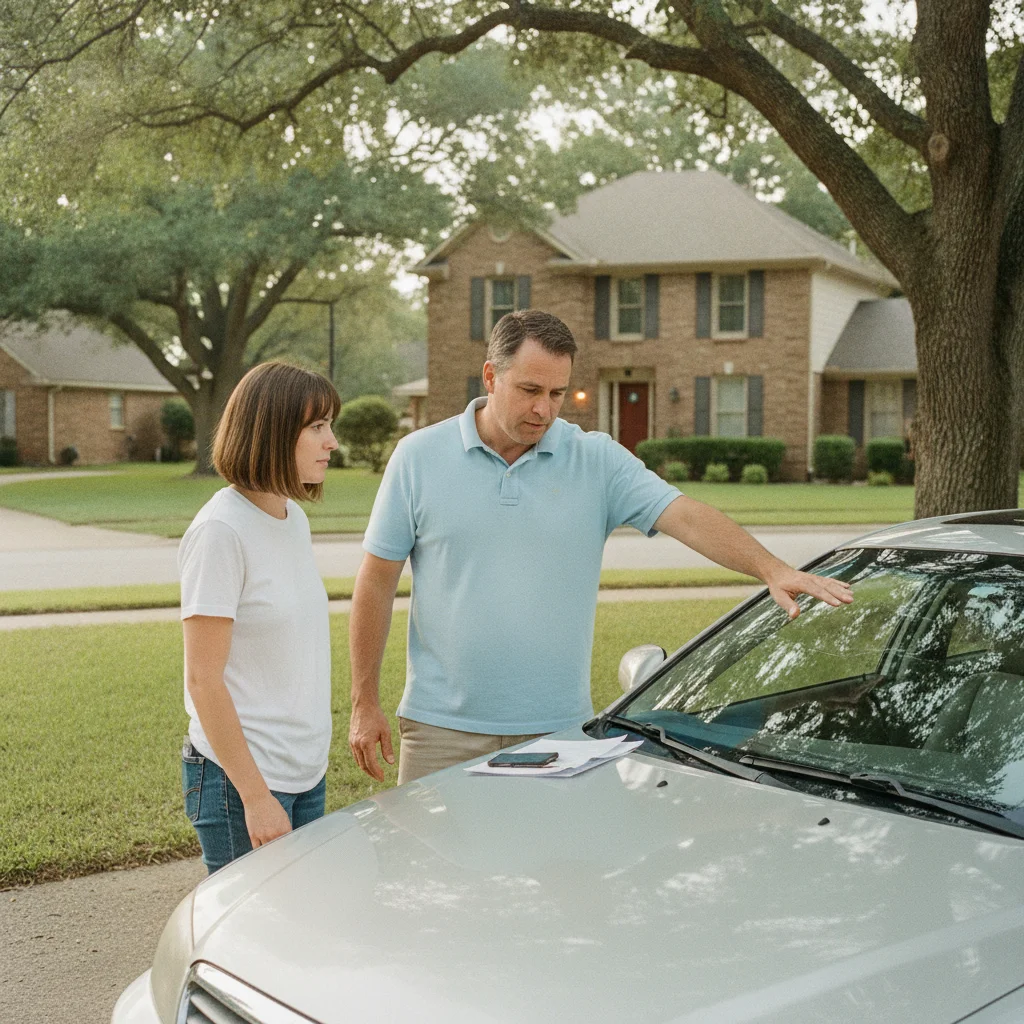
The repair vs. replace vs. disclose decision doesn't exist in a vacuum — your selling context shapes the right answer significantly.
Private Party Sale
Private buyers are the most price-sensitive and the most likely to be influenced by visible damage. They're also the most willing to walk away. If you're selling privately, repairing any fixable damage is almost always worth it. A clean windshield removes one of the most common buyer negotiation levers. For minor disclosed damage, be prepared to substantiate the repair cost with a written quote so buyers can't inflate the deduction.
Dealer Trade-In
Dealers run systematic reconditioning checks and will deduct windshield damage from your offer — often generously in their favor. Repairing before a trade-in appraisal is frequently worth the cost if it keeps the deduction off the table. That said, if the damage is severe enough to require full replacement, crunch the numbers first: the repair cost versus the likely trade-in deduction will tell you whether it's worth acting.
Certified Pre-Owned Programs
If you're selling to a dealer who intends to certify the vehicle for their CPO program, any windshield damage will almost certainly need to be resolved — CPO standards typically require the windshield to be free of cracks and chips. The dealer will handle it during reconditioning, but you'll pay for it indirectly through a lower offer. Addressing it beforehand may give you more leverage in the negotiation.
This connects to a broader point about how condition affects trade-in value that we cover in detail here: small dents and dings: fix or disclose? — the same decision logic applies across most cosmetic damage categories.
Making the Call: A Simple Decision Framework
Feeling uncertain is normal when you're weighing repair costs against potential sale price impacts. Here's a straightforward way to think through it:
- Measure the damage. Is it a chip under 1 inch or a crack under 6 inches? If yes, get a repair quote — repair is almost certainly your best option.
- Check your insurance. Call your insurer before paying anything out of pocket. Comprehensive coverage with zero-deductible glass repair is common. This alone can make the decision easy.
- Calculate the spread. Get a repair or replacement quote. Now estimate the buyer discount you'd face if you disclosed the damage instead (typically 1.5–2x the repair cost). If the repair costs less than the likely discount — repair.
- Consider your selling context. Private sale? Fix it. Dealer trade-in? Run the numbers. Selling as-is to a wholesaler or auction? Disclosure may be fine.
- Check the damage location. Is it in the driver's sightline, or does it touch the glass edge? If either, replacement is likely required regardless of size.
You can apply the same framework to other pre-sale repairs — our overview of which repairs almost always pay off covers the full picture.
Call Your Insurer Before You Pay
Many drivers don't realize their comprehensive auto policy covers windshield chip repairs with no deductible at all — and filing a glass claim typically doesn't raise your premium the way a collision claim might. Before scheduling a repair, spend five minutes on the phone with your insurer. If you're covered, you could walk away with a repaired windshield at zero out-of-pocket cost, which makes the decision to fix before selling a complete no-brainer.
Get a Written Quote Before You List
Even if you decide to disclose damage rather than repair it, get a professional written repair or replacement quote beforehand. Showing a buyer a real quote from a reputable shop — rather than letting them guess the cost — keeps the negotiation grounded in actual numbers. Buyers who can't anchor to a real figure will often inflate their deduction request significantly.

All claims are backed by peer-reviewed research. Sources on request.