Key Takeaways
The Trap Most Sellers Fall Into
When you decide to sell a car, it's natural to want it in the best possible condition. You've owned it, you know its quirks, and you don't want a buyer to think you neglected it. That instinct is understandable — but it can cost you money if you let it drive decisions it shouldn't.
The trap is simple: sellers spend money on repairs hoping to recover more at sale time, but many repairs return less than they cost. A transmission job that runs $2,800 might add $800 to your asking price. A replaced catalytic converter at $1,500 might yield a $400 bump — if that. You end up absorbing the difference, effectively subsidizing the next owner's car.
The better framework isn't "what needs to be fixed?" — it's "what will a buyer actually pay more for?" Those are very different questions. This article helps you answer the second one, so you can stop throwing money at repairs that don't move the needle and start directing energy toward prep work that actually does.
If you're weighing what to fix versus what to simply tell buyers about, our guide on disclosing known issues to private buyers covers the legal and ethical ground you'll want to understand before making that call.
The Financial Logic Behind Walking Away from a Repair
Before you authorize any repair ahead of a sale, you need two numbers: what the repair costs and what it realistically adds to your sale price. The gap between those two figures is your actual cost of doing the repair — and in many cases, that gap is negative.
52%
Of sellers recover less than repair cost in sale price
Analysis of private-party sale data from iSeeCars suggests most mechanical repairs return less than half their cost in incremental sale price.
$1,200
Average cost of repairs sellers skip post-inspection
According to CarGurus market data, the median repair concession requested by buyers after inspection is approximately $1,200 for mechanical issues.
3x
More likely to sell faster with upfront disclosure
Listings that document known issues with written estimates receive buyer inquiries significantly faster than listings with vague condition descriptions, per Autotrader seller data.
The reason this math so often works against sellers is that buyers don't pay full retail for repairs they didn't choose and can't verify. Even if you have a receipt from a reputable shop, buyers apply a mental discount. They don't know if the technician was thorough. They don't know if adjacent components were inspected. They're taking your word that the repair holds, and they price in that uncertainty.
That dynamic shifts slightly for safety-visible items — tires with visible tread wear, a cracked windshield, brake pads that squeal during a test drive. These are things buyers can see and verify themselves, and they tend to drop offers more aggressively when they spot them. For those, the repair math may actually favor fixing. For hidden or mechanical repairs, it usually doesn't.
Start every repair decision by looking up your car's private-party value on a tool like Kelley Blue Book or Edmunds — in its current condition, not its repaired condition. Then get a firm repair quote. If the quote exceeds 60–70% of the value it might add to your sale price, walk away from the repair.
“Buyers don't pay for repairs they didn't ask for and can't verify. They pay for confidence. The fastest way to give them that confidence isn't always to fix the problem — it's to show them you already know what the problem is.”
— Reginald Holt, Independent automotive consultant and used car market analyst
Best Practices for Deciding When to Skip the Repair
These aren't guesses — they're grounded in how buyers actually behave and how used car markets actually price vehicles. Apply them before you pick up the phone to schedule any shop work.
Calculate the repair-to-recovery ratio before scheduling any shop work
Without this number, repair decisions are emotional rather than financial. The ratio forces you to confront whether a repair actually improves your net proceeds or just feels like responsible ownership. Most sellers who skip this step end up losing money on repairs that don't move buyers.
Get a pre-sale inspection report and share it with buyers
A third-party inspection report builds credibility and shifts the conversation from suspicion to facts. When buyers can see a neutral technician's findings, they're less likely to demand steep discounts based on fear of the unknown. It also protects you — you can't be accused of concealing what the report documents.
Prioritize visible, verifiable fixes over hidden mechanical repairs
Buyers respond to what they can see and confirm during a test drive or walk-around. A fresh set of wiper blades, clean tires, a detailed interior — these signal care in a way buyers can verify instantly. Replacing a hidden component like a fuel pressure regulator does nothing for buyer confidence because they have no way to confirm it.
Use repair estimates as disclosure documents, not just pricing tools
A written estimate from a reputable shop tells buyers exactly what a repair costs and signals that you've taken the issue seriously. It removes the 'unknown problem' discount buyers apply when they suspect something is wrong but can't quantify it. A documented issue almost always generates a smaller price reduction than a vague concern.
Never repair safety-critical items partially or improperly to save money
A brake job done with cheap pads, or a tire replaced only on one axle when both are worn, can create liability exposure if the car is later involved in an accident. Safety issues are the one category where the decision tree changes — either fix it right or be explicit with buyers about the condition and legal risk.
Set your asking price based on actual condition, not hoped-for condition
Sellers who price as if a repair has already been done — without doing it — invite confrontational negotiations when buyers inspect the car. Sellers who price honestly for current condition attract buyers who have already mentally accepted the issue, leading to faster, smoother transactions.
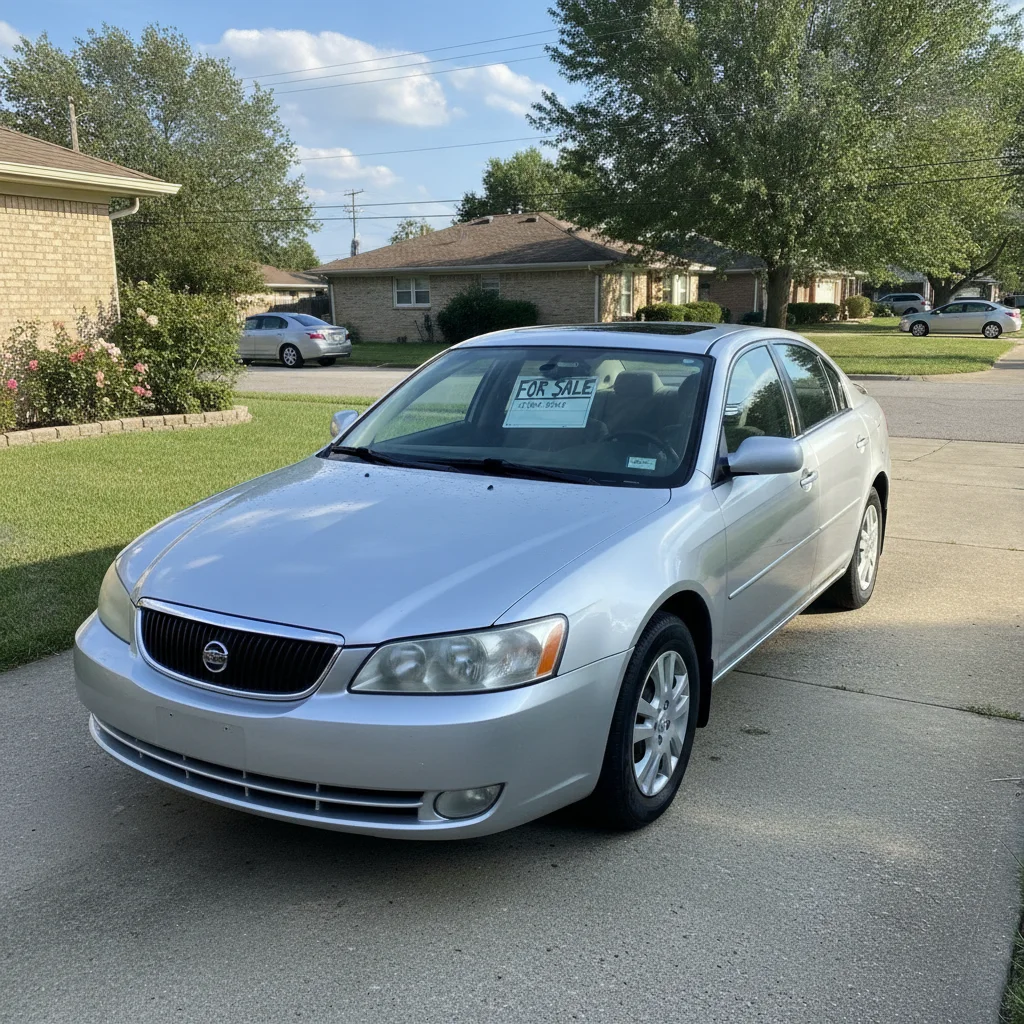
If you're specifically wrestling with trade-in scenarios rather than a private sale, the calculus shifts somewhat. Check out our analysis of whether to repair before trading in — dealers price repairs differently than private buyers do, and what to skip changes accordingly.
Quick Wins Before You List
Not every pre-sale investment is a repair. There's a category of low-cost, high-visibility improvements that consistently move buyers — and they rarely require a shop appointment. Before you spend anything on mechanical work, consider whether these simpler steps would move the needle more effectively.
Our companion piece on detailing versus minor repairs before a private sale breaks this down in greater detail, including specific dollar thresholds that tend to separate worthwhile prep from wasted spend.
Detail First, Decide Second
Before spending anything on repairs, get your car professionally detailed inside and out. A clean, fresh-smelling car photographs better, shows better, and puts buyers in a more confident mood — which makes them less aggressive during negotiation. More than one seller has found that a $200 detail eliminated the need for $800 worth of repairs simply because the car presented so well.
Price Reductions Beat Repair Costs
In most private-party transactions, a transparent price reduction of 80% of a repair's cost will close a deal faster than doing the repair yourself. Buyers prefer to choose their own mechanic and control the repair process. Offering a documented reduction respects that preference — and it puts more money in your pocket than paying retail for a repair you'll only partially recover.
The Disclosure Path: Why Honesty Often Beats a Repair
Here's the thing many sellers don't fully appreciate: a well-documented disclosure can actually be a selling tool, not just a liability management strategy. When you hand a buyer a written summary of a known issue — along with a repair estimate from a reputable shop — you've done something valuable. You've removed the uncertainty that drives buyers to low-ball offers.
Buyers who discover a problem during their own inspection or test drive will assume the worst. They'll price in not just the cost of the repair you skipped, but also the possibility that you knew about other issues and said nothing. That suspicion is expensive. It leads to deeply discounted offers or no offer at all.
Contrast that with a seller who says: "The transmission has a slight slip in third gear. Here's a quote from a shop — it runs about $1,400 to fix. I've priced the car accordingly." That seller is credible. That seller gets offers closer to asking price because the buyer doesn't have to guess.
Disclosure Laws Vary by State
Some states require sellers to disclose known defects in writing; others operate under 'as-is' sale rules that limit post-sale liability. Regardless of your state's baseline requirements, written disclosure almost always reduces your legal exposure compared to verbal disclosure or none at all. Check your state's DMV or consumer protection office for specifics before listing your vehicle.
As-Is Sales Have Limits
Selling a car 'as-is' doesn't protect you from liability if you knowingly concealed a material defect — particularly a safety issue. Courts in many states have found sellers liable even when as-is language was included in the bill of sale, if the seller knew about a problem and said nothing. Documentation and honest disclosure are your real protections.
For a detailed breakdown of what you're legally required to disclose versus what's ethically smart to share, see our guide on disclosure obligations for private sellers. It covers state-specific nuances and how to document issues in a way that protects you.
The one category where disclosure gets complicated is safety-critical items — things that could injure the buyer or others if left unaddressed. Brake failure risk, steering instability, suspension components that are genuinely unsafe. For those, either fix it or don't sell privately. A buyer has a right to know when a vehicle is unsafe to drive, and many states create legal exposure for sellers who knowingly transfer an unsafe vehicle.
Specific Repairs That Rarely Pencil Out
Some repairs have a well-established history of poor return in private-party sales. That doesn't mean you should never do them — it means you should go in with clear eyes about what you'll actually recover.
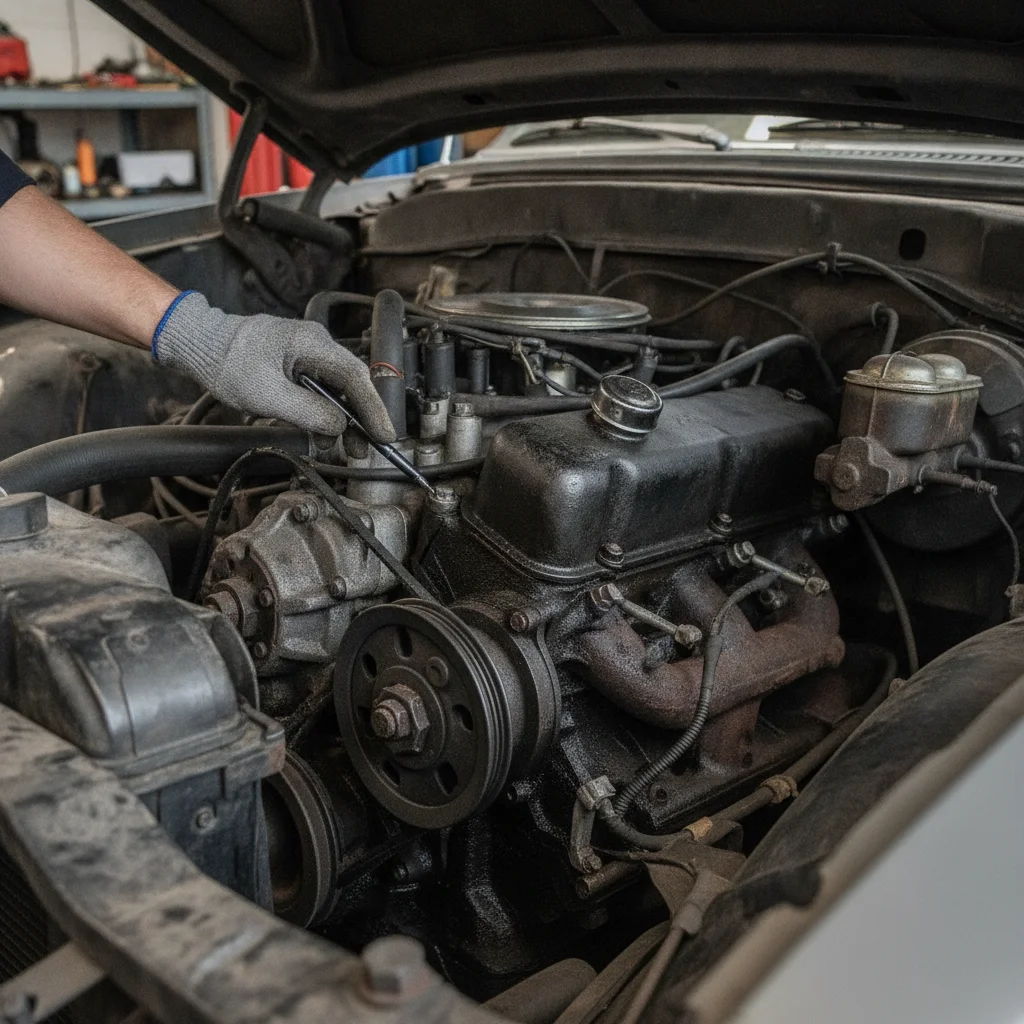
- Major engine work (head gaskets, timing chains, rebuilds): These are expensive to do right, hard for buyers to verify, and easy for buyers to fear. Even with documentation, you'll rarely recover more than half the repair cost in a higher sale price.
- Automatic transmission rebuilds or replacements: Similar dynamics as engine work. The cost is high, buyer skepticism is high, and the added value is limited.
- Catalytic converter replacement: Necessary for emissions compliance in some states, but buyers don't pay a premium for a car that simply passes smog. This is often a disclosure item rather than a repair item — unless your state requires it for a legal private-party sale.
- Air conditioning compressor replacement: Running $700–$1,500 depending on the vehicle, AC repairs are rarely recovered dollar-for-dollar. Disclose the issue and price accordingly, particularly if you're selling in a cooler climate.
- Suspension overhauls: Shocks, struts, and control arm replacements add real value in terms of ride quality, but buyers rarely pay more than a fraction of the repair cost. Minor worn components are usually better disclosed than replaced.
For a fuller picture of which repairs consistently do and don't pay off at sale time, see our guide to repairs that pay off vs. those that don't. It pairs well with this article as a reference you can return to when specific issues come up.
Gray Areas: When the Decision Isn't Obvious
Some repairs sit right on the line — they're visible enough to affect buyer perception, but the cost-to-value math isn't clear-cut. Here are a few common gray areas and how to think through them.
Windshield chips and cracks
A chip smaller than a quarter is often repairable for $50–$100 and almost always worth doing — it's visible, it affects perceived care, and the repair is verifiable. A crack that runs across the driver's sightline is a different matter. Full windshield replacement runs $200–$600 depending on the vehicle. Whether that's worth it depends on your asking price and how competitive your local market is. Our article on windshield chips and cracks — repair, replace, or disclose walks through the specific thresholds that help you decide.
Small dents and door dings
Paintless dent repair (PDR) is one of the better investments in the pre-sale prep category — it's relatively affordable and buyers respond to a panel that looks straight. But there's a limit. Once paint is broken or a panel has been previously repainted, PDR isn't an option and body shop work gets expensive fast. See our breakdown of when to fix dents versus disclose them for thresholds by repair type.
Check engine light
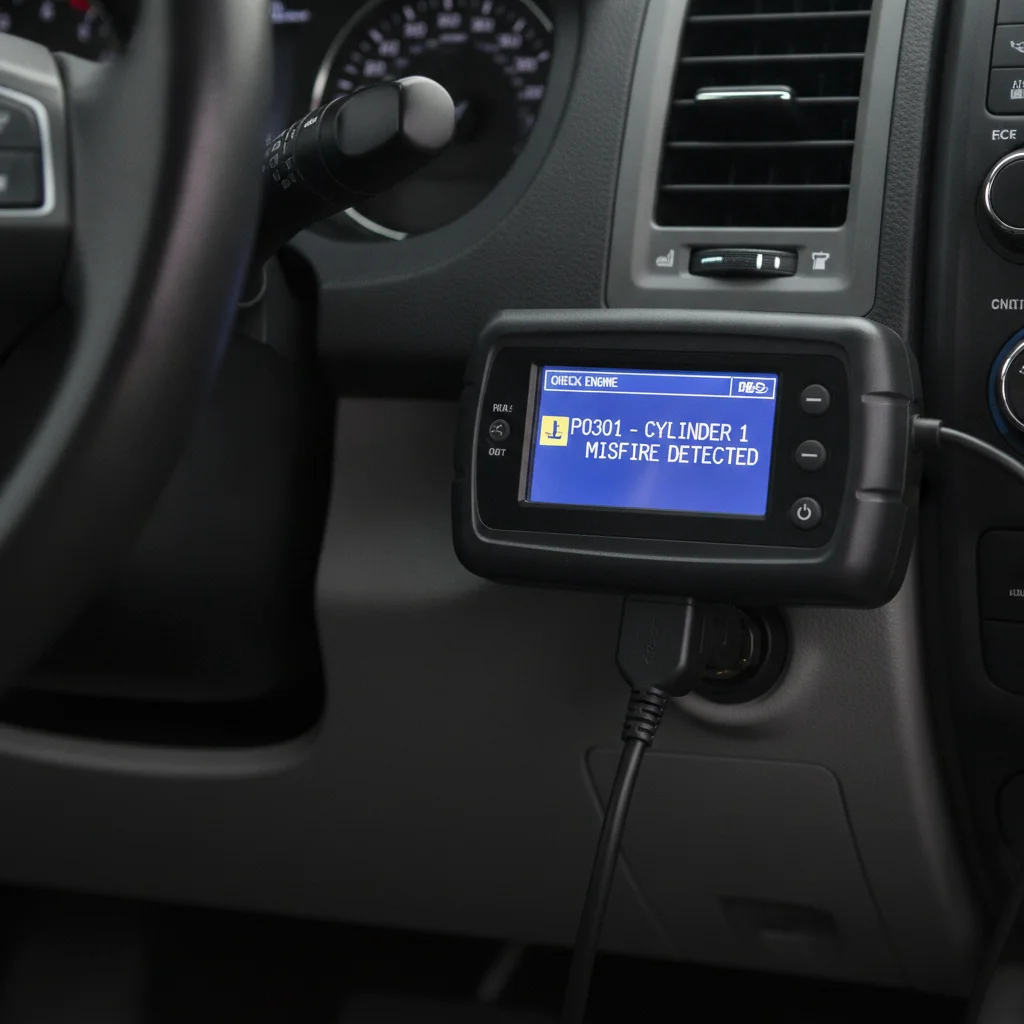
This one makes buyers nervous in a way that's disproportionate to the actual issue. A $40 gas cap fix that clears a P0440 code is almost certainly worth doing — the light affects buyer confidence more than it should, and the fix is trivial. But if the code indicates something significant (misfires, oxygen sensor failures, catalytic converter issues), get a quote before deciding. A cleared light with no underlying fix is also a problem — buyers with a code reader will find it, and it destroys trust.
Walking Away with Confidence
Deciding not to fix something before a sale isn't giving up — it's making a financially sound choice. The key is to pair that decision with honesty and documentation, so buyers understand exactly what they're getting and can price accordingly.
Sellers who do this well tend to move their cars faster than sellers who either over-invest in repairs or say nothing and hope buyers don't notice. Transparency, paired with a realistic asking price, is genuinely the most efficient path to a sale.
Here's the mental checklist to run before authorizing any pre-sale repair:
- What is my car realistically worth in its current condition?
- What does this repair cost, fully burdened?
- How much will a buyer actually pay more because of this repair — not in theory, but in a real private-party transaction?
- Is this a safety issue that creates legal exposure if I don't fix it?
- Can I document and disclose this issue in a way that removes buyer uncertainty and protects me?
If the repair fails items 2 and 3 — costs more than it returns — and it isn't a safety issue, walk away from it. Document it, disclose it, and price the car honestly. That's not settling. That's smart selling.
If you're a buyer on the other side of this dynamic — evaluating a car after an inspection turns up issues — our guide on walking away vs. negotiating after an inspection gives you a framework for deciding how to respond.

All claims are backed by peer-reviewed research. Sources on request.