Key Takeaways
Why High-Mileage Sellers Face a Different Prep Problem
Selling a car with 120,000 or 150,000 miles on it isn't the same challenge as selling a three-year-old vehicle with 30,000 miles. The buyers are different, their concerns are different, and the prep work that actually moves the needle is different, too.
Most high-mileage buyers have done this before. They've read the listings, they know what red flags look like, and they're specifically trying to figure out one thing: has this car been cared for, or has it been run into the ground? That single question should drive every prep decision you make.
The good news is that reassuring a wary buyer doesn't require spending thousands of dollars. It requires targeting the right things — the ones that signal maintenance history, mechanical honesty, and a car that's been respected. That's a very different list than the one you'd make if you were trying to impress someone buying a low-mileage vehicle.
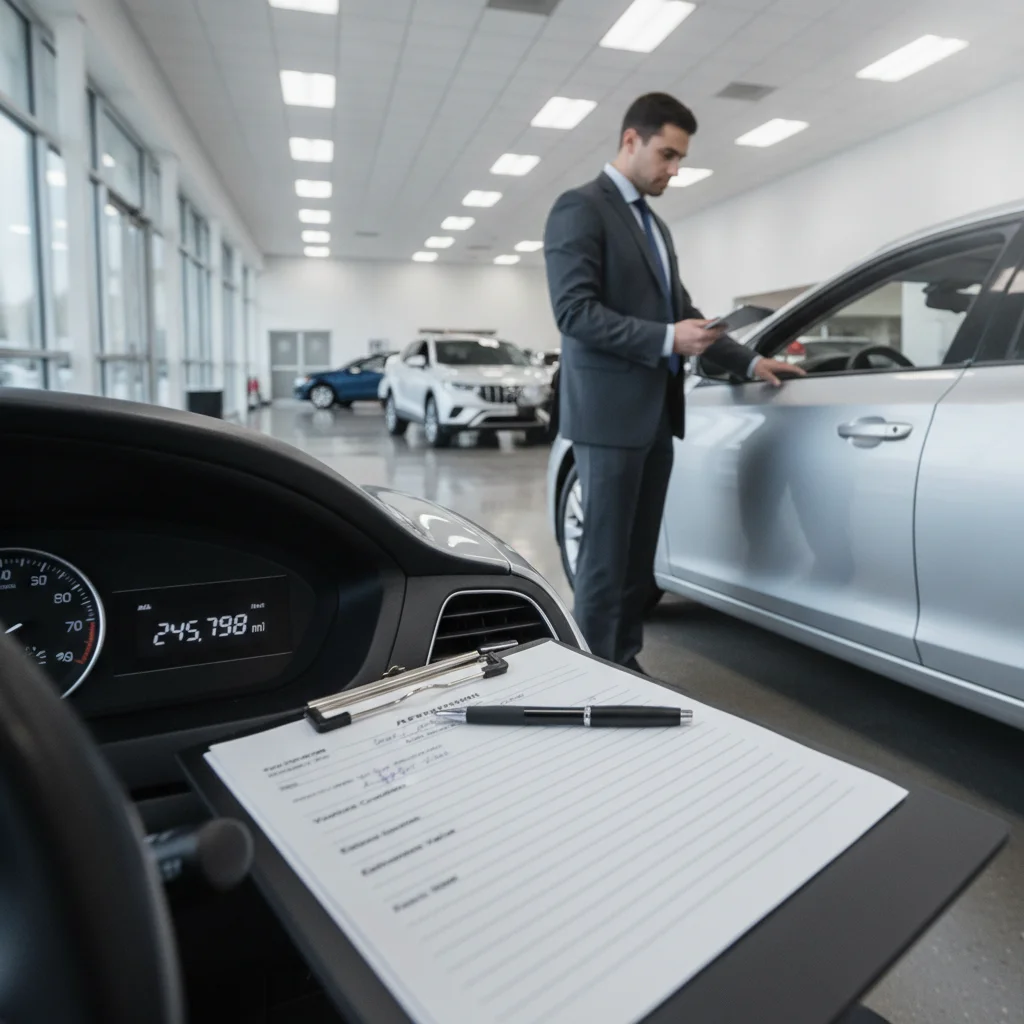
If you're weighing whether to go the private-party route or trade in instead, it helps to understand the differences upfront. Trading in a high-mileage car comes with its own math, and knowing what dealers actually do with these vehicles can help you set realistic expectations before you commit to either path.
The Prep Steps That Actually Matter
Here's where most sellers go wrong: they start with what's visible and skip what's verifiable. A buyer standing in your driveway will notice a clean interior, yes — but they'll spend more time listening to the engine idle, checking under the hood, and asking about the last time you changed the transmission fluid. Focus your energy there first.
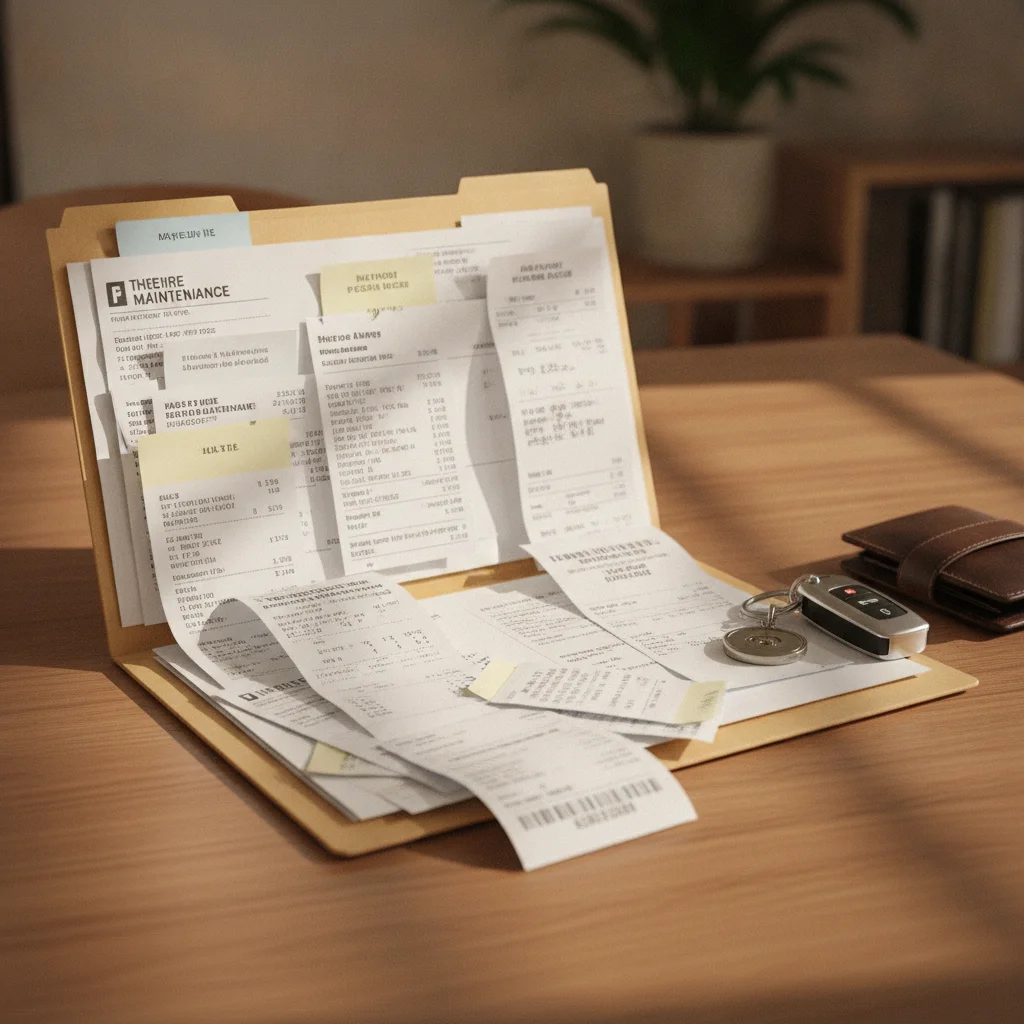
Gather and organize all maintenance records before you write a single word of your listing.
Documentation is the single most credible thing a high-mileage seller can offer. A buyer who can see oil change receipts, timing belt replacements, and coolant flushes isn't buying blind — they're buying a verifiable maintenance history, which is worth real money. Sellers without records are asking buyers to take their word for it, and many won't.
Change the oil and filter immediately before listing, regardless of when it was last done.
Fresh oil is cheap and creates a strong positive impression during any under-hood inspection. Dark, old oil suggests the car has been run hard without care — a concern that multiplies at high mileage. The cost is minimal; the signal it sends is significant.
Address any active warning lights before listing — or document them with a diagnostic report.
An illuminated check engine light is one of the fastest ways to lose a buyer's confidence, because it implies unknown problems. Even if the underlying issue is minor, most buyers don't know that and will assume the worst. Resolving it or providing a written diagnosis shifts the conversation from fear to facts.
Inspect and replace cabin and engine air filters if they're visibly dirty.
Air filters are inexpensive, highly visible during an inspection, and strongly associated with overall maintenance habits. A clogged cabin filter suggests the car hasn't been serviced consistently. A buyer who finds one during their look-over will mentally apply that observation to every other system in the car.
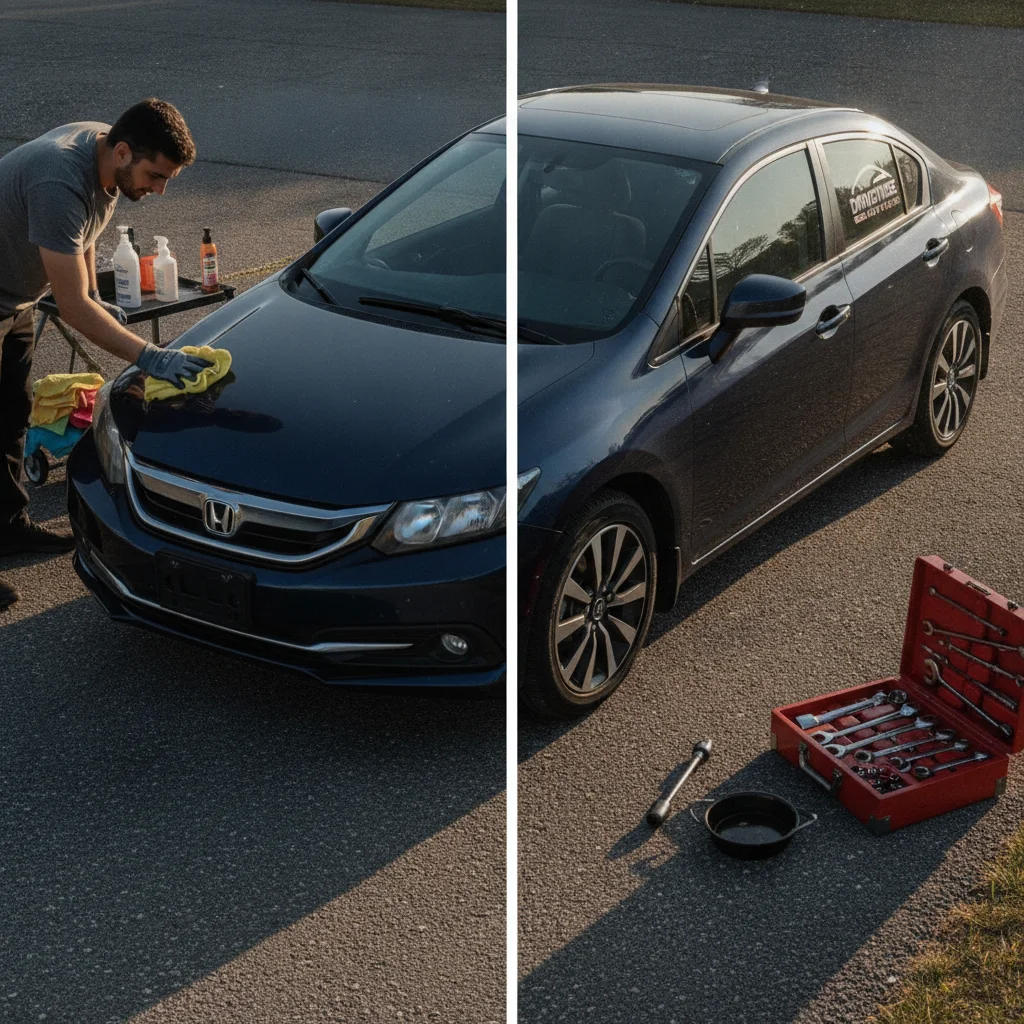
Clean the engine bay with a gentle degreaser and compressed air — but don't pressure-wash it.
A visually clean engine bay suggests the car has been maintained attentively and makes it easier for buyers to inspect hoses, belts, and fluid reservoirs without being put off by grime. A greasy, dirty engine bay reads as neglect even when the mechanical components are sound. Avoid high-pressure water, which can damage sensors and electrical connections.
Check all exterior lights — headlights, taillights, turn signals, and reverse lights — and replace any that are burned out.
Burned-out lights are both a safety issue and a credibility issue. A buyer who spots a non-working turn signal during a walkthrough will wonder what else hasn't been maintained. Bulbs cost a few dollars and the fix takes minutes, but the impression they leave (or don't leave) is disproportionate to the effort.
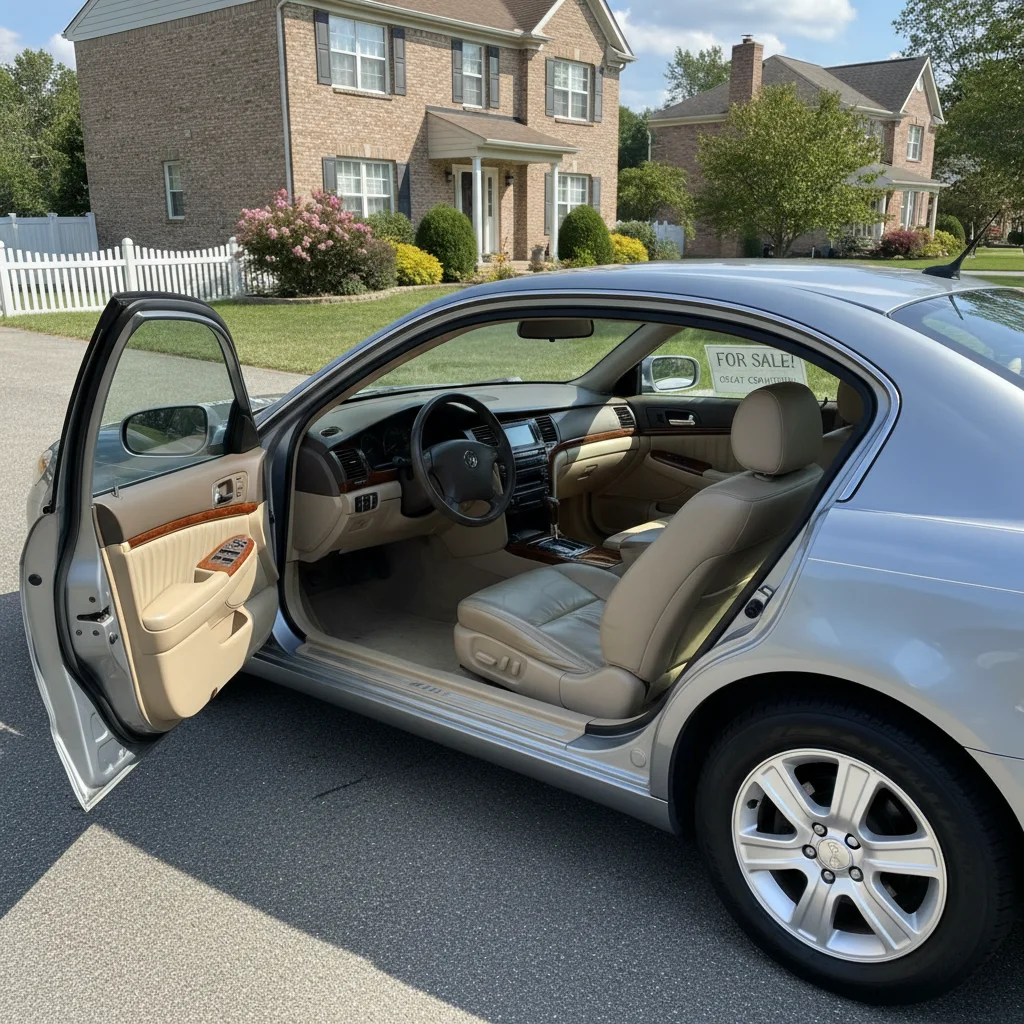
Detail the interior thoroughly, with special attention to odors.
Interior odor is one of the most visceral and immediate impressions a buyer receives — and it's nearly impossible to negotiate away. A car that smells musty, smoky, or like pets creates a negative association that no amount of explanation can fully reverse. A thorough interior cleaning, including upholstery shampooing and an odor treatment if needed, addresses this before it becomes a problem.
For a deeper look at where prep dollars pay off versus where they quietly disappear, detailing versus minor repairs before a private sale breaks down the real return on each category of spending.
Quick Wins You Can Do This Week
Not every effective prep step requires a mechanic or a Saturday afternoon. Some of the most impactful things you can do before listing take less than an hour and cost under $30. These aren't shortcuts — they're the finishing touches that make a buyer feel like the car has been looked after consistently, not just cleaned up for the sale.
If you want a longer list of low-cost prep ideas that genuinely shift buyer perception, prep work that costs almost nothing but lifts buyer perception is worth reading before you write your listing.
What Buyers of High-Mileage Cars Are Actually Worried About
Understanding the buyer's mindset is one of the most useful things you can do as a seller. High-mileage buyers — especially in the private market — tend to be practical, research-oriented, and somewhat cautious. They're not scared of mileage itself; they're scared of hidden problems and sellers who aren't being straight with them.
77%
Used car buyers who research before contacting a seller
According to Cox Automotive's annual car buyer journey study, the vast majority of used car shoppers arrive at a listing already informed about typical problems for that model.
Top 3
Factors that kill high-mileage deals
Industry surveys from iSeeCars and similar auto research platforms consistently identify warning lights, missing service history, and interior odors as the leading deal-breakers in private high-mileage sales.
$1,500+
Typical price premium for documented maintenance history
Automotive resale research suggests that sellers who provide verifiable service records can command meaningfully higher prices than equivalent vehicles without documentation, particularly above 100,000 miles.
The concerns that show up most often in the high-mileage buyer's mind fall into a few predictable categories:
- Engine and transmission health — these are the two biggest repair costs and the ones buyers lose sleep over
- Rust and structural integrity — especially in northern climates where road salt is common
- Whether the previous owner stayed on top of maintenance — or pushed the car hard and ignored service intervals
- Tire and brake condition — safety items that buyers know they'll need to address immediately if neglected
Pre-Sale Inspection: Worth Considering
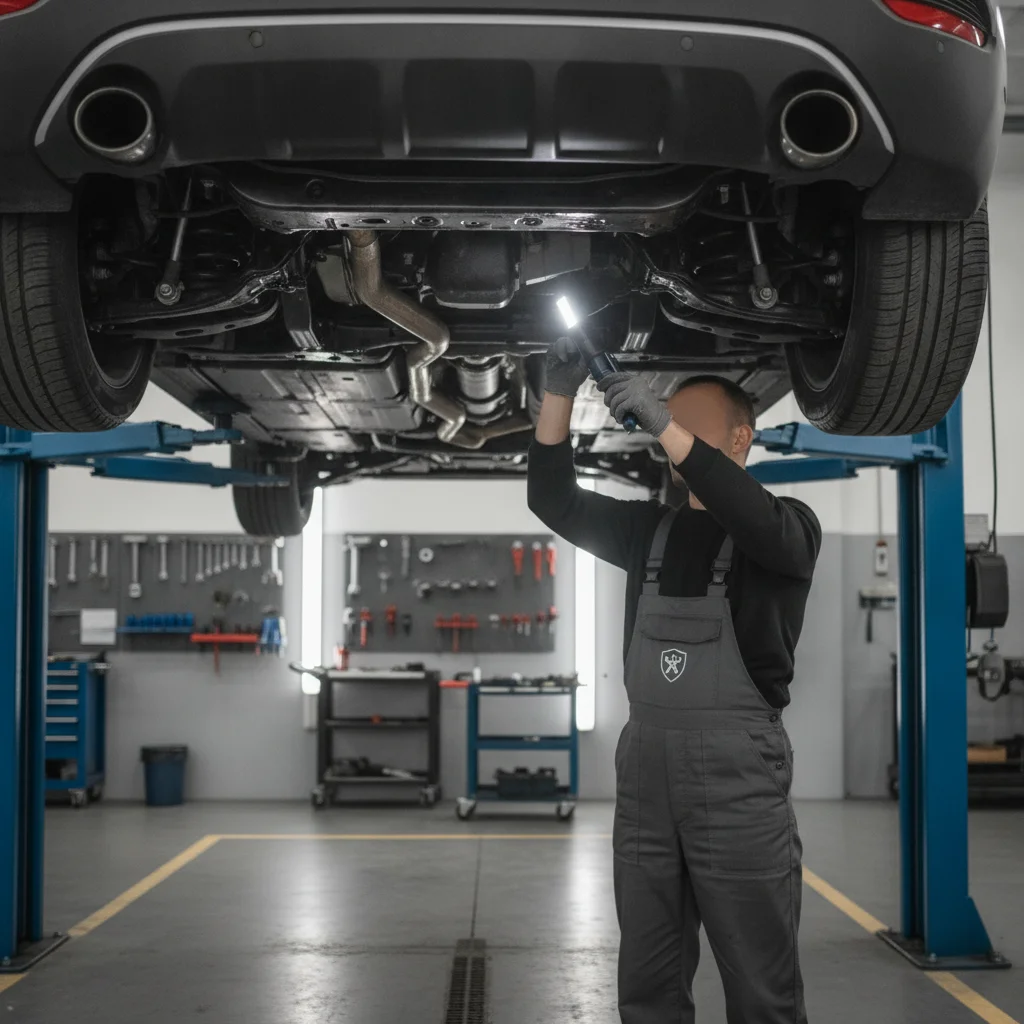
A pre-sale inspection from an independent mechanic ($80–$150) gives you a written report of the car's current condition. This serves two purposes: it helps you decide what — if anything — is worth fixing before listing, and it gives buyers a credible third-party assessment they can trust. For high-mileage vehicles especially, this document can meaningfully reduce buyer hesitation and support your asking price.
If you want to understand exactly what's going through a buyer's mind when they look at your car, the real trade-offs of buying a high-mileage vehicle lays it out clearly — and knowing their perspective makes you a much more effective seller.
Where NOT to Spend Your Prep Budget
It's just as important to know what to skip as it is to know what to prioritize. Some prep spending feels productive but returns almost nothing in a high-mileage sale context — and a few categories can actually work against you.
Cosmetic Fixes With Low Return
Fresh paint on a 140,000-mile car doesn't fool anyone, and savvy buyers may actually wonder why you painted it. Small dents and door dings on a vehicle this age are expected — they're part of the story. Spending $400 on paintless dent repair to chase a $200 bump in perceived value isn't a good trade.
New Tires Just Before Listing
Unless your tires are genuinely unsafe (under 2/32" tread depth), replacing them before the sale rarely pays back their full cost. Buyers can negotiate for a tire allowance more easily than you can recoup a $600 tire spend. Disclose the tread depth honestly — most buyers will factor it in on their own terms.
Repairs You Can't Prove
If you fix something mechanical without being able to show a receipt, you get very little credit for it. A buyer can't verify what they can't see. Save expensive mechanical work for items that are safety-critical or that you can document clearly. Everything else just reduces your profit margin.
Let the Mileage Work in Your Favor
High mileage on a well-maintained vehicle actually tells a positive story — it means the car has been proven reliable over many miles. Frame your listing around that narrative: note the maintenance items you've completed, highlight any recent major services, and be specific. A listing that says '142,000 miles — timing belt replaced at 98k, new water pump and thermostat at 110k, full service records available' reads very differently than one that just says '142,000 miles, runs great.'
Price With Room to Negotiate — But Not Too Much
High-mileage buyers almost always expect to negotiate. Building in 5–8% above your true floor gives you room to move without feeling like you're giving the car away. Padding by 20% or more signals either ignorance of the market or desperation — both of which attract lowball offers and skeptical buyers. A tight, defensible price backed by documentation is a stronger position than an inflated number with nothing to back it up.
Headlights, Fluids, and the Small Details That Signal Neglect
A few specific items deserve their own attention because they sit in an interesting middle zone: they're inexpensive to address, but they create outsized negative impressions when neglected. These are the things buyers notice in the first two minutes of looking at your car.
Foggy or Yellowed Headlights
Oxidized headlights are one of the clearest signals of neglect a buyer can see from ten feet away. The irony is that they're also one of the cheapest and fastest things to fix. A DIY restoration kit runs about $15–$25 and takes under an hour. Restoring foggy headlights before your listing goes live walks through the whole process step by step — this is genuinely one of the best prep moves you can make.
Fluid Levels and Condition
Any buyer who knows what they're doing will check your oil dipstick. If they pull it out and find oil that looks like dark sludge, the conversation changes immediately — and not in your favor. Fresh oil (even if you're not quite due for a change), topped-off coolant, and clean windshield washer fluid all communicate that this car has been managed attentively.
Warning Lights on the Dashboard
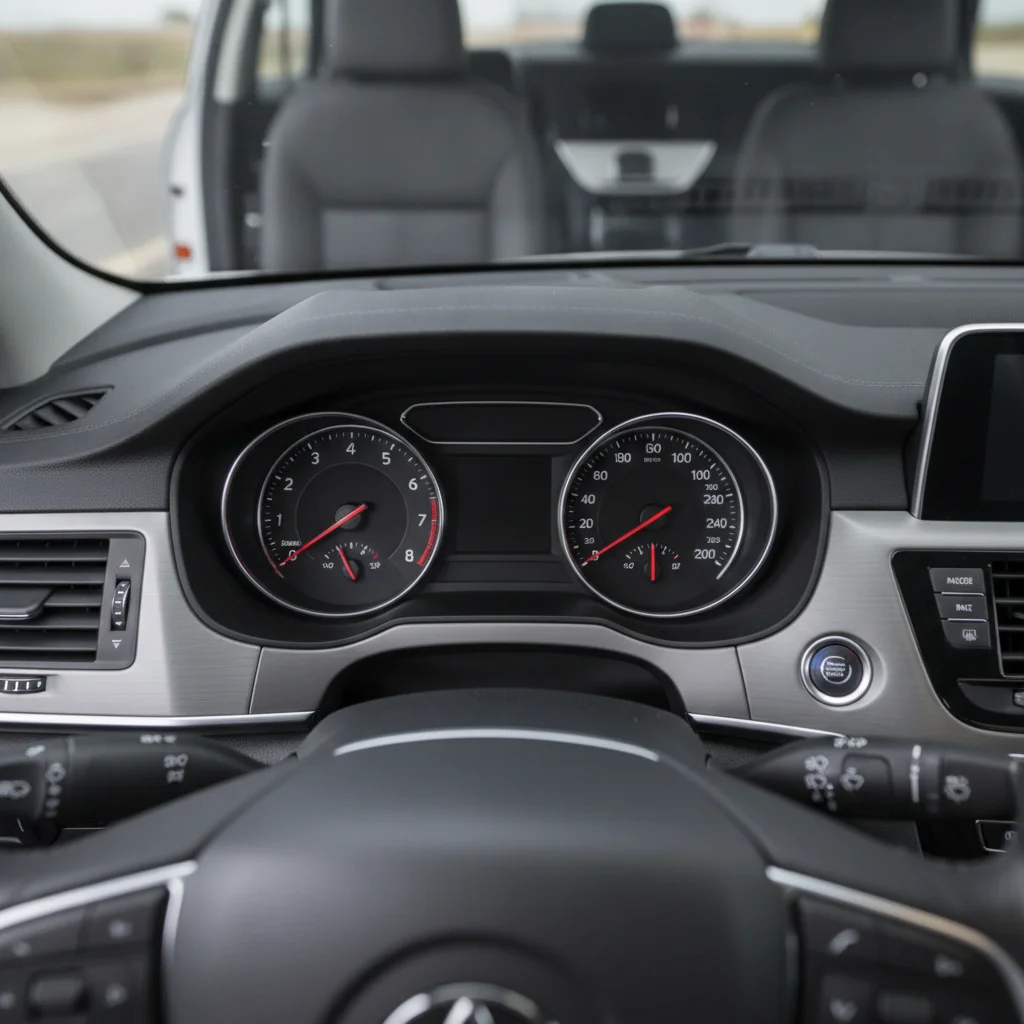
A check engine light is a deal-killer for most buyers, even if the underlying issue is minor. If you know what's triggering it and can provide documentation, disclose it proactively. If it's an unresolved issue, get it diagnosed — you'll negotiate from a much stronger position knowing exactly what it is than letting a buyer imagine the worst. High-mileage car warning signs that deserve extra attention covers the specific issues that tend to appear at high odometer readings and what they actually mean.
“The cars that sell quickly and cleanly at high mileage aren't necessarily the prettiest ones — they're the ones where the seller clearly knows their car and can prove it. Documentation and transparency do more work than any detail job.”
— Phil Reed, Senior consumer advice editor at Edmunds and long-time automotive journalist
Setting an Honest, Defensible Price
Even with the best prep work, a high-mileage vehicle needs to be priced to reflect reality. Overpricing creates friction that kills buyer interest before the first test drive — and high-mileage listings get skipped faster than almost any other category when they feel overpriced.
Use multiple sources to establish your baseline: Kelley Blue Book, Edmunds Private Party value, and a quick scan of comparable listings in your area (same make, model, year, and similar mileage) will give you a realistic range. Price toward the upper end of that range only if your maintenance documentation is strong, the car is mechanically sound, and you've done the prep work described in this article.
If you're considering trading in rather than selling privately, getting a fair trade-in offer on a high-mileage car is worth reading first — the strategies for positioning a well-maintained vehicle apply in both contexts, but the dealer dynamic is meaningfully different from a private sale.
One more note: be upfront about the mileage in your listing headline and photos. Buyers who are filtering by mileage thresholds aren't going to be surprised by the number — and hiding it or burying it in the description creates distrust before the conversation even starts. Transparency here costs you nothing and builds the foundation for a smoother negotiation.
Let the Mileage Work in Your Favor
High mileage on a well-maintained vehicle actually tells a positive story — it means the car has been proven reliable over many miles. Frame your listing around that narrative: note the maintenance items you've completed, highlight any recent major services, and be specific. A listing that says '142,000 miles — timing belt replaced at 98k, new water pump and thermostat at 110k, full service records available' reads very differently than one that just says '142,000 miles, runs great.'
Price With Room to Negotiate — But Not Too Much
High-mileage buyers almost always expect to negotiate. Building in 5–8% above your true floor gives you room to move without feeling like you're giving the car away. Padding by 20% or more signals either ignorance of the market or desperation — both of which attract lowball offers and skeptical buyers. A tight, defensible price backed by documentation is a stronger position than an inflated number with nothing to back it up.

All claims are backed by peer-reviewed research. Sources on request.