Key Takeaways
Why High-Mileage Trade-Ins Get Undervalued — and Why That's Often Undeserved
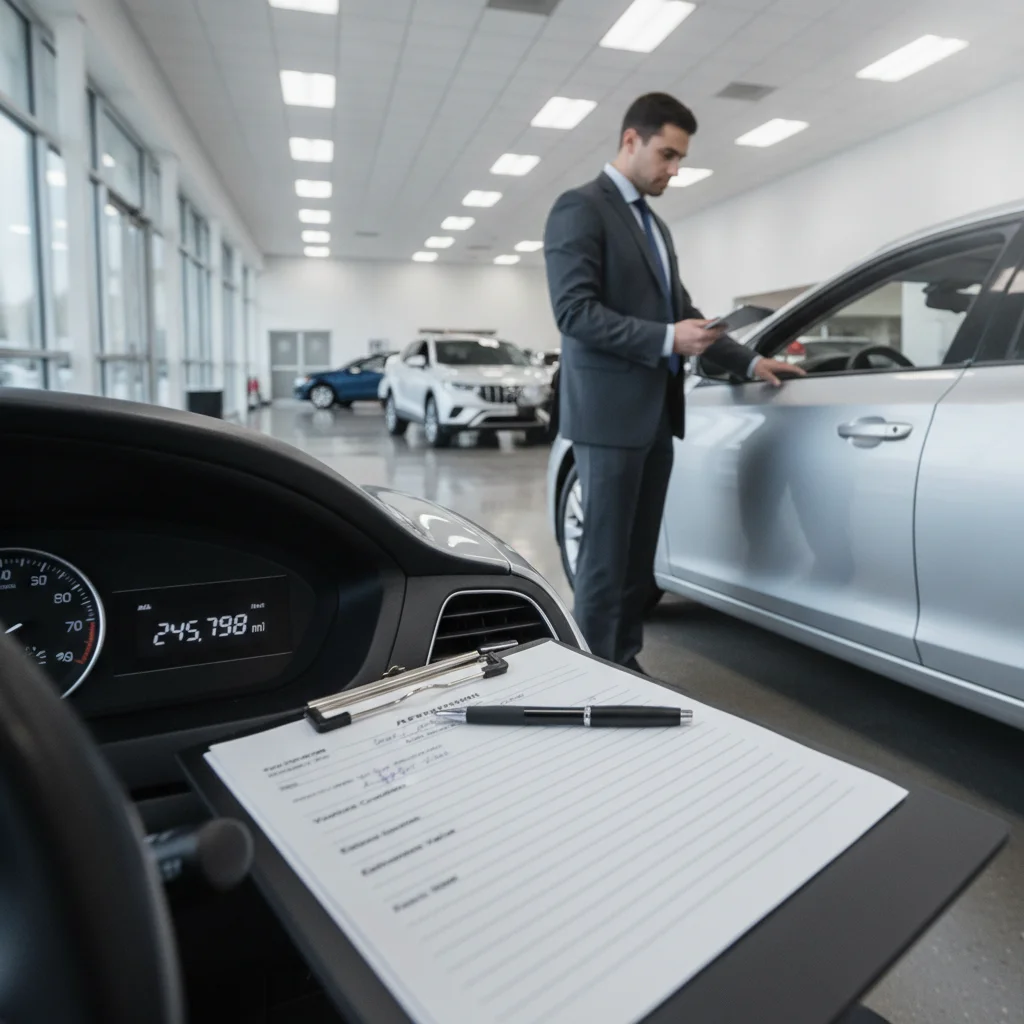
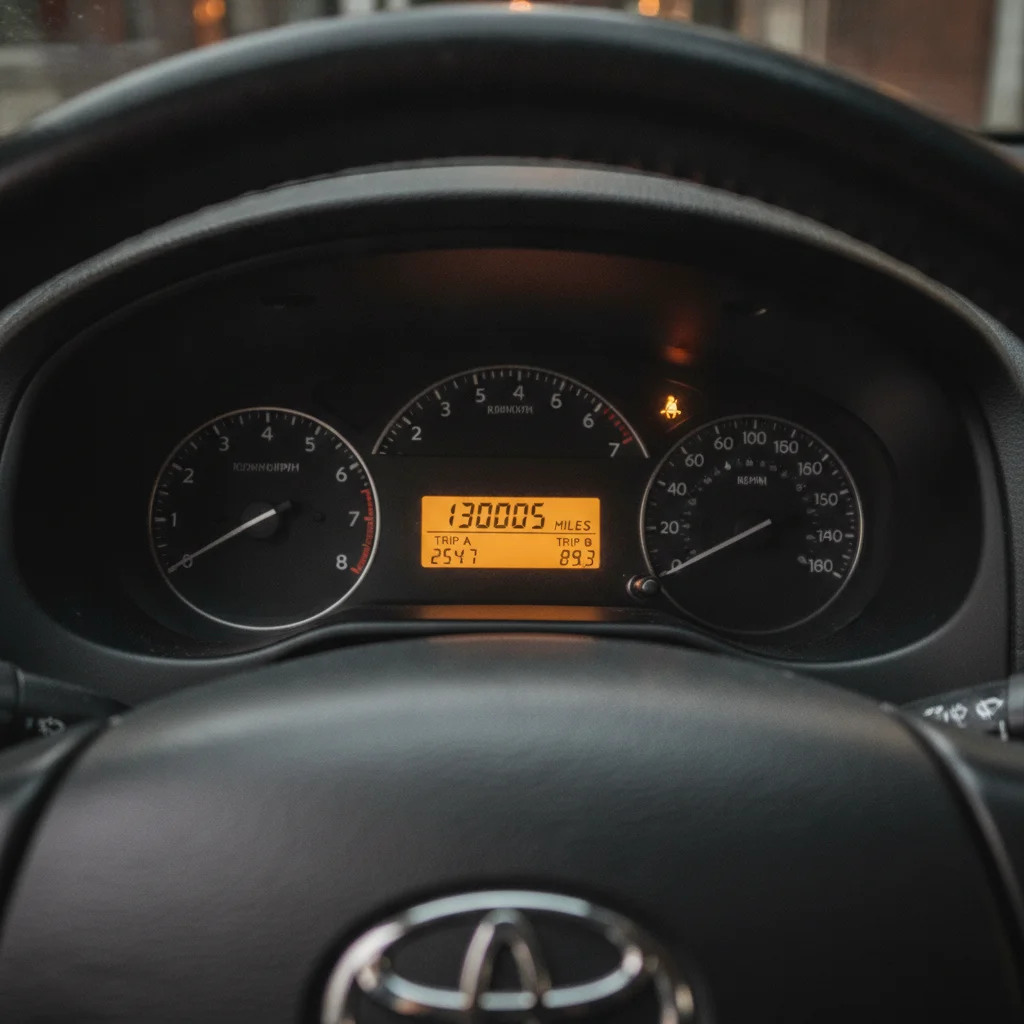
Walk into a dealership with 130,000 miles on the clock and watch the appraiser's expression shift. That odometer reading triggers an almost reflexive lowball, regardless of whether your car runs perfectly, has fresh tires, and a clean service history. The number becomes a shorthand for risk — and dealers price that risk aggressively in their favor.
Here's what's actually happening behind the scenes. Dealers who take in high-mileage vehicles face a limited retail audience. Most buyers shy away from anything north of 100,000 miles, so the dealer has two options: wholesale the car to an auction for a quick but modest return, or retail it with extra reconditioning and a longer lot time. Neither path offers them the same profit margin as a low-mileage trade-in, so they bake that assumption into your offer before you've said a word.
But the assumption isn't always correct. Certain makes — Toyota, Honda, Subaru, some trucks — hold value and reliability well into six-figure mileage. Certain buyers actively seek them out. And a genuinely well-maintained car with records is a categorically different product than a same-mileage car with mystery maintenance. The problem is that most sellers walk in without the tools to make that argument effectively.
Understanding what dealers actually do with high-mileage trade-ins is the first step toward countering their default offer. The strategies below give you the ammunition to do exactly that.
Best Practices for Getting a Fair Trade-In Offer on a High-Mileage Vehicle
These aren't feel-good tips. They're the specific moves that change how an appraiser values your car — drawn from the same logic that governs what dealers actually pay at auction and on the retail lot.
Gather at least three independent trade-in offers before visiting any dealership
Without a competing offer, you have no leverage and no way to know if the dealer's number is reasonable. Multiple offers create a floor you can cite directly and force dealers to compete rather than anchor the conversation themselves.
Bring a complete, organized service history to every appraisal appointment
Service records transform a high-mileage car from an unknown risk into a documented asset. Dealers use uncertainty to justify low offers; records remove that uncertainty and give appraisers a concrete reason to assign higher value.
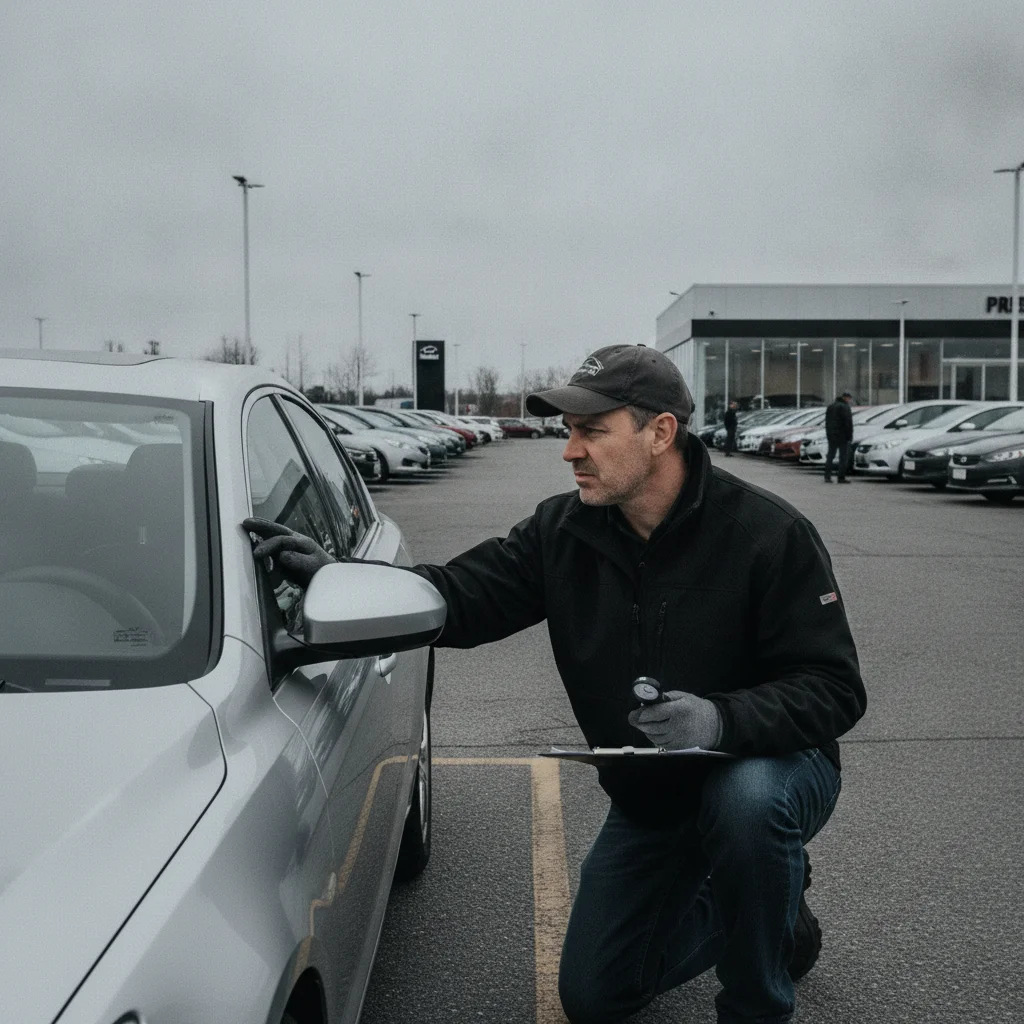
Get an independent pre-appraisal inspection and bring the written report
A neutral mechanic's written inspection report counters the appraiser's in-house assessment with objective third-party data. It signals transparency, removes the dealer's ability to invent mechanical concerns, and often results in fewer reconditioning deductions.
Negotiate the trade-in as a completely separate transaction from the vehicle purchase
Bundling the trade-in with the purchase gives dealers room to shift numbers between line items, making it impossible to know whether you actually got a fair trade-in value. Keeping them separate forces transparency on each side of the deal.
Detail the vehicle thoroughly before any appraisal appointment
Appraisers form quick impressions, and a visibly dirty or neglected interior signals deferred maintenance even when the car is mechanically sound. A clean car is psychologically harder to lowball and reduces the number of cosmetic line items the appraiser adds to their reconditioning estimate.
Set a firm walk-away number in advance based on your best competing offer
Without a predetermined floor, in-the-moment social pressure and deal fatigue cause sellers to accept offers they know are low. A defined walk-away number converts "I feel uncomfortable" into a clear decision rule that's easy to follow in the room.
Target your trade-in timing to align with seasonal demand for your vehicle type
Dealer demand for specific vehicle types shifts with the seasons — trucks are in higher demand before winter, convertibles before summer. Selling during peak demand for your vehicle type increases the dealer's motivation to offer a competitive number.
Each of these practices works because it shifts the frame. Instead of walking in as a seller hoping for a fair shake, you walk in as a prepared counterparty with data, competing offers, and documented evidence of value. That posture alone changes the dynamic.
The Documents and Data That Move the Needle
Appraisers work fast. They're trained to find problems, not to discover value. If you don't surface it, they won't look for it. That means your job is to make the positive case for your vehicle explicitly, with paper.
Service Records
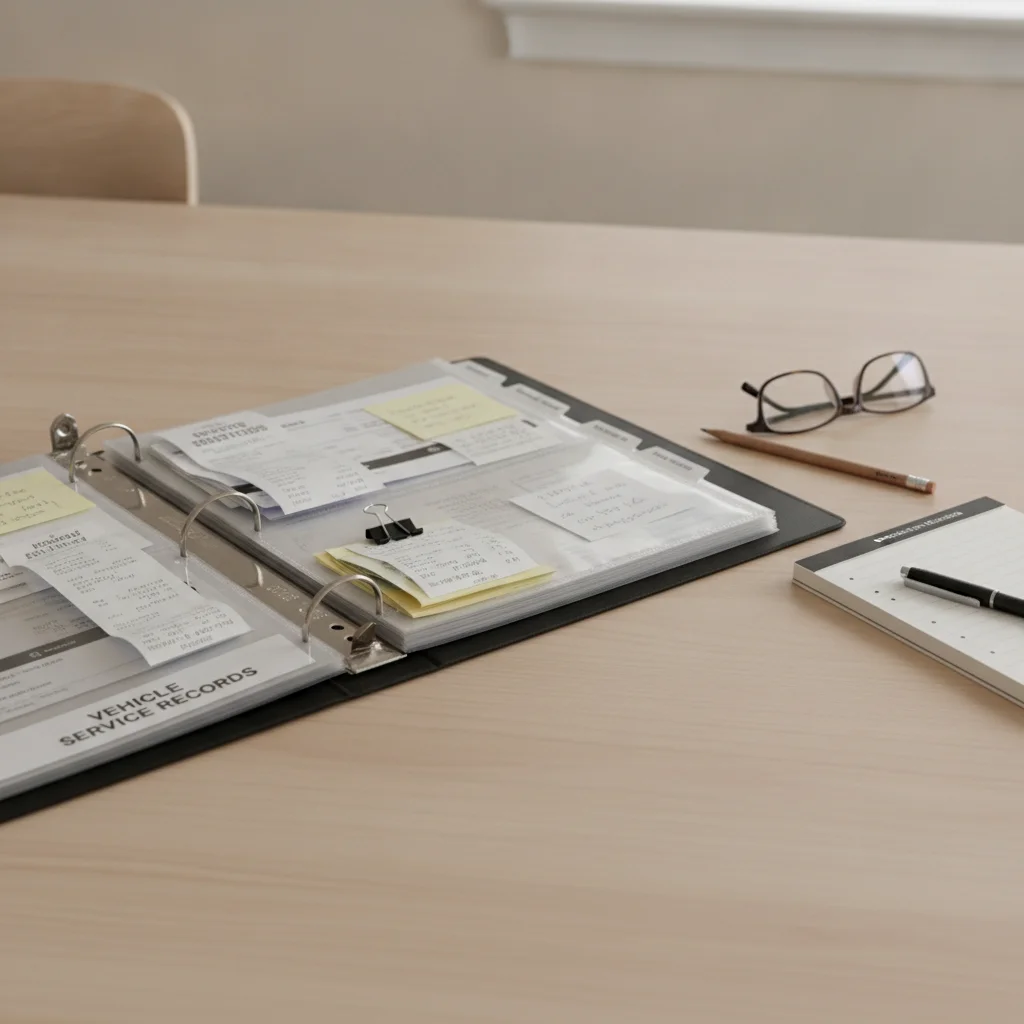
A complete maintenance history is the closest thing to a guarantee you can offer on a used car. Oil changes at proper intervals, timing belt replacements, coolant flushes — these show the vehicle was managed, not just driven. If you have records going back several years, organize them chronologically in a folder and hand it to the appraiser. Dealers who plan to retail the car will actively want this paperwork because it helps them sell it. That motivation flows back to you as a higher offer.
Recent Major Repairs
If you replaced the transmission, water pump, or suspension components within the last 20,000 miles, document it with receipts. These repairs extend the functional life of the vehicle and reduce the reconditioning cost the dealer would otherwise estimate. A $1,200 receipt for a recent timing chain service can realistically add several hundred dollars to your offer because it removes a risk the dealer would have priced in.
Third-Party Inspection Reports
Pay $100–$150 to have an independent mechanic inspect the vehicle and provide a written report before you go to the dealership. A clean bill of health from a neutral third party is harder to dismiss than your verbal assurance. It also signals that you're not hiding anything — which itself is a trust signal that experienced appraisers notice.
Get the Inspection Report Before the Appointment
Schedule your independent inspection at least a week before your trade-in appointment so you have time to address any minor issues the report flags. Small fixes — a burned-out tail light, a cracked wiper blade — are cheap but visible, and appraisers add them to reconditioning estimates quickly. A clean inspection report arriving at the appointment already addressed is a strong signal to any experienced appraiser.
Ask the Appraiser to Walk You Through the Worksheet
Most dealers will show you the trade-in appraisal worksheet if you ask directly. Request a line-by-line explanation of any deductions taken. This does two things: it surfaces deductions you can challenge with documentation, and it signals to the appraiser that you're paying attention — which often results in more conservative deduction estimates from the start.
For context on which other factors — beyond mileage — can quietly drag your offer down, see factors that quietly tank your trade-in value. Color, trim level, and prior rental history all feed into the same calculus.
Build Competing Offers Before You Walk In
Nothing in trade-in negotiation works better than a competing written offer. It converts the conversation from "take it or leave it" to "match this or I walk." For high-mileage vehicles specifically, this step is non-negotiable.
$1,500–$3,000
Typical gap between trade-in and private-sale value on high-mileage vehicles
Industry data from Kelley Blue Book and Black Book suggests the wholesale-to-retail spread on vehicles over 100,000 miles is significantly wider than on lower-mileage cars, often exceeding $2,000 on popular models.
3+
Competing offers needed to negotiate effectively
Consumer advocacy research consistently shows that trade-in offers improve when sellers present two or more competing bids; dealers are far less willing to lowball a customer who can walk to a verified alternative.
11–15%
Dealer reconditioning cost markup on high-mileage appraisals
According to dealer operations data cited in automotive industry publications, appraisers routinely add 11–15% reconditioning cost buffers to high-mileage vehicles as a risk premium, regardless of actual condition.
Start with the major instant-offer platforms — CarMax, Carvana, KBB Instant Cash Offer, and Carmax's in-store appraisal. Get at least three. Each offer is typically valid for seven days, giving you a negotiating window. Print them out or screenshot them clearly showing the vehicle details and the dollar amount. Some platforms will even beat a competing offer — use that leverage explicitly.
Then check what similar vehicles are actually listed for on your local market. Search your make, model, year, and mileage range on Autotrader and Cars.com. Note the retail asking prices. Dealers appraise trade-ins at wholesale, but knowing what the retail comps look like tells you the margin they're working with — and helps you push back when they claim there's no market for your car.
It's also worth understanding what instant offer platforms realistically pay for high-mileage vehicles before you set your floor. These platforms often set the floor, not the ceiling — a dealer who wants your vehicle for retail purposes may beat them.
Separate the Trade-In From the Purchase
This is the tactic dealers most hope you skip. When you negotiate your trade-in and your new car purchase as a single transaction, the numbers blur. A dealer can give you an extra $1,500 on your trade-in and quietly take it back in the price of the new car or the financing terms. You feel like you won; you didn't.
The fix is simple: negotiate them sequentially, not simultaneously. When you arrive, tell the salesperson you'd like to get an appraisal on your trade-in first and that you'll discuss the purchase separately afterward. Some will resist — that's fine. Hold the line. Get the trade-in number in writing before any discussion of what you're buying or financing.
The same principle applies to financing. If you're rolling a trade-in equity into a new loan, make sure the trade-in value is itemized clearly in the deal sheet. Dealers sometimes absorb trade-in value into a "cap cost reduction" without transparency about how the number was reached. Review the worksheet line by line.
Instant Offer Platforms Set a Floor, Not a Ceiling
CarMax, Carvana, and similar platforms provide consistent, low-friction offers but are calibrated conservatively. They account for auction risk and national logistics, not local market demand. A franchise dealer in your market who is short on your specific vehicle type may legitimately offer more. Use instant offers as your guaranteed floor and then see if a dealer will beat them — don't assume the platform number is the best you can do.
High-Mileage Doesn't Mean Wholesale-Only
Dealers frequently claim a high-mileage vehicle can only go to auction, which they use to justify a deeply discounted offer. This is sometimes true for vehicles over 150,000 miles with significant wear, but it's often a negotiating tactic for vehicles in the 100,000–130,000 range in good condition. Research your specific make and model on local dealer lots — if comparable vehicles are listed at retail, your car has retail value.
For a deeper look at how dealerships structure low trade-in offers and what tactics you can use to push back, see why dealers lowball trade-ins and what you can do about it. The same mechanics apply to high-mileage appraisals at an amplified scale.

Timing, Presentation, and the Small Things That Add Up
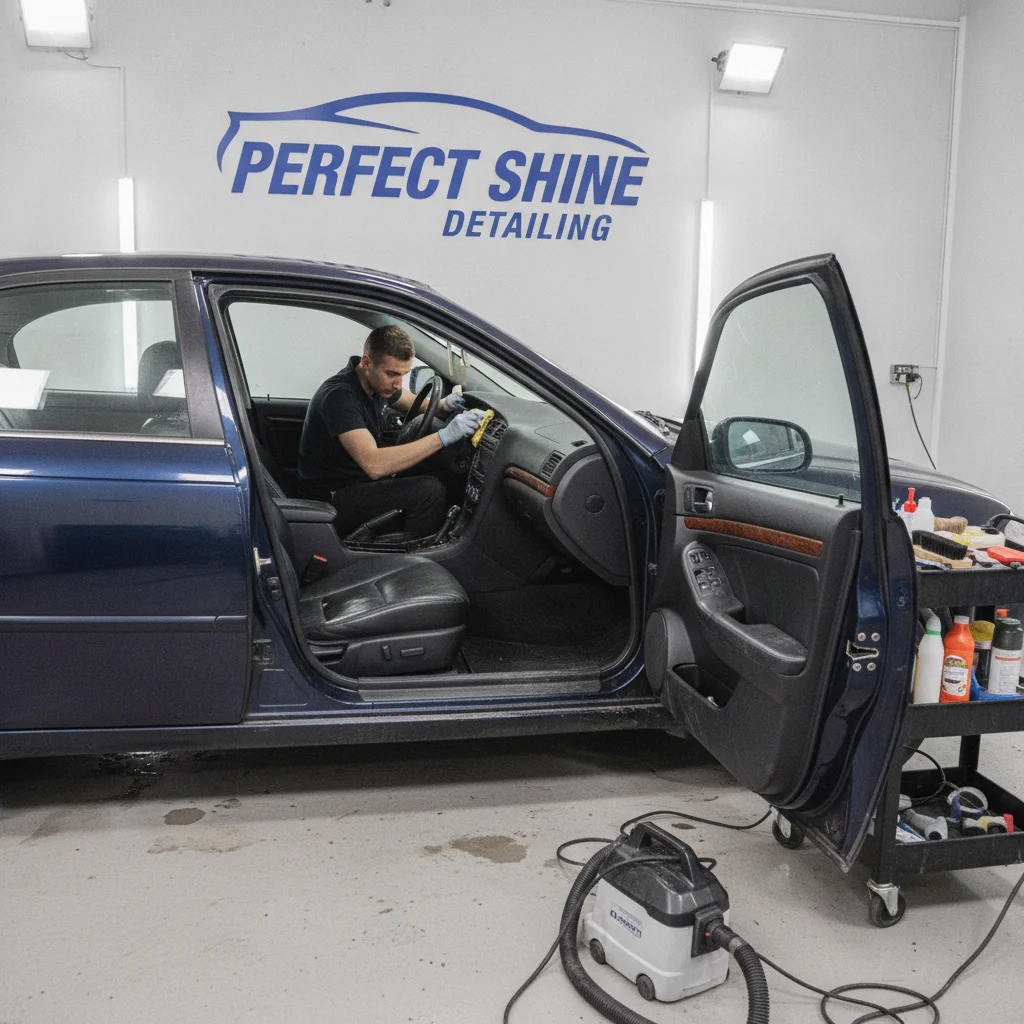
Appraisers form impressions quickly. A car that looks cared-for signals a car that probably was cared-for. Before any appraisal, invest in a professional detail — not a $20 hand wash, but a full interior and exterior detail including engine bay cleaning. At $150–$200, this is one of the highest-ROI pre-sale investments for any vehicle, and especially for high-mileage ones where the appraiser is already primed to find problems.
Address small cosmetic issues that are cheap to fix and disproportionately visible. Cracked windshields, torn seat upholstery, and burned-out interior lights all trigger reconditioning cost estimates that come directly out of your offer. A $200 repair can prevent a $600 deduction. See which prep steps matter most for high-mileage vehicles for a prioritized breakdown of what to fix versus what to leave alone.
Timing by Season and Market
Demand for certain vehicles is seasonal. Trucks and SUVs command higher trade-in values in fall and winter; convertibles and sports cars peak in spring. If you're near a choice on timing, align your trade-in with the season that favors your vehicle type. Even a few weeks' difference can shift the dealer's appetite.
Local economic factors matter too. In markets where inventory is tight — either from supply chain constraints or regional demand — dealers are hungrier for trade-ins and more willing to offer closer to retail value. Check local dealer listings to get a feel for how many comparable vehicles they currently have in stock. Fewer comparable units on their lot means more motivation to deal.
“The condition of a used vehicle — not just the mileage — is the primary driver of its real-world value. A well-documented, high-mileage car will outperform an undocumented low-mileage car at auction every time.”
— Charlie Vogelheim, Former Executive Editor, Kelley Blue Book
Know Your Floor Before You Go
Decide in advance what number you'll walk away from. This isn't a rigid ceiling — it's a calibration point. If your best competing offer is $6,800, your walk-away might be $7,000 with a credible reason (your service records, recent repairs, clean inspection). If the dealer won't meet it, you have a real alternative. Sellers who don't define their floor often accept offers they later regret because the social pressure of the room is real and dealers are trained to use it.
For additional context on how odometer readings interact with actual vehicle condition — and how to make that case at the appraisal table — see odometer vs. wear: when the numbers don't match the condition. The same inspection logic that buyers use to spot overpriced low-mileage cars works in reverse when you're arguing that your high-mileage car is better than the number suggests.
When to Trade In vs. When to Sell Privately
For high-mileage vehicles, the gap between trade-in value and private-party value is often wider than for low-mileage cars. Dealers price in auction risk and reconditioning cost; private buyers don't have that overhead. On a 120,000-mile car, that gap might be $1,500–$3,000.
Whether the premium is worth the effort depends on your vehicle and your situation. Private sales require more time, more safety precautions, and more negotiation friction. But if your car is a desirable model with strong maintenance records, the private market may reward you meaningfully better than any dealer will.
The dealer trade-in hub covers the full mechanics of how appraisals work and when holding out for a private sale makes financial sense. If you're on the fence, running the numbers both ways — with real competing offers in hand — is the clearest way to decide.
One useful benchmark: if your best dealer offer is within $800 of your realistic private-party estimate (accounting for the time and effort involved), the trade-in is probably the smarter call. If the gap is larger, private sale or a direct sale to a platform like CarMax may be worth the extra steps.

All claims are backed by peer-reviewed research. Sources on request.