Key Takeaways
Why Post-Accident Behavior Matters More Than Most Drivers Realize
The collision itself lasts seconds. What you do in the next hours, days, and weeks determines whether you walk away with a fair settlement—or absorb costs that should have been covered. Insurance adjusters are trained investigators. Opposing attorneys are looking for leverage. And your own insurer is evaluating everything you report to manage their exposure.
None of that means you're in enemy territory after every fender-bender. It means post-accident behavior is a skill, and most drivers haven't practiced it. The mistakes below aren't made by reckless people—they're made by well-intentioned drivers who didn't know the rules of engagement. That's exactly what this guide is here to fix.
For a full end-to-end walkthrough of the process, see the complete accident procedures guide. Here, we're zeroing in specifically on the errors that cost drivers the most.
The Mistakes That Damage Claims Most
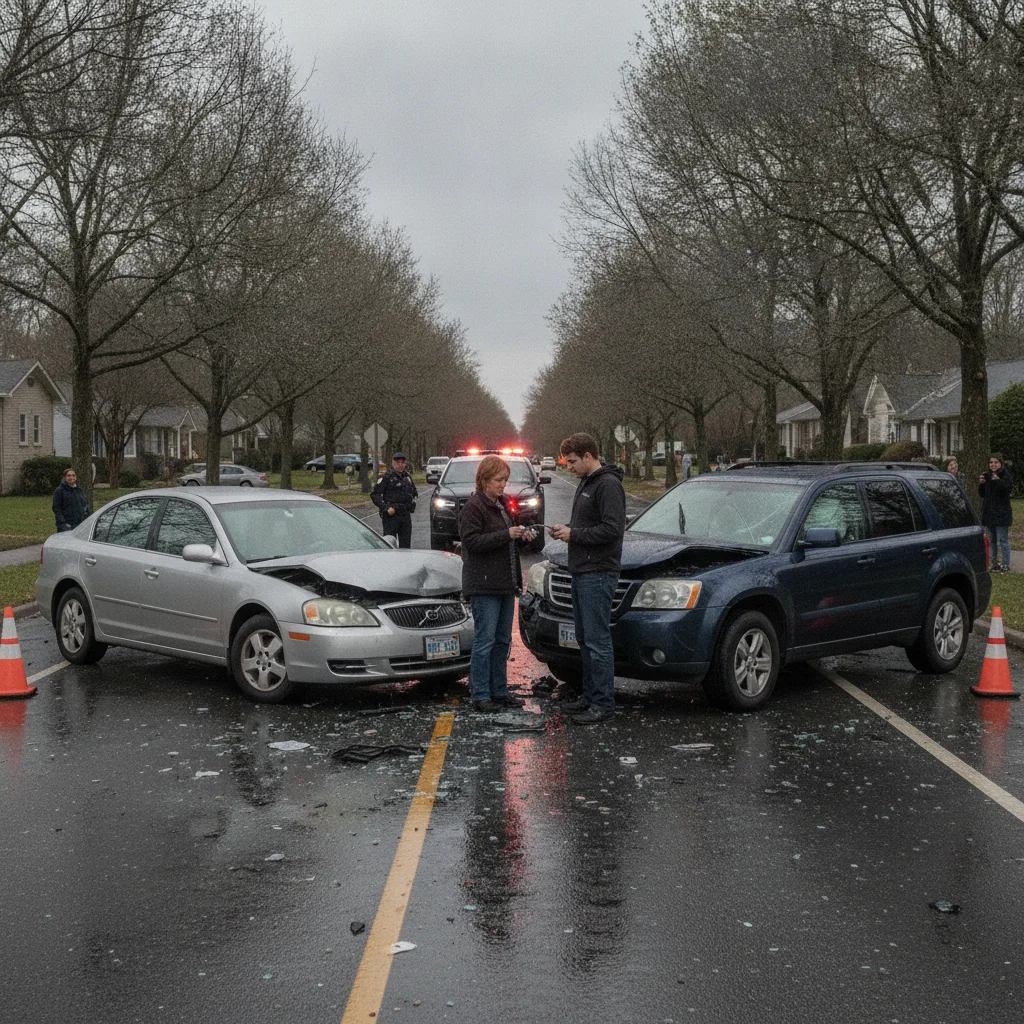
These aren't obscure technicalities. Every one of these mistakes shows up regularly in disputed claims and reduced settlements. Work through each one and think honestly about what you'd do under pressure at the scene.
Admitting fault or apologizing at the scene, even casually.
Why it happens: Most people instinctively apologize when they've caused distress to someone else—it's a social reflex. Drivers don't realize that informal statements at the scene are treated as formal admissions by insurers and attorneys.
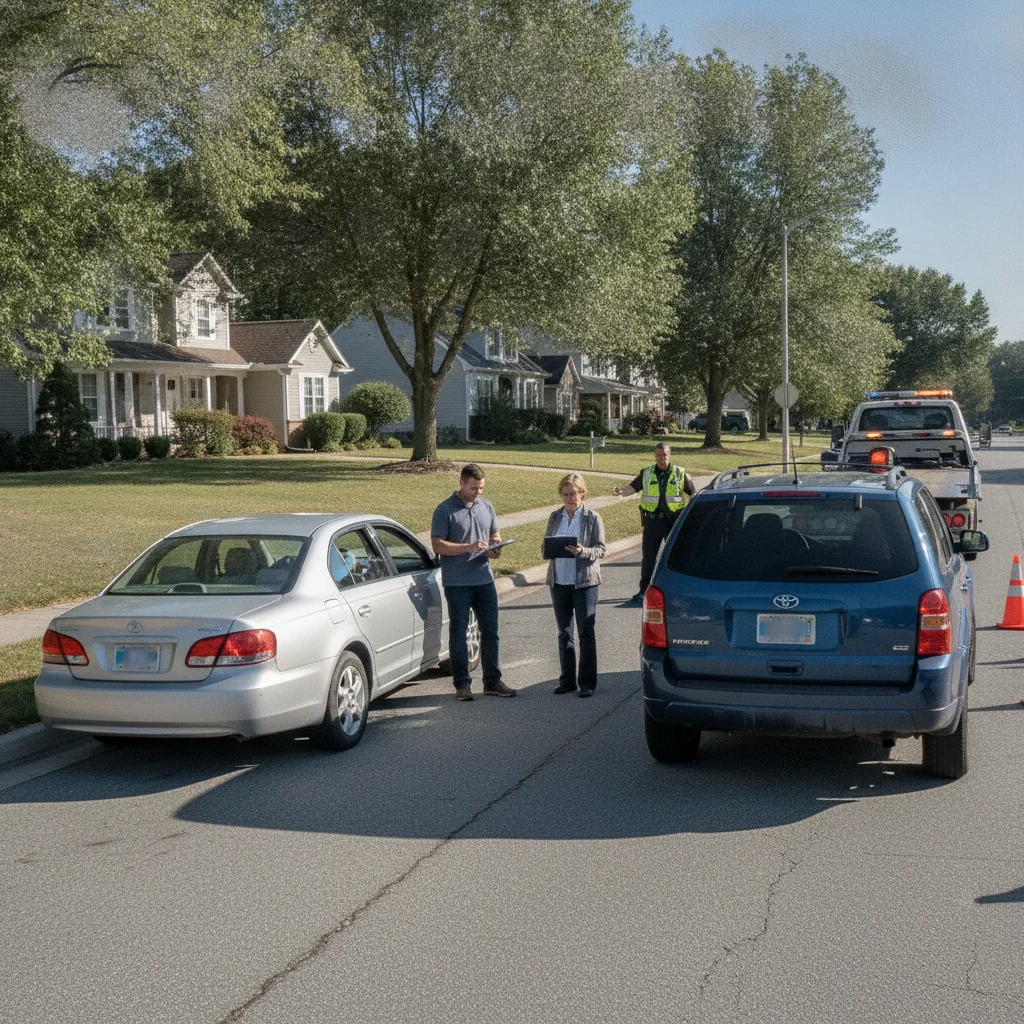
Failing to call the police and get an official report.
Why it happens: In minor collisions, both drivers sometimes agree to "handle it privately" to avoid insurance involvement. This seems reasonable in the moment but removes the official documentation that protects you if the other driver later changes their story or discovers injuries.
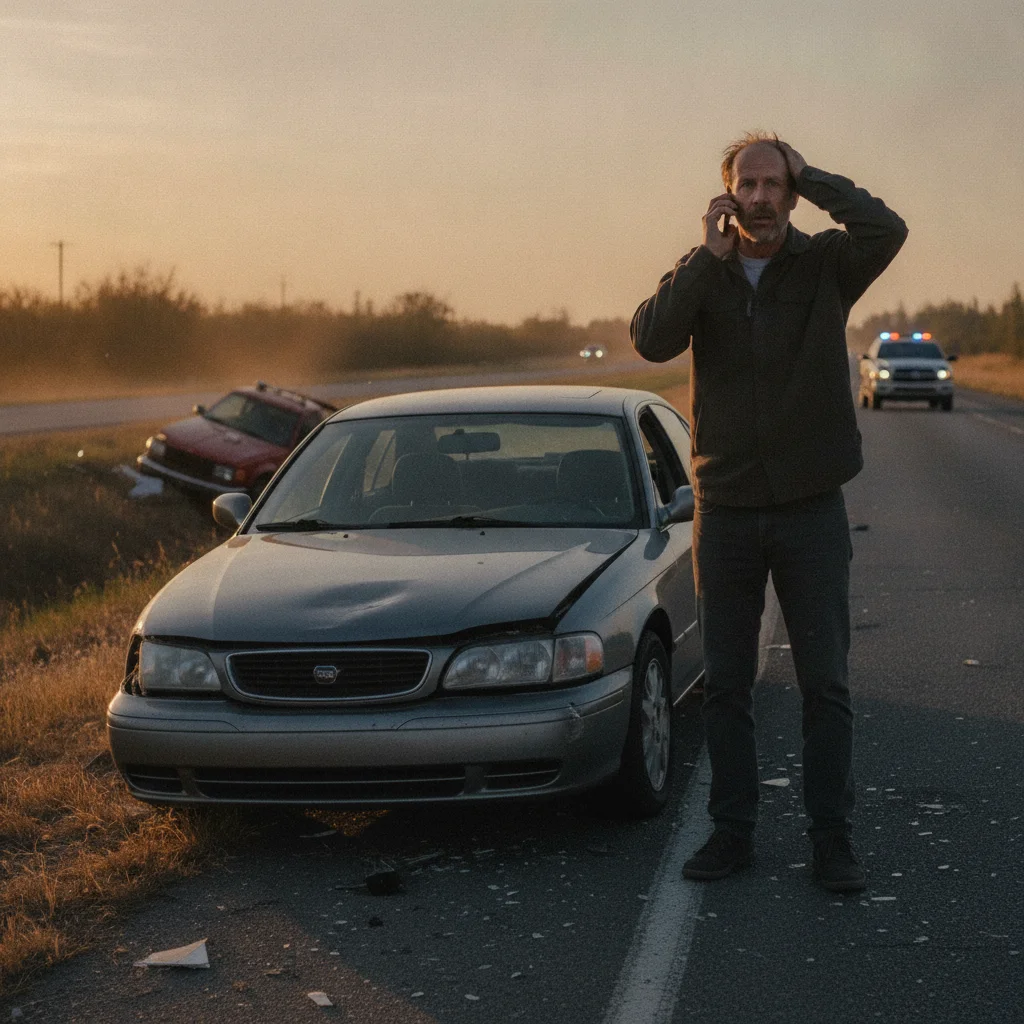
Delaying medical evaluation because you feel fine immediately after the crash.
Why it happens: Adrenaline suppresses pain signals during and immediately after a traumatic event. Many drivers feel genuinely okay at the scene and assume they escaped without injury—only to develop significant symptoms within 24–72 hours.
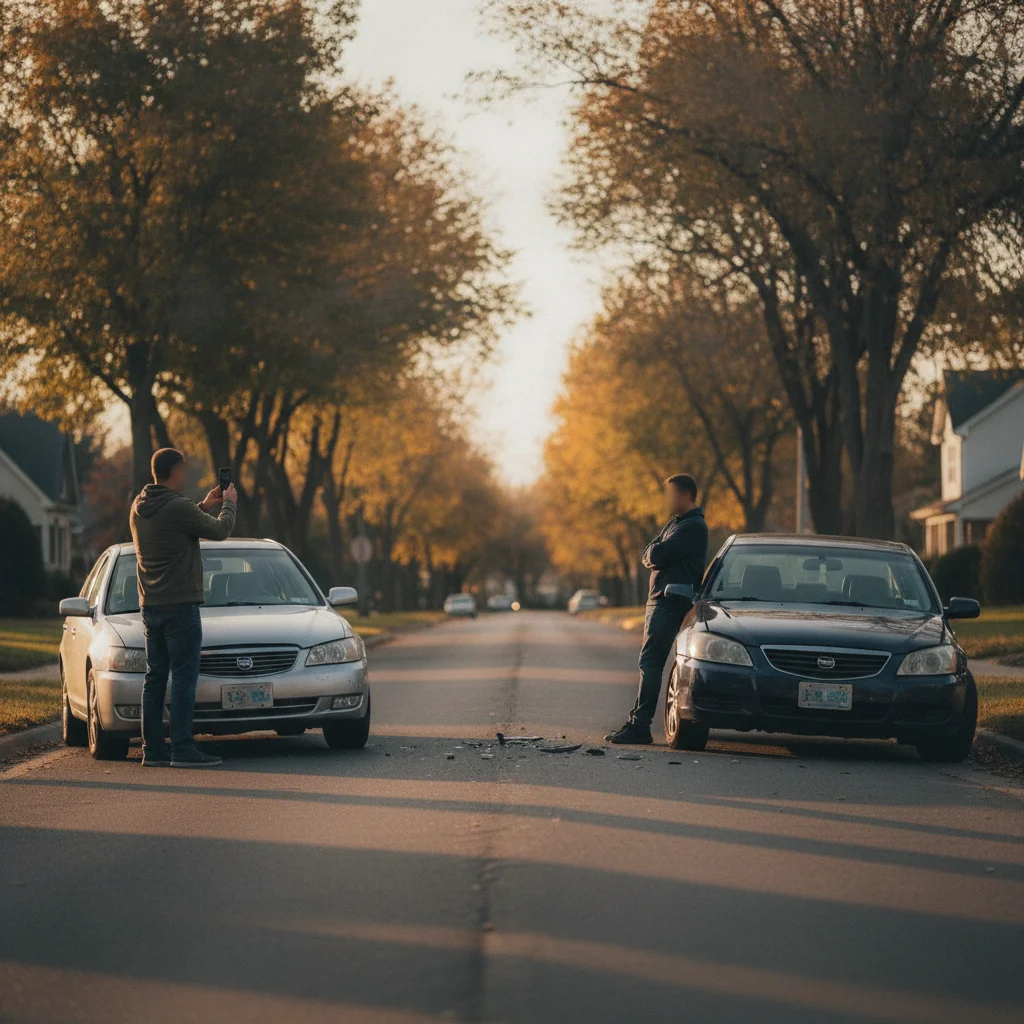
Taking inadequate photos and failing to collect witness information at the scene.
Why it happens: Drivers are often shaken, in a hurry, or focused on the immediate logistics of the situation—calling police, checking on passengers, moving vehicles. Documentation feels secondary when adrenaline is high.
Giving a recorded statement to the other driver's insurance company.
Why it happens: Adjusters from the opposing insurer often contact accident victims quickly and make a recorded statement sound like a routine, mandatory step. Many drivers comply without realizing they have no legal obligation to do so.
Posting about the accident, your injuries, or your recovery on social media.
Why it happens: Social media is habitual. Sharing significant life events—including stressful ones—feels natural. Drivers don't anticipate that insurance adjusters and defense attorneys routinely monitor claimants' public profiles.
Accepting the first settlement offer without understanding your full damages.
Why it happens: Early settlement offers come at a moment when drivers are stressed, dealing with repairs and medical appointments, and eager to put the incident behind them. The offer is presented as fair and final—and many drivers don't realize they can negotiate or wait.
Waiting too long to notify your own insurance company.
Why it happens: Drivers sometimes hesitate to call their insurer because they fear a rate increase or aren't sure they'll file a claim. Others are preoccupied with immediate concerns and simply don't make the call promptly.
Never Move Your Vehicle Before Documenting
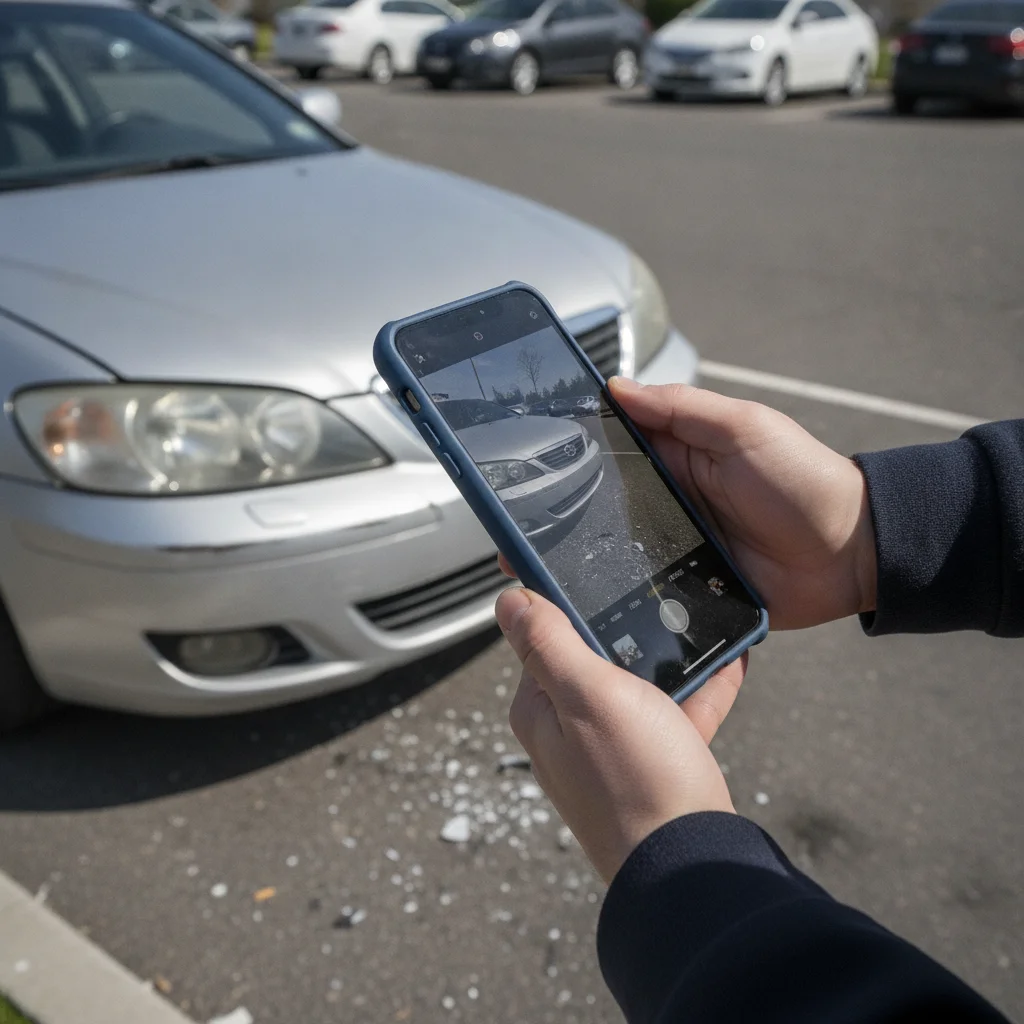
If it is safe to do so, document the scene before moving vehicles. Once cars are moved, critical evidence about point of impact, skid marks, and road position is lost permanently. Only move vehicles when staying put creates a genuine safety hazard—and only after photographing the positions.
Watch What You Say to Your Own Insurer Too
While you must cooperate with your own insurance company, that doesn't mean volunteering information beyond what's asked. Stick to the facts of the incident. Speculating about fault, describing your driving habits, or downplaying injuries can all affect how your claim is evaluated internally.
Statutes of Limitations Are Firm Deadlines
Every state sets a deadline for filing accident-related lawsuits—typically between one and three years from the accident date. Missing that window means permanently forfeiting your right to pursue damages in court, regardless of how strong your case might be. Don't let a slow claims process lull you into inaction.
A note on timing: the mistakes in this list happen across a wide window—some at the scene, some in the days after, some when you're dealing with adjusters weeks later. Each one matters at its own stage.
What You Say at the Scene Can Follow You for Months
Words spoken at the accident scene carry legal and financial weight far beyond the moment. Two mistakes dominate here: admitting fault and giving too much information to the wrong people.
Admitting Fault—Even Informally
"I'm so sorry, I didn't see you" feels like the decent human response. Legally, it's an admission that adjusters and attorneys will document and use. Fault determination is a formal process that accounts for road conditions, traffic signals, witness accounts, and vehicle data. Your on-the-spot apology short-circuits that process.
This is important enough that we've covered it in detail separately—see why you should never admit fault at the scene. The short version: stay polite, exchange information, and let the investigation determine fault.
Oversharing with the Other Driver
Your name, license, registration, and insurance card—that's what you're legally required to share with the other driver. Your medical history, whether you were in a hurry, how distracted you were, your policy limits—none of that. Keep the conversation factual and minimal.
You Do Not Have to Give a Recorded Statement
The other driver's insurance company has no legal authority to compel a recorded statement from you. Their adjuster may imply it's required or that your claim can't proceed without it—this is not true. Politely decline, state that you prefer to communicate in writing, and consult your own insurer or an attorney before saying anything on the record to the opposing carrier.
Never Sign a Release Before Your Injuries Are Fully Assessed
A settlement release is final and binding. Signing before you know the full extent of your injuries—or before treatment is complete—means you absorb any costs that exceed the settlement amount out of pocket. If an insurer is pressuring you to sign quickly, that pressure itself is a signal that the offer is likely insufficient. Take the time you need.
The first 10 minutes after a crash set the tone for everything that follows. Knowing exactly what to say—and what not to—before you're in that situation is the smartest preparation you can do.
Documentation, Medical Care, and Dealing with Adjusters
Once the immediate scene is behind you, a second wave of high-stakes decisions begins. These mistakes tend to be slower-burning—but they're just as damaging.
Skipping or Delaying Medical Evaluation
Adrenaline is a powerful mask. Whiplash, soft-tissue injuries, and even internal trauma routinely present hours or days after the crash. If you wait to see a doctor, the gap between the accident and your first medical visit becomes a weapon for the opposing adjuster—evidence, they'll argue, that you weren't actually hurt.
See a doctor within 24–48 hours regardless of how you feel. Our article on when to get a medical evaluation after a car accident explains exactly why this matters both medically and legally.
Poor Scene Documentation
Photos taken at the scene are your most durable evidence. Skid marks fade, vehicles get repaired, and memories shift. If you're physically able to do so safely, photograph every angle of both vehicles, the full road environment, any visible injuries, traffic signals or signs, and weather conditions. Get the names and contact information of any witnesses before they leave.

Giving a Recorded Statement to the Opposing Insurer
You are not legally required to give a recorded statement to the other driver's insurance company. Full stop. Their adjuster may make it sound routine or mandatory—it isn't. Recorded statements are used to find inconsistencies and limit payouts. Politely decline until you've consulted your own insurer or an attorney.
For a detailed breakdown of what you can and can't be asked, read our guide on talking to the other driver's insurance adjuster.
Accepting the First Settlement Offer
Early settlement offers are typically low. Insurers make them before you know the full scope of your medical expenses, lost wages, or vehicle diminished value. Once you sign a release and accept a settlement, you cannot go back for more—even if repair costs exceed the estimate or your injury turns out to be more serious than initially diagnosed.
If the other party was at fault, you may also be entitled to a diminished value claim for the reduction in your car's market value post-repair. That's separate from repair costs, and most drivers never ask for it.
52%
Claimants who accept the first settlement offer
According to the Insurance Research Council, roughly half of claimants settle their first offer without negotiating, often leaving significant compensation on the table.
72 hrs
Window for whiplash symptoms to fully appear
Medical literature consistently shows soft-tissue injuries from vehicle collisions can take up to 72 hours to manifest, underlining the importance of prompt medical evaluation.
1 in 3
Drivers who don't photograph accident scenes
A survey by the National Safety Council found that approximately one-third of drivers involved in accidents fail to take adequate scene photographs, weakening their evidence base.
Posting About the Accident on Social Media
Anything you post publicly—or semi-publicly—about the accident can be discovered and used as evidence. Photos of you at a sporting event two days after claiming serious injury. A post saying you "walked away fine." Even a casual update about your car. Defense attorneys and adjusters routinely monitor claimants' social profiles. Go dark on this topic until your claim is fully resolved.
Not Reporting Promptly to Your Own Insurer
Most policies require you to report accidents "promptly" or within a specific window. Delays can void coverage obligations. Even if you're unsure whether you'll file a claim, notifying your insurer preserves your options. See our breakdown on reporting an accident without triggering a formal claim for cases where you want to stay informed without immediately opening a claim.
When to Stop Handling It Alone
Most minor accidents can be navigated without legal help. But some situations genuinely call for an attorney—and waiting too long to recognize that is itself a mistake.
Indicators that you should consult a lawyer: injuries requiring ongoing treatment, disputed liability, a commercial vehicle involved, the other driver was uninsured or underinsured, or an adjuster is pressuring you toward a fast resolution. Our guides on when you should hire an attorney after a car accident and when to involve a lawyer in an auto insurance claim both walk through the specific signals in detail.

If your claim is moving slowly, that's also worth addressing proactively. Read about why claims get delayed and how to keep yours moving to understand the most common bottlenecks and what you can do about each one.
And if you haven't yet reviewed whether your current coverage would actually protect you adequately after a crash, underinsuring your car is a critical read before your next policy renewal.
You Do Not Have to Give a Recorded Statement
The other driver's insurance company has no legal authority to compel a recorded statement from you. Their adjuster may imply it's required or that your claim can't proceed without it—this is not true. Politely decline, state that you prefer to communicate in writing, and consult your own insurer or an attorney before saying anything on the record to the opposing carrier.
Never Sign a Release Before Your Injuries Are Fully Assessed
A settlement release is final and binding. Signing before you know the full extent of your injuries—or before treatment is complete—means you absorb any costs that exceed the settlement amount out of pocket. If an insurer is pressuring you to sign quickly, that pressure itself is a signal that the offer is likely insufficient. Take the time you need.
The goal isn't to be adversarial—it's to be informed. Insurance systems are designed to process claims efficiently, not always to your maximum benefit. Understanding the rules means you can advocate for yourself without unnecessary conflict.
Building Better Habits Before the Next Accident
The most effective time to prepare for a crash is before one happens. That means knowing your policy inside out—what coverage you have, what your deductibles are, and what your insurer requires you to do immediately after an incident. It also means having a plan for the scene: a dashcam, a charged phone, and a clear mental checklist.
Speaking of dashcams—footage can instantly resolve disputed liability claims, but only if you handle it correctly. See using a dashcam as evidence after an accident for the right way to preserve and share recordings.
It's also worth reviewing some of the persistent myths that lead drivers to make bad decisions after crashes. Accident myths that drivers still believe covers misconceptions like "minor damage means minor injury" and "you have to give a recorded statement"—beliefs that consistently cost drivers money.
Finally, review the full filing a claim process so you know exactly what to expect once the claim is open. The more familiar you are with the workflow before you're in it, the less likely you are to make a costly misstep under pressure.

All claims are backed by peer-reviewed research. Sources on request.