
Key Takeaways
Post-Accident Medical Evaluation
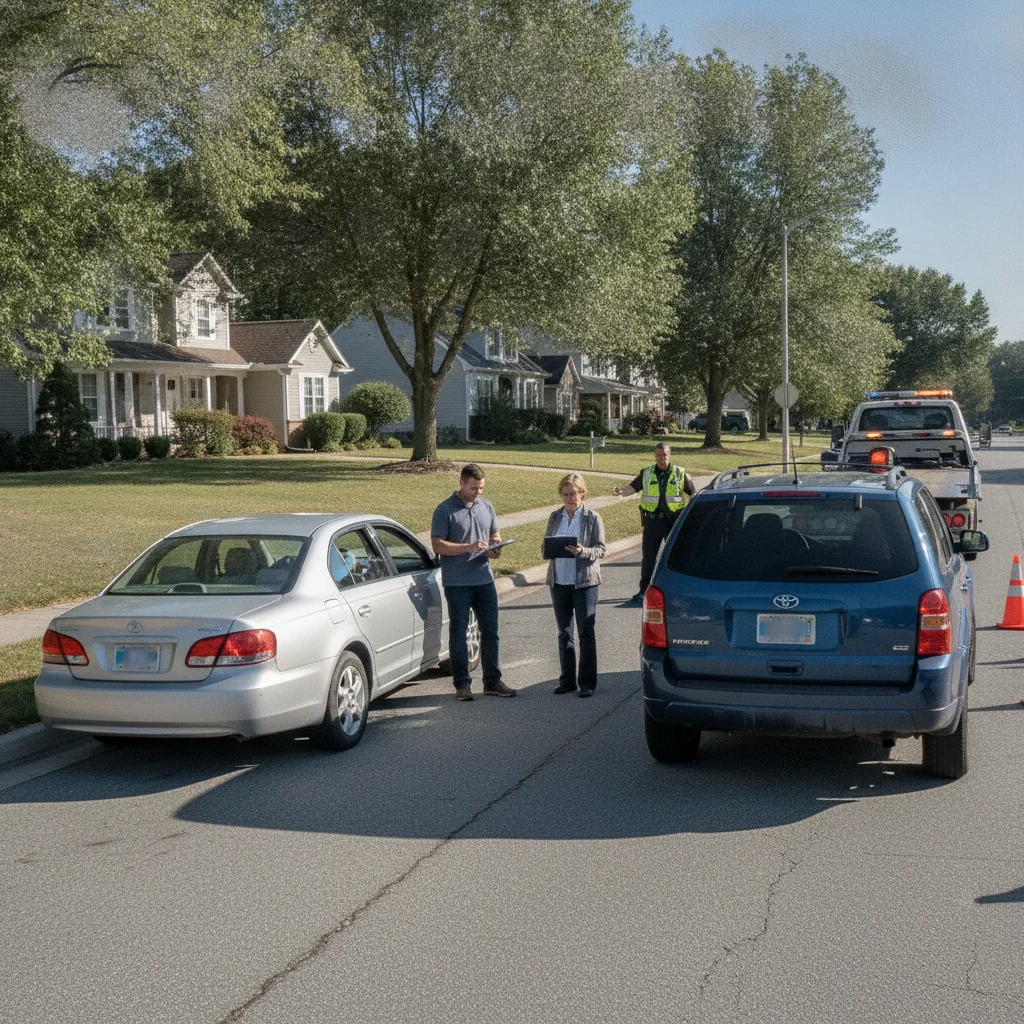
A post-accident medical evaluation is a professional health assessment conducted after a vehicle collision to identify injuries that may not be immediately obvious. Adrenaline and shock can suppress pain signals for hours or even days, meaning you can feel fine and still have a serious injury. A timely evaluation creates a medical record that documents any harm caused by the crash—critical evidence for both insurance claims and legal action.
In personal injury law, a gap in medical treatment following an accident is commonly used by insurers and defense attorneys to argue that the plaintiff's injuries were not caused by the collision or were not serious enough to warrant compensation.
Why 'Feeling Fine' After a Crash Is Unreliable
The moment your car takes impact, your body floods with adrenaline and cortisol. These stress hormones are survival tools—they sharpen your focus, accelerate your heart rate, and suppress pain. That's great for getting you out of a dangerous situation. It's terrible for accurately assessing whether you've been hurt.
This neurochemical response is why people walk away from serious collisions feeling shaken but otherwise okay, only to wake up the next morning unable to turn their neck. It's not weakness or exaggeration. It's basic physiology.
Beyond the hormonal mask, some of the most consequential accident injuries have delayed symptom onset by design:
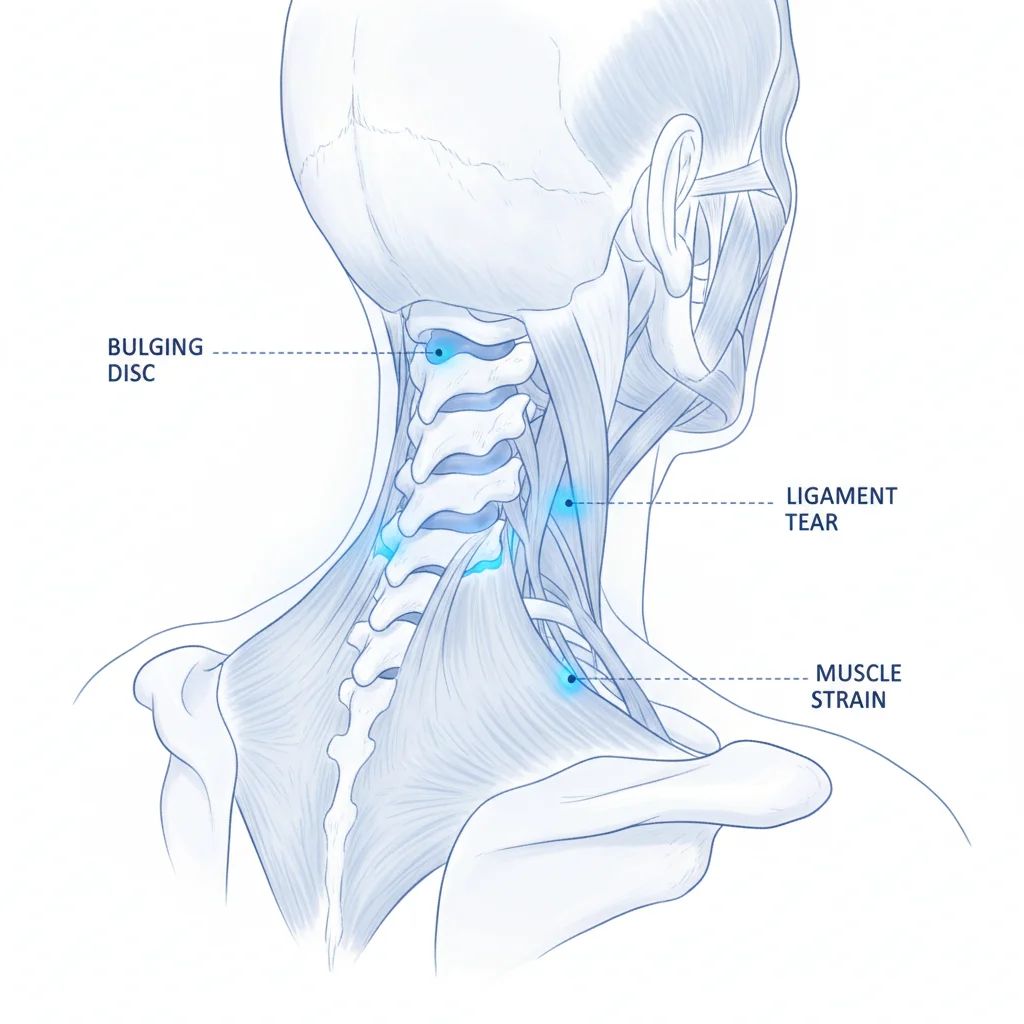
- Whiplash: The soft tissue in your neck and upper back may not produce significant pain until inflammation peaks—often 24 to 48 hours post-crash.
- Traumatic Brain Injury (TBI) and concussion: Headaches, confusion, and cognitive symptoms can appear gradually over days, especially in mild cases.
- Internal bleeding: Organ damage from seatbelt compression or steering wheel impact can be life-threatening and may not cause visible symptoms for hours.
- Herniated discs: Spinal disc injuries may take days or weeks to produce the nerve pain, numbness, or weakness that signals a problem.
The critical point: feeling fine right after an accident tells you very little about your actual medical status. A trained clinician with imaging equipment can see what your pain receptors can't tell you yet.
Before anything else, review what to do in the first 10 minutes after a crash—getting medical attention is part of that checklist, not an afterthought.
The Legal and Financial Stakes of Skipping a Medical Visit
Here's the part most drivers don't fully understand until they're filing a claim: your medical record is your evidence. If you don't see a doctor, you have no documented link between the accident and your injuries. Insurers know this, and they use it.
~3 days
Average delay before whiplash symptoms peak
Research published in spine and trauma journals consistently shows soft-tissue injury inflammation and pain peak 24 to 72 hours after the precipitating event.
50%+
Accident injury claims disputed by insurers
Industry data suggests a majority of bodily injury claims face some level of dispute, with delayed treatment being one of the most commonly cited justifications for reduced settlements.
2–3 years
Typical personal injury statute of limitations
Most U.S. states allow two to three years from the accident date to file a personal injury lawsuit, but insurance policy deadlines are often much shorter.
$1,500–$10,000
Average whiplash treatment cost range
According to insurance industry reports, whiplash claims—the most common car accident injury—range widely depending on severity and duration of treatment required.
Insurance adjusters are trained to look for gaps in medical treatment. A gap of even a few days—let alone weeks—gives them a powerful argument: "If you were really hurt, why didn't you go to the doctor?" That question can shift the settlement offer from fair to insulting, or result in an outright denial.
From a legal standpoint, the same gap weakens any personal injury lawsuit. Defense attorneys routinely use delayed treatment as evidence that injuries were minor, pre-existing, or unrelated to the accident in question. Juries find this argument compelling because it's intuitive: serious injuries prompt immediate medical attention.
“The absence of immediate pain after a car accident should never be interpreted as the absence of injury. The physiological response to trauma is specifically designed to mask pain in the short term—and that delay is precisely what makes prompt medical evaluation so critical, both for health outcomes and for legal documentation.”
— Lawrence S. Nordhoff Jr., DC, DACBR, author of 'Motor Vehicle Collision Injuries'
The timeline matters too. Most states have statutes of limitations for personal injury claims starting at the accident date—typically two to three years—but insurance policies often have their own internal deadlines for reporting injuries and submitting medical documentation. Missing these deadlines can forfeit your right to compensation entirely.
If you're uncertain whether your situation warrants an attorney in addition to a doctor, see when to hire an attorney after a car accident for a clear breakdown of the warning signs.
What a Post-Accident Evaluation Actually Involves
Many people avoid going to a doctor after a minor accident because they picture hours in an emergency room. In practice, your evaluation options are much more flexible—and a lot of them are faster than you'd expect.
Where to Go
- Emergency room: Appropriate if you have any immediate symptoms—head pain, dizziness, difficulty breathing, visible injury, or suspected internal trauma. Don't downplay symptoms to avoid the ER.
- Urgent care clinic: A practical choice for same-day evaluation when you feel okay but want documentation. Faster and less expensive than an ER for non-emergency presentations.
- Primary care physician: If you can get an appointment within 24 to 48 hours, this works well. Your doctor knows your baseline health, which helps identify new problems.
What They'll Assess
A standard post-accident evaluation typically includes:
- A full physical examination, with attention to your neck, spine, head, and abdomen
- Neurological screening for concussion symptoms
- Imaging referrals (X-ray, CT scan, or MRI) if structural damage is suspected
- Documentation of all reported symptoms and mechanism of injury

Tell Your Doctor Exactly How the Crash Happened
Don't just say 'I was in a car accident.' Describe the direction of impact, your seating position, whether your head struck anything, and whether airbags deployed. This context helps the physician identify which injury patterns to screen for and creates a richer medical record that's harder for insurers to challenge.
Keep Every Follow-Up Appointment
Skipping physical therapy sessions or ignoring specialist referrals creates the same documentation problem as never seeing a doctor. Insurers track treatment compliance and use gaps against you. If cost or scheduling is a barrier, tell your doctor—there are often alternatives they can arrange to keep your treatment record continuous.
That last point—mechanism of injury—is important. Tell your doctor exactly what happened: the direction of impact, whether you hit your head, whether the airbag deployed, whether you were wearing a seatbelt and felt it lock. This context helps clinicians identify which injuries to screen for and strengthens the causal link in your medical record.
Once your evaluation is complete and a claim is filed, you'll want to understand the process that follows. Our guide on what to expect after filing an accident claim walks through adjuster contact, inspections, and resolution timelines.
Injuries That Commonly Surface After a Delay
Understanding which injuries are notorious for delayed onset helps you take the right warning signs seriously in the days following your accident.
Watch for These Symptoms in the Days After a Crash
| Symptom | Possible Cause | Action |
|---|---|---|
| Neck stiffness or pain | Whiplash, cervical strain | See a doctor within 24 hours |
| Headache, especially worsening | Concussion, TBI, intracranial bleeding | Seek emergency care immediately |
| Abdominal pain or swelling | Internal bleeding, organ injury | Emergency room, do not wait |
| Numbness or tingling in limbs | Herniated disc, nerve damage | Urgent care or ER same day |
| Dizziness or blurred vision | Concussion, vestibular disruption | Seek evaluation immediately |
| Mood changes, difficulty concentrating | Post-concussion syndrome, PTSD | Primary care physician within 48 hours |
Children and Seniors Need Extra Caution
Both children and elderly adults are more susceptible to serious injury from impacts that might leave a healthy adult without significant harm. Children may lack the vocabulary to describe symptoms accurately, while older adults may attribute new pain to existing conditions. When in doubt, always err toward evaluation for these passengers—even after very minor collisions.
Subrogation: When Your Health Insurer Wants Repayment
If your health insurance pays for accident-related care and you later receive a settlement from the at-fault driver's insurer, your health plan may have the right to recover what it paid—a legal process called subrogation. This doesn't mean you shouldn't use your health insurance; it means you should inform your attorney about all coverage that applied so they can account for it in settlement negotiations.
Children and older adults deserve special mention. Both populations are more vulnerable to serious injury from impacts that would leave a healthy adult unscathed, and both may have difficulty articulating or recognizing symptoms. If you had a minor or elderly passenger in the vehicle, err heavily on the side of getting them evaluated regardless of how they report feeling.
How to Document Your Evaluation for Your Insurance Claim
Getting evaluated is step one. Making sure that evaluation is usable for your claim requires a bit of deliberate documentation on your part.
At the Appointment
- Describe every symptom you have, no matter how minor it seems. Don't self-edit. A tight shoulder that you dismiss as tension could be a rotator cuff injury.
- Mention the accident explicitly. Your doctor needs to document it as the cause of your visit—not a coincidental one.
- Ask for copies of all records, imaging results, and referral notes before you leave or shortly after.
After the Appointment
- Keep a pain and symptom journal. Daily notes on your pain levels, limitations, and how your condition affects work or daily life are powerful supporting evidence.
- Follow all treatment recommendations. Refusing physical therapy or skipping follow-up appointments creates the same documentation gap as never seeing a doctor in the first place.
- Submit medical records to your insurer promptly and keep copies of everything you send.
Tell Your Doctor Exactly How the Crash Happened
Don't just say 'I was in a car accident.' Describe the direction of impact, your seating position, whether your head struck anything, and whether airbags deployed. This context helps the physician identify which injury patterns to screen for and creates a richer medical record that's harder for insurers to challenge.
Keep Every Follow-Up Appointment
Skipping physical therapy sessions or ignoring specialist referrals creates the same documentation problem as never seeing a doctor. Insurers track treatment compliance and use gaps against you. If cost or scheduling is a barrier, tell your doctor—there are often alternatives they can arrange to keep your treatment record continuous.
One common mistake drivers make is assuming that because they felt fine initially, they shouldn't bother documenting anything. This becomes a serious problem if symptoms emerge later. See the full breakdown of mistakes that hurt accident claims to avoid undermining your own case.
Also, before your medical appointment, make sure you've already gathered the other driver's insurance information. If you haven't yet, here's everything you need to collect at the scene.
Understanding PIP, MedPay, and Who Pays Your Medical Bills
One of the biggest barriers to seeking post-accident care is uncertainty about who pays the bill. The answer depends on your state and your policy, but you likely have more coverage than you realize.
Personal Injury Protection (PIP)
In no-fault states, PIP coverage pays for your medical expenses regardless of who caused the accident. PIP typically covers emergency care, follow-up visits, physical therapy, and even lost wages up to your policy limits. Limits vary widely—from $2,500 to $100,000 or more depending on your state and the coverage level you selected.
Medical Payments Coverage (MedPay)
Available in most states as an optional add-on, MedPay functions similarly to PIP but without the income-replacement component. It pays medical bills for you and your passengers, up to your coverage limit, and typically applies without a deductible.
The At-Fault Driver's Liability Coverage
If the other driver caused the accident, their bodily injury liability insurance is ultimately responsible for your medical costs. However, that payout comes after a claims process that takes time. Your PIP or MedPay pays first, allowing you to get care immediately without waiting for fault to be resolved.
Your Health Insurance
Your standard health insurance will cover accident-related care, though your insurer may seek reimbursement from any auto insurance settlement you receive—a process called subrogation. Don't let fear of complexity stop you from using your health coverage to get care now.
Children and Seniors Need Extra Caution
Both children and elderly adults are more susceptible to serious injury from impacts that might leave a healthy adult without significant harm. Children may lack the vocabulary to describe symptoms accurately, while older adults may attribute new pain to existing conditions. When in doubt, always err toward evaluation for these passengers—even after very minor collisions.
Subrogation: When Your Health Insurer Wants Repayment
If your health insurance pays for accident-related care and you later receive a settlement from the at-fault driver's insurer, your health plan may have the right to recover what it paid—a legal process called subrogation. This doesn't mean you shouldn't use your health insurance; it means you should inform your attorney about all coverage that applied so they can account for it in settlement negotiations.

All claims are backed by peer-reviewed research. Sources on request.