
Key Takeaways
Why Notification and Filing Are Two Different Things
Most drivers don't realize they have a middle option. After an accident, the conventional mental model goes: either handle it quietly out of pocket, or call your insurer and open a claim. But there's a third path — notification without claim initiation — and for minor incidents, it's often the smartest move available to you.
A notification is simply telling your insurer that an incident occurred. You're creating a record without asking the insurer to pay anything. A claim, by contrast, is a formal request for the insurer to cover damages under your policy. Claims trigger adjusters, inspections, coverage decisions, and — if you're found at fault — can affect your premium at renewal.
The reason this distinction matters so much is timing. You often don't know within the first hour whether an incident will turn into something serious. A rear bumper scrape might turn out to be $200 of paint work. Or the other driver might call you three days later saying their back hurts. Notifying your insurer early without filing keeps you protected in both scenarios — without prematurely locking in a claims record.
Your policy's notification clause is what makes this approach viable. Most standard auto policies require you to report incidents promptly — not necessarily to file a claim, but to notify. Understanding how long you have to report an accident to your insurance company is essential because 'prompt' varies by insurer and state, and waiting too long can forfeit your right to coverage entirely.
It's also worth reading common mistakes drivers make after an accident that hurt their claims before you make any decisions. The errors that weaken claims most often happen in the first few hours after an accident — before most people have even thought about their insurer.
Notification Is Not the Same as Filing a Claim
Many drivers assume that calling their insurer automatically opens a formal claim — it does not. A notification is simply informing your insurer that an incident occurred. A claim is a formal request for the insurer to pay for damages. You control when and whether to escalate from one to the other, and understanding that distinction is the entire foundation of this process.
Don't Wait Too Long to Notify Your Insurer
Most policies include a 'prompt notice' requirement, meaning you must report incidents within a reasonable timeframe even if you don't plan to file. Waiting weeks can void your ability to open a claim later if the situation changes. See <a href="/maintenance-and-ownership/safety-legal/accident-procedures/how-long-you-have-to-report-an-accident-to-your-insurance-company">how reporting deadlines work</a> to understand exactly how much time you realistically have.
When Notification Without Filing Makes the Most Sense
Not every incident warrants a formal claim, and filing when you don't need to can cost you more in premium increases than you'd recover in payout. Here are the situations where notification-only contact is generally the right call:
The Damage Is Minor and Clearly Below Your Deductible
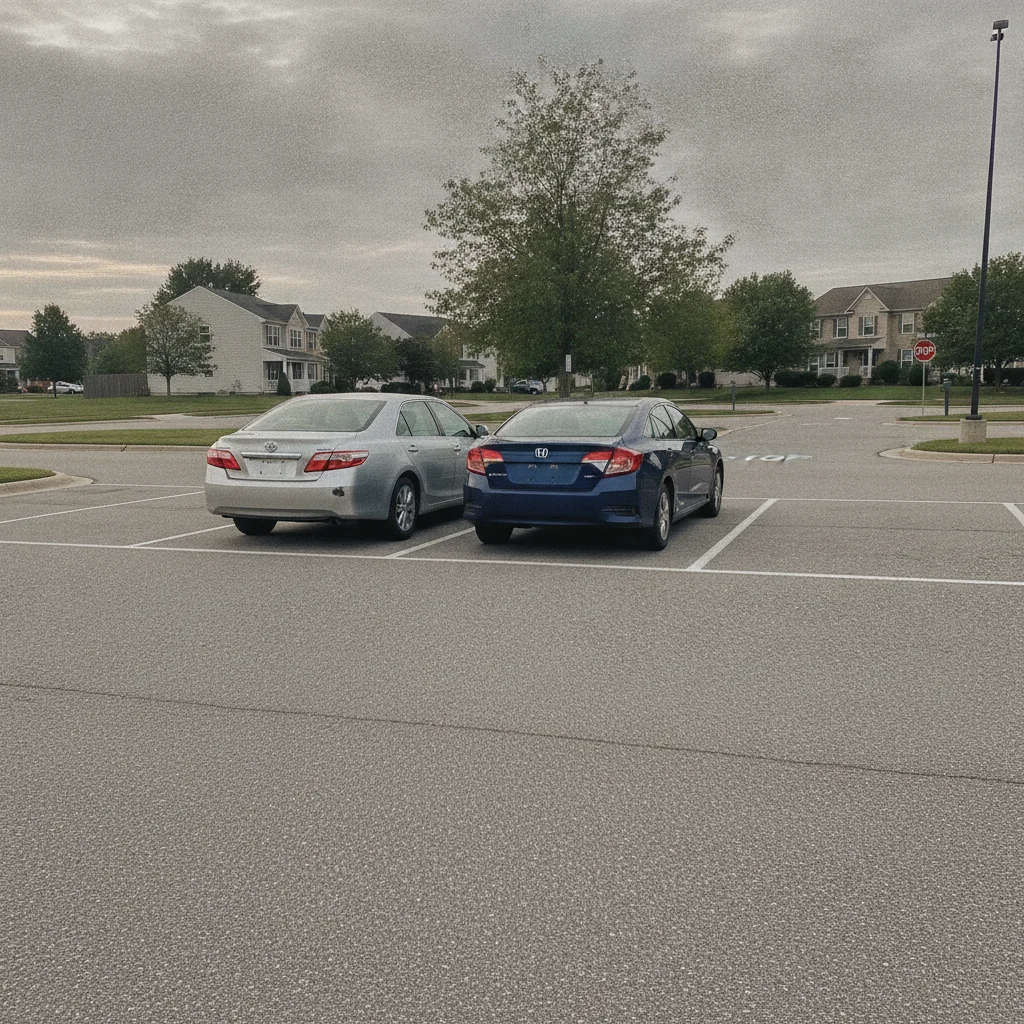
If you tapped another car at a parking lot speed and the visible damage is a small scuff, your deductible is almost certainly higher than the repair cost. Filing a claim would mean your insurer pays nothing — but the claim itself still goes on your record and can affect your rate. In this scenario, notify informally, get an estimate, and pay out of pocket if the numbers confirm it.
You're Not Sure Whether the Other Driver Will File
Sometimes the other driver says at the scene, "It's fine, don't worry about it" — and then files a claim a week later. By notifying your insurer the same day, you've already established your account of events before any competing narrative arrives. This is one of the most underrated reasons to make the call even when you think nothing will come of it.
No Injuries Were Reported at the Scene
Absence of immediate injury complaints is reassuring but not definitive. Soft tissue injuries can surface 48–72 hours later. A same-day notification locks in a contemporaneous record of the accident before any injury claims emerge.
You Want Time to Think Before Committing to a Claim
You're not required to decide instantly whether to file. Notifying your insurer buys you time to assess repair costs, monitor your physical condition, and consult with the other driver's insurer — without the clock running out on your reporting obligation.
Your Insurance Card
Provides your policy number and the insurer's claims/notification phone number needed to make contact.
Smartphone with Camera
Used to photograph damage, the scene, and the other driver's insurance and license information.
Insurer's Mobile App
Allows you to log an informal incident notification digitally with timestamps and photo uploads.
Notepad or Notes App
Used to record the representative's name, the date of your call, and key details discussed during the notification.
Police Report Number
Provides an official reference number your insurer can use to pull a neutral third-party account of the incident.
It's equally important to know when notification-only is not sufficient. If anyone reported injury at the scene, if airbags deployed, if your vehicle is undrivable, or if you're unsure about the other driver's insurance coverage, you should move directly to a formal claim. In those situations, the stakes are too high for a wait-and-see approach. Review how a liability claim moves from accident scene to settlement to understand what that process looks like. Also confirm whether a police report is appropriate — filing a police report after an accident walks through when it's legally required and when it simply strengthens your position.
Skipping Notification Entirely Is a Mistake
Some drivers decide to handle a fender-bender out of pocket and never contact their insurer at all. This can backfire badly. If the other driver later claims injuries or files a claim weeks after the accident, your insurer may deny coverage because you violated the prompt-notice clause in your policy. A quick informal notification costs you nothing and protects you from that scenario.
Avoid Admitting Fault During Your Call
When you notify your insurer, stick to factual descriptions of what happened — where, when, and what vehicles were involved. Avoid speculating about who was at fault or making apologetic statements. Insurers are listening carefully, and anything construed as an admission of fault can complicate your position if a formal claim is opened later. Review <a href="/car-insurance/claims-and-policies/filing-a-claim/what-a-recorded-statement-to-your-insurer-actually-means">what a recorded statement to your insurer actually means</a> before you speak on the record.
Step-by-Step: How to Notify Without Filing
What you will need
Secure the Scene and Gather Information
Before you think about your insurer, focus on safety and documentation. Move vehicles out of traffic if it's safe to do so, turn on hazard lights, and check that everyone involved is uninjured. Then collect the following from the other driver:
- Full name and phone number
- Driver's license number and state
- License plate number
- Insurance company name and policy number
- Vehicle make, model, and year
Take clear photos of all vehicles involved, any visible damage, skid marks, road signs, and the wider intersection or road layout. This documentation is the foundation of everything that follows — whether you eventually file or not.
Decide Whether to Notify, File, or Wait
This is the decision point that most drivers skip past, and it's worth pausing here. Ask yourself three questions:
- Is anyone injured? If yes, file a formal claim immediately. Medical costs escalate unpredictably, and informal handling is not appropriate when injuries are involved.
- How much visible damage exists? If repair estimates could realistically exceed your deductible — typically $500–$1,500 — a claim likely makes financial sense. If damage is cosmetic and clearly under your deductible, paying out of pocket and notifying informally may be the smarter move.
- Who was at fault? If the other driver was clearly at fault and has insurance, you may file directly against their policy without touching yours at all. See filing directly with your insurer vs. going through the at-fault driver's policy for a full breakdown of those trade-offs.
If you land in the gray area — minor damage, no injuries, unclear fault — an informal notification is almost always the right starting move. It protects you without committing you.
Contact Your Insurer Using the Right Channel
Call the customer service or non-emergency notification line — not the 24/7 claims hotline, which is designed to initiate formal claims. Many insurers have separate lines or app features specifically for reporting incidents informally. Check your policy documents or insurer's website to confirm which number or portal to use.
When you get through, open with a clear statement: "I'd like to report an incident for informational purposes only — I'm not filing a claim at this time." This language signals your intent and prompts the representative to log the contact appropriately rather than routing you into the formal claims workflow.
[in_content_images:0]Provide a Factual, Neutral Account of the Incident
When describing what happened, stick strictly to verifiable facts. A solid notification statement covers:
- Date, time, and location of the incident
- Road and weather conditions at the time
- The direction you were traveling and what you were doing immediately before impact
- The other vehicle's position and movement
- What physical contact occurred between vehicles
- Whether anyone reported pain or requested medical attention
Do not speculate about fault, use apologetic language like "I should have braked sooner," or estimate repair costs aloud. Keep it to observable facts. Avoid framing that assigns blame to either party — your insurer's investigators will determine that later if a claim is opened.
For a deeper look at how recorded conversations with your insurer are used, see what a recorded statement to your insurer actually means.
Ask for a Reference Number and Confirm What Was Logged
Before ending the call or closing the app session, confirm two things:
- Request a reference or incident number. This proves the notification happened and gives both you and your insurer a way to pull up the record instantly if needed later.
- Ask the representative to read back what was logged. Verify that the incident is categorized as a notification or inquiry — not as an open claim. Errors happen, and catching a miscategorization now is far easier than correcting it after the fact.
Write down the representative's name, the call date and time, and the reference number in your personal incident log. Store it alongside your photos and the other driver's information.
Monitor the Situation Before Deciding to File
Once you've notified your insurer, give yourself a few days to assess the full picture before deciding whether to file formally. During this window:
- Get a repair estimate from a reputable body shop so you know actual costs versus your deductible
- Watch for any communication from the other driver or their insurer
- Monitor your own physical condition — some soft tissue injuries don't present symptoms for 24–72 hours
- Check whether the other driver's insurer contacts you, which may indicate they've already filed on their end
If the other driver files a claim and your insurer is contacted, your notification record means they already have your account on file. That's exactly why you made the call in the first place.
If you determine that filing a formal claim is the right move, filing a liability claim from accident scene to settlement walks you through every stage of that process.
What Happens After You Notify — and What to Watch For
Once you've made your notification, the file sits in your insurer's system in a pending or informational status. This is not a claim. No adjuster is assigned. No coverage decision is made. But the record exists, and that's the point.
If You Decide Not to File
You simply don't follow up with a formal claim request. The notification will typically age out of active status after a period determined by your insurer — often 30 to 90 days. Some insurers will close it automatically; others may send a letter asking if you want to proceed. You can simply decline. In most cases, an informational notification that doesn't convert to a claim has no effect on your premium.
If the Other Driver Files Against Your Policy
Your insurer will contact you. At this point, your prior notification is invaluable — you already have a timestamped, contemporaneous record on file. This is when your insurer may request a formal recorded statement. Approach that conversation carefully; what a recorded statement to your insurer actually means explains how those recordings are used and how to handle them thoughtfully.
If You Decide to File After All
Simply call your insurer and reference your notification record number, then indicate you'd like to convert it to a formal claim. The documentation you gathered at the scene and the incident record your insurer already has will give your claim a solid foundation from the start. If you're weighing whether to file through your own policy or the at-fault driver's insurer, filing directly with your insurer vs. going through the at-fault driver's policy lays out the real trade-offs clearly.

Use the App or Online Portal When Possible
Many major insurers now offer apps or online portals where you can log an incident informally without speaking to a live agent. This creates a timestamped record while reducing the chance of an off-the-cuff comment being misread. It also lets you upload photos directly to your file at the time of the notification.
Get the Other Driver's Info Even for Minor Bumps
Even if you're confident damage is trivial, always exchange insurance cards, license plate numbers, and contact information. People sometimes feel fine at the scene and report neck or back pain days later. Having complete information means you won't be scrambling for details if a claim surfaces unexpectedly.
Keep a Personal Incident Log
After any notification call, write down the date and time you called, the name of the representative you spoke with, and what you said. This log is not for your insurer — it's for you. If there's ever a dispute about when or what you reported, your contemporaneous notes carry real weight.
The bottom line is this: a notification call takes about fifteen minutes and carries essentially no downside. It preserves your options, protects you from late-emerging claims, and ensures your insurer has your account of events before anyone else's version of the story arrives. That's a low-effort move with a high-value payoff — which is exactly the kind of quiet, practical step that experienced drivers take as a matter of habit. For a broader view of your responsibilities after any accident, the accident procedures hub covers everything from the immediate scene through final resolution.

All claims are backed by peer-reviewed research. Sources on request.