Key Takeaways
Why the First 10 Minutes Matter More Than You Think
Most drivers go their entire lives without a serious crash. So when one happens, panic is natural — and panic leads to mistakes. The decisions you make in the first ten minutes after a collision can directly affect your insurance payout, your legal liability, and whether you walk away with a clean record or a complicated legal mess.
This isn't about being cynical. It's about being prepared. Insurance adjusters, attorneys, and courts all piece together what happened based on evidence collected at the scene — or not collected. Witnesses leave. Skid marks fade. Memories get fuzzy. What you do (and don't do) right now shapes every conversation that comes after.
For a fuller picture of the entire process — from the moment of impact through the final insurance settlement — see our complete accident walkthrough. This guide zeroes in on those critical first minutes.
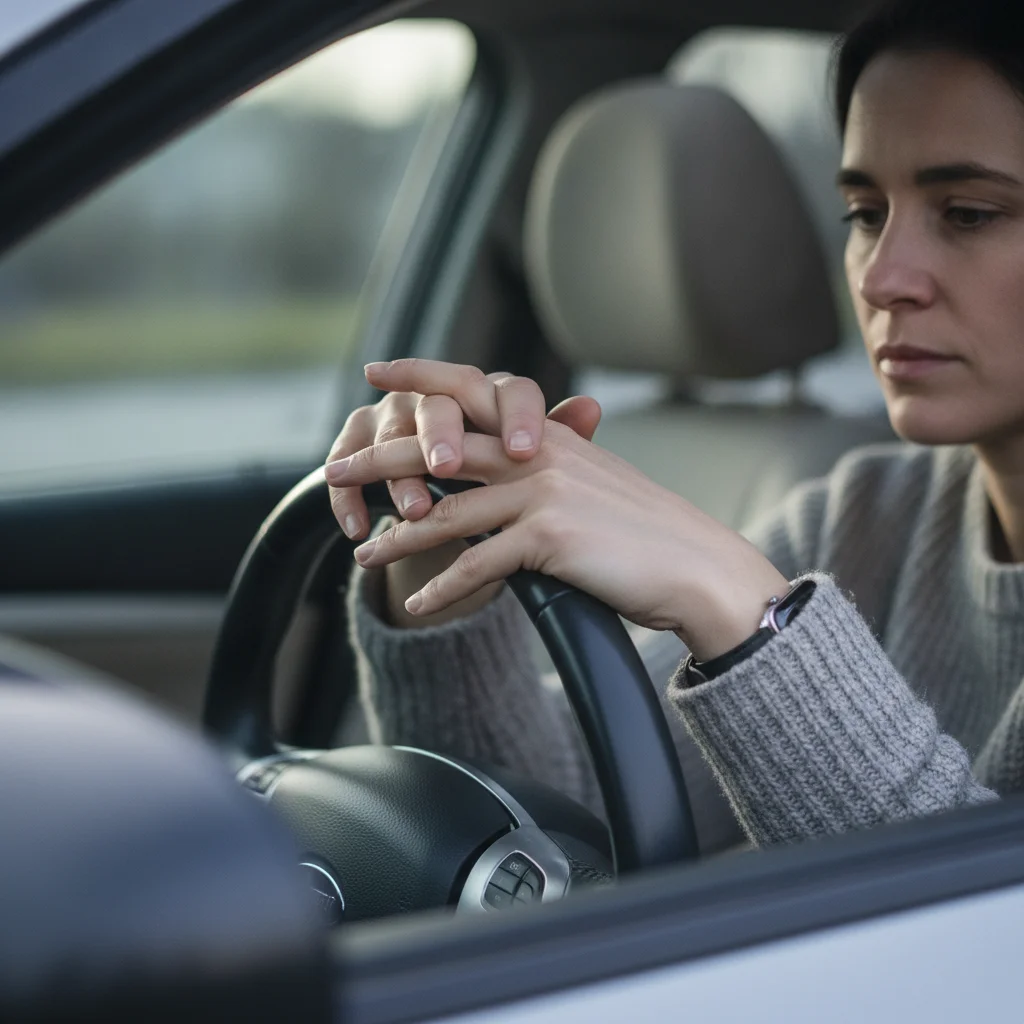
Below is a step-by-step sequence designed to keep you safe, legally protected, and in control — even when everything feels chaotic.
What you will need
What to Do: The Step-by-Step Sequence
Follow these steps in order. The sequence matters — safety before documentation, facts before assumptions.
Smartphone with camera
Used to photograph vehicle damage, road conditions, license plates, and the accident scene before anything moves.
Pen and notepad (or notes app)
Used to record driver information, witness contacts, and officer details accurately at the scene.
Insurance ID card
Required to exchange insurance information with the other driver — keep a physical copy in your glove box.
Emergency triangle or road flares
Used to warn oncoming traffic of your stopped vehicle, especially in low-visibility or high-speed-limit areas.
First aid kit
Used to provide basic care for minor injuries while waiting for emergency services.
Check Yourself and Passengers for Injuries
Before you move, breathe. Do a quick physical check: Can you move your limbs? Do you feel pain in your neck, back, or head? Check every passenger in your vehicle the same way. Do not attempt to move anyone who complains of neck or back pain — spinal injuries can be made significantly worse by movement.
If anyone is unconscious, bleeding heavily, or unresponsive, call 911 immediately and do not move them.
Move to Safety and Activate Hazard Lights
If your vehicle is drivable and you're not on a highway with high-speed traffic, move it to the shoulder or a nearby parking lot. Turn on your hazard lights immediately — this is your legal obligation in nearly every state and dramatically reduces the risk of a secondary collision.
If the vehicle cannot be moved, get yourself and all passengers away from the roadway and behind a barrier if possible. A stopped vehicle on an active lane is a serious secondary crash risk.
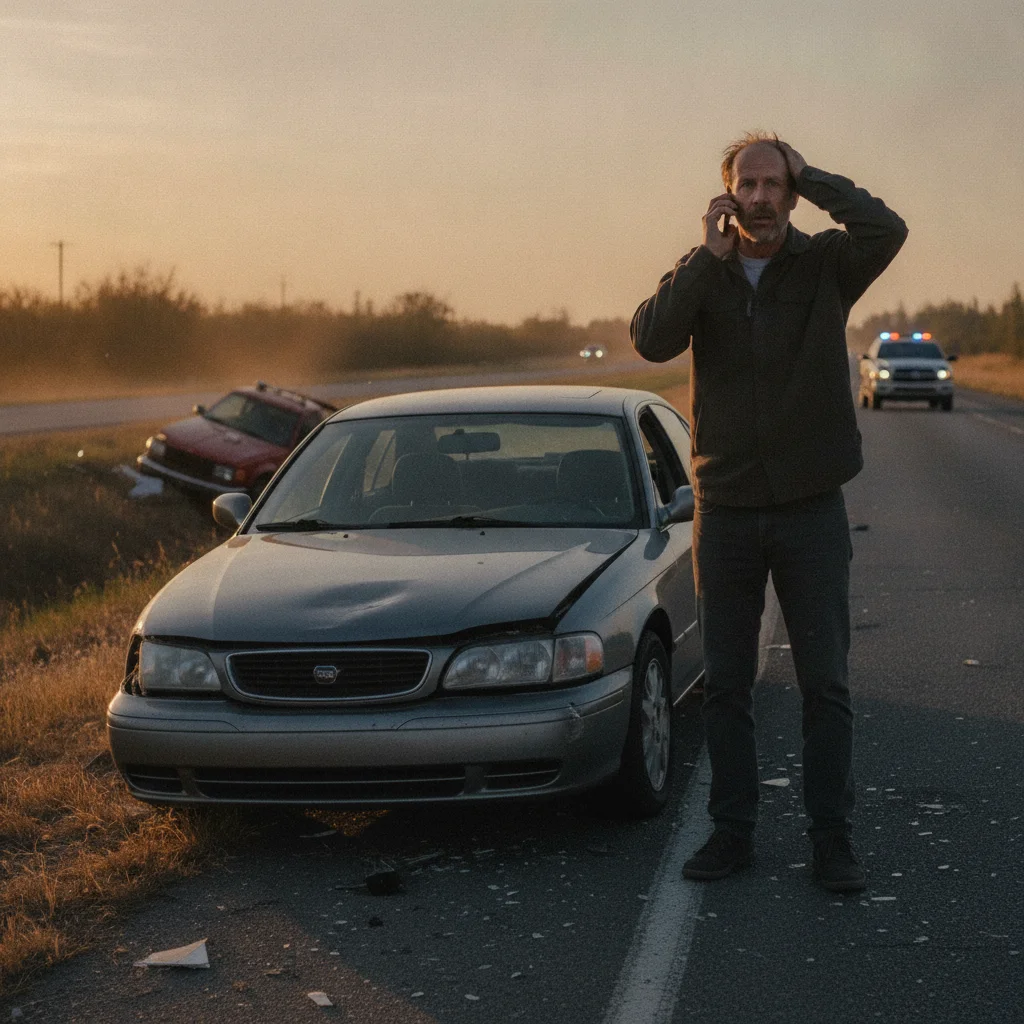
Call 911
Call emergency services even if the accident looks minor. Report your location as precisely as possible — intersection names, mile markers, or a landmark. Let the dispatcher determine whether to send police, medical, or both. Do not assume you can resolve a minor fender-bender without police involvement.
Many states legally require you to report accidents above a certain damage or injury threshold. A police report also provides an independent record that becomes critical if the other driver later changes their account of events.
Exchange Information with the Other Driver
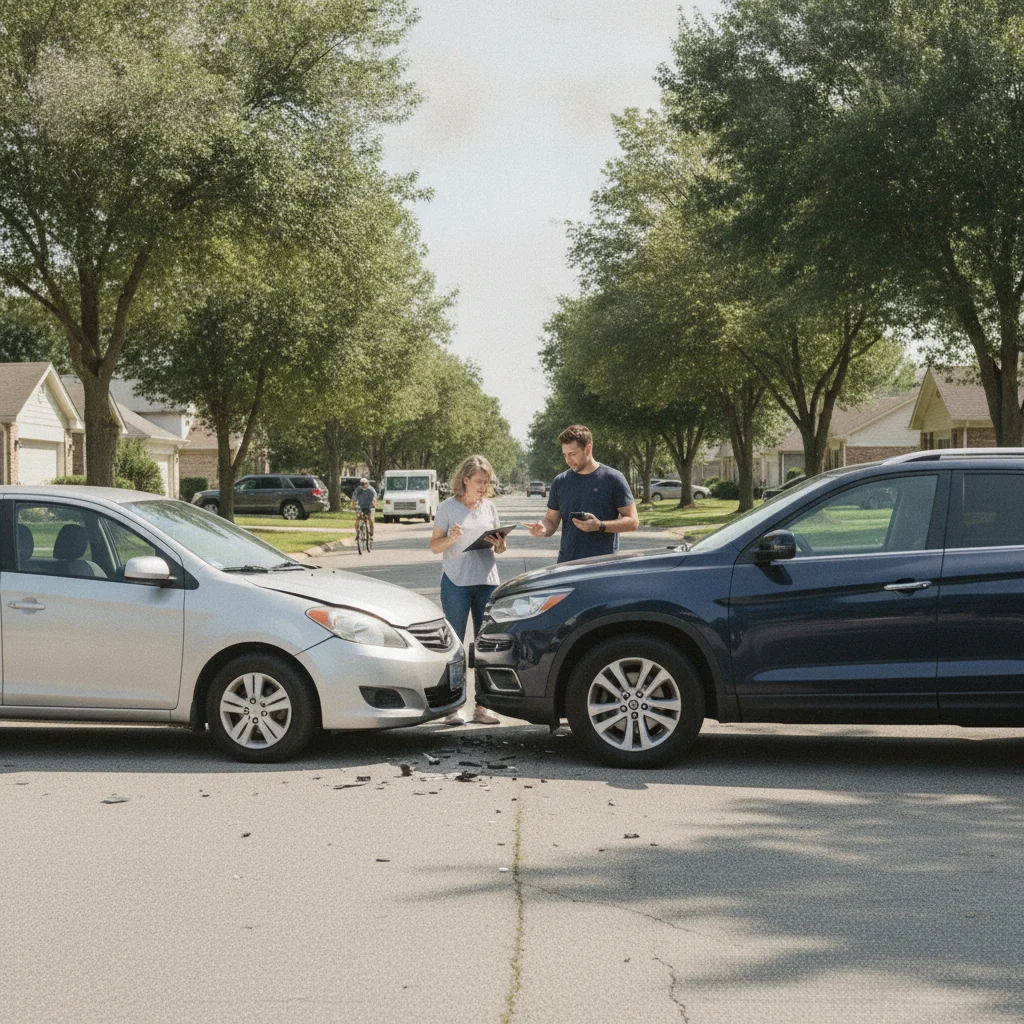
Approach the exchange calmly and stick strictly to the facts. Collect and provide the following:
- Full name and contact number
- Driver's license number and state
- Vehicle make, model, year, and license plate
- Insurance company name and policy number
Do not discuss fault. Do not apologize. Keep the exchange brief and professional. For a complete reference list of every data point you should collect, see our detailed guide on what information to exchange after a car accident.
Document the Scene Thoroughly
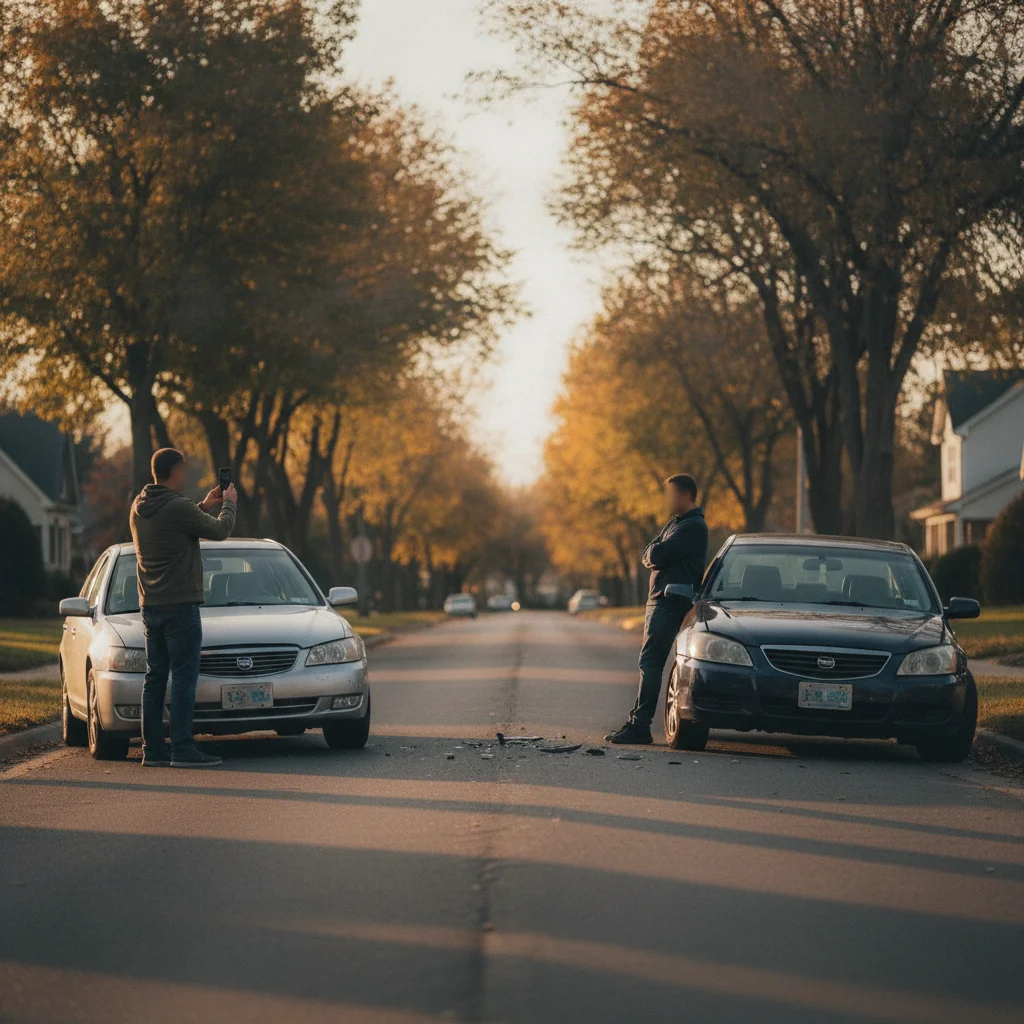
Before any vehicle moves, take photos. Cover all of the following:
- All vehicle damage — yours and theirs — from multiple angles
- License plates of all vehicles involved
- The overall scene, including lane positions and road conditions
- Skid marks, debris, and any traffic signs or signals relevant to the crash
- Any visible injuries (with permission where required)
- Time and date stamp in your photos if possible
If there's a dashcam in your vehicle, note the footage — do not overwrite or reset it. This recording can be decisive evidence.
Identify and Speak with Witnesses
Witnesses leave fast. Before you do anything else conversational, scan the scene for bystanders who saw the crash and ask for their name and phone number. You do not need a written statement right now — contact information is enough. Your insurer or attorney can follow up later.
Witnesses who were in other vehicles, pedestrians, or people in nearby businesses can all provide independent accounts that support your version of events.
Speak with the Responding Officer
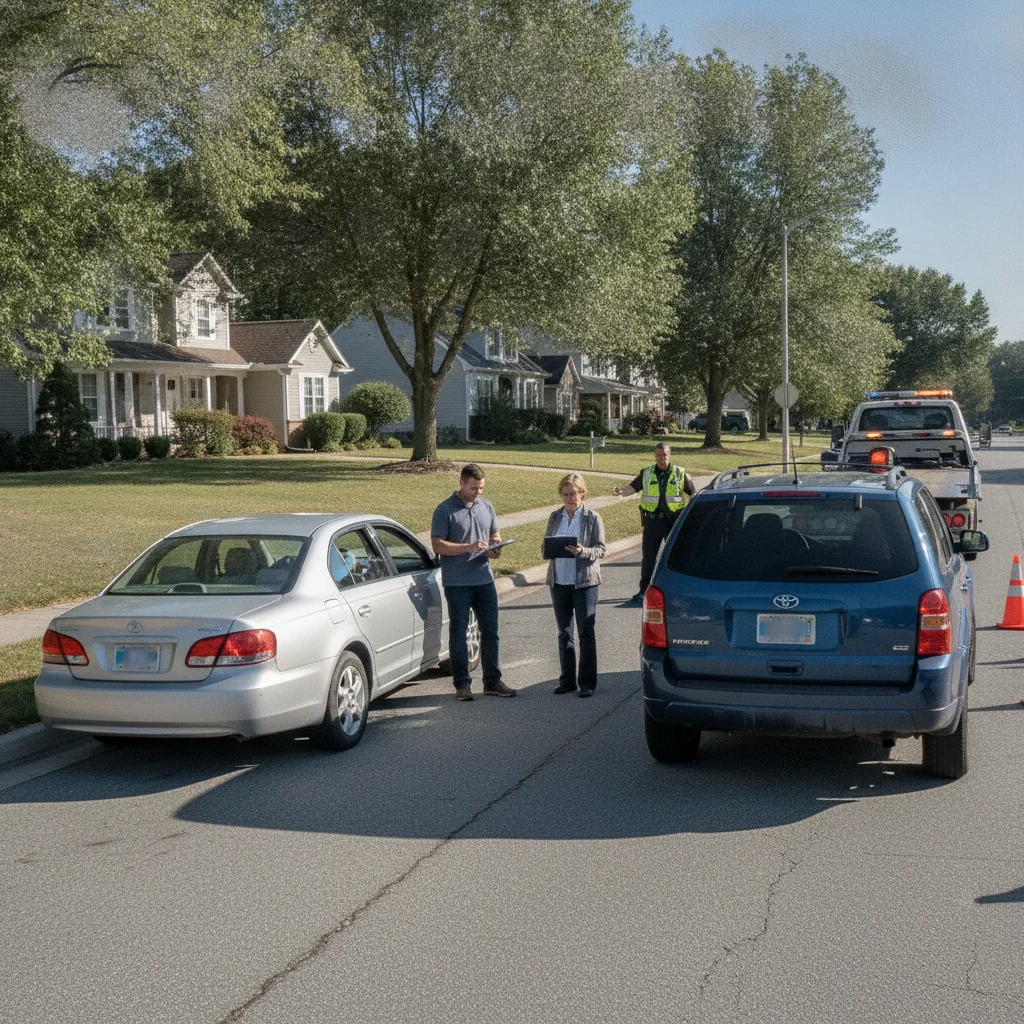
When police arrive, give a factual, accurate account of what happened from your perspective. Stick to what you directly observed — speed, direction, what you saw before impact. Do not speculate about the other driver's intentions or admit fault for any part of the crash.
Ask the officer for their name, badge number, and the report number so you can request a copy of the final report once it's filed. Some jurisdictions allow you to add a written statement to the report — ask if this is an option.
Notify Your Insurance Company
Call your insurer before you leave the scene if possible, or as soon as you're somewhere safe. Report the accident, provide the basic facts, and let them open a claim file. You don't need to have all the photos organized or a complete account ready — just initiate the process.
Prompt notification matters. Many policies include language that requires you to report accidents within a reasonable timeframe. Delay can give an insurer grounds to complicate or deny coverage. When you're ready to formally file, our guide on filing an auto insurance claim walks through the complete process.
Once you've completed these steps and emergency services have been notified, your immediate obligations at the scene are largely fulfilled. To understand the full scope of what the law requires from you — including duty to render aid and mandatory reporting thresholds — read our breakdown of your legal obligations at the accident scene.
Common Pitfalls That Undermine Your Claim
Even drivers who stay calm and follow the right physical steps often make verbal or behavioral mistakes that cost them later. Here are the ones that come up most frequently.
Never Admit Fault at the Scene
Even a casual apology — "I'm sorry, I didn't see you" — can be treated as an admission of liability by insurers and attorneys. Fault is a legal determination made after investigation, not a conclusion you should draw in the immediate aftermath of a crash. Stick to exchanging factual information only, and let the investigation process determine responsibility.
Saying the Wrong Thing to the Other Driver
Phrases like "I'm so sorry, I didn't see you" or "I should have slowed down" feel like common courtesy. In a legal or insurance context, they read as admissions of fault. Stick to neutral, factual exchanges: name, license number, insurance info, contact details. That's it.
Skipping the Police Report
Many drivers skip calling 911 after a minor fender-bender to avoid hassle. The problem: insurers often require a police report to process claims. Without one, it becomes your word against the other driver's — and that rarely goes well. Call, even if responding officers don't ultimately come out.
Posting to Social Media
Photos, updates, or even vague posts like "rough day" can be used by opposing attorneys or insurers to contradict your injury or damage claims. Keep the accident off social platforms entirely until your claim is resolved.
Delaying Medical Attention
Adrenaline masks pain. Whiplash, soft tissue injuries, and even mild concussions may not be obvious at the scene. If you feel anything — headache, stiffness, nausea — get evaluated that same day. Delayed medical visits give insurers ammunition to argue your injuries weren't caused by the crash.
Avoid Settling Privately Without a Police Report
Some drivers propose handling damage informally — cash on the spot, no insurance involved. This is almost always a bad idea. The other party can later claim injuries or greater damage than agreed, and without a police report or insurance trail, you have no protection. Always go through official channels.
For a deeper dive into all the ways drivers accidentally sabotage their own claims, see our guide on common post-accident mistakes that hurt claims.
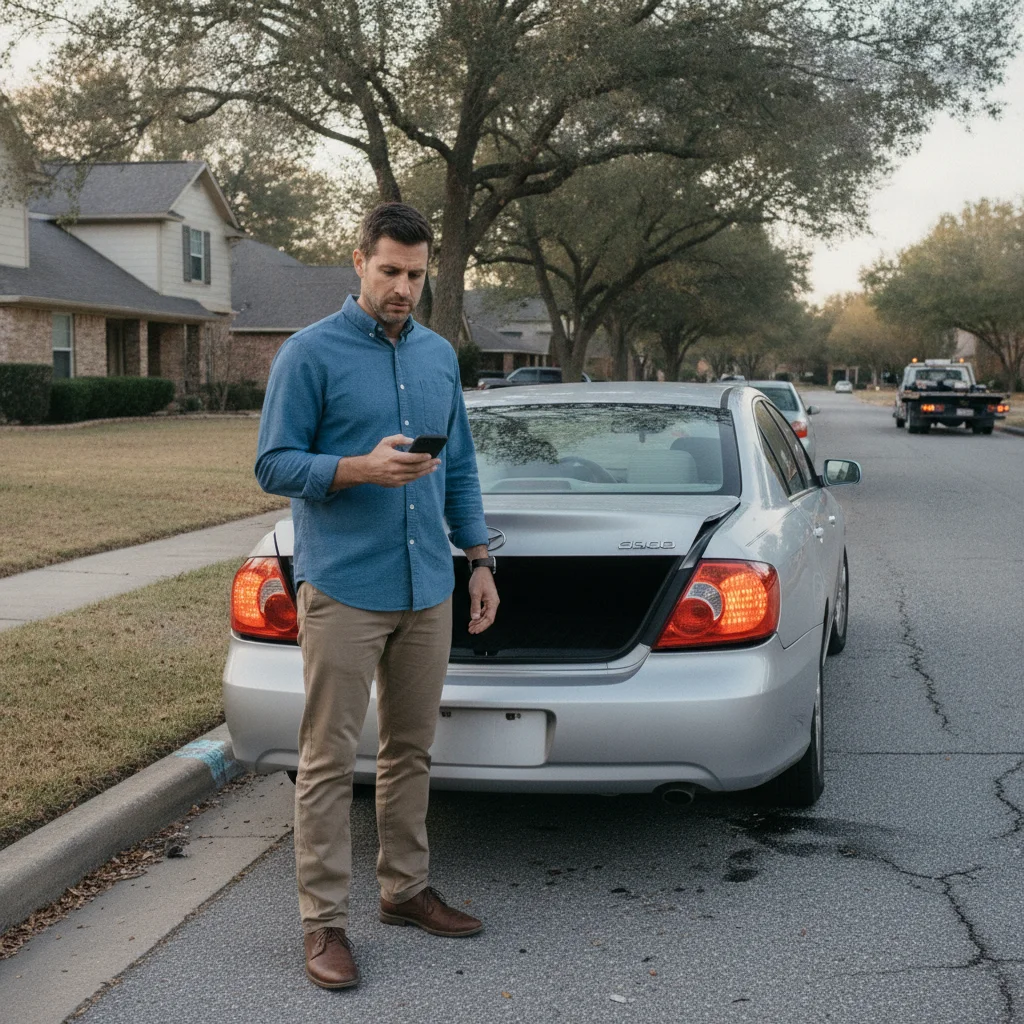
After the Scene: Your Next Moves
The ten-minute window closes, but your responsibilities don't. Once you've left the scene — or even while you're still there — there are a few more actions to take that directly affect your claim and legal standing.
Notify Your Insurer Promptly
Most policies have a notification window, and some are surprisingly short. Call your insurer the same day, even if you're not sure you'll file a claim. Delayed reporting is one of the most common grounds insurers use to limit or deny coverage. You don't need to have all the answers yet — just report the incident and let them open a file.
When you're ready to move from notification to claim, our guide on filing an auto insurance claim walks you through the full process step by step.
Request a Copy of the Police Report
Police reports typically become available within a few days. Get a copy as soon as possible — your insurer will want it, and it serves as an objective third-party account of what happened. Note the responding officer's name and badge number at the scene so you can follow up efficiently.
Document Your Injuries and Vehicle Damage Daily
Start a simple log: dates, symptoms, medical visits, anything your vehicle can't do that it used to. Photos of bruising or swelling taken over several days tell a more convincing story than a single snapshot. This record becomes evidence if your claim is disputed.
Keep an Accident Kit in Your Glove Box
A small envelope with your insurance card, a notepad, a pen, and a one-page accident checklist means you won't have to think under pressure. You can download or print a basic checklist from your insurer's website — most provide one. Being organized at the scene saves significant time and reduces errors.
Follow Up on Information You Didn't Get
If you couldn't get witness contact information or the other driver was evasive, note that in your report to police and your insurer. For a full checklist of every piece of information you should collect — and exactly how to get it — see our detailed reference on what information to exchange after a car accident.

All claims are backed by peer-reviewed research. Sources on request.