Key Takeaways
What You're Actually Claiming — and Why It Matters
After an accident, most drivers focus entirely on getting their car repaired. That's understandable — but repair is only part of the financial picture. Even after a body shop restores your vehicle to factory appearance, the accident is now part of its permanent history. Buyers know it. Valuation tools know it. And the market reflects it.
That gap — the difference between what your car was worth before the accident and what it can actually sell for after a perfect repair — is called diminished value. It's a real, recoverable financial loss, and in most states you have the legal right to pursue it from the at-fault driver's insurer.
There are three types of diminished value worth understanding before you file:
- Inherent diminished value — the most common type. The car loses value simply because it has an accident on its record, regardless of how well it was repaired. This is almost always what you're claiming.
- Repair-related diminished value — the car loses additional value because the repairs themselves were subpar: mismatched paint, non-OEM parts, or visible imperfections.
- Immediate diminished value — the difference in market value right after the accident, before any repairs. Rarely used in practice.
For most drivers pursuing a claim, inherent diminished value is the focus. The process below walks you through every step, from confirming you have a viable claim to negotiating — or escalating — your settlement.

For background on how accident history affects your car's position in the market, see the depreciation basics hub and our detailed piece on how accident history shows up in valuation estimates.
What you will need
Independent Diminished Value Appraiser
Provides a professional, documented estimate of the value your car lost due to the accident — your most credible evidence in negotiations.
Vehicle History Report (Carfax or AutoCheck)
Confirms the accident is recorded on your car's history, which supports your argument that buyers will discount your vehicle.
Pre-Accident Market Value Estimate
Establishes a baseline value before the accident using tools like Kelley Blue Book or Edmunds for comparison in your claim.
Repair Invoices and Photos
Documents the extent of damage and cost of repairs, which feeds directly into the diminished value calculation.
Demand Letter Template
A formal written request to the at-fault insurer stating your calculated loss and the compensation you are seeking.
Attorney Specializing in Auto Insurance Claims
Provides legal leverage when an insurer refuses to negotiate in good faith or the claim amount justifies professional representation.
Confirm the other driver was at fault
Before investing time or money in a diminished value claim, make sure the foundation is solid: the other driver must be at least primarily at fault for the accident. Diminished value claims are almost always filed against the at-fault driver's liability insurer, not your own collision coverage.
Gather the police report number and any witness statements that support your account. If fault is disputed, the process becomes more complicated — but not impossible. Even in states with comparative negligence rules, you may still recover a proportional amount if you were less than 50% at fault.
Check with your own insurer to understand how fault was determined during the initial collision claim. If you haven't filed a collision claim yet, see our step-by-step collision claim walkthrough for how to handle that process first.
Check your state's rules and filing deadline
Diminished value claims are governed by state law, and the rules vary more than most drivers expect. Most states allow these claims, but a few have specific restrictions or exclusions written into insurance statutes. Your primary concern right now is the statute of limitations — the window you have to file a property damage claim.
In most states this window is two to three years from the date of the accident, but some states allow as little as one year. Missing this deadline means forfeiting your right to compensation entirely, regardless of how strong your case is.
If you're unsure about your state's rules, a quick call to a local attorney who handles auto insurance disputes can give you clarity without a full legal commitment. Many offer free consultations for straightforward cases like this.
Document your car's pre-accident value
To prove diminished value, you need a clear starting point — what was the car worth before the accident? Pull values from at least two trusted sources:
- Kelley Blue Book (kbb.com) — use the private-party value for a car in your vehicle's documented condition
- Edmunds True Market Value — provides a strong regional benchmark based on actual transaction data
- National Automobile Dealers Association (NADA) Guides — especially useful for trucks and SUVs
Print or save screenshots of these estimates with today's date and your vehicle's specific details entered: year, make, model, trim level, mileage, and condition. These become part of your claim file.
If your car had documented upgrades or exceptional pre-accident condition, include that evidence too — service records, photos, or a Carfax report showing a clean history before this accident.
Get your car repaired and collect all documentation
Your diminished value claim is filed after repairs are complete, because you need the full repair record to support the claim. Make sure you collect:
- The final itemized repair invoice showing every part replaced and labor performed
- Before-and-after photos of the damage (ideally taken at the scene and after repairs)
- A written statement from the body shop describing the nature and extent of structural or cosmetic damage
- Any supplemental estimates or insurer-approved repair additions
Keep the originals and make digital copies of everything. A well-organized claim file signals to an insurer that you are serious and prepared — which subtly changes the negotiation dynamic.
[in_content_images:0]It's also worth understanding how this accident will appear in future valuation tools. Our article on how accident history shows up in valuation estimates explains exactly how Carfax flags and market adjustments work — and why even a perfect repair can reduce a car's estimated value.
Hire an independent diminished value appraiser
This is the single most important step in the entire process. An independent appraisal gives you a professionally calculated, documented figure to present to the insurer — and it carries far more weight than any number you calculate yourself.
Look for appraisers who:
- Specialize specifically in diminished value (not just general auto appraisers)
- Have experience working on insurance claims and can produce a written appraisal report
- Are willing to provide expert testimony if the claim escalates
A thorough appraisal typically costs between $150 and $500 depending on your location and vehicle type. For any claim over $1,000 — which most are — this fee is well worth it.
The appraiser will review your repair records, run comparables in your local market, and produce a formal report showing the difference in market value before and after the accident. That report becomes the centerpiece of your demand to the insurer.
Calculate and document your diminished value
With your pre-accident value baseline and your independent appraisal in hand, the math is straightforward:
Diminished Value = Pre-Accident Market Value − Post-Repair Market Value
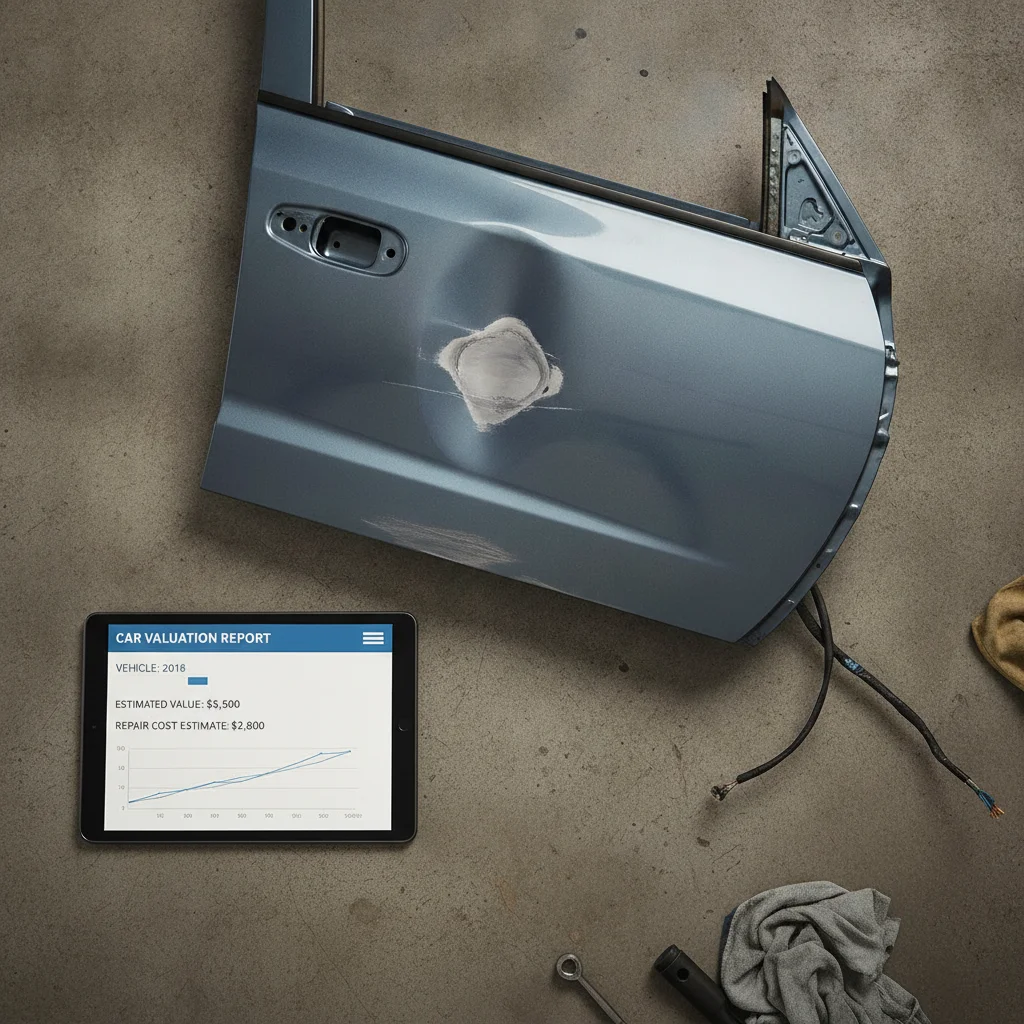
For example: if your car was worth $22,000 before the accident and your appraiser determines it is now worth $18,500 in the market — even after a full repair — your diminished value is $3,500.
Be aware that the at-fault insurer may try to use a formula called 17c (named after a Georgia case that popularized it), which applies a 10% cap to the pre-accident value and then further reduces it based on damage severity and mileage. This formula almost always produces a number far below your actual market loss. Your independent appraisal is your counter to that approach.
Understanding how prior accidents affect claims and values generally can also help you frame your argument — see our overview on how prior accidents on a vehicle's history affect your claim for context.
Send a formal demand letter to the at-fault insurer
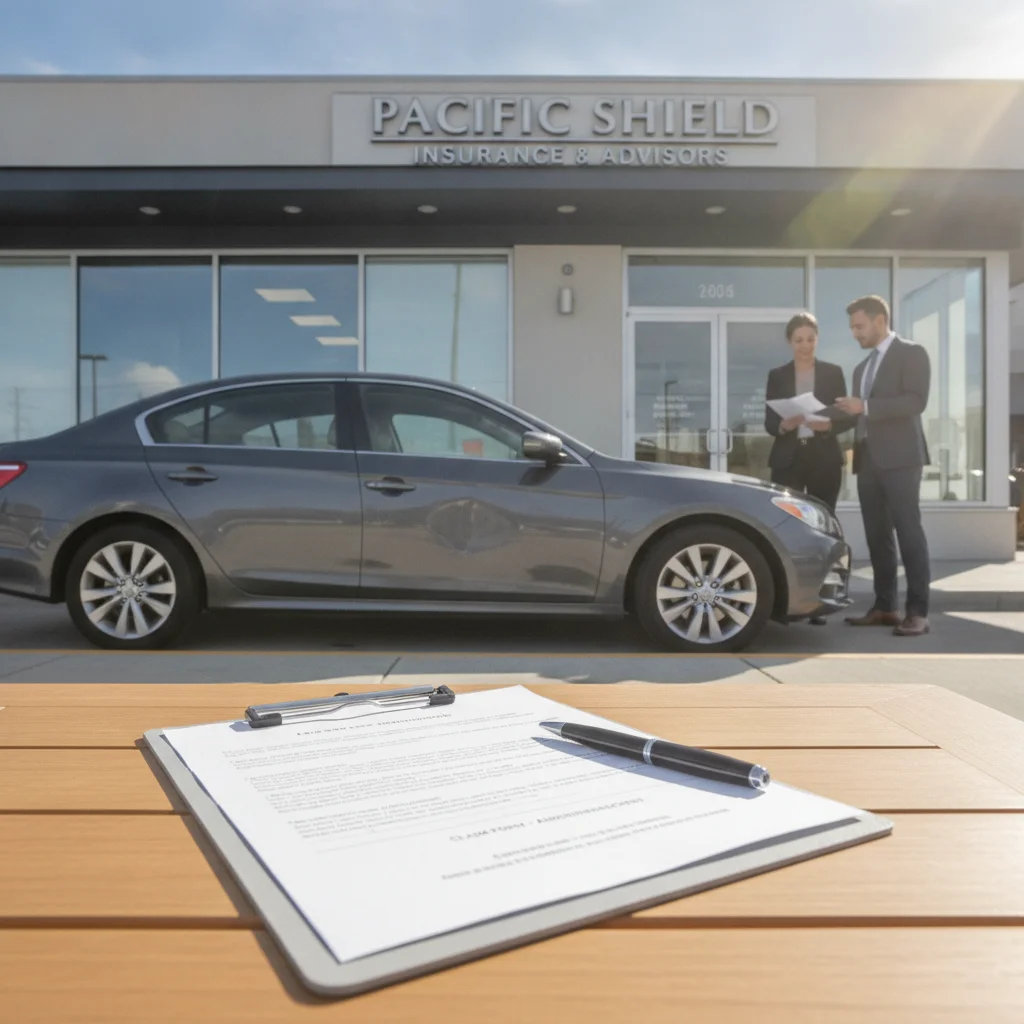
Once you have your appraisal and documentation in order, write a clear, professional demand letter addressed to the at-fault driver's insurance company. The letter should include:
- Your name, claim number, and the date of the accident
- A brief factual summary of the accident and the determination of fault
- Your pre-accident vehicle value (with sources cited)
- The independent appraiser's post-repair value finding
- Your specific dollar demand for diminished value compensation
- A request for a response within a defined timeframe (typically 14–21 days)
Attach copies — never originals — of your appraisal report, repair invoices, pre-accident value estimates, and the vehicle history report showing the accident notation.
Send the letter via certified mail with return receipt requested. This creates a paper trail proving the insurer received your demand on a specific date — important if you need to escalate later.
Negotiate the settlement or escalate if necessary
The insurer's first response is rarely their best offer. Expect a counteroffer that is lower than your demand — sometimes significantly so. This is normal and doesn't mean your claim is weak.
Review their counter carefully. If they cite the 17c formula or challenge your appraiser's methodology, respond in writing with specific points from your appraisal report that address their objections. You can also obtain additional market comparables showing that similar vehicles with accident histories sell for less in your area.
If negotiations stall, you have several escalation options:
- File a complaint with your state's department of insurance if you believe the insurer is acting in bad faith
- Request arbitration — some policies and state laws allow for binding or non-binding arbitration of disputed claims
- Consult an attorney — for claims above $3,000–$5,000, an auto insurance attorney may be able to recover significantly more than you could on your own, often on a contingency basis
For perspective on when escalating is worth the effort, our article on the hidden costs of filing a small claim can help you weigh the practical tradeoffs.
What to Do If the Insurer Denies or Underpays Your Claim
An initial denial or lowball offer isn't a dead end — it's a negotiating position. Insurers count on the fact that many claimants will accept whatever they're offered simply to put the experience behind them. Staying patient and organized pays off here.
If the insurer denies the claim outright
Ask for the denial in writing, including the specific reason and the policy language or state statute they are citing. Many denials are based on internal policy language that isn't legally binding in your state. A denial letter gives you something concrete to challenge.
You can also file a complaint with your state's department of insurance. Regulators take bad-faith claim handling seriously, and the complaint process is free. In some cases, a complaint alone prompts an insurer to reconsider.
If the offer is far below your documented loss
Go back to your appraisal report and respond point by point to any objections the insurer raises. If they used the 17c formula, explain clearly that it is not a legally mandated standard in most jurisdictions and present your independent appraisal as the more accurate measure of your actual market loss.
Attach additional market comparables — real listings showing the price difference between comparable vehicles with and without accident history in your region.
When to involve an attorney
For claims above $3,000 to $5,000, or when an insurer is clearly stonewalling, an attorney who specializes in auto insurance disputes can shift the dynamic significantly. Many work on contingency — meaning you pay nothing unless they recover money for you. The insurer knows this too, which is why legal representation often accelerates resolution.
For more on how insurers handle complex claim situations, the accident procedures hub has additional guidance on navigating the post-accident process from start to finish.
Common Mistakes Can Derail Your Claim
Delaying documentation, agreeing to recorded statements without preparation, or accepting the first settlement offer without review are among the most common ways drivers weaken a legitimate claim. Our article on <a href="/maintenance-and-ownership/safety-legal/accident-procedures/common-mistakes-drivers-make-after-an-accident-that-hurt-their-claims">common mistakes drivers make after an accident</a> walks through the specific missteps that hurt payouts — worth reading before you contact any insurer.
Older and High-Mileage Vehicles May See Limited Recovery
Diminished value claims are most productive for newer vehicles in good pre-accident condition. If your car is more than eight to ten years old or has very high mileage, the remaining market value may already be low enough that the provable diminished value won't justify the cost of an independent appraisal. Run the numbers honestly before committing time and money to the process.
Start Your Claim File on the Day of the Accident
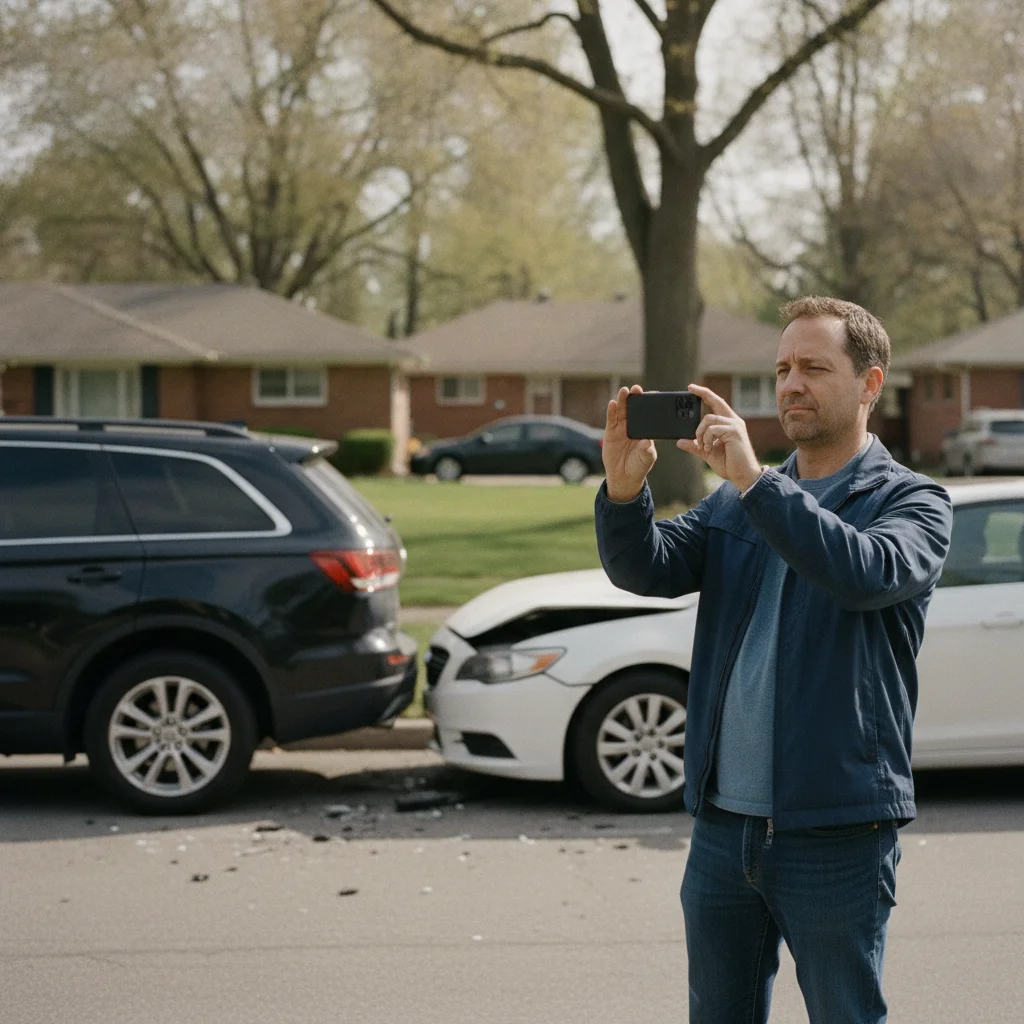
The strongest diminished value claims are built from the ground up, beginning at the scene. Take photos of all vehicle damage, the surrounding environment, and any relevant road conditions. Collect the other driver's insurance information, license plate, and contact details. The more thorough your initial documentation, the easier every step after this becomes.
Understand Diminished Value Before You File
If you're new to this type of claim, our article on <a href="/maintenance-and-ownership/safety-legal/accident-procedures/what-a-diminished-value-claim-is-and-whether-you-qualify">what a diminished value claim is and whether you qualify</a> provides a helpful foundation. Knowing exactly what you're entitled to — and the conditions that make a claim stronger — helps you navigate every conversation with an insurer more confidently.
Market Comparables Strengthen Your Negotiating Position
Search local listings for vehicles identical to yours — same year, make, model, trim, and approximate mileage — and compare prices for cars with and without accident history. Screenshots of these listings showing a consistent price gap are tangible, real-world evidence that your car's value has genuinely decreased. Insurers find this kind of localized data hard to dismiss.
You Usually Cannot Claim Against Your Own Insurer
Diminished value claims are almost always third-party claims filed against the at-fault driver's liability insurance — not against your own policy. Most personal auto insurance policies explicitly exclude first-party diminished value claims. Filing against your own policy is typically not an option unless you live in a state where it is specifically required by law or your policy language permits it. Confirm this before assuming your own insurer will cover the loss.
Don't Accept a Quick Settlement Before Repairs Are Complete
If the at-fault insurer offers a fast, all-inclusive settlement immediately after the accident, be very careful. Accepting a settlement check that includes property damage may waive your right to file a separate diminished value claim later. Always read what you're signing before cashing any check, and consult an attorney if the language is unclear. Insurers are skilled at bundling releases into early offers.

All claims are backed by peer-reviewed research. Sources on request.