Key Takeaways
Summary
18 items · 20–40 minutes
Why the Used EV Credit Trips So Many Buyers Up
The used clean vehicle credit — formally Section 25E of the Internal Revenue Code — sounds like a straightforward deal: buy a qualifying used EV, get up to $4,000 back. In practice, the IRS has stacked multiple independent eligibility gates in front of that money. Miss any single one, and the credit disappears entirely.
Unlike the new-vehicle credit, the used EV credit doesn't depend on where a battery was sourced or where the car was assembled. That's good news. But it compensates with tighter income caps, a firm sticker-price ceiling, and a minimum vehicle age requirement that catches shoppers off guard. This checklist walks through every condition in the order you'll most likely encounter them — so you can verify eligibility before you sign, not after.
For a broader overview of how all federal EV incentives work together, see the complete EV tax credit walkthrough that covers both new and used vehicle credits from eligibility through filing.
Tools You'll Need Before You Start
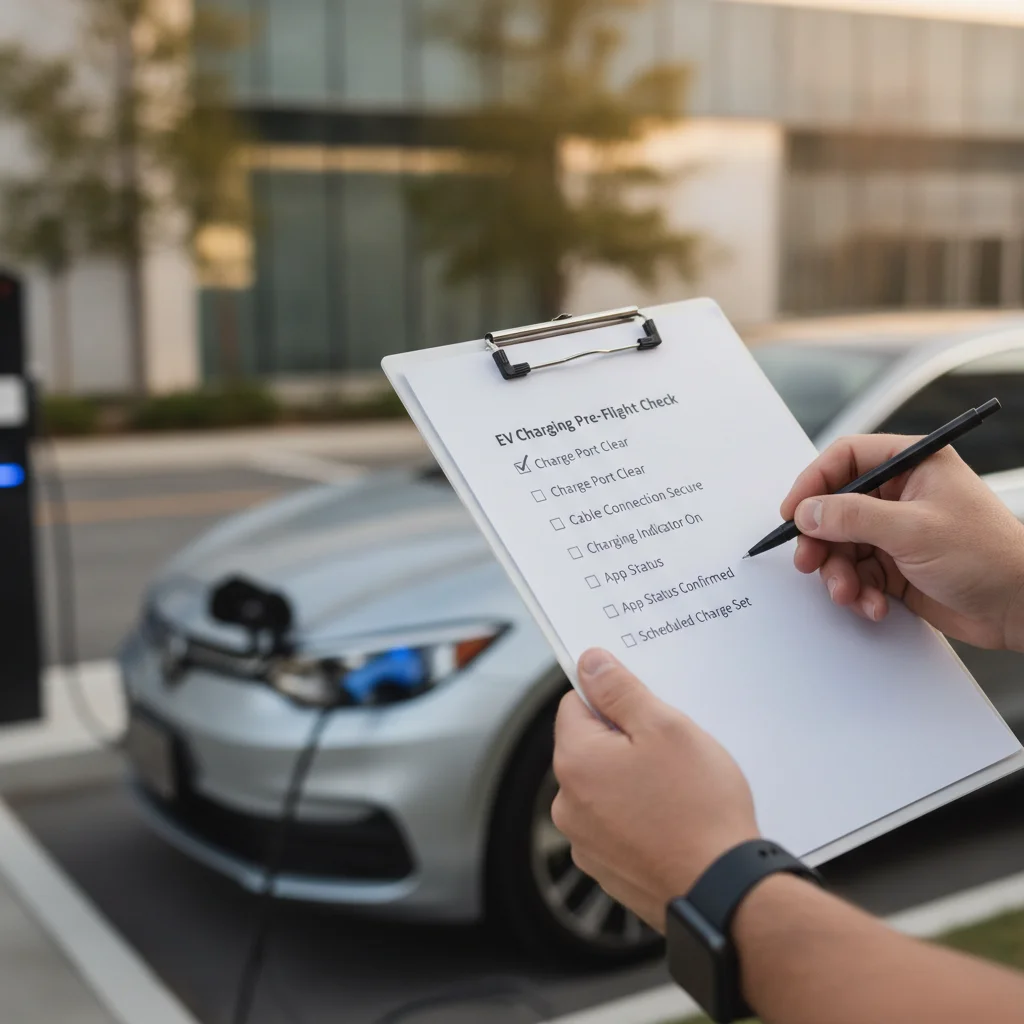
Gather these resources before working through the checklist. Having them in front of you turns a 40-minute scramble into a 20-minute verification pass.
IRS Energy Credits Online Portal (IRS.gov)
Verify dealer registration status and access official eligibility guidance for the used clean vehicle credit.
Prior-Year and Current-Year Tax Returns
Calculate your MAGI for both years so the IRS can apply the lower figure to determine income eligibility.
IRS Form 8936
The federal tax form used to claim the clean vehicle credit on your return if you are not using the point-of-sale transfer option.
Vehicle History Report (Carfax or AutoCheck)
Verify model year, prior ownership, and confirm the vehicle hasn't been previously sold under the used clean vehicle credit.
State EV Incentive Database (AFDC Alternative Fuels Station Locator / DSIRE)
Look up state-level used EV rebates and incentives that may stack with the federal credit.
Tax Professional or CPA
Verify MAGI calculation, assess recapture risk if income is near the threshold, and confirm filing strategy.
The Used EV Credit Checklist
Work through each group in order. A "must" item is a hard eligibility requirement — failing it disqualifies the credit entirely. A "should" item protects you from surprises at tax time. A "nice to have" item optimizes the deal but won't cost you the credit if skipped.
Income Eligibility
Vehicle Eligibility
Dealer and Transaction Requirements
Three-Year Look-Back and Prior Claims
Filing and Documentation
Private-Party Sales Are Permanently Excluded
No matter how good the deal is, a used EV purchased from a private seller — even a friend, family member, or online marketplace — cannot generate the used clean vehicle credit. The law is explicit: the sale must go through a dealer registered with the IRS. There is no workaround or retroactive dealer registration.
The $25,000 Cap Has No Flexibility
If your negotiated vehicle price is $25,001, the entire credit is forfeited — not prorated. Before you agree to a final price, factor the $25,000 ceiling into your negotiation strategy. Some dealers may be willing to lower the sale price to keep you under the cap, particularly on slower-moving inventory.
Near-New EVs Often Fail the Two-Year Test
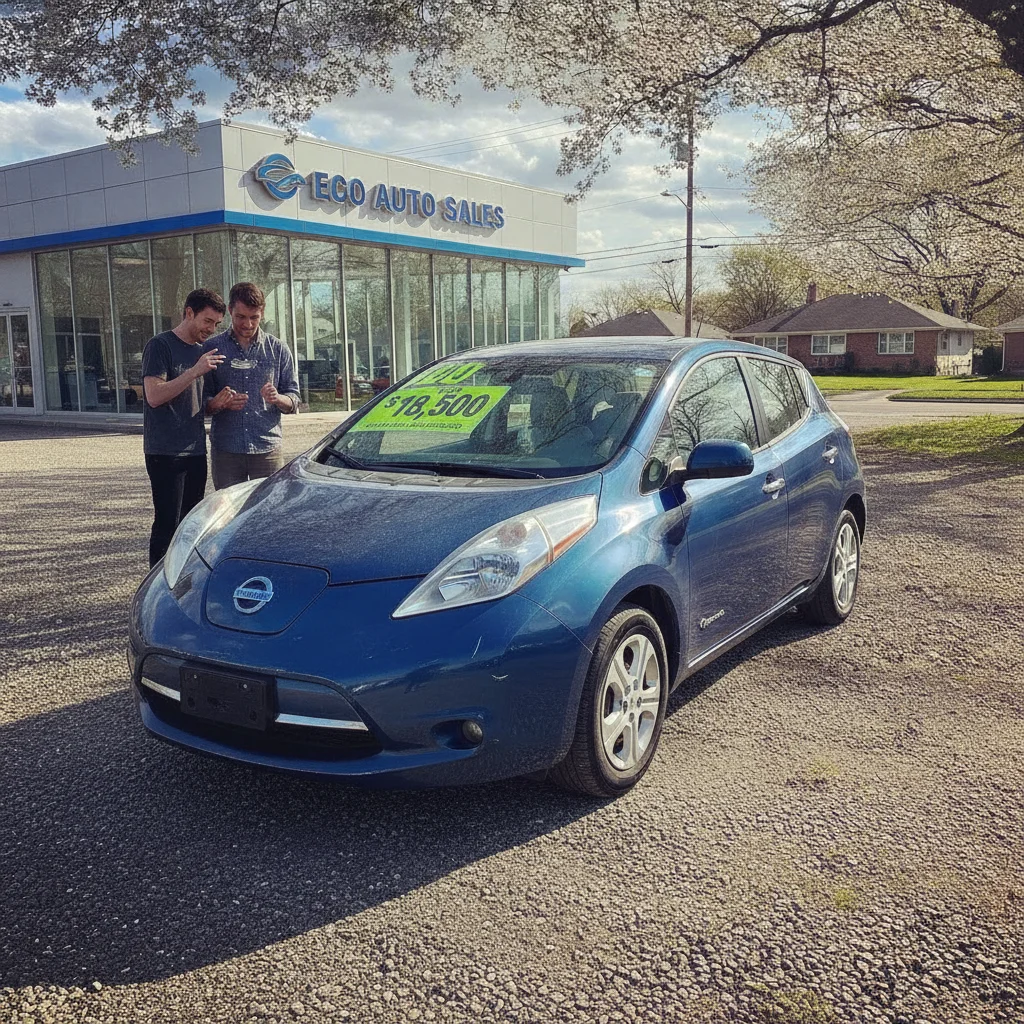
Low-mileage, near-new EVs that dealers market as 'like new' or 'certified pre-owned' frequently fail the two-model-year age requirement. Always check the model year on the window sticker or vehicle title — not the registration year or the year the car was manufactured — before assuming eligibility.
Income Rules: The Detail Most Buyers Underestimate
The income thresholds for the used clean vehicle credit are meaningfully lower than those for the new-vehicle credit, and they're measured against your modified adjusted gross income (MAGI) — not your gross pay or your taxable income after deductions. MAGI adds back certain deductions (student loan interest, IRA contributions, foreign income exclusions) to your adjusted gross income, which means your MAGI can be higher than the number on line 11 of your Form 1040.
Here are the 2024 MAGI thresholds for the used credit:
| Filing Status | MAGI Limit |
|---|---|
| Single / Married Filing Separately | $75,000 |
| Head of Household | $112,500 |
| Married Filing Jointly / Qualifying Surviving Spouse | $150,000 |
The IRS uses the lower of your MAGI in the year of sale or the prior year. That means if you bought an EV in 2024 and your 2023 MAGI was under the threshold but your 2024 MAGI exceeds it, you still qualify. The reverse is also true — if your 2023 MAGI was over the limit but your 2024 MAGI is under it, you're eligible. This prior-year lookback is one of the most underused planning opportunities available.
For a detailed breakdown of how MAGI is calculated, check out the MAGI rules unpacked.
Incorrect Claims Can Trigger IRS Recapture
If you claim the used EV credit — especially via the point-of-sale transfer — and it's later determined your income exceeded the threshold or another condition wasn't met, the IRS can require you to repay the full credit amount. This applies even if you received the discount at the dealership and no longer have that money. Verify all conditions before signing, not after.
The Three-Year Clock Is Per Taxpayer, Not Per Vehicle
The once-every-three-years limitation applies to you as a taxpayer, not to the vehicle you're purchasing. If you (or your spouse on a joint return) claimed this credit in the prior three years, you are ineligible — even if the car you're buying now would otherwise qualify in every other respect. Check your past returns before you walk into the dealership.
Vehicle Age, Price, and Dealer Requirements
The vehicle-side requirements for the used credit are precise and largely non-negotiable. Here's what you need to confirm about the specific car before you agree to a price.
The Two-Year Rule
The used vehicle must be at least two model years older than the calendar year of the sale. If you're buying in 2025, the vehicle must be a 2023 model year or older. A 2024 model-year vehicle sold in 2025 does not qualify — even if it's technically used. This trips up buyers looking at low-mileage near-new EVs.
The $25,000 Price Cap
The sale price — meaning the price you actually pay the dealer, not the MSRP or a fictitious list price — must be $25,000 or less. This is a hard ceiling with no rounding, no exceptions. If the out-the-door negotiated price before taxes and fees is $25,100, the credit is gone. Negotiate accordingly.
Note that the $25,000 cap applies to the vehicle's sale price, not the financed amount or the down payment. If you're financing, the full vehicle price still counts.
Licensed Dealer Requirement
The sale must be made by a licensed dealer registered with the IRS for the credit. Private-party sales — even if the seller is a legitimate business — do not qualify. Ask the dealer directly whether they are registered to process the credit. You can also verify this on the IRS Energy Credits Online portal before you visit.
First Transfer Rule
The credit only applies to the first transfer of a qualifying used vehicle to a buyer who intends to use it personally (not for resale). Each vehicle can only generate the credit once in its lifetime. There is no IRS database lookup for consumers to verify this easily, so you'll need to ask the dealer and get their confirmation in writing.
If you want to cross-check your vehicle eligibility before you go any further, the pre-purchase EV credit eligibility checklist covers these same steps in the context of a dealership visit.

Point-of-Sale Credit Transfer and What Happens If You Get It Wrong
Starting in 2024, you can transfer the used EV credit to the dealer at the point of sale, effectively receiving the credit as an instant discount on your purchase price rather than waiting for a tax refund. This is the same mechanism introduced for new vehicles under the Inflation Reduction Act.
To use the point-of-sale transfer, the dealer must be registered with the IRS. You provide your Social Security Number (or ITIN) and confirm your eligibility upfront. The dealer reduces your out-of-pocket cost by the credit amount — up to $4,000 — and the IRS settles directly with the dealer afterward.
Important caveat: If you transfer the credit at the point of sale but later it's determined you didn't actually qualify — because your income was too high, for example — you may owe the IRS that money back. This is called recapture. To understand how recapture works and what the IRS can do if you claimed incorrectly, see what happens if you claim the EV credit but didn't qualify.
The three-year limitation also applies here: if you claimed the used clean vehicle credit (either on your return or via point-of-sale transfer) in the prior three calendar years, you are ineligible for another one. Keep records of any prior year claims.
Once you've confirmed eligibility, you'll file IRS Form 8936 with your federal return to claim the credit — or your dealer handles the filing if you use the point-of-sale transfer option. Either way, retain all purchase documentation.
One more consideration: even after you've secured the credit, make sure your insurance reflects the vehicle's actual value. EVs can carry different replacement costs than comparable gas cars — the EV insurance guide explains what affects premiums and what to look for in a policy.


All claims are backed by peer-reviewed research. Sources on request.