Key Takeaways
Option A
Solid-State Batteries
The next-generation technology with transformative potential.
Best for: Future EVs where higher energy density, faster charging, and improved safety justify the premium — once manufacturing scales up.
Option B
Lithium-Ion Batteries (Today's Standard)
The proven, widely deployed workhorse of the EV industry.
Best for: Every EV you can buy right now — a mature technology with well-understood performance, costs, and longevity.
If you need an EV today with predictable costs and proven reliability
Lithium-Ion Batteries (Today's Standard)
Every EV on sale uses lithium-ion chemistry. Degradation data, warranty terms, and resale values are well-established — you know what you're buying.
If you're researching EVs to buy in 2028 or beyond
Solid-State Batteries
By the late 2020s, early solid-state EVs from Toyota, Nissan, and others may be commercially available, potentially offering substantially more range and faster charging.
If long-distance driving or range anxiety is your primary concern right now
Lithium-Ion Batteries (Today's Standard)
Modern NMC lithium-ion packs already deliver 300+ miles of EPA range in several models. Waiting years for solid-state isn't necessary if a current EV meets your needs.
If you're evaluating the resale value risk of buying an EV now
Lithium-Ion Batteries (Today's Standard)
Solid-state commercialization timelines have slipped repeatedly. Today's lithium-ion EVs won't be rendered obsolete overnight — the transition will be gradual.
If safety and thermal runaway risk are a deciding factor for you
Solid-State Batteries
Solid electrolytes are non-flammable, eliminating the primary fire mechanism in lithium-ion packs — a meaningful safety upgrade when the technology matures.
What Actually Separates These Two Technologies
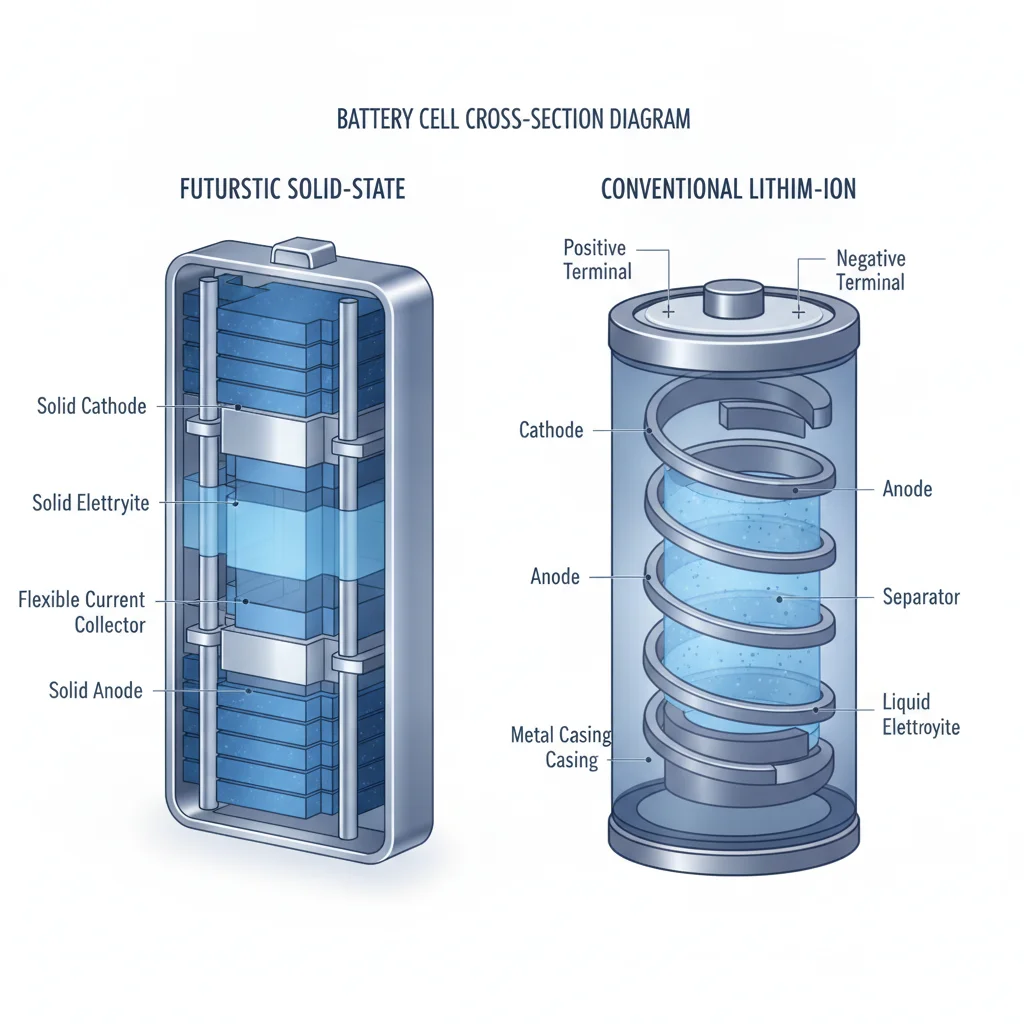
At its core, a battery moves lithium ions between two electrodes — an anode and a cathode — to store and release electrical energy. The critical difference between solid-state and today's lithium-ion batteries comes down to one component: the electrolyte, the medium those ions travel through.
In every EV you can buy today, that electrolyte is a liquid — a flammable organic solvent infused with a lithium salt. It works well, but the liquid introduces real constraints: it's combustible, it degrades over time, it limits how thin cells can be made, and it restricts operating temperatures. Most lithium-ion batteries also use a graphite anode, which physically expands and contracts during charge cycles, contributing to long-term degradation.
Solid-state batteries replace that liquid with a solid electrolyte — typically a ceramic, glass, or polymer material. That single substitution cascades into several theoretical advantages: higher energy density, faster ion movement at lower temperatures, and the elimination of thermal runaway risk. Solid electrolytes also enable the use of a lithium metal anode instead of graphite, which stores significantly more energy per unit of weight.
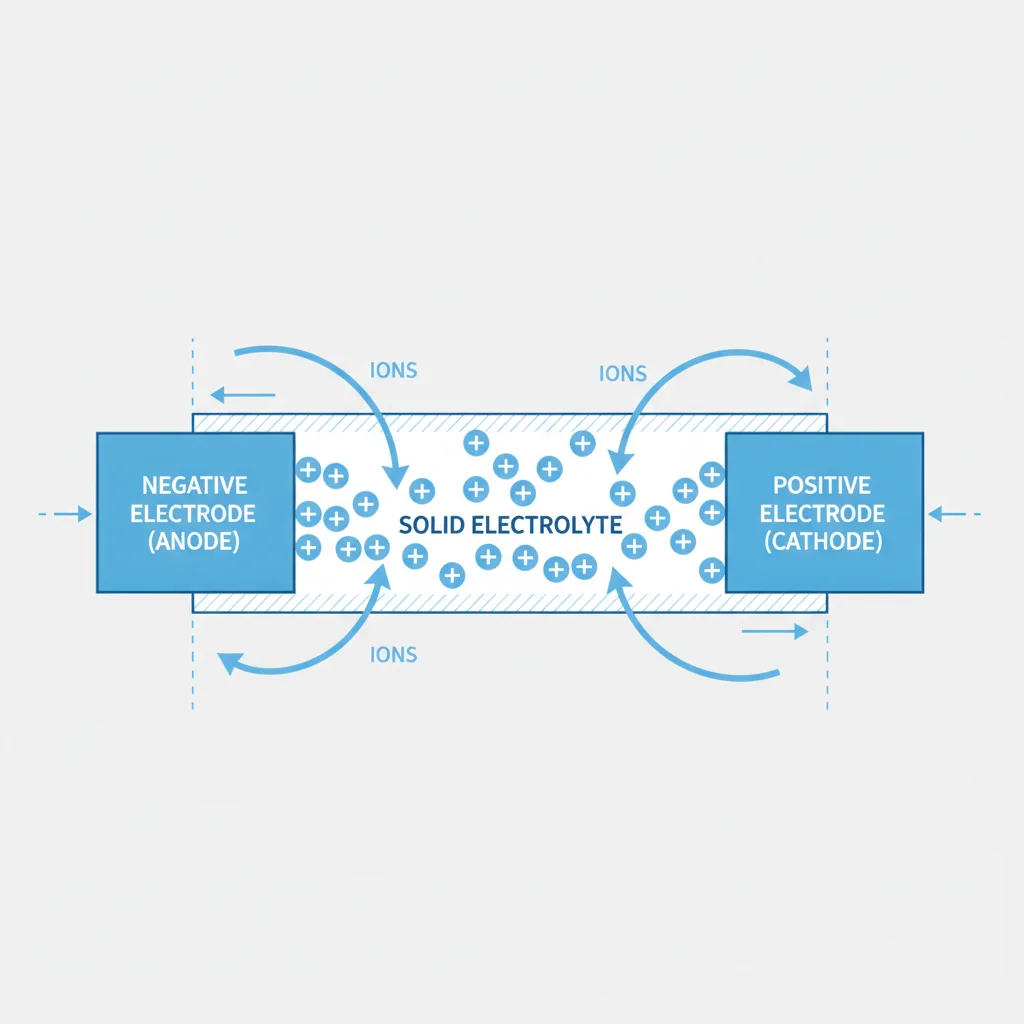
To understand why that matters for a car buyer, consider that energy density determines how much range a given battery pack can deliver. A solid-state pack of the same weight and volume as today's lithium-ion pack could theoretically store 50–100% more energy — translating directly to more miles per charge or a lighter, cheaper pack delivering equivalent range.
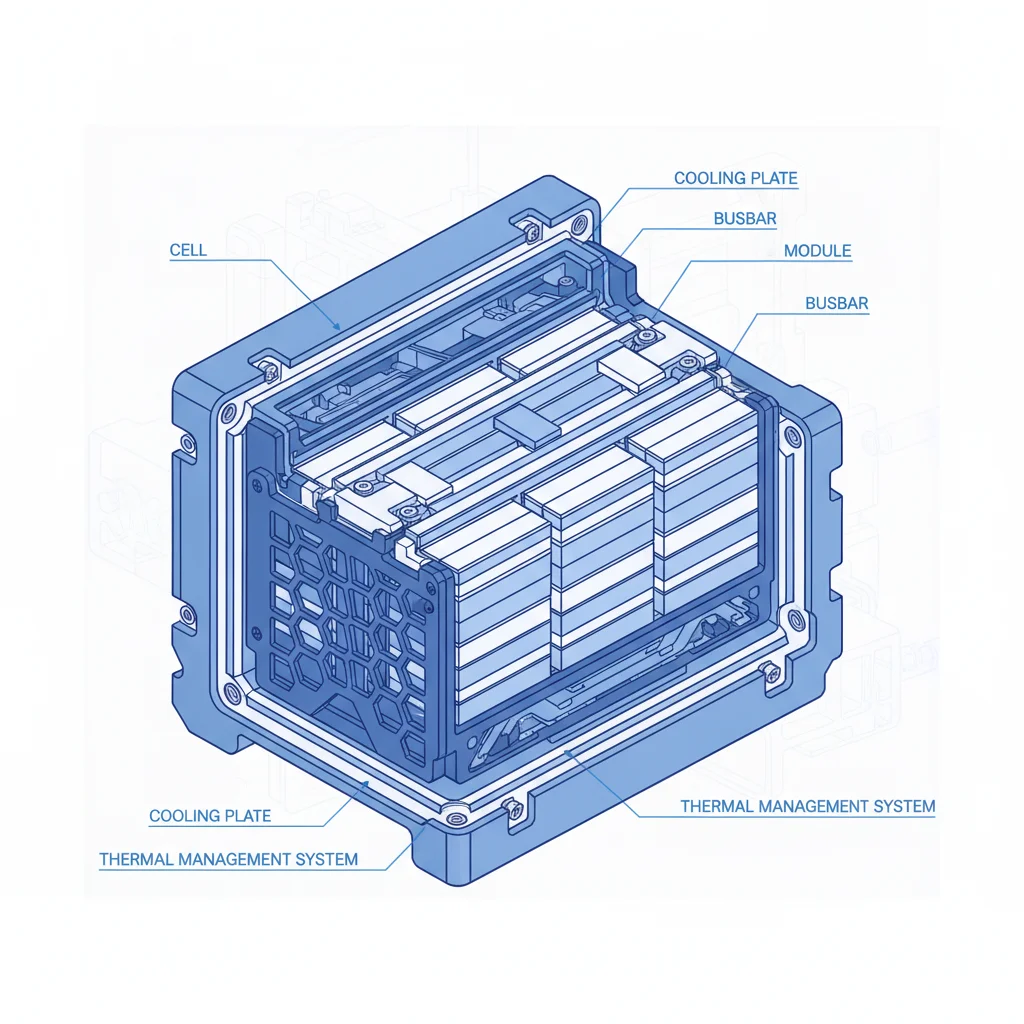
For a deeper look at how battery cells are physically structured into the packs inside your EV, see EV Batteries from Cell to Pack.
Head-to-Head: How the Two Technologies Compare
The comparison below reflects where solid-state technology stands in 2024–2025 — promising in the lab, not yet proven at automotive scale. Performance figures for solid-state are based on published research targets and early prototype data from manufacturers including Toyota, QuantumScape, and Solid Power.
| Criterion | Solid-State Batteries | Lithium-Ion (Current EVs) |
|---|---|---|
| Electrolyte type | Solid (ceramic, glass, or polymer) | Liquid organic solvent |
| Energy density (target) | ~500–900 Wh/L (projected) | ~250–700 Wh/L (production) |
| Fire / thermal runaway risk | Very low — non-flammable electrolyte | Present — liquid electrolyte is flammable |
| Cold weather performance | Better (most solid electrolytes) | Noticeably reduced below freezing |
| Charge cycle life | 1,000–2,000+ cycles (lab data) | 500–1,500 cycles (real-world) |
| Fast-charging capability | Potentially 10–15 min to 80% | 15–45 min to 80% (varies by model) |
| Commercial availability | Not yet — earliest late 2020s | Available in all EVs on sale today |
| Cost (per kWh) | Very high — not yet at scale | ~$100–$130/kWh (2024 estimates) |
| Manufacturing maturity | Prototype / early pilot stage | Fully industrialized globally |
~$100/kWh
Average lithium-ion battery pack cost in 2024
BloombergNEF's 2024 battery price survey put average pack costs near this threshold, down from over $1,000/kWh in 2010.
50–100%
Potential energy density gain with solid-state
Multiple peer-reviewed studies and manufacturer roadmaps project solid-state cells could achieve roughly double the volumetric energy density of today's best lithium-ion packs.
2028–2030
Most credible solid-state EV mass-production window
Toyota, QuantumScape, and Solid Power have all adjusted timelines; industry analysts at Wood Mackenzie and BloombergNEF center projections in this range for meaningful volume.
8 years / 100K mi
Federal EV battery warranty minimum
U.S. federal law requires automakers to warranty EV battery packs to at least 70% capacity for 8 years or 100,000 miles — a key consumer protection for today's lithium-ion vehicles.
A few of these rows deserve unpacking. The operating temperature difference matters more than it sounds: today's liquid electrolytes thicken in cold weather, slowing ion movement and reducing real-world range in winter — a well-documented pain point for EV owners in northern states. Solid ceramic electrolytes behave more consistently across temperatures, though some solid polymer electrolytes actually require elevated temperatures to function, which is a separate engineering challenge.
The cycle life advantage of solid-state is also significant for long-term ownership costs. If a solid-state pack can sustain 1,000–2,000+ full charge cycles before meaningful degradation, battery replacement becomes a much rarer event. For context on how degradation affects an EV you own today, these charging habits can make a measurable difference.
Solid-State Is an Umbrella Term
"Solid-state battery" covers several different electrolyte materials — oxide ceramics, sulfide ceramics, polymers, and composite approaches — each with different performance profiles, processing requirements, and maturity levels. Toyota's approach differs substantially from QuantumScape's, which differs from Solid Power's. When you see headlines about solid-state breakthroughs, it's worth checking which specific chemistry is involved, since a result in one type doesn't automatically translate to others.
Why Solid-State Batteries Aren't in Showrooms Yet
The physics of solid-state batteries are compelling. The manufacturing reality is considerably harder. Several interrelated problems have stalled commercialization for decades and continue to push timelines back.
The Interface Problem
When lithium ions move through a liquid electrolyte, they distribute evenly across the electrode surface. In a solid-state cell, ions must cross a solid-to-solid interface — and microscopic imperfections, gaps, or stress fractures at that boundary create resistance and failure points. Solving this at the scale of millions of cells per year, consistently and cheaply, remains an open engineering problem.
Lithium Metal Dendrites
Using a lithium metal anode (one of solid-state's biggest energy density advantages) introduces dendrites — tiny metallic spikes that can grow through the solid electrolyte during charging and cause short circuits. Suppressing dendrite growth reliably is one of the central challenges in solid-state research.
Manufacturing at Scale
Today's lithium-ion gigafactories are optimized for liquid electrolyte chemistry. Solid electrolytes — particularly ceramics — require different deposition processes, tighter tolerances, and in some cases, high-pressure assembly. Retooling or building new production lines is enormously capital-intensive, and yield rates on early solid-state cells are still well below what's needed for cost-competitive automotive production.

Where the Industry Actually Stands
Toyota has been the most aggressive in its public timelines, targeting solid-state EV production for the late 2020s and announcing a specific partnership with Panasonic subsidiary Prime Planet and Energy & Solutions. QuantumScape (backed by Volkswagen) is producing prototype cells for automotive testing. Solid Power has a development agreement with BMW and Ford. Samsung SDI and CATL are both investing in solid-state R&D at scale.
But multiple manufacturers who announced 2025 solid-state targets have since pushed those dates to 2027–2030. History suggests treating any pre-commercialization timeline with skepticism until production vehicles are actually on sale.
What This Means If You're Buying an EV Now
The most practical question for most readers isn't which battery chemistry is theoretically superior — it's whether to buy an EV now or wait for solid-state to arrive. Here's how to think through that decision.
Today's Lithium-Ion EVs Are Not a Stopgap
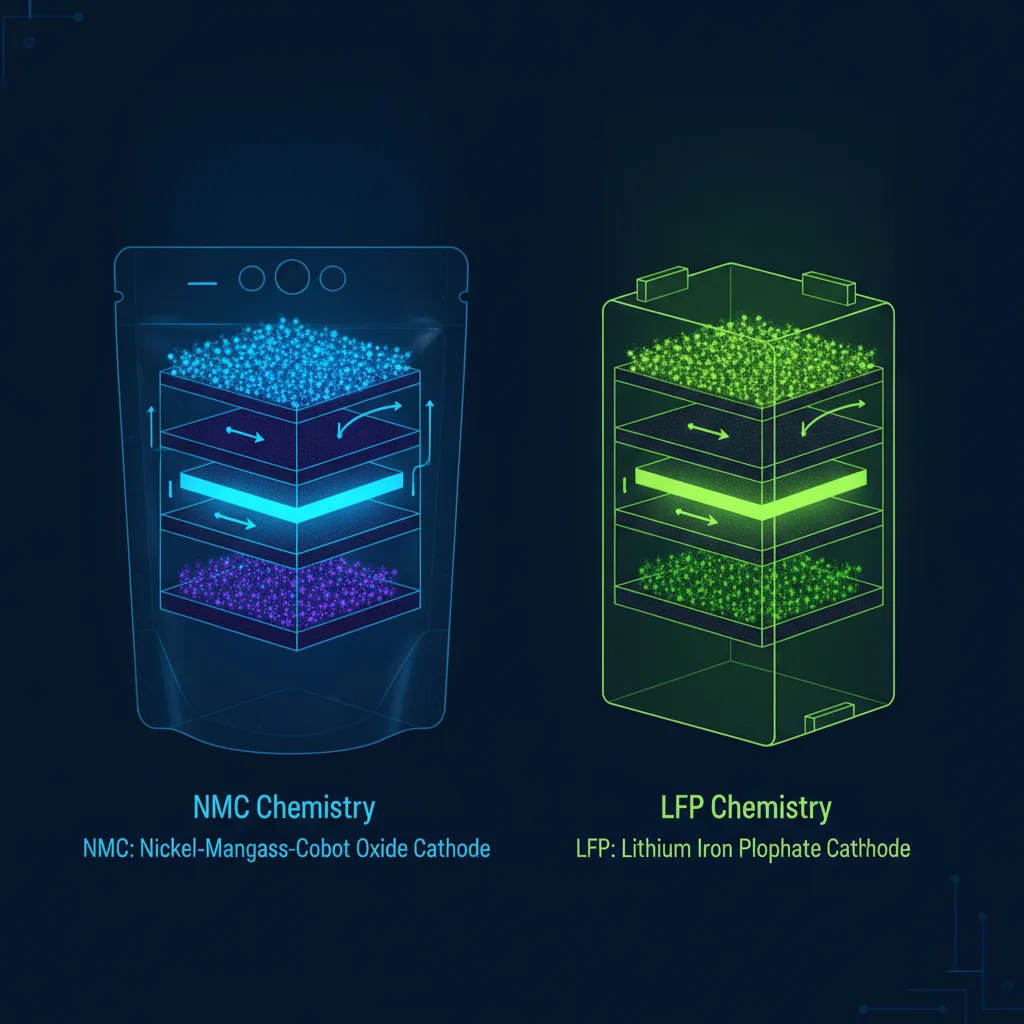
Current NMC (nickel-manganese-cobalt) and LFP (lithium iron phosphate) batteries are mature, well-understood technologies with multi-year real-world degradation data. Most EVs sold today retain 80–90% of their original range capacity after 100,000 miles under normal use. Warranties typically cover the battery to 70% capacity for 8 years or 100,000 miles (a federal minimum for EVs). To understand the difference between today's two dominant lithium-ion chemistries, NMC vs. LFP batteries breaks down the tradeoffs in detail.
The Waiting Game Has Costs
If solid-state EVs reach mass production in 2028–2030, waiting means forgoing three to five years of EV fuel savings, federal tax credits (which have income and vehicle price caps that may not persist), and reduced maintenance costs. Someone who buys a 300-mile EV in 2025 and drives it for ten years will almost certainly come out ahead financially compared to someone who waits until 2030 and pays a premium for early solid-state technology.
Solid-State Won't Make Today's EVs Obsolete Overnight
The transition from liquid to solid electrolytes will be gradual — just as the transition from NCA to NMC to LFP chemistry has been gradual within lithium-ion. Early solid-state EVs will likely be expensive and available in limited models. The broad market will continue running on lithium-ion for most of the 2030s. Your 2025 EV purchase is not a stranded investment.
Before buying any EV, reviewing the battery specs carefully matters. Our guide on what to look for in an EV's battery specs explains which numbers actually predict real-world performance.
Monitoring Battery Health Across Both Technologies
Whether you're buying a lithium-ion EV today or waiting for solid-state models in a few years, two numbers will define your battery's long-term value: State of Charge (SoC) and State of Health (SoH). SoC is your current charge level — the equivalent of a fuel gauge. SoH is the deeper metric: how much of the battery's original capacity remains after months or years of use.
For a thorough explanation of both metrics and why they matter when evaluating a used EV or managing your current one, see State of Charge vs. State of Health.
Solid-state batteries, if they deliver on their cycle-life projections, should theoretically show slower SoH degradation than today's lithium-ion packs — fewer expansion and contraction cycles on electrodes, less electrolyte decomposition, and more stable interfaces over time. But until we have long-term real-world data from production solid-state vehicles, that remains a design promise rather than a measured outcome.
For charging cost context regardless of which technology powers your EV, the Charging Costs & Savings hub covers how to estimate and reduce what you spend per mile.
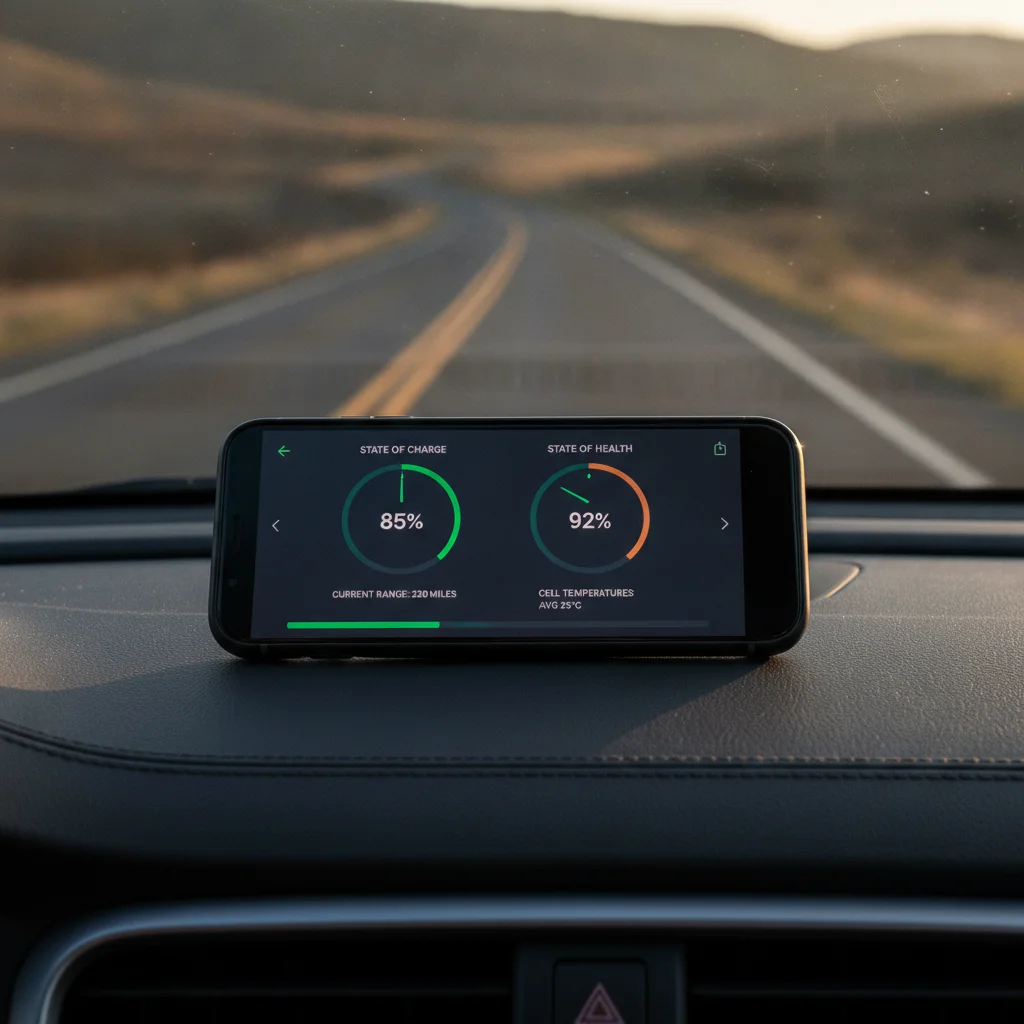
The bottom line for battery health monitoring: the tools and habits that protect a lithium-ion battery today — avoiding sustained high states of charge, managing thermal stress, limiting very fast charging when unnecessary — will likely remain relevant for solid-state batteries as well. Electrochemistry changes; the principles of careful energy management do not.
The Bigger Picture: What Solid-State Could Change for the EV Market
Assuming solid-state batteries eventually reach cost-competitive mass production, the downstream effects on the EV market would be substantial — not just for consumers, but for automakers, insurers, and lenders.
Range and Weight
A solid-state pack delivering 500+ miles of real-world range in a mid-size sedan would effectively eliminate range anxiety as a purchase barrier for most Americans. Lighter packs also improve performance, handling, and structural efficiency — potentially opening new vehicle form factors.
Charging Speed
Solid electrolytes can theoretically support faster ion transfer, meaning charging times could drop dramatically. Some manufacturer targets suggest 10-minute charges to 80% — comparable to a gasoline fill-up in time, if not in infrastructure density. That would shift the calculus on public DC fast charging networks considerably, since dwell time at chargers would shrink.
Insurance and Financing Implications
Battery replacement is currently one of the largest potential costs in EV ownership — a factor that affects insurance premiums and residual values. If solid-state packs prove significantly more durable, replacement cost risk declines. That could reduce insurance premiums over time and improve used EV residual values, making EV financing less risky for both lenders and borrowers.
Supply Chain
Today's lithium-ion batteries depend heavily on cobalt (for NMC chemistry) and rely on complex global supply chains. Solid-state designs using lithium metal anodes could reduce or eliminate cobalt dependence, though they introduce new demand for lithium at scale. The geopolitical and sourcing dynamics will shift — but won't disappear.
For now, the most important thing a prospective EV buyer can do is evaluate the technology that actually exists in the vehicles available today. Solid-state is a compelling next chapter — but the current chapter is well worth reading on its own terms.

All claims are backed by peer-reviewed research. Sources on request.