Key Takeaways
Why EV Range Planning Goes Wrong
Electric vehicles have never been more capable, yet stranding incidents haven't disappeared. They've simply shifted from 'the car ran out of gas' to 'I trusted the number on the screen.' Range planning failures are rarely about the technology — they're about the gap between what drivers assume and what physics actually delivers.
The EPA-rated range figure that appears in every advertisement, on every window sticker, and inside every comparison article is a lab result. It's measured on a dynamometer under controlled temperatures, with no headwinds, no passengers, and climate control held to a modest setting. Real roads don't cooperate with laboratory conditions. Why EPA-rated range and real-world range never match is a documented, measurable gap — not a manufacturer conspiracy, just physics and testing methodology.
The mistakes outlined below are drawn from real-world charging data, fleet studies, and the consistent patterns that appear when drivers report unexpected battery depletion. Each one is avoidable with a small amount of upfront planning.
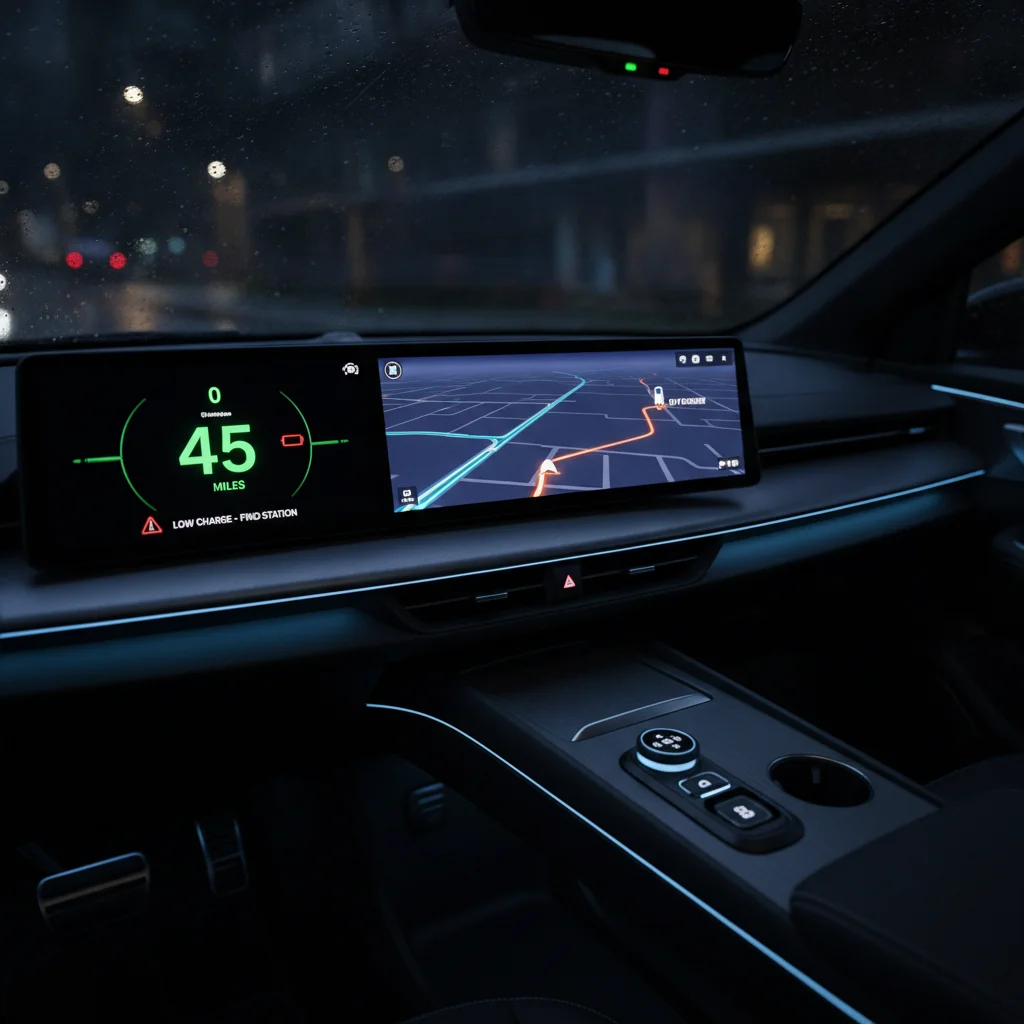
The Most Common EV Range Planning Mistakes
Whether you're a first-time EV owner or a seasoned driver switching to a new model, these errors show up repeatedly. Recognizing them before a trip is the difference between arriving comfortably and calling for a flatbed.
Treating the EPA-rated range as a guarantee rather than a best-case estimate.
Why it happens: Manufacturers and advertisers prominently display EPA figures, and buyers naturally anchor to the most visible number. There's little incentive to lead with a lower real-world figure.
Ignoring the effect of cold weather on both battery output and cabin heating demand.
Why it happens: Drivers calibrate their range expectations during moderate seasons and assume winter performance will be similar. The compounding effect of reduced chemistry output plus heater draw is frequently underestimated.
Planning a route assuming highway cruising speeds will match EPA efficiency.
Why it happens: EPA test cycles average significantly lower speeds than most highway driving. Drivers unaware of this discrepancy apply the rated range directly to 75–80 mph interstate travel.
Failing to identify backup charging stations along a route before departure.
Why it happens: Drivers assume that because a charging station appears on a map, it will be functional when they arrive. Network maps don't communicate real-time uptime or station condition reliably.
Charging to 100% for every trip regardless of whether the full range is needed.
Why it happens: Maximizing starting charge feels logical — more energy means more flexibility. The connection between top-of-charge stress and long-term capacity loss isn't intuitive to most drivers.
Allowing the battery to routinely deplete below 10% before charging.
Why it happens: Drivers anxious to minimize charging stops push the battery further than recommended, especially when a charger is 'just a few miles ahead.' There's also a cultural habit from gasoline driving of running near-empty.
Overriding the vehicle's built-in charging stop recommendations based on confidence the car is being overly cautious.
Why it happens: Experienced drivers sometimes feel that the navigation system is adding unnecessary stops. In familiar territory this can occasionally be true; on unfamiliar routes it's a significant gamble.
Not accounting for elevation change and cargo weight when estimating range for a specific trip.
Why it happens: Flat-terrain commuters have no daily experience with elevation drag. Cargo weight is similarly invisible until it shows up as unexpectedly rapid range depletion.
41%
Range loss in cold weather with heater running
A 2022 AAA study found average EV range dropped 41% at 20°F with cabin heating active, compared to performance at 75°F.
21%
Public charging attempts that fail
The 2023 J.D. Power Electric Vehicle Experience Public Charging Study found 21% of charging attempts were unsuccessful due to equipment or network issues.
25–35%
Range reduction at 75–80 mph highway speeds
Real-world testing by outlets including Edmunds and Car and Driver consistently shows this range deficit versus EPA figures at sustained highway speeds.
15–25%
Typical gap between EPA rating and real-world range
Analysis of owner-reported data from EV tracking apps shows most vehicles deliver 15–25% fewer miles than their EPA estimate under mixed real-world conditions.
Weather and Speed: The Two Variables Drivers Underestimate Most
Of all the factors that erode range, temperature and highway speed are simultaneously the most impactful and the most frequently dismissed. Drivers who live in mild climates and commute at moderate speeds build range habits calibrated to the best-case scenario. The moment conditions change — a winter road trip, an interstate crossing, or a loaded cargo haul — those habits betray them.
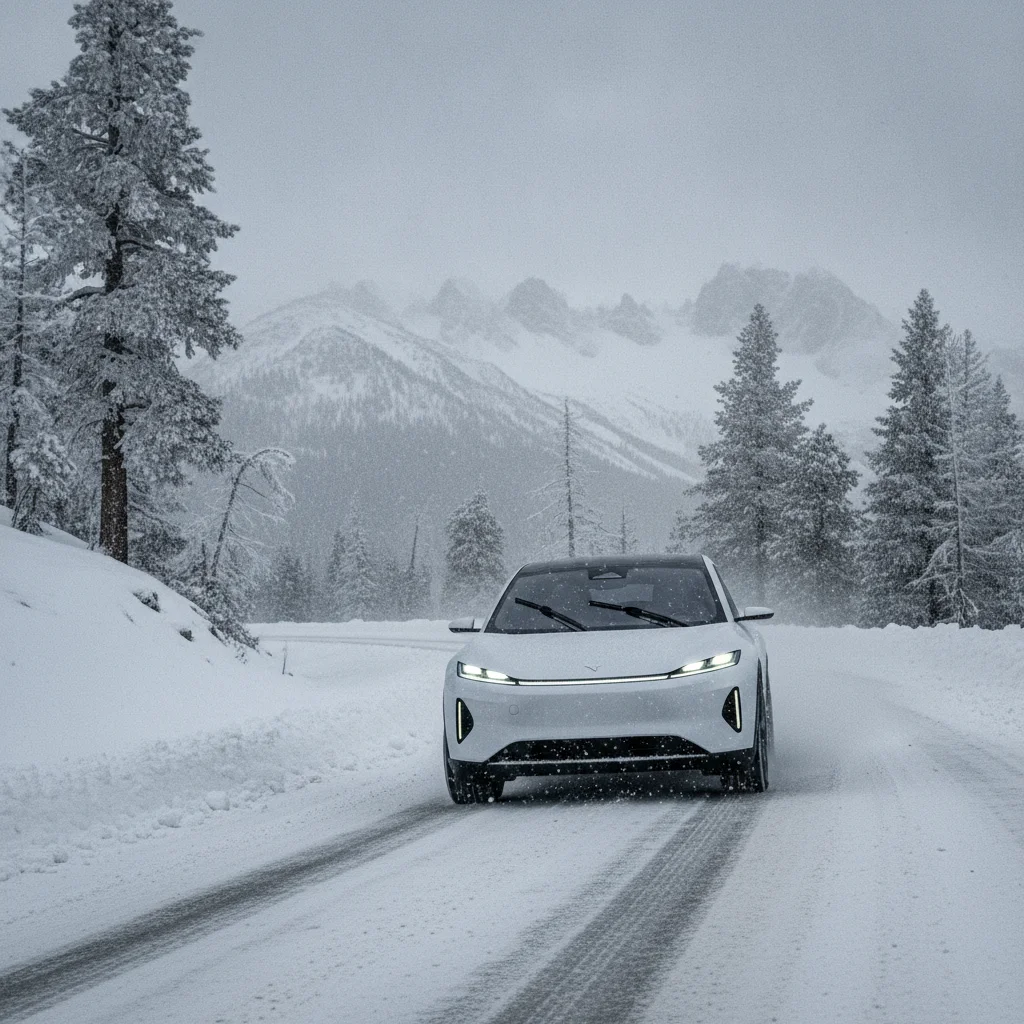
Temperature's Compounding Effect
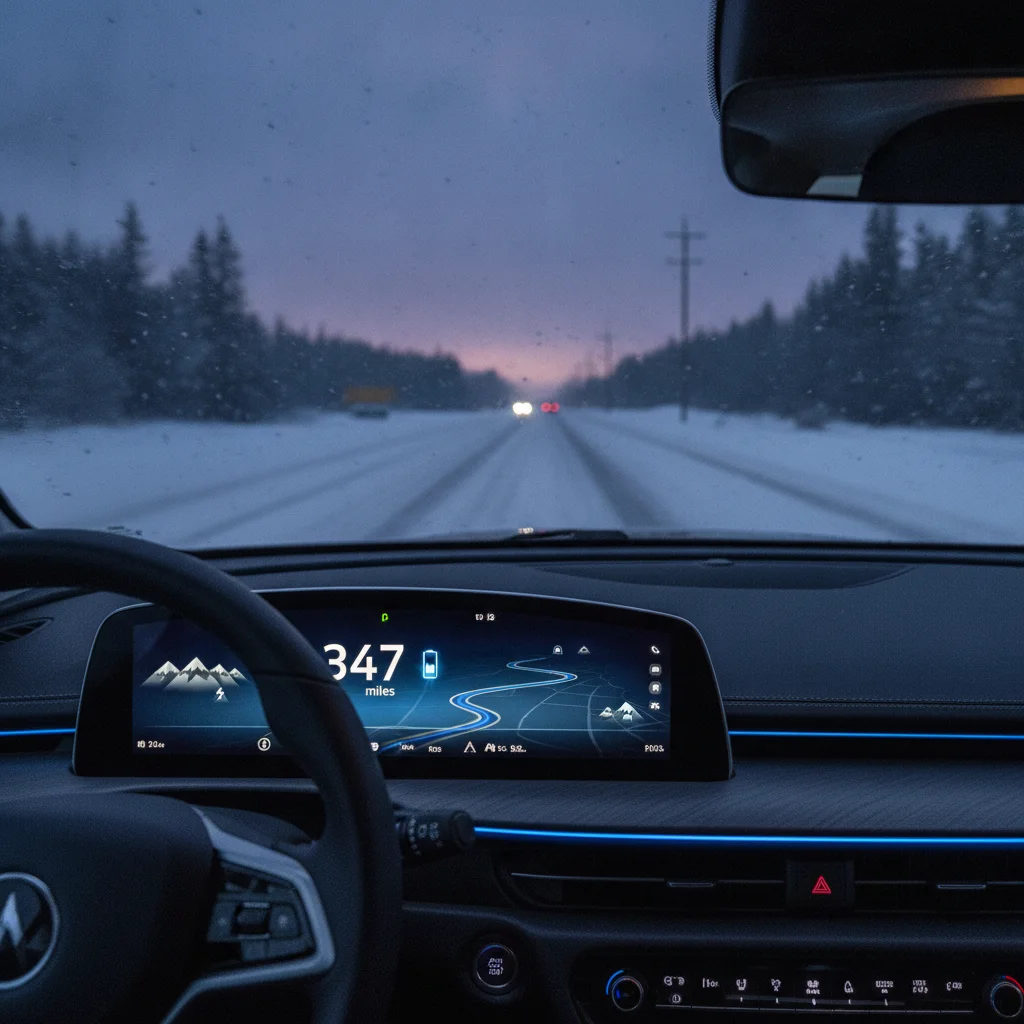
Cold weather attacks EV range from two directions at once. First, lithium-ion battery chemistry slows at low temperatures, reducing the usable energy the pack can deliver. Second, heating the cabin draws heavily from the same battery pack that's already compromised. A 2022 AAA study found that at 20°F with the cabin heater running, average EV range dropped by roughly 41% compared to 75°F conditions. That is not a rounding error — it can turn a 250-mile rated vehicle into an effective 147-mile vehicle on a cold day.
Cold Weather Can Cut Range Nearly in Half
At 20°F with the heater running, some EVs lose more than 40% of their EPA-rated range. This isn't a rare edge case — it's a documented, repeatable outcome across most lithium-ion battery chemistries. Never plan a winter trip using your summer range baseline. Always pre-condition your cabin while the car is still plugged in to reduce the battery draw once you start driving.
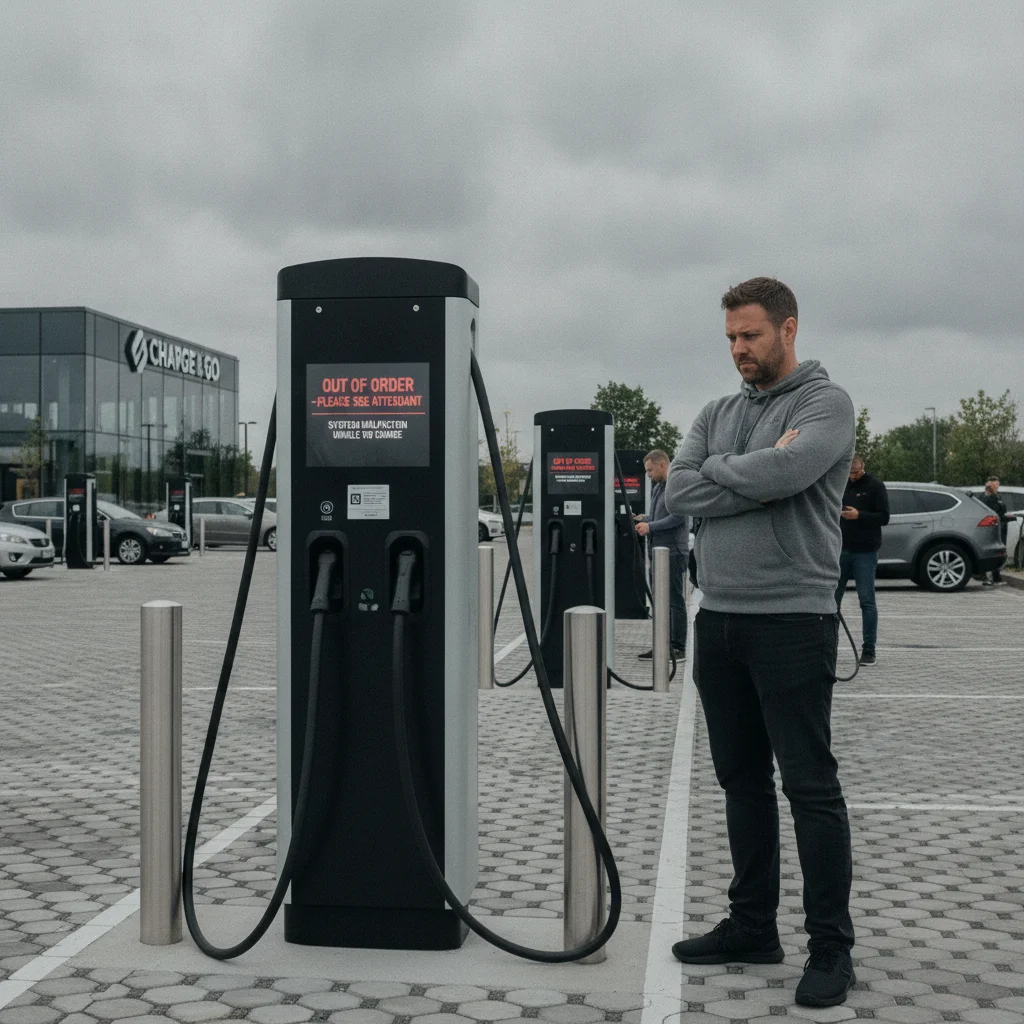
Don't Count on Every Charger on the Map Being Operational
Charging network maps show station locations, not real-time availability or equipment condition. A station listed as available may have stalls that are broken, occupied, or restricted by payment issues. Always verify recent user activity on PlugShare before relying on a single charging stop, and always have a fallback station within your buffer range.
Highway Speed and the Aerodynamic Wall
Aerodynamic drag increases with the square of velocity. Driving at 75 mph versus 65 mph doesn't produce a modest efficiency reduction — it creates roughly a 30% increase in drag force. Most EVs are EPA-rated using a test cycle that averages well below real-world highway speeds. The practical result: drivers cruising at 80 mph on an interstate may see 25–35% less range than the window sticker implies. Cold weather, highway speeds, and climate controls quietly drain EV range — and the compounding effect of all three simultaneously is what catches most drivers off guard.
Building speed and temperature adjustments into a trip plan isn't pessimism — it's the only way to arrive with confidence. Most modern EV navigation systems will apply these corrections automatically when you enter a destination, but only if you let the car plan the route rather than overriding its charging stop recommendations.
Charging Network Gaps and Station Reliability
Range planning doesn't end with estimating how far the battery will carry you. It also requires knowing where you can reliably replenish it. This is where many drivers, especially those crossing unfamiliar territory, encounter a second category of planning failures.
Not All Fast Chargers Are Created Equal
Charging network coverage in the United States is expanding rapidly, but it remains uneven. Rural corridors, mountainous regions, and secondary state highways frequently have long gaps between DC fast chargers. A route that looks well-covered on a desktop map may include a 90-mile stretch where the only available charger is a Level 2 unit at a hotel — useful for an overnight stay, not a 20-minute top-up.
Never Plan to Arrive at a Charger Below 10%
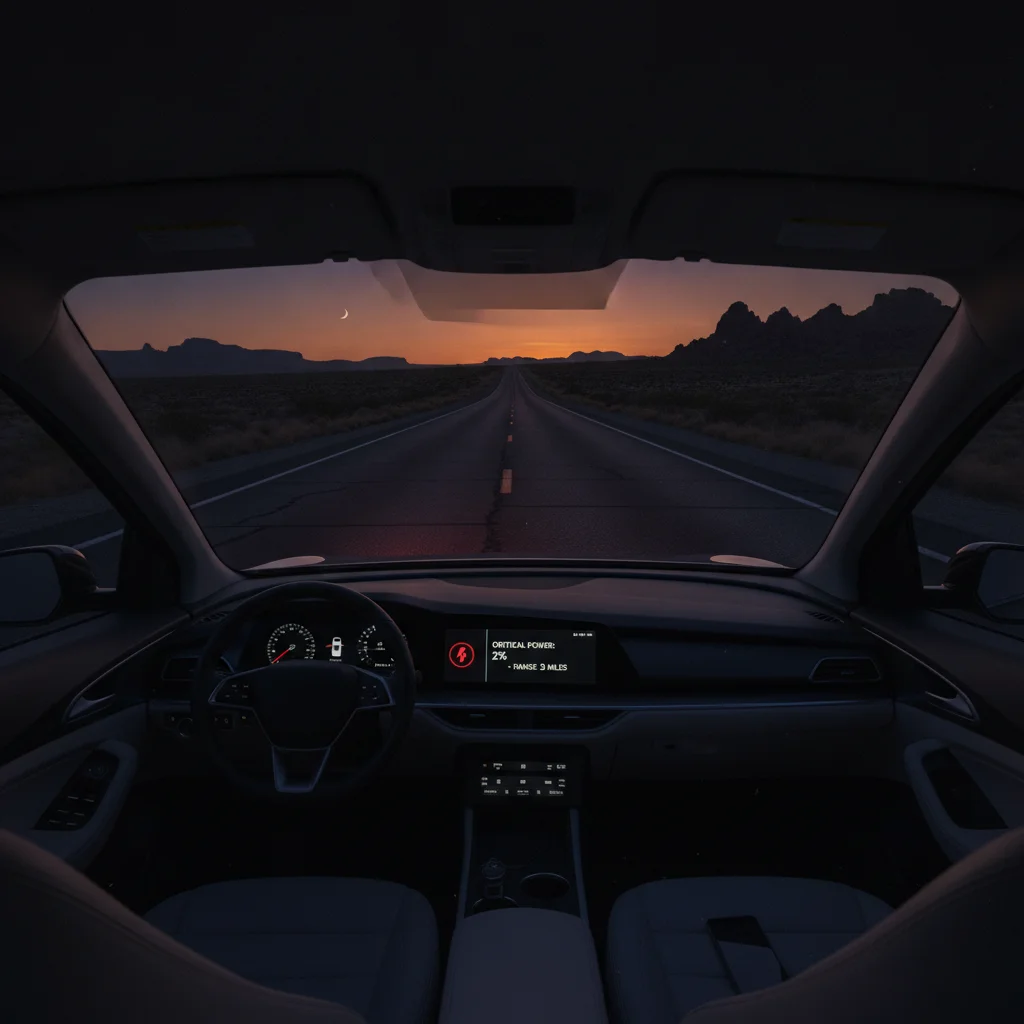
Arriving at a DC fast charger with 2–5% remaining leaves no margin for a broken stall or an occupied station. If that charger fails, you may not have enough range to reach the next one. Plan every charging stop to arrive with 10–15% state of charge as a minimum. Treat the last 5% as an emergency reserve that should never enter your planning calculations.
Routinely Charging to 100% Degrades Your Battery Faster
Lithium-ion cells experience measurable stress when held at maximum charge, particularly in warm conditions. Most manufacturers explicitly recommend an 80% daily charge limit in their owner documentation. Charging to 100% for every trip — even short ones — accelerates capacity loss over months and years, quietly shrinking the range you have available. Reserve full charges for trips that genuinely require it.
Even within well-covered corridors, charger uptime is an underappreciated risk. A 2023 J.D. Power Electric Vehicle Experience Public Charging Study found that 21% of public charging attempts were unsuccessful due to equipment malfunctions or other issues. That failure rate is improving, but it means that any route plan that relies on a single charger working at a single location is statistically risky. Always identify a backup charger within range of each planned stop.
Matching Charger Speed to Your Vehicle
Not every vehicle accepts every charger at its maximum rated speed. Charging curves vary by model and by state of charge — a battery that accepts 250 kW between 10% and 50% may throttle dramatically above 80%. Drivers who don't understand their vehicle's charging curve often spend far longer at fast chargers than necessary, or stop at chargers that can't deliver the speed the car is rated for. Cross-referencing your vehicle's maximum AC and DC acceptance rate with the charger's output before arrival saves time and eliminates surprises.
For a deeper look at how to estimate and manage charging costs per stop, understanding EV charging costs and savings provides a useful framework before any major trip.
Battery Management Mistakes That Compound the Problem
Range planning isn't only about the miles ahead — it's also about the long-term health of the battery pack underneath you. Two opposing habits — chronically charging to 100% and routinely depleting to near 0% — are both damaging, and both are rooted in misunderstandings about how lithium-ion chemistry works.
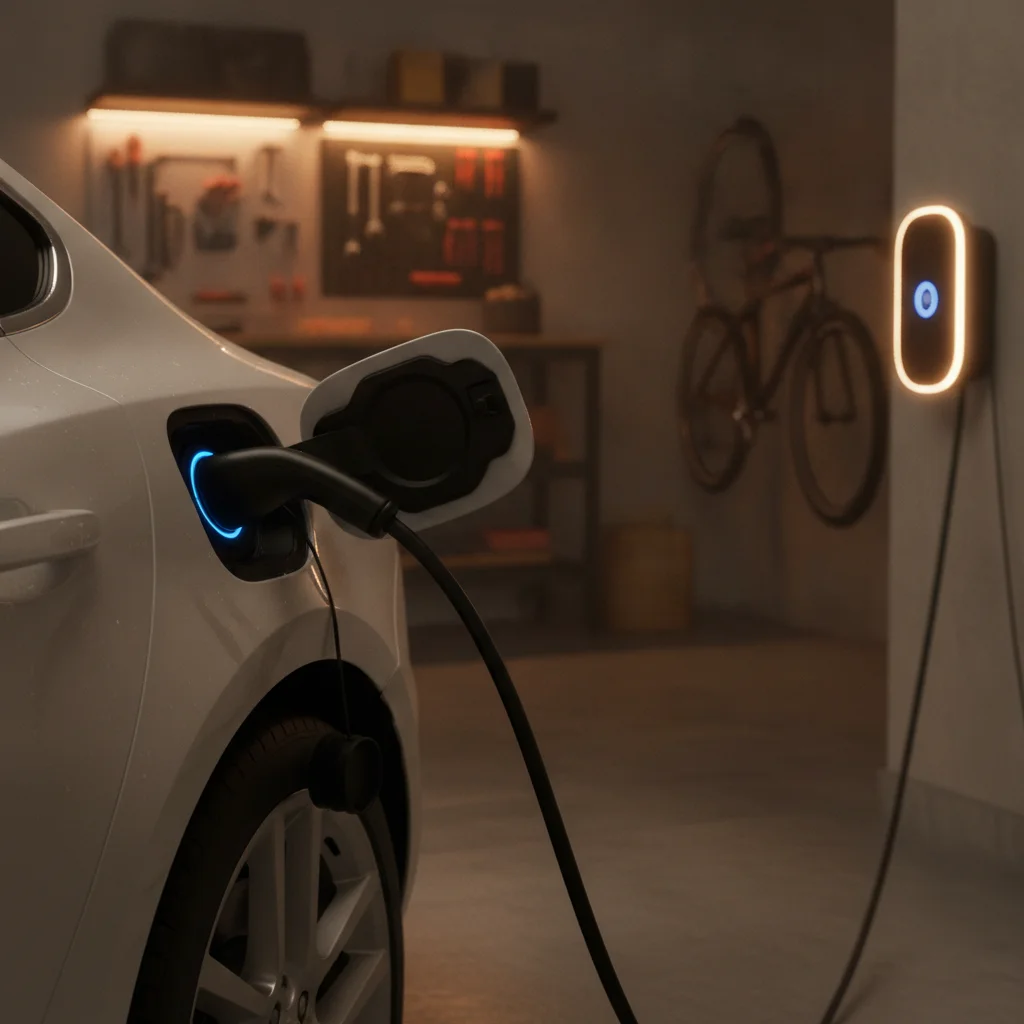
The 100% Charge Myth
Charging to 100% before a long trip feels intuitive. More charge equals more range, so why wouldn't you start full? The nuance is that lithium-ion cells experience accelerated degradation when held at the top of their charge state, especially when combined with heat. Most manufacturers recommend a daily charge limit of 80% for routine use, with 100% reserved for trips where the full range is genuinely necessary — and even then, the car should be driven shortly after reaching full charge, not left sitting.
Some drivers set a routine of charging to 100% for every commute, believing it maximizes their daily buffer. Over months and years, this habit measurably accelerates capacity loss. New EV owners are often surprised by real-world range variations — and battery capacity loss is the variation that compounds the most quietly.
Running to Empty
At the other end of the spectrum, repeatedly depleting the battery to very low states of charge — below 5–10% — stresses cells in a different way and can trigger deep-discharge protection modes that slow future charging. Beyond the chemistry, arriving at a charger with 2% remaining leaves zero buffer if that charger is occupied or malfunctioning. The practical rule: plan every stop to arrive with at least 10–15% remaining, and treat the last 5% as non-negotiable emergency reserve.
Never Plan to Arrive at a Charger Below 10%
Arriving at a DC fast charger with 2–5% remaining leaves no margin for a broken stall or an occupied station. If that charger fails, you may not have enough range to reach the next one. Plan every charging stop to arrive with 10–15% state of charge as a minimum. Treat the last 5% as an emergency reserve that should never enter your planning calculations.
Routinely Charging to 100% Degrades Your Battery Faster
Lithium-ion cells experience measurable stress when held at maximum charge, particularly in warm conditions. Most manufacturers explicitly recommend an 80% daily charge limit in their owner documentation. Charging to 100% for every trip — even short ones — accelerates capacity loss over months and years, quietly shrinking the range you have available. Reserve full charges for trips that genuinely require it.
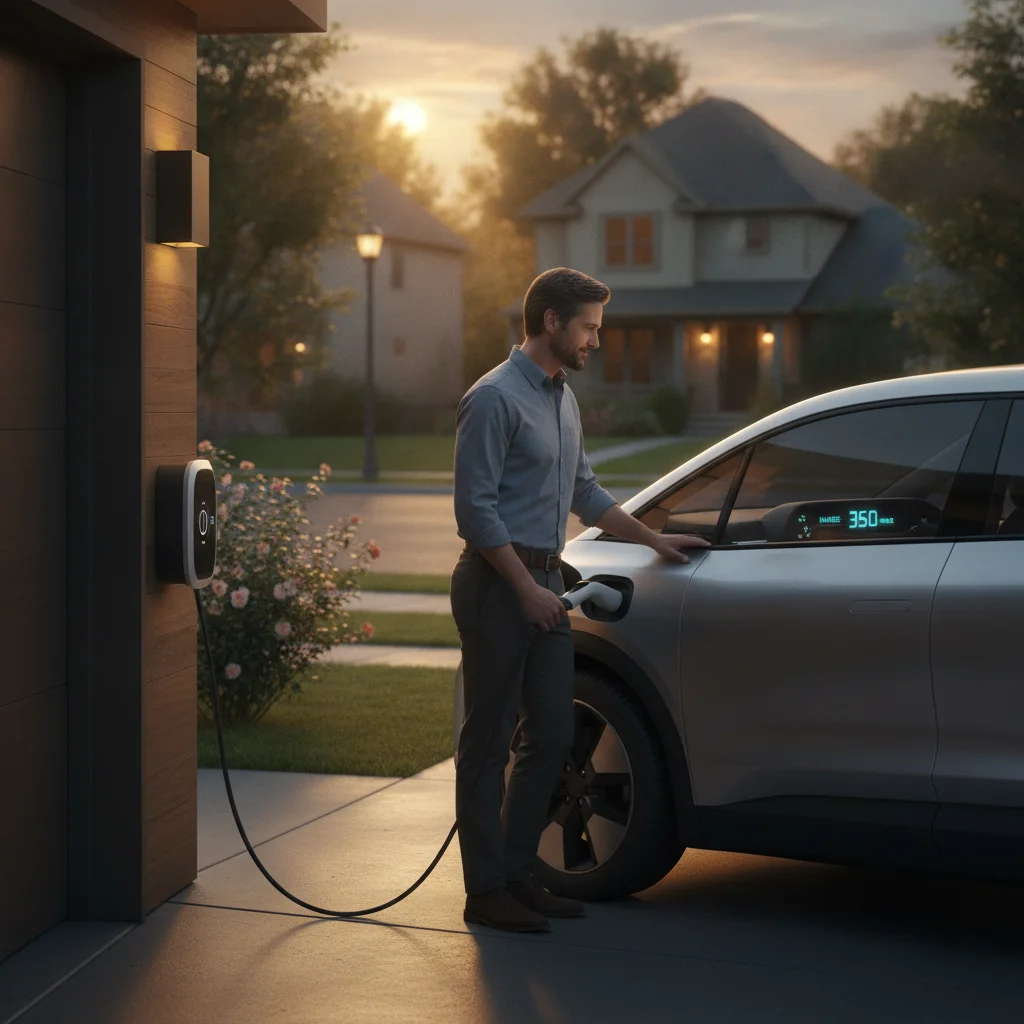
For drivers setting up their charging habits at home, choosing and installing the right home EV charger is the foundation that makes every trip plan more reliable — because starting each day with a predictable, correctly managed charge removes one variable from the equation entirely.
How to Build a Range Plan That Actually Works
Avoiding range planning mistakes isn't about being overly cautious — it's about replacing assumptions with inputs. A solid trip plan for an EV uses the same logic as any good travel plan: account for the variables you can measure, build buffers for the ones you can't, and have a contingency for the unexpected.
Use Your Vehicle's Native Navigation, Not Just a General Map App
Third-party navigation apps are improving their EV integration, but vehicle-native systems have access to real-time battery state, cabin temperature, and historical consumption data for your specific model. When you enter a destination into the car's navigation, the system can calculate charging stop recommendations based on your current state, not a generic EPA estimate. Override those recommendations only when you have a specific reason to — and never because you think you can 'make it' on a gut feeling.
Apply a 20–25% Range Buffer as a Non-Negotiable Rule
If your vehicle shows 200 miles of remaining range, treat 150–160 miles as your usable planning figure. This buffer absorbs unexpected traffic (which ironically can help range in stop-and-go but hurts it at highway speeds), detours, charger failures, and weather shifts. It also means you arrive at each charging stop with enough charge to reach an alternative location if needed. Practical strategies to drive farther between charges on road trips detail how to systematically apply this buffer alongside other efficiency techniques.
Research Charger Locations, Not Just Counts
Before any trip exceeding your buffer range, open PlugShare, ABRP (A Better Route Planner), or your vehicle's native charging network app and verify: station location, number of stalls, recent user check-ins, and whether the station has a history of uptime issues. Identify a backup charger within range of each planned stop. Separating EV range myths from data-backed facts is useful context here — including the myth that any fast charger on the map is necessarily a working one.
EV range planning has a learning curve, but it flattens quickly once the core variables are understood. The drivers who get stranded are almost never unlucky — they're operating on assumptions that the numbers on the screen are promises rather than estimates made under ideal conditions. Treating range as a range of possibilities, not a fixed guarantee, is the mindset shift that makes long-distance EV travel genuinely reliable.
All claims are backed by peer-reviewed research. Sources on request.