| Typical all-in installation cost | $1,000–$2,500 (National average, 2024 contractor estimates) |
| EVSE equipment cost range | $200–$900 |
| Electrician labor cost (simple install) | $300–$500 |
| Panel upgrade adder (if needed) | $1,500–$3,500 (Varies significantly by region and panel type) |
| Federal tax credit available | 30%, up to $1,000 (IRS Form 8911, Inflation Reduction Act) |
| Typical utility rebate | $100–$500 (Varies by utility; check your provider's website) |
| Permit cost range | $50–$300 (Depends on local jurisdiction) |
| Voltage / amperage required | 240V / 40–50A dedicated circuit |
The Short Answer: What Most Homeowners Actually Pay
If you want a single number to anchor your budget, most homeowners in the United States pay between $1,000 and $2,500 all-in for a Level 2 home EV charger — equipment plus a licensed electrician's labor. Simple installations on the low end can come in under $700. Complex jobs requiring panel upgrades or long conduit runs can push past $4,000.
That wide range isn't random. Five specific variables drive almost every quote you'll get, and understanding them lets you walk into an electrician conversation with realistic expectations rather than sticker shock.
| Typical all-in installation cost | $1,000–$2,500 (National average, 2024 contractor estimates) |
| EVSE equipment cost range | $200–$900 |
| Electrician labor cost (simple install) | $300–$500 |
| Panel upgrade adder (if needed) | $1,500–$3,500 (Varies significantly by region and panel type) |
| Federal tax credit available | 30%, up to $1,000 (IRS Form 8911, Inflation Reduction Act) |
| Typical utility rebate | $100–$500 (Varies by utility; check your provider's website) |
| Permit cost range | $50–$300 (Depends on local jurisdiction) |
| Voltage / amperage required | 240V / 40–50A dedicated circuit |
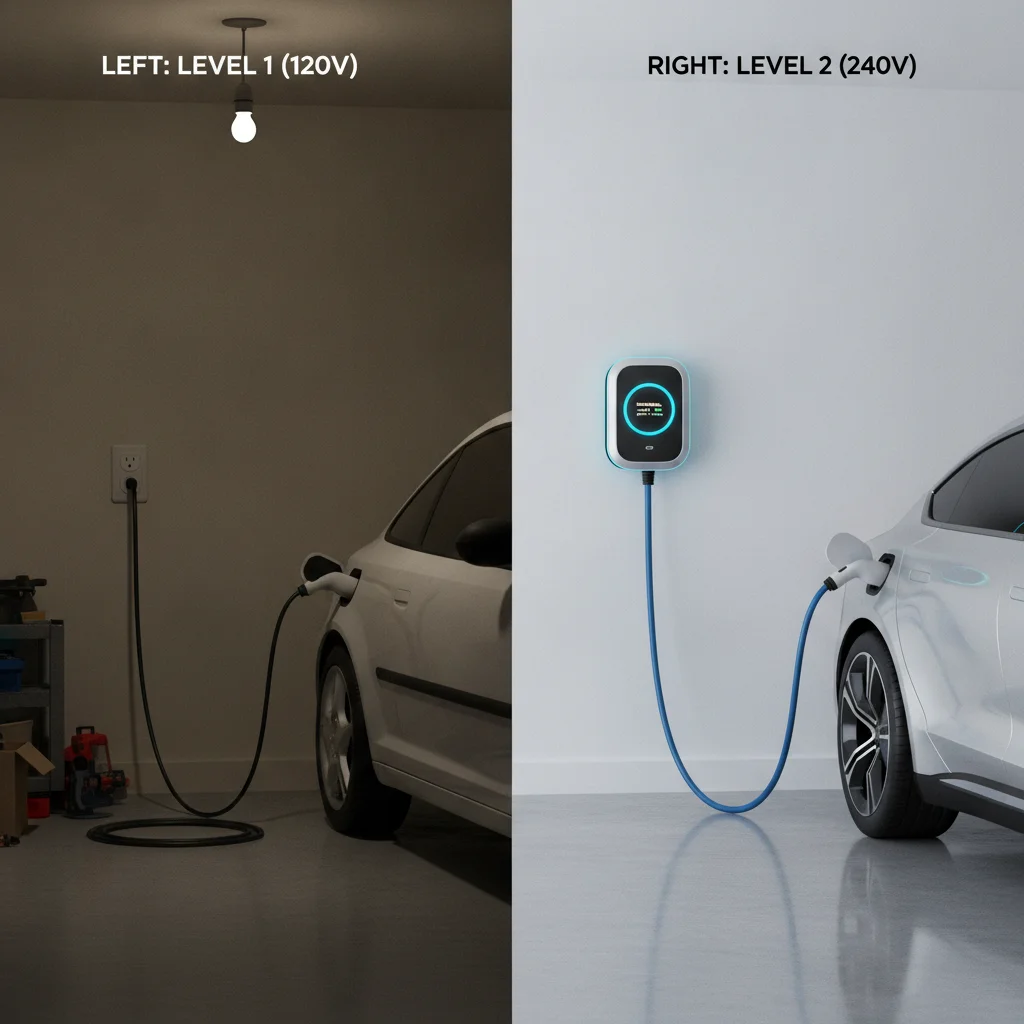
If you're still weighing whether to bother with Level 2 at all, see how Level 1 and Level 2 compare on speed and practicality before committing to any hardware or contractor.
The Five Variables That Drive Your Quote
1. EVSE Equipment Cost
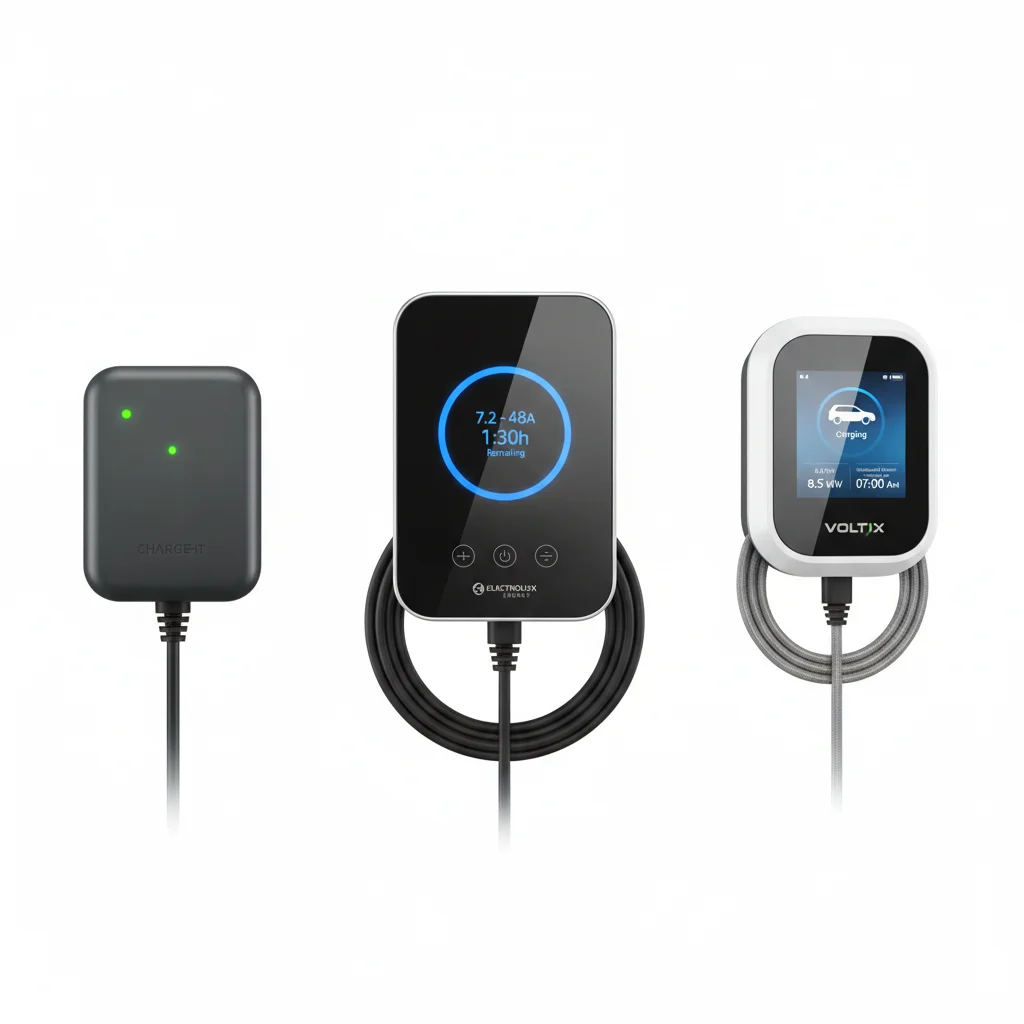
The charger unit itself — technically called Electric Vehicle Supply Equipment (EVSE) — runs anywhere from $200 to $900 for most residential-grade hardware. Budget-friendly options like the Lectron 40A or Amazon Basics unit land around $200–$300. Mid-range units with smart features (Wi-Fi scheduling, energy monitoring, app integration) such as the ChargePoint Home Flex or Emporia Vue typically cost $300–$500. Premium brands like Wallbox or JuiceBox run $500–$900.
Smart features are not just convenience — time-of-use scheduling can meaningfully reduce your electricity bill if your utility charges peak and off-peak rates. That said, even a dumb charger does its core job reliably.
2. Electrical Panel Capacity
A Level 2 charger operating at 240V/40A needs a dedicated 50A circuit. If your panel has open breaker slots and sufficient remaining capacity, adding that circuit is straightforward. If your panel is full, outdated (Federal Pacific or Zinsco panels are red flags), or already near its amperage ceiling, an upgrade to a 200A panel can add $1,500 to $3,500 to your bill on its own.
This is the single biggest wildcard in home EV charger installations. An electrician cannot responsibly skip this assessment.
3. Distance and Conduit Run
Your breaker panel is rarely right next to where you park. Every additional foot of conduit and wire adds labor and material costs. A short 15–20 foot run from a panel adjacent to the garage is cheap. A 60-foot run through finished walls or attic space can add $500–$1,500 to the job.
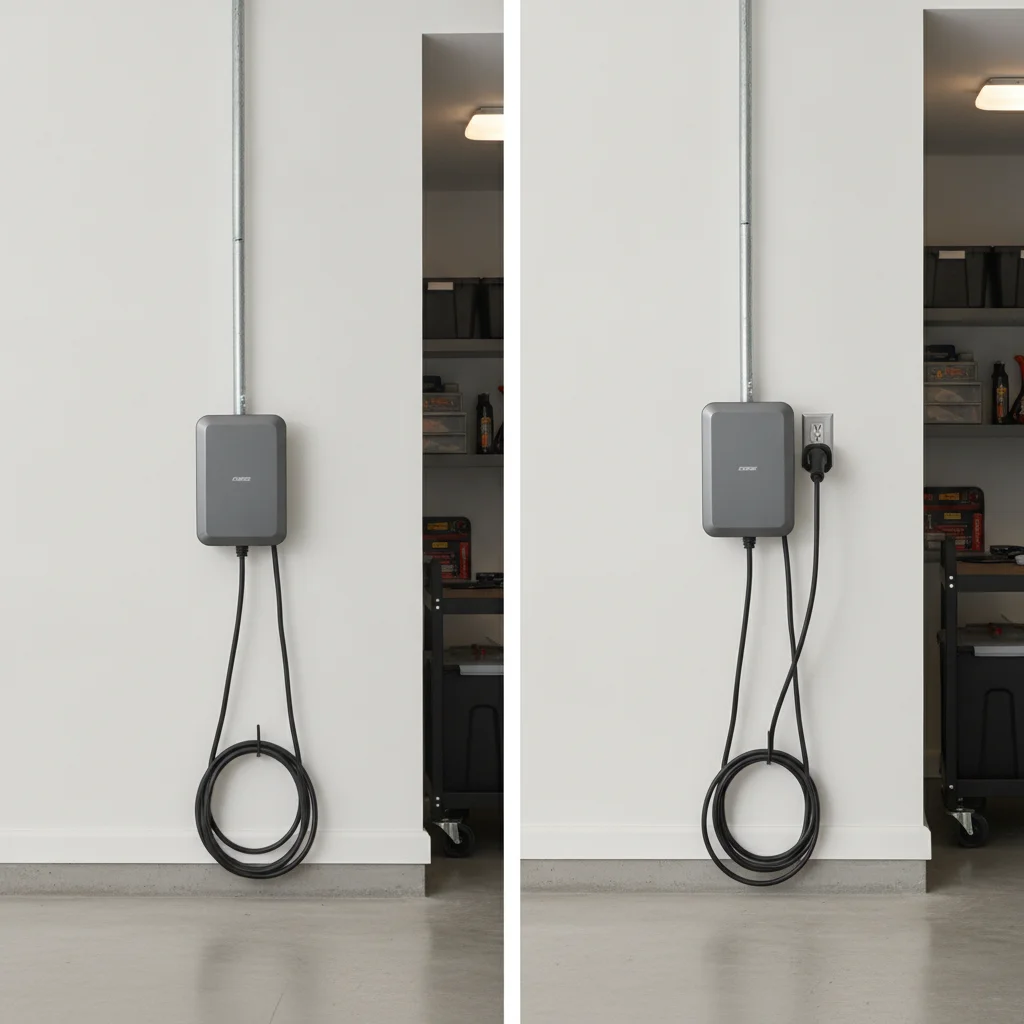
4. Installation Type: Hardwired vs. Plug-In
Hardwired units are wired directly into your electrical system, while plug-in units connect to a NEMA 14-50 outlet. The outlet installation costs about the same as hardwiring, but plug-in setups give you flexibility — you can take the charger with you if you move. Compare hardwired and plug-in Level 2 chargers to decide which approach fits your situation before getting quotes.
5. Permits and Inspections
Most jurisdictions require an electrical permit for this work — budget $50 to $300 depending on your municipality. Skipping permits might save you money upfront, but an unpermitted installation can void your homeowner's insurance coverage and create headaches when you sell. Always ask your electrician whether permits are included in their quote.
$1,600
Median home EV charger installation cost
Based on aggregated contractor data from HomeAdvisor and Angi, 2024.
30%
Federal tax credit on installation costs
Available under the Inflation Reduction Act for qualifying residential EV charger installations through 2032.
$3,500
Maximum added cost for electrical panel upgrade
Panel upgrades are the most common reason installations exceed $2,500 in total project cost.
80%
EV drivers who primarily charge at home
According to J.D. Power's 2023 U.S. Electric Vehicle Experience Home Charging Study.
~$75/month
Average monthly electricity cost to charge an EV at home
Estimated at national average residential rate of ~$0.16/kWh, driving approximately 1,000 miles/month in a mid-range EV.
Cost by Scenario: Three Real-World Examples
| Scenario | Equipment | Labor & Materials | Permits | Total Estimate |
|---|---|---|---|---|
| Simple install — panel nearby, open slot, garage wall | $250–$400 | $300–$500 | $75–$150 | $625–$1,050 |
| Mid-complexity — conduit run through garage, smart charger | $400–$600 | $600–$1,000 | $100–$200 | $1,100–$1,800 |
| Complex install — panel upgrade required, long conduit run | $400–$700 | $2,000–$3,500 | $150–$300 | $2,550–$4,500 |
These ranges reflect national averages. Labor rates in high cost-of-living areas (California, New York, Washington) skew 20–40% higher than the national midpoint. Rural markets often come in 10–20% lower but may have fewer qualified EV-experienced electricians to choose from.
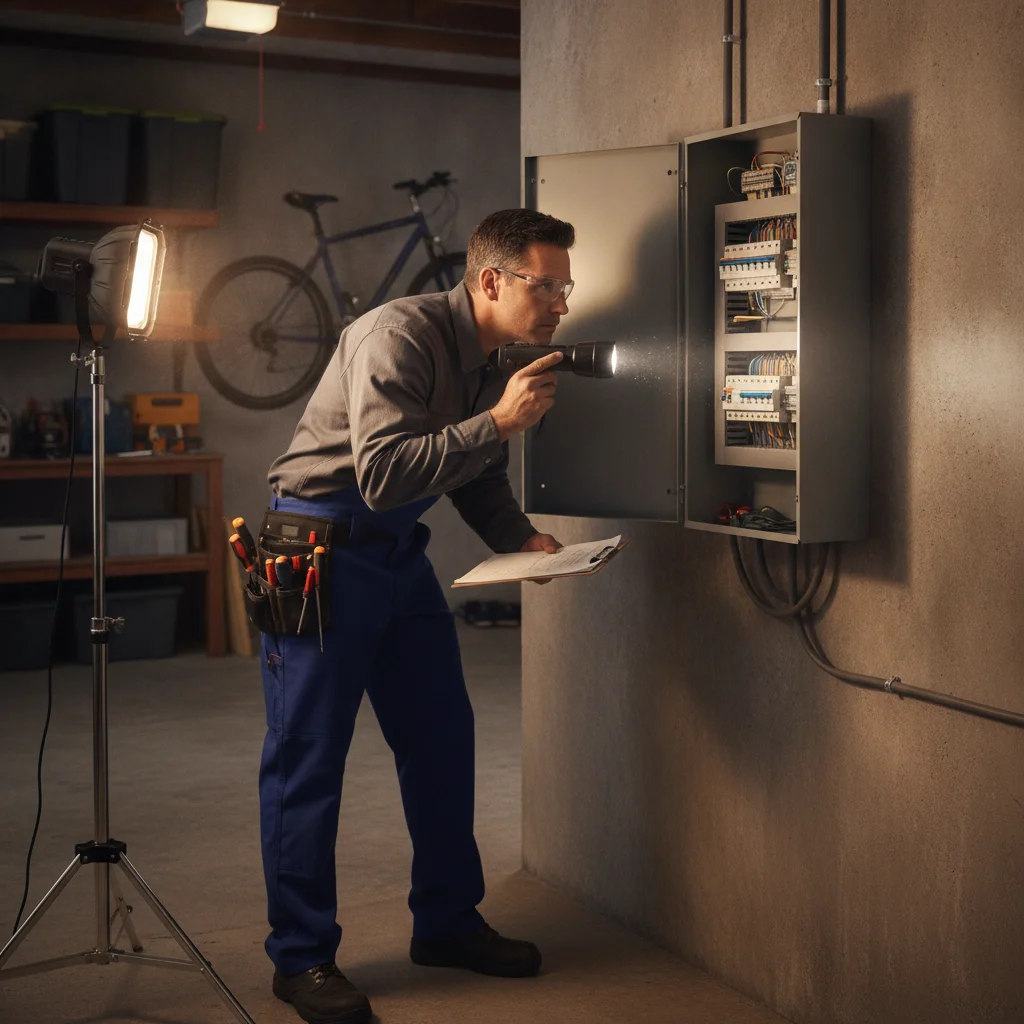
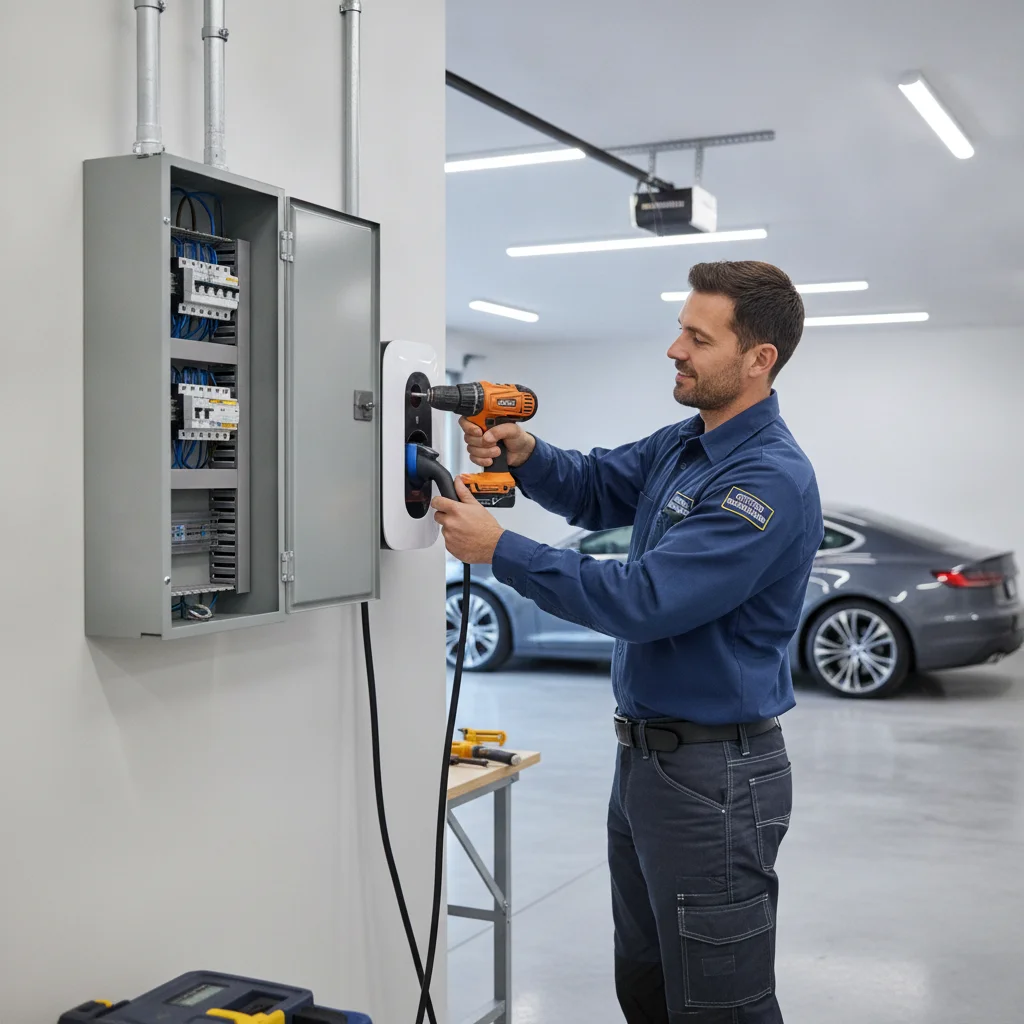
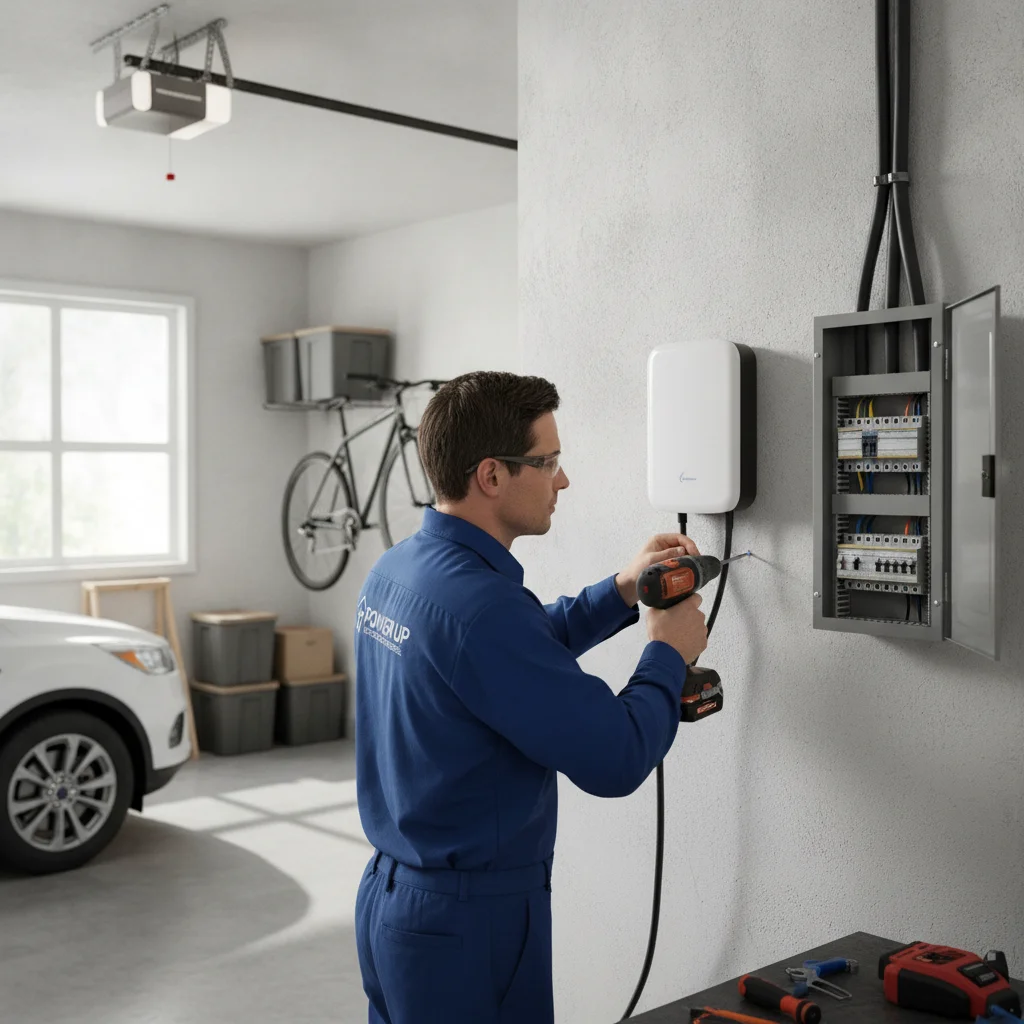
To understand exactly what an electrician will do during the visit — and what questions to ask — read the step-by-step breakdown of a home EV charger installation.
Always Verify the Electrician is Licensed
EV charger installation involves 240V wiring and requires a licensed electrician in virtually every U.S. jurisdiction. Ask for their license number and verify it with your state licensing board before signing any contract. An unlicensed installation may fail inspection, void your homeowner's insurance, and create safety hazards that a permit would have caught.
Renters Face Additional Hurdles
If you rent your home or garage, you'll need landlord approval before any electrical work — and your renter's insurance policy almost certainly won't cover a permanently installed charger without an explicit endorsement. Review your lease and policy before spending a dollar on equipment or quotes.
How to Reduce What You Pay
Federal Tax Credit
The Alternative Fuel Vehicle Refueling Property Credit (Form 8911) under the Inflation Reduction Act provides a tax credit of 30% of installation costs, up to $1,000 for residential installations. This applies to both the equipment and the labor. Consult a tax professional to confirm your property qualifies — some geographic restrictions apply.
Utility Rebates
Many electric utilities offer rebates ranging from $100 to $500 for installing a Level 2 charger, particularly if you enroll in a managed charging or time-of-use program. Check your utility's website or the Department of Energy's Alternative Fuels Station Locator for current programs in your state.
Get Multiple Quotes
EV charger installation is still a specialty service in many markets, and pricing varies significantly between contractors. Get at least three quotes from licensed electricians. Ask each one to itemize equipment, labor, conduit materials, and permits separately so you can compare apples to apples.
Buy Your Own Equipment
Many electricians will install owner-supplied equipment. Buying your EVSE directly from the manufacturer or a retailer can save $50–$200 compared to electrician markup. Confirm this arrangement upfront — some contractors charge a higher labor rate for owner-supplied units.
Time the Job Strategically
If you need a panel upgrade anyway — for an addition, new HVAC, or other home improvement — bundling the EV circuit into that project can cut your incremental cost significantly since the electrician is already on-site and the permit is already open.
EVSE
Electric Vehicle Supply Equipment — the technical term for what most people call a home EV charger. It manages the flow of electricity from your home's electrical system to your vehicle's onboard charger.
Level 2 Charging
A 240V charging standard that delivers 10–60 miles of range per hour depending on the charger's amperage and the vehicle's onboard charging capacity. Requires a dedicated 240V circuit, identical to a dryer or range outlet.
Dedicated Circuit
A circuit in your electrical panel reserved exclusively for one device or outlet. Level 2 chargers require a dedicated 50A circuit to operate safely at full capacity.
Panel Upgrade
Replacement of an older or undersized electrical service panel with a higher-capacity unit — typically upgrading from 100A to 200A service. Required when your existing panel lacks available capacity or breaker slots for a new circuit.
NEMA 14-50
A standard 240V, 50A outlet commonly used for plug-in Level 2 EV chargers. The same outlet type is used for large appliances like electric ranges.
Time-of-Use (TOU) Rate
A utility pricing structure that charges different rates for electricity depending on the time of day. Charging overnight during off-peak hours under TOU rates can cut your EV electricity cost by 30–50% versus daytime charging.
Conduit
A rigid or flexible pipe used to protect and route electrical wiring through walls, ceilings, or exposed surfaces. Longer conduit runs from your panel to your charger location directly increase installation labor and material costs.
For the full picture of what your home setup involves beyond the charger itself, see what a complete home EV charging setup actually requires.
Don't Overlook Ongoing and Hidden Costs
Installation is a one-time cost. But it's worth knowing what follows:
- Electricity cost: Charging a typical 75 kWh EV battery from empty costs roughly $10–$18 at national average residential rates ($0.13–$0.24/kWh). If you charge daily, budget $50–$100/month in added electricity depending on your daily mileage and local rates. Compare this to what EV charging really costs versus gasoline.
- Insurance: Your homeowner's policy may not automatically extend coverage to a permanently installed Level 2 charger. This is worth a five-minute call to your insurer. Find out whether your policy covers your home charger — especially if you rent.
- Subscription fees: Some smart chargers (Chargepoint, JuiceBox) operate core functions for free but charge for premium analytics. Read the fine print before choosing.
- EVSE lifespan: Most Level 2 units are rated for 10+ years of daily use. Warranties typically run 3–5 years. Factor replacement cost into long-term math.
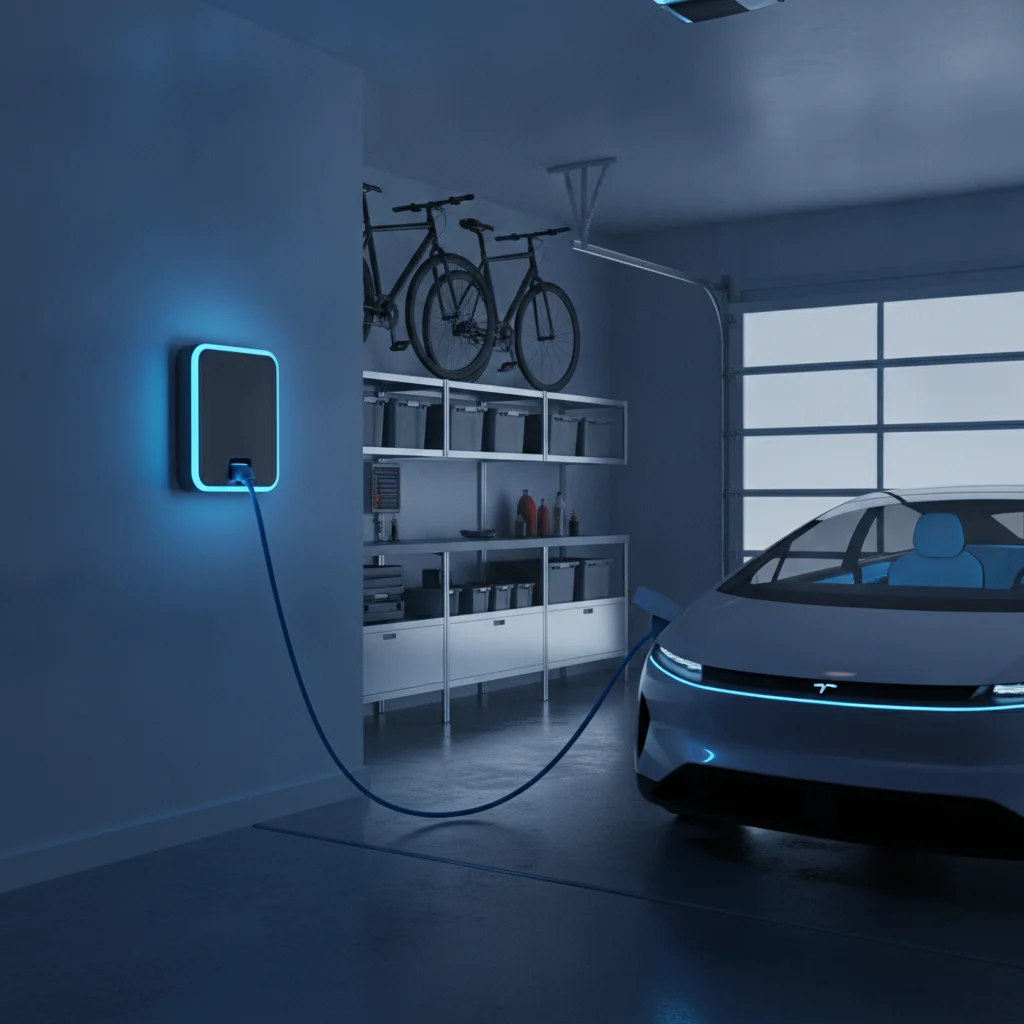
If you're comparing home charging costs to using public DC fast chargers on a regular basis, understand how public charging networks price their sessions — it changes the math on whether a home installation pencils out.
IRS Form 8911 — Alternative Fuel Vehicle Refueling Property Credit
The official IRS form and instructions for claiming the 30% federal tax credit on your Level 2 charger installation. Download directly from IRS.gov and review eligibility requirements before filing.
DOE Alternative Fuels Station Locator & Incentive Finder
The U.S. Department of Energy's tool lets you search for state, utility, and local rebates available in your zip code for EV charger installation — often revealing programs your electrician won't mention.
Angi / HomeAdvisor — Get Multiple Electrician Quotes
A practical starting point for collecting competing installation quotes from licensed electricians in your area. Useful for benchmarking labor costs before committing to a contractor.
ENERGY STAR Certified EV Chargers List
EPA's curated list of ENERGY STAR-certified Level 2 chargers. Products on this list meet efficiency and smart-charging standards and are often eligible for utility rebates that non-certified units are not.

All claims are backed by peer-reviewed research. Sources on request.