Key Takeaways
The Bundle Discount Isn't Free Money
Insurance companies market bundling as a win for everyone: you consolidate, they earn more of your business, and you pocket a discount. It's a clean story. The problem is that the discount is calculated off their rates — and if their base rates are uncompetitive to begin with, you can come out behind even after the discount is applied.
Consider a simple scenario: Insurer A charges $1,800/year for auto and $1,400/year for home, but offers a 15% bundle discount, bringing the combined total to $2,720. Insurer B charges $1,500/year for auto and $1,100/year for home with no bundle at all — a combined $2,600. The bundled option still costs $120 more annually, even with the discount. That gap can be much wider depending on your driver profile, location, and coverage needs.
The bundle marketing pitch works because most people never run the math. They see "save up to 25%" and stop there. This article is about the cases where stopping there costs you money — and what to do instead. For a deeper look at when bundling does make financial sense, see our guide on when bundling home and auto actually saves money.

Common Mistakes Drivers Make When Assuming Bundling Wins
The errors below aren't about being careless — they're the natural result of how insurance is marketed and how little time most of us spend scrutinizing our policies. Understanding them is the first step toward paying what you should actually be paying.
Comparing the bundle discount percentage instead of the total combined dollar cost.
Why it happens: A "15% discount" sounds like an obvious win, and carriers make the percentage prominently visible. Most buyers never add up what they'd pay at competing carriers for each policy separately.
Assuming that the insurer offering the best home rate will also be competitive on auto, or vice versa.
Why it happens: People naturally assume a carrier that is good at one line of insurance is equally competitive across all lines. In reality, carriers often have stronger pricing on one product type than the other.
Not re-shopping the bundle when one policy renews with a significant rate increase.
Why it happens: Bundled policies feel like a single financial commitment. When home insurance renews at a higher rate, most people assume the auto portion is still competitive and don't revisit the full picture.
Bundling to get a discount and then buying excess coverage you don't actually need.
Why it happens: Carriers sometimes pitch additional coverage upgrades at the time of bundling, and the psychological framing of 'I'm already saving money' makes buyers more willing to add riders or endorsements they'd have declined otherwise.
Ignoring specialty carrier options for non-standard vehicles or high-value homes in favor of a convenient bundle.
Why it happens: Specialty carriers require more research and don't advertise as broadly as major bundled insurers. It's simply easier to call one carrier and check two boxes at once.
Letting loyalty to a long-term carrier prevent you from comparing bundled vs. separate pricing.
Why it happens: Drivers who have had the same insurer for years often feel that switching is risky or disloyal, especially if they've had positive claims experiences. That attachment can override financial logic.
Don't Cancel Mid-Term Without Checking Penalties
Switching away from a bundle mid-policy year can trigger short-rate cancellation fees on your home insurance, meaning you receive less than the pro-rated refund you'd expect. Before making any mid-term change, call your current insurer and ask exactly what you'd be refunded if you cancel today. Factor that number into your savings calculation before pulling the trigger.
Coverage Gaps Can Appear When You Split Policies
Some umbrella liability policies require that your underlying auto and home policies be with the same carrier. If you're carrying a personal umbrella, confirm with your umbrella provider that splitting your auto and home won't void your umbrella coverage eligibility or create a gap in underlying limits. This is an easy detail to overlook and an expensive one to discover after a claim.
Profiles Most Likely to Overpay by Bundling
Certain driver and homeowner profiles are systematically underserved by bundled pricing. Knowing whether you fall into one of these categories can make the difference between a good deal and an expensive one.
5–25%
Typical bundle discount range
According to the Insurance Information Institute, multi-policy discounts typically range from 5% to 25% depending on the carrier and lines bundled.
$400+
Potential annual savings from re-shopping
A 2023 J.D. Power study found that drivers who actively shopped their auto insurance at renewal saved an average of over $400 annually compared to those who auto-renewed.
35%
Drivers who never re-shop their policy
Industry surveys consistently find that roughly a third of policyholders have not compared auto insurance quotes in more than three years, leaving significant potential savings unclaimed.
2 in 5
Bundled customers paying more than split alternatives
A Consumer Reports analysis found that roughly two in five bundled policyholders would have paid less by purchasing separate auto and home policies from different carriers.
High-Risk or Recent-Incident Drivers
If you've had a DUI, multiple at-fault accidents, or a lapse in coverage in the past three to five years, standard bundled carriers often charge elevated auto rates regardless of your home insurance history. Specialty non-standard auto insurers — who don't offer bundling at all — can frequently price your auto coverage more aggressively than a major carrier's bundled rate. You won't get a home discount, but you may pay far less on the piece that actually costs more.
Renters Who Qualify for Minimal Renter's Insurance
Renter's insurance is cheap — often $12–$20/month for basic coverage. Some bundled carriers inflate their auto rates slightly when paired with a renter's policy, while standalone auto specialists simply don't. If your renter's policy is minimal and you're buying it purely to trigger a bundle discount, confirm that the auto savings exceed what you'd pay by shopping auto independently.
New Homeowners With a Fresh Mortgage
Lenders require home insurance and often have preferred carriers. If your mortgage lender's preferred insurer doesn't compete on auto rates — or if your new-home location sits in a high-risk zone that inflates home premiums across the board — bundling with that same carrier may saddle you with uncompetitive auto pricing. Homeownership can lower your auto rate even without bundling at many carriers, so don't assume a formal bundle is the only way to capture that benefit.
Classic Car or Collector Vehicle Owners
Agreed-value coverage for classic cars is a specialty product. Major bundled carriers typically offer stated-value or ACV coverage that doesn't adequately protect a collectible. Specialty insurers like Hagerty or American Collectors Insurance offer purpose-built policies — but they don't bundle with home insurance. Forcing a classic vehicle into a standard bundle often means paying for inadequate coverage and missing out on mileage-based discounts that specialty carriers routinely provide.

Drivers in States With Highly Competitive Auto Markets
Auto insurance pricing varies enormously by state. In highly competitive markets — think Texas, Florida, or Ohio — direct-to-consumer auto insurers frequently undercut bundled carrier pricing by meaningful margins. If you live in a state where auto insurance is aggressively competed, treating your auto policy as standalone and shopping it independently every 12 months can consistently beat the bundle math. You can still shop your home insurance separately and optimize each line independently. Our policy comparison hub has tools to help you evaluate quotes side by side.
How to Run the Numbers Before You Decide
The good news is that figuring out whether bundling saves you money is straightforward arithmetic — it just requires getting the right quotes in front of you simultaneously.
Step 1: Get a bundled quote from at least two major carriers
Use the same coverage levels for both auto and home across every quote. Changing deductibles or liability limits between quotes makes comparison meaningless. Make sure the bundled quote clearly shows what each policy costs individually and what the combined discount is.
Step 2: Get standalone quotes for each policy type
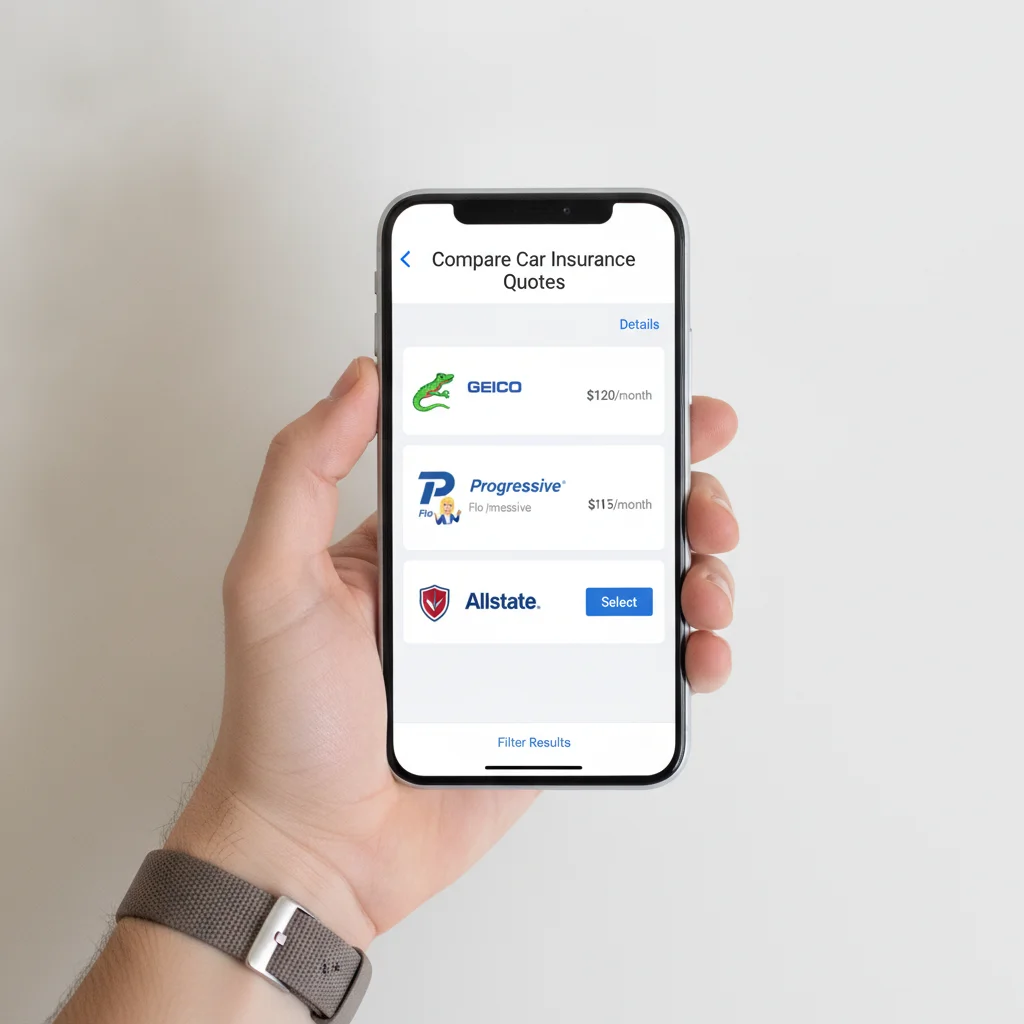
Shop your auto policy at three or four carriers who specialize in auto — including direct insurers and regional carriers. Do the same for home or renter's insurance. This gives you a real-world baseline for what each line actually costs unbundled.
Step 3: Add the totals and compare
It's not about the discount percentage — it's about the dollar amount you write checks for. Total your best standalone auto quote plus your best standalone home or renter's quote, and compare that to the best bundled total. The lower number wins, full stop.
Match Coverage Terms Before Comparing Prices
A lower premium means nothing if the coverage is materially weaker. When comparing bundled versus separate quotes, ensure deductibles, liability limits, replacement cost versus ACV provisions, and any endorsements are equivalent across all options. Price is the tiebreaker when coverage is equal — not a standalone metric.
Bundling Can Lock In Complacency
Once you bundle, the friction of managing two relationships with two carriers makes most people stop shopping. Carriers price bundled customers with that stickiness in mind. The best defense is a firm annual review habit — get fresh quotes every renewal regardless of how convenient your current arrangement feels.
Step 4: Factor in coverage quality, not just price
If a bundled carrier offers broader replacement cost coverage on your home or better uninsured motorist limits on your auto, that has real value. Cheaper isn't always better if the coverage gap is meaningful. But if coverage is equivalent or easily matched, price should drive the decision. For guidance on which optional coverages actually add value versus which ones mostly benefit the insurer, see our breakdown of add-ons that rarely pay off.
Step 5: Revisit the math every renewal cycle
Insurance pricing changes. Your risk profile changes. A bundle that saved you money last year may not be the winner this year — especially after a home insurance rate increase, a change in your driving record, or a new carrier entering your state. Build an annual comparison into your routine. You may also find discounts hiding in plain sight on your existing policy that you haven't claimed yet.
When Separate Policies Make Structural Sense
Beyond the pure price calculation, there are situations where keeping policies separate isn't just cheaper — it's the strategically smarter structure.
Multi-vehicle households with divergent risk profiles
If your household has one driver with a clean record and one with incidents, some insurers will price the bundled auto policy using the worst risk in the household as the anchor. Splitting policies — or carefully choosing a carrier whose household pricing algorithm treats each driver more independently — can produce real savings. Multi-car discount pricing is complex enough that it warrants its own analysis before you assume bundling is the right call.
When your home insurer is essentially required
Condo associations sometimes mandate HOA master policy carriers. Rural homeowners in high-fire or high-flood zones may have limited home insurer options — sometimes only the state FAIR plan. In these cases, you have no meaningful choice on the home side, which makes bundling impossible or impractical. Your energy is better spent aggressively optimizing your auto coverage independently.
When you're mid-policy and switching would cost more short-term
Canceling a policy mid-term can trigger short-rate penalties — meaning you get back less than pro-rated premium. If you're six months into a 12-month home policy and discover that splitting would save $200/year, but cancellation penalties eat $90 of that this year, plan the switch at renewal instead of acting impulsively. The savings are real; just time them properly.
For a full comparison of the scenarios where bundling wins versus where it doesn't, our detailed guide on when the bundle discount is worth it and when it isn't walks through both sides of the ledger.
The Bottom Line: Treat Bundling as a Hypothesis, Not a Default
The default assumption in most households is that bundling saves money. For many people in straightforward situations, it does — and there's nothing wrong with that outcome if the numbers support it. But the mistake is treating the bundle as a settled question rather than one you verify with actual quotes.
Insurance carriers are sophisticated at pricing. They know that once you've bundled, switching becomes psychologically harder and logistically annoying. That stickiness works in their favor, not yours. Your job is to make the decision with real numbers rather than marketing assumptions.
Run the comparison. Look at total dollars paid. Match coverage terms carefully. And revisit the question every year. That's the habit that actually keeps money in your pocket — not blind loyalty to any single carrier or the appeal of a discount percentage printed on a marketing brochure.
Match Coverage Terms Before Comparing Prices
A lower premium means nothing if the coverage is materially weaker. When comparing bundled versus separate quotes, ensure deductibles, liability limits, replacement cost versus ACV provisions, and any endorsements are equivalent across all options. Price is the tiebreaker when coverage is equal — not a standalone metric.
Bundling Can Lock In Complacency
Once you bundle, the friction of managing two relationships with two carriers makes most people stop shopping. Carriers price bundled customers with that stickiness in mind. The best defense is a firm annual review habit — get fresh quotes every renewal regardless of how convenient your current arrangement feels.

All claims are backed by peer-reviewed research. Sources on request.