Key Takeaways
Homeownership as an Insurance Rate Factor
Auto insurers in many states use whether you own or rent your home as one of several factors when calculating your car insurance premium. Homeowners tend to pay slightly less for auto coverage than renters at the same carrier, even when they don't purchase a home insurance policy from that same company. This is because ownership status correlates statistically with how often drivers file claims.
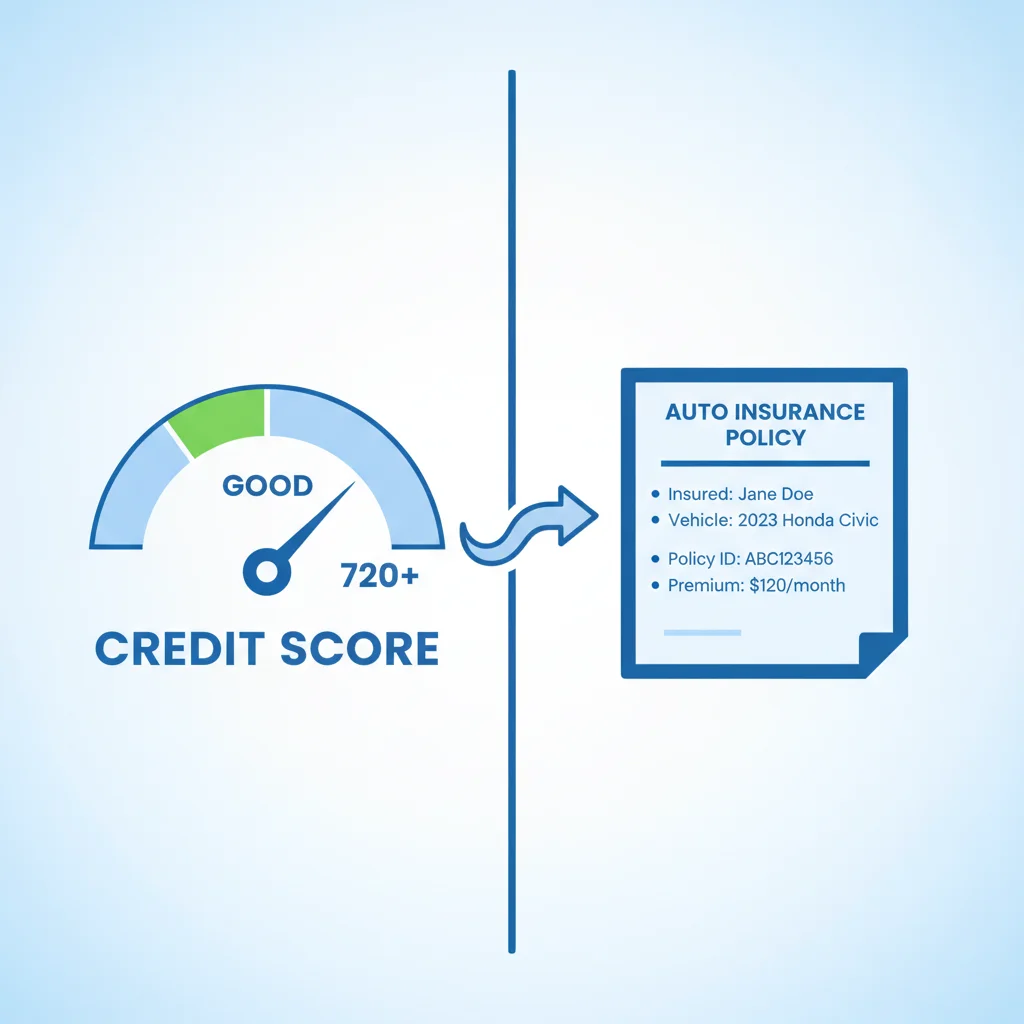
Homeownership is classified as an "lifestyle underwriting variable" — a non-driving characteristic that actuarial data links to risk. It is distinct from, though often used alongside, credit-based insurance scores.
Why Insurers Care Whether You Own or Rent
At first glance, your mortgage status and your driving record seem completely unrelated. But auto insurers don't price policies purely on what happens behind the wheel — they build statistical profiles of risk using dozens of variables, including several that have nothing to do with driving at all.
Homeownership is one of those variables. Actuarial research consistently shows that, controlling for age, income bracket, and location, homeowners file fewer auto insurance claims than renters. The reasons are layered: homeowners tend to have longer credit histories, more stable finances, and stronger incentives to protect their assets carefully. They're also, on average, less likely to be in the life stages — young adulthood, frequent relocation — most associated with accident-prone behavior.
Insurers aren't making a moral judgment about renters. They're applying a statistical correlation. In that sense, homeownership works similarly to credit-based insurance scoring: it's a proxy for underlying financial and behavioral stability, not a direct measure of how you drive.

This is why the homeownership rate factor exists independently of any bundle discount. Even if you buy home insurance from a completely different carrier, your auto insurer may still rate you more favorably for being a homeowner. The two mechanisms — lifestyle underwriting and multi-policy discounts — are separate levers that can both work in your favor at the same time.
The Actual Numbers: How Much Does It Matter?
Let's be precise about the magnitude, because inflated expectations lead to bad decisions. Homeownership is not a mega-discount like the ones you'd get for going five years accident-free or installing a telematics device. It's a modest adjustment — but it's real.
2–6%
Typical auto rate reduction for homeowners
Based on industry actuarial analyses comparing renter and homeowner profiles with otherwise equivalent risk characteristics at major U.S. carriers.
5–15%
Typical bundle discount when combining home and auto
Multi-policy discounts are a separate mechanism from the homeownership rate factor; both can apply simultaneously at most carriers.
45+
States that permit lifestyle variables in auto rating
The majority of U.S. states allow insurers to use non-driving characteristics like homeownership; only a small number of states restrict the practice.
$30–$120
Estimated annual savings from homeowner status alone
Dollar savings range is wider for drivers with higher base premiums — those in urban areas, with newer vehicles, or with recent surcharges on their record.
In practical terms, a renter paying $1,400 per year for full coverage might pay $1,330–$1,370 as a homeowner at the same carrier — saving $30 to $70 annually from this factor alone. That's not life-changing, but it's also not nothing. The value compounds when you layer it on top of other discounts: a good driver discount, a multi-car discount, a paperless billing credit. These factors multiply together in most rating systems, so every percentage point matters.
The effect is also larger in absolute dollar terms for drivers with higher base premiums — those in dense urban areas, those driving newer vehicles with expensive collision coverage, or those who've had a recent at-fault claim and are paying a surcharge. A 4% homeowner factor on a $3,000 annual premium is $120 back in your pocket.
This Factor Is Separate From Your Credit Score
Homeownership and credit-based insurance scoring are related in the sense that both reflect financial stability, but they are distinct inputs in most rating systems. Improving your credit score and reporting your homeowner status are separate actions that can each reduce your premium independently. Don't assume that because your credit score is already factored in, homeownership adds nothing.
Regulators Are Scrutinizing Non-Driving Factors
Consumer advocacy groups and some state regulators have raised concerns that lifestyle variables like homeownership can function as indirect proxies for race and income, producing discriminatory pricing outcomes. This debate is active and evolving. In several states, restrictions have been tightened in recent years, and the landscape may continue to shift. Checking your state insurance commissioner's website for current rules is good practice.
How This Differs from a Bundle Discount
Confusion between the homeownership rate factor and the bundle discount is common, and it causes some drivers to miss out. Here's the clean distinction:
- Homeownership rate factor: Applied because you own a home. Your insurer adjusts your risk profile based on your status as a homeowner, regardless of where your home insurance policy lives.
- Multi-policy (bundle) discount: Applied because you hold both home and auto insurance at the same carrier. This is a loyalty and retention incentive, typically ranging from 5–15% off one or both premiums.
You can receive both simultaneously — the rate factor for being a homeowner, plus the bundle discount for carrying both policies together. You can also receive just the homeownership factor without bundling. What you generally cannot do is receive a bundle discount without actually holding both policies at the same company.
This matters when you're evaluating whether to consolidate coverage. Sometimes the best home insurance deal is at Carrier A and the best auto deal is at Carrier B. Splitting policies can actually save you money in those scenarios — and you'll still keep the homeownership rate benefit on your auto policy as long as you disclose your ownership status. For a deeper look at when bundling genuinely pays off, see our bundling savings guide.
“Insurance pricing is built on correlation, not causation. Homeownership doesn't make you a better driver — but the data consistently shows that homeowners behave differently as insurance consumers, and carriers price that accordingly.”
— Robert Hartwig, Insurance economist and former president of the Insurance Information Institute
Where This Factor Does and Doesn't Apply
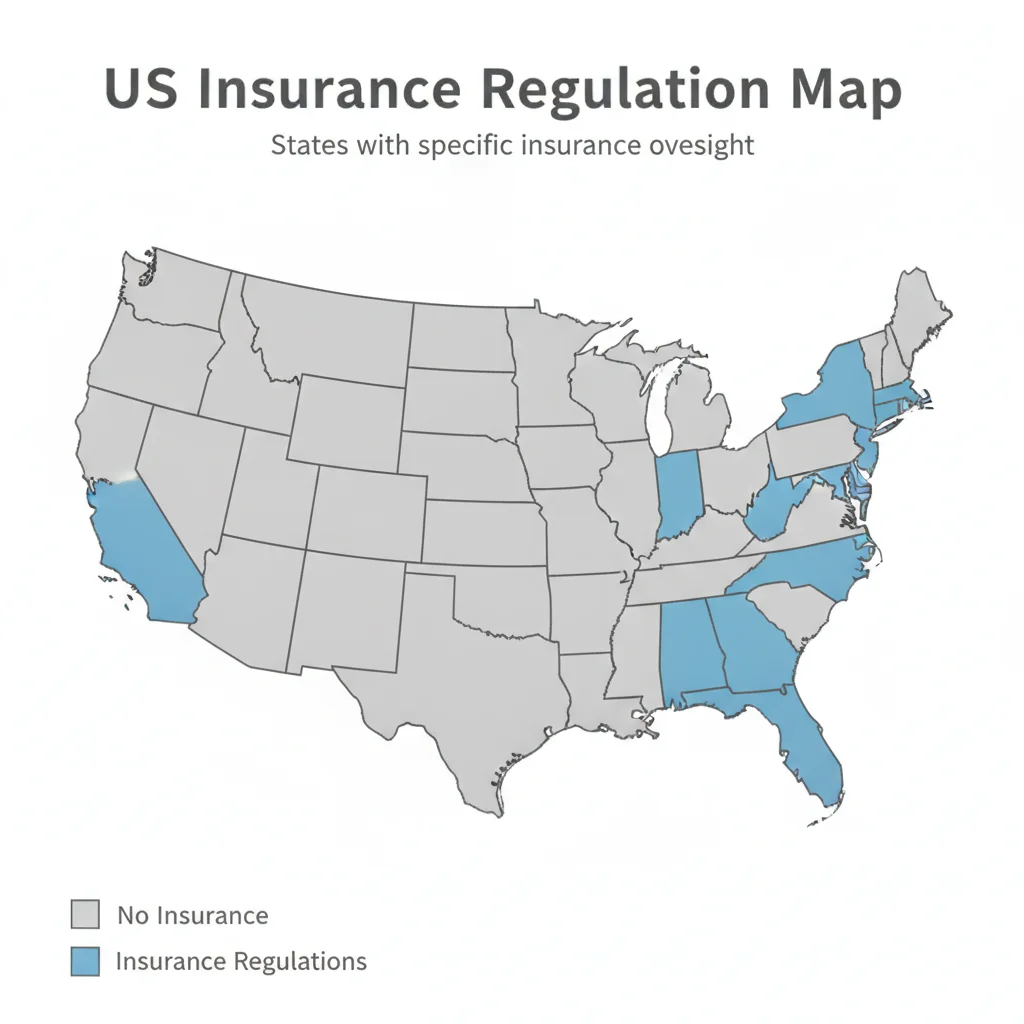
Not every state and not every insurer applies a homeownership factor. The auto insurance market is regulated at the state level, and some states have moved to restrict or eliminate the use of non-driving variables in rating algorithms.
States like California, Massachusetts, and Michigan have historically taken aggressive stances against using non-driving lifestyle characteristics — including homeownership and occupation — to price auto coverage. The rationale from consumer advocates is that these factors can serve as proxies for race and socioeconomic status, which insurers are prohibited from using directly.
In states where the factor is permitted, individual carriers still vary in how much weight they assign it. A large national insurer with sophisticated actuarial modeling might apply a 4% rate difference. A regional carrier might apply 1% or skip the variable entirely. There's no industry standard — which means comparison shopping is essential.
The rate factors that affect your premium also include your ZIP code, driving history, vehicle type, annual mileage, and coverage selections — all of which tend to carry significantly more weight than homeownership status. Keep this factor in perspective: it's a useful lever, not a dominant one.
Shop Immediately After Buying a Home
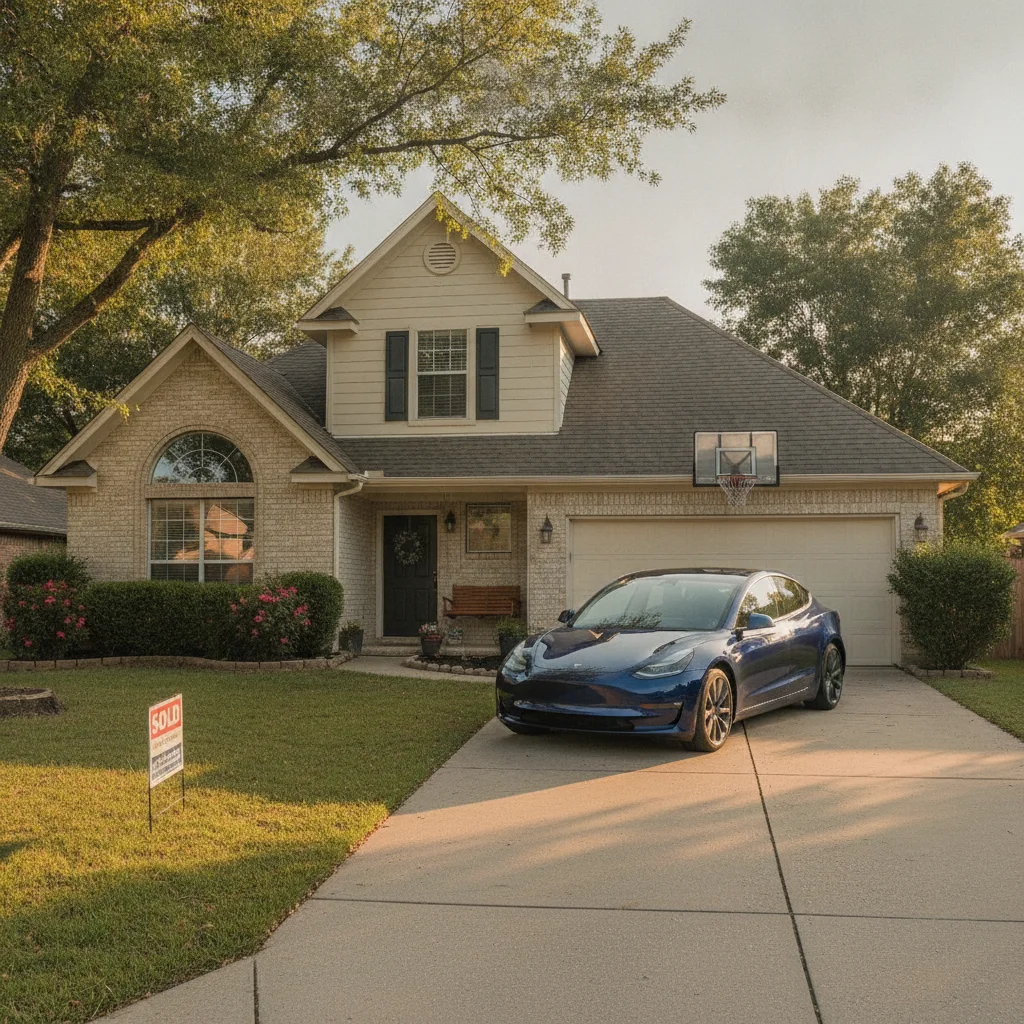
The period right after purchasing a home is one of the best times to re-shop your auto insurance. You're already updating your address across accounts, your financial profile has shifted, and carriers will see a new homeowner status on fresh applications. Running new quotes at this stage often surfaces savings that weren't available to you as a renter.
Update Your Policy Mid-Term — Don't Wait for Renewal
Most carriers allow policy updates outside of the renewal cycle. If you purchased a home six months into your current policy term, call your insurer and update your status now. Some carriers will apply a prorated credit immediately rather than making you wait. A two-minute call can recapture months of potential savings.
How Homeownership Stacks Up Against Similar Lifestyle Factors
Homeownership is part of a cluster of lifestyle and financial characteristics that insurers use to refine risk predictions. Understanding where it sits in that cluster helps you manage your overall insurance profile more strategically.
For comparison, here's how several common lifestyle rating factors tend to rank by impact, based on available industry research:
| Rating Factor | Typical Impact on Premium | Notes |
|---|---|---|
| At-fault accident (3 years) | +20–40% | Driving record dominates all lifestyle variables |
| Credit-based insurance score (poor vs. excellent) | +30–50% in permitted states | High impact where allowed; see credit score and insurance |
| Marital status (single vs. married) | -5–10% for married drivers | Marital status as a rate factor is similar in logic to homeownership |
| Homeownership status | -2–6% for owners | Modest but additive with other discounts |
| Multi-policy bundle discount | -5–15% | Separate mechanism; requires both policies at same carrier |
The takeaway is clear: homeownership will not rescue you from a high-risk driving record, and it won't offset a low credit-based insurance score the way some drivers hope. But it's a legitimate, often-overlooked discount that requires zero behavioral change — you just have to make sure your insurer knows you're a homeowner.
How to Claim This Benefit Correctly
The mechanics are simple, but they require you to take action. Here's the straightforward process:
- Update your current policy: If you've recently purchased a home and haven't told your auto insurer, call or log into your account and update your residence status. Most carriers allow this mid-term; some will apply a prorated adjustment on your next billing cycle.
- Disclose correctly on new quotes: When shopping for coverage, every quote form will ask about your residence type. Select "Own" rather than "Rent" — accurately. Do not select homeowner status if you don't own; misrepresentation on an insurance application is a policy violation.
- Ask the carrier directly: Some smaller carriers or specialty insurers don't surface this factor transparently in their quoting interface. It's worth asking: "Do you apply a different rate for homeowners vs. renters?" A straightforward question that takes 30 seconds.
- Evaluate bundling separately: Once you've confirmed the homeownership rate factor applies, do the separate math on whether bundling your home and auto policies at the same carrier adds meaningful savings on top.
The key mistake to avoid is assuming the insurer already knows. They work from the information on your application. If you bought a home three years ago and never updated your profile, you may have been paying the renter rate ever since.
Shop Immediately After Buying a Home
The period right after purchasing a home is one of the best times to re-shop your auto insurance. You're already updating your address across accounts, your financial profile has shifted, and carriers will see a new homeowner status on fresh applications. Running new quotes at this stage often surfaces savings that weren't available to you as a renter.
Update Your Policy Mid-Term — Don't Wait for Renewal
Most carriers allow policy updates outside of the renewal cycle. If you purchased a home six months into your current policy term, call your insurer and update your status now. Some carriers will apply a prorated credit immediately rather than making you wait. A two-minute call can recapture months of potential savings.
The Bigger Picture: Building an Optimized Insurance Profile
Homeownership is one thread in a larger tapestry of factors that determine what you pay for auto insurance. The smartest approach is to audit your entire profile periodically — not just once when you buy a policy — because life changes create discount opportunities that many drivers miss.
Think of your insurance profile as a running ledger. When something improves — you hit a certain age, your credit score climbs, you get married, you pay off a loan and drop collision on an older car, or you buy a home — each of those events is a potential rate reduction that requires you to update your insurer or re-shop the market.

Homeownership deserves to be on that checklist alongside the factors that get more attention, like driving record and vehicle type. The discount itself is modest, but the habit of proactively managing your insurance profile — across carriers, across life events — is worth real money over time. Drivers who re-shop every 12–24 months and keep their profile accurate consistently pay less than those who set-and-forget their policy.
The bottom line: tell your insurer you're a homeowner. It takes two minutes and costs nothing. If your carrier doesn't recognize it, that's useful information — it's one more data point telling you it might be time to shop.

All claims are backed by peer-reviewed research. Sources on request.