Key Takeaways
Our Verdict
New vehicles consistently unlock safety-technology and advanced ADAS discounts, but those savings can be outpaced by higher comprehensive and collision premiums on expensive vehicles. Older cars trade feature-based discounts for the flexibility to reduce or drop costly coverage tiers. Neither option is universally cheaper — the smartest move is matching your coverage structure and discount claims to the actual age, safety rating, and value of the car you own.
| Best for | Recommended |
|---|---|
| Drivers who want maximum safety-feature discount potential | New car (3 years old or newer) |
| Budget-conscious drivers seeking the lowest total premium outlay | Older vehicle (8–12 years old, owned outright) |
| Those balancing depreciation, safety ratings, and moderate insurance costs | 3–6 year old vehicle with strong IIHS/NHTSA ratings |
| Drivers prioritizing crash-test score discounts without full new-car pricing | Certified Pre-Owned with top safety ratings |
Why Vehicle Age Is a Hidden Variable in Your Insurance Bill
Most drivers know that their driving record and ZIP code affect their car insurance rates. Fewer realize that the age of the vehicle itself shapes not just the base premium, but also which discounts they're even eligible to claim. This isn't a trivial distinction — a single safety-feature discount can knock 5–15% off your premium, and whether you qualify often hinges on the model year of your car.
The relationship between vehicle age and insurance cost runs in two directions simultaneously. A newer car tends to be worth more, which raises the cost of comprehensive and collision coverage — the portions of your policy that pay to repair or replace the vehicle. But that same new car is also more likely to carry automatic emergency braking, lane-keeping assist, blind-spot monitoring, and other advanced driver-assistance systems (ADAS) that many insurers reward with explicit discounts.
An older car flips that dynamic. Lower replacement value can make it sensible to reduce or eliminate collision coverage, cutting your overall bill. But without modern safety technology, some of those tech-specific discounts simply aren't available — no matter how clean your record is.
Understanding exactly where these dynamics intersect — and how safety ratings factor in independently of age — gives you the clearest picture of what you can legitimately claim. The rate factors that drive your premium are more interconnected than most insurers make obvious.

Safety Ratings vs. Safety Features: Two Different Discount Triggers
Before comparing new and old vehicles, it's worth separating two concepts that often get conflated: safety ratings and safety features. Both can influence your insurance costs, but they operate through different mechanisms.
Safety Ratings (NHTSA and IIHS)
The National Highway Traffic Safety Administration (NHTSA) and the Insurance Institute for Highway Safety (IIHS) conduct independent crash tests and assign ratings — five-star systems and Top Safety Pick designations, respectively. Insurers use historical loss data correlated with these ratings to calibrate base rates by vehicle make and model. A vehicle with consistently poor crash outcomes is statistically more expensive to insure because claims tend to be larger. This pricing effect applies to any vehicle with that rating, old or new, as long as the insurer's actuarial data covers it.
Some insurers offer explicit discounts for vehicles that earned Top Safety Pick or Top Safety Pick+ status from the IIHS. The connection between safety ratings and the discounts they unlock is more direct than many drivers realize — ask your insurer specifically whether your model qualifies.
Safety Features (ADAS Technology)
Advanced driver-assistance features are a different story. These are hardware-level systems — forward collision warning, automatic emergency braking (AEB), adaptive cruise control, lane departure warning — that must be physically present in the vehicle. Most became standard equipment on mainstream vehicles between 2016 and 2020. Vehicles from 2010 or earlier rarely carry them, and if they do, it's usually only on top trim levels.
Insurers that offer ADAS discounts require verification that the feature exists in the vehicle — typically through VIN confirmation or manufacturer documentation. If your 2009 sedan doesn't have AEB, you cannot claim an AEB discount, full stop.
| New Vehicle (0–3 yrs) | Mid-Age Vehicle (4–7 yrs) | Older Vehicle (8+ yrs) | |
|---|---|---|---|
| New car discount | Yes — typically 10–15% | No (expired) | No |
| ADAS feature discounts | Yes — widely available | Partial — depends on model year | Rarely — older tech standard |
| IIHS/NHTSA rating discount | Yes — current ratings apply | Yes — if model earned high marks | Yes — historical ratings still count |
| Good driver discount | Yes — record-based | Yes — record-based | Yes — record-based |
| Anti-theft / immobilizer discount | Yes — factory standard | Yes — most models | Partial — varies by model year |
| Ability to drop collision coverage | No — lender required if financed | Maybe — if owned outright | Yes — often cost-effective |
| Base comprehensive/collision premium | Highest — high vehicle value | Moderate | Lowest — low vehicle value |
| Coverage flexibility | Low — lender mandates | Moderate | High — no lender constraints |
| Anti-lock brakes (ABS) discount | Yes | Yes | Yes — standard since mid-1990s |
| Low-mileage / telematics discount | Yes — model-year agnostic | Yes | Yes |
New Cars: Which Discounts Are Accessible and What They Cost You
A vehicle that's one to three years old sits at the intersection of maximum discount eligibility and maximum insured value — which creates a tension that doesn't always resolve in favor of the buyer.
Discounts Commonly Available on New Vehicles
- New car discount: Many insurers offer an explicit new vehicle discount — typically 10–15% — simply for insuring a car that hasn't been in any prior accidents. This discount usually phases out after the first few policy years.
- ADAS feature discounts: Automatic emergency braking, lane-keeping assist, and forward collision warning are now standard on most new vehicles. Insurers like Liberty Mutual, Travelers, and Nationwide have published discount programs tied directly to these features.
- Anti-theft system discount: Factory-installed immobilizers and GPS tracking (standard on most new vehicles) qualify for theft-prevention discounts — typically 2–10% off comprehensive coverage.
- IIHS Top Safety Pick discount: New model years of well-regarded vehicles often carry current Top Safety Pick+ status. Insurers that price by safety rating reward this directly.
The Countervailing Cost: Higher Base Premiums
None of those discounts exist in a vacuum. A brand-new $40,000 SUV requires comprehensive and collision coverage at a level that reflects its replacement cost. Even with every available discount applied, you may be paying more total premium dollars than you would on a six-year-old vehicle with half the discounts but a fraction of the coverage cost.
The math becomes especially unfavorable when you finance the vehicle. Lenders require you to carry full comprehensive and collision coverage until the loan is paid off, eliminating the flexibility to reduce coverage even if your risk tolerance would otherwise allow it. This is a related dynamic to how vehicle age affects your refinancing eligibility — loan terms shape your insurance obligations as much as your payment schedule.
5–15%
Typical ADAS discount range
According to published discount schedules from major insurers including Travelers and Liberty Mutual, AEB and lane-keeping features typically reduce premiums by this margin.
~$500
Average annual collision premium
The Insurance Information Institute estimates average collision coverage costs around $500 per year, making the collision-drop decision highly relevant on low-value older vehicles.
2016–2020
ADAS standard-equipment era
Most mainstream automakers made AEB and related features standard on base trims between 2016 and 2020, setting the practical cutoff for ADAS-based discount eligibility.
49%
New vehicles with AEB as standard
NHTSA data from 2019 showed automatic emergency braking was standard on roughly half of new vehicles — a share that has since risen to near-universal by model year 2022.
Older Vehicles: Where the Discount Map Shifts
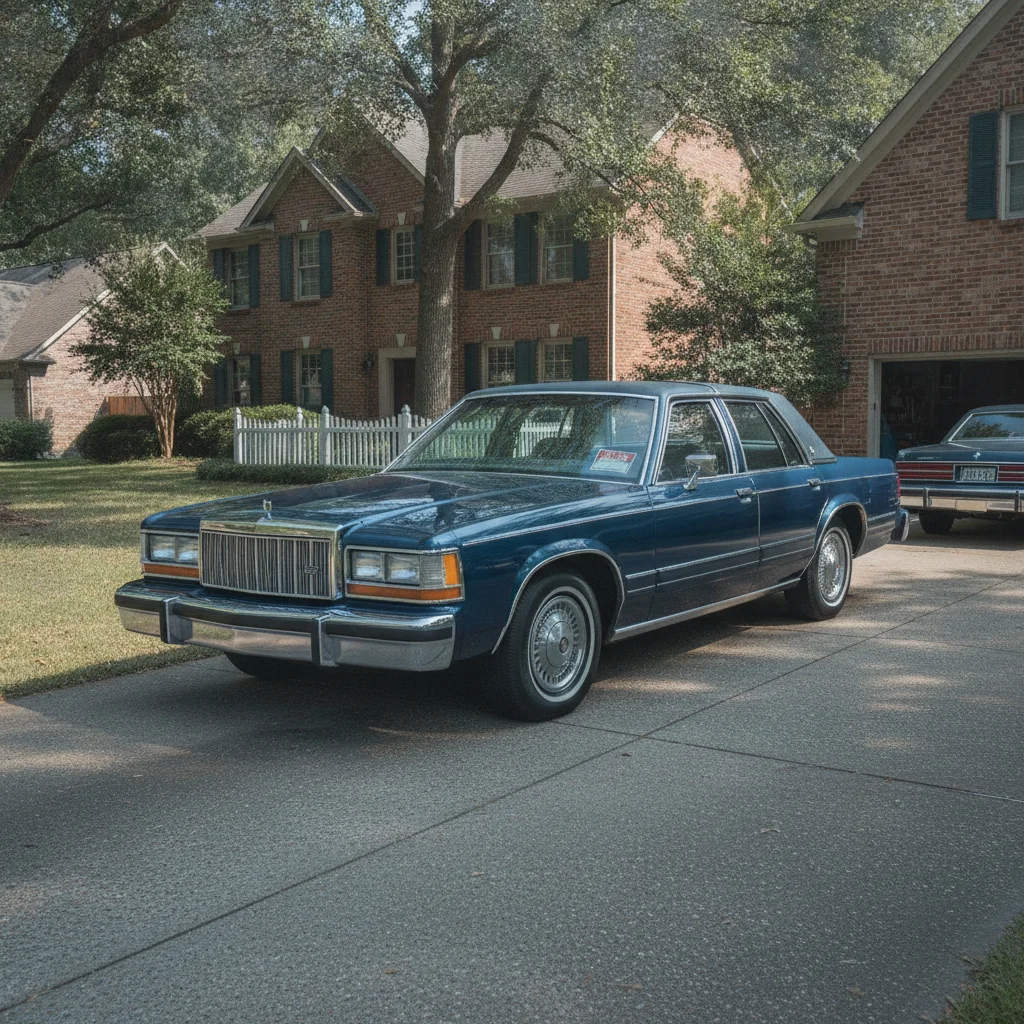
Once a vehicle crosses the five- to seven-year mark, its insurance profile changes in ways that most drivers don't actively manage. The good news: there's real money to be saved. The bad news: it requires you to be proactive about reassessing your coverage and discount eligibility each year.
Discounts That Remain Available on Older Cars
- Good driver / safe driver discount: Your driving record travels with you, not with your car. A clean record earns the same discount regardless of whether you drive a 2024 or a 2012. This is often the single largest discount available — commonly 10–25% off the base premium. See what qualifies as a good driver discount for the specific criteria insurers apply.
- Low mileage / usage-based discount: Older vehicles are often driven less — commutes replaced by remote work, second cars used infrequently. Pay-per-mile programs and telematics discounts don't discriminate by model year.
- Multi-vehicle and loyalty discounts: These are tied to your account, not your vehicle's age.
- Anti-lock brakes (ABS): Standard since the mid-1990s, ABS qualifies for a small but real discount on most policies — an older vehicle still gets this one.
- Senior driver discount: If you're 55 or older and driving an older paid-off vehicle, you may stack a mature driver discount on top of lower coverage costs. Senior driver discounts are particularly relevant for this group.
Discounts Typically Lost on Older Vehicles
- New car discount (expires within 1–3 years)
- ADAS-specific discounts (AEB, lane-keeping, forward collision warning) — absent if the vehicle predates these features
- OEM telematics integration discounts offered through some manufacturers' connected-car programs
The Biggest Opportunity: Coverage Reduction
If your vehicle is worth $5,000 or less and you own it outright, maintaining full collision coverage may cost more annually than you'd ever recover in a claim. This isn't a discount — it's a structural cost reduction. Dropping collision or raising your deductible from $500 to $1,000 can cut your total premium by 20–30%. That often exceeds the value of any single safety-feature discount available on a new car.
Run a VIN Check Before Dropping Coverage
Before reducing collision or comprehensive on an older vehicle, look up current market value on Kelley Blue Book or NADA Guides. If the vehicle's actual cash value is less than 10 times your annual collision premium, dropping that coverage typically makes financial sense. Revisit this calculation every year as the vehicle depreciates.
Ask Specifically About ADAS Discounts
When calling your insurer, don't ask generically if you're getting all available discounts. Ask specifically: 'Does my vehicle's VIN confirm automatic emergency braking, and do you apply a discount for that feature?' Agents often won't surface these proactively. Getting the question specific forces a concrete answer.
The Safety Rating Factor: Age Isn't Everything
One important nuance: crash-test ratings can work in favor of older vehicles with strong safety track records. The IIHS tests vehicles across generations, and a 2018 or 2019 model that earned Top Safety Pick+ status still carries that distinction. Insurers that price by model-level loss data will reflect favorable claims histories for those vehicles — you don't lose that advantage simply because the car is now six years old.
Conversely, some brand-new vehicles score poorly on specific tests. A 2024 model with a mediocre NHTSA rating or a newly identified structural problem could cost more to insure than a 2019 model with a sterling safety record. Age is a proxy for safety, but it's an imperfect one. The actual ratings matter more than the calendar year.
When shopping for either a new or used vehicle, checking IIHS ratings before purchase is free and takes five minutes. A Top Safety Pick+ designation from IIHS has measurable premium implications — it signals lower expected claim severity, which translates to better base rates and, at some insurers, explicit discount eligibility. The sweet spot for vehicle value often aligns closely with the sweet spot for insurance cost.
Don't Assume Trim Level Includes Safety Features
Safety features vary significantly by trim, even within the same model year. A 2020 base-trim sedan may lack AEB that was standard on the mid-trim. Never assume your vehicle has a feature because the model year suggests it should — verify through a VIN decoder or your owner's manual before claiming a discount you may not qualify for.
Gap Coverage Risk on New Financed Vehicles
New vehicles depreciate 15–25% in the first year, often faster than loan balances decline. If your vehicle is totaled in year one or two without gap insurance, you may owe more than the insurer pays out. Gap coverage is cheap relative to this risk and is worth adding alongside any other new-car discounts you claim.
How to Audit Your Discount Eligibility by Vehicle Age
The practical question isn't whether new or old wins in the abstract — it's whether you're leaving money on the table right now, with the car you currently drive. Here's a structured approach to that audit.
Step 1: Identify What's on Your Vehicle
Pull your VIN and run it through the NHTSA's free VIN decoder at nhtsa.gov. This will confirm which safety features are factory-installed. Don't rely on memory or trim assumptions — a base-trim 2019 vehicle may lack features that were standard on the mid-trim of the same model year.
Step 2: Compare Against Your Current Policy's Discount Schedule
Call your insurer and ask for a complete list of vehicle-specific discounts for which your car would qualify — and for which it currently does not. Many agents will not volunteer this information proactively. Being explicit forces the conversation.
Step 3: Reassess Coverage Structure Against Vehicle Value
Look up your vehicle's current market value on Kelley Blue Book or NADA. If the gap between actual cash value and your deductible is narrow, collision coverage is delivering diminishing returns. This reassessment should happen every year as the vehicle depreciates.
Step 4: Shop Competing Quotes With Your Vehicle's Specific Attributes
Discount structures vary significantly between insurers. One carrier may offer a 10% AEB discount; another may not offer it at all but price the vehicle's base rate lower because of favorable loss data. Getting three to five quotes with the same coverage parameters gives you the real comparison. Young drivers navigating this analysis for the first time should also see which discounts actually move the needle for young drivers.

Timing Your Vehicle Decision Around Insurance Costs
If you're currently in the market and insurance cost is a meaningful factor in your total ownership budget, the decision of which vehicle age to target has real financial consequences worth modeling before you buy.
The typical ownership cost curve looks like this: insurance premiums are highest in years one through three (high vehicle value, financed) and again in year zero if you buy new (new-car surcharge risk for some insurers). They moderate from years four through seven as value declines. And they can drop sharply after year eight if you can restructure your coverage — assuming you own the vehicle outright by then.
A three- to six-year-old vehicle with strong IIHS ratings often hits a pragmatic balance: enough modern safety technology to qualify for ADAS-related discounts, a value that makes comprehensive and collision still justifiable, and a price point that doesn't require a large financed loan with its mandatory full-coverage obligation. Timing your purchase around model year changeovers can also affect your negotiating leverage on both the vehicle price and the financing terms — indirectly influencing your total cost of ownership including insurance.
None of this is a rigid formula. A $12,000 ten-year-old vehicle with excellent reliability ratings and zero collision coverage might be cheaper to own annually than a $35,000 new vehicle with every discount stacked — or it might not, depending on your driving profile, location, and insurer. Run the actual numbers before assuming either direction is automatically cheaper.
Bottom Line: Match Your Strategy to Your Vehicle's Reality
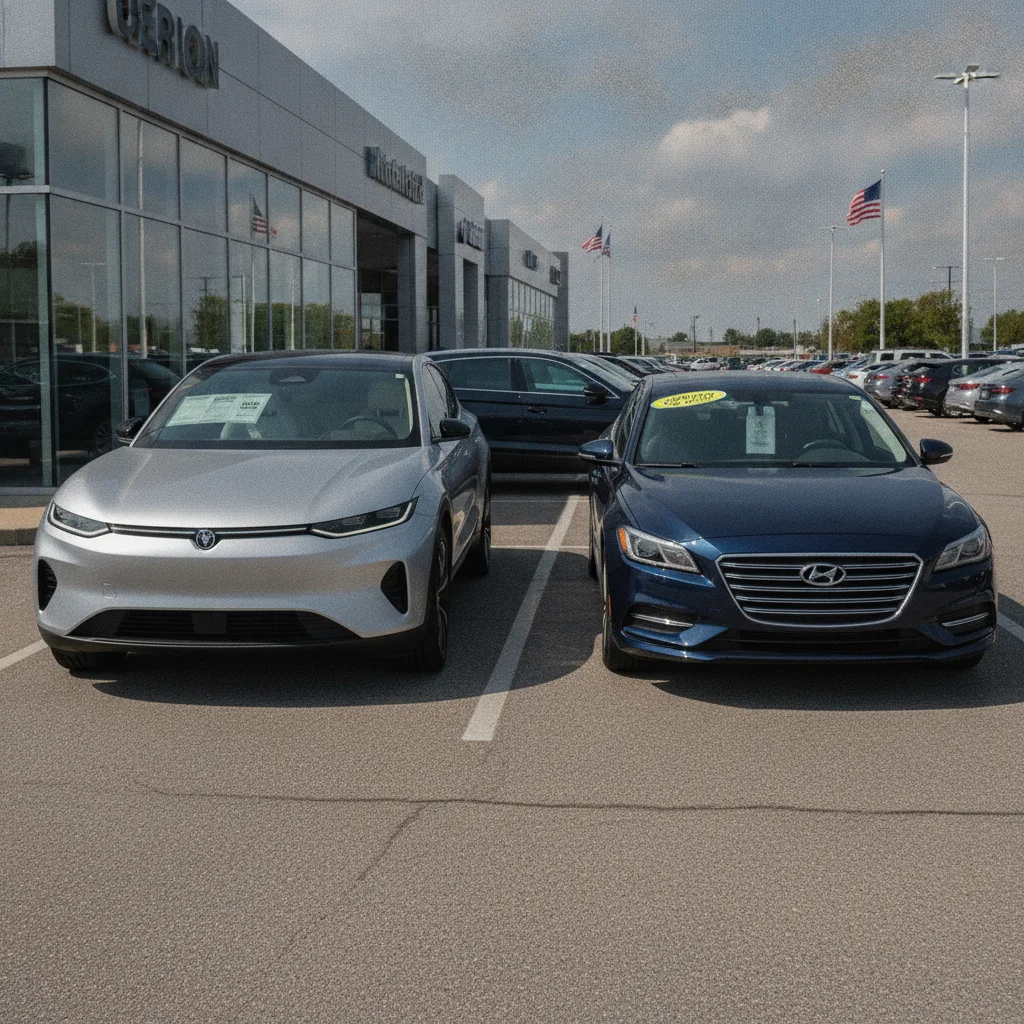
Vehicle age shapes your insurance discount map in specific, predictable ways. New vehicles open doors to safety-feature and new-car discounts but carry higher base premiums and inflexible coverage requirements when financed. Older vehicles lose some of those tech-based discounts but gain flexibility — and if you own the vehicle outright, the ability to restructure coverage can outperform any single discount program.
Safety ratings from IIHS and NHTSA operate somewhat independently of age and should be checked for any vehicle you're considering, new or used. A well-rated vehicle from five years ago still carries actuarial advantages that show up in your base rate and sometimes in explicit discount eligibility.
The move that helps most drivers most consistently: stop treating your insurance policy as a set-it-and-forget-it document. Vehicle value, feature verification, and the discount schedules offered by competing insurers all change year over year. An annual 30-minute review of your coverage structure and discount eligibility — applied against the current reality of whatever vehicle you're driving — is the most reliable way to make sure you're not paying more than you should.

All claims are backed by peer-reviewed research. Sources on request.