Key Takeaways
Good Driver Discount
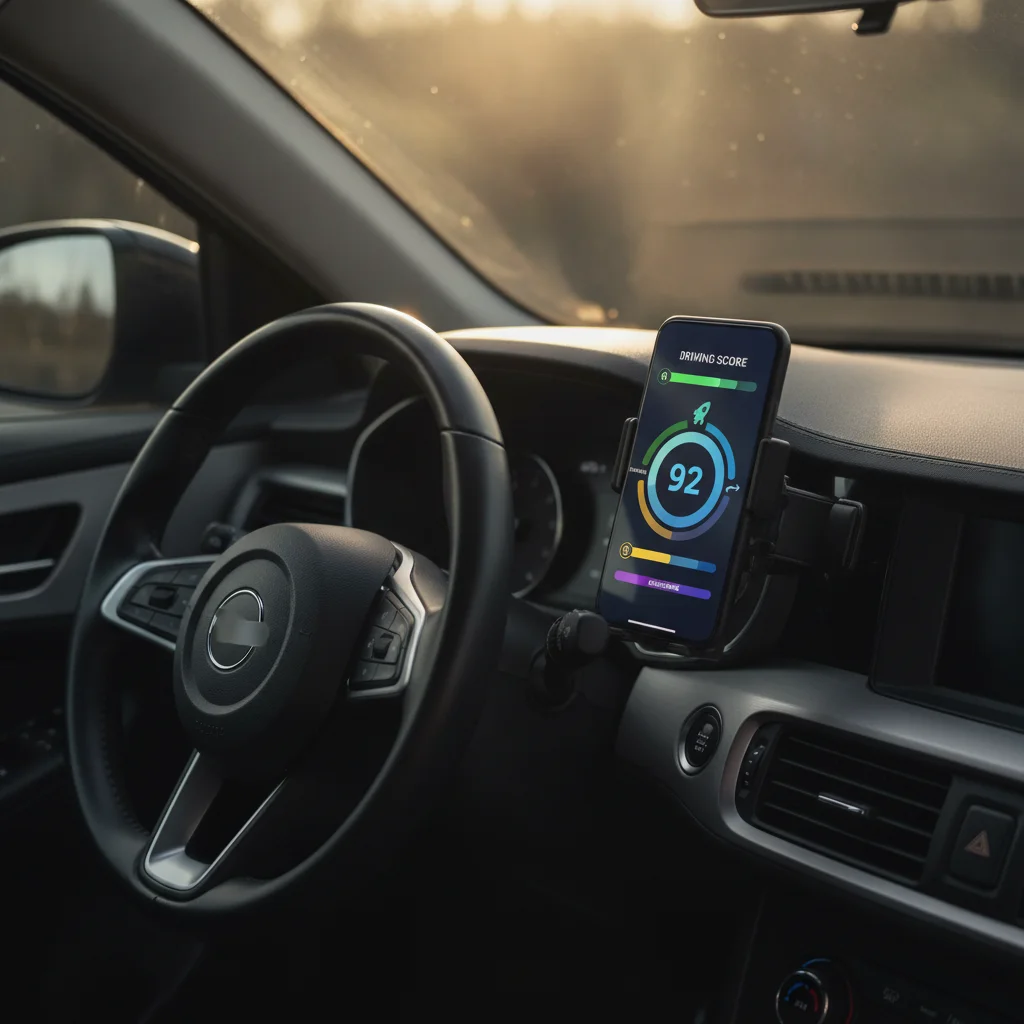
A good driver discount is a reduction in your auto insurance premium awarded by insurers to policyholders who demonstrate a history of safe, claim-free driving. Most insurers define this as maintaining no at-fault accidents, major violations, or serious claims for a set period — typically three to five years. The discount rewards low-risk drivers by lowering the base cost of their policy, sometimes significantly.
Insurers calculate eligibility using your motor vehicle report (MVR) and claims history from databases like CLUE (Comprehensive Loss Underwriting Exchange). The lookback period and qualifying criteria vary by carrier and state.
What Insurers Actually Mean by 'Good Driver'
The phrase "good driver discount" sounds self-explanatory, but the specific definition varies enough from carrier to carrier that assuming you qualify — without checking — is a mistake that costs real money. Here's what most major insurers are actually looking for.
At its core, the discount is built around a clean motor vehicle record (MVR). Insurers pull your MVR from state DMV records when you apply for a policy and again at renewal. They're looking for the absence of certain incidents during a defined lookback window, most commonly three to five years. The cleaner the record, the better the reward.
The standard qualifying criteria across most carriers include:
- No at-fault accidents resulting in a property damage or bodily injury claim
- No major violations — DUI/DWI, reckless driving, hit-and-run, drag racing
- No minor moving violations above a set threshold (often zero, sometimes one)
- No license suspensions or revocations during the lookback period
Some carriers add a licensed driving experience requirement — typically one to three years of continuous licensure — because a brand-new driver with no record isn't the same as a seasoned driver with no incidents.
State Law Shapes the Rules
Insurance is regulated at the state level, which means the rules around good driver discounts vary significantly by where you live. California and a handful of other states have specific statutory requirements around how these discounts are calculated and who must receive them. In most states, however, the criteria and discount amounts are entirely at carrier discretion. Always check state-specific rules when comparing policies.
Your CLUE Report Is Separate From Your MVR
Many drivers don't realize their claims history (CLUE report) and their driving record (MVR) are two separate data sources that insurers consult independently. An error on either can incorrectly cost you a discount. Reviewing both before shopping for coverage takes less than an hour and can save you from paying for someone else's mistake.
Discount Stacking Rules Vary by Carrier
Not all insurers allow every discount to stack with the good driver credit. Some carriers apply discounts sequentially (each applied to the already-discounted premium), while others cap total discount percentages. Ask your insurer or agent to show you the full discount itemization on your quote so you can see exactly what's being applied and how.
See the full landscape of savings you might be eligible for in our guide to every auto insurance discount worth knowing about. The good driver credit is often the single largest discount available, but it's rarely the only one.
What Disqualifies You — And for How Long
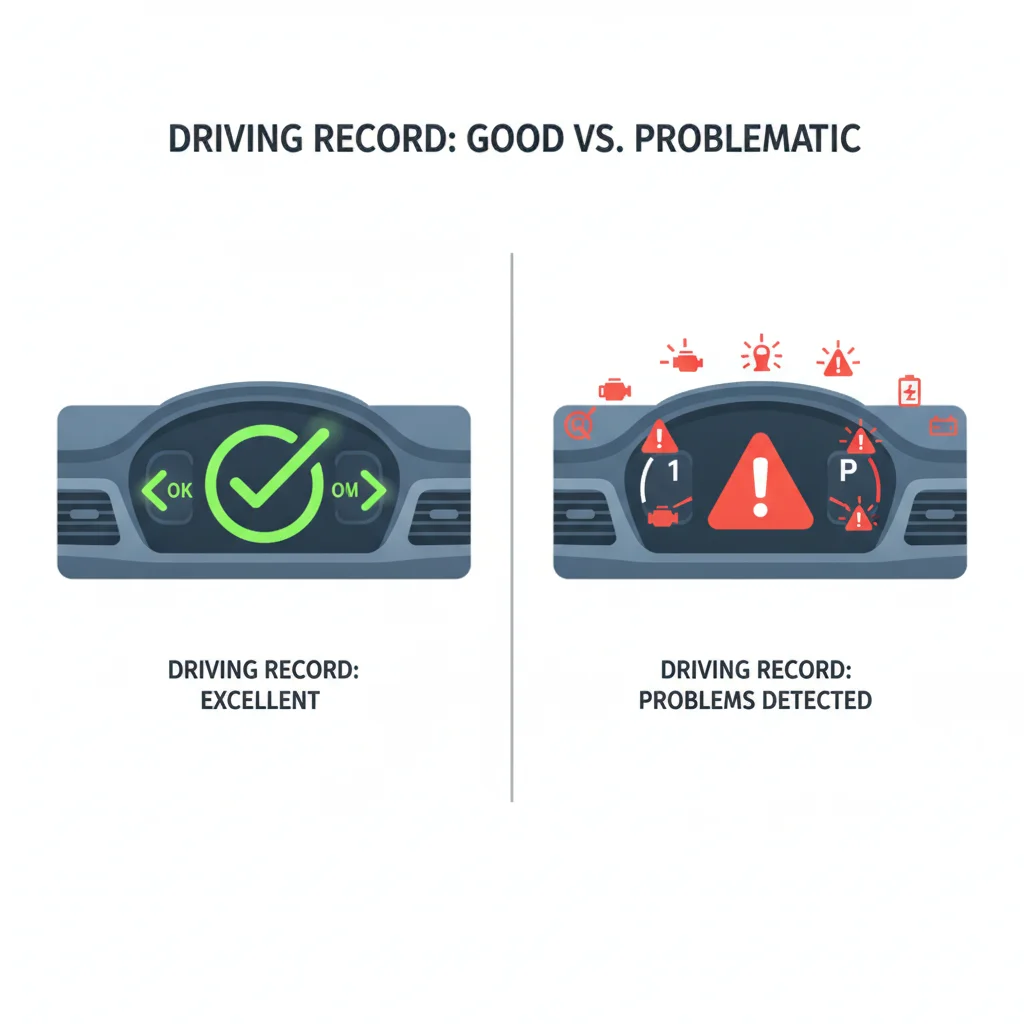
Understanding what knocks you out of eligibility is just as important as knowing what earns it. Insurers don't treat all incidents equally — there's a meaningful hierarchy.
Major Violations (Longest Impact)
These are the incidents that do the most damage and stay on your record the longest:
- DUI or DWI (typically five to seven years)
- Reckless driving
- Hit-and-run
- Street racing or speed contests
- Vehicular manslaughter
- Driving with a suspended license
Major violations don't just disqualify you from a good driver discount — they can land you in the non-standard insurance market altogether, where premiums are substantially higher.
Minor Violations (Three to Five Year Impact)
- Speeding tickets (even a single ticket disqualifies you at many carriers)
- Running a red light or stop sign
- Improper lane change or following too closely
- Failure to yield
- Distracted driving citations
At-Fault Accidents
An at-fault accident where a claim was paid by your insurer is the most common disqualifying event. The impact typically lasts three years from the date of the accident, though some carriers use five years. The claim amount matters too — some insurers ignore claims below a small threshold (around $500), while others have no such floor.
What Generally Does NOT Disqualify You
- Not-at-fault accidents — the standard position at most carriers
- Comprehensive claims (theft, hail, windshield, deer strike)
- Glass-only claims
- Roadside assistance claims
That said, rules differ. A handful of insurers do factor in all accidents regardless of fault, and some states allow this practice. Always confirm with your specific carrier — don't assume.
Check Your Lookback Window Before You Shop
Before applying for a new policy, ask every carrier specifically: "What is your lookback period for violations and accidents when determining good driver discount eligibility?" A carrier using a three-year window may qualify you today while a carrier using five years won't — even though your record is the same. Shopping the definition, not just the price, can make a real difference.
Telematics Works Best as a Bridge Strategy
If you have a disqualifying incident that's two or three years old, enrolling in a telematics program now builds a positive behavior track record. By the time the incident ages off your MVR, you may have already demonstrated enough safe driving behavior to access the best rates from day one at renewal.
Ask for the Discount Explicitly at Renewal
If an incident on your record has recently aged past your carrier's lookback window, don't wait for the insurer to notice. Contact them directly before your renewal date, confirm the incident is no longer in the qualifying window, and ask them to re-evaluate your rate. Insurers don't always catch these automatically.
How Much the Discount Is Actually Worth
Numbers matter here. The good driver discount isn't a token gesture — it's often the largest single discount on a policy.
20%
Minimum good driver discount in California
California Insurance Code mandates at least a 20% premium reduction for all qualifying policyholders — one of the few states with a statutory floor.
Up to 26%
Good driver discount at major national carriers
GEICO advertises a good driver discount of up to 26%, representing one of the higher advertised figures among large national insurers.
$1,895
Average annual full-coverage premium (2024)
According to Bankrate's 2024 analysis, the national average cost of full-coverage auto insurance is approximately $1,895 per year, making a 20% discount worth roughly $379 annually.
3–5 years
Typical lookback window for violations
Most major insurers use a three-to-five-year lookback period when evaluating MVR history for good driver discount eligibility.
5–7 years
DUI lookback window at most carriers
A DUI or DWI conviction typically disqualifies a driver from the good driver discount for five to seven years from the date of the incident, depending on the carrier and state.
California is a useful reference point because it's one of the few states where the discount is mandated by law. Under California Insurance Code, a driver who meets the qualifying criteria must receive at least a 20% reduction in their base premium. That's a floor, not a ceiling — and it applies to every coverage type on the policy.
In other states, carriers set their own discount amounts. GEICO advertises up to 26% for good drivers. Progressive's equivalent (their "continuous insurance" and "safe driver" credits combined) can be similarly substantial. State Farm's discount structure integrates with their Drive Safe & Save telematics program, blurring the line between a static record discount and a behavior-based one.
To put it in dollar terms: on a $1,800 annual premium — roughly the national average for full coverage — a 20% good driver discount saves $360 per year. Over five years of maintaining a clean record, that's $1,800 back in your pocket, assuming no other rate changes.
“The good driver discount is the most impactful single discount on most policies — but it's also the most commonly misunderstood. Drivers assume they qualify without checking what their carrier's definition actually is, and that assumption can cost hundreds of dollars a year.”
— J. Robert Hunter, Former Director of Insurance, Consumer Federation of America
For more detail on how your overall rate is shaped by factors beyond your driving record, see our hub on auto insurance rate factors.
Telematics: An Alternative Route if Your Record Has Blemishes
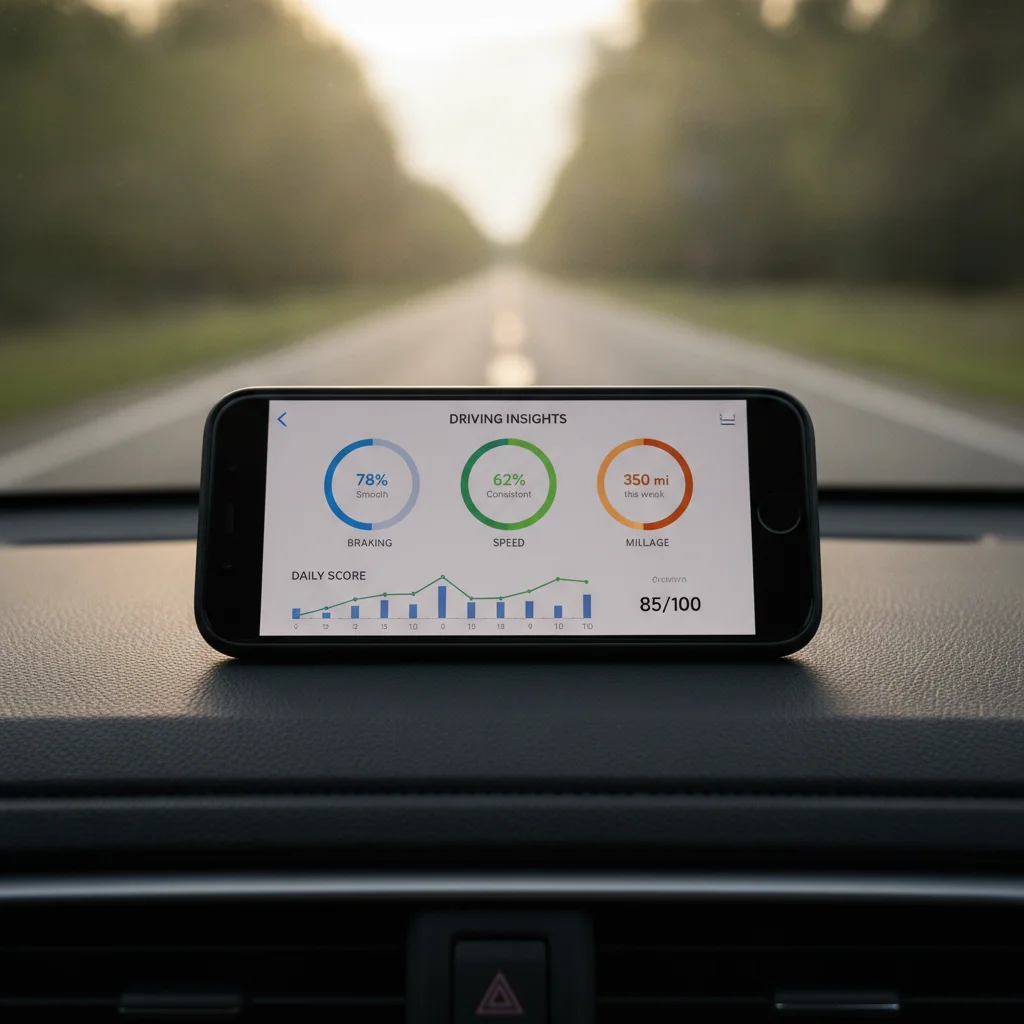
If your MVR has a disqualifying incident that hasn't aged off yet, telematics programs offer a practical workaround. These programs — Progressive Snapshot, State Farm Drive Safe & Save, Allstate Drivewise, and similar — monitor your driving behavior directly through a smartphone app or plug-in device rather than relying solely on your historical record.
The monitored factors typically include:
- Hard braking events
- Rapid acceleration
- Nighttime driving frequency
- Miles driven per day
- Phone handling while moving (in newer programs)
Drivers who perform well on telematics can earn discounts of 10% to 30% or more at some carriers, which can partially offset the rate penalty from a recent accident or violation. It's not the same as a clean-record good driver discount, but it's a meaningful lever if you're in that awkward window while waiting for an incident to age off.
For a deeper look at how these programs work at specific carriers, see our article on how safe driver programs at major insurers actually work.
Check Your Lookback Window Before You Shop
Before applying for a new policy, ask every carrier specifically: "What is your lookback period for violations and accidents when determining good driver discount eligibility?" A carrier using a three-year window may qualify you today while a carrier using five years won't — even though your record is the same. Shopping the definition, not just the price, can make a real difference.
Telematics Works Best as a Bridge Strategy
If you have a disqualifying incident that's two or three years old, enrolling in a telematics program now builds a positive behavior track record. By the time the incident ages off your MVR, you may have already demonstrated enough safe driving behavior to access the best rates from day one at renewal.
Ask for the Discount Explicitly at Renewal
If an incident on your record has recently aged past your carrier's lookback window, don't wait for the insurer to notice. Contact them directly before your renewal date, confirm the incident is no longer in the qualifying window, and ask them to re-evaluate your rate. Insurers don't always catch these automatically.
How to Verify Your Record and Fix Errors Before They Cost You
One of the most underappreciated causes of missed discounts is errors on your driving record or claims history. Insurers rely on two primary data sources:
- Your Motor Vehicle Report (MVR) — issued by your state DMV, this lists all violations and license actions on file. Errors do occur: tickets that belong to another person with a similar name, incidents that should have been dismissed but weren't, or violations that are past the lookback window but still showing as active.
- Your CLUE Report (Comprehensive Loss Underwriting Exchange, operated by LexisNexis) — this lists all auto insurance claims you've been associated with for the past seven years. An at-fault claim that was resolved with no payment, a claim incorrectly attributed to you, or a duplicate entry can all incorrectly disqualify you from a good driver discount.
You're entitled to a free copy of your CLUE report once per year through LexisNexis. Review it before you shop for a new policy. If you find an error, dispute it in writing with supporting documentation. Insurers are required to re-evaluate your eligibility once the error is corrected.
Your MVR is available directly from your state DMV, typically for a small fee ($2 to $15 depending on the state). Pull it yourself before applying for coverage so you know exactly what the insurer will see.
State Law Shapes the Rules
Insurance is regulated at the state level, which means the rules around good driver discounts vary significantly by where you live. California and a handful of other states have specific statutory requirements around how these discounts are calculated and who must receive them. In most states, however, the criteria and discount amounts are entirely at carrier discretion. Always check state-specific rules when comparing policies.
Your CLUE Report Is Separate From Your MVR
Many drivers don't realize their claims history (CLUE report) and their driving record (MVR) are two separate data sources that insurers consult independently. An error on either can incorrectly cost you a discount. Reviewing both before shopping for coverage takes less than an hour and can save you from paying for someone else's mistake.
Discount Stacking Rules Vary by Carrier
Not all insurers allow every discount to stack with the good driver credit. Some carriers apply discounts sequentially (each applied to the already-discounted premium), while others cap total discount percentages. Ask your insurer or agent to show you the full discount itemization on your quote so you can see exactly what's being applied and how.
Combining the Good Driver Discount With Other Savings
The good driver discount doesn't exist in a vacuum. Most carriers allow it to stack with other discounts, and understanding the full picture helps you maximize your savings.
Common stackable discounts include:
- Multi-policy (bundling) — insuring home and auto with the same carrier, typically 5–15% off
- Multi-vehicle — adding additional cars to the policy
- Paid-in-full — paying your annual premium upfront rather than monthly
- Paperless and auto-pay — administrative discounts that add up
- Vehicle safety features — anti-lock brakes, anti-theft systems, advanced driver assistance (ADAS) tech
If you're a senior driver, there may be additional credits available — see our guide on senior driver discounts for what else you may qualify for. Younger drivers should check which discounts actually move the needle for young drivers, since their path to savings looks different.
Completing a defensive driving course is also worth considering — many carriers apply a separate course credit on top of the good driver discount. Our article on defensive driving courses that actually reduce your premium covers which programs qualify.

One final point: don't assume your insurer is automatically applying every discount you qualify for. Proactively asking is worth your time. We cover the specific questions to ask in asking your insurer the right questions to surface hidden discounts.
State Law Shapes the Rules
Insurance is regulated at the state level, which means the rules around good driver discounts vary significantly by where you live. California and a handful of other states have specific statutory requirements around how these discounts are calculated and who must receive them. In most states, however, the criteria and discount amounts are entirely at carrier discretion. Always check state-specific rules when comparing policies.
Your CLUE Report Is Separate From Your MVR
Many drivers don't realize their claims history (CLUE report) and their driving record (MVR) are two separate data sources that insurers consult independently. An error on either can incorrectly cost you a discount. Reviewing both before shopping for coverage takes less than an hour and can save you from paying for someone else's mistake.
Discount Stacking Rules Vary by Carrier
Not all insurers allow every discount to stack with the good driver credit. Some carriers apply discounts sequentially (each applied to the already-discounted premium), while others cap total discount percentages. Ask your insurer or agent to show you the full discount itemization on your quote so you can see exactly what's being applied and how.

All claims are backed by peer-reviewed research. Sources on request.