Key Takeaways
The Problem With Premium-First Insurance Shopping
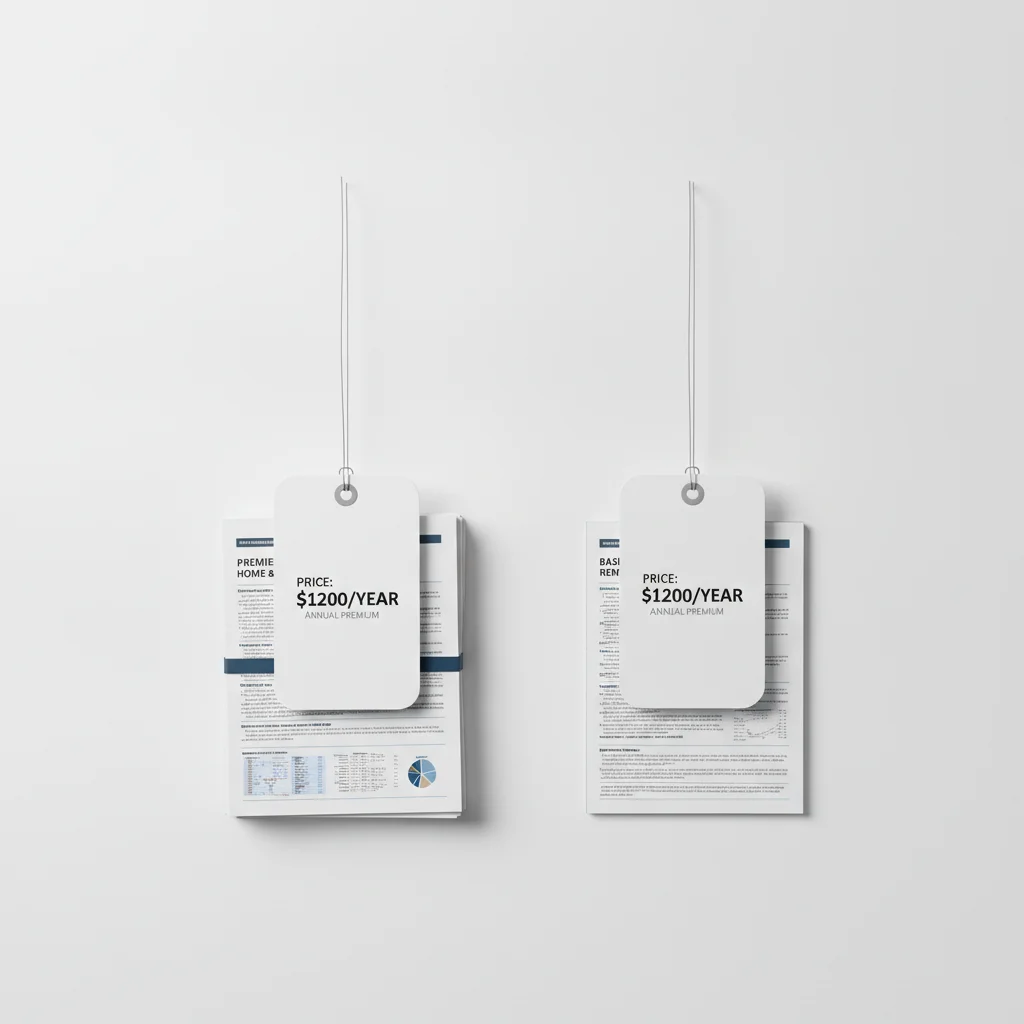
Most drivers open a comparison site, enter their zip code and vehicle details, and sort results from lowest to highest price. It feels rational — you're buying a financial product, price matters. The problem is that auto insurance isn't a commodity where identical units are priced differently. Every quote in that list represents a structurally different contract, and the cheapest one is almost always cheaper for a specific, consequential reason.
Premium-first shopping has one fatal flaw: it optimizes for the wrong variable. The premium is what you pay when nothing goes wrong. Coverage quality determines what happens when everything does go wrong — and that's the moment that actually defines whether a policy was worth buying.
Price comparison platforms are useful tools, but they're built around a business model that rewards click-throughs and conversions, not policyholder outcomes. They surface premium, sometimes a deductible, and occasionally a few coverage tiers. What they don't show you is claims payout behavior, policy exclusion language, or how an insurer defines "covered loss" versus "excluded event." Those details live in declarations pages and policy documents that most shoppers never read before purchase.

This article is about the specific mistakes drivers make when they treat the sticker price as the primary — or only — metric for evaluating auto insurance. Understanding each one gives you a better framework for comparison and, more importantly, fewer unpleasant surprises after a claim.
Common Mistakes That Make Premium Comparison Misleading
These aren't abstract risks. They're the exact errors that lead drivers to file claims expecting coverage and receive partial payment — or no payment at all. Each mistake below has a structural cause and a concrete fix.
Comparing quotes without standardizing coverage limits and deductibles across all options.
Why it happens: Price comparison platforms display default quote configurations that vary by insurer, making it easy to compare a low-deductible, high-limit policy against a high-deductible, minimum-limit policy as if they're equivalent.
Treating the monthly premium as the total cost of coverage.
Why it happens: The premium is the most visible number, so it becomes the mental anchor. Drivers underweight deductibles, which represent significant out-of-pocket exposure at the time of a claim.
Skipping a review of policy exclusions before purchasing.
Why it happens: Exclusion language is buried in policy documents that aren't provided upfront on comparison sites, and most buyers don't think to request them during the quote phase.
Ignoring claims satisfaction ratings and complaint ratios when selecting an insurer.
Why it happens: Claims performance data isn't featured on price comparison platforms, so it stays invisible during the typical shopping process. Buyers assume all licensed insurers handle claims similarly.
Accepting actual cash value terms without considering gap or replacement cost coverage needs.
Why it happens: ACV versus replacement cost is a policy distinction that isn't prominently disclosed at the quote stage, and many buyers don't realize depreciation can create a significant coverage shortfall on a total loss.
Assuming a nationally recognized insurer brand guarantees good claims service.
Why it happens: Brand recognition creates a perception of reliability that isn't necessarily supported by claims data. Large national carriers can have highly variable performance across states and claim types.
1 in 8
U.S. drivers are uninsured
According to the Insurance Research Council, approximately 12.6% of U.S. motorists carry no auto insurance, making uninsured motorist coverage a meaningful risk factor in most states.
40%
Drivers who never read their policy
A 2022 survey by InsuranceQuotes found that roughly 4 in 10 policyholders have never read their auto insurance policy in full, leaving exclusions and limits unknown until a claim is filed.
$15,000
Typical minimum property damage liability in many states
Many states still set minimum property damage liability at $15,000 — far below the average cost of repairing or replacing a modern vehicle, which often exceeds $35,000.
20–30%
Premium difference for identical coverage
Industry data consistently shows that equivalent coverage from different insurers can vary by 20–30% or more for the same driver profile, meaning price differences often reflect insurer margins, not coverage differences.
If you want to dig deeper into the structural differences that make one policy far more valuable than another at identical cost, this breakdown of same-price, different-protection policies walks through the exact mechanisms involved.
Liability Limits: The Number That Actually Defines Your Risk
Liability coverage is where premium comparisons do the most damage. Two quotes might be $30 apart monthly but carry liability limits that differ by $200,000 or more. The minimum state-required liability limits — often something like 25/50/25 (bodily injury per person / per accident / property damage) — look fine on a declarations page but can be exhausted in seconds by a moderate accident involving medical bills, lost wages, and vehicle replacement.
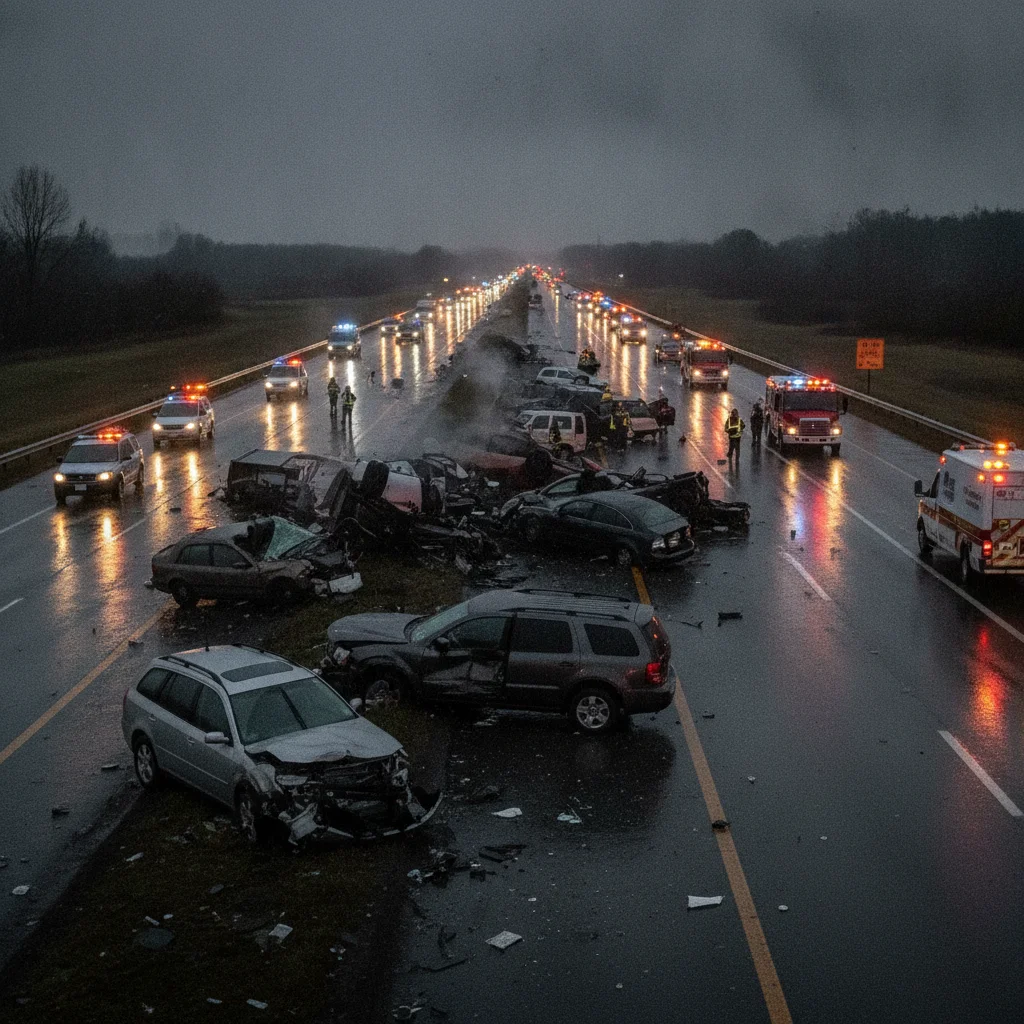
Here's why this matters concretely: if you're at fault in an accident and the other party's damages exceed your liability limit, you pay the remainder out of pocket. An insurer offering a low premium may be achieving that price partly by recommending minimum statutory limits. When you're comparing quotes, the liability limits must be identical across all options — otherwise you're comparing different products at different prices and calling it an apples-to-apples comparison.
The same logic applies to uninsured/underinsured motorist coverage. Roughly 1 in 8 drivers on U.S. roads carries no insurance at all, and many others carry only minimum limits. If one of them hits you and your UM/UIM limit is low, your own insurer picks up the difference — only up to that limit. Comparing premiums without standardizing UM/UIM limits is one of the most common and costly errors in auto insurance shopping.
Minimum Liability Limits Can Be Dangerously Low
State minimum liability requirements are legal floors, not financial safety nets. In many states, minimum bodily injury limits are $25,000 per person — a figure that can be exceeded by a single emergency room visit. If you're shopping quotes at minimum limits to lower your premium, you're not just cutting costs: you're accepting personal financial exposure for damages above that threshold. Always model your liability limits against the realistic cost of a fault accident in your area, not the minimum your state requires.
Rideshare and Delivery Use Can Void Your Coverage
Standard personal auto policies typically exclude coverage during the period when your vehicle is being used for hire — including rideshare driving and delivery work. If you occasionally use your vehicle for Uber, Lyft, DoorDash, or similar platforms, your personal policy may deny a claim that occurs during that period. Make sure any policy you're evaluating either explicitly covers rideshare use or that you understand the coverage gap and have a plan to address it.
Deductibles, Exclusions, and the Fine Print That Determines Payouts
Deductibles are the most immediately visible lever insurers use to manipulate premium price. A comprehensive or collision deductible of $1,500 instead of $500 will noticeably reduce your annual premium — but it also means you absorb the first $1,500 of every covered loss yourself. For drivers who wouldn't file a claim under $1,500 anyway, that tradeoff might make sense. For most drivers comparing quotes, they simply see the lower number and move on without doing the math.
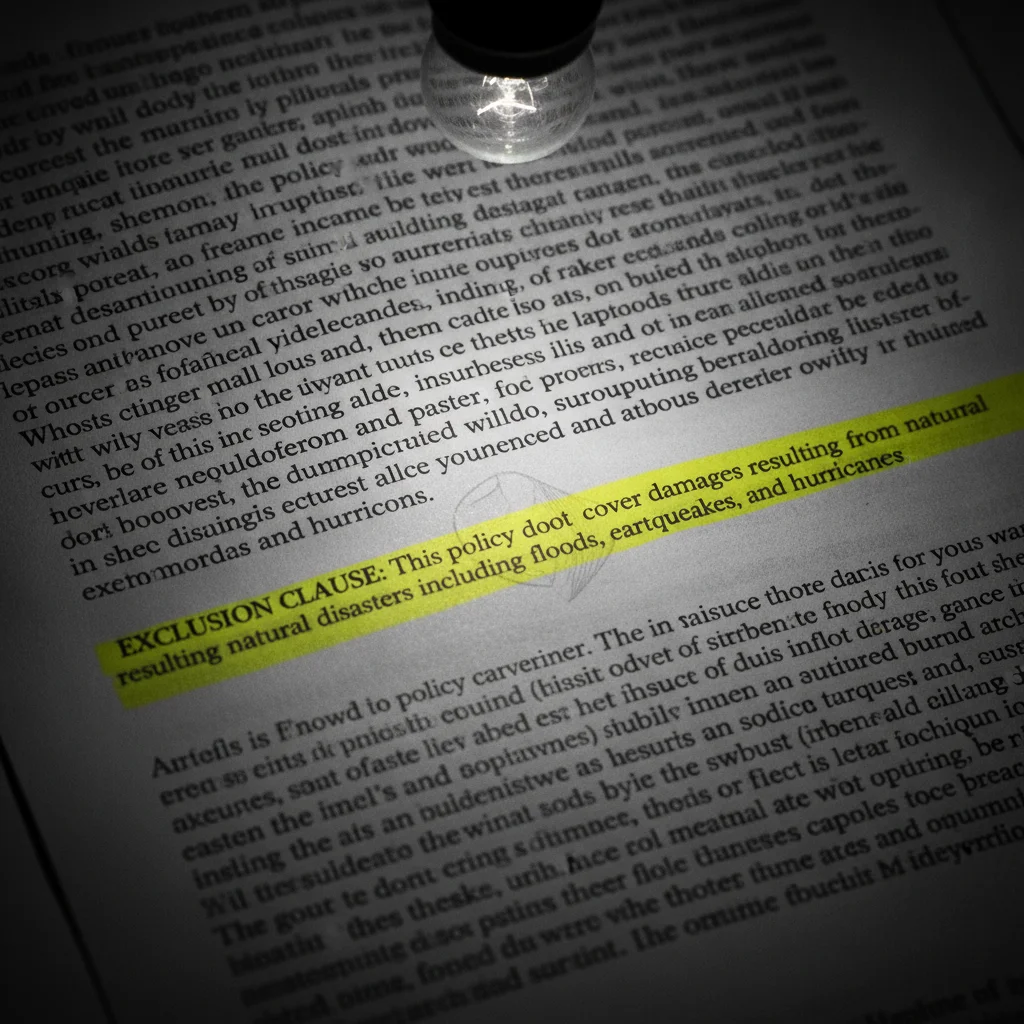
Exclusions are harder to evaluate but potentially more consequential. Standard policies often exclude coverage for:
- Damage that occurs when the vehicle is used for rideshare or delivery (even occasionally)
- Custom equipment or aftermarket modifications above a low dollar threshold
- Losses resulting from mechanical failure versus collision — a distinction that's sometimes disputed
- Flooding or weather events if comprehensive coverage wasn't added or was added with specific geographic carve-outs
These exclusions don't appear on a price comparison screen. They're buried in policy language that most consumers don't access until after they've already purchased. The fix is straightforward but requires effort: request the full policy document or summary of key exclusions before binding coverage, not after.
For a plain-language breakdown of which coverage details actually separate a good policy from a low-cost one, this guide to coverage quality indicators is worth reading before you finalize any quote comparison.
One underappreciated exclusion category is "actual cash value" versus "replacement cost" language for total-loss vehicles. Policies that pay actual cash value (ACV) will compensate you for your car's depreciated market value at the time of loss — which can be significantly less than what you'd need to replace it with an equivalent vehicle. Some policies offer replacement cost or gap coverage as an add-on; many budget policies do not include it at all.
Actual Cash Value Can Leave You Underwater
If your vehicle is financed and is totaled in an accident, an ACV payout may be thousands of dollars less than your remaining loan balance. This is especially common in the first two to three years of ownership, when depreciation is steepest. Gap coverage bridges that difference — but many budget policies don't include it. Confirm your policy's total-loss payment structure before you sign, not after you file.
Coverage Baseline Before Price Comparison Is Non-Negotiable
Every quote you evaluate should be built on the same coverage foundation: identical liability limits, matching deductibles, and the same add-ons selected or excluded. If you don't lock in that baseline first, you are not comparing insurance — you're comparing different products at different prices and assuming they're equivalent. This is the single most impactful change you can make to your shopping process.
Claims Service Is Part of the Product You're Buying
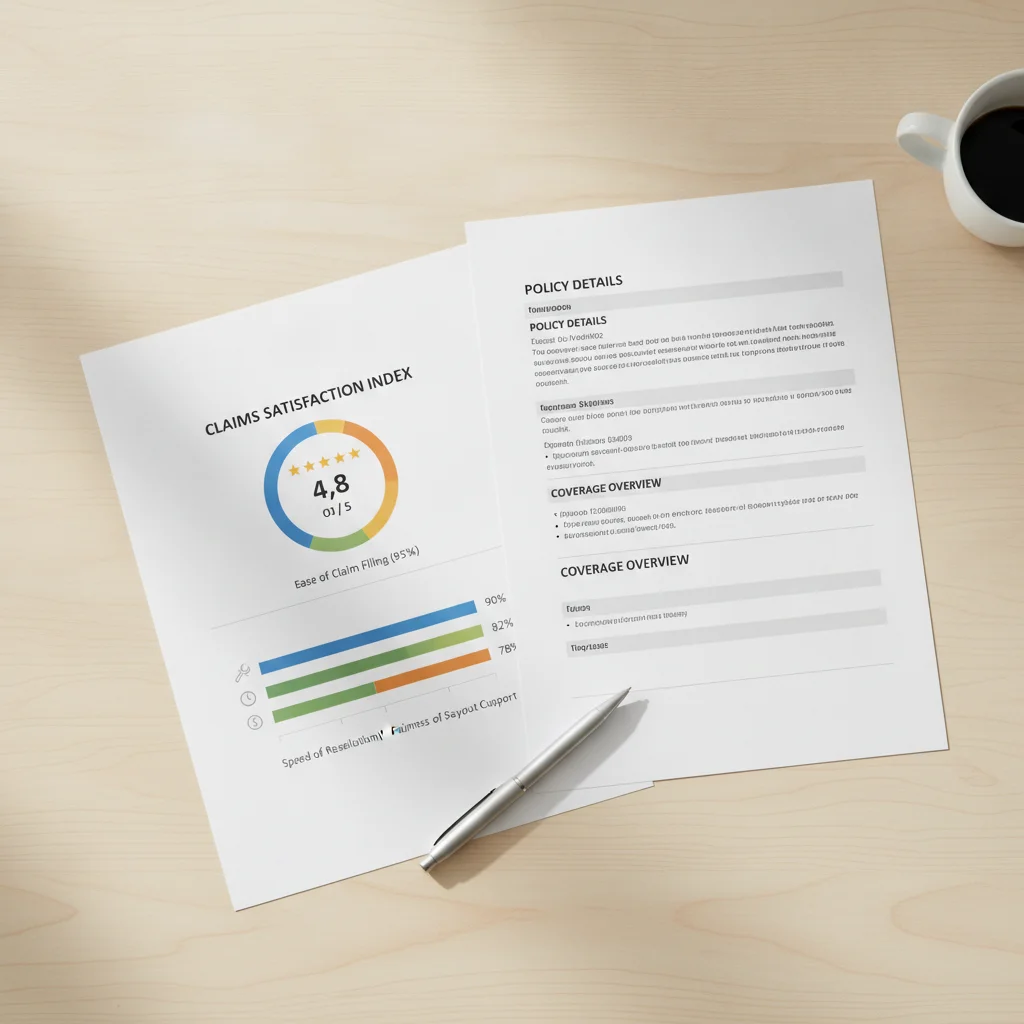
Insurance is a promise to pay. The only way to know whether an insurer keeps that promise consistently — and how painlessly — is to look at claims satisfaction data before you buy, not after you file. J.D. Power publishes annual auto insurance claims satisfaction studies. The National Association of Insurance Commissioners (NAIC) maintains a complaint ratio database for every licensed insurer in the country. These are public resources that take five minutes to consult and can reveal patterns that no premium comparison tool will show you.
An insurer with a poor complaint ratio or below-average claims satisfaction score isn't just annoying to deal with — it can translate to delayed payouts, underpaid settlements, and disputes that require legal intervention. The practical cost of dealing with a difficult insurer after a serious accident can far exceed whatever you saved on annual premium.
How to find and interpret claims satisfaction data for the specific insurers you're considering is a separate skill set from reading a quote — and it's one most drivers skip entirely.

It's also worth noting that regional and smaller insurers sometimes outperform national carriers on claims satisfaction precisely because they have more localized claim handling. Don't assume a nationally recognized brand automatically means better service. Check the data for your state specifically, since complaint ratios can vary significantly by region.
If you're shopping for coverage on an electric vehicle, be aware that EV-specific claims — battery damage, charging equipment, over-the-air software issues — are handled very differently across insurers. Comparing EV policies the right way requires evaluating coverage terms that standard comparison tools routinely miss.
A Better Framework for Auto Insurance Comparison
Replacing premium-first comparison doesn't mean ignoring price — it means using price as a final filter rather than a first filter. Here's a workable sequence:
- Set a coverage baseline first. Decide on liability limits, deductibles, and add-ons (comprehensive, collision, UM/UIM, gap, rental) before you look at any quotes. This locks in a consistent comparison standard.
- Request or review full policy documents. Summary pages and declarations are a start, but the actual policy language governs what gets paid. Look for exclusion sections specifically.
- Check claims satisfaction and complaint ratios. Use J.D. Power rankings and the NAIC complaint index. Eliminate insurers with poor scores before you compare premiums.
- Compare premiums last. Once you have a shortlist of insurers offering equivalent coverage and acceptable claims track records, price becomes the meaningful differentiator it should be.
- Revisit annually. Your risk profile changes, and so do insurer pricing models. The insurer that was competitively priced last year may not be this year — but don't let a lower quote from a new carrier override the coverage baseline you set.
Understanding what factors actually drive your premium — age, driving history, location, vehicle type — also helps you identify which discounts you qualify for without letting discount marketing distract you from coverage fundamentals. The rate factors that shape your premium are worth understanding separately from the shopping process itself. Similarly, available discounts are worth pursuing after you've locked in a policy that actually covers you — not as a substitute for doing so.
Actual Cash Value Can Leave You Underwater
If your vehicle is financed and is totaled in an accident, an ACV payout may be thousands of dollars less than your remaining loan balance. This is especially common in the first two to three years of ownership, when depreciation is steepest. Gap coverage bridges that difference — but many budget policies don't include it. Confirm your policy's total-loss payment structure before you sign, not after you file.
Coverage Baseline Before Price Comparison Is Non-Negotiable
Every quote you evaluate should be built on the same coverage foundation: identical liability limits, matching deductibles, and the same add-ons selected or excluded. If you don't lock in that baseline first, you are not comparing insurance — you're comparing different products at different prices and assuming they're equivalent. This is the single most impactful change you can make to your shopping process.
The drivers who get burned by premium-only comparison aren't reckless or uninformed — they're just using a flawed framework in a market that doesn't make better frameworks easy to find. The mistake isn't shopping for price; it's stopping there. Common myths about cheaper auto insurance reinforce this habit in ways that are worth actively unlearning.

All claims are backed by peer-reviewed research. Sources on request.