Key Takeaways
Rental Reimbursement Coverage
Rental reimbursement is an optional add-on to your auto insurance policy that pays for a temporary rental vehicle while your car is being repaired after a covered claim. Without it, your insurer has no obligation to cover those transportation costs — even if the repair takes weeks. You pay for every day of the rental out of your own pocket.
Rental reimbursement is distinct from the liability coverage that pays for a rental when you're the at-fault driver in someone else's claim. It also does not apply to mechanical breakdowns unrelated to a covered loss.
The Gap Nobody Thinks About Until It's Too Late
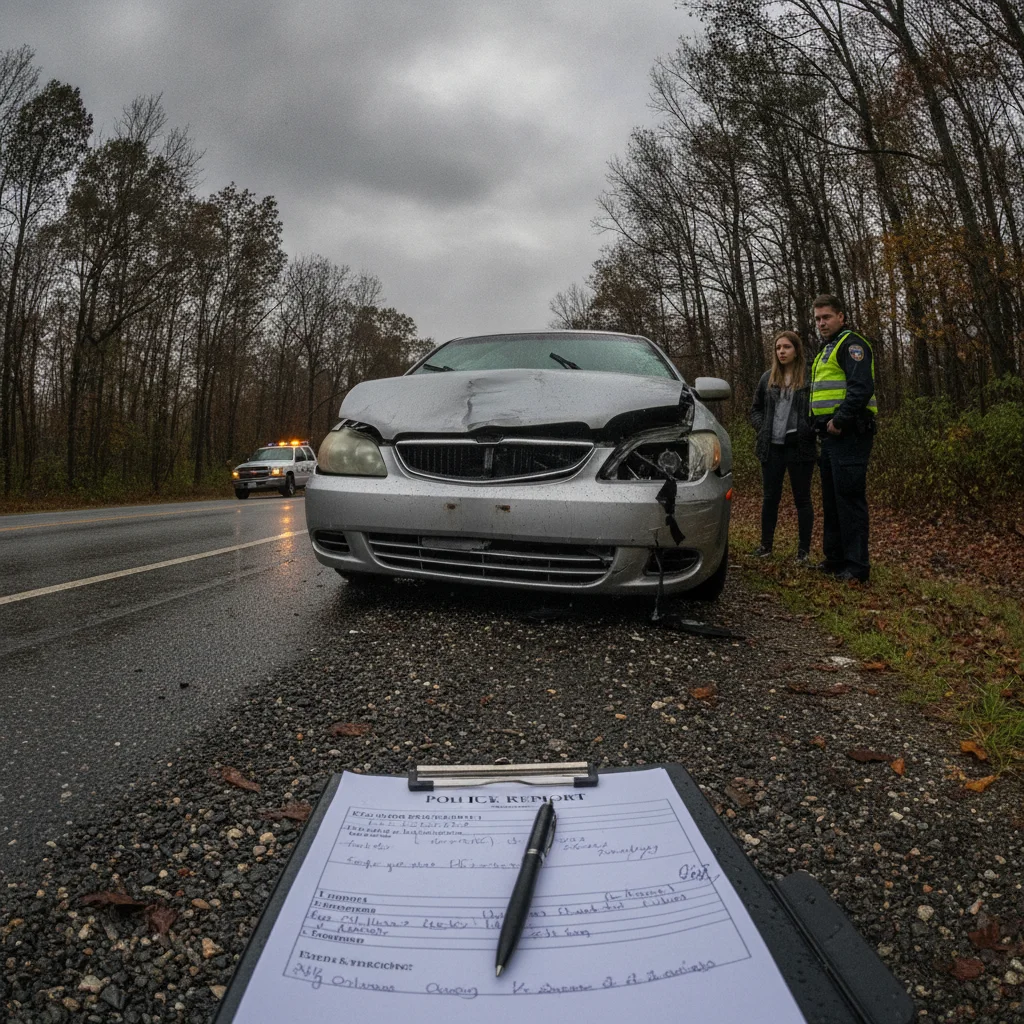
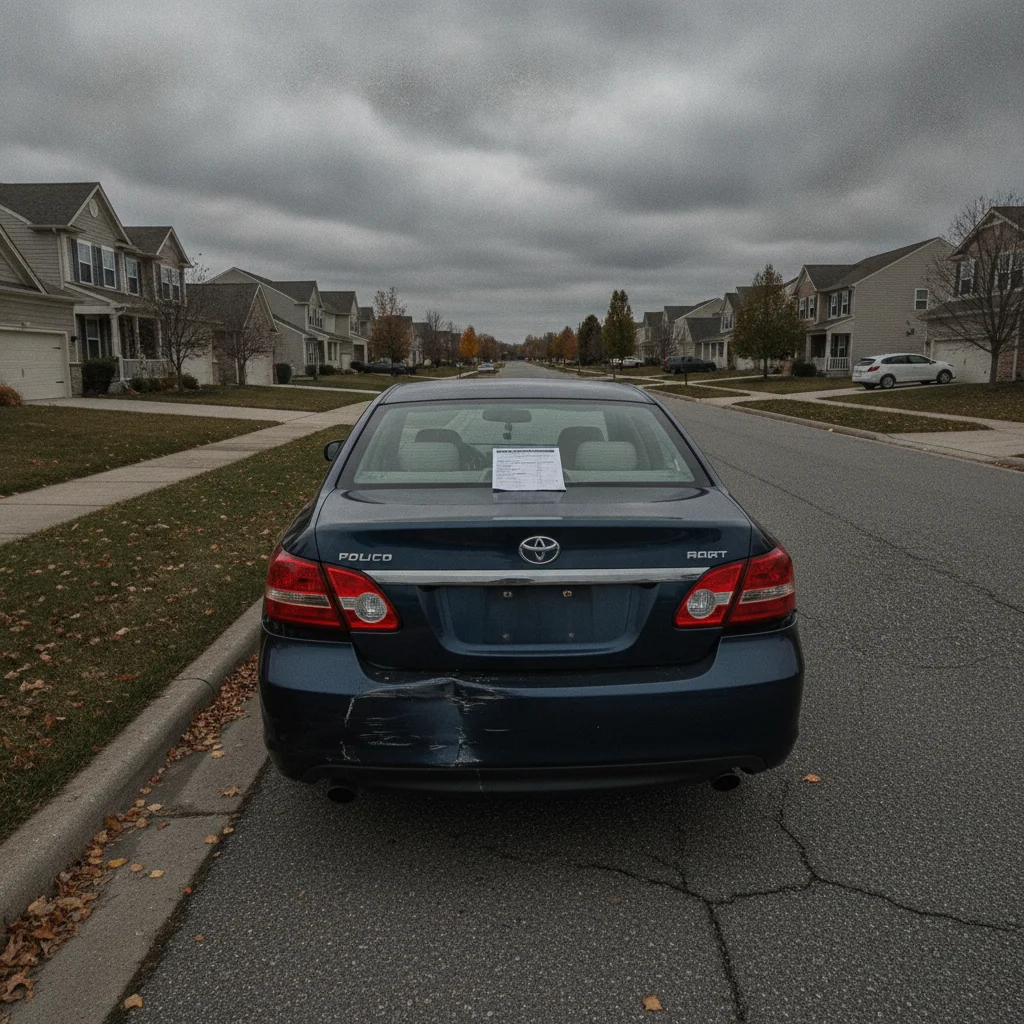
Here's a scenario that plays out thousands of times a day across the country: a driver files an insurance claim after a collision, drops their car at the repair shop, and then asks the service advisor about their loaner. The advisor shrugs. The insurer's claim rep says the same thing: you don't have rental reimbursement on your policy.
At that moment, a $50-a-day problem quietly starts the clock. Most drivers don't think about rental coverage until they're standing in a shop parking lot without a car. By then, it's too late to add it retroactively.
This article is about what actually happens — financially and logistically — when you file a claim without that coverage. Not theoretical worst cases, but real numbers based on how long repairs typically take and what rentals actually cost in the current market.

If you want the full breakdown of what the coverage itself provides, see our guide to how rental reimbursement works and what it pays before continuing.
Your Insurer Owes You Nothing for Transportation — Without This Coverage
This is the part that surprises most people: your insurance company's only obligation after a covered claim is to repair or replace your vehicle and pay applicable liability costs. Transportation during the repair period is explicitly your problem unless you've paid for the rental reimbursement endorsement.
It doesn't matter if the repair shop is booked out for two weeks. It doesn't matter if the parts are backordered. It doesn't matter if you have a daily commute you can't miss. Without the add-on, your insurer writes checks for repairs — not rentals.
$60–$80/day
Average mid-size rental car cost in the U.S.
Based on 2024 rental market data from major national brands including Enterprise, Hertz, and Avis across metropolitan markets.
12–15 days
Average collision repair turnaround time
According to industry data from the National Auto Body Council, with complex structural repairs and parts delays pushing some claims past 30 days.
$5–$15/mo
Typical rental reimbursement add-on cost
Premium varies by insurer, state, and the daily/per-claim limits selected — $30/day and $50/day tiers are most common.
1 in 3
Drivers without rental reimbursement coverage
Approximately one-third of insured drivers opt out of rental reimbursement coverage, according to industry estimates from the Insurance Information Institute.
$900–$1,500
Estimated out-of-pocket rental cost per average claim
Calculated using a 12–20 day repair window at current mid-size rental rates, before taxes and optional rental insurance fees.
The confusion often stems from two legitimate exceptions that do exist:
- At-fault third-party claims: If another driver caused the accident and their insurer accepts liability, their property damage liability coverage should pay for your rental while your car is being fixed.
- Some credit card benefits: Certain premium credit cards offer rental car coverage, but this typically applies to vehicles you rent directly — not to a replacement vehicle while your own car is being repaired.
Neither of those is guaranteed, fast, or without friction. The third-party route in particular can leave you waiting — see our guide to filing uninsured motorist claims for what happens when the other driver has no coverage at all, which makes the situation even worse.
Third-Party Claims Take Time to Process
Even when another driver is clearly at fault, their insurer doesn't automatically authorize a rental car the same day. Most third-party carriers need 3–10 business days to assign an adjuster, investigate the claim, and formally accept liability. During that window, you need transportation — and without rental reimbursement on your own policy, you're paying for it yourself.
Credit Card Rental Benefits Are Often Misunderstood
Most credit card rental car benefits apply specifically to vehicles you rent using that card — not to replacement transportation during your own vehicle's repair. Some premium travel cards do offer broader coverage, but always read the benefit guide carefully before assuming you're covered. Don't discover the exclusion after you've already declined the rental agency's insurance.
The Real Dollar Math: What You're Actually Paying Out of Pocket
Let's get concrete. A mid-size rental car in a major U.S. market currently runs $45–$75 per day before taxes and fees. At a repair shop that takes 12 business days — which is squarely average for a collision claim involving frame or bumper work — you're looking at:
| Daily Rental Rate | 12-Day Repair | 20-Day Repair | 30-Day Repair |
|---|---|---|---|
| $45/day | $540 | $900 | $1,350 |
| $60/day | $720 | $1,200 | $1,800 |
| $75/day | $900 | $1,500 | $2,250 |
Parts shortages — which are still a real issue for newer vehicles and certain import brands — can push repair timelines well past 30 days. If your vehicle is totaled, you still need transportation for the 2–4 weeks it takes to negotiate a settlement and get your check.
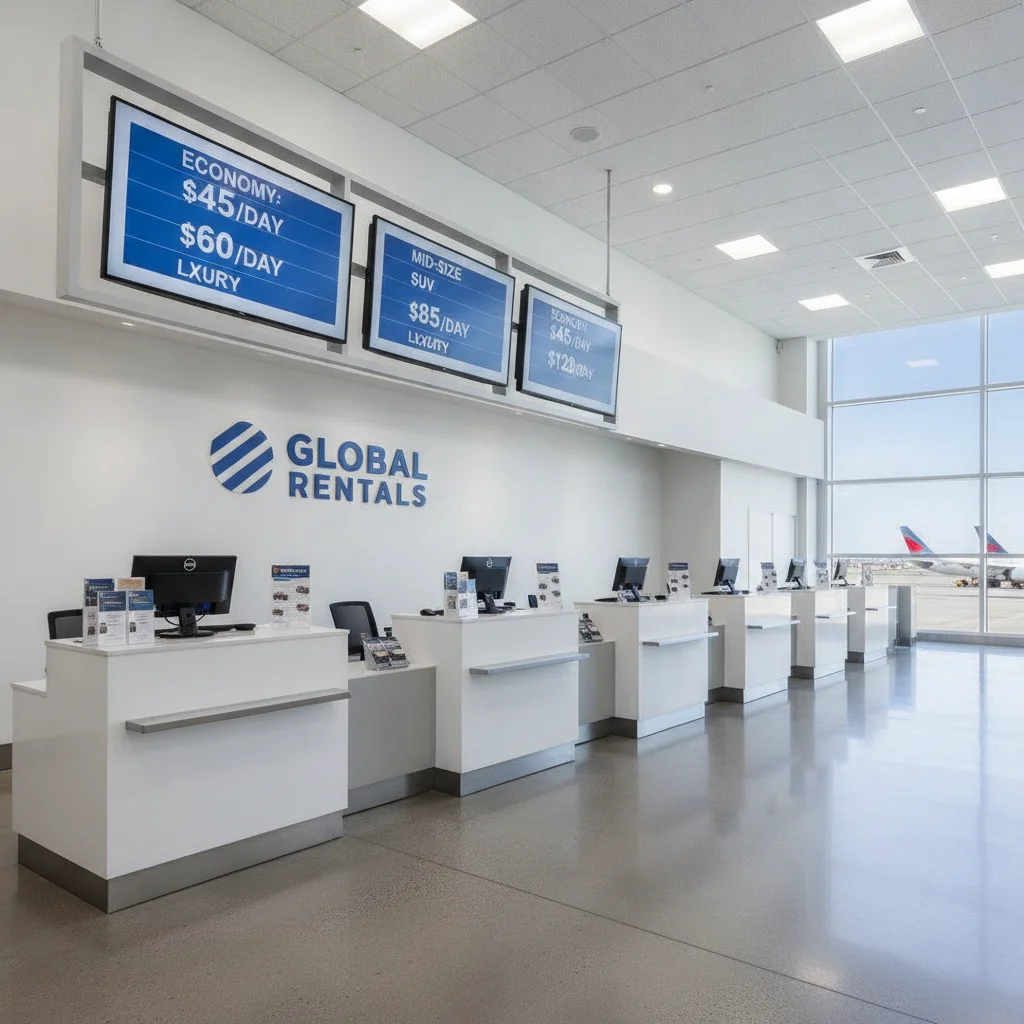
Compare that to the cost of rental reimbursement coverage: typically $5–$15 per month, or $60–$180 per year. Even at the high end, a single average repair event costs more out-of-pocket than several years of the add-on premium. The math is not close.
Choose the Right Daily Limit for Your Vehicle
If you drive a truck, SUV, or luxury vehicle, a $30/day rental limit won't come close to covering a comparable replacement vehicle. Choose a daily limit that actually matches what you'd need to rent — $45–$50/day is a better floor for most drivers. The premium difference between tiers is usually only $2–$4 per month.
Add Rental Reimbursement Before You Need It
You can add rental reimbursement to an existing policy at any time, typically effective the next day. Don't wait until renewal. If you're in a single-vehicle household or your daily schedule depends on having a car, add it today. A single repair claim will cost you more out-of-pocket than years of the add-on premium.
Fault Matters — But It Doesn't Solve Your Immediate Problem
One of the most common misconceptions I heard on the finance floor: "If it wasn't my fault, the other driver's insurance will handle everything." Technically true — eventually. But "eventually" can mean 5–15 business days while the other insurer investigates, assigns an adjuster, and formally accepts liability.
During that window, you need transportation right now. You have three realistic options while you wait:
- Pay out of pocket for a rental and seek reimbursement later. This usually works if the other driver is clearly at fault, but you're fronting the cash and filing receipts. Not everyone has $500–$1,000 liquid for this.
- Use your own collision coverage to get your car repaired faster, then subrogate (recover costs from the at-fault insurer). Your deductible applies upfront, though it should be returned if subrogation succeeds.
- Go without a car entirely and rely on rides, public transit, or borrowing a vehicle from someone you know.
In hit-and-run situations, option one is entirely off the table if the other driver is never identified. Our article on hit-and-run claims covers how to navigate that scenario and which coverages protect you when the at-fault party disappears.
“The coverage gap that surprises most people isn't their deductible — it's the two weeks they're without a car and nobody told them they'd be paying for that themselves.”
— Desmond Kimathi, Former dealership finance manager and auto insurance consumer advocate
Workarounds That Sometimes Help (And Their Real Limitations)
If you're already in a claim without rental reimbursement, there are some partial solutions worth knowing about:
Negotiate directly with the repair shop
Some dealership body shops maintain a small fleet of loaner vehicles. Ask directly — not at the front desk, but the shop manager. These are rarely offered proactively and availability is limited, but it costs nothing to ask. Independent shops almost never have loaners.
Use ride-sharing strategically
If your commute is short or you can work from home most days, Uber or Lyft may be cheaper than a full rental. A 10-mile round trip twice a day at $15–$20 each way adds up to $30–$40 per day — similar to the low end of rental rates, but without the liability exposure of operating a rental vehicle.
Check your credit card benefits
Some premium cards — Visa Infinite, certain Chase Sapphire and Amex Platinum products — include secondary auto coverage benefits. Read the terms carefully; most of these benefits apply only to vehicles you rent with that card, not to replacement vehicles during your own repair claim.
Employer fleet or dealer loaner programs
If your car is at a dealership for covered warranty work, dealers are often required to provide loaner vehicles. This doesn't apply to insurance claims at independent shops, but it's worth knowing if the damage overlaps with a recall or warranty issue.

For a broader look at how the rental process works during an active claim — including timelines and what to expect from adjusters — see our article on dealing with a rental car while your claim is processed.
Third-Party Claims Take Time to Process
Even when another driver is clearly at fault, their insurer doesn't automatically authorize a rental car the same day. Most third-party carriers need 3–10 business days to assign an adjuster, investigate the claim, and formally accept liability. During that window, you need transportation — and without rental reimbursement on your own policy, you're paying for it yourself.
Credit Card Rental Benefits Are Often Misunderstood
Most credit card rental car benefits apply specifically to vehicles you rent using that card — not to replacement transportation during your own vehicle's repair. Some premium travel cards do offer broader coverage, but always read the benefit guide carefully before assuming you're covered. Don't discover the exclusion after you've already declined the rental agency's insurance.
Who Actually Needs Rental Reimbursement — And Who Can Skip It
Not every driver is in the same situation. Here's a clear-eyed breakdown of when the coverage genuinely earns its premium and when you might reasonably pass on it:
Add it if:
- You have a single-vehicle household. There's no backup car to fall back on.
- Your commute or job requires daily driving. Missing work because your car is in the shop isn't just inconvenient — it's a direct income hit.
- You live in a city or suburb with limited public transit options.
- Your vehicle is newer or a specialty brand where parts delays are common (European imports, EVs, certain trucks).
- You're already carrying comprehensive and collision — you're protecting a vehicle worth insuring fully, so add the $5–$10/month endorsement.
You might reasonably skip it if:
- You have a multi-vehicle household with a spare car available.
- You work from home full-time and rarely need daily transportation.
- You live in a dense urban area where transit or ride-sharing covers your needs cheaply.
- You're carrying only liability coverage on an older car — if you're not filing collision claims, rental reimbursement rarely triggers.
Thinking about how rental reimbursement compares to other optional coverages? Our comparison of rental reimbursement vs. travel insurance rental coverage breaks down which option makes more sense depending on how and where you drive.
Choose the Right Daily Limit for Your Vehicle
If you drive a truck, SUV, or luxury vehicle, a $30/day rental limit won't come close to covering a comparable replacement vehicle. Choose a daily limit that actually matches what you'd need to rent — $45–$50/day is a better floor for most drivers. The premium difference between tiers is usually only $2–$4 per month.
Add Rental Reimbursement Before You Need It
You can add rental reimbursement to an existing policy at any time, typically effective the next day. Don't wait until renewal. If you're in a single-vehicle household or your daily schedule depends on having a car, add it today. A single repair claim will cost you more out-of-pocket than years of the add-on premium.
What to Do Right Now If Your Policy Doesn't Include It
If you just realized your policy is missing rental reimbursement coverage, the fix is straightforward — but timing matters.
Step 1: Check your declarations page. Look for "rental reimbursement," "transportation expense," or "rental car coverage" in your policy's optional coverages section. If it's not listed, it's not on your policy.
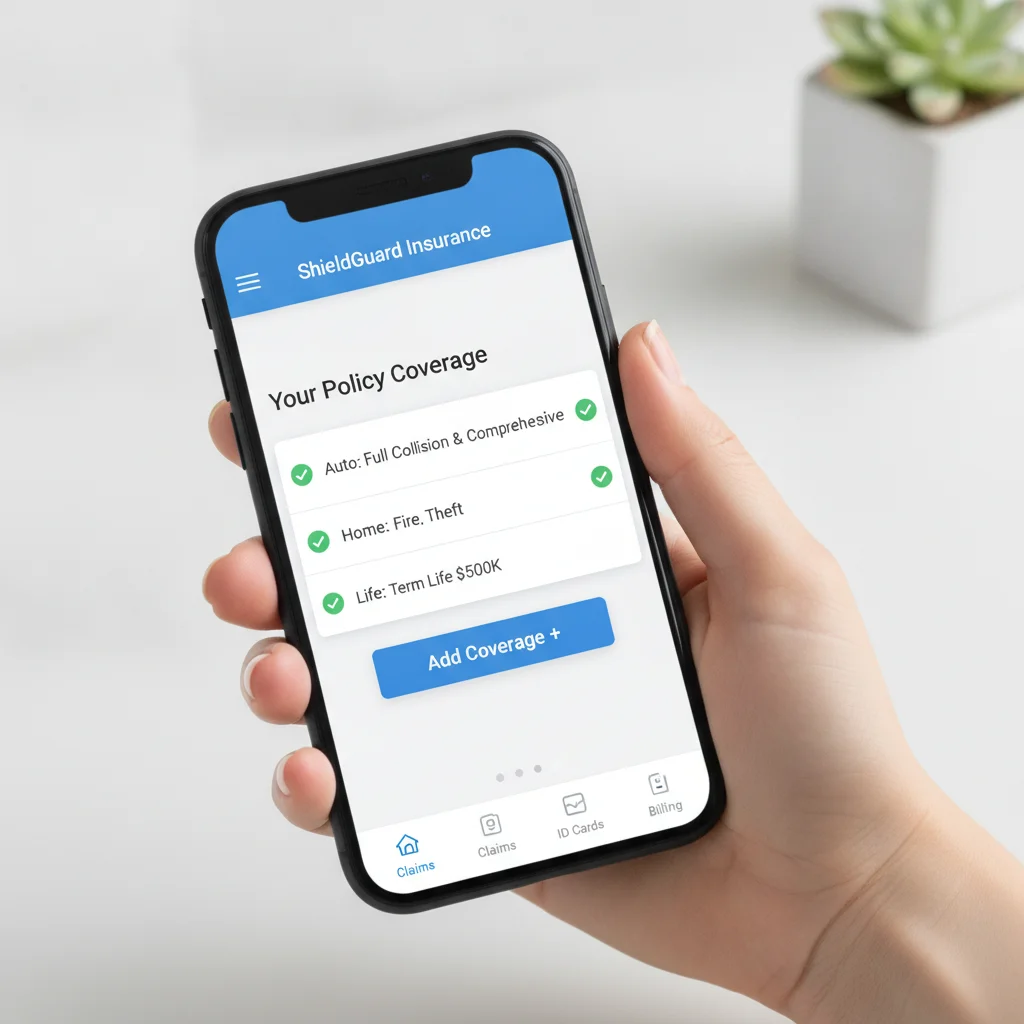
Step 2: Call or log into your insurer and add it today. Most insurers can add endorsements mid-policy, effective the next day. It takes five minutes and costs you a fraction of what one rental event would.
Step 3: Understand your limits before you need them. Common limits are $30/day up to $900/claim, or $50/day up to $1,500/claim. Know which tier you have — if you drive a larger vehicle, a $30/day limit won't cover a comparable rental size.
Step 4: Know the process before a claim hits. When you file, tell your adjuster immediately that you have rental reimbursement. Ask them to authorize the rental directly — many insurers will set up billing directly with major rental companies so you don't have to pay upfront. For a full walkthrough of the claim filing process, our step-by-step hub covers what to expect at each stage.
The worst time to learn about a coverage gap is standing in a shop parking lot without a ride home. The best time to fix it is today.

All claims are backed by peer-reviewed research. Sources on request.