Key Takeaways
Why a Hit-and-Run Is a Unique Insurance Problem
Most auto insurance claims follow a predictable path: two drivers exchange information, insurers contact each other, and fault gets sorted out. A hit-and-run breaks that whole system. When the at-fault driver disappears, there's no one to hold responsible — at least not immediately — and you're left wondering whether you're simply stuck with the bill.
You're not. But how your claim proceeds depends heavily on the specific coverages on your policy and the steps you take in the minutes and hours after the incident. This is where many drivers feel the most anxiety, and understandably so. Let's walk through what's actually happening behind the scenes and how to make sure you're protected.
A hit-and-run is treated differently from a typical at-fault accident. Because the responsible driver can't be identified, your own insurance policy typically becomes the primary vehicle for recovery. The coverage that matters most in this scenario is uninsured motorist coverage (UM) — specifically because an unknown driver is legally treated the same as an uninsured driver in most states.
It's also worth understanding how a hit-and-run claim compares to being hit by a driver you can identify but who simply has no insurance. That scenario — covered in detail in our guide on uninsured motorist claims — shares some mechanics with hit-and-run situations, but differs in important ways, particularly around fault documentation and negotiation.
What Coverage Actually Applies
Before diving into the steps, it helps to understand which parts of your policy are likely to come into play. Not all policies are identical, and coverage availability varies by state.
Auto Insurance Policy with UM/UIM Coverage
Uninsured motorist coverage is the primary mechanism for recovering costs after a hit-and-run when the other driver can't be identified.
Collision Coverage
Serves as a backup to UMPD if UM coverage isn't available or a state contact requirement blocks the UM claim.
Rental Reimbursement Coverage
Pays for a rental vehicle while your car is being repaired after the hit-and-run, up to your policy's daily and total limits.
Smartphone or Camera
Essential for photographing vehicle damage, the accident scene, and any identifying details about the fleeing vehicle.
Police Report
Required by most insurers to validate a hit-and-run claim; creates an official record and supports UM coverage eligibility.
Uninsured Motorist Bodily Injury (UMBI) covers medical expenses for you and your passengers if you're injured in a hit-and-run. Since the at-fault driver can't be identified, most states classify hit-and-run accidents under uninsured motorist provisions.
Uninsured Motorist Property Damage (UMPD) covers damage to your vehicle in a hit-and-run. However, not all states require insurers to offer this coverage, and some states that do require physical contact between vehicles before a UMPD claim will be approved. Check your state's rules — this detail matters.
Collision Coverage is your backup if you don't have UMPD, or if your state's contact requirement blocks your UM claim. Collision pays for your vehicle's damage regardless of fault, but it comes with a deductible. If the hit-and-run driver is eventually identified, you may be able to recover your deductible through subrogation.
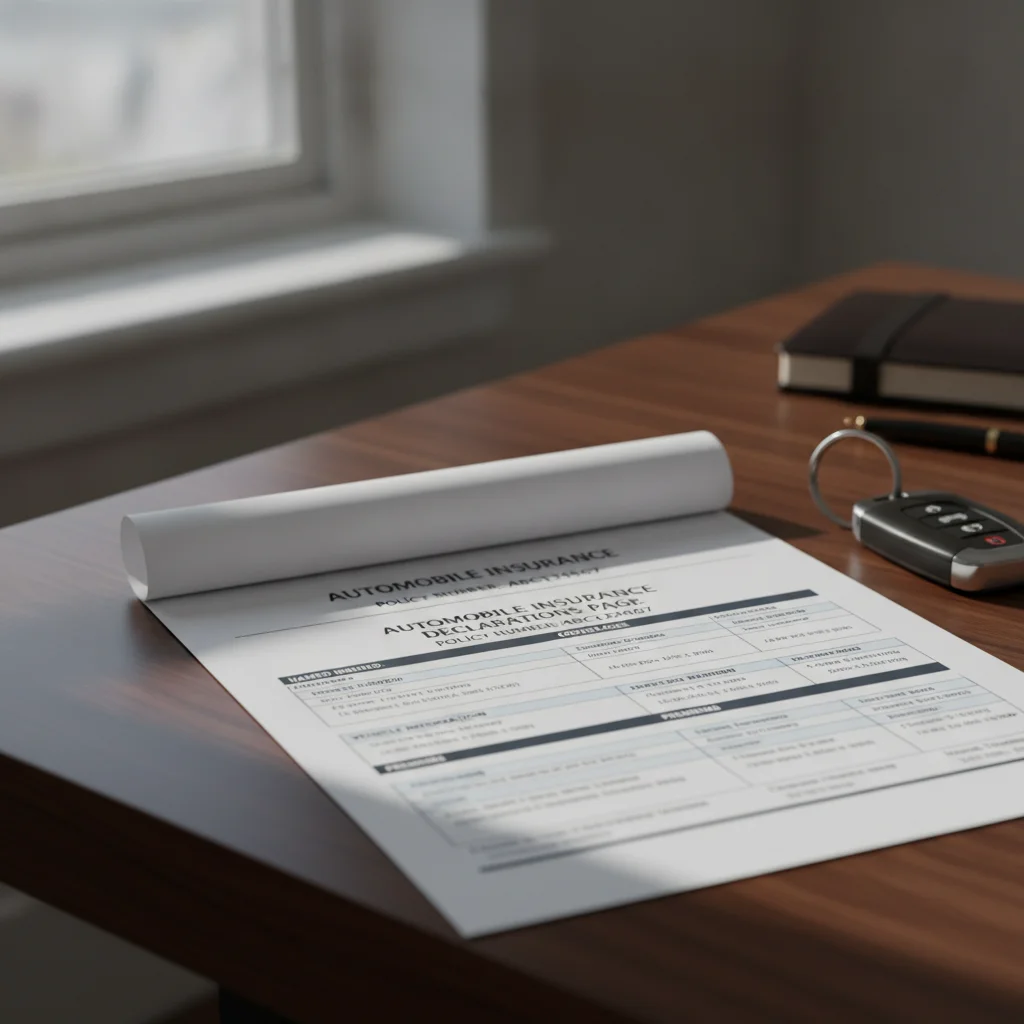
If you're uncertain which coverages you carry, the declarations page of your policy is the clearest place to look. It lists every coverage type and the limits attached to each.
Physical Contact Requirements Can Block UM Claims
Some states require that the hit-and-run vehicle actually make physical contact with your car for a UMPD claim to proceed under uninsured motorist coverage. If a driver forced you off the road or caused you to swerve without touching your car, some states won't allow a UM claim. In those cases, collision coverage would be your path to recovery. Ask your insurer about your specific state's rules before assuming your UM coverage applies.
Don't Delay Reporting — Deadlines Are Real
Many insurance policies and state laws impose strict reporting windows for hit-and-run incidents — sometimes as short as 24 hours for the police report requirement. Filing late can give your insurer grounds to deny the claim entirely. When in doubt, report first and gather additional details afterward.
For context on a closely related scenario — being struck by a driver you can identify who has no coverage — see our article on what happens if the other driver has no insurance. The financial exposure in both cases is similar, but the claims process diverges once you're able to name the other driver.
Step-by-Step: Filing Your Hit-and-Run Claim
The following steps apply whether the hit-and-run happened while your car was parked, while you were driving, or even in a parking lot. Follow them in order — each one builds on the last, and skipping steps early on can complicate things later.
What you will need
Stop and Ensure Everyone Is Safe
Before anything else, assess whether you or any passengers need medical attention. If injuries are present, call 911 immediately. Even if injuries seem minor, adrenaline can mask pain — it's worth being evaluated by a medical professional, especially if you'll be filing a bodily injury claim later.
Move your vehicle out of traffic if it's safe and legal to do so, but don't leave the scene entirely before you've documented everything.
Capture All Available Details at the Scene
Even partial information about the fleeing vehicle is valuable. Try to note or photograph:
- License plate number or partial plate
- Make, model, and color of the vehicle
- Direction the vehicle traveled
- Any visible damage to the other car
- Time and exact location of the incident
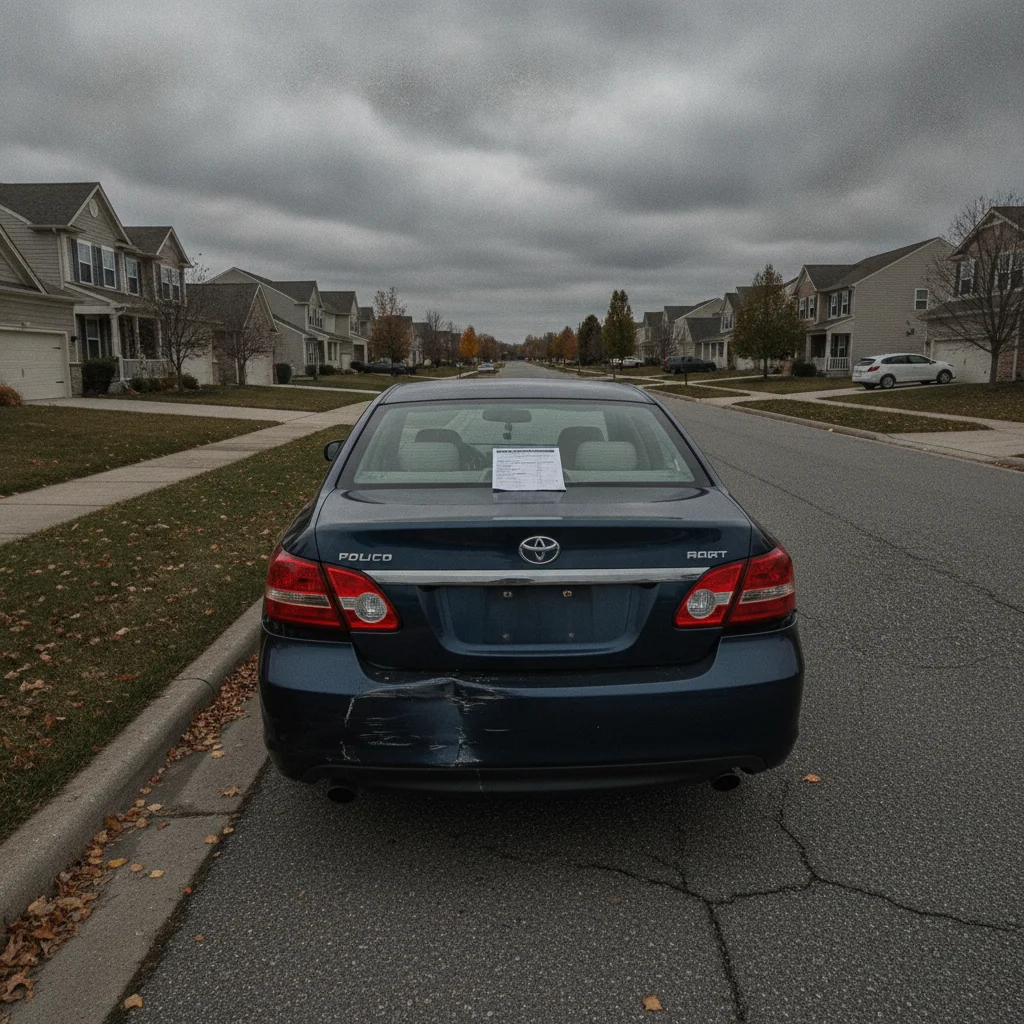
Photograph your vehicle's damage from multiple angles. Wide shots establish context; close-ups capture specific points of impact. If there's debris from the other vehicle — paint chips, broken plastic — photograph that too. Don't disturb or collect it.
Talk to Any Witnesses
If bystanders saw what happened, get their contact information — name, phone number, and email. Ask if they're willing to provide a brief statement. Witnesses who saw the other vehicle or partial plate details can significantly strengthen your claim.
Don't pressure anyone or ask them to speculate. Simply ask what they observed and collect their contact details so your insurer or law enforcement can follow up.
File a Police Report
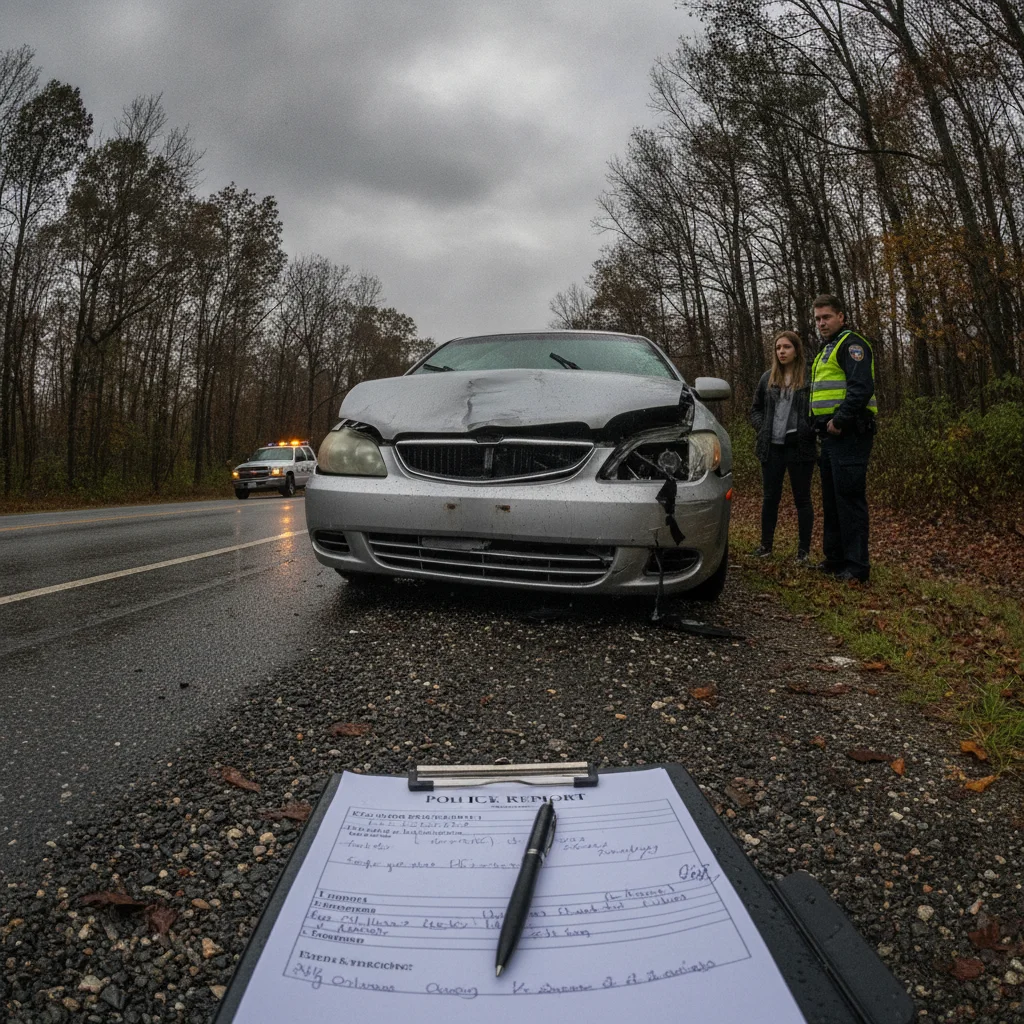
Call the local police non-emergency line (or 911 if injuries occurred) and report the hit-and-run. Provide all the information you've gathered: vehicle description, direction of travel, license plate details, and witness contacts.
Most insurance companies — particularly those processing uninsured motorist claims — require a police report to validate a hit-and-run claim. This is a hard requirement at many insurers, so don't skip this step even if the damage seems minor.
Ask for the report number before you hang up, and request a copy of the written report once it's filed. Processing time varies by department, but you can usually obtain a copy within a few days.
Notify Your Insurance Company
Contact your insurer's claims department as soon as you've filed the police report. Most companies have 24/7 claims lines. When you call, be ready to provide:
- Your policy number
- Date, time, and location of the incident
- A description of what happened
- The police report number
- Photos of the damage (you can email or upload these)
Your insurer will open a claim and assign an adjuster. At this point, ask them directly which coverage will apply — UMPD, UMBI, or collision — and whether your state has a physical contact requirement for UM claims. This sets expectations early and prevents surprises.
Get a Repair Estimate and Arrange Transportation
Your insurer may direct you to a preferred repair network, or you may have the option to choose your own shop. Either way, get a written repair estimate before authorizing any work.
If your vehicle isn't driveable, ask your insurer immediately whether your policy includes rental reimbursement coverage. If it does, they'll typically arrange a rental directly or reimburse you up to your policy's daily limit. If you don't have this coverage, you'll need to cover transportation costs yourself during the repair period — this is a meaningful out-of-pocket expense that's easy to underestimate.
Once you've completed these steps, your insurer handles the rest of the investigation and payout process. Stay responsive to their requests and keep copies of all documentation you submit.
Keep Your Insurer's Claims Number Saved
Store your insurance company's 24/7 claims number in your phone contacts right now, before you ever need it. In the stress of an accident, hunting through paperwork or logging into an app adds unnecessary friction. Most insurers also have claims apps that let you upload photos and track claim status in real time — worth downloading in advance.
Your Deductible May Be Recoverable
If the hit-and-run driver is later identified and held responsible, your insurer may pursue subrogation against them or their insurance company. If subrogation is successful, you could receive your collision or UMPD deductible back. Ask your claims adjuster about this process — it doesn't happen automatically, but it's a real possibility worth tracking.
Act Fast on Surveillance Footage
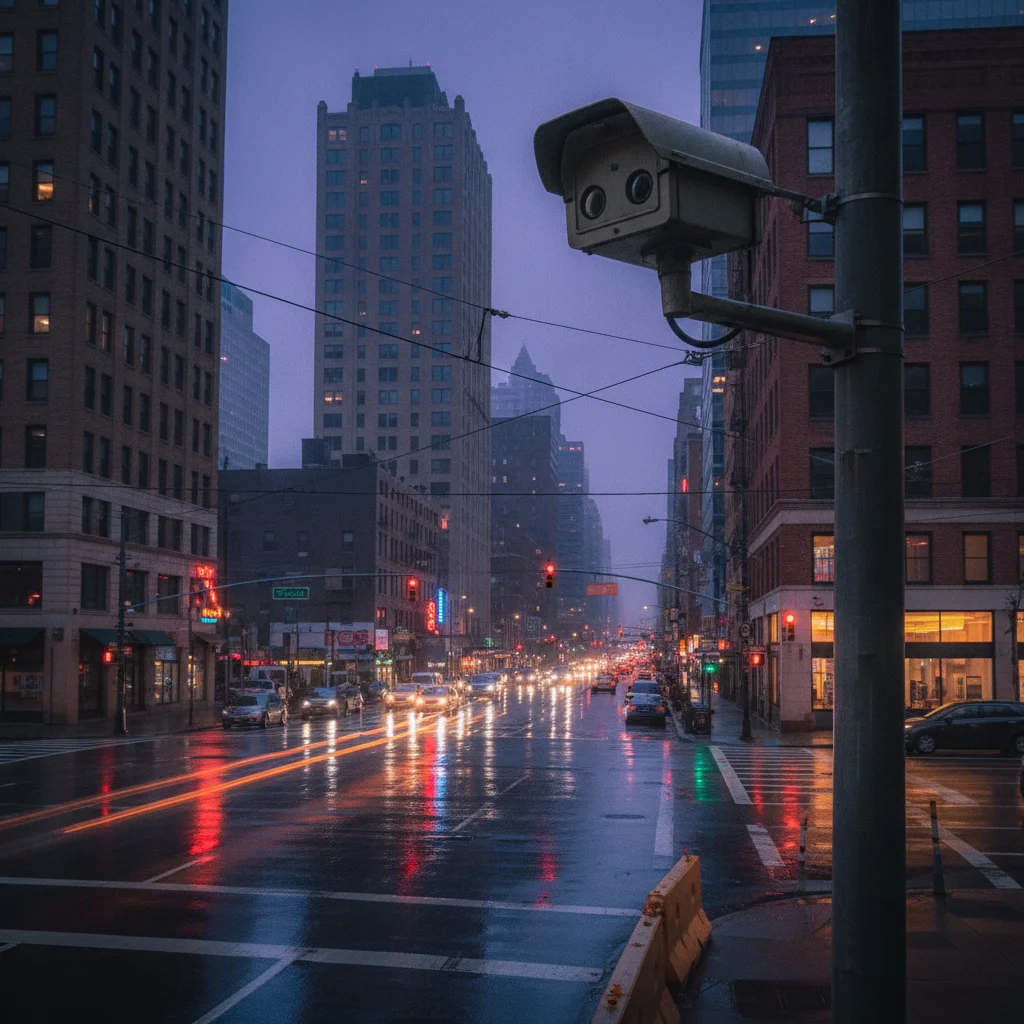
Business security cameras and traffic systems typically overwrite footage within 24 to 72 hours. If there were any cameras near the scene, contact the business or city traffic authority as soon as possible — or ask your insurer to do so on your behalf. This evidence can make the difference between an unsolved case and an identified driver.
What to Expect During the Claims Process
After you've filed, your insurer will assign a claims adjuster to your case. They'll review the police report, your documentation, and any witness statements. If surveillance footage exists — say, from a nearby business or a traffic camera — they or law enforcement may request it.
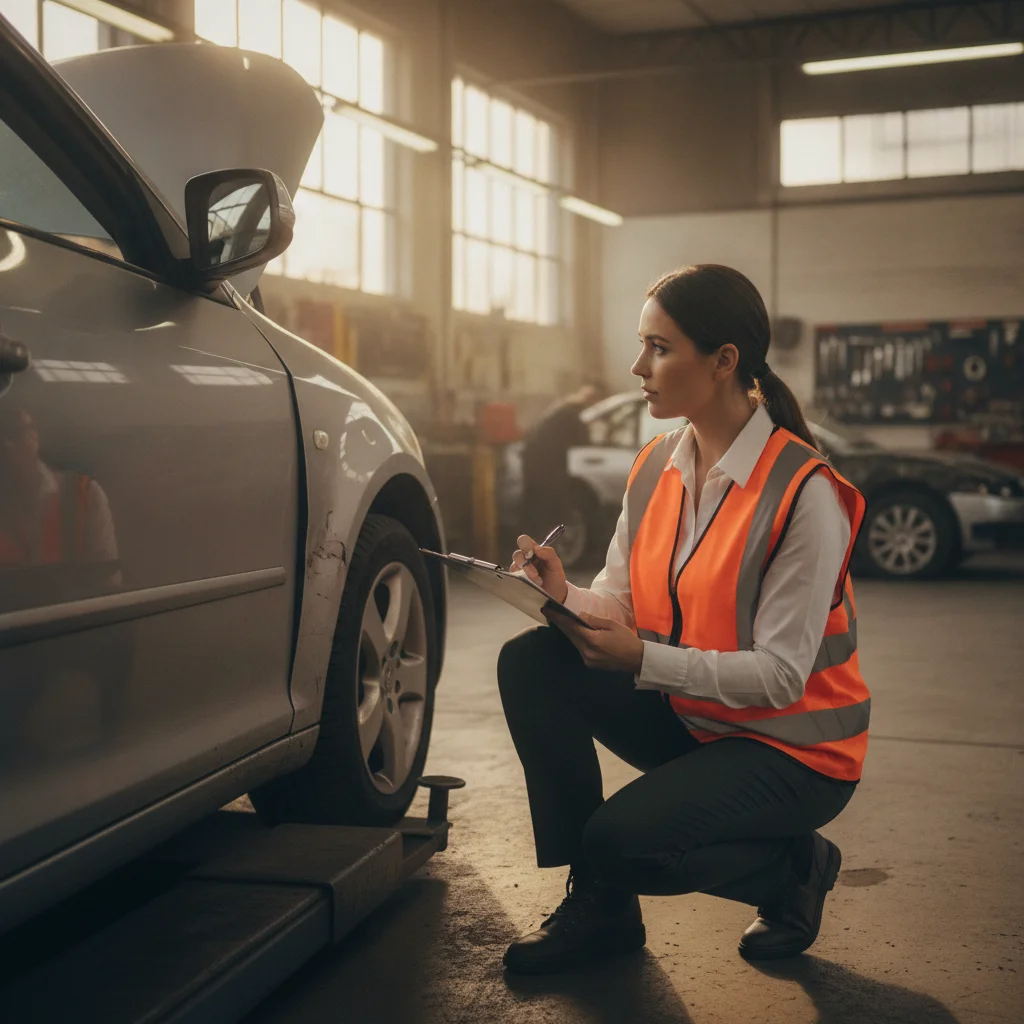
For property damage claims, the adjuster will either inspect your vehicle in person or use photos you've submitted to estimate repair costs. You may be directed to an approved repair shop, or you may be able to choose your own depending on your policy terms.
For bodily injury claims, your medical providers will typically bill your insurer directly, or you'll be reimbursed for out-of-pocket costs. Keep all medical records, bills, and documentation of missed work, as these directly affect the settlement amount under your UMBI coverage.
Will your premium go up? Many insurers treat hit-and-run claims as not-at-fault incidents, which may not affect your rates. However, this varies by insurer and state. It's worth asking your agent directly before filing — in some cases, the damage cost may be low enough that paying out of pocket is smarter than triggering a claim. That said, for any significant damage or injury, filing is almost always the right call.
UM Coverage Limits Apply Here Too
Your uninsured motorist coverage has the same limits as any other coverage — and those limits may not be enough to cover serious injuries or total vehicle loss. If your UMBI limit is $25,000 per person and your hospital bills exceed that, you're responsible for the remainder. Review your UM limits now, while you're thinking about it, and consider whether higher limits make sense for your situation.
A Liability-Only Policy Leaves You Exposed
If your auto policy only includes liability coverage, a hit-and-run accident where you can't identify the other driver leaves you with no insured path to recover property damage. Liability coverage protects others from your mistakes — it does not protect you from someone else's. Adding collision and uninsured motorist coverage closes this gap. It's worth reviewing your policy before an incident occurs, not after.
One more practical concern worth flagging: if your car is undriveable after the hit-and-run, you'll need transportation during repairs. Whether rental reimbursement coverage kicks in here depends on what's on your policy. For a realistic picture of what happens without that coverage, see our article on filing a claim without rental reimbursement coverage.
If the Driver Is Later Identified
Hit-and-run drivers are caught more often than people expect, especially in urban areas with widespread camera coverage. License plate readers, doorbell cameras, and eyewitness accounts all contribute to identifications after the fact.
If law enforcement identifies the responsible driver, your situation changes significantly. At that point, you have the option to file a claim against their liability insurance — if they carry it — and pursue your damages that way. Your insurer may also pursue the at-fault driver directly through subrogation, and if successful, you could recover your deductible.
This scenario starts to resemble a standard uninsured motorist claim more closely. The distinction is explained in depth in our article on how UM claims work when the other driver is identified but uninsured.
If the driver is identified and does carry insurance, notify your own insurer immediately so they can coordinate accordingly. Don't assume your claim automatically transfers — you still need to keep your own insurer informed of every development.
If the incident happened while you were stationary — for example, in a parking lot — the process is similar, though worth understanding separately. Our guide on what to do when the other driver flees the scene walks through the immediate aftermath in detail, including what to record before you leave the location.
Frequently Asked Questions
Does a hit-and-run affect my insurance rate?
It can, but many insurers won't raise your rate for a not-at-fault claim. Ask your insurer directly. If the damage is minor and your deductible is close to the repair cost, some drivers choose to pay out of pocket rather than file.
What if the hit-and-run was just a scraped bumper in a parking lot?
The same process applies. File a police report, document the damage, and contact your insurer. Parking lot incidents are among the most common hit-and-run scenarios, and the same coverage rules apply as they would for a moving collision.
What if I only have liability coverage?
Liability-only policies don't cover your own vehicle damage. Without collision or UMPD coverage, you'd generally have no insurance path to recover property damage from a hit-and-run. This is one of the most significant gaps in minimal coverage policies. For comparison, see how single-car accident coverage works — the exposure is similar in cases where no other driver can be held liable.
How long do I have to file a claim?
This varies by insurer and state, but most require you to notify your insurer promptly — often within 24 to 72 hours for hit-and-run incidents. Some UM policies have strict reporting windows. Check your policy documents and don't delay contact with your insurer even if you're still gathering information.

All claims are backed by peer-reviewed research. Sources on request.